Oddlet · 2 min read
Feb 14, 2026 · Updated Feb 20, 2026
Oddlet · 2 min read
Feb 14, 2026 · Updated Feb 20, 2026
🇭🇺The Doctor Who Was Right
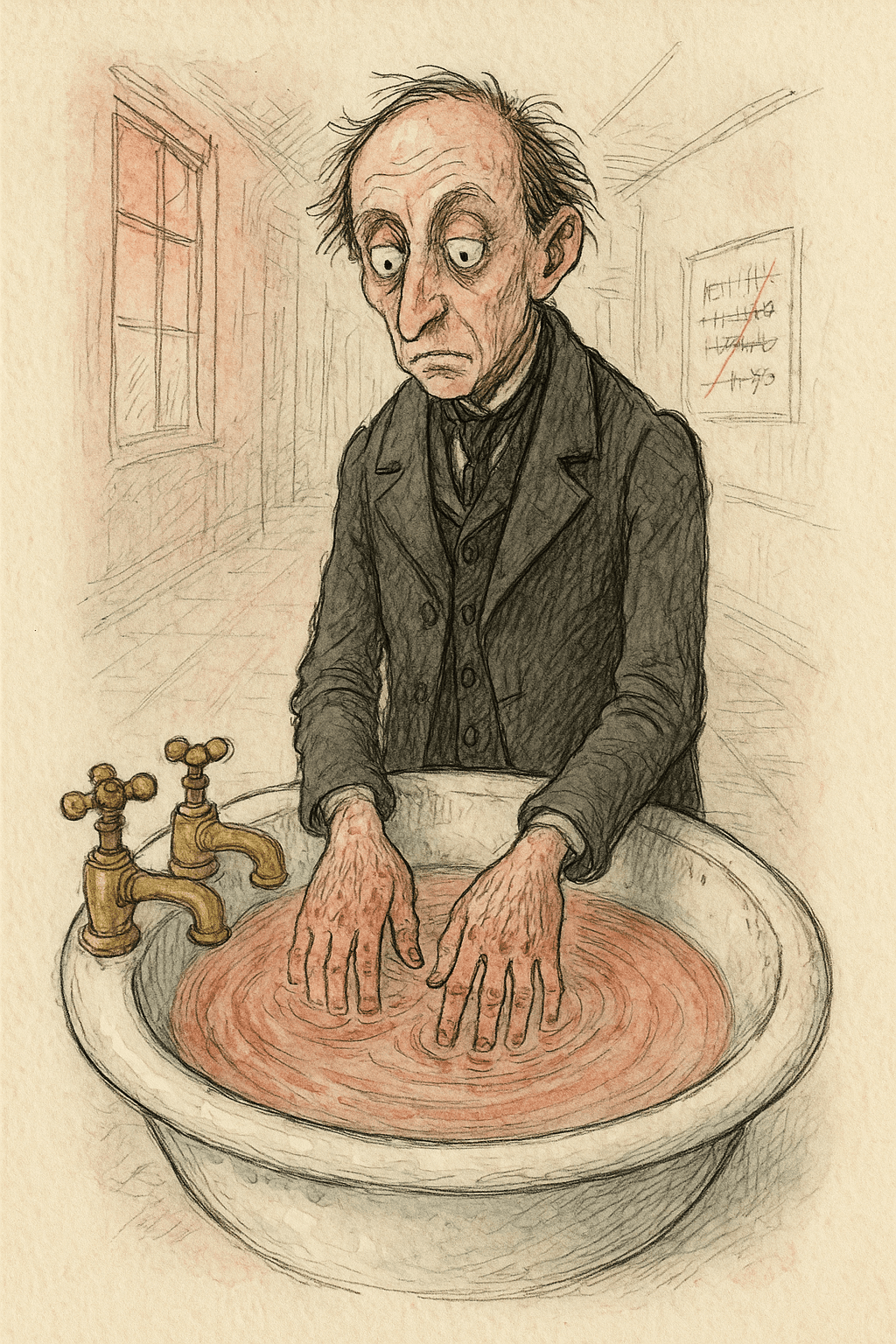
He died of the same infection, in the same place on his body, that he'd spent his life trying to prevent.
In 1847, Ignaz Semmelweis figured out why so many mothers were dying. He was an obstetrician at the Vienna General Hospital, and he noticed something: doctors were walking straight from the autopsy room to the delivery ward, hands unwashed, and women were dying of fever at five times the rate of the ward staffed by midwives. He made his doctors wash their hands in chlorinated lime solution. The death rate dropped from eighteen percent to under two.
He had the data. He had the proof. He had rooms full of women who were alive instead of dead.
The medical establishment told him he was wrong. Doctors were gentlemen, and gentlemen's hands were clean. The suggestion that they might be carrying death on their fingers was not a scientific hypothesis — it was an insult. Semmelweis was dismissed from his post. He wrote furious open letters to obstetricians across Europe, calling them murderers. He grew erratic, desperate, impossible.
In 1865, his colleagues lured him to a Viennese asylum. When he realized what was happening and tried to leave, guards restrained him. He was beaten. The wounds on his hands became infected.
He died two weeks later, at forty-seven, of septicemia — a blood infection caused by bacteria entering through broken skin.
It was the same disease, in the same place on the body, that he had spent his life trying to prevent.
Know someone who’d love this?
- Wikipedia: Ignaz Semmelweis — Comprehensive biography including birth/death dates, discovery timeline, and circumstances of death. States he died of septicemia from wounds sustained during commitment to asylum.
- CDC: Handwashing History — Confirms Semmelweis's role in handwashing history and the dramatic mortality reduction from his intervention.
- Science Museum: Semmelweis — Details the mortality statistics (18% vs 2%) and the medical establishment's resistance to his findings.
- The Lancet: Semmelweis Anniversary — Medical journal retrospective on Semmelweis's contributions and tragic end. Confirms asylum death circumstances.
The Chemist Who Tasted Everything
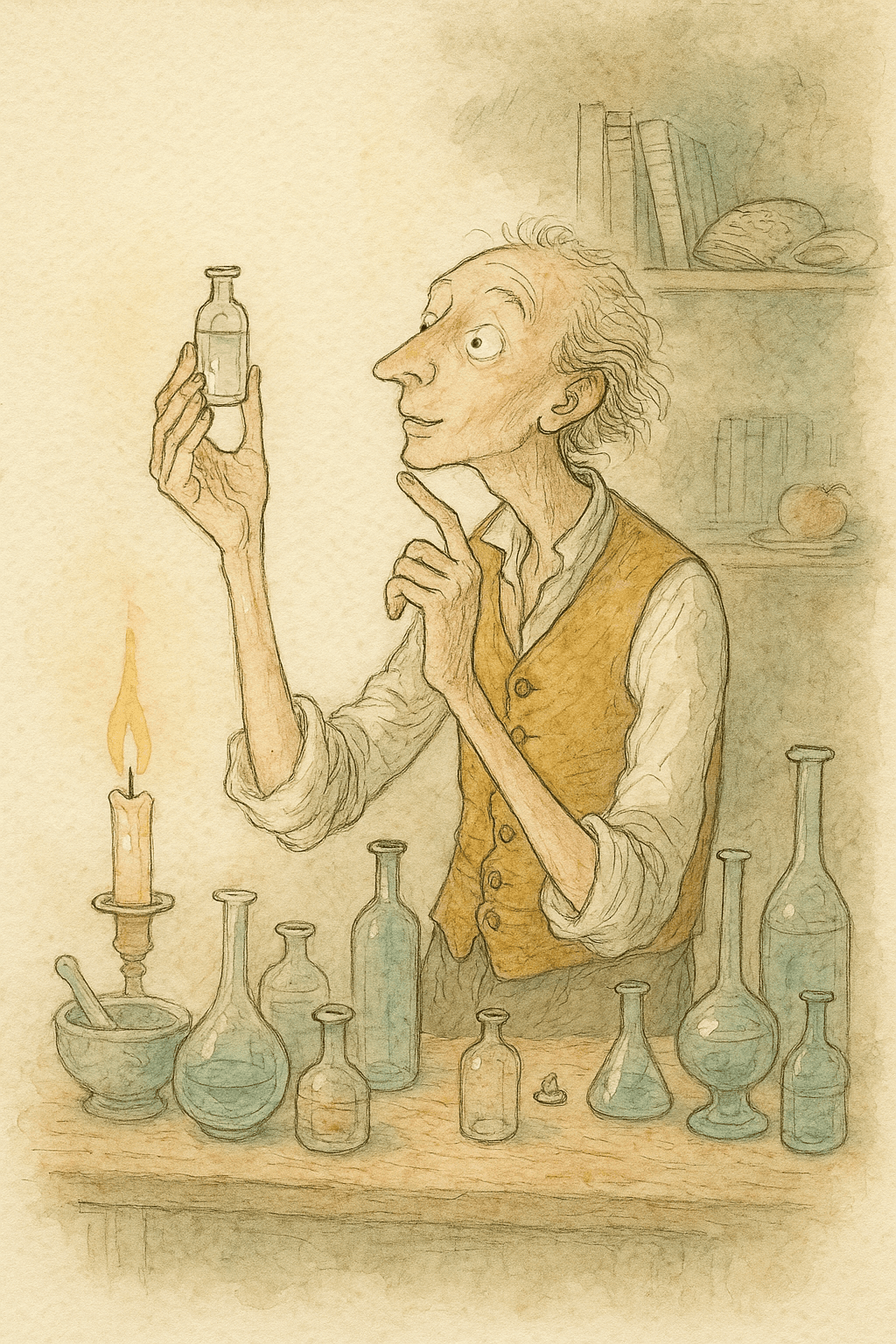
Carl Wilhelm Scheele discovered oxygen, chlorine, and more elements than almost anyone in the eighteenth century. Working alone in Swedish pharmacies, he identified each substance by tasting it. Mercury compounds. Arsenic. Hydrogen cyanide, which he found pleasantly sharp. His hands swelled. His joints ached. His body filled with what he'd catalogued. He died at forty-three, notebooks open, descriptions precise. The poisons tasted exactly as he said they would.
The Man Who Boiled His Own Urine and Found Light
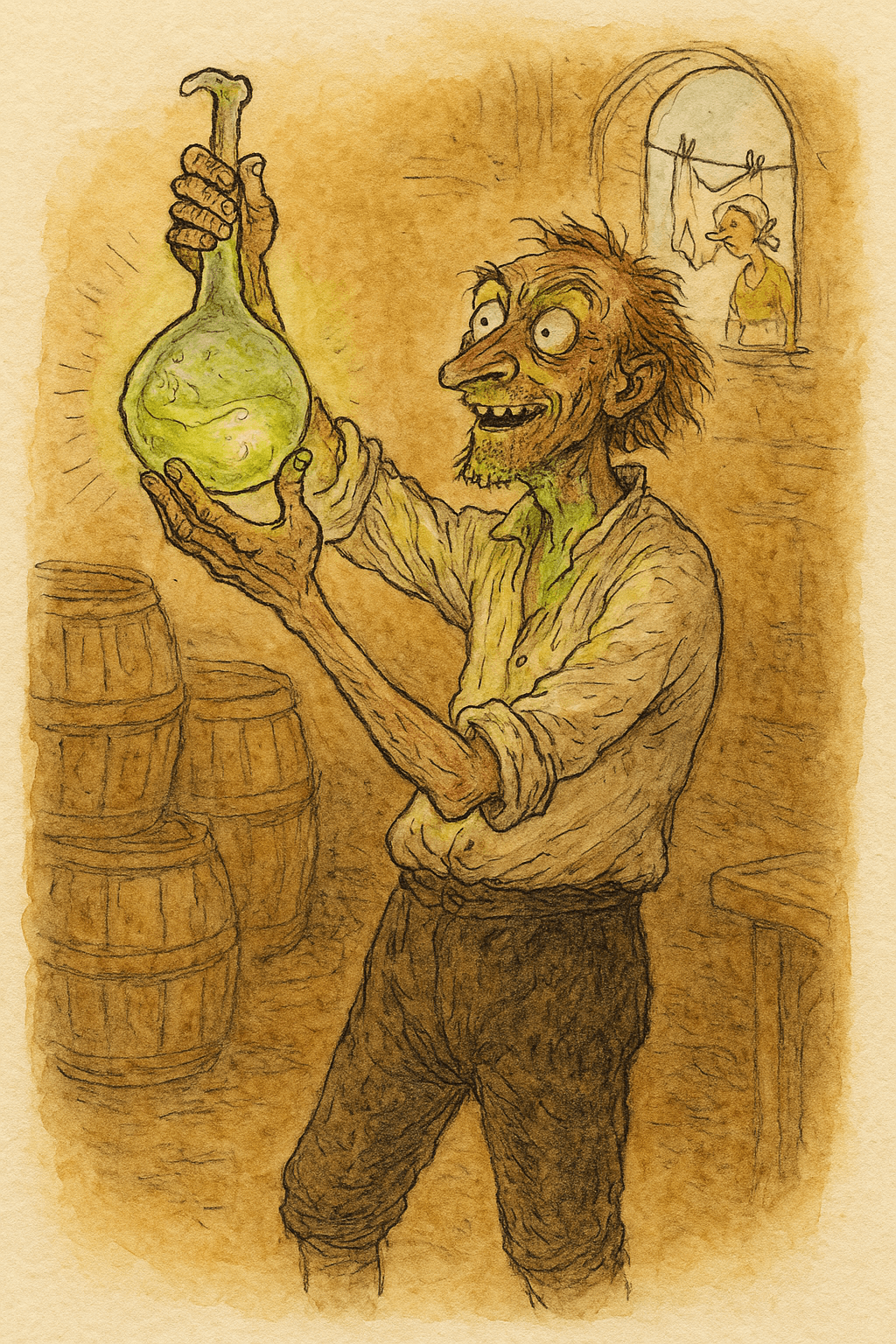
Hennig Brand was a 17th-century alchemist who spent both his wives' fortunes chasing gold. In 1669, he collected 1,500 gallons of urine, let it rot, then boiled it down and heated the paste for weeks. What came out wasn't gold — it was a waxy substance that glowed in the dark and burst into flames on its own. He'd discovered phosphorus, the first element ever isolated by a named individual. He went looking for gold in the most preposterous place imaginable and found light instead.
The Woman Who Practiced Madness in a Mirror
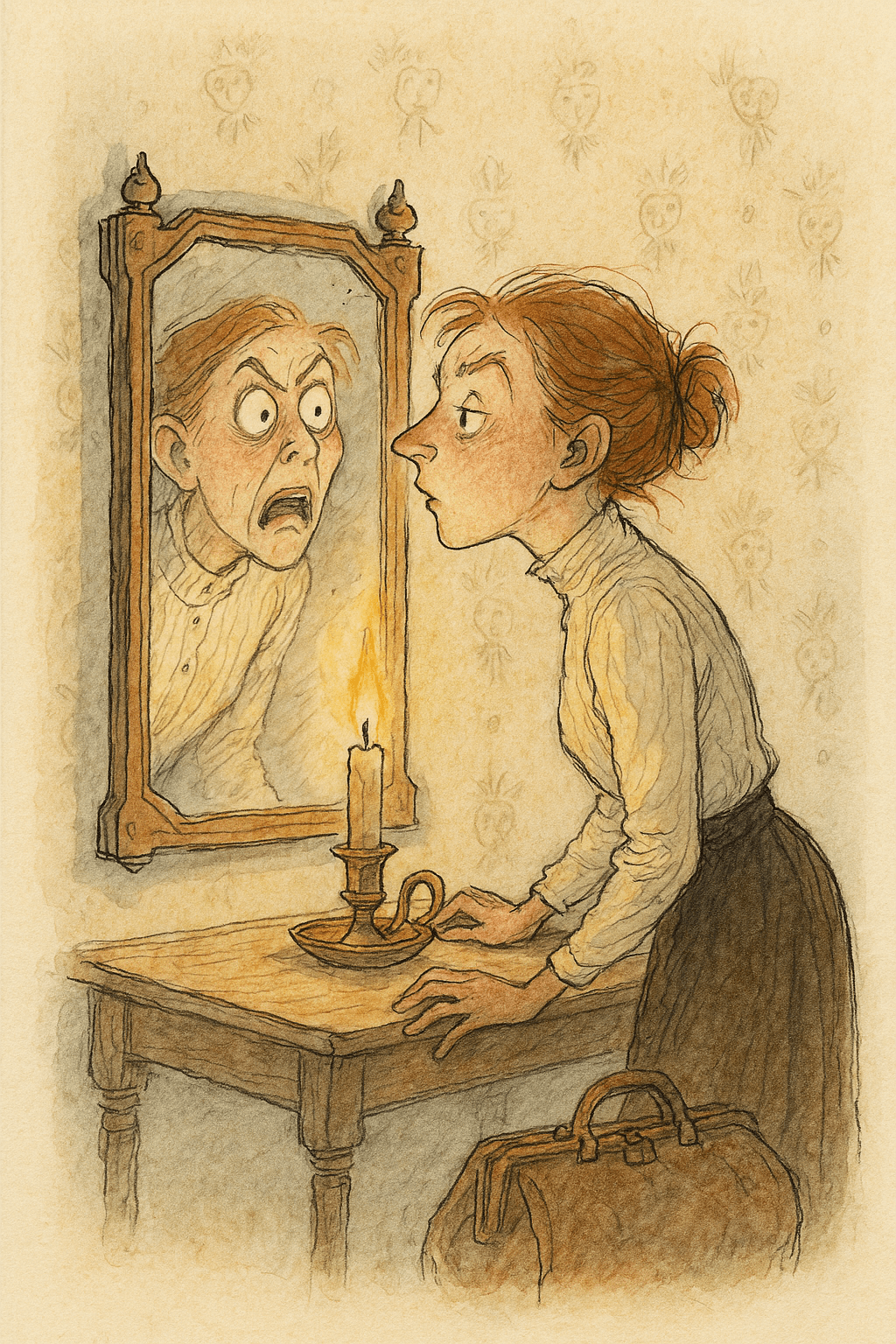
In 1887, Nellie Bly practiced deranged expressions in a mirror for one night, then got herself committed to a New York asylum. She spent ten days documenting rotten food, ice baths, and patients tied together with ropes. Her exposé triggered a grand jury investigation and forced the city to overhaul its asylum system. The doctors who had unanimously declared her insane never explained how a twenty-three-year-old reporter had fooled them all.
Wonder, delivered.
A fresh oddlet in your inbox every morning — true, strange, and under a minute.
Free forever. Unsubscribe anytime.