Oddlet · 2 min read
Feb 11, 2026 · Updated Feb 20, 2026
Oddlet · 2 min read
Feb 11, 2026 · Updated Feb 20, 2026
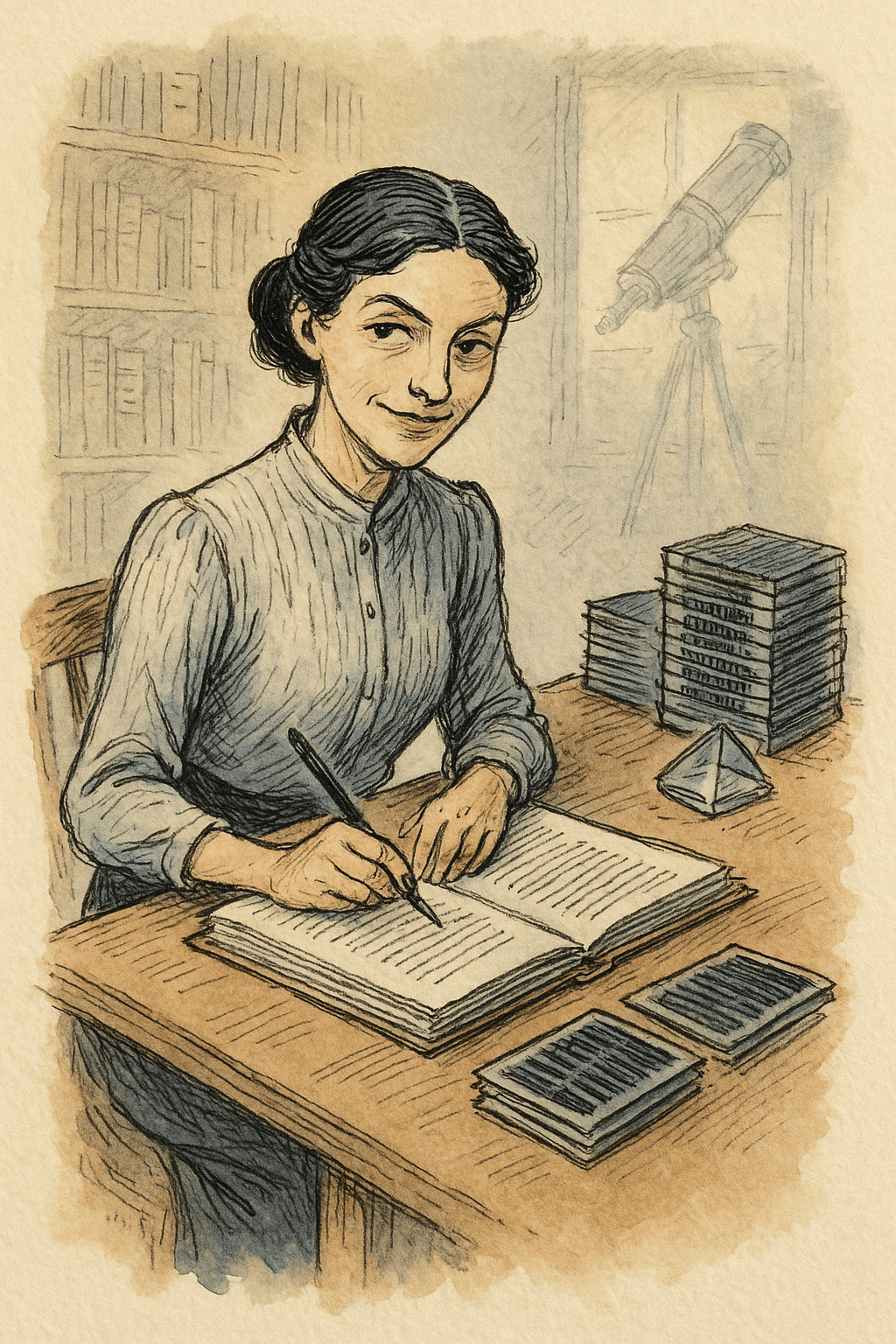
The Woman Who Crossed Out the Stars
She discovered what stars are made of, then a famous man told her to cross it out and wrote it back in his own handwriting.
In 1925, Cecilia Payne wrote what astronomer Otto Struve would later call "undoubtedly the most brilliant Ph.D. thesis ever written in astronomy." She was twenty-five years old. Working at Harvard, she had analyzed stellar spectra and arrived at a conclusion that upended everything astronomers thought they knew: stars were made almost entirely of hydrogen and helium.
This was, at the time, considered absurd. The scientific consensus held that stars had roughly the same composition as Earth. Henry Norris Russell, one of the most powerful astronomers in America, reviewed her work and told her she was wrong. Her data, he said, could not possibly mean what she thought it meant.
So Payne did something she would regret for the rest of her life. She added a sentence to her own thesis describing her groundbreaking result as "almost certainly not real."
Four years later, Russell published a paper reaching the identical conclusion. He credited Payne in a footnote.
Harvard did not make her a full professor until 1956 — thirty-one years after she had correctly identified what the universe is mostly made of. She was not permitted to formally teach courses for decades. Her thesis gathered dust while the textbooks caught up to it.
She had discovered what stars are. Then a famous man told her to cross it out, and wrote it back in his own handwriting.
Know someone who’d love this?
- Wikipedia - Cecilia Payne-Gaposchkin — Comprehensive biography including details about her thesis, Russell's intervention, and later career recognition. Cites her thesis conclusion and Struve's assessment.
- American Physical Society - Cecilia Payne and the Composition of Stars — Details the Russell interaction: 'Russell... convinced her to add a sentence to her thesis describing her own results as 'spurious.' Four years later, Russell published his own work on stellar composition, crediting Payne but claiming independent discovery.
- Harvard-Smithsonian Center for Astrophysics - Cecilia Payne-Gaposchkin — Confirms she was first astronomy PhD from Harvard/Radcliffe (1925), became full professor in 1956, and details her career at Harvard Observatory.
- Nature - Cecilia Payne-Gaposchkin obituary — Contemporary obituary from 1980 providing career overview and scientific contributions.
The Chemist Who Tasted Everything
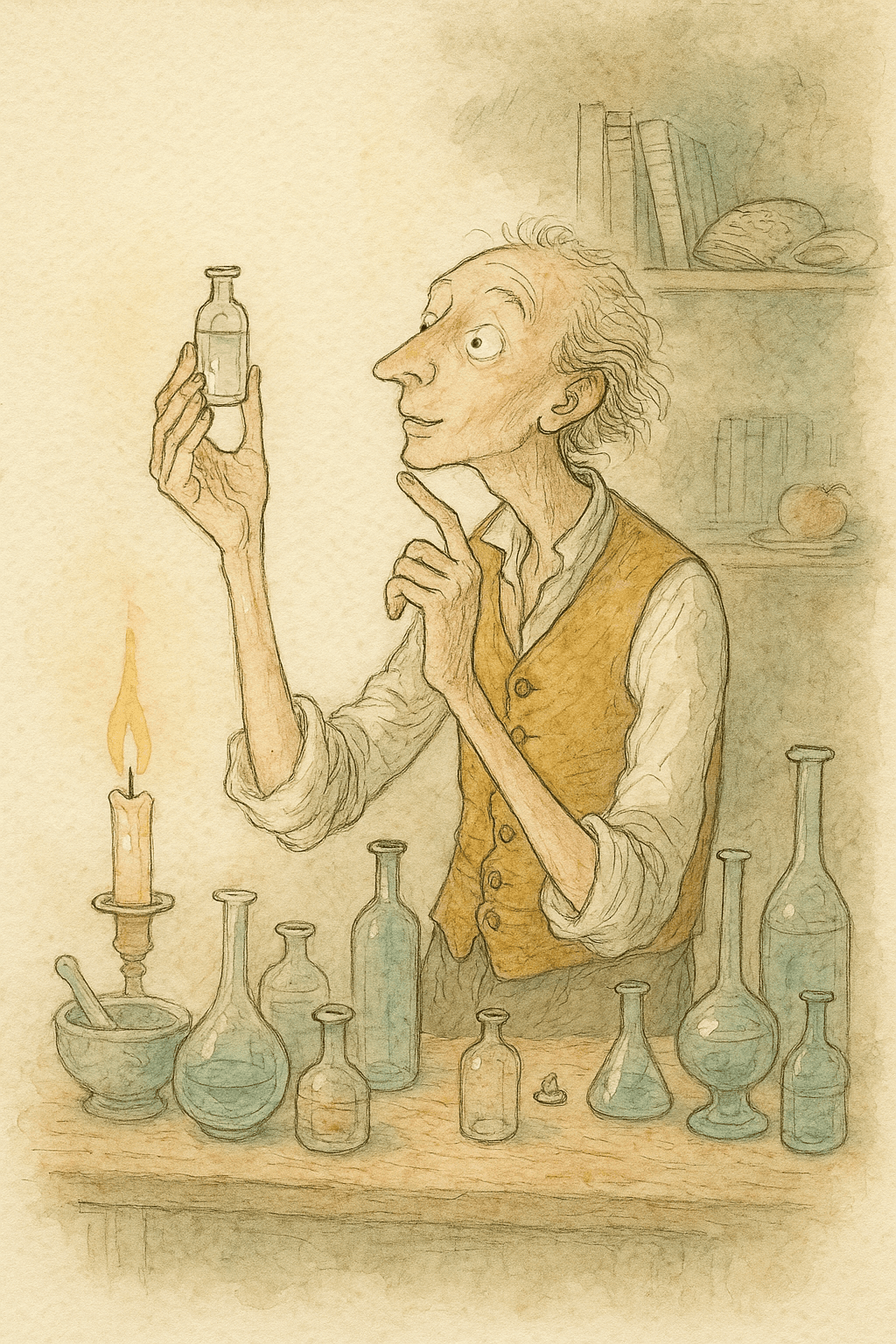
Carl Wilhelm Scheele discovered oxygen, chlorine, and more elements than almost anyone in the eighteenth century. Working alone in Swedish pharmacies, he identified each substance by tasting it. Mercury compounds. Arsenic. Hydrogen cyanide, which he found pleasantly sharp. His hands swelled. His joints ached. His body filled with what he'd catalogued. He died at forty-three, notebooks open, descriptions precise. The poisons tasted exactly as he said they would.
The Man Who Boiled His Own Urine and Found Light
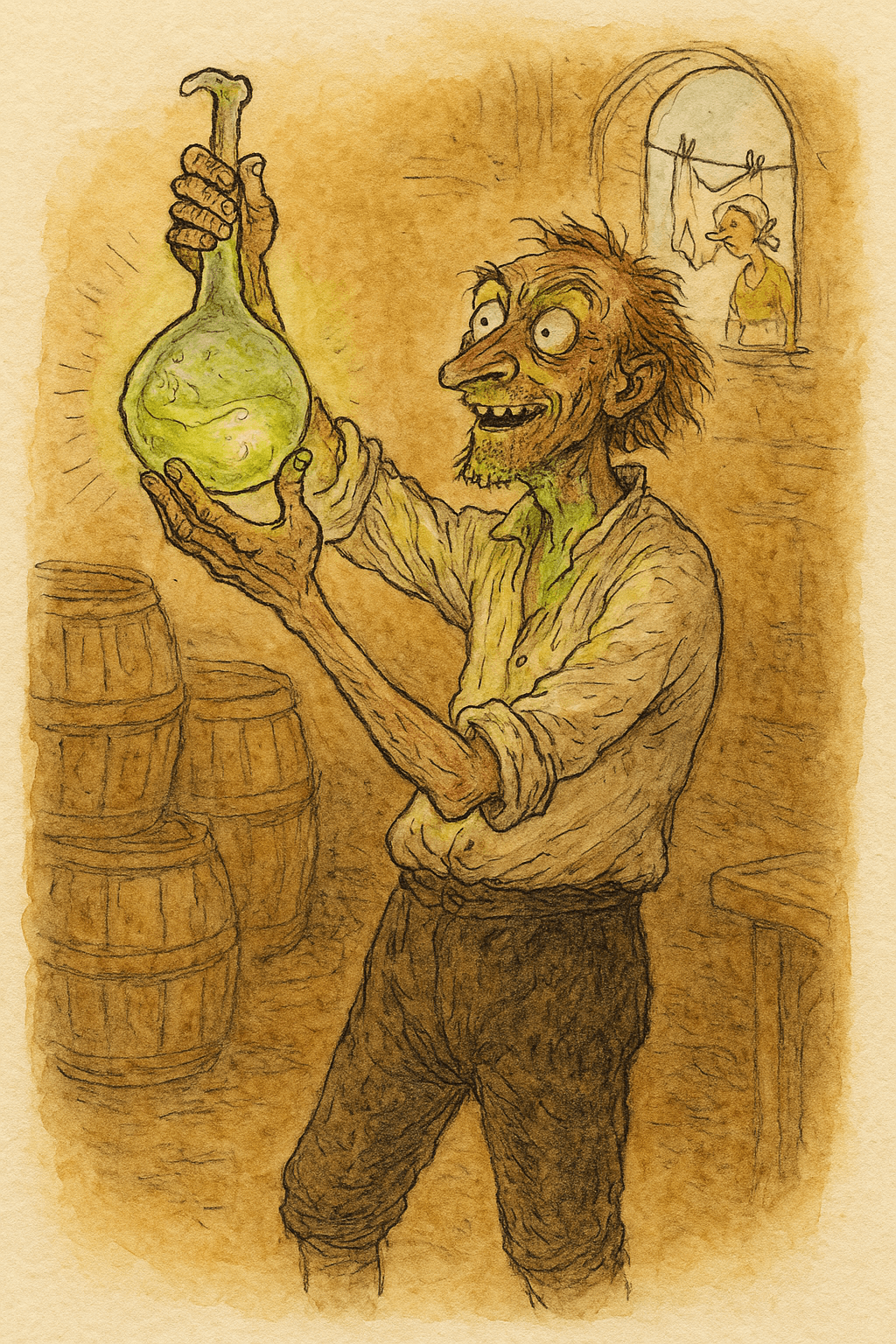
Hennig Brand was a 17th-century alchemist who spent both his wives' fortunes chasing gold. In 1669, he collected 1,500 gallons of urine, let it rot, then boiled it down and heated the paste for weeks. What came out wasn't gold — it was a waxy substance that glowed in the dark and burst into flames on its own. He'd discovered phosphorus, the first element ever isolated by a named individual. He went looking for gold in the most preposterous place imaginable and found light instead.
The Woman Who Practiced Madness in a Mirror
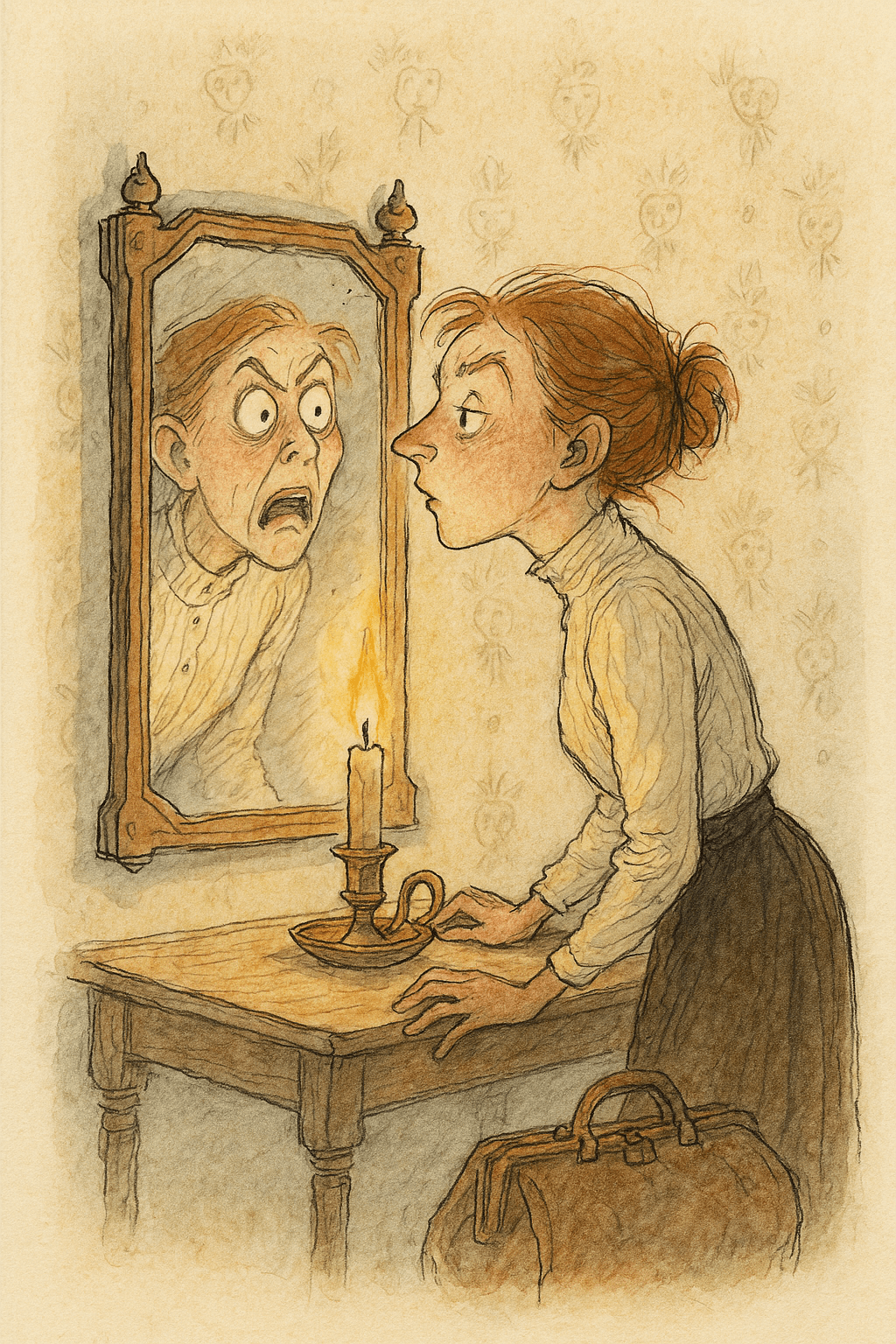
In 1887, Nellie Bly practiced deranged expressions in a mirror for one night, then got herself committed to a New York asylum. She spent ten days documenting rotten food, ice baths, and patients tied together with ropes. Her exposé triggered a grand jury investigation and forced the city to overhaul its asylum system. The doctors who had unanimously declared her insane never explained how a twenty-three-year-old reporter had fooled them all.
Wonder, delivered.
A fresh oddlet in your inbox every morning — true, strange, and under a minute.
Free forever. Unsubscribe anytime.