Oddlet · 1 min read
Feb 19, 2026
Oddlet · 1 min read
Feb 19, 2026
🇺🇸The Woman Who Warmed the World
She discovered that carbon dioxide traps heat in 1856, and then history erased her name for 154 years.
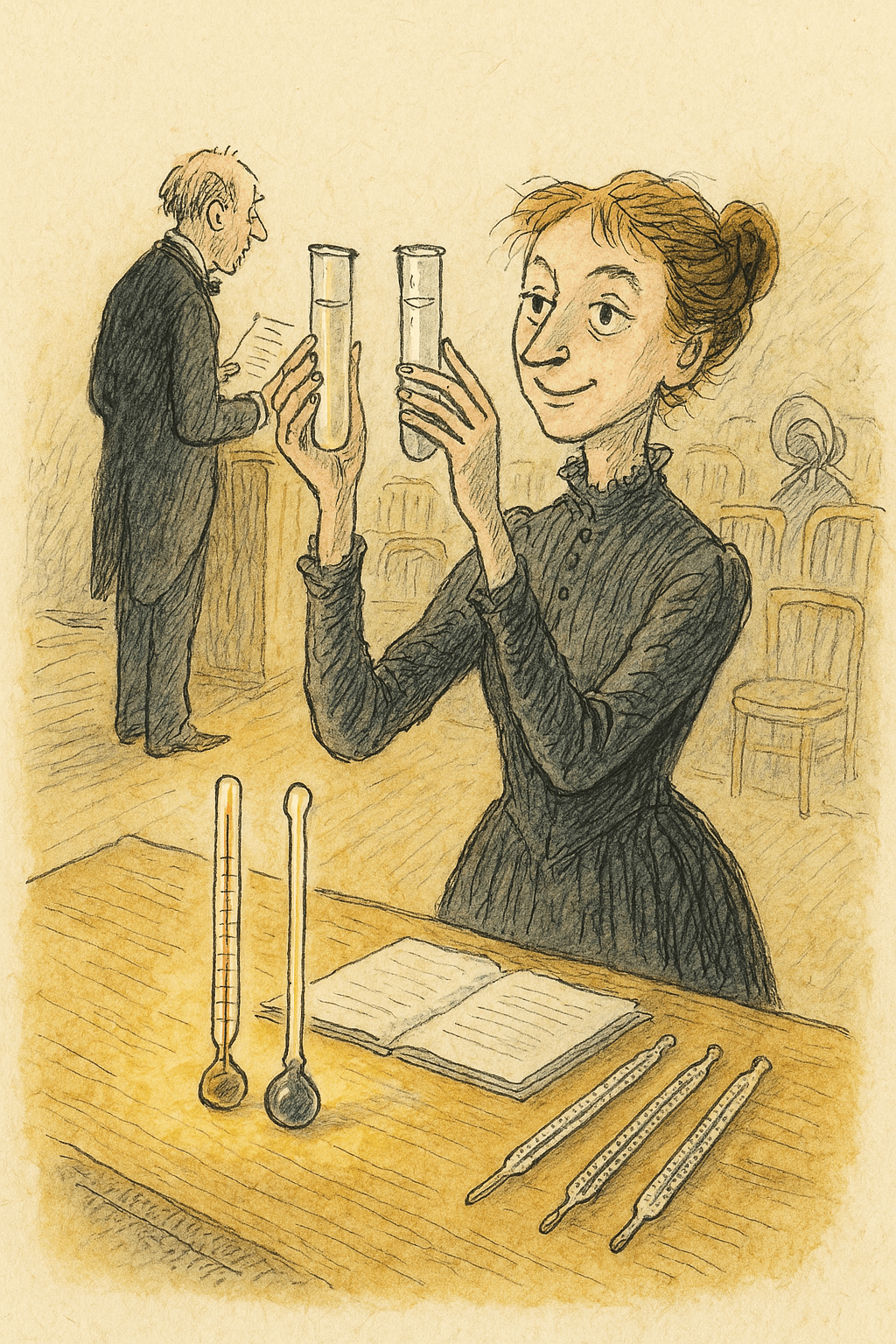
In 1856, Eunice Newton Foote took two glass cylinders, an air pump, and four thermometers, set them in the sun, and discovered something no one had ever documented: carbon dioxide traps heat. She wrote it up in a short, precise paper and concluded, flatly, that an atmosphere rich in that gas "would give to our earth a high temperature."
Three years later, John Tyndall published similar findings with fancier equipment. He became the father of climate science. Foote's paper vanished.
This was a woman who had signed the Declaration of Sentiments at Seneca Falls in 1848 — one of the founding documents of the American women's rights movement. But when her paper was presented at the American Association for the Advancement of Science, it was read aloud by a man, because that was the rule.
Then history did what history does. Her name dropped out of the literature entirely. For 154 years, no one mentioned it.
In 2010, a petroleum geologist named Ray Sorenson was digging through old scientific papers and found Foote's. He almost moved past it. The author's name meant nothing to him. But something in the presentation notes caught his eye — an odd little phrase explaining that the experiments had been conducted "by a lady."
He kept reading.
Know someone who’d love this?
- Wikipedia: Eunice Newton Foote — Comprehensive overview of her life, scientific work, and rediscovery. Confirms 1856 publication date and that Joseph Henry presented her paper.
- Foote's original 1856 paper — Reference to her original publication 'Circumstances affecting the Heat of the Sun's Rays' in American Journal of Science and Arts, November 1856. The paper explicitly states 'An atmosphere of that gas would give to our earth a high temperature.'
- Smithsonian Magazine: This Lady Scientist Defined the Greenhouse Effect — Details the 2010 rediscovery by Ray Sorenson and provides context about why her work was overlooked. Confirms she was a Seneca Falls signatory.
- Physics Today: Eunice Foote's pioneering research — Discusses her experimental methodology and the three-year gap before Tyndall's work. Notes that Tyndall's work was more sophisticated but Foote had priority.
The Chemist Who Tasted Everything
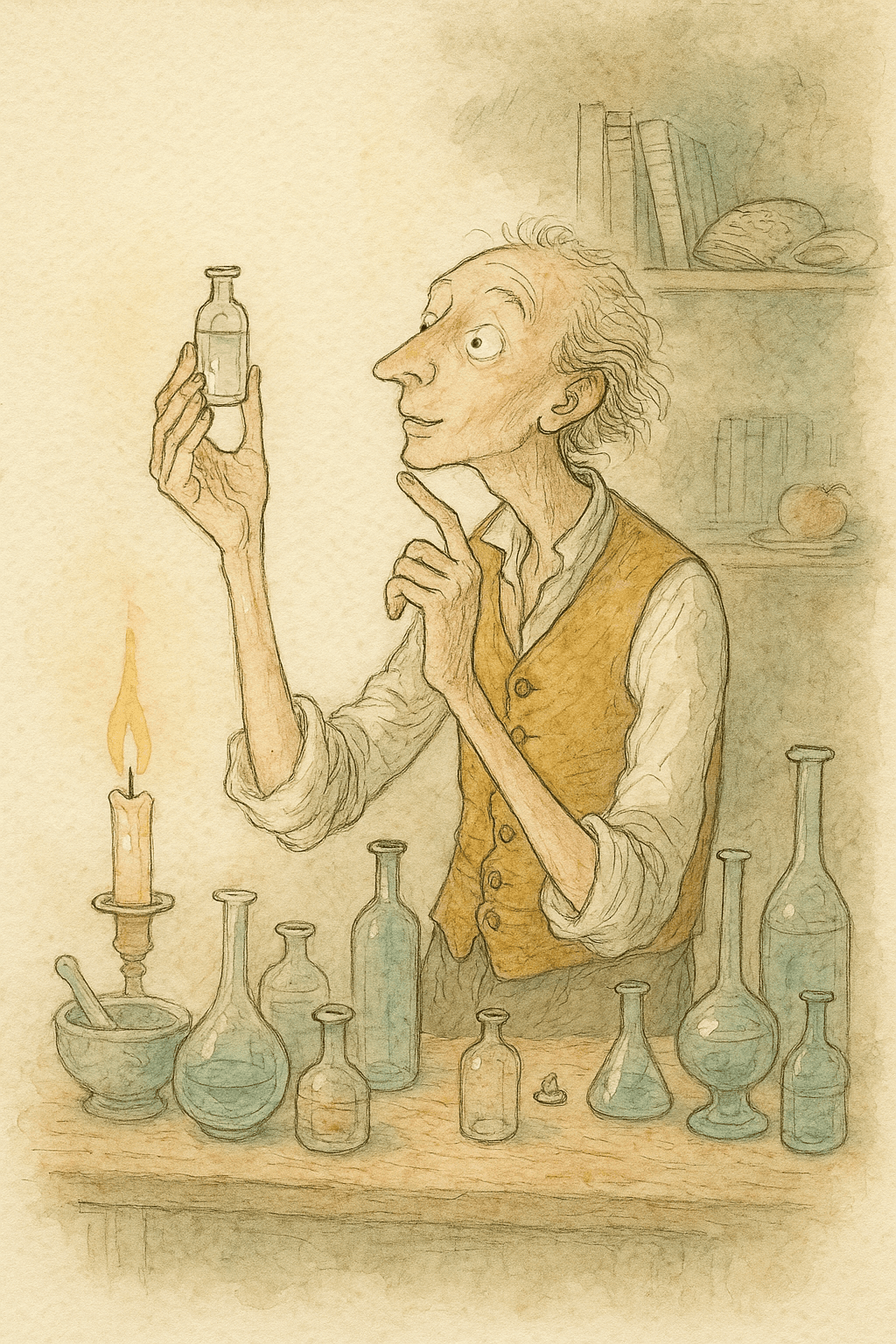
Carl Wilhelm Scheele discovered oxygen, chlorine, and more elements than almost anyone in the eighteenth century. Working alone in Swedish pharmacies, he identified each substance by tasting it. Mercury compounds. Arsenic. Hydrogen cyanide, which he found pleasantly sharp. His hands swelled. His joints ached. His body filled with what he'd catalogued. He died at forty-three, notebooks open, descriptions precise. The poisons tasted exactly as he said they would.
The Man Who Boiled His Own Urine and Found Light
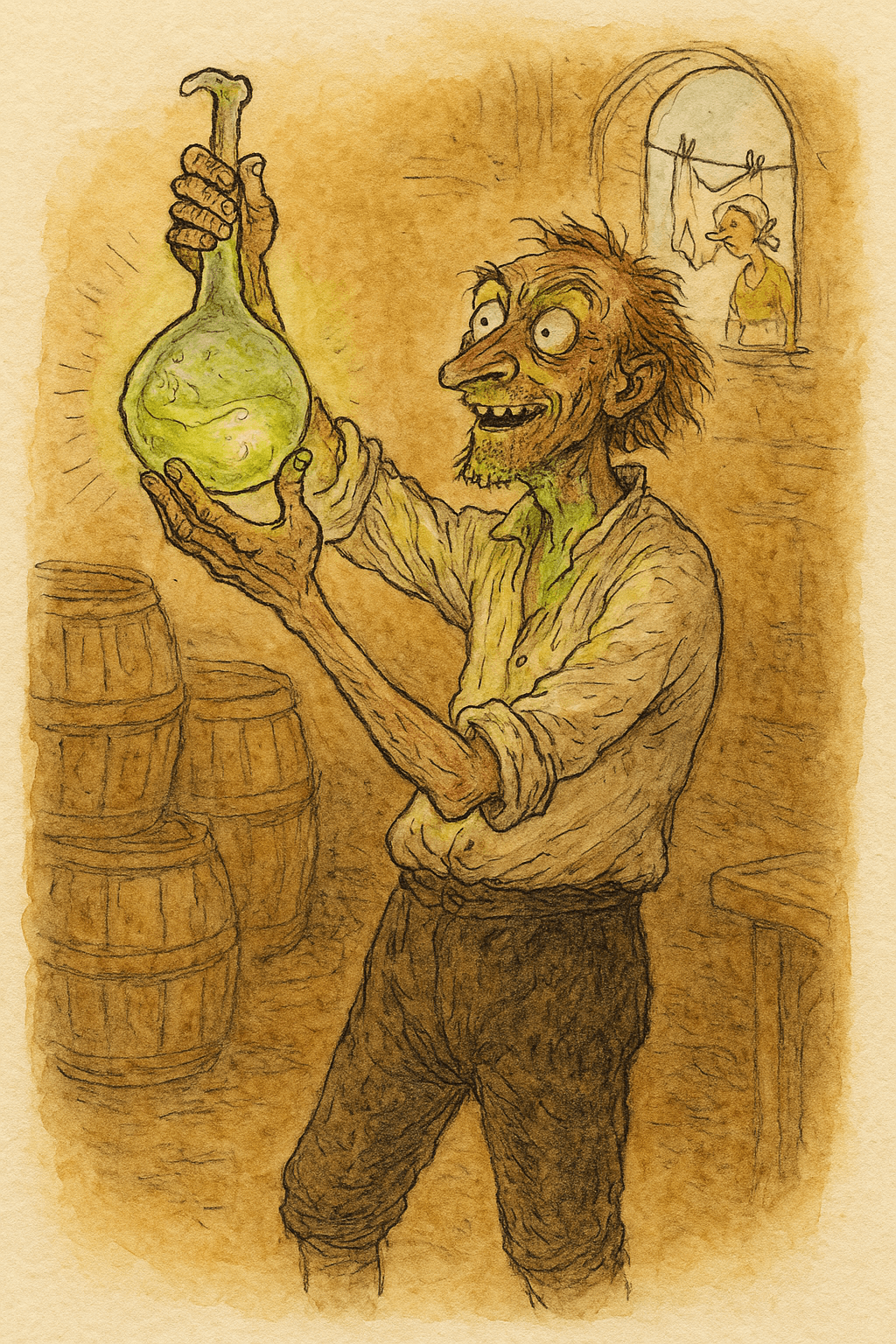
Hennig Brand was a 17th-century alchemist who spent both his wives' fortunes chasing gold. In 1669, he collected 1,500 gallons of urine, let it rot, then boiled it down and heated the paste for weeks. What came out wasn't gold — it was a waxy substance that glowed in the dark and burst into flames on its own. He'd discovered phosphorus, the first element ever isolated by a named individual. He went looking for gold in the most preposterous place imaginable and found light instead.
The Woman Who Practiced Madness in a Mirror
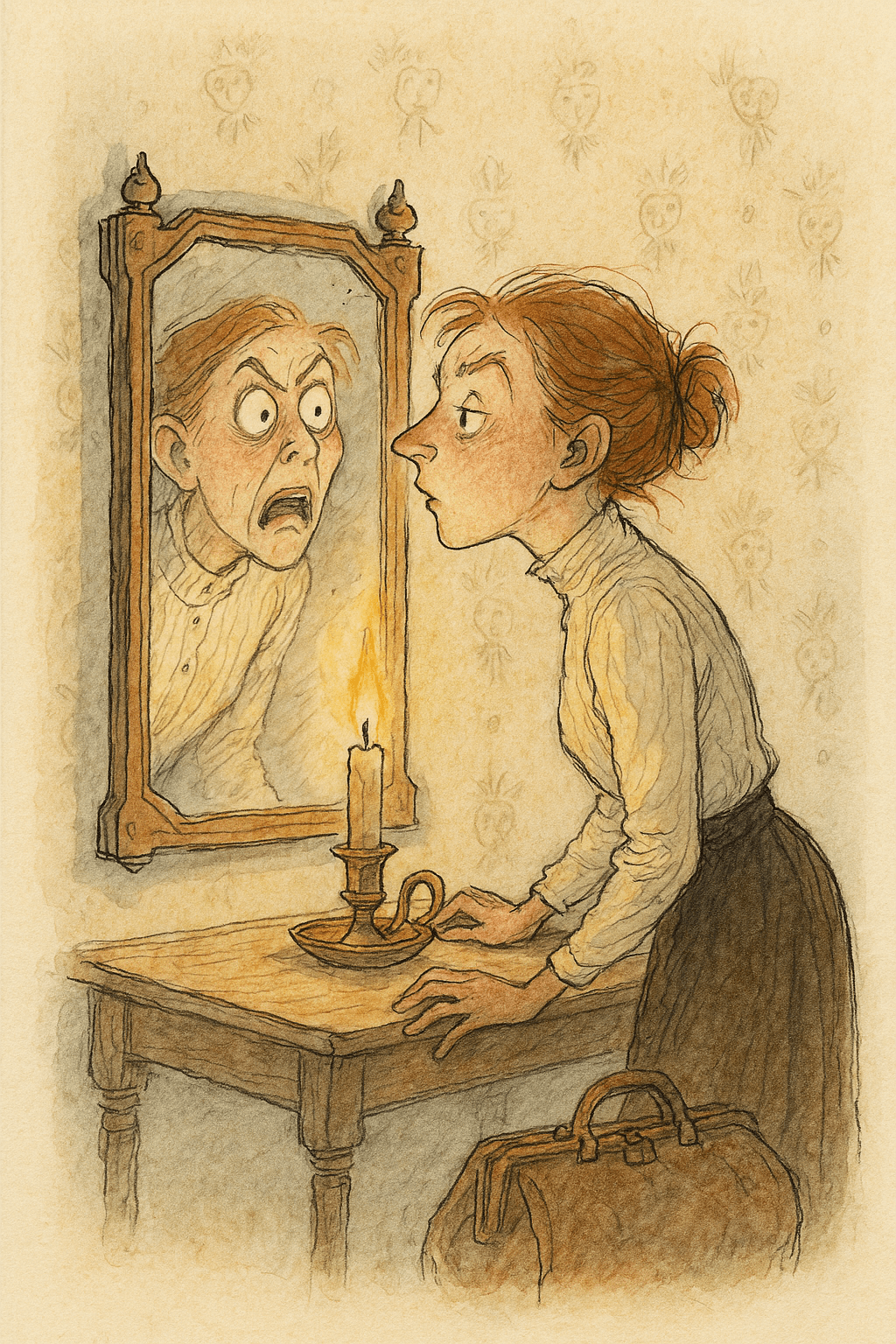
In 1887, Nellie Bly practiced deranged expressions in a mirror for one night, then got herself committed to a New York asylum. She spent ten days documenting rotten food, ice baths, and patients tied together with ropes. Her exposé triggered a grand jury investigation and forced the city to overhaul its asylum system. The doctors who had unanimously declared her insane never explained how a twenty-three-year-old reporter had fooled them all.
Wonder, delivered.
A fresh oddlet in your inbox every morning — true, strange, and under a minute.
Free forever. Unsubscribe anytime.