Oddlet · 1 min read
Feb 19, 2026
Oddlet · 1 min read
Feb 19, 2026
🇩🇪The Man Who Boiled His Own Urine and Found Light
He boiled 1,500 gallons of urine looking for gold and accidentally discovered the first new element since antiquity.
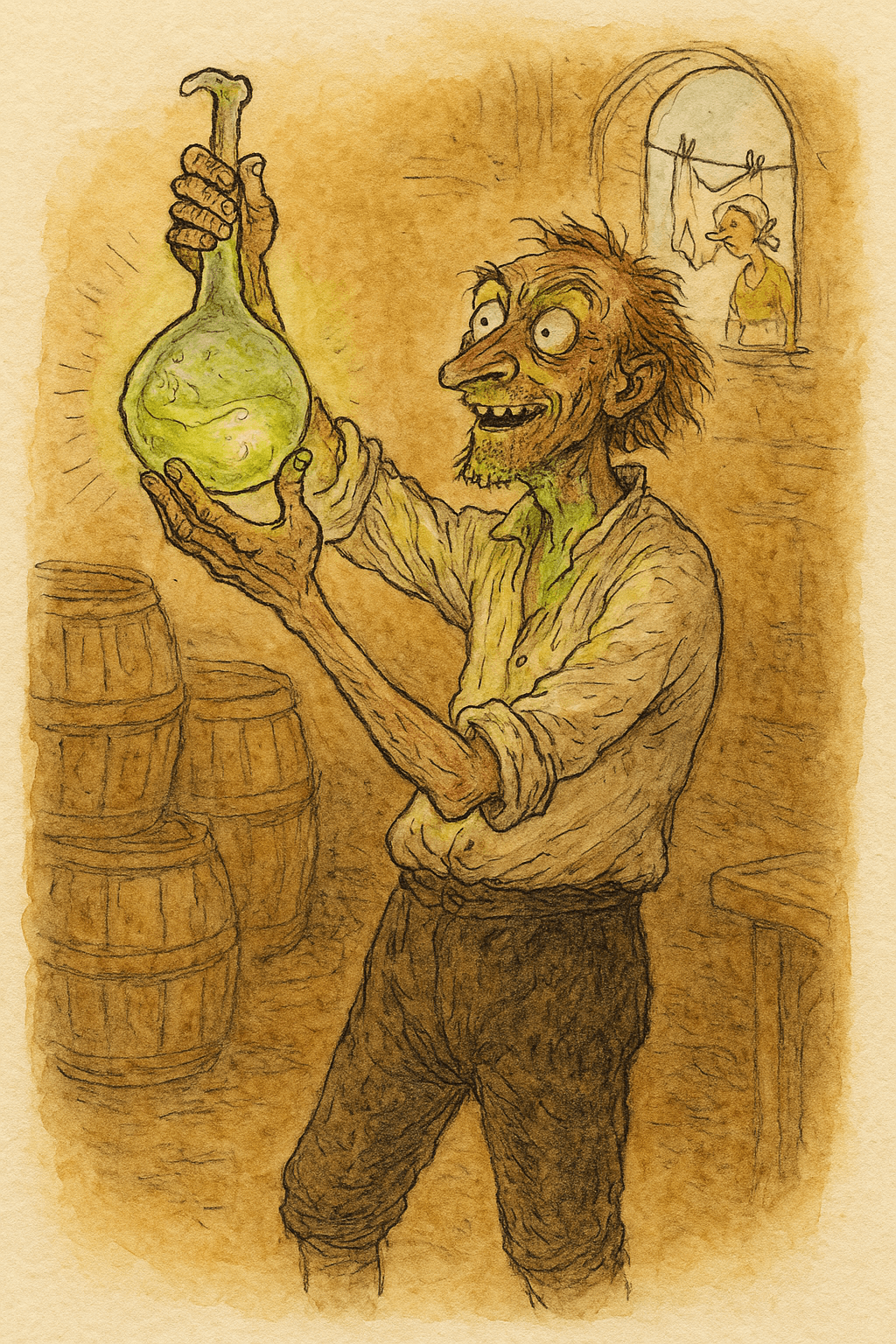
Hennig Brand was a seventeenth-century German alchemist with a theory. Urine, he reasoned, was golden. Gold was golden. There was clearly something going on there.
Brand was a former soldier and merchant who had married twice, spending both wives' fortunes on his alchemical pursuits. By 1669, he had committed fully to his urine hypothesis. He began collecting it — not cups of it, not buckets of it, but barrels. Somewhere in the range of 1,500 gallons. He let it putrefy in open containers. Then he boiled it down to a thick paste, which he heated to extreme temperatures in a furnace in his Hamburg home, a process that took weeks and smelled exactly the way you think it did.
He did not find gold.
What dripped out of the retort instead was a waxy, white substance that glowed pale green in the dark. Left alone, it would burst into flames all by itself. Brand called it cold fire. We call it phosphorus. It was the first chemical element discovered by a named individual in recorded history — the first new building block of the universe anyone had knowingly pulled from matter since antiquity.
He had gone looking for gold in the most preposterous place imaginable, failed completely, and found light instead.
Know someone who’d love this?
- Britannica - Phosphorus — Confirms Brand's discovery through urine distillation and the glowing properties of white phosphorus.
- Wikipedia - Hennig Brand — Primary biographical details, dates (c. 1630–c. 1710), discovery in 1669, Hamburg location, marriages for money, and urine quantities. Notes uncertainty about exact death date.
- Science History Institute - Hennig Brand — Confirms discovery method, describes him as former merchant and soldier, details about selling the secret to Kunckel and Kraft, and the demonstration across Europe.
- Royal Society of Chemistry - Phosphorus — Confirms Brand as discoverer in 1669, etymology of 'phosphorus' as light-bearer, and context as first element discovered scientifically.
The Chemist Who Tasted Everything
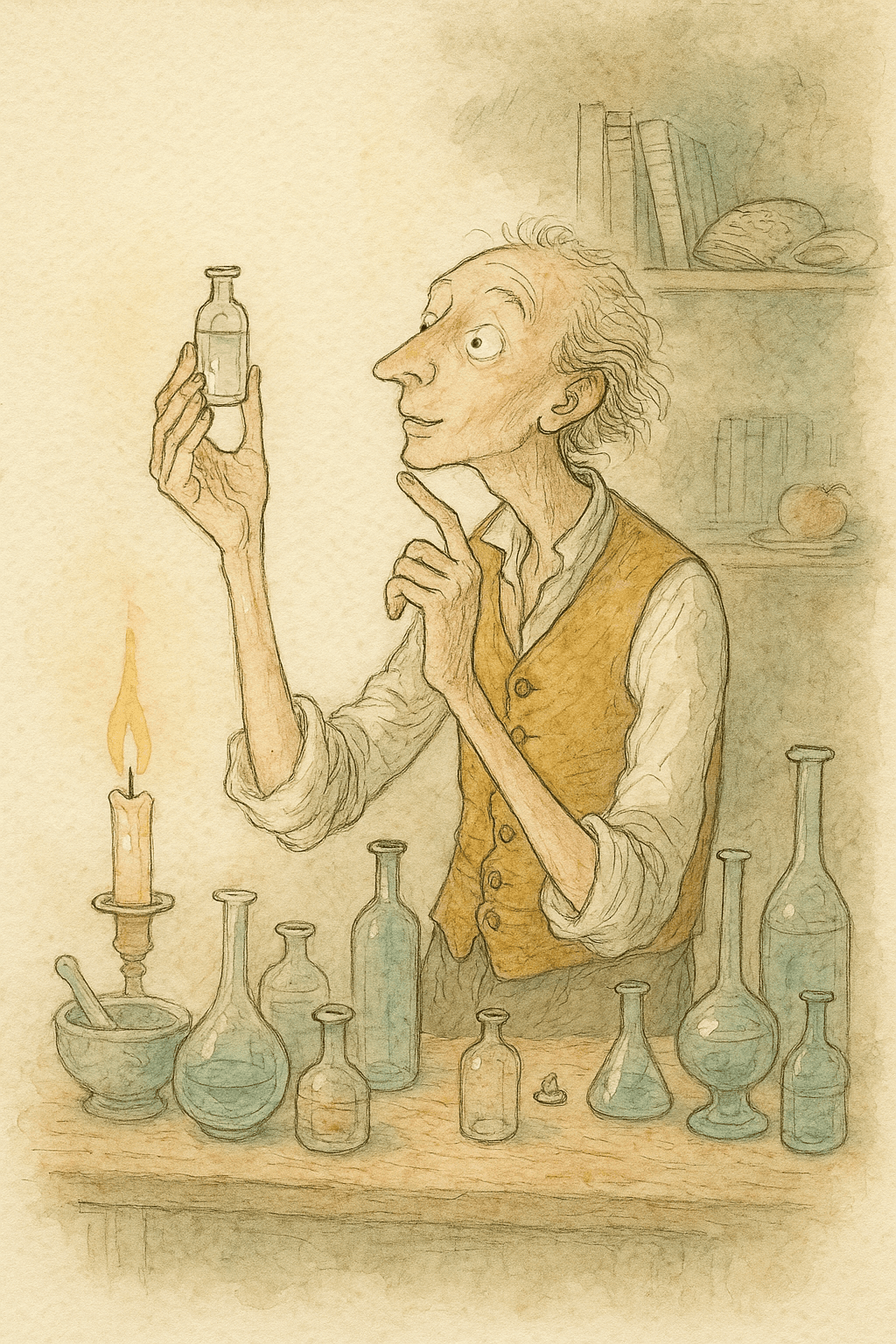
Carl Wilhelm Scheele discovered oxygen, chlorine, and more elements than almost anyone in the eighteenth century. Working alone in Swedish pharmacies, he identified each substance by tasting it. Mercury compounds. Arsenic. Hydrogen cyanide, which he found pleasantly sharp. His hands swelled. His joints ached. His body filled with what he'd catalogued. He died at forty-three, notebooks open, descriptions precise. The poisons tasted exactly as he said they would.
The Woman Who Practiced Madness in a Mirror
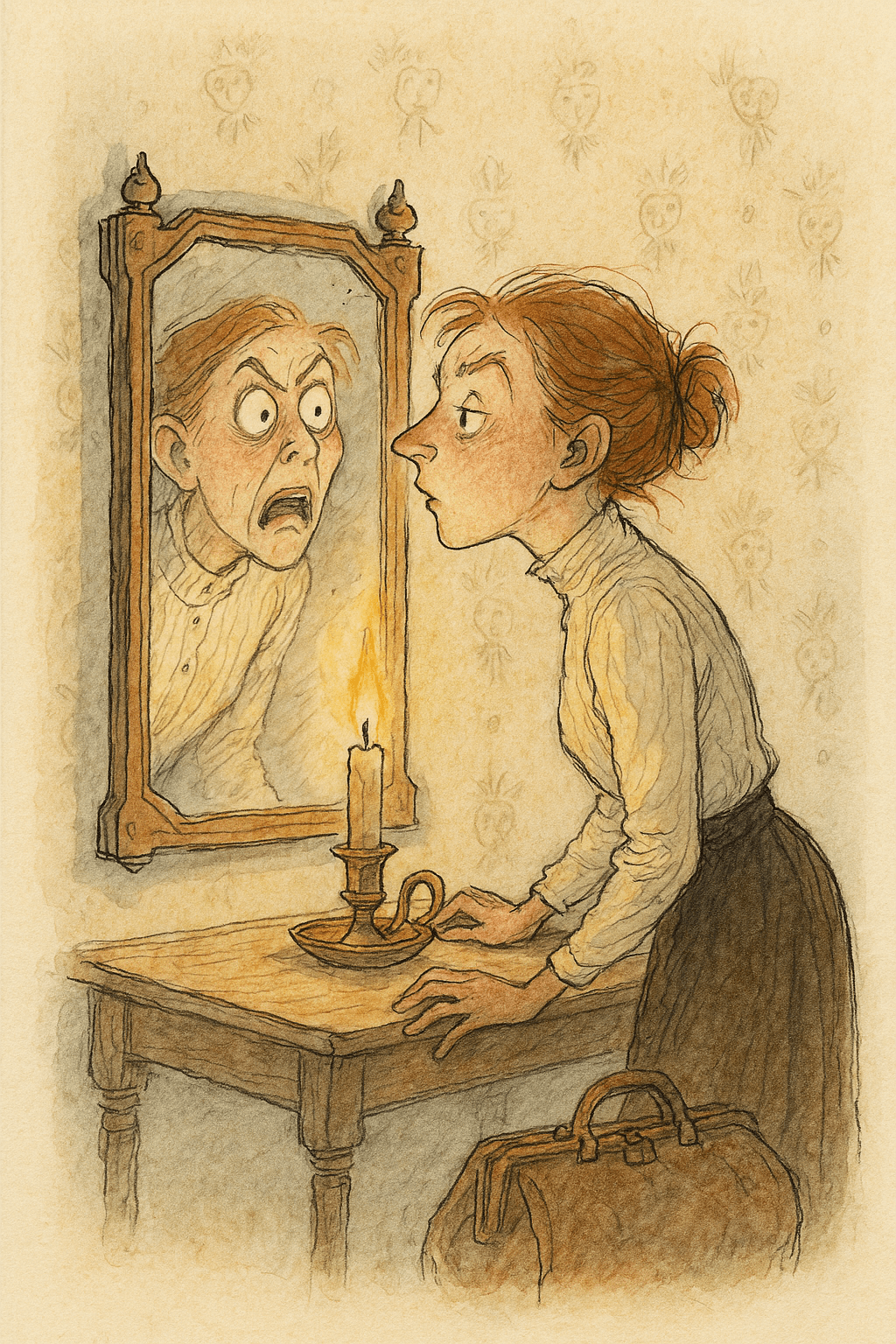
In 1887, Nellie Bly practiced deranged expressions in a mirror for one night, then got herself committed to a New York asylum. She spent ten days documenting rotten food, ice baths, and patients tied together with ropes. Her exposé triggered a grand jury investigation and forced the city to overhaul its asylum system. The doctors who had unanimously declared her insane never explained how a twenty-three-year-old reporter had fooled them all.
The Man No One Could Stop
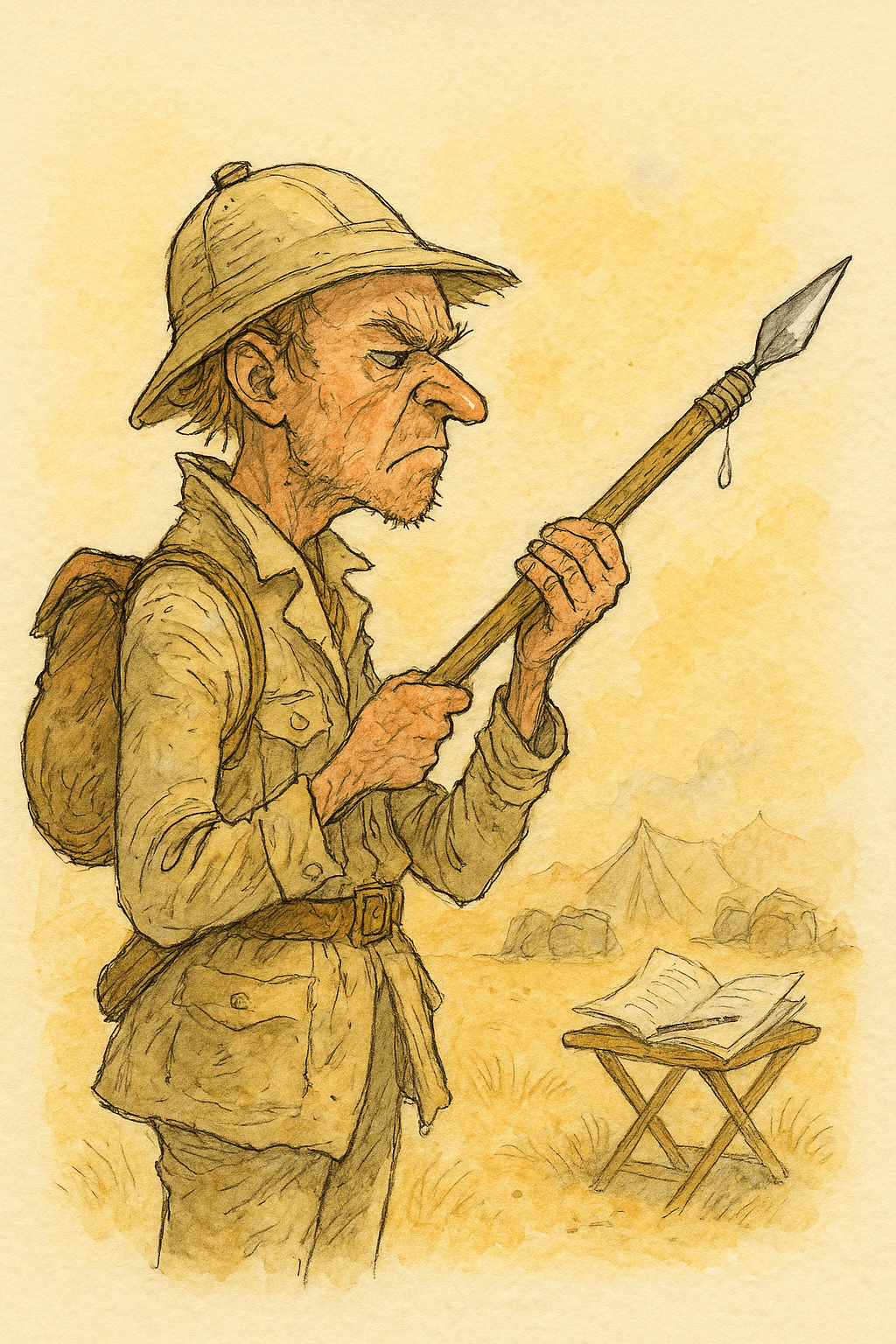
Sir Richard Francis Burton spoke twenty-nine languages, snuck into Mecca disguised as a merchant, translated the unexpurgated *Arabian Nights*, and pulled a javelin through his own face during a fight in Somaliland. He spent forty years filling journals with observations and translations no one else dared publish. When he died in 1890, his devoutly Catholic wife burned them all — convinced she was saving his soul.
Wonder, delivered.
A fresh oddlet in your inbox every weekday morning — true, strange, and under a minute.
Free forever. Unsubscribe anytime.