Oddlet · 2 min read
Feb 19, 2026
Oddlet · 2 min read
Feb 19, 2026
🇺🇸The Woman Who Practiced Madness in a Mirror
Nellie Bly spent one night practicing insanity in a mirror, then fooled every doctor who examined her.
Nellie Bly was one of the most famous journalists in America. She went undercover in sweatshops and eventually raced around the entire planet in seventy-two days just to prove a fictional character had been too slow.
But her masterpiece was getting committed to an insane asylum.
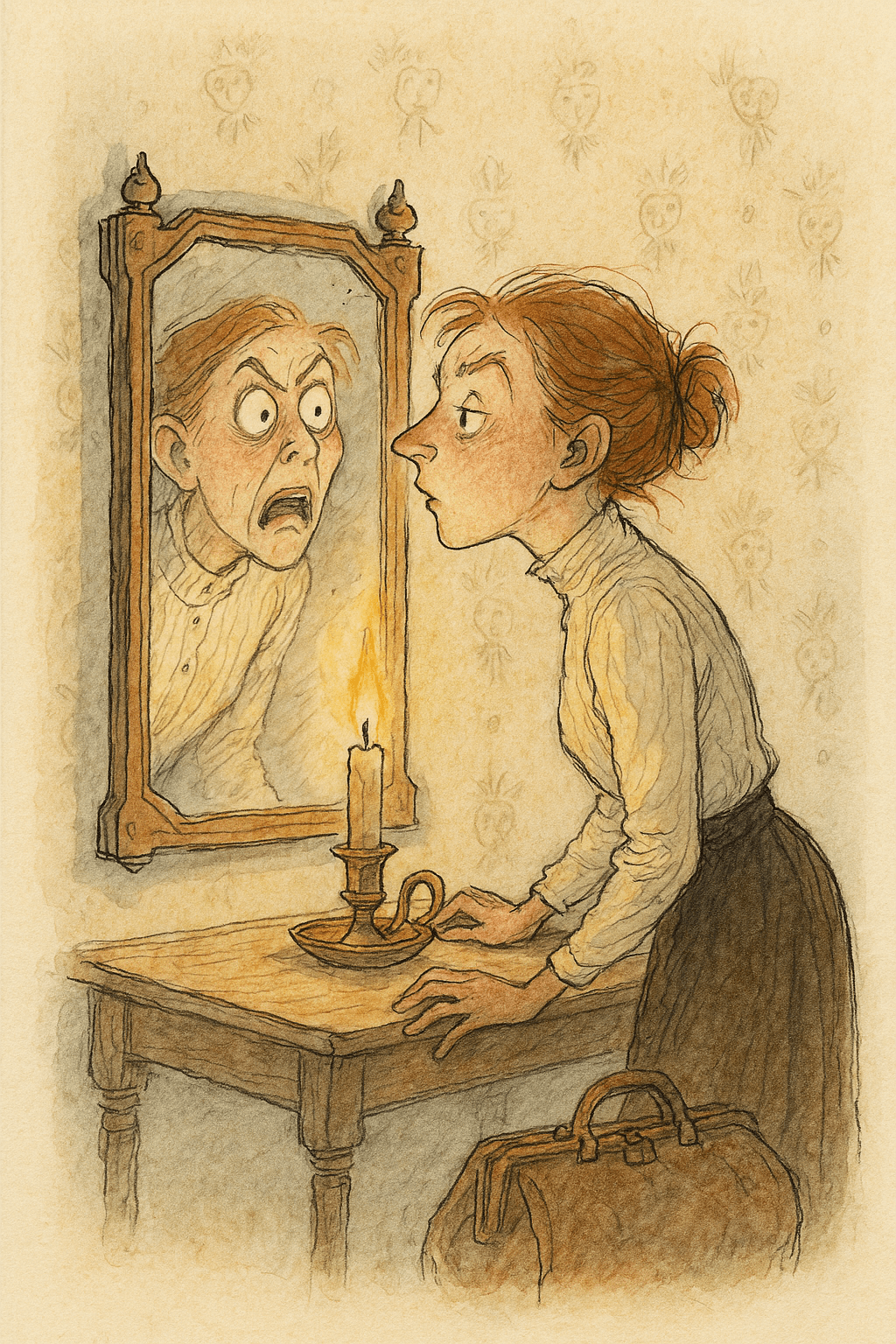
In 1887, Bly checked into a New York boarding house under a false name. She stayed up all night practicing deranged expressions in a mirror, perfecting the precise look of someone who had lost her grip on reality. The next morning, she wandered the halls telling the other residents they looked crazy. She refused to sleep. She stared at walls. Within hours, the matron called the police. The police called a judge. The judge called in doctors — multiple doctors — who examined her carefully and declared her, unanimously, undoubtedly insane.
The whole performance had taken less than twenty-four hours.
She spent ten days inside the Women's Lunatic Asylum on Blackwell's Island, documenting rotten food, ice baths, and patients tied together with ropes. Her exposé, Ten Days in a Mad-House, triggered a grand jury investigation and forced the city to overhaul its entire asylum system.
The doctors who had examined her never quite explained how a twenty-three-year-old reporter with one night of mirror practice had fooled every single one of them.
Bly didn't explain either. She was already packing for the next story.
Know someone who’d love this?
- Wikipedia: Nellie Bly — Comprehensive biographical overview including asylum exposé, world trip details, and later career. Confirms dates, journey time (72 days, 6 hours, 11 minutes), and patent for steel barrel.
- Library of Congress: Nellie Bly — Authority file confirming birth name Elizabeth Jane Cochran, dates 1864-1922, and career as journalist and author.
- National Women's History Museum: Nellie Bly — Details on asylum investigation methodology (feigning insanity to gain admission), impact of 'Ten Days in a Mad-House,' and world trip competition with other journalists.
- PBS American Experience: Nellie Bly — Context on her world journey, including that she traveled with minimal luggage (one small bag) and became an international celebrity upon return.
The Chemist Who Tasted Everything
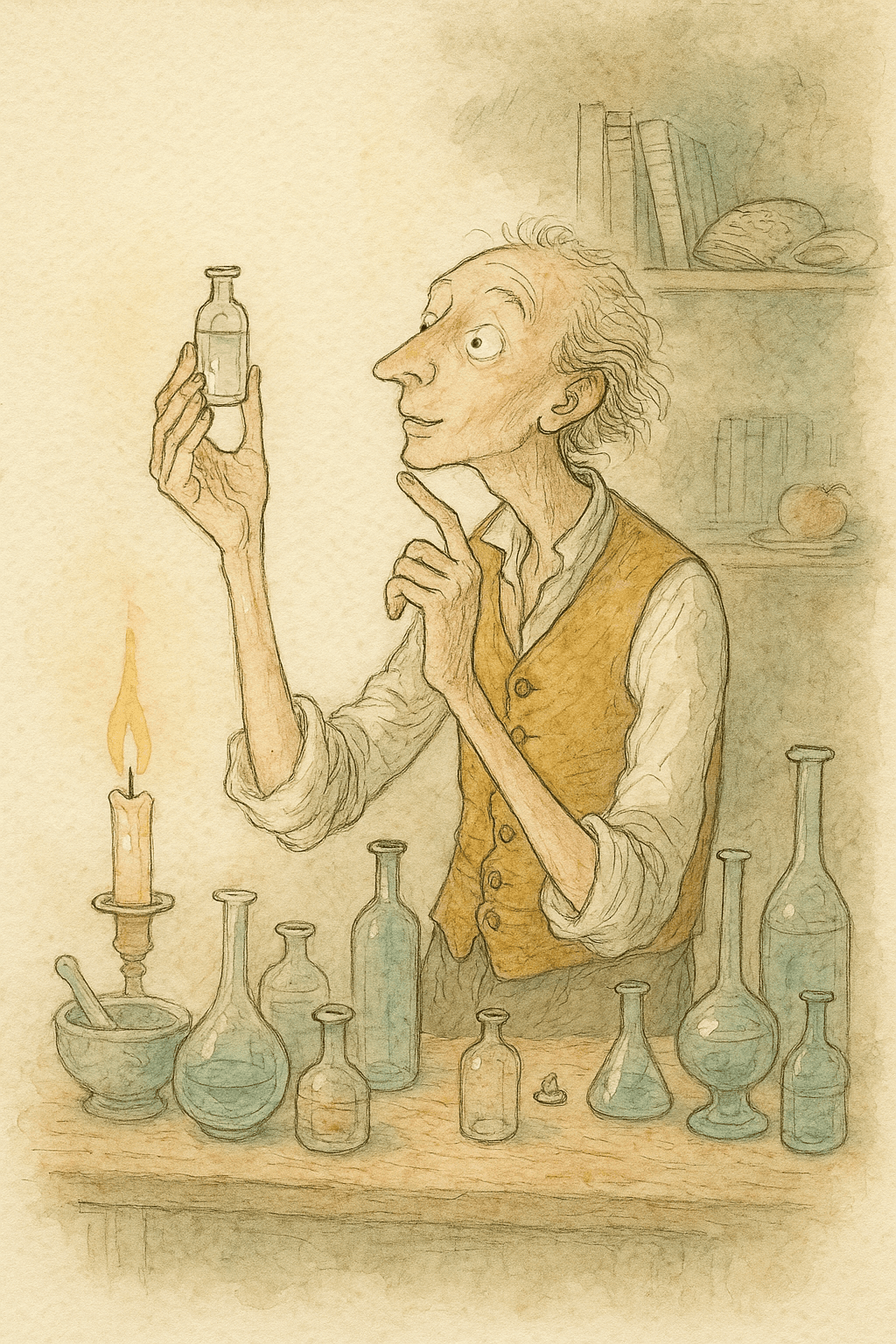
Carl Wilhelm Scheele discovered oxygen, chlorine, and more elements than almost anyone in the eighteenth century. Working alone in Swedish pharmacies, he identified each substance by tasting it. Mercury compounds. Arsenic. Hydrogen cyanide, which he found pleasantly sharp. His hands swelled. His joints ached. His body filled with what he'd catalogued. He died at forty-three, notebooks open, descriptions precise. The poisons tasted exactly as he said they would.
The Man Who Boiled His Own Urine and Found Light
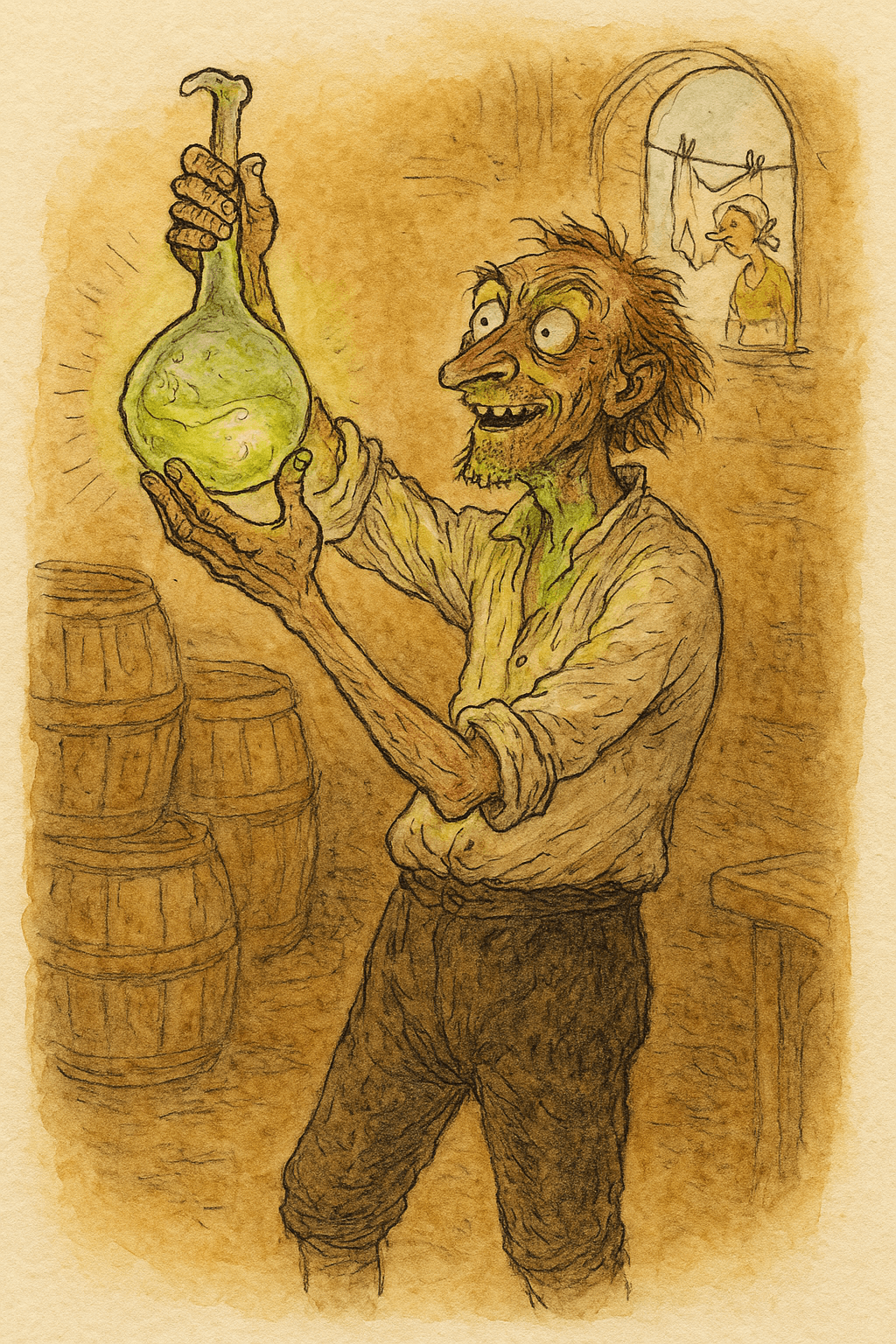
Hennig Brand was a 17th-century alchemist who spent both his wives' fortunes chasing gold. In 1669, he collected 1,500 gallons of urine, let it rot, then boiled it down and heated the paste for weeks. What came out wasn't gold — it was a waxy substance that glowed in the dark and burst into flames on its own. He'd discovered phosphorus, the first element ever isolated by a named individual. He went looking for gold in the most preposterous place imaginable and found light instead.
The Man No One Could Stop
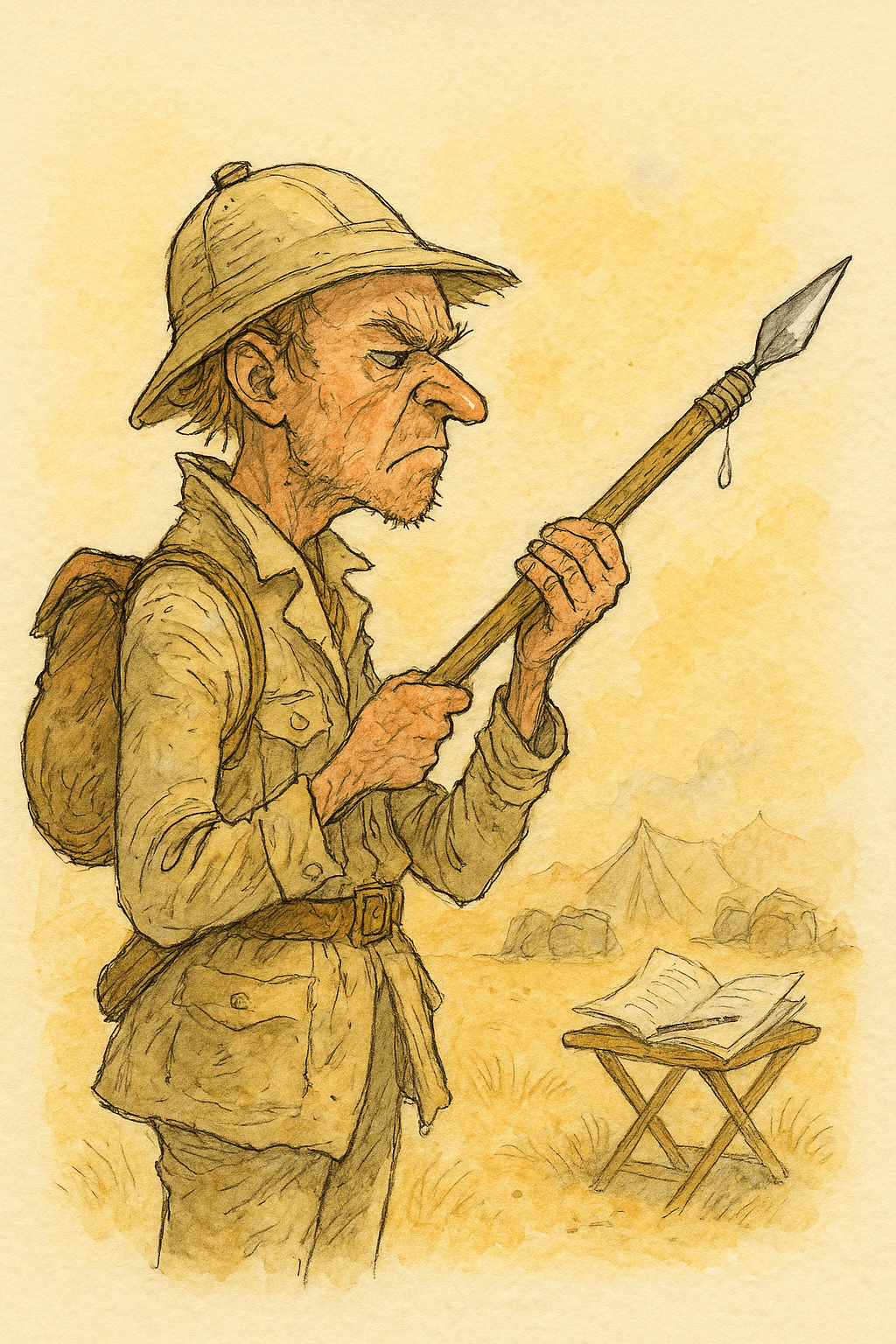
Sir Richard Francis Burton spoke twenty-nine languages, snuck into Mecca disguised as a merchant, translated the unexpurgated *Arabian Nights*, and pulled a javelin through his own face during a fight in Somaliland. He spent forty years filling journals with observations and translations no one else dared publish. When he died in 1890, his devoutly Catholic wife burned them all — convinced she was saving his soul.
Wonder, delivered.
A fresh oddlet in your inbox every weekday morning — true, strange, and under a minute.
Free forever. Unsubscribe anytime.