Oddlet · 2 min read
Feb 25, 2026
Oddlet · 2 min read
Feb 25, 2026
🇬🇧The Woman Who Smashed the Statue
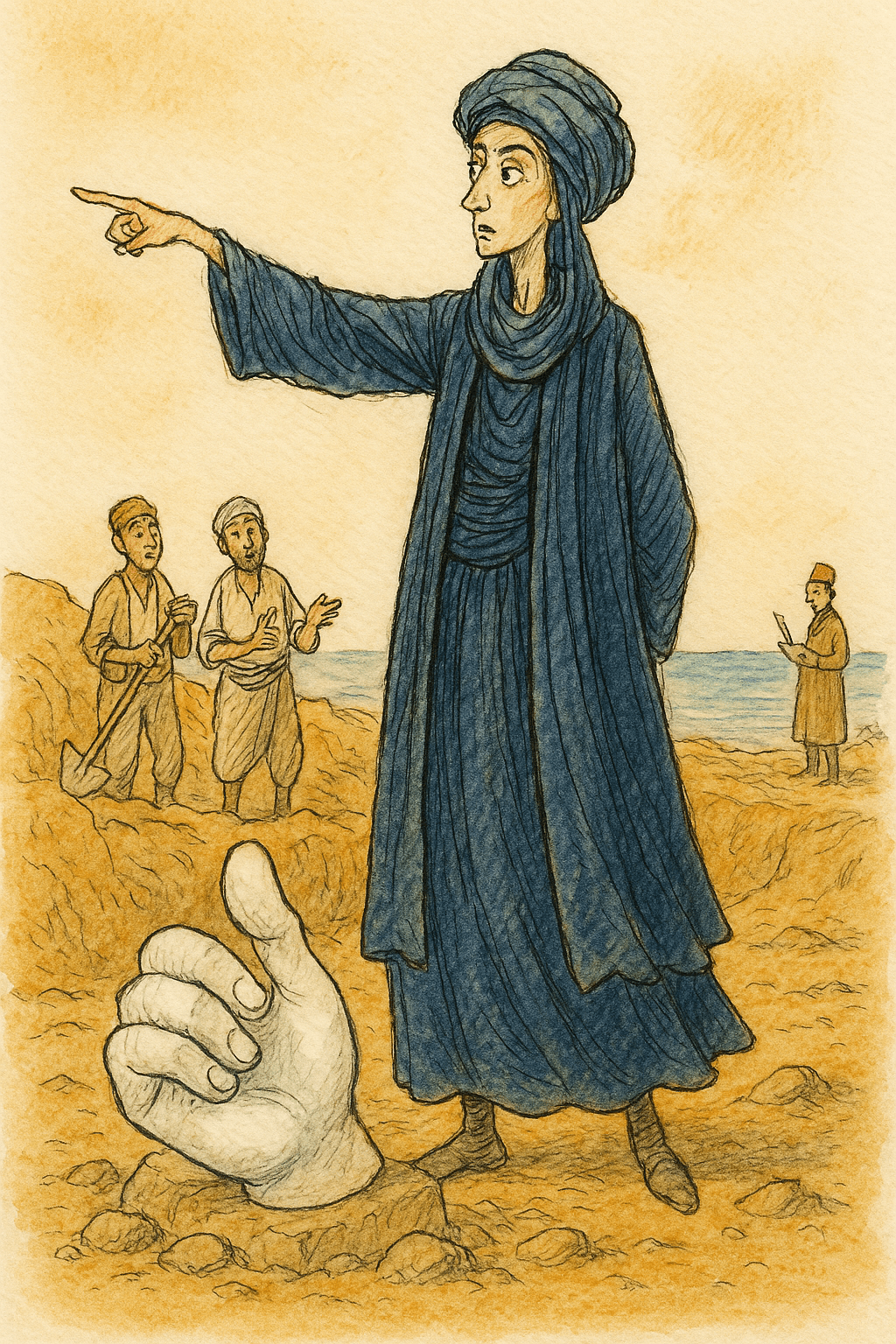
She found a priceless Roman statue during the first archaeological excavation in Palestine — and immediately had it destroyed.
Lady Hester Stanhope ran 10 Downing Street. Not figuratively — she was her uncle William Pitt the Younger's political hostess, managing his household and entertaining his guests while he ran the British Empire. When he died in 1806, she was thirty years old, well-connected, and perfectly positioned for a comfortable life in English society.
She left and never came back.
By 1810 she was traveling the Mediterranean in Turkish male dress. By 1813 she rode unveiled into the ruins of Palmyra, where the local Bedouin reportedly crowned her Queen of the Desert in an improvised ceremony. She settled on a fortified hilltop monastery in Lebanon, practiced astrology, corresponded with Ottoman officials as a peer, and in 1815 organized what is now considered the first intentional archaeological excavation in Palestine, at Ashkelon, acting on a medieval Italian manuscript that claimed treasure was buried there.
Her workers found something better than treasure. They unearthed a large, intact Roman marble statue — a genuine antiquity, priceless and irreplaceable.
She ordered it smashed to pieces and thrown into the sea. Then she filed a formal report with the Ottoman authorities documenting exactly what had been found and exactly what she had done to it, so that no one could ever accuse her of looting.
She spent her final years in her monastery, increasingly reclusive, increasingly indebted. In 1838 she had the gates walled shut.
She died inside.
Know someone who’d love this?
- Wikipedia: Lady Hester Stanhope — Comprehensive overview with citations; useful for dates, travel chronology, and the Ashkelon excavation. Wikipedia-level reliability — cross-check key claims.
- Oxford Dictionary of National Biography: Hester Stanhope — Scholarly biography entry; paywalled but considered authoritative for British historical figures. Confirms her role as Pitt's hostess and her departure from England.
- Archaeology and the Holy Land — Ashkelon excavation context — Academic discussion of early Palestinian archaeology; corroborates Stanhope's 1815 Ashkelon dig as a landmark early excavation. Specific article availability may vary.
- Memoirs of Lady Hester Stanhope (1845), by Charles Lewis Meryon — Primary source written by her physician and companion; invaluable but written posthumously by an admirer, so subject to hagiographic bias. Available via Internet Archive.
- Letters of Lady Hester Stanhope (1914) — Published correspondence including her letters to Queen Victoria protesting the pension cut; primary source, available via Internet Archive.
The Chemist Who Tasted Everything
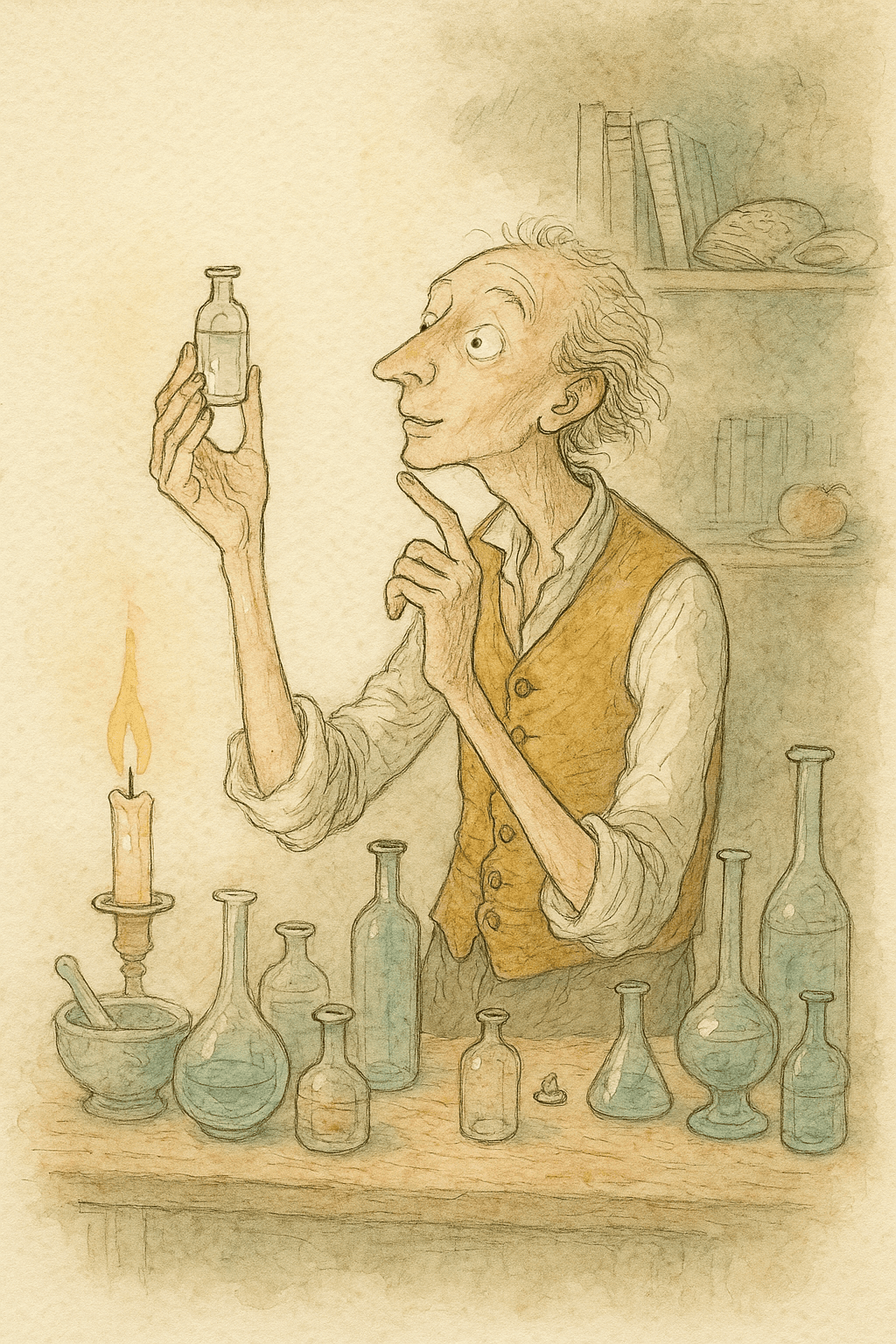
Carl Wilhelm Scheele discovered oxygen, chlorine, and more elements than almost anyone in the eighteenth century. Working alone in Swedish pharmacies, he identified each substance by tasting it. Mercury compounds. Arsenic. Hydrogen cyanide, which he found pleasantly sharp. His hands swelled. His joints ached. His body filled with what he'd catalogued. He died at forty-three, notebooks open, descriptions precise. The poisons tasted exactly as he said they would.
The Man Who Boiled His Own Urine and Found Light
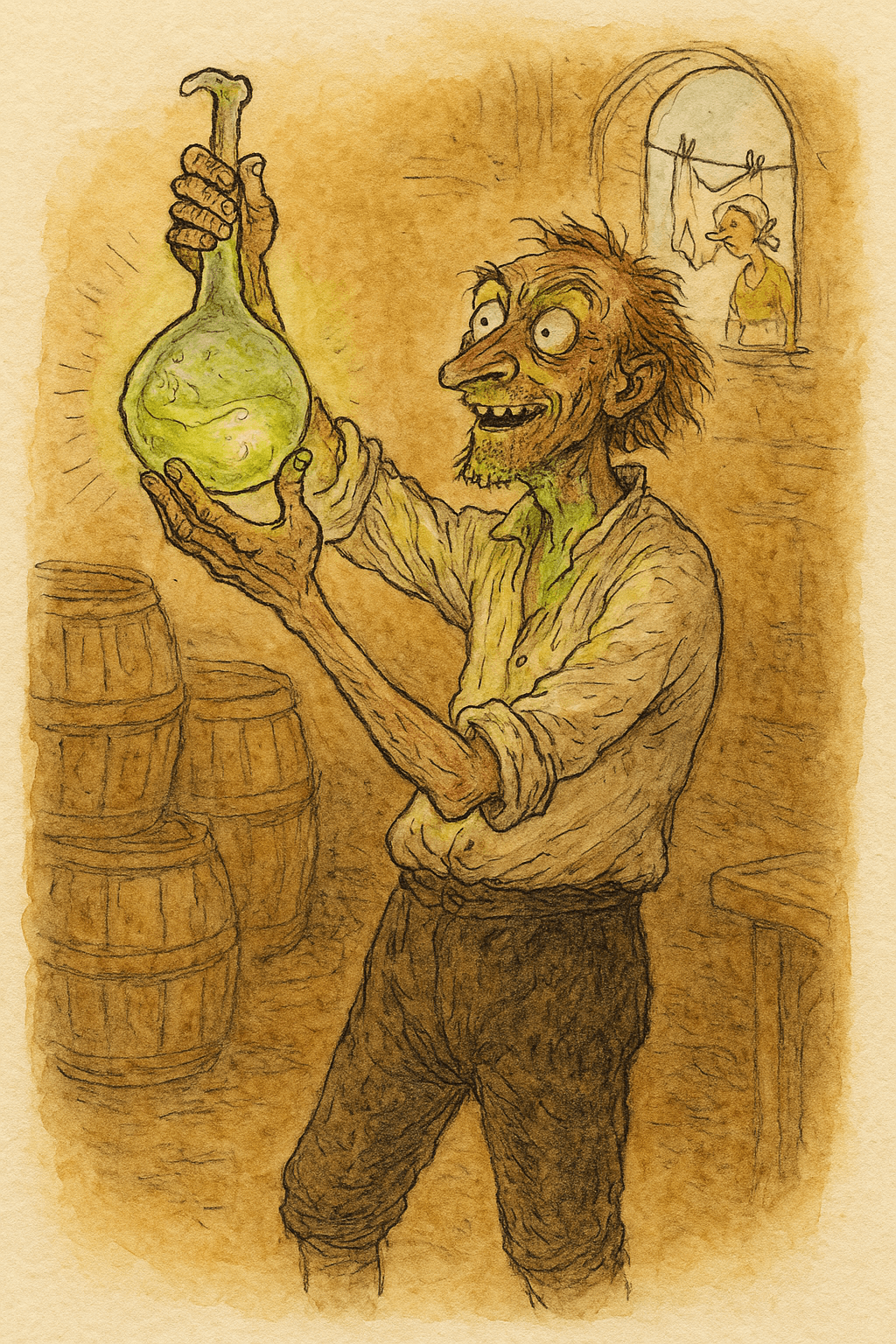
Hennig Brand was a 17th-century alchemist who spent both his wives' fortunes chasing gold. In 1669, he collected 1,500 gallons of urine, let it rot, then boiled it down and heated the paste for weeks. What came out wasn't gold — it was a waxy substance that glowed in the dark and burst into flames on its own. He'd discovered phosphorus, the first element ever isolated by a named individual. He went looking for gold in the most preposterous place imaginable and found light instead.
Wonder, delivered.
A fresh oddlet in your inbox every morning — true, strange, and under a minute.
Free forever. Unsubscribe anytime.