Oddlet · 2 min read
Feb 14, 2026 · Updated Feb 20, 2026
Oddlet · 2 min read
Feb 14, 2026 · Updated Feb 20, 2026
🇩🇰The Astronomer and the Moose
The greatest astronomer of the sixteenth century lost his nose in a duel over math, consulted a clairvoyant dwarf, and owned a moose that died falling down stairs drunk on beer.
Tycho Brahe was the greatest astronomical observer of the sixteenth century. Working without a telescope — because it hadn't been invented yet — he mapped the positions of the stars with a precision no one would match for a hundred years. Kings funded him. He built an observatory on his own island. His data would later allow Kepler to derive the laws of planetary motion.
He also lost his nose in a sword duel over who was better at mathematics.
This happened in 1566, at a party in Rostock. For the remaining thirty-five years of his life, Brahe wore a prosthetic made of copper and brass, affixed to his face with paste. He carried this off with total dignity, which is remarkable given the circumstances of his daily life. At his observatory on the island of Hven, he employed a dwarf named Jepp who sat under the dinner table during meals. Brahe believed Jepp was clairvoyant and consulted him regularly.
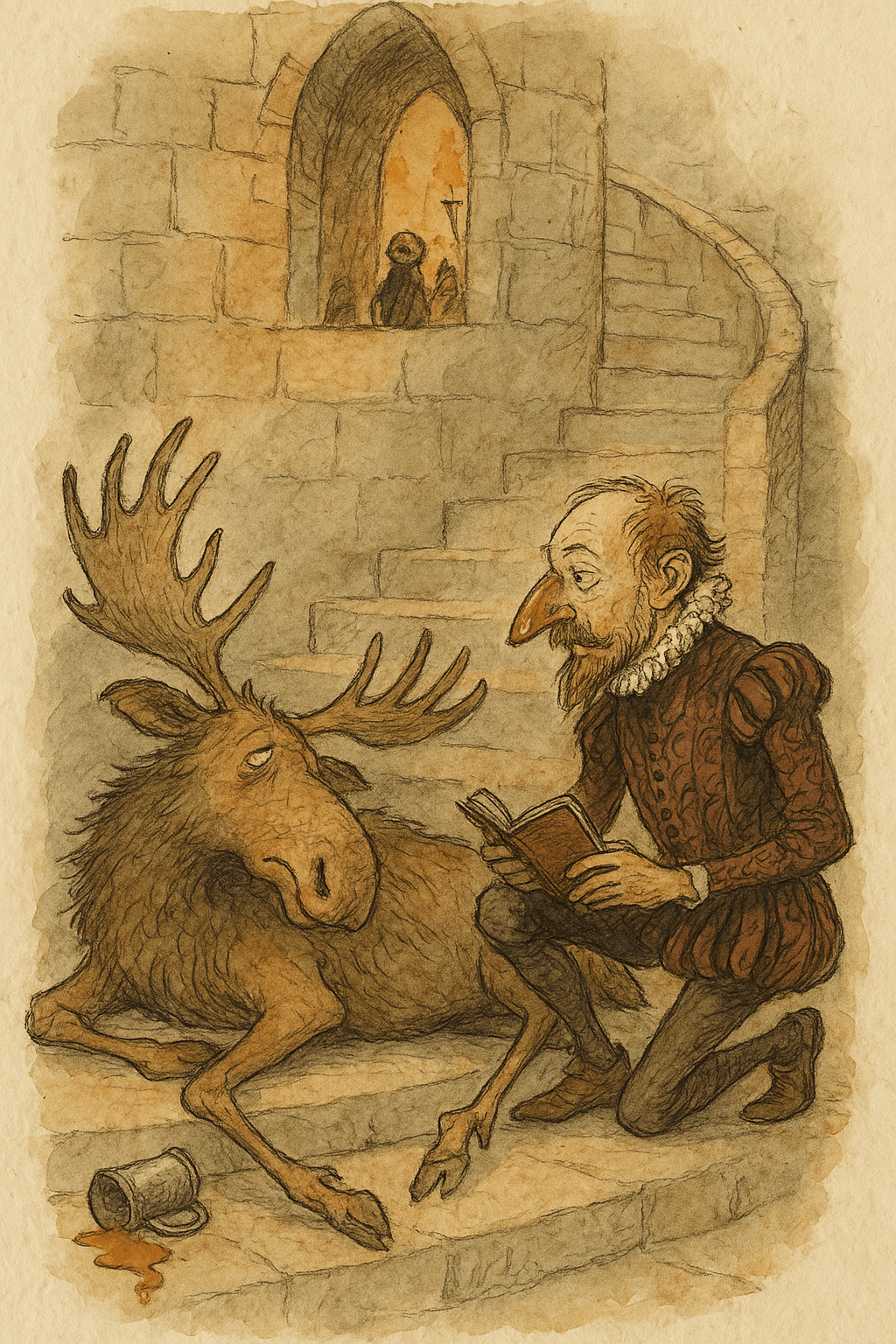
He also kept a tame moose. The moose lived indoors and accompanied Brahe around the estate like a very large, very strange dog. In 1591, Brahe lent the moose to a nobleman for a party at Landskrona castle.
The moose found the beer. No one stopped it. It drank a great deal of the beer. Then it attempted the stairs.
It did not survive.
Know someone who’d love this?
- Metal nose and duel — Wikipedia confirms the 1566 duel with Manderup Parsberg over a mathematical dispute and the metal prosthetic nose (copper and brass). The duel occurred in December 1566 in Rostock.
- Moose/elk death — Britannica mentions the pet moose. The story of it dying after drinking beer and falling down stairs is widely reported in historical accounts, occurring at Landskrona castle in 1591.
The Chemist Who Tasted Everything
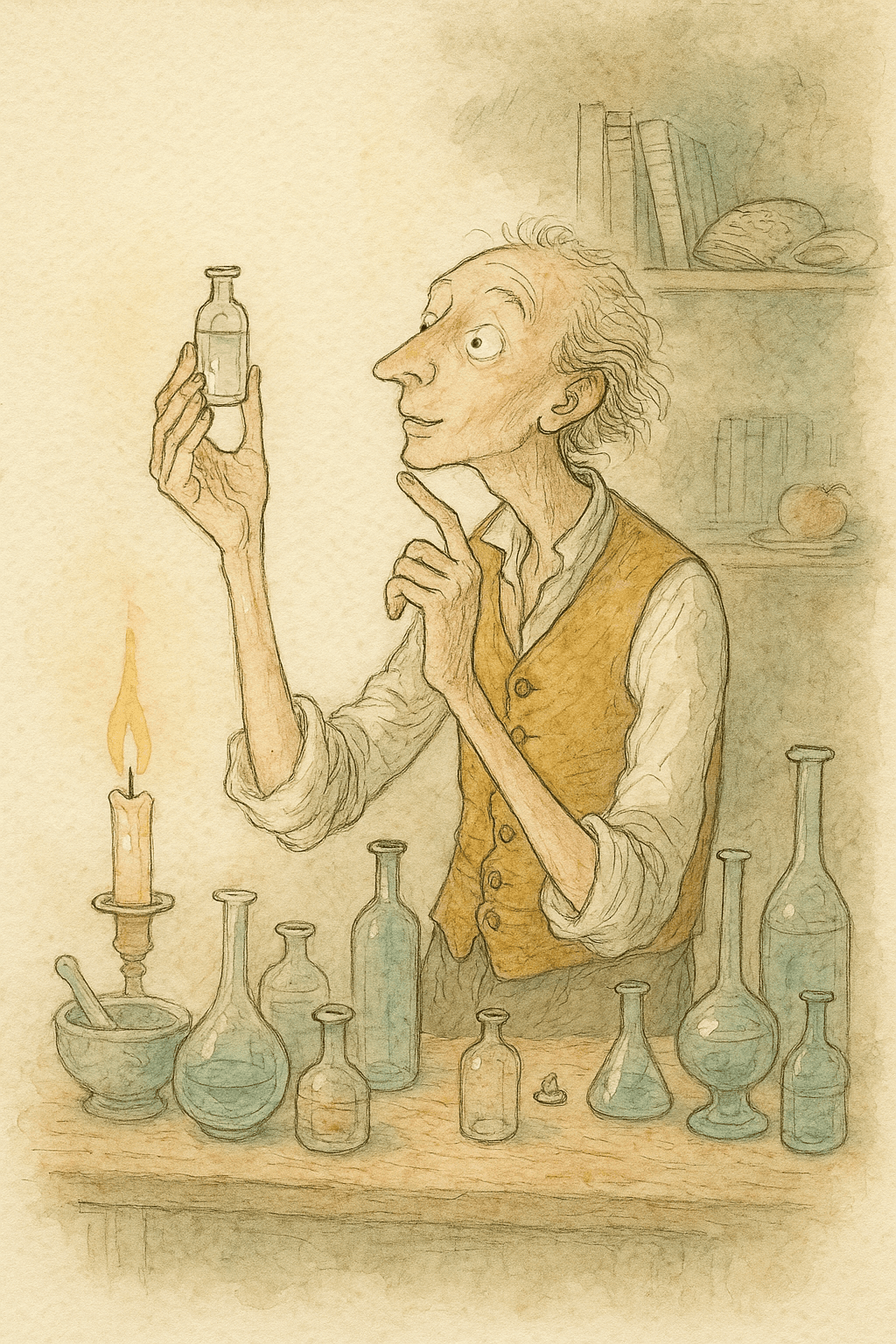
Carl Wilhelm Scheele discovered oxygen, chlorine, and more elements than almost anyone in the eighteenth century. Working alone in Swedish pharmacies, he identified each substance by tasting it. Mercury compounds. Arsenic. Hydrogen cyanide, which he found pleasantly sharp. His hands swelled. His joints ached. His body filled with what he'd catalogued. He died at forty-three, notebooks open, descriptions precise. The poisons tasted exactly as he said they would.
The Man Who Boiled His Own Urine and Found Light
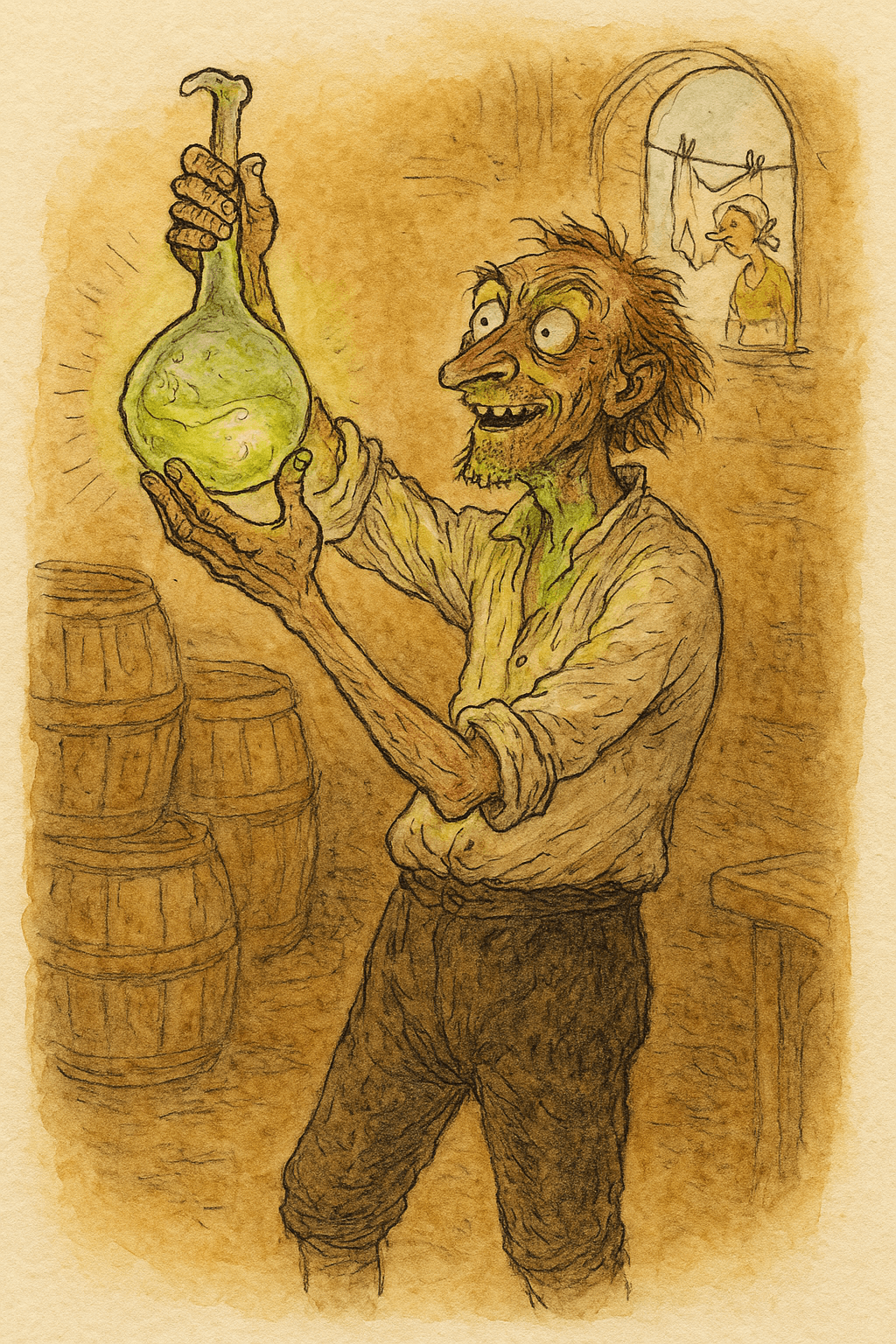
Hennig Brand was a 17th-century alchemist who spent both his wives' fortunes chasing gold. In 1669, he collected 1,500 gallons of urine, let it rot, then boiled it down and heated the paste for weeks. What came out wasn't gold — it was a waxy substance that glowed in the dark and burst into flames on its own. He'd discovered phosphorus, the first element ever isolated by a named individual. He went looking for gold in the most preposterous place imaginable and found light instead.
The Man No One Could Stop
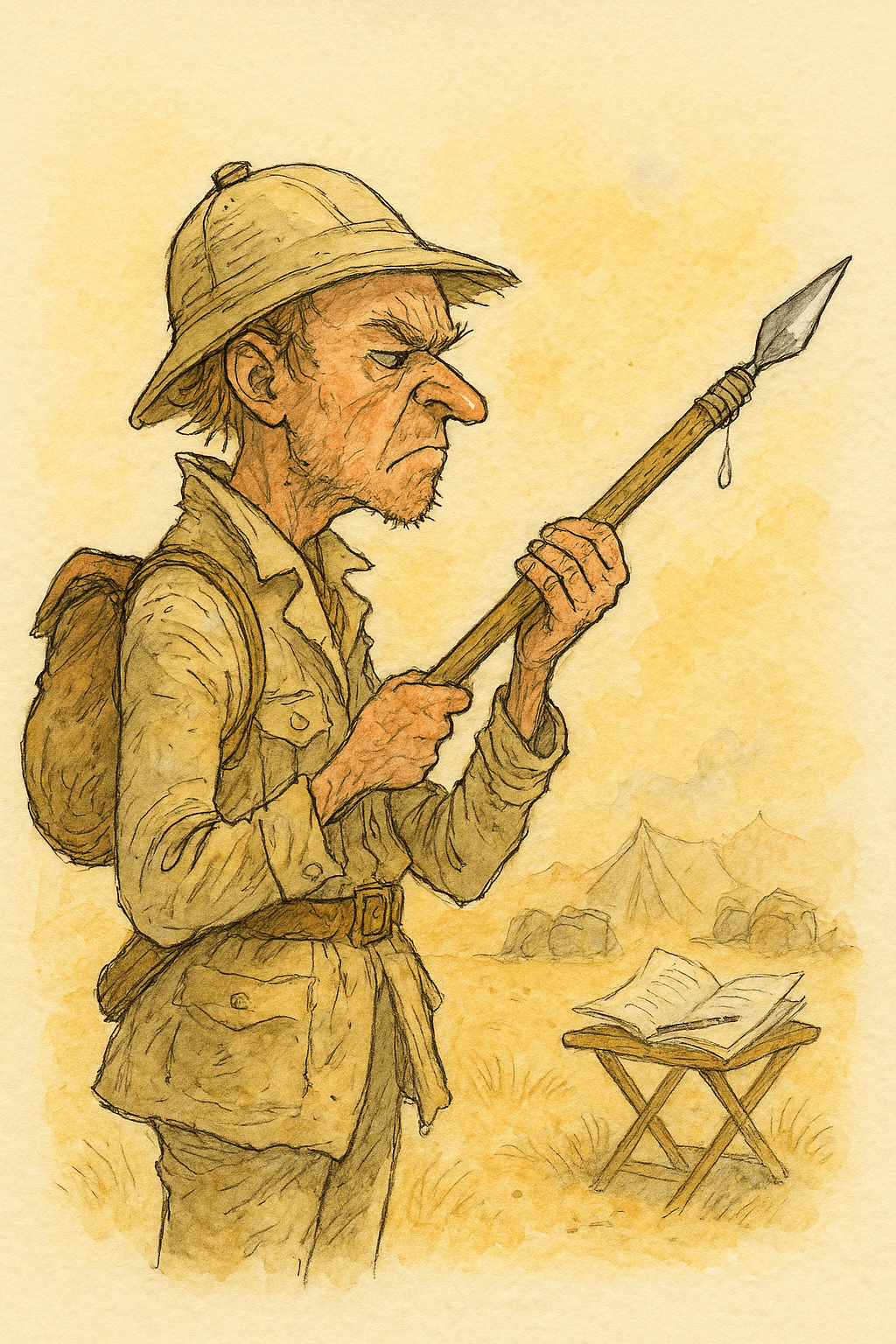
Sir Richard Francis Burton spoke twenty-nine languages, snuck into Mecca disguised as a merchant, translated the unexpurgated *Arabian Nights*, and pulled a javelin through his own face during a fight in Somaliland. He spent forty years filling journals with observations and translations no one else dared publish. When he died in 1890, his devoutly Catholic wife burned them all — convinced she was saving his soul.
Wonder, delivered.
A fresh oddlet in your inbox every weekday morning — true, strange, and under a minute.
Free forever. Unsubscribe anytime.