Oddlet · 2 min read
Feb 14, 2026 · Updated Feb 20, 2026
Oddlet · 2 min read
Feb 14, 2026 · Updated Feb 20, 2026
🇮🇳The Man Who Listened to Plants Die
In 1895, a scientist invented radio components he refused to patent, then built a machine that recorded the exact moment a plant died.
In 1895, Jagadish Chandra Bose stood before an audience in Calcutta and transmitted electromagnetic waves through walls and around corners, triggering a gunpowder charge seventy-five feet away. It was a year before Marconi filed his first patent. Bose had invented some of the fundamental components of radio science — the waveguide, the horn antenna, the semiconductor detector — and when people urged him to patent them, he refused. Knowledge, he said, belonged to everyone. Any attempt to profit from it was ethically wrong.
Then he turned his attention to plants.
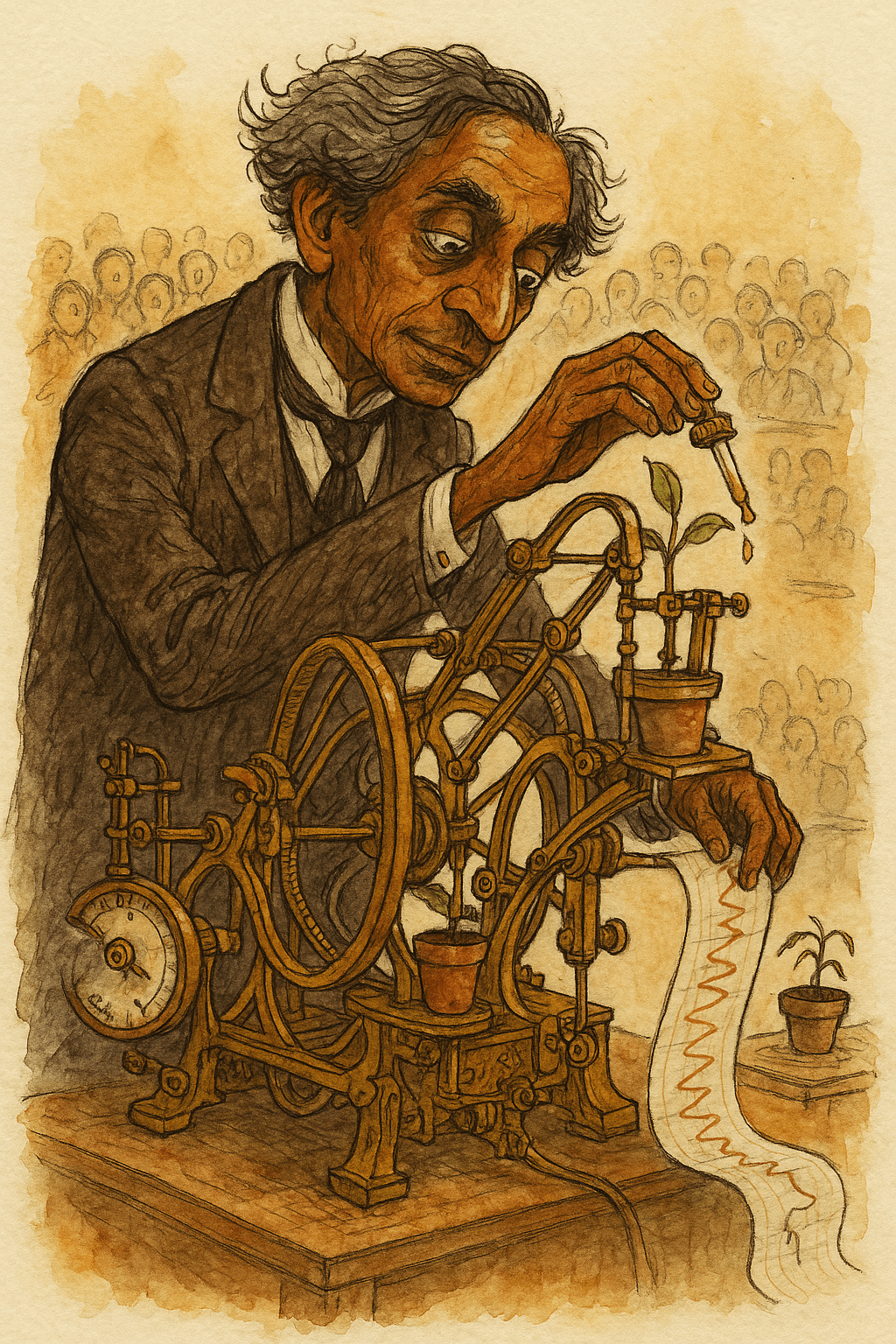
Bose built an instrument called the crescograph, which could magnify the movements of a plant by ten million times. With it, he could watch a stem grow in real time, trace its response to light, to heat, to touch. He demonstrated before packed lecture halls at the Royal Institution in London that a plant given chloroform would go limp and still — asleep — and then wake up when the vapor cleared, its tiny movements resuming as if nothing happened.
Then he poisoned one.
The crescograph recorded a violent spasm of electrical activity — a sharp, frantic scrawl across the paper — and then a flat line. Bose called it the death spasm. The audience watched a plant die the way they might watch an animal die: with a shudder, and then with nothing.
He never patented the crescograph either.
Know someone who’d love this?
- Wikipedia - Jagadish Chandra Bose — Comprehensive overview of his life, radio work, and plant research. Notes his 1895 demonstration predated Marconi and his ethical stance against patenting.
- IEEE - Bose's Radio Work — Technical documentation of Bose's pioneering work in millimeter-wave radio and his invention of the mercury coherer with a telephone detector. Confirms 1895 public demonstration in Calcutta.
- Bose Institute Official History — Founded 1917 by J.C. Bose. The institute continues his interdisciplinary research tradition in physics and life sciences.
- Royal Institution Archives — Bose gave Friday Evening Discourses at the Royal Institution in 1897 and 1901, demonstrating his radio apparatus and plant research to British scientific establishment.
The Chemist Who Tasted Everything
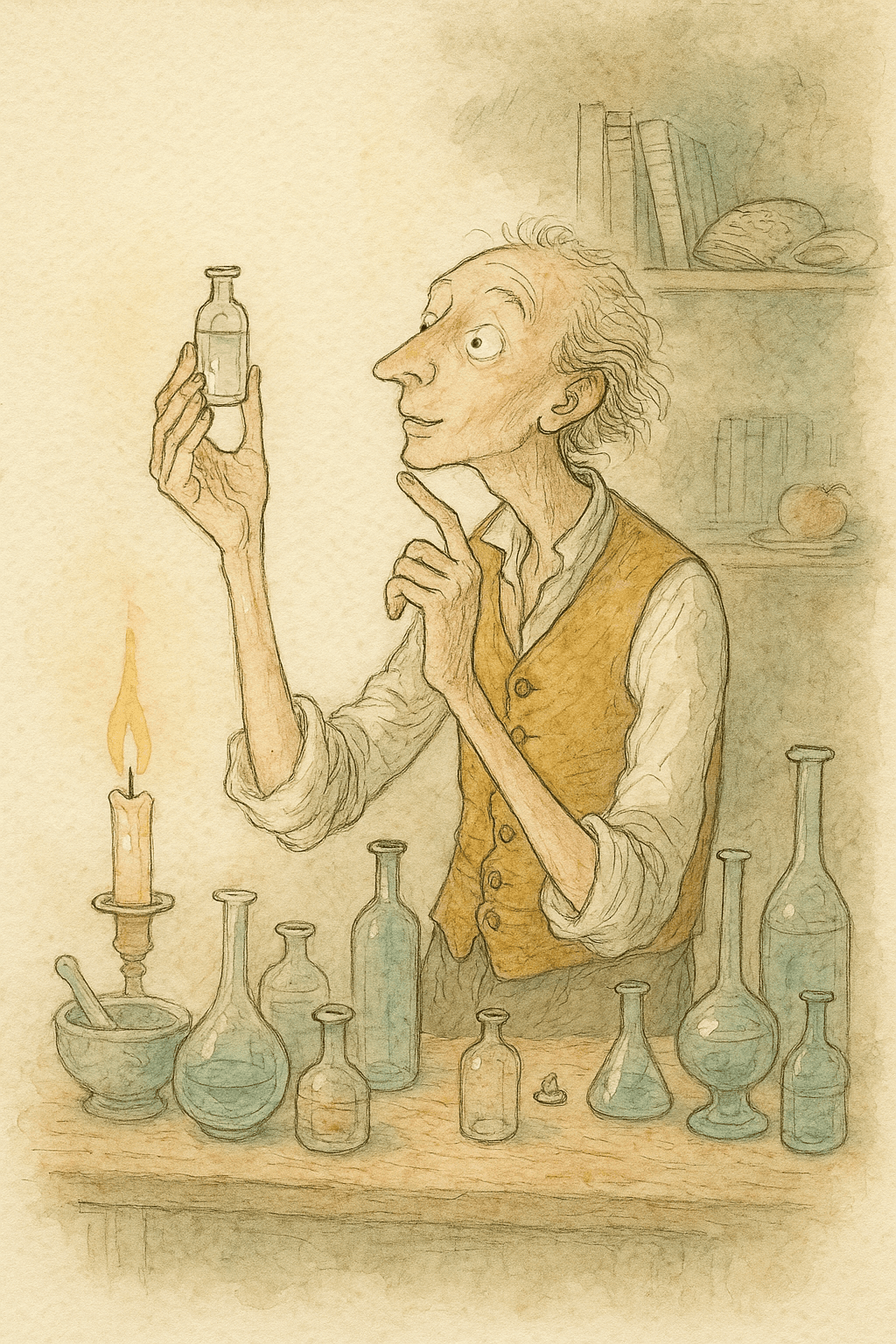
Carl Wilhelm Scheele discovered oxygen, chlorine, and more elements than almost anyone in the eighteenth century. Working alone in Swedish pharmacies, he identified each substance by tasting it. Mercury compounds. Arsenic. Hydrogen cyanide, which he found pleasantly sharp. His hands swelled. His joints ached. His body filled with what he'd catalogued. He died at forty-three, notebooks open, descriptions precise. The poisons tasted exactly as he said they would.
The Man Who Boiled His Own Urine and Found Light
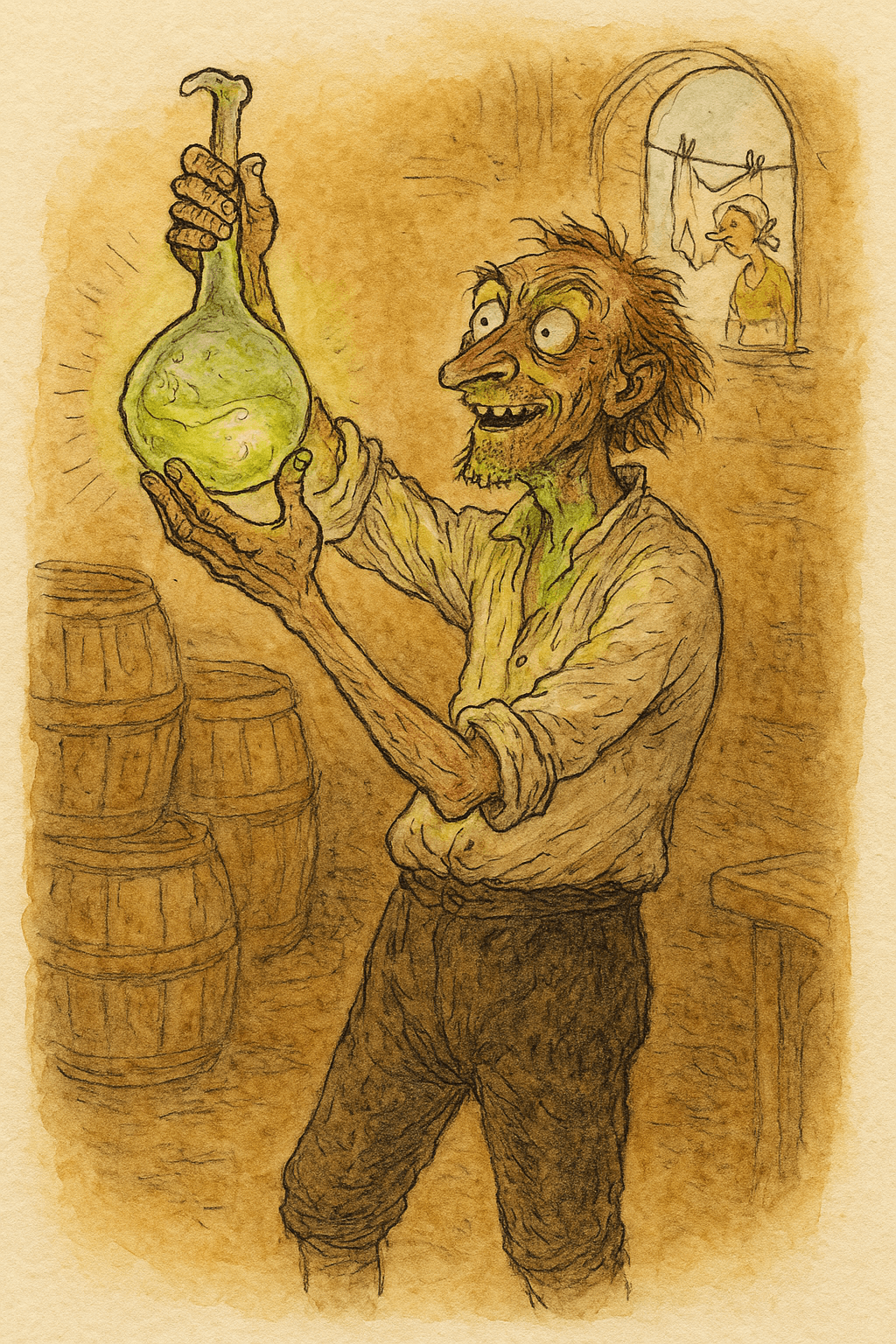
Hennig Brand was a 17th-century alchemist who spent both his wives' fortunes chasing gold. In 1669, he collected 1,500 gallons of urine, let it rot, then boiled it down and heated the paste for weeks. What came out wasn't gold — it was a waxy substance that glowed in the dark and burst into flames on its own. He'd discovered phosphorus, the first element ever isolated by a named individual. He went looking for gold in the most preposterous place imaginable and found light instead.
The Woman Who Practiced Madness in a Mirror
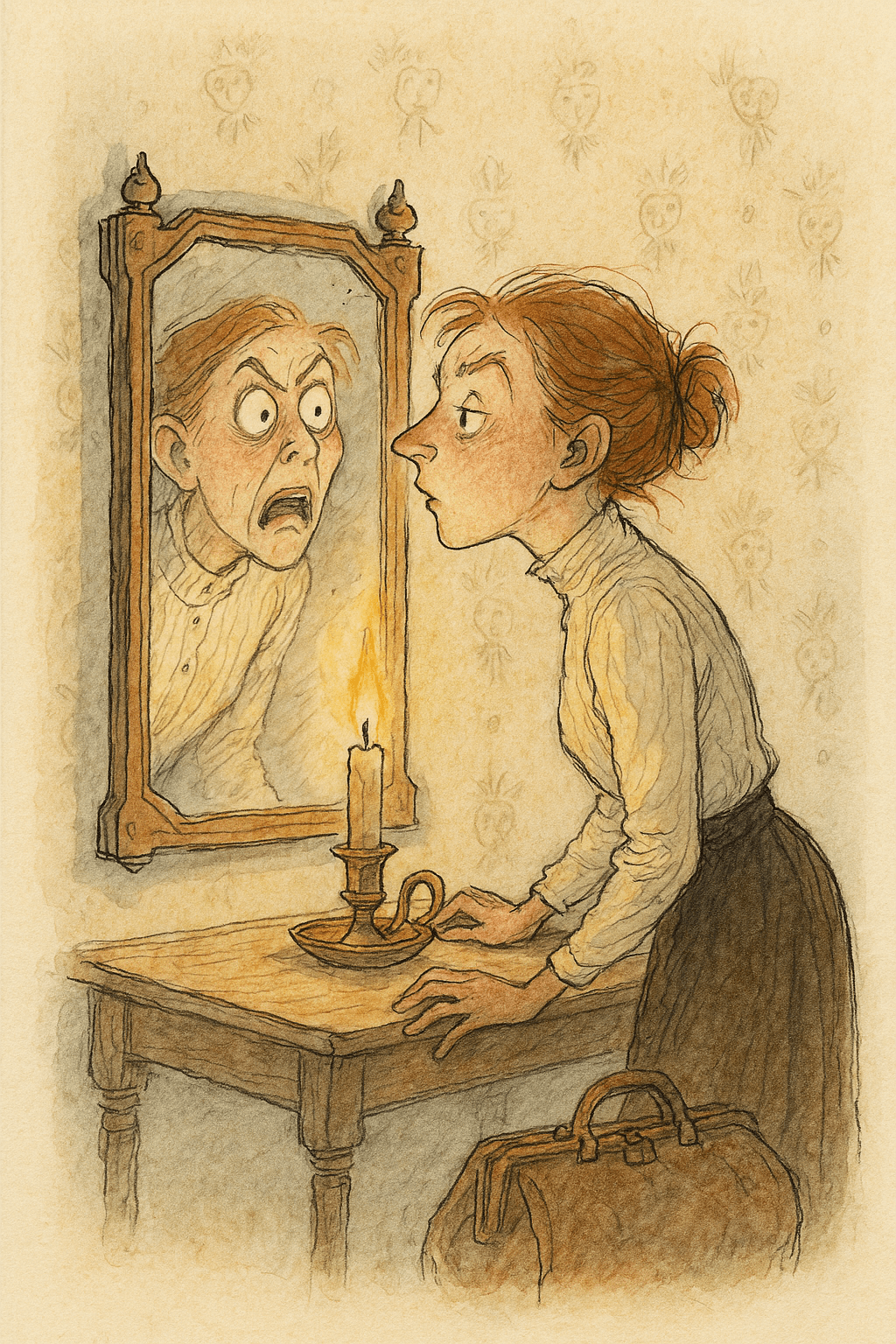
In 1887, Nellie Bly practiced deranged expressions in a mirror for one night, then got herself committed to a New York asylum. She spent ten days documenting rotten food, ice baths, and patients tied together with ropes. Her exposé triggered a grand jury investigation and forced the city to overhaul its asylum system. The doctors who had unanimously declared her insane never explained how a twenty-three-year-old reporter had fooled them all.
Wonder, delivered.
A fresh oddlet in your inbox every weekday morning — true, strange, and under a minute.
Free forever. Unsubscribe anytime.