🇸🇪Carl Wilhelm Scheele
2 oddlets about Carl Wilhelm Scheele
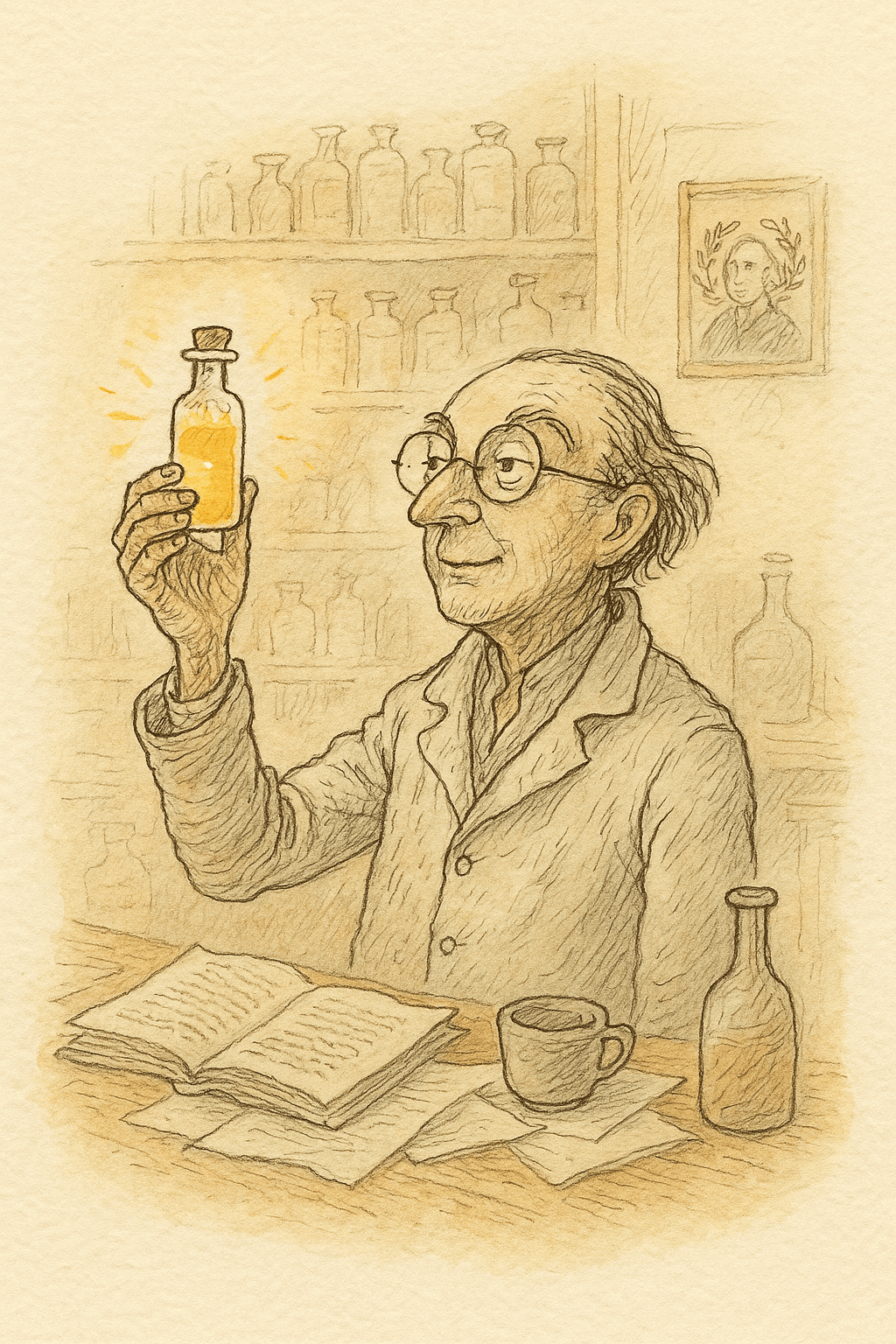
The Chemist Who Tasted Everything
A pharmacist working alone in the back rooms of small Swedish towns discovered oxygen, chlorine, manganese, barium, molybdenum, and tungsten — then took so long to publish that better-connected chemists in London and Paris announced the same findings first and received all the credit. His method for identifying new substances was to taste them, including hydrogen cyanide and arsenic. He died at forty-three. Meet Carl Wilhelm Scheele, the most productive chemist of the eighteenth century that history mostly forgot to name.
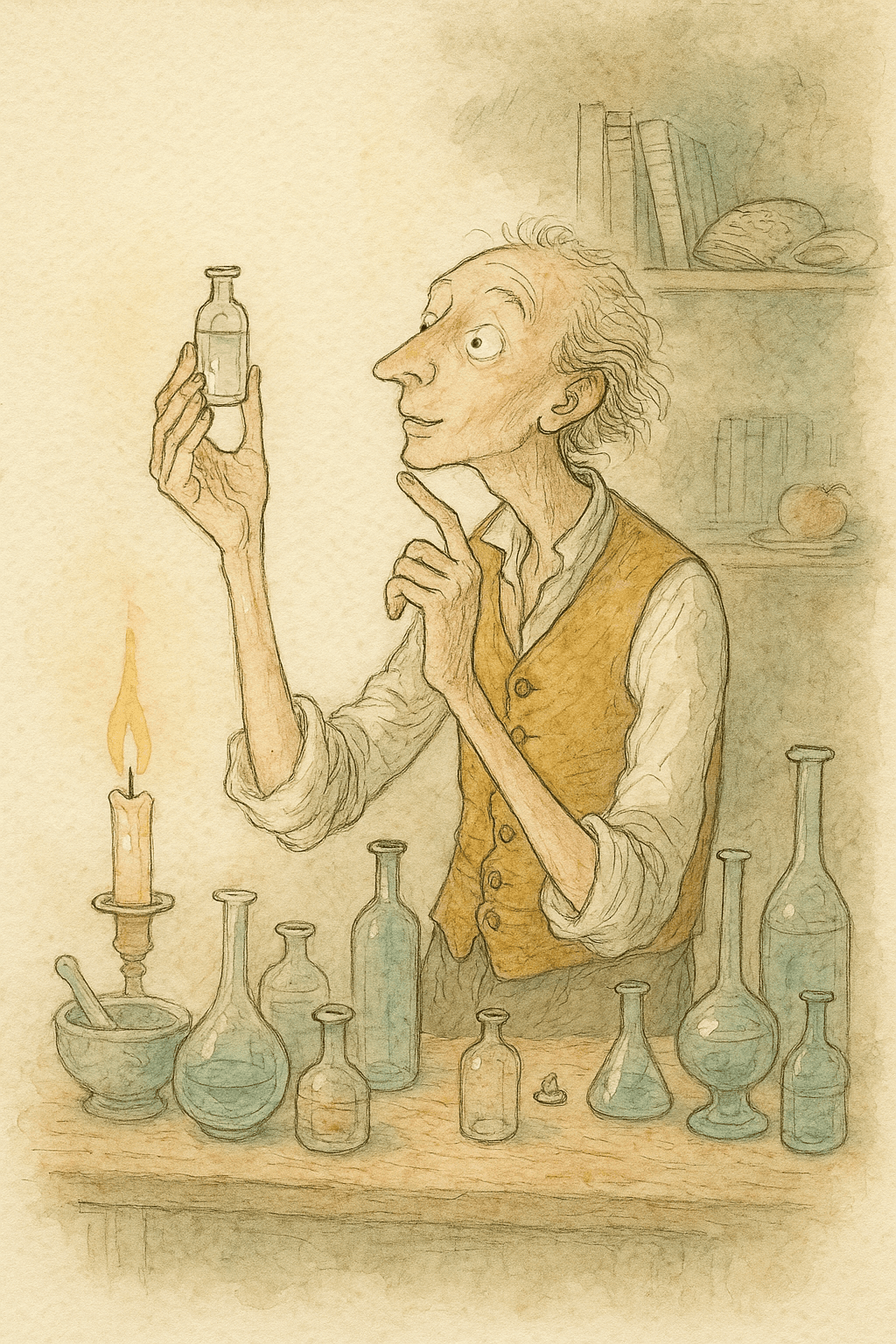
The Chemist Who Tasted Everything
Carl Wilhelm Scheele discovered oxygen, chlorine, and more elements than almost anyone in the eighteenth century. Working alone in Swedish pharmacies, he identified each substance by tasting it. Mercury compounds. Arsenic. Hydrogen cyanide, which he found pleasantly sharp. His hands swelled. His joints ached. His body filled with what he'd catalogued. He died at forty-three, notebooks open, descriptions precise. The poisons tasted exactly as he said they would.