A cabinet of lovable weirdos
Tiny true stories,
lovingly odd.
Weird science, forgotten history, and human quirks — each one true, each under a minute, each a little stranger than you’d expect.
Latest
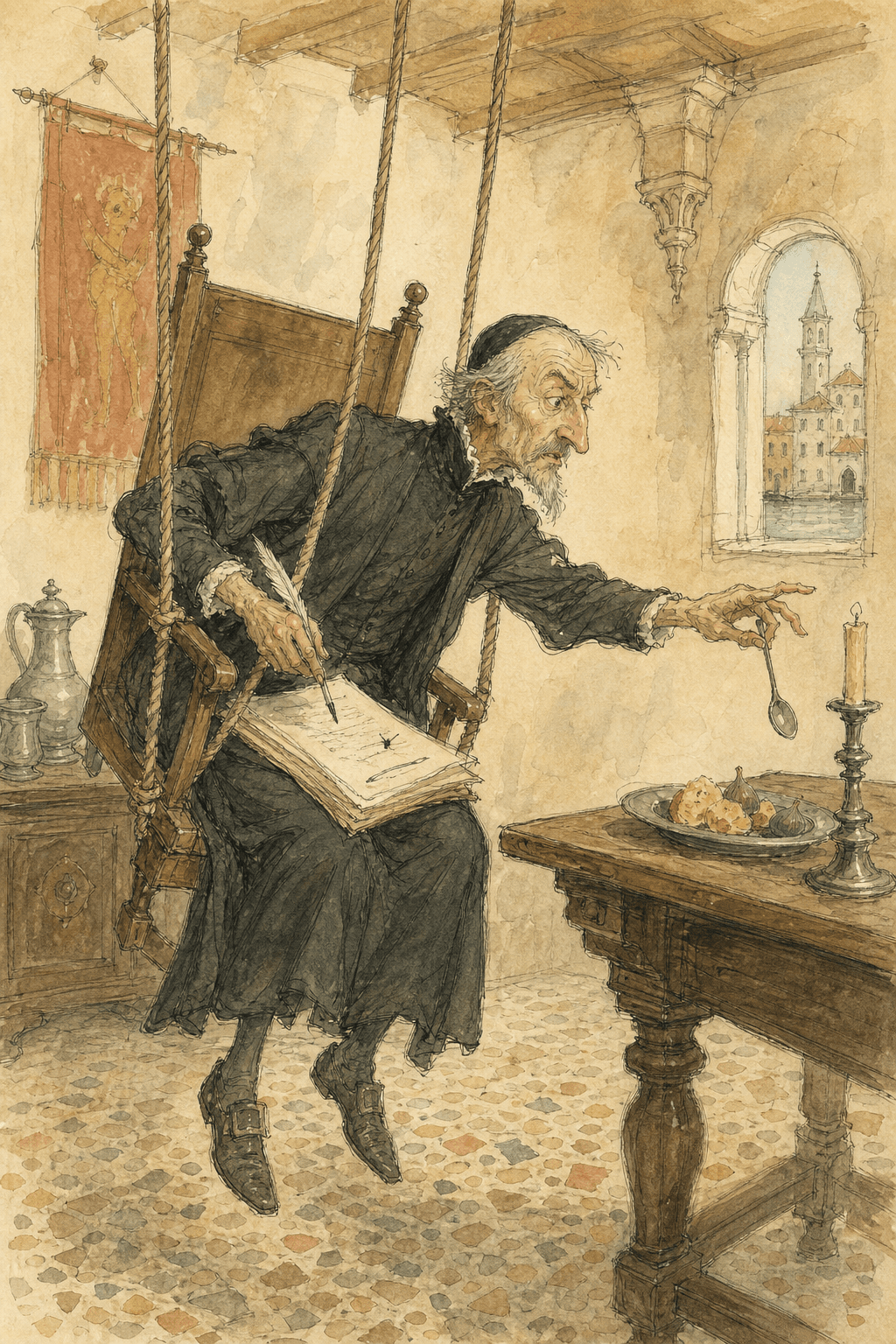
Santorio Santorio
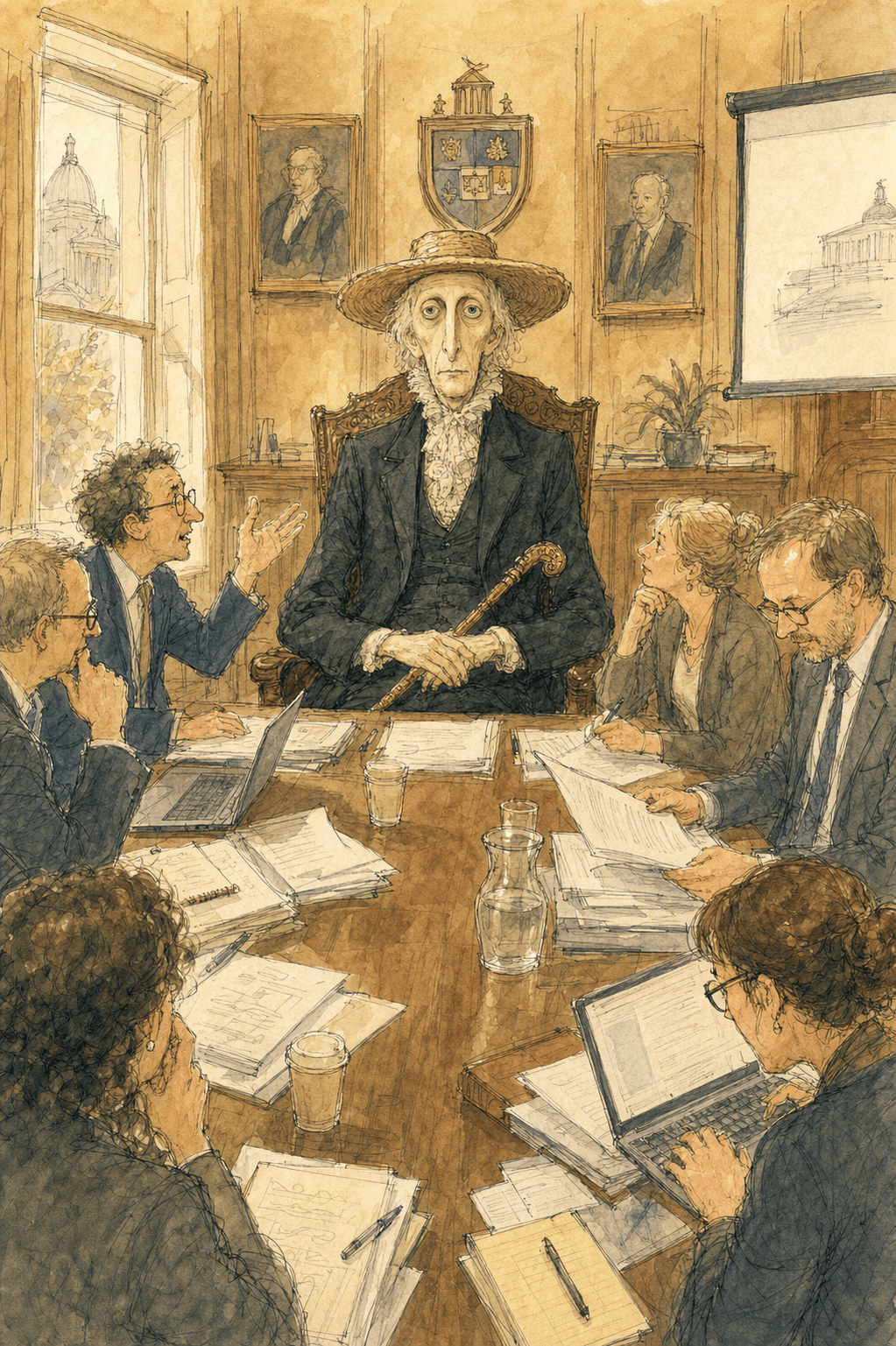
The Chair That Would Not Let Him Eat
What does a Renaissance physician discover when he rigs his dining chair to yank the table away the moment he has eaten his ration?
He weighed his food, his sleep, his feces, and, by his own accounting, his sex life. For thirty years he sat in a chair that took his dinner away. Santorio Santorio, founder of quantitative physiology, discovered that we are all quietly evaporating.
Read this oddlet →
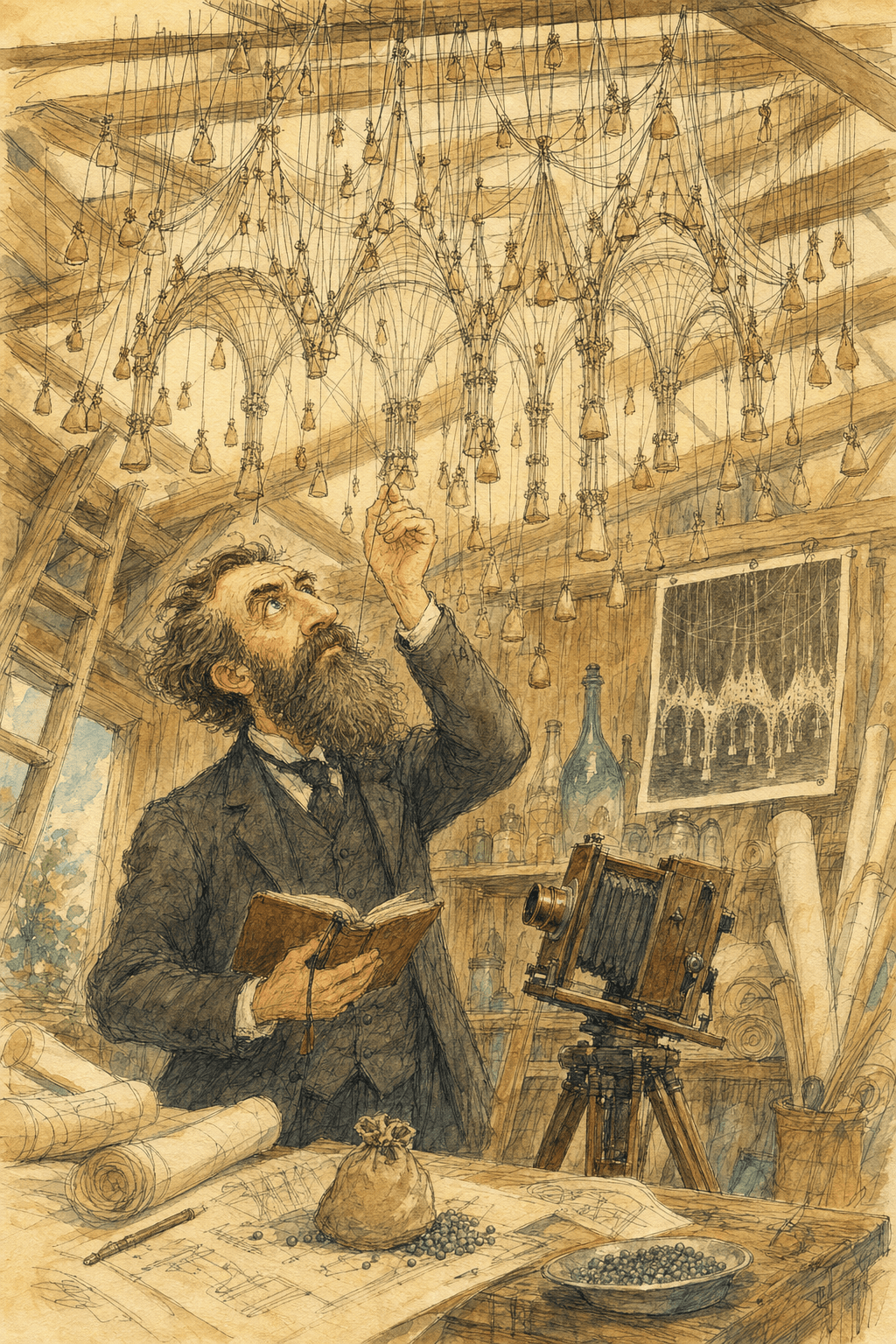
The Man Who Let Gravity Draw
What kind of architect designs a church by hanging it upside down from a shed ceiling?
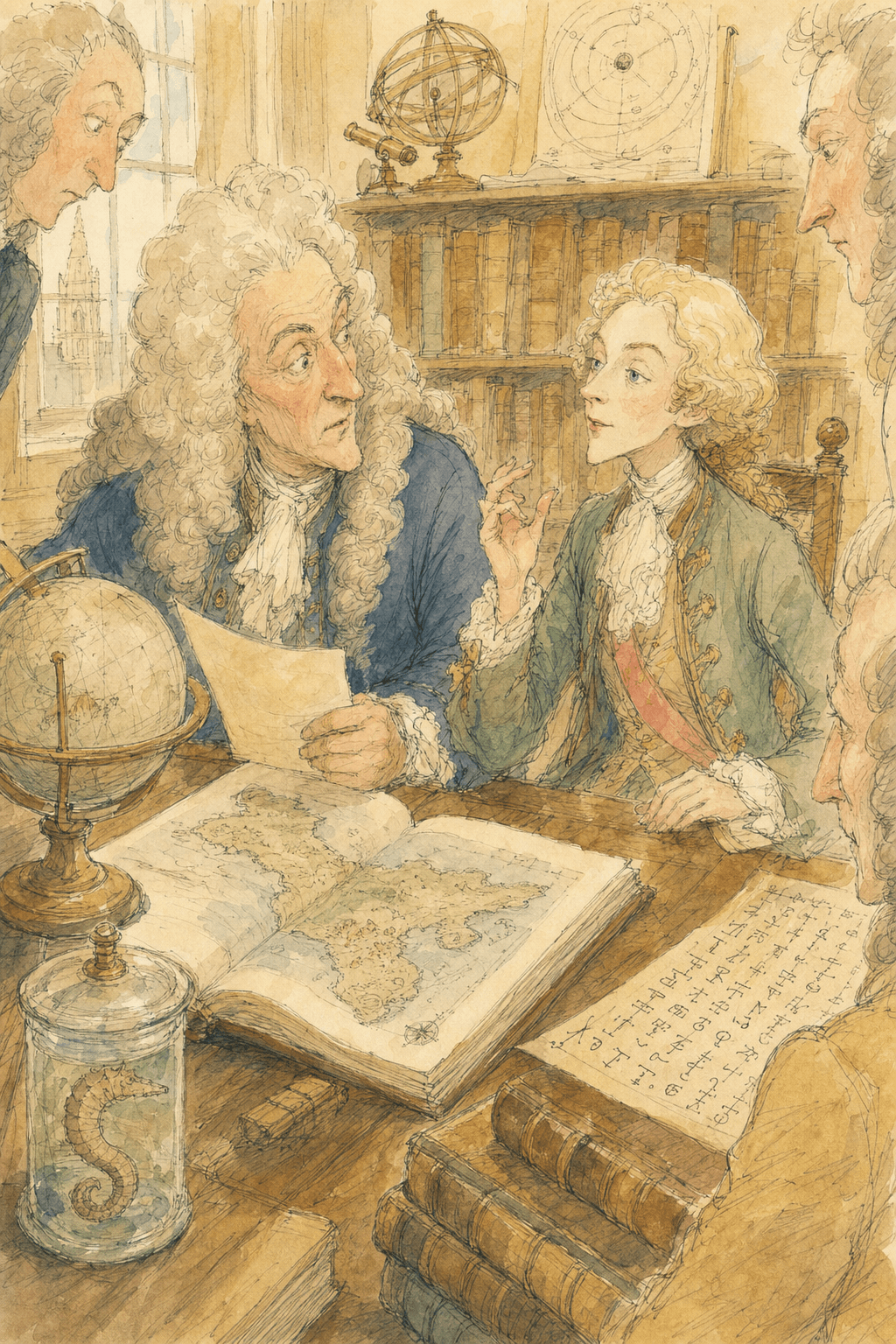
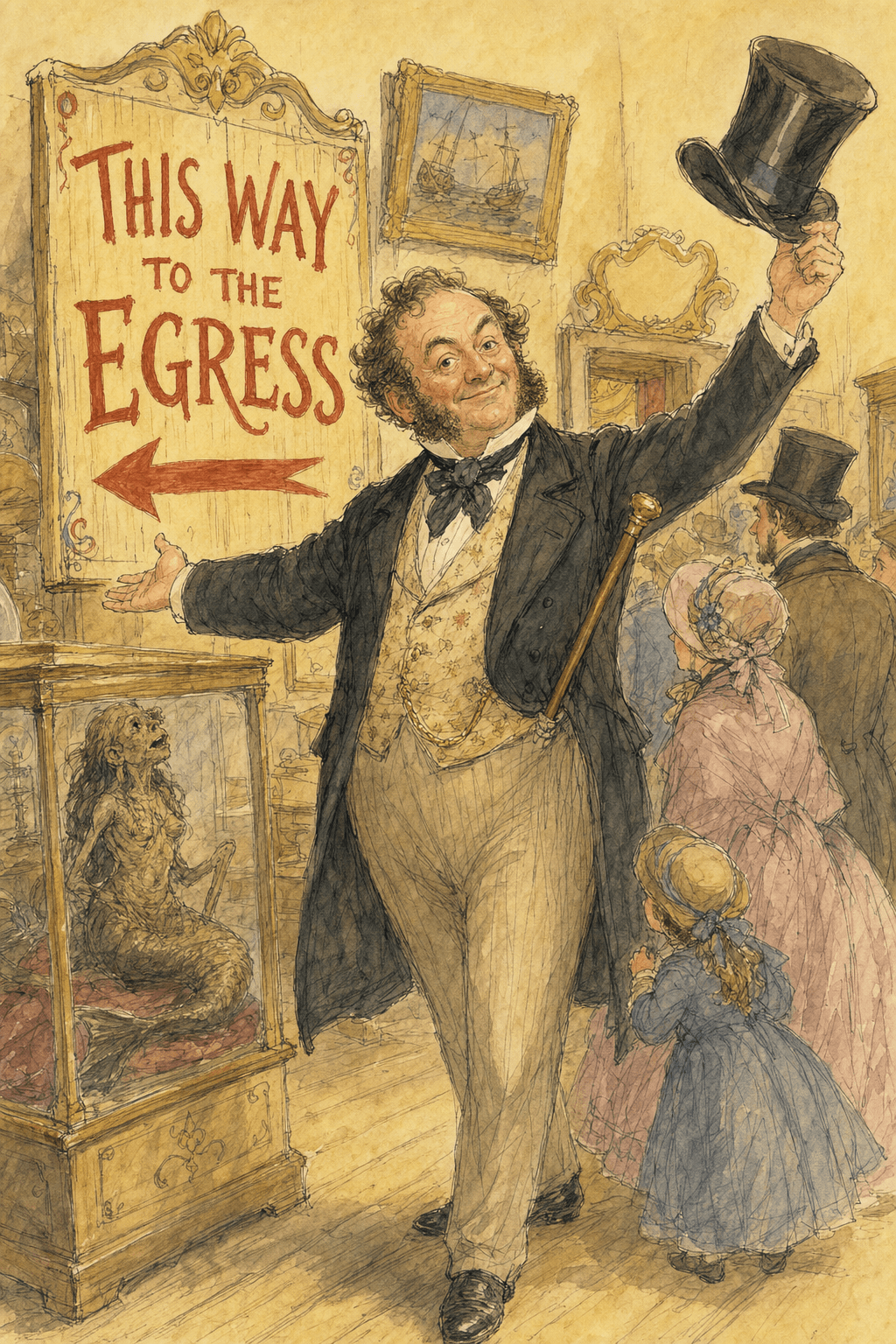
The Formosan
How did a blonde Frenchman convince 1700s London he was from Formosa?

The Queen of the Mist
What kind of woman test-drives a Niagara Falls barrel by sending a cat over first?
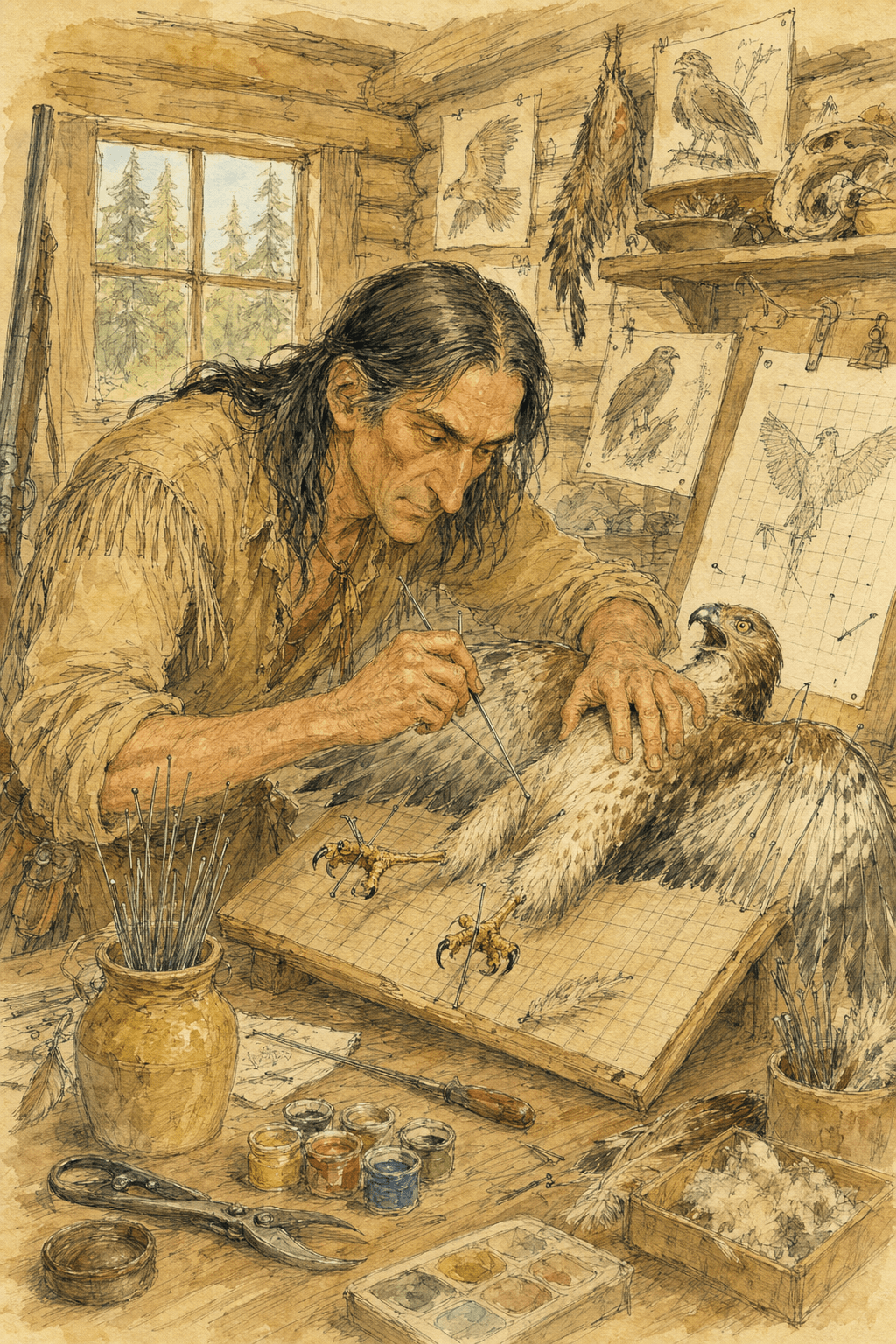
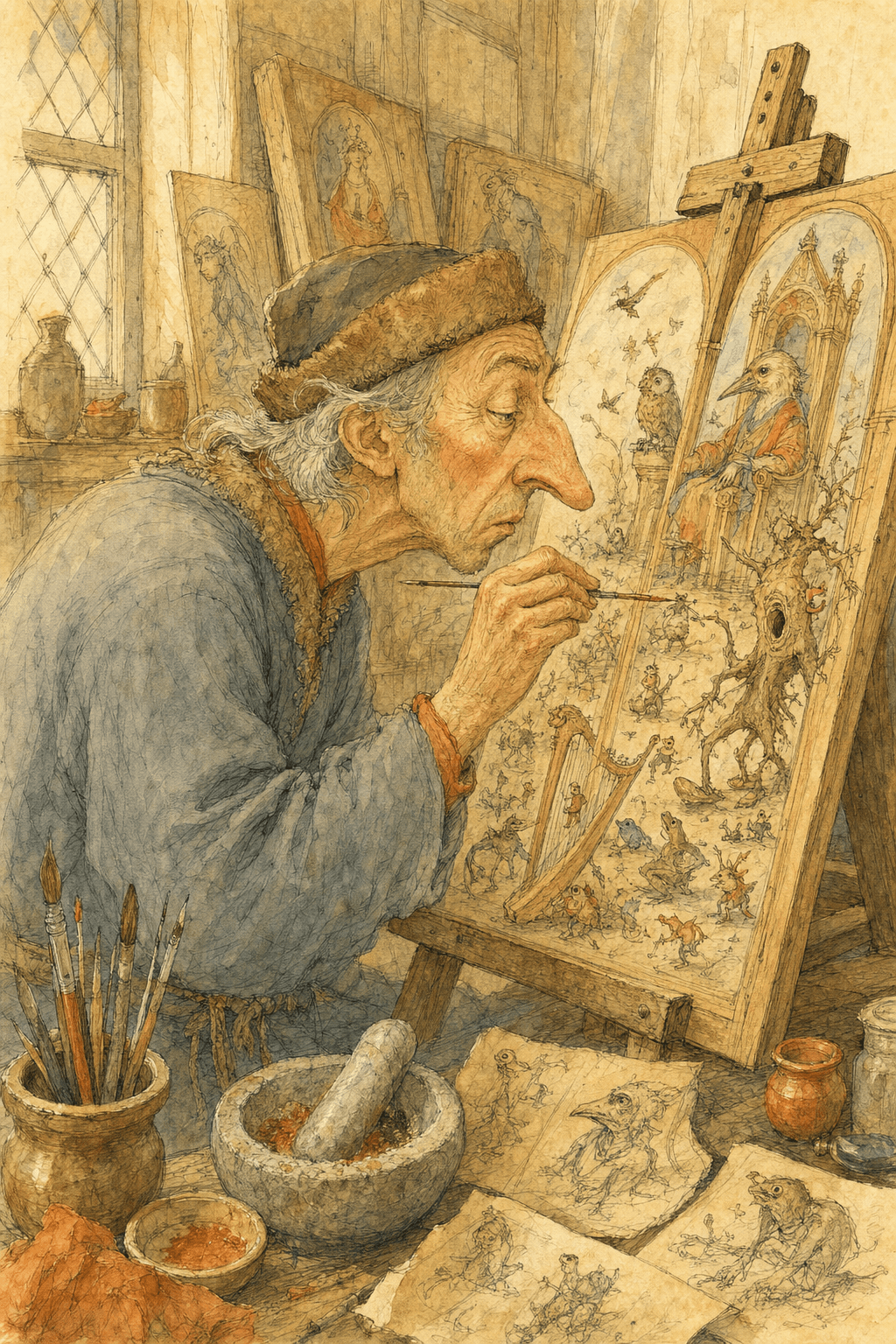
The Man Who Painted the Dead
How do you paint a wild bird at exact life size without it moving?
Wonder, delivered.
A fresh Oddlet in your inbox every morning, a full day before everyone else. True, strange and under a minute.
Free forever. Unsubscribe anytime.