animals
Moose, bears, pigeons, chickens, and the humans who loved them unwisely.
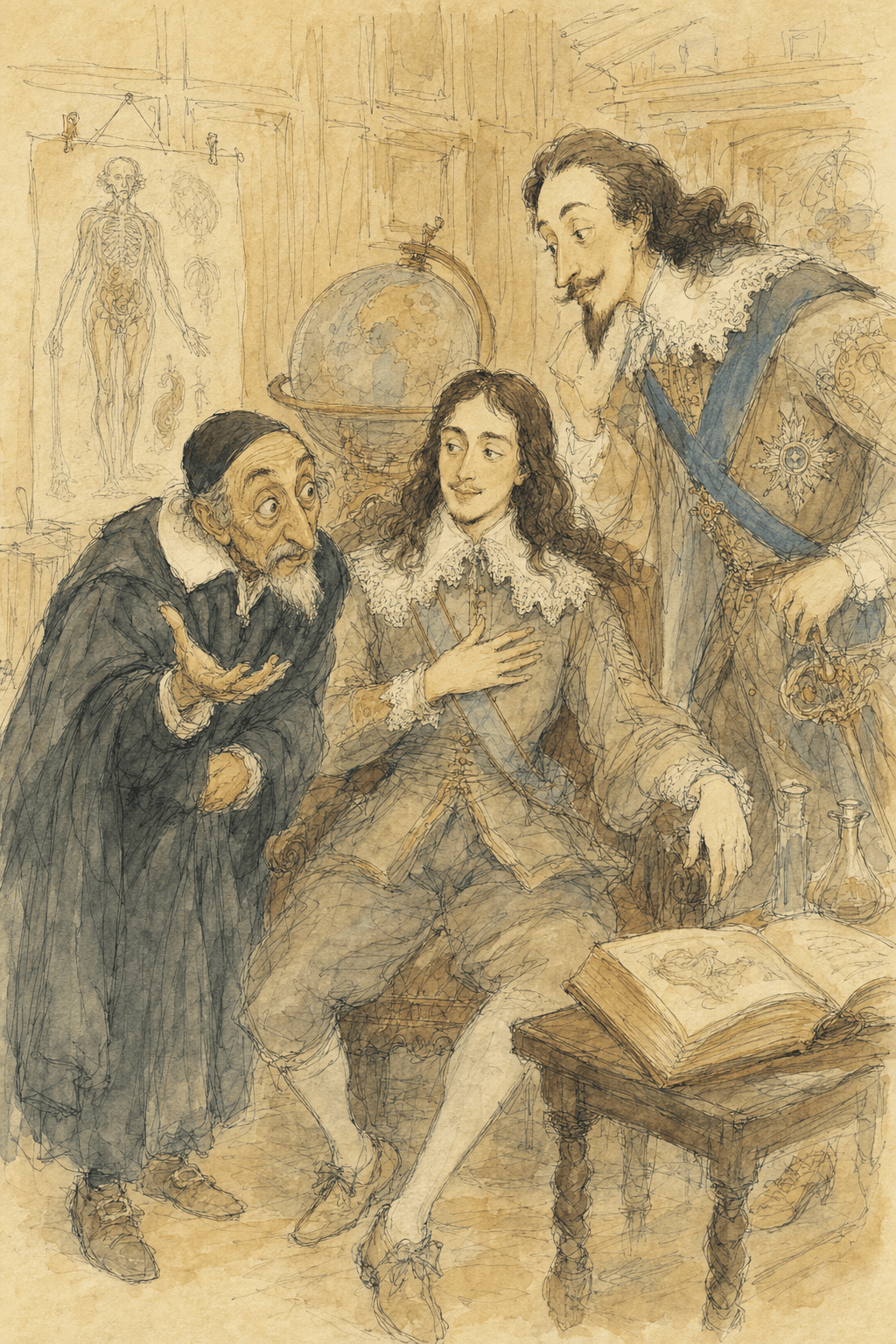
Montgomery's Ribs
William Harvey, the physician who proved blood circulates, once reached through a hole in a young viscount's ribs and took hold of the beating heart.
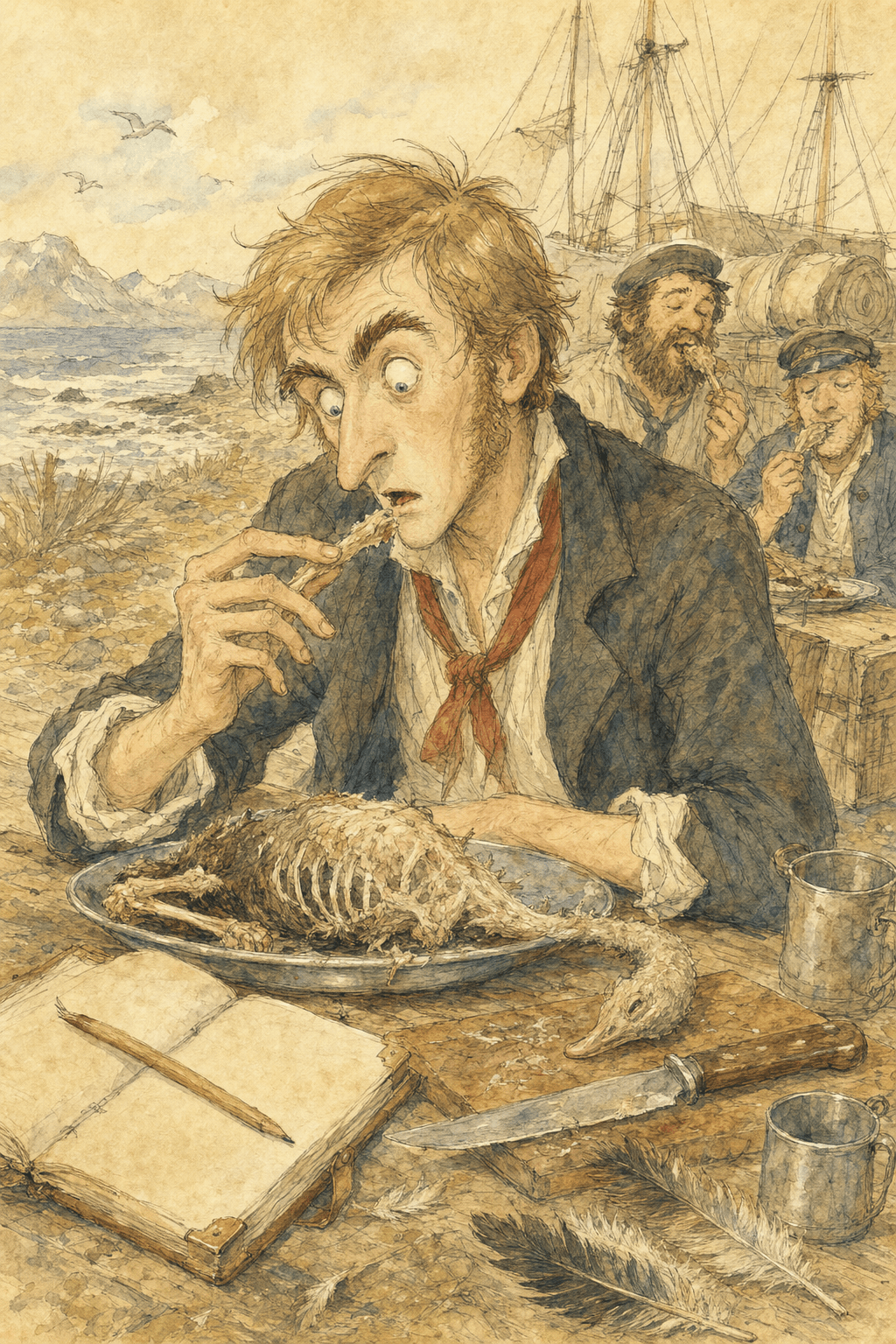
Rhea darwinii
Darwin was halfway through dinner in Patagonia before he realised the small ostrich on his plate was the rare species he'd been hunting for months.
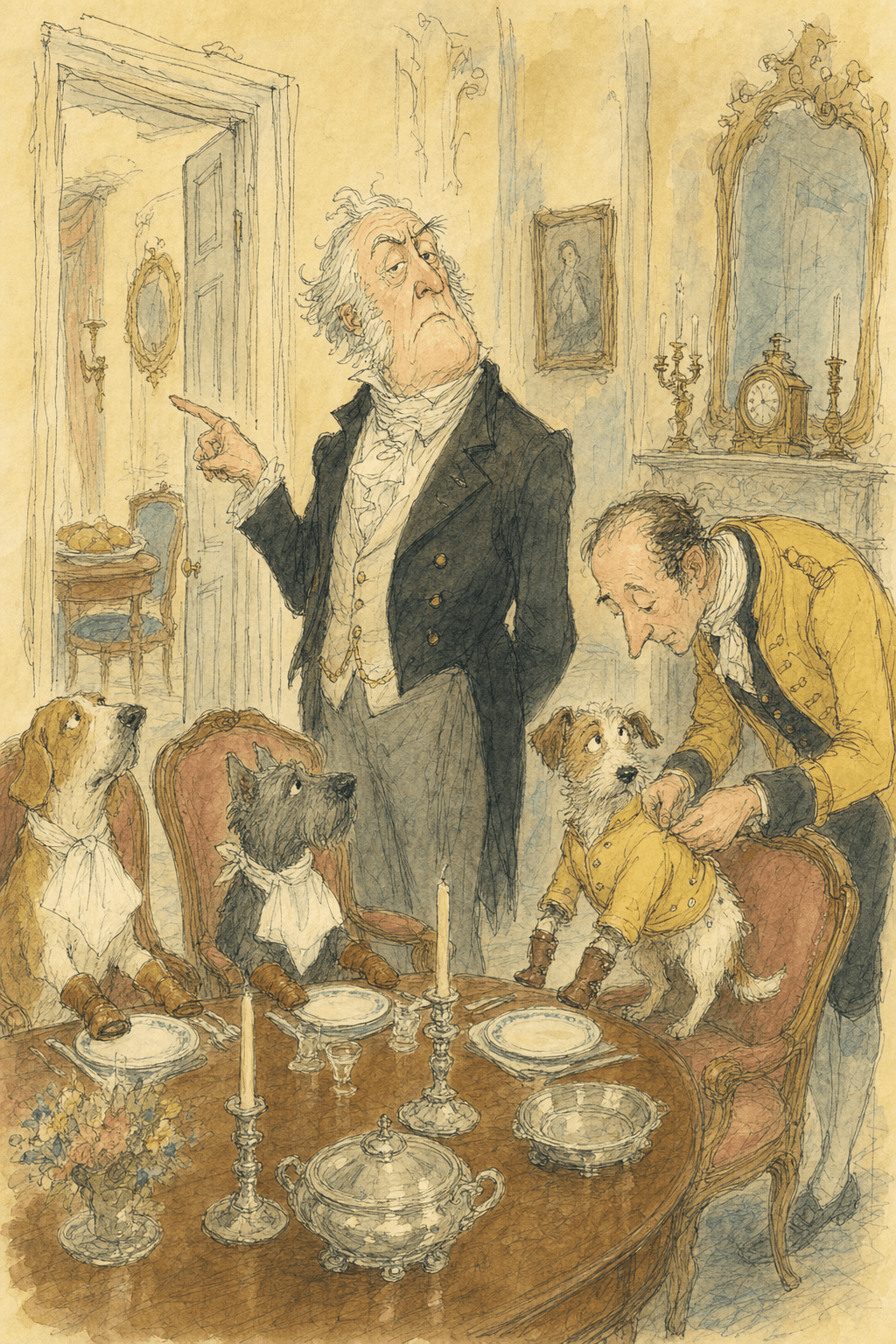
The Bread of Shame
Francis Egerton, 8th Earl of Bridgewater — Fellow of the Royal Society, prebendary of Durham — dined every night in Paris with a dozen dogs in tailored coats and linen napkins, each attended by its own footman.
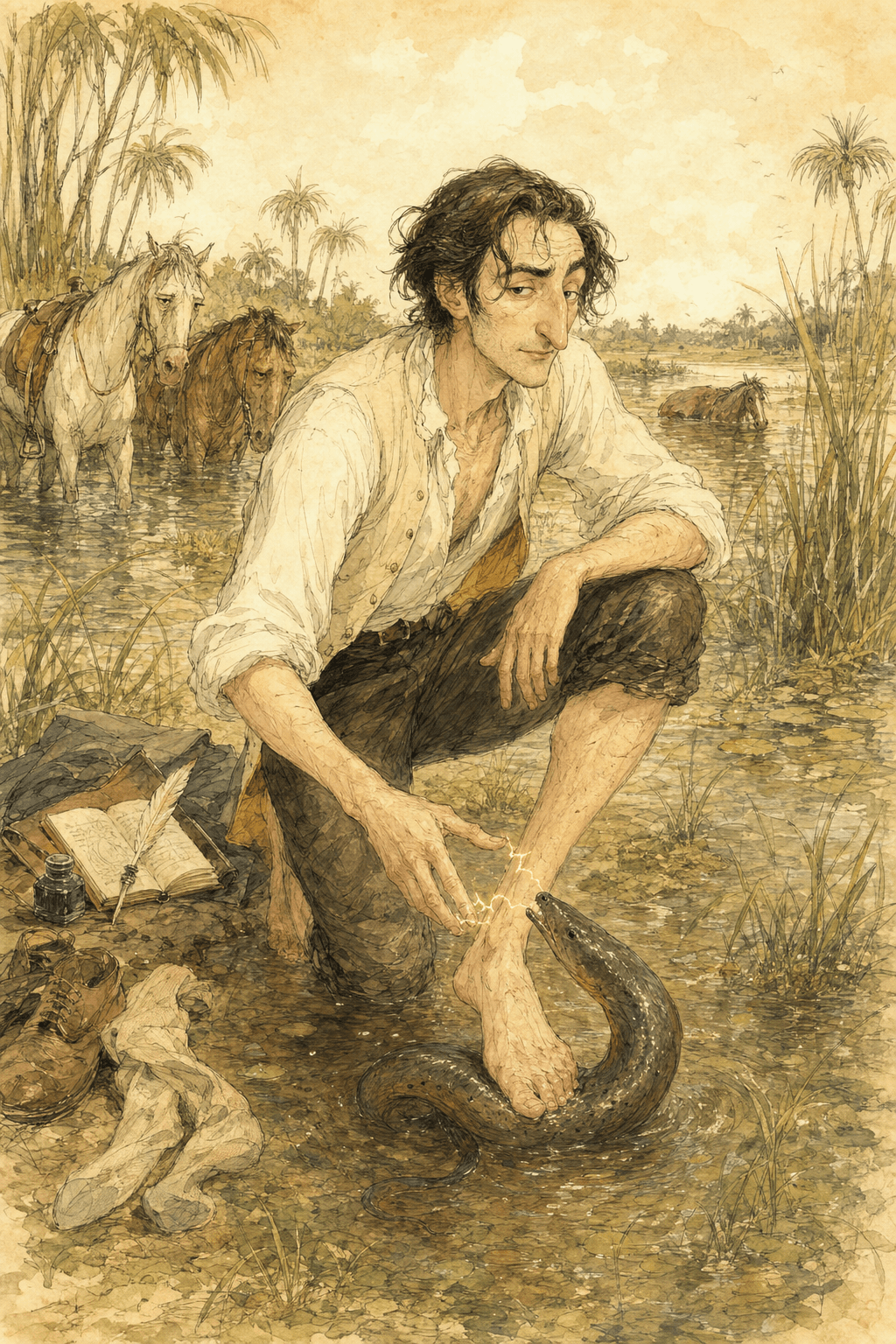
The Horses and the Eels
In March 1800, Alexander von Humboldt drove thirty wild horses into a Venezuelan pool to exhaust the electric eels, then waded in barefoot and dissected one while it kept shocking him.
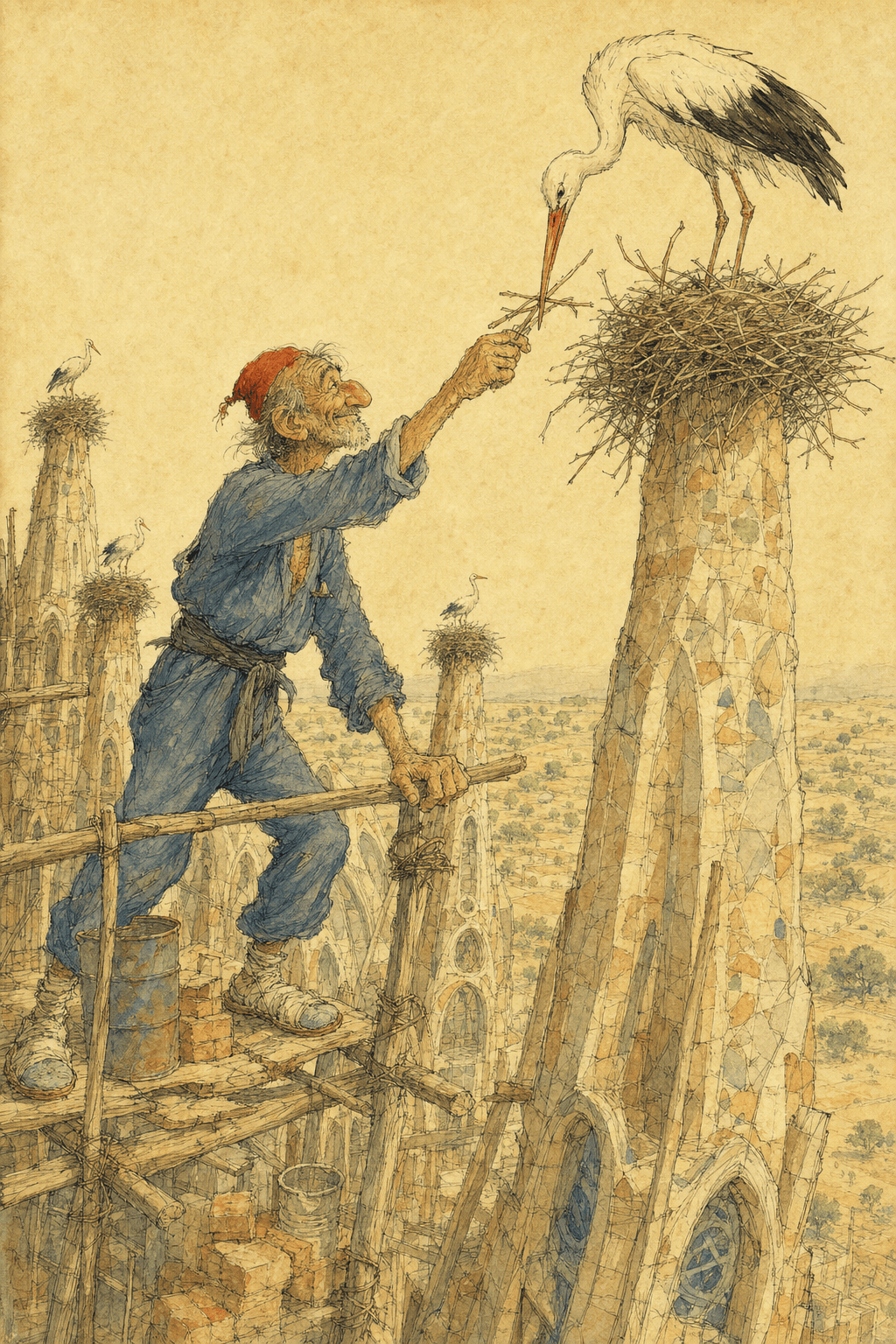
Sticks for the Spires
He was thrown out of a Trappist monastery with tuberculosis at thirty-five, and spent the next sixty years alone on a plot outside Madrid, building a cathedral with factory-reject bricks and pillars cast inside oil drums.
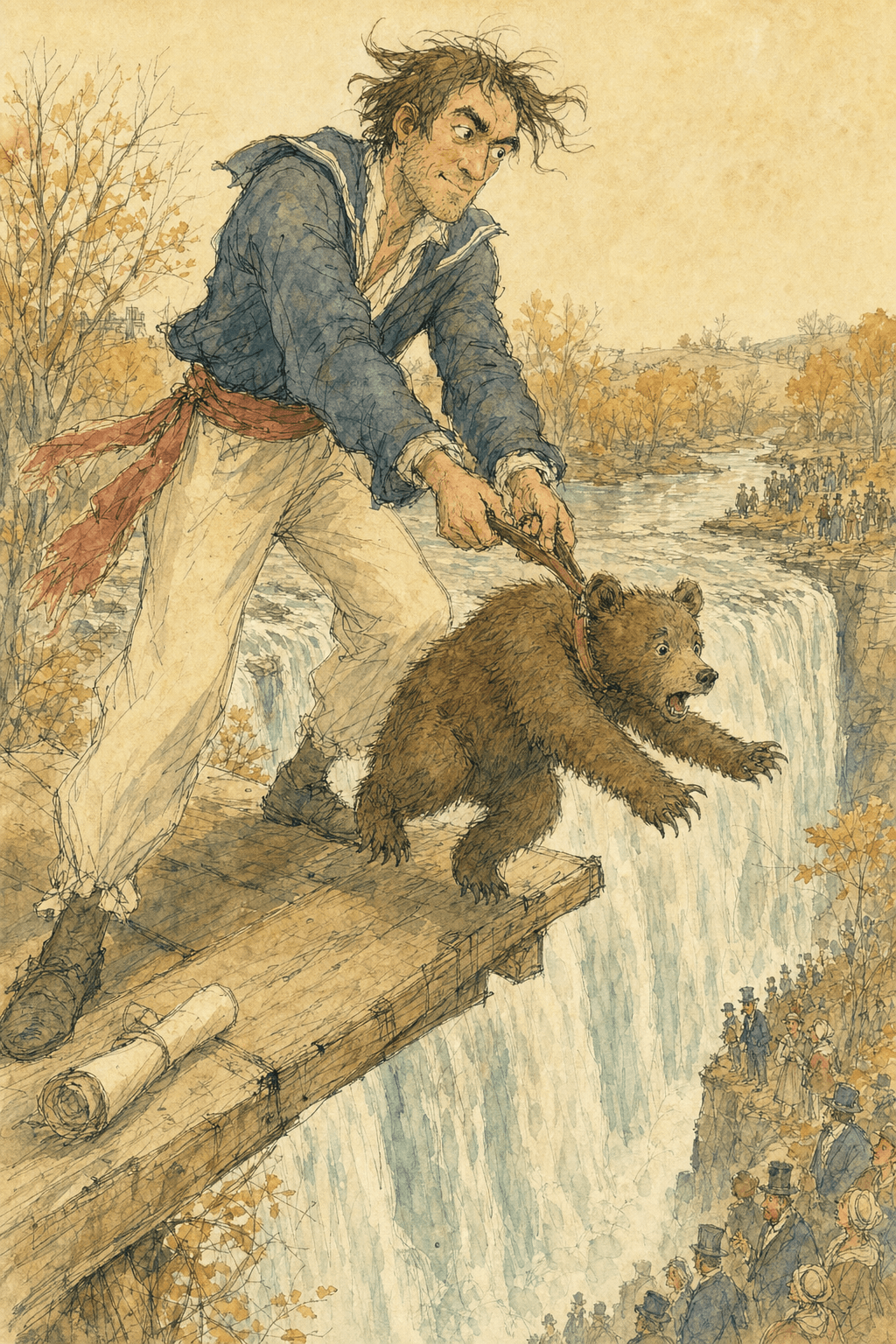
The Bear Went First
Sam Patch's final act opened with him shoving a bear cub off a hundred-foot waterfall in front of eight thousand people.
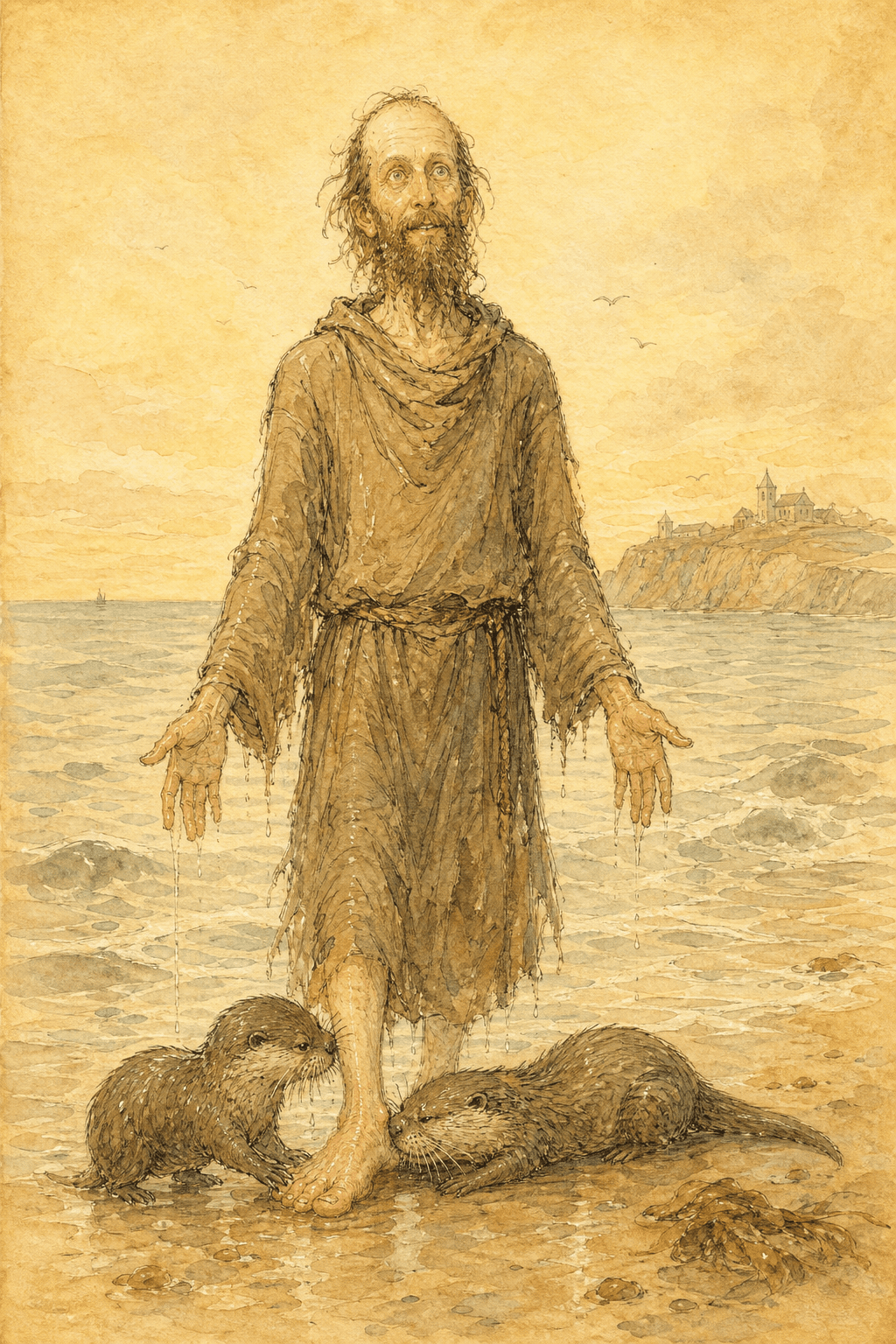
Up to His Neck
He walked into the North Sea at night until the water reached his neck, and sang psalms until dawn.
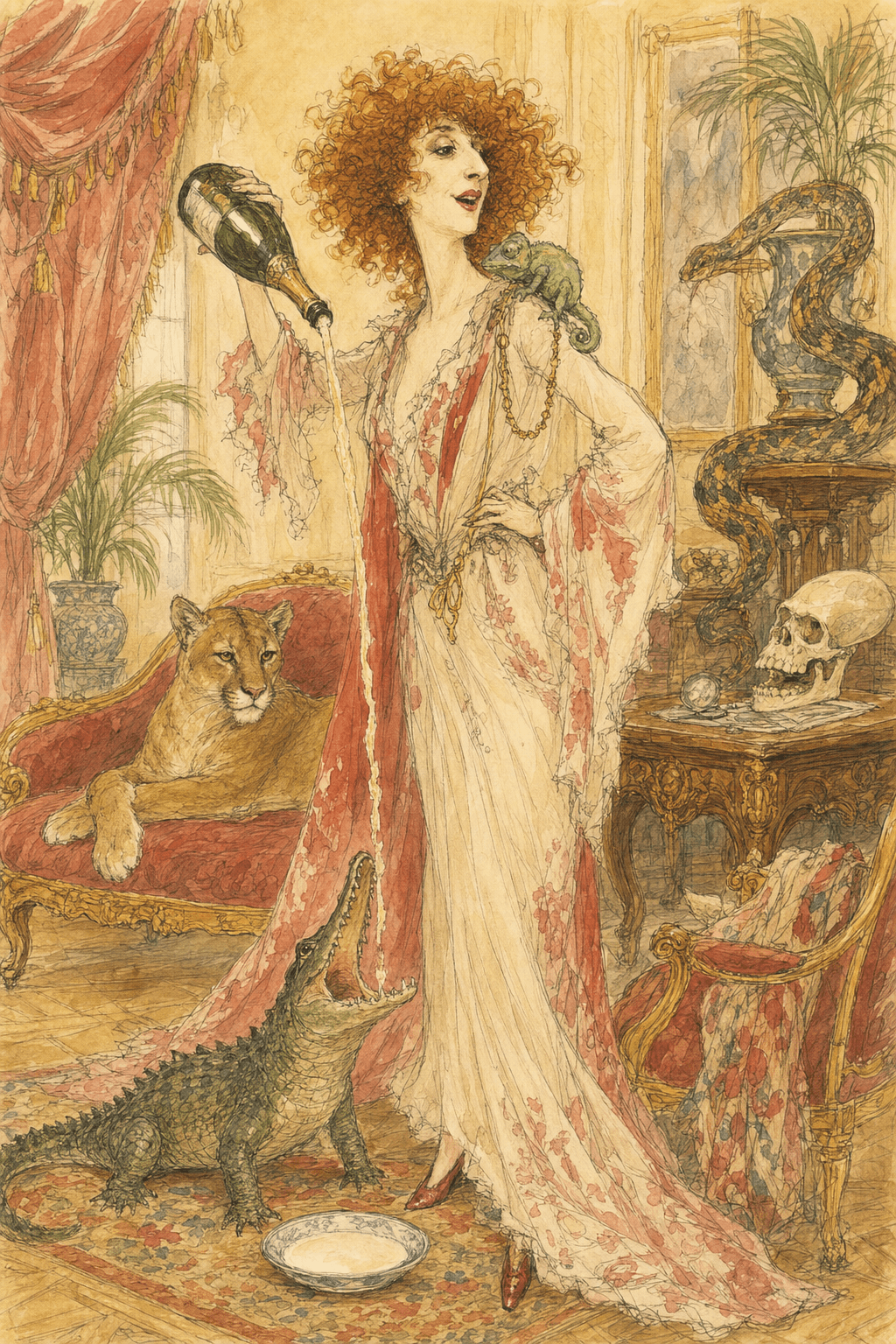
The Divine Sarah's Menagerie
What do you feed an alligator you keep in a Paris apartment above a bedroom draped in black velvet?
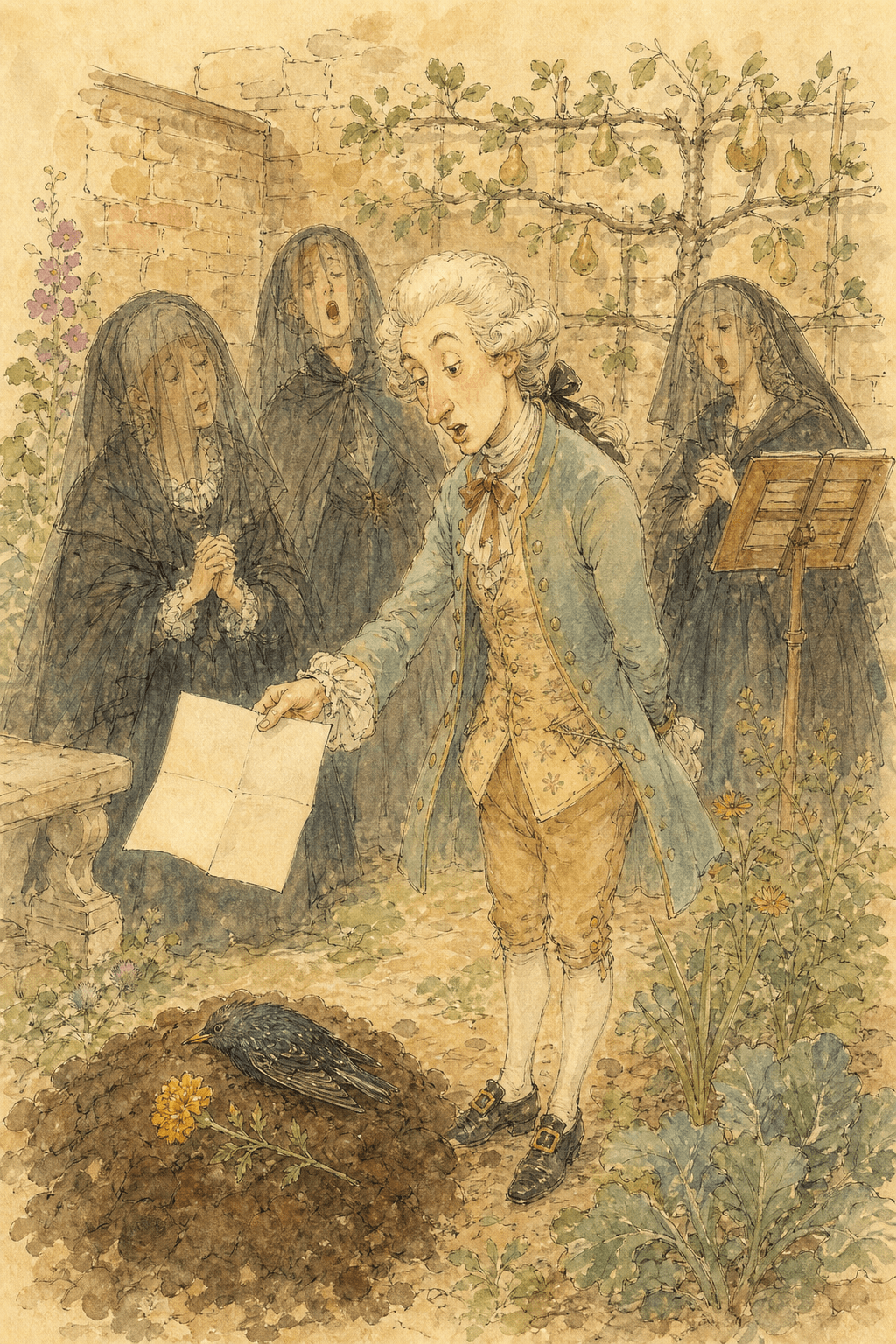
Vogel Stahrl, 34 Kreuzer
What does a composer owe a shop bird that whistles his six-week-old concerto back at him, holds a fermata he never wrote, and sharpens a single G?

The Queen of the Mist
What kind of woman test-drives a Niagara Falls barrel by sending a cat over first?
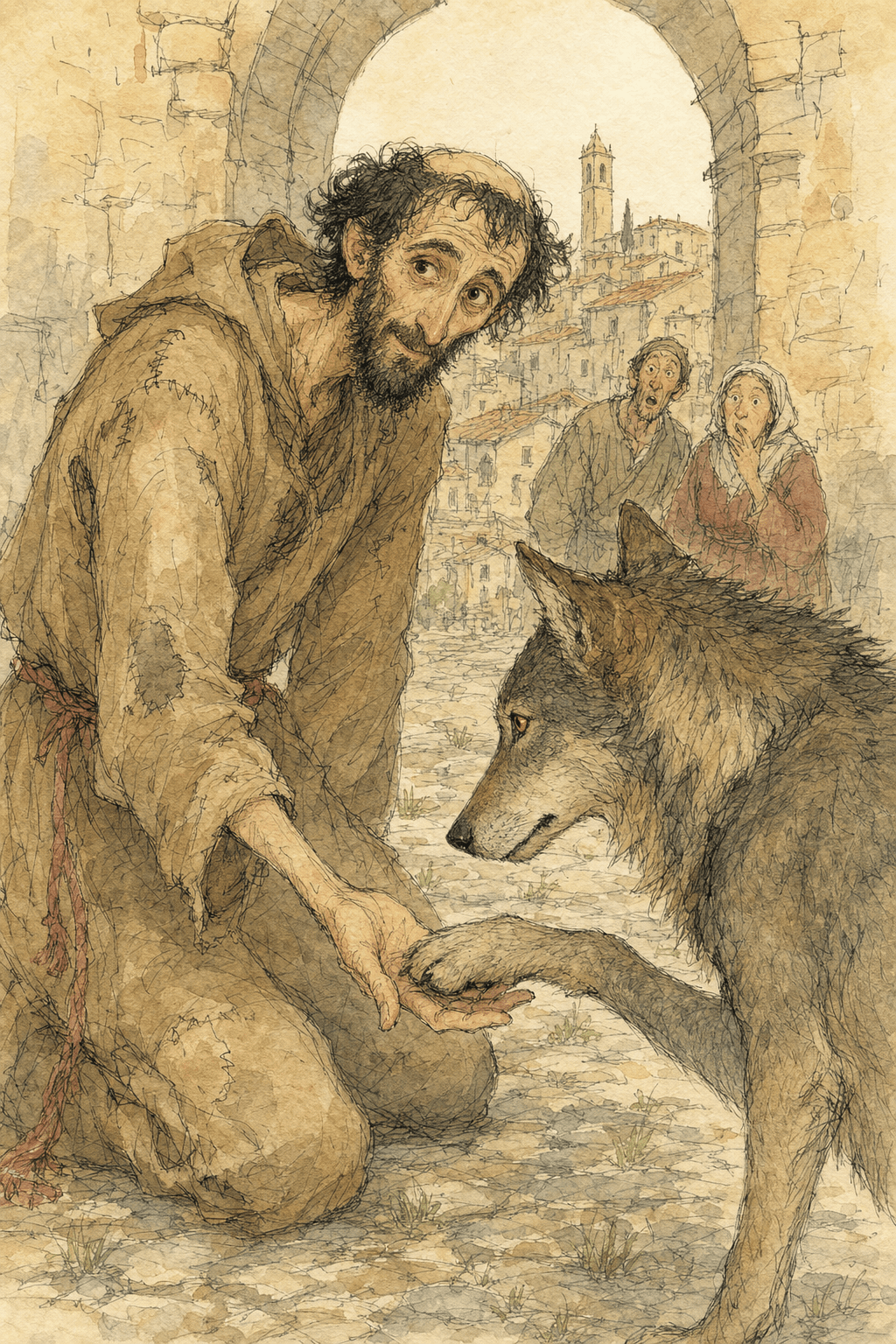
The Man Who Signed a Treaty With a Wolf
In 1220, when a wolf was eating the citizens of Gubbio, a barefoot friar walked out alone to negotiate terms.
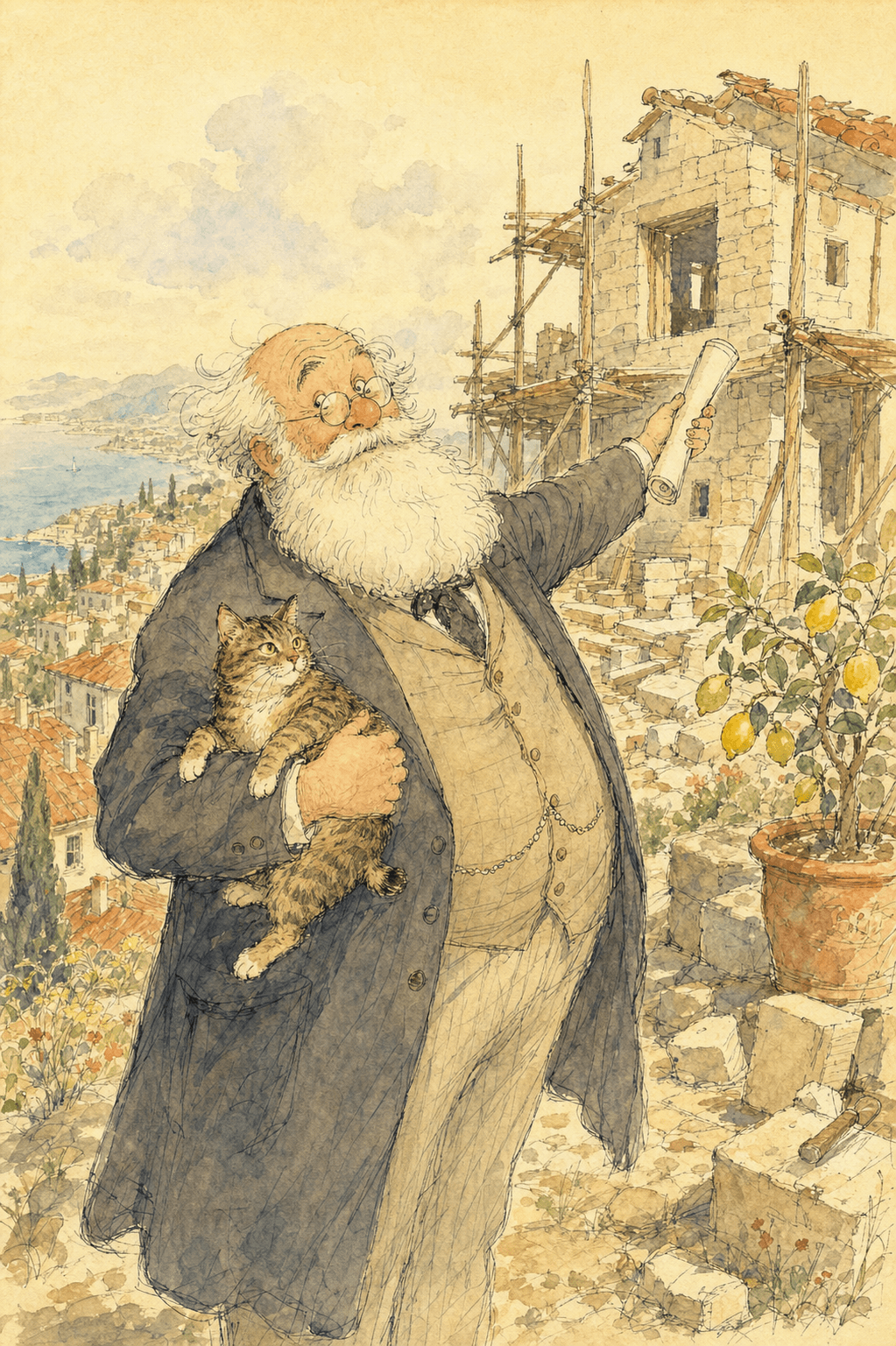
A House for Foss
A Victorian poet built a second house identical to his first, same rooms, same floor plan, so his cat wouldn't feel disoriented.