devotion
Did it all for someone — or something — and never wavered.
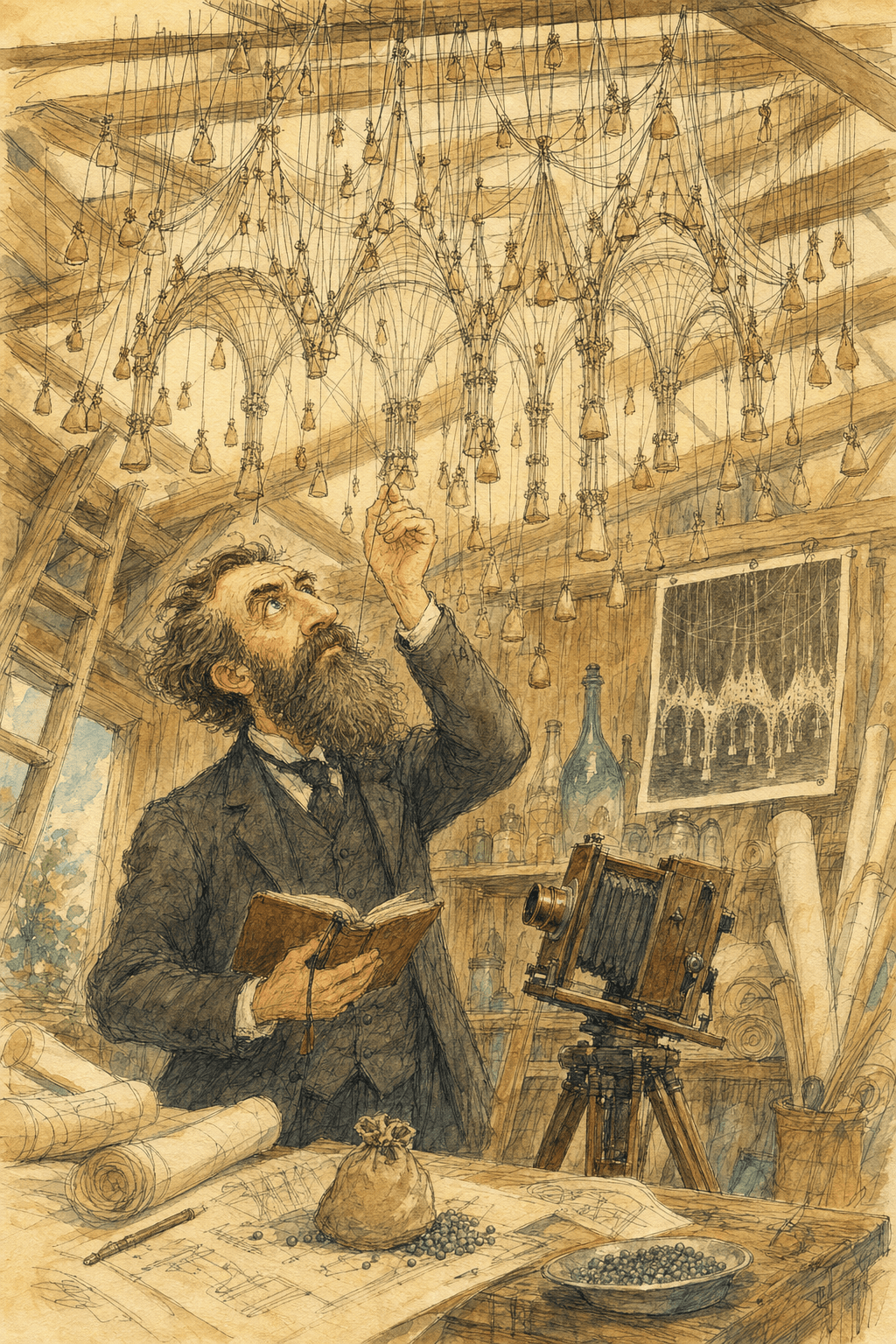
The Man Who Let Gravity Draw
What kind of architect designs a church by hanging it upside down from a shed ceiling?
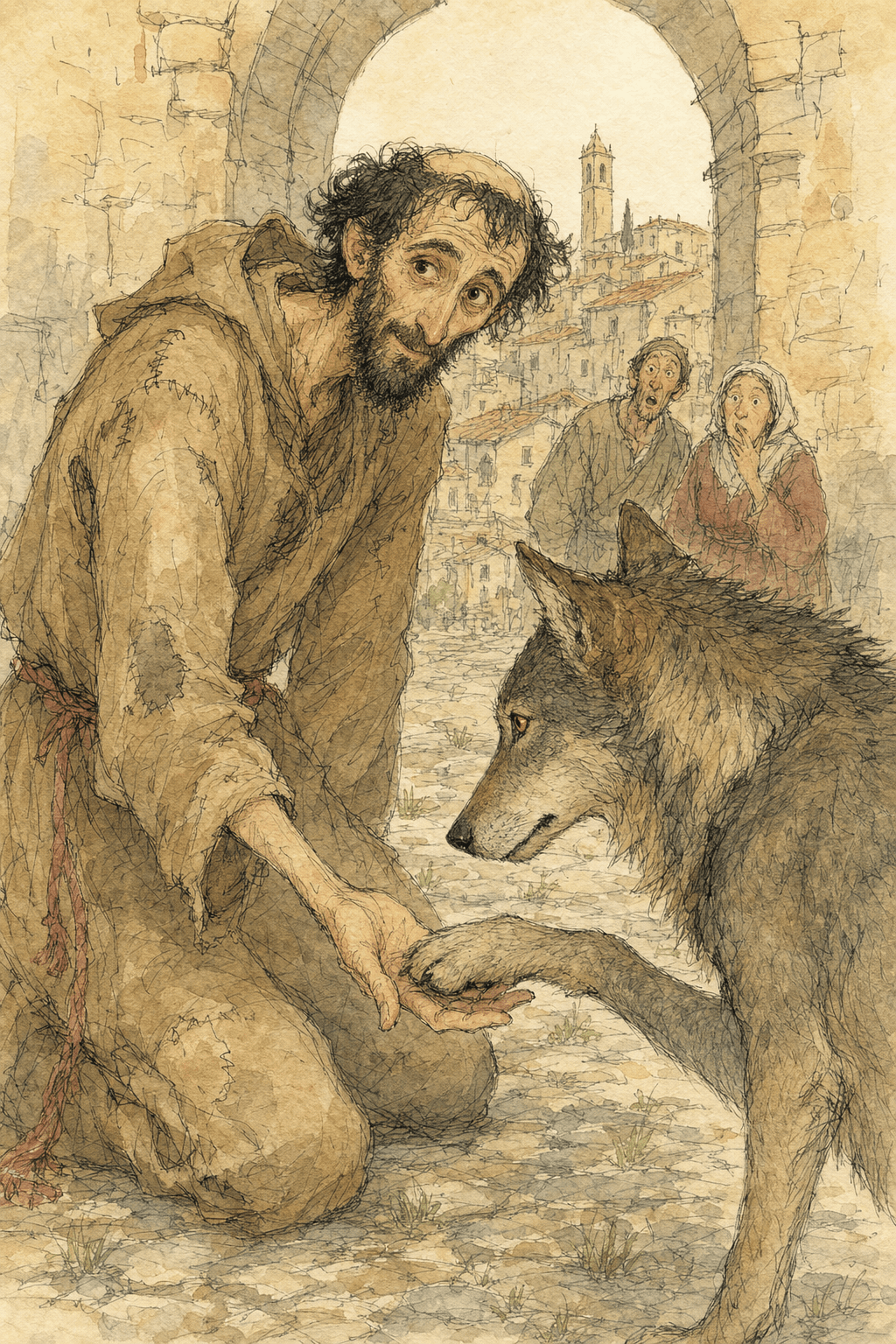
The Man Who Signed a Treaty With a Wolf
In 1220, when a wolf was eating the citizens of Gubbio, a barefoot friar walked out alone to negotiate terms.

The Servant of Jesus
In 1602 the Jesuits sent a former soldier to walk from India to China in disguise to settle a geography argument — what could possibly go wrong?
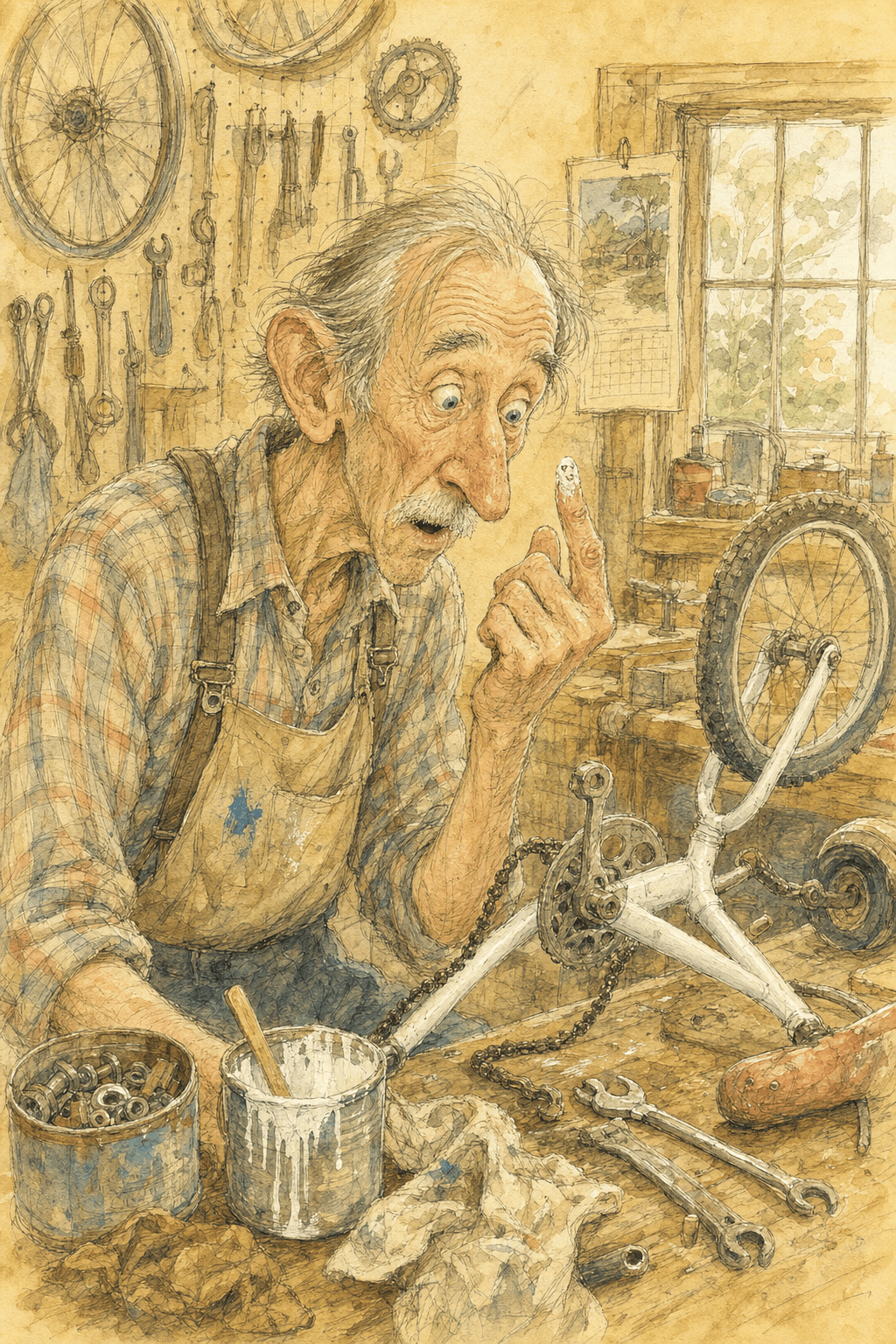
Paint Sacred Art
What does a 59-year-old Baptist preacher do when a face appears in a smudge of paint on his fingertip and tells him to start painting?
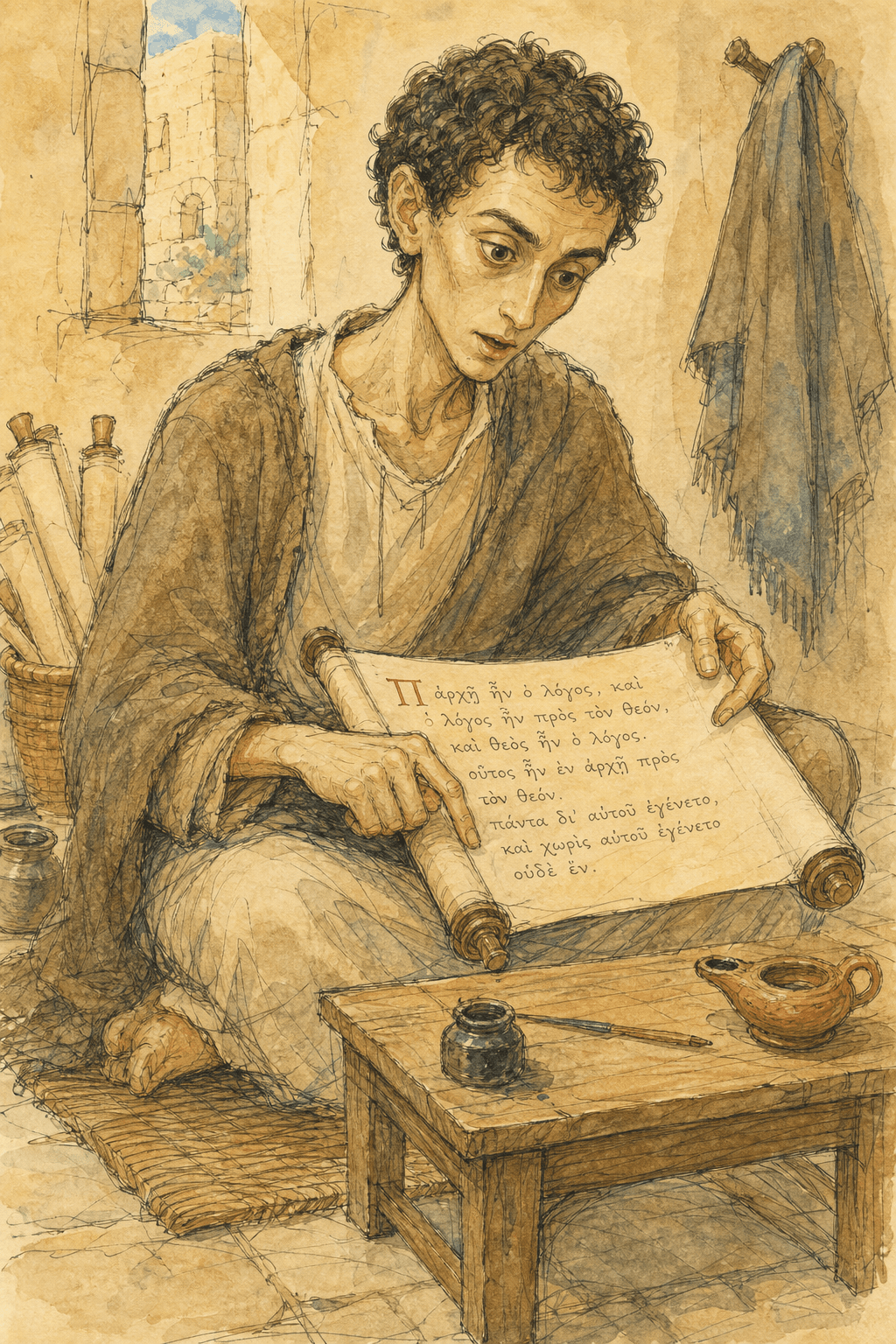
The Literalist
What does a sixteen-year-old do when his mother hides his clothes to keep him from following his father to the executioner?
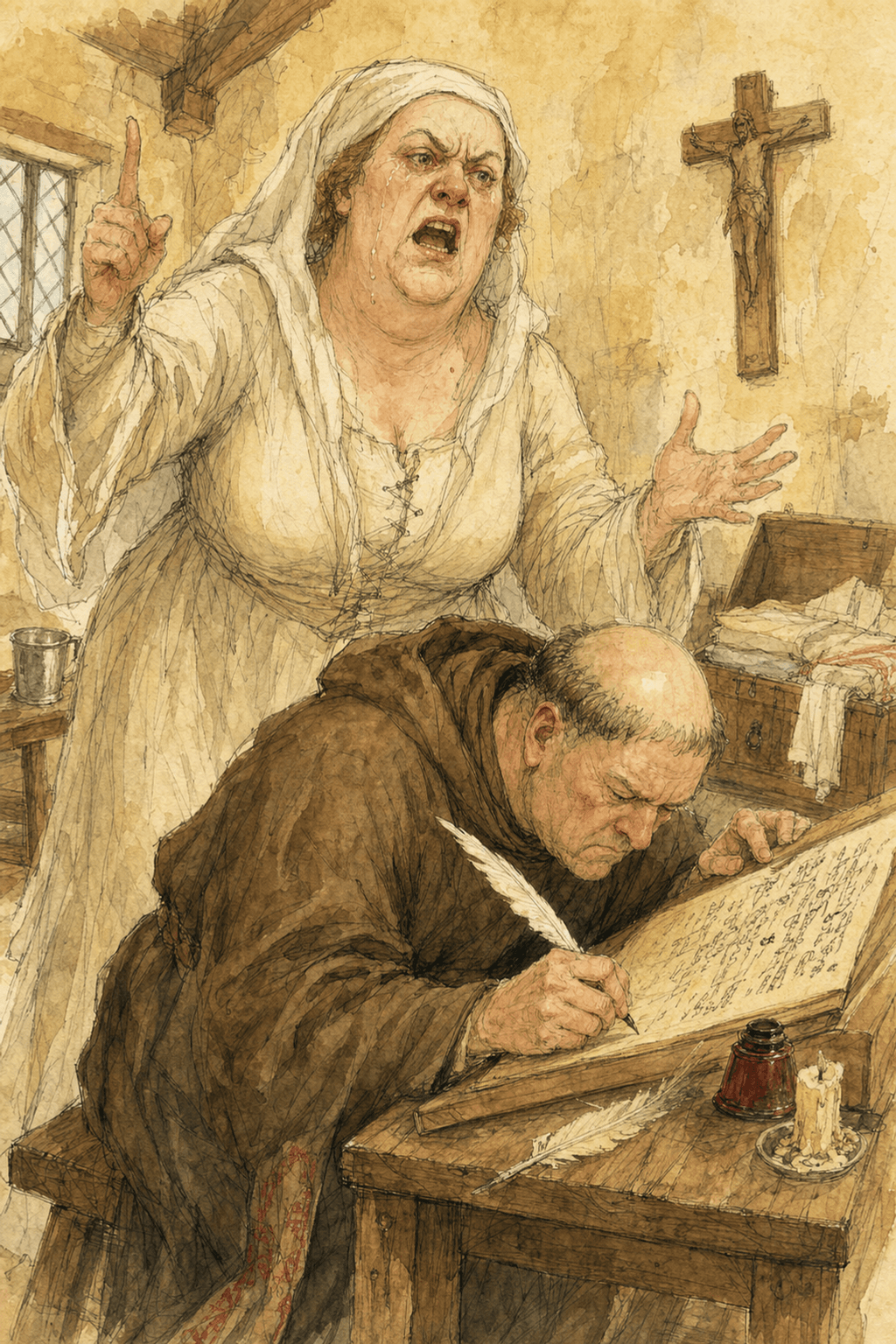
The Ping-Pong Ball
What are the odds the first autobiography in English survived because a colonel hunting a ping-pong ball was talked out of burning it?
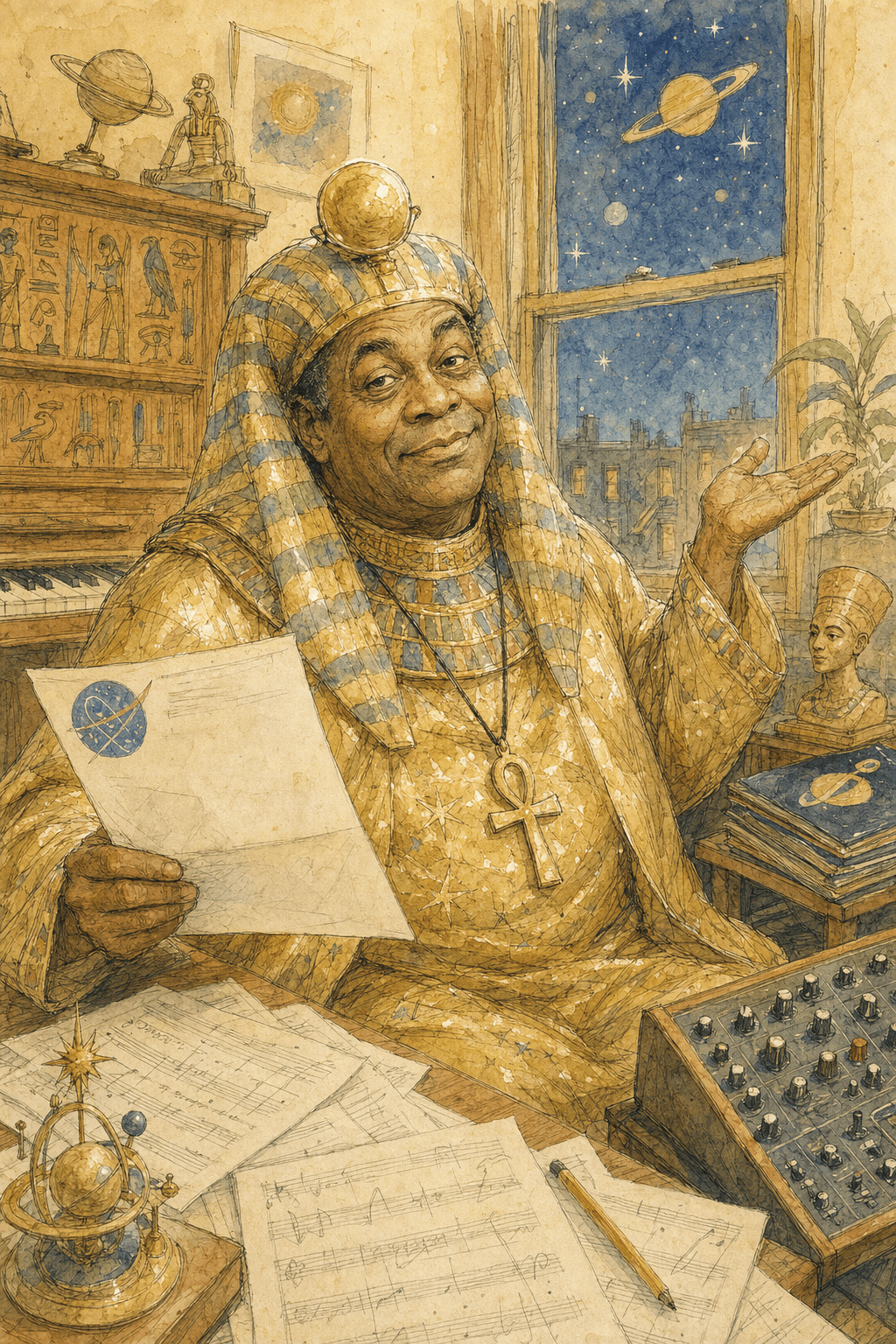
The Bandleader From Saturn
What does a man who insists he was sent here from Saturn do when NASA rejects his application?
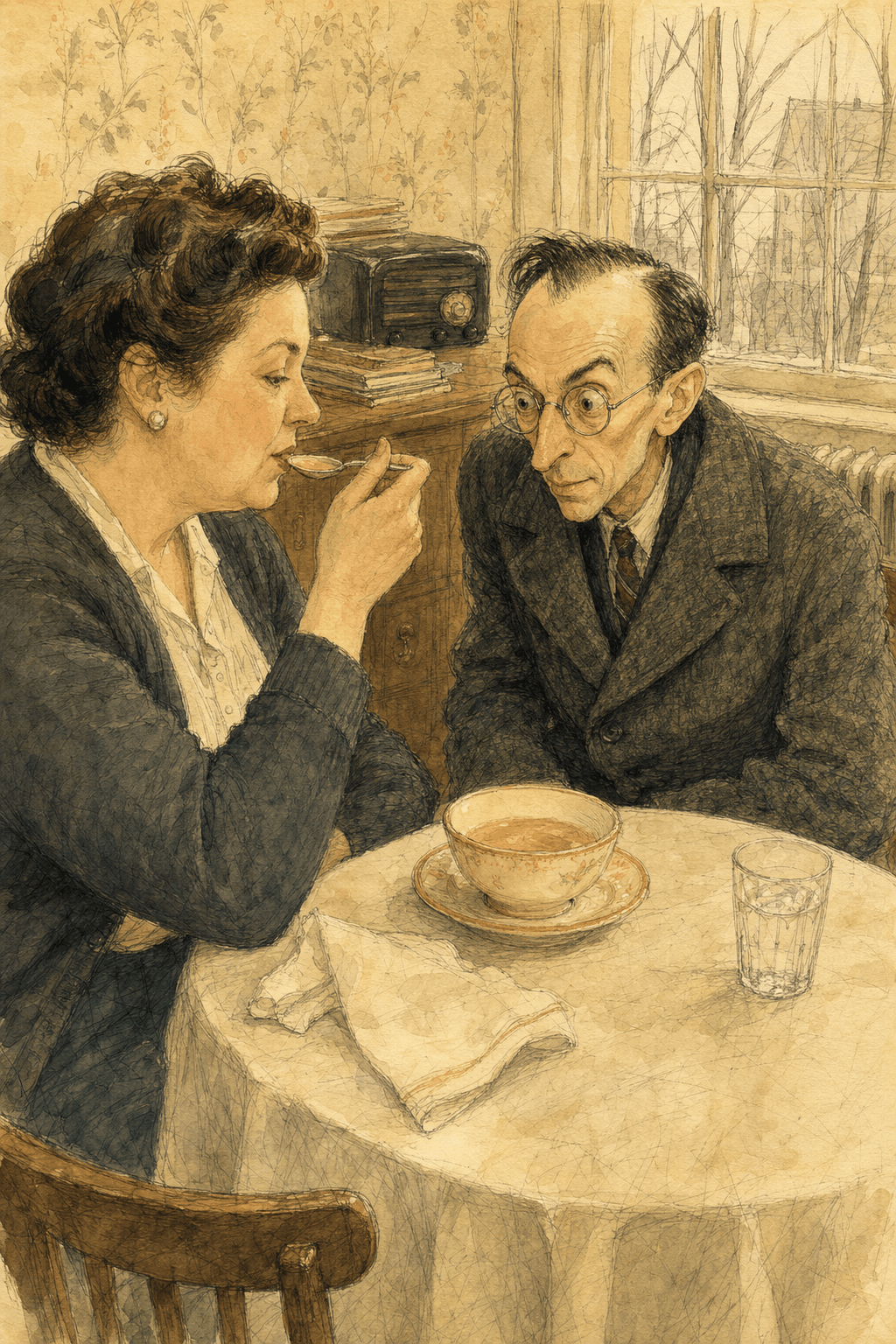
The System of One
What happens when the man who proved no system is complete builds one with a single trusted element?
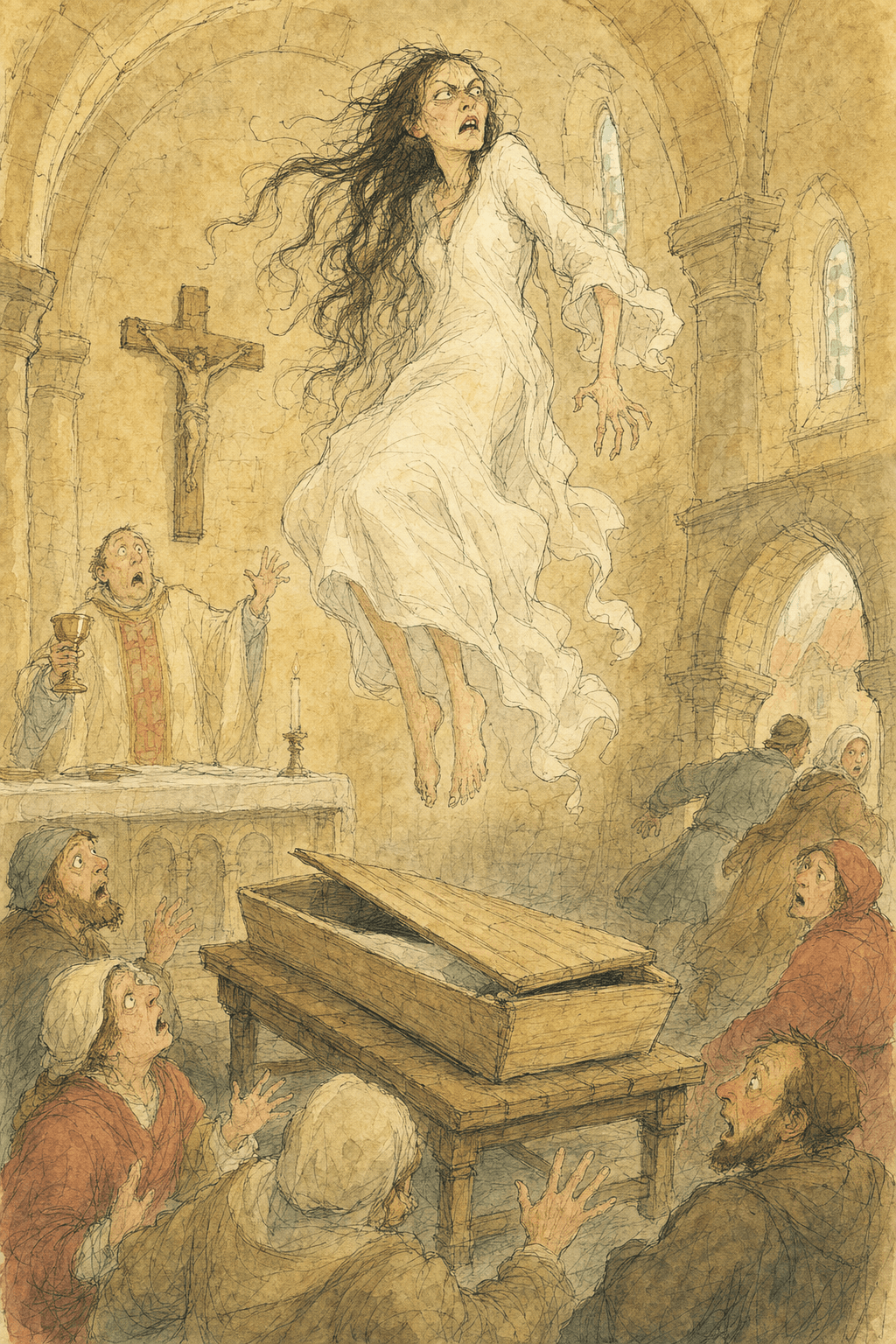
The Smell of Sin
What does it take for a 13th-century shepherdess to become the patron saint of psychiatrists eight hundred years later?
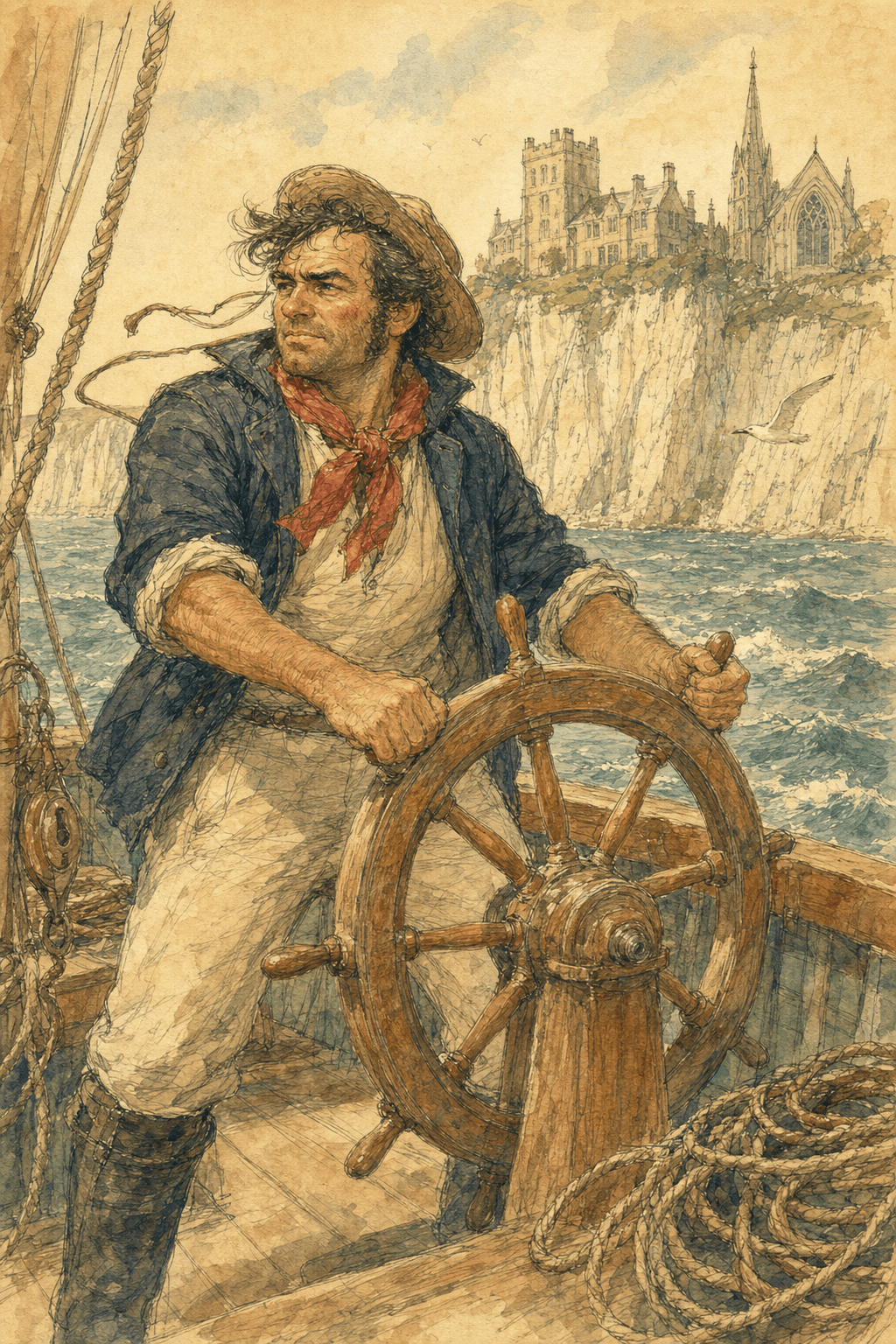
The Architect Who Wore a Sailor's Coat
Who designs the gilded ceilings of British democracy in pilot trousers and jack-boots, then sails out to pull drowning men from the Goodwin Sands?
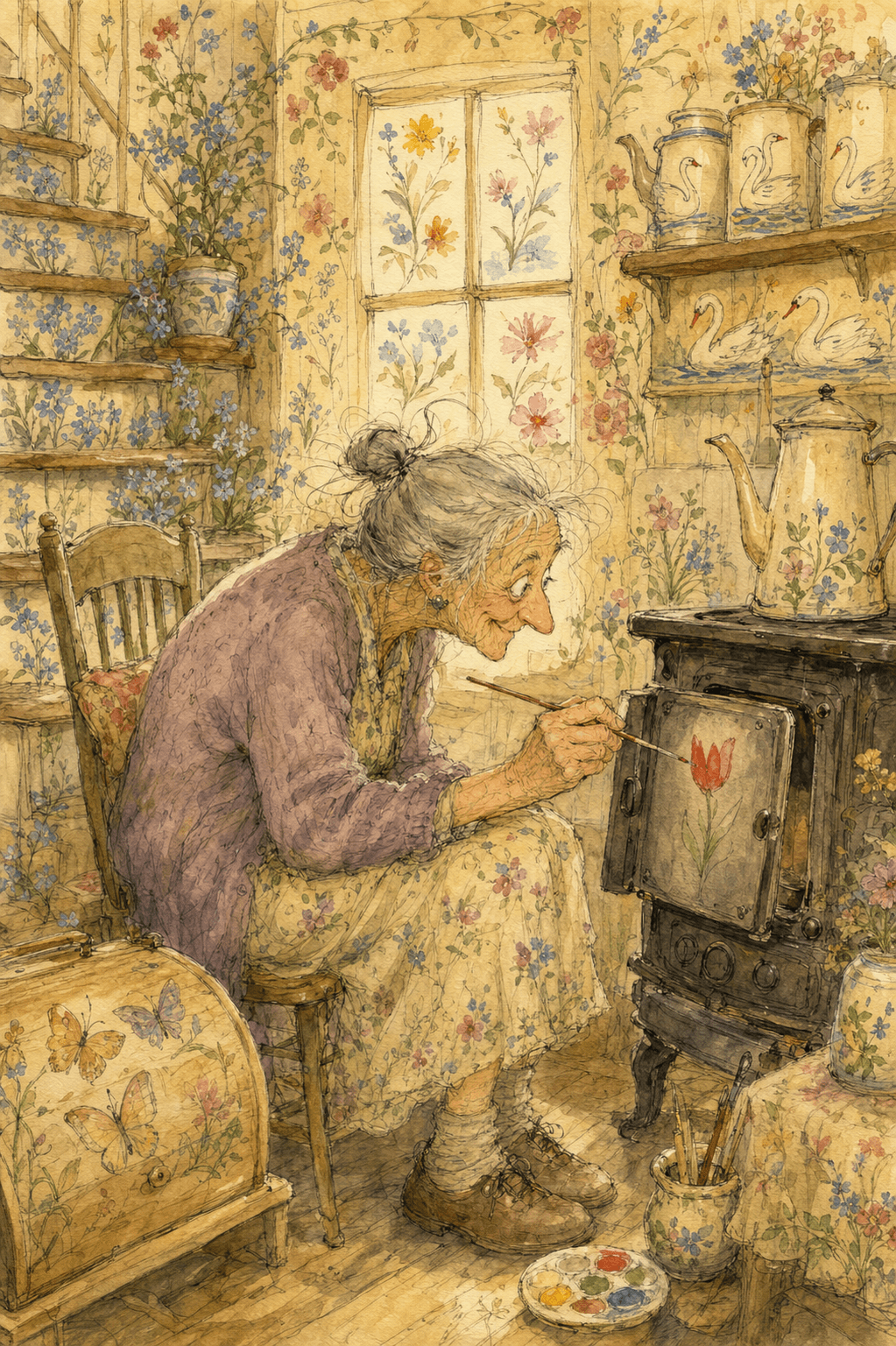
The Painter Who Painted the Room
She started on Masonite, then cookie sheets, then scallop shells, then the breadbox — and then she ran out of small things.
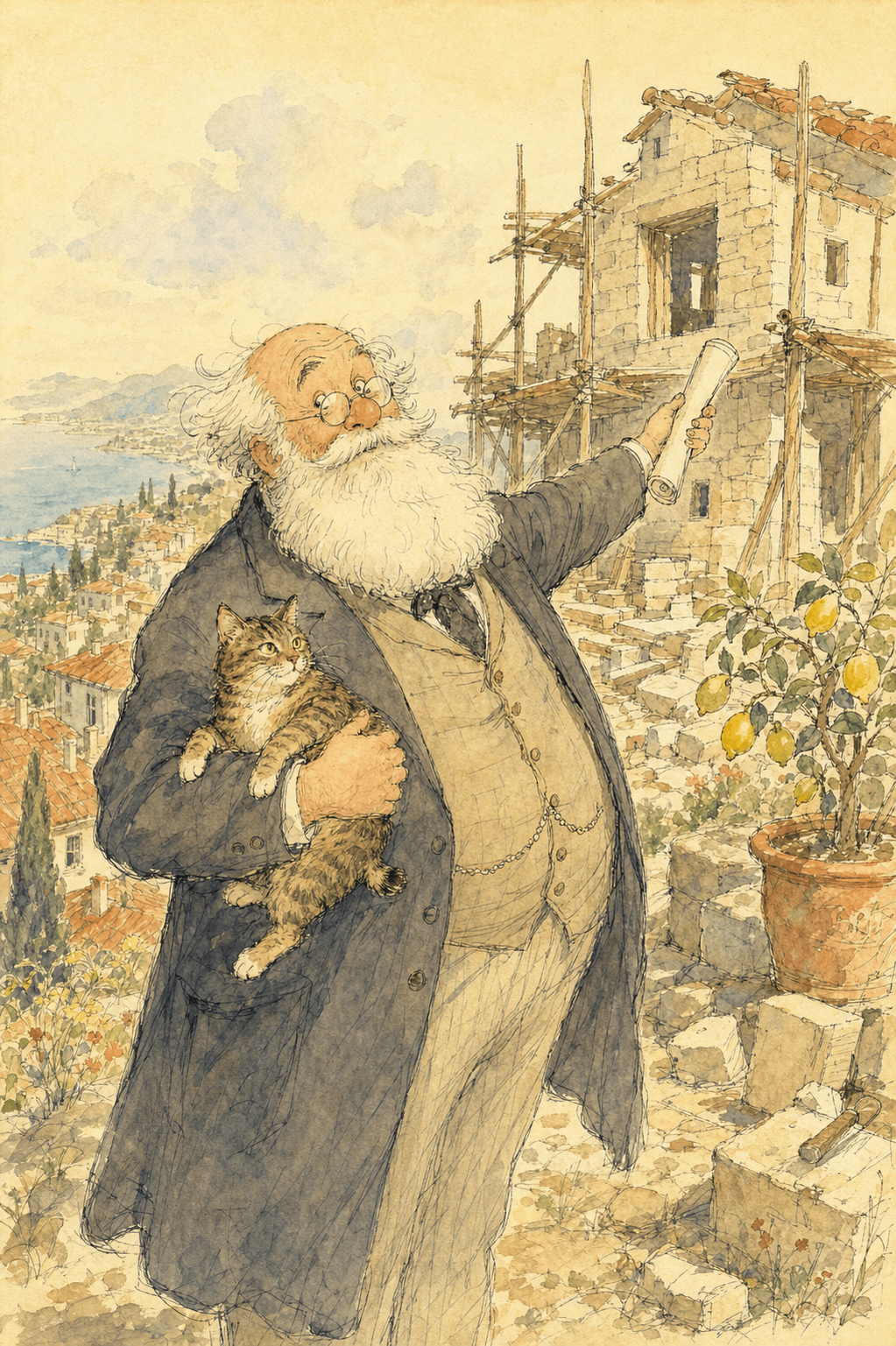
A House for Foss
A Victorian poet built a second house identical to his first, same rooms, same floor plan, so his cat wouldn't feel disoriented.