medicine
Doctors, surgeons, and the ones who washed their hands before it was fashionable.
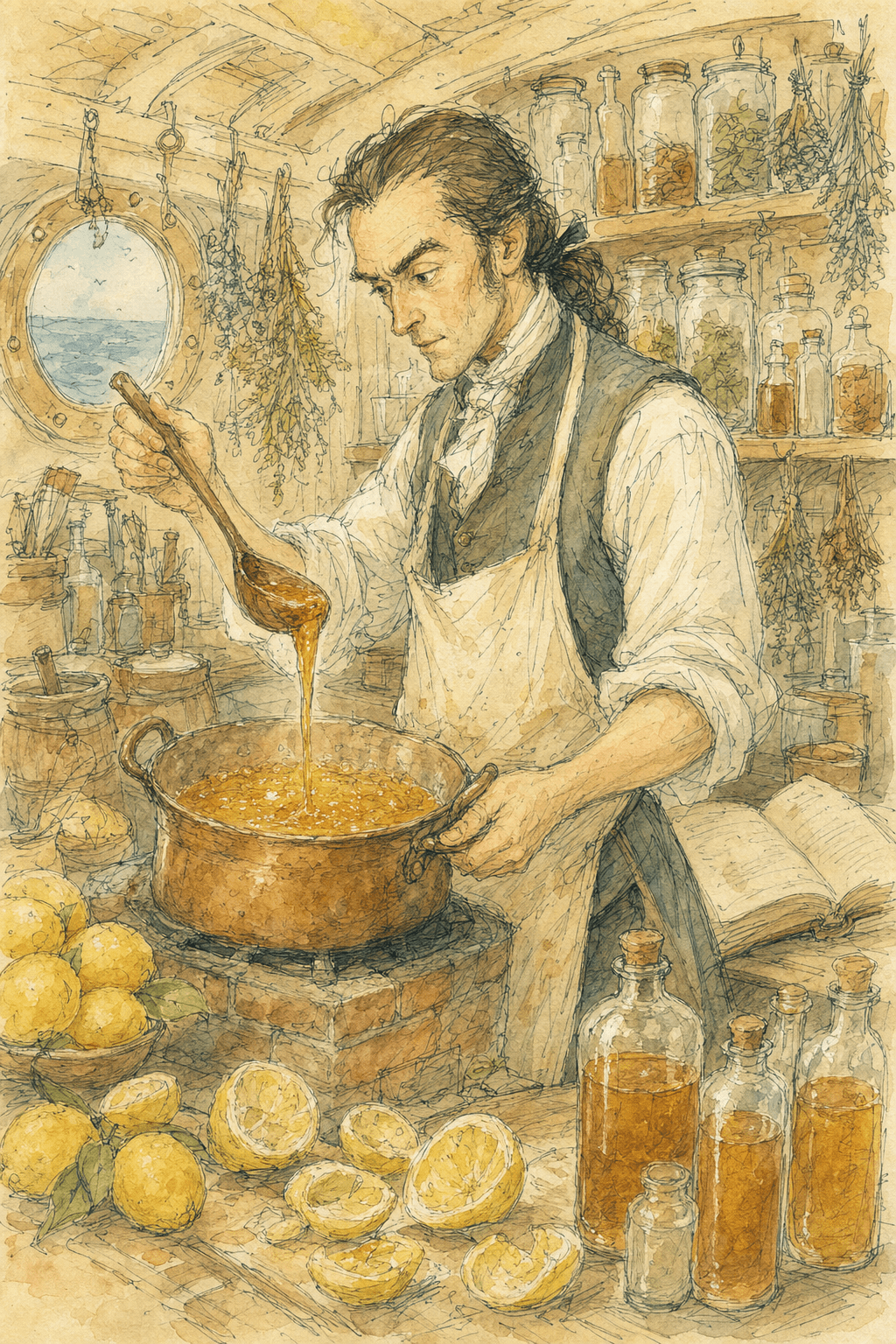
The Cure He Boiled Away
In 1747 he proved two oranges and a lemon cured scurvy. Then he spent forty years boiling the cure into a syrup that didn't work.
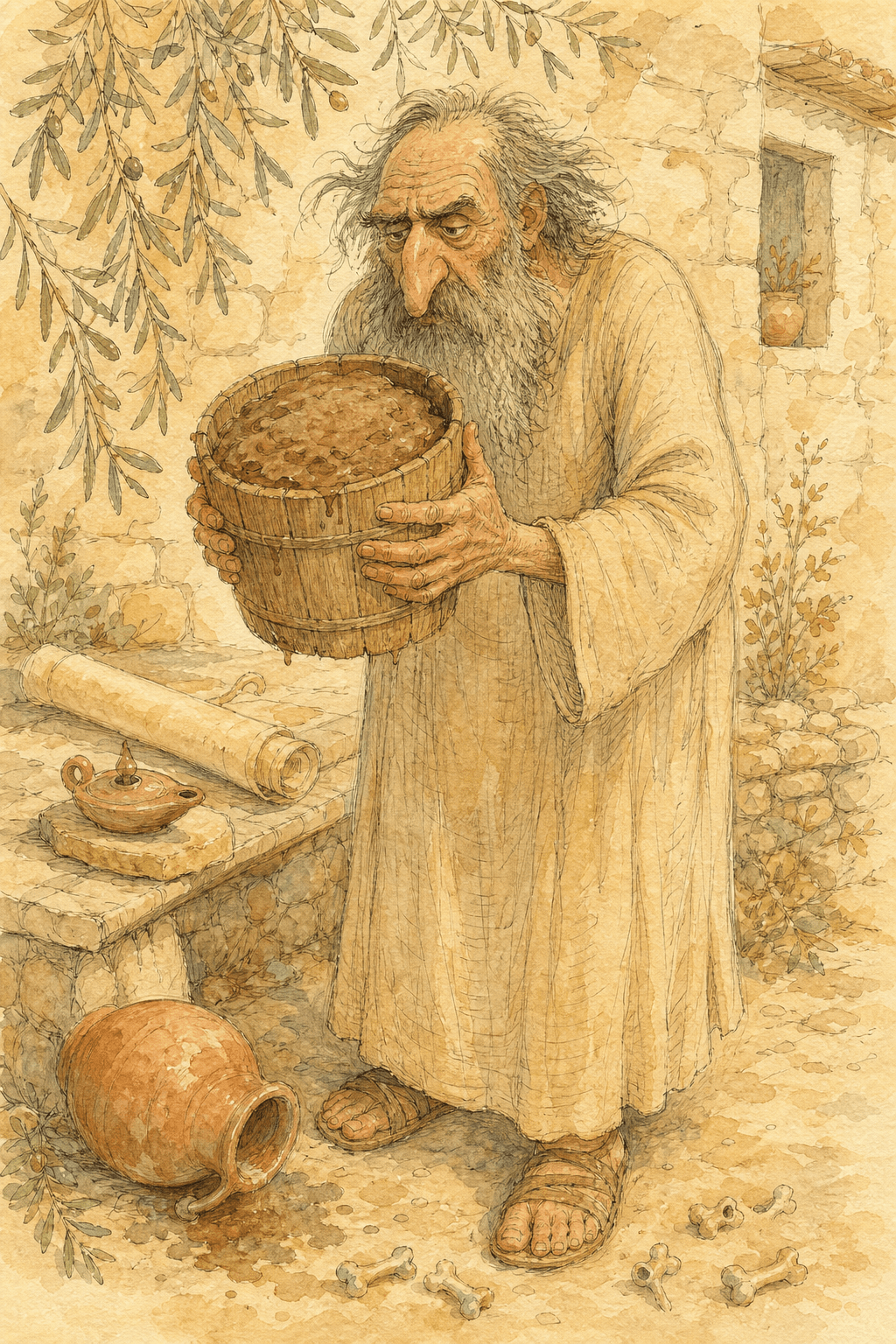
The Philosopher Who Took His Own Medicine
What happens when a philosopher who hated water contracts a disease made of it?
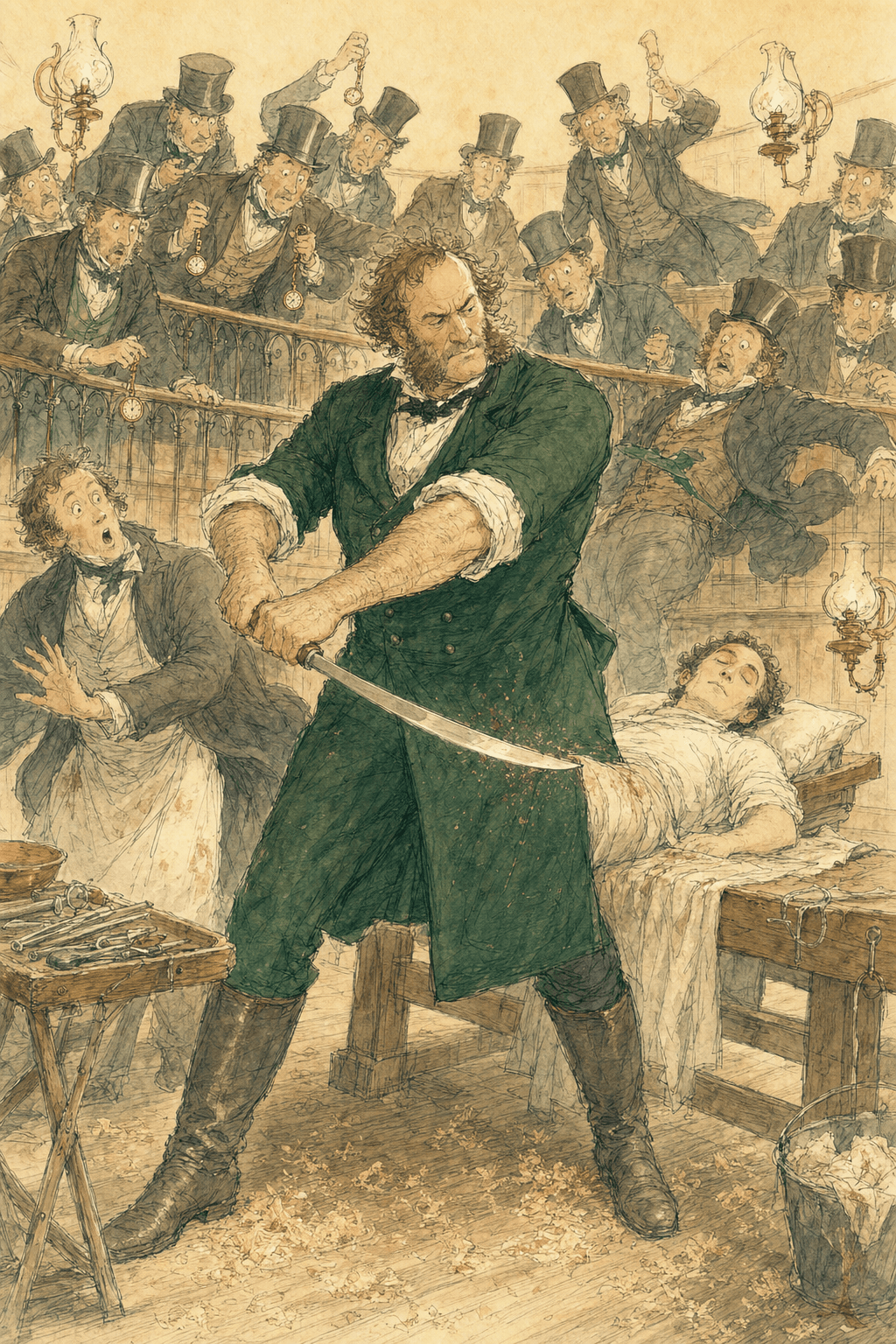
Time Me, Gentlemen
He operated with the bloodied blade clamped between his teeth, and the students in the gallery held up their pocket watches to time him.
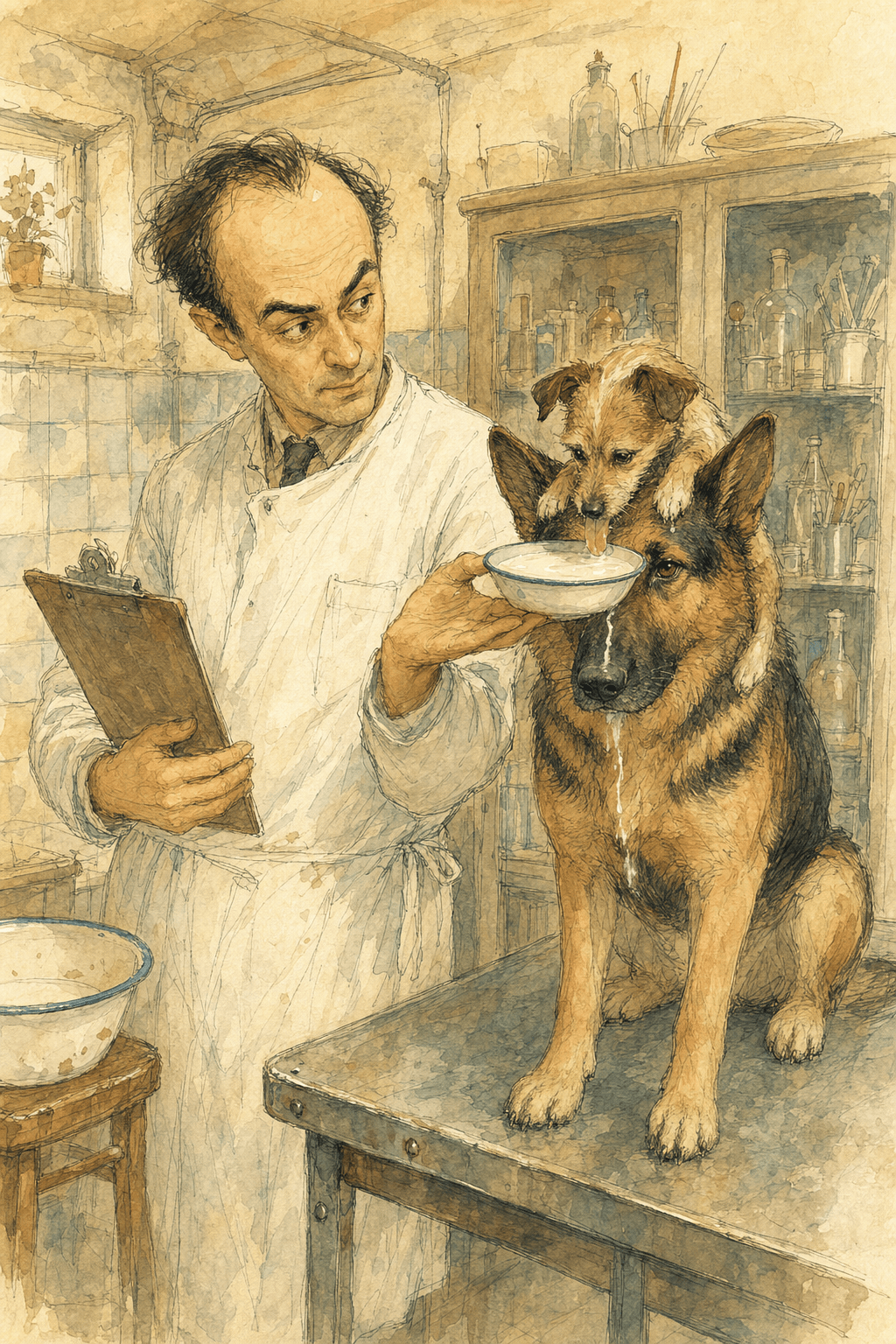
The Milk Came Out the Neck
A Soviet surgeon coined the word transplantology, taught the man who did the first human heart transplant, and spent his afternoons sewing puppy heads onto German shepherds.
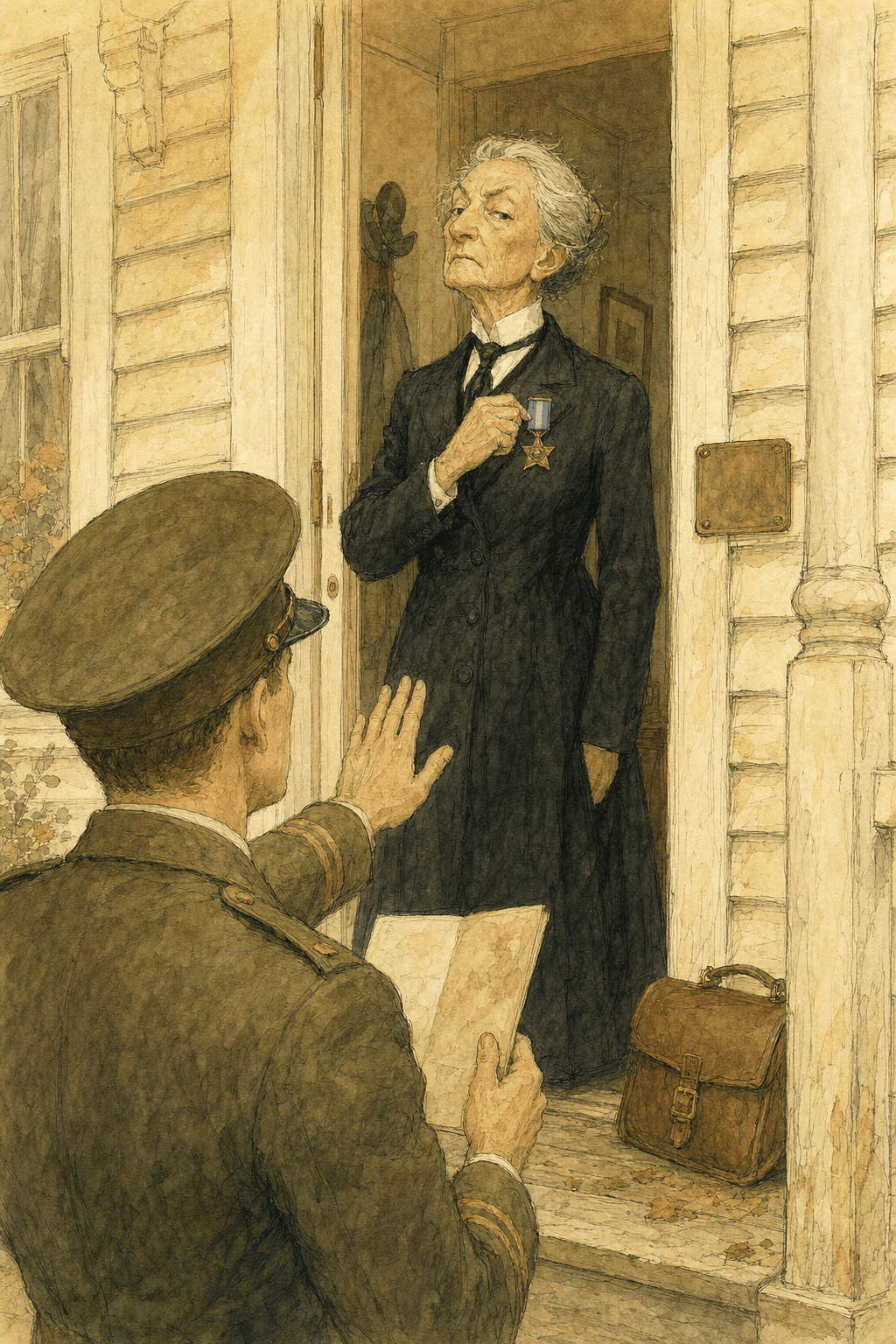
The Surgeon Who Wouldn't Give It Back
She was exchanged man-for-man for a Confederate major, and that wasn't even the strangest thing about her wedding.
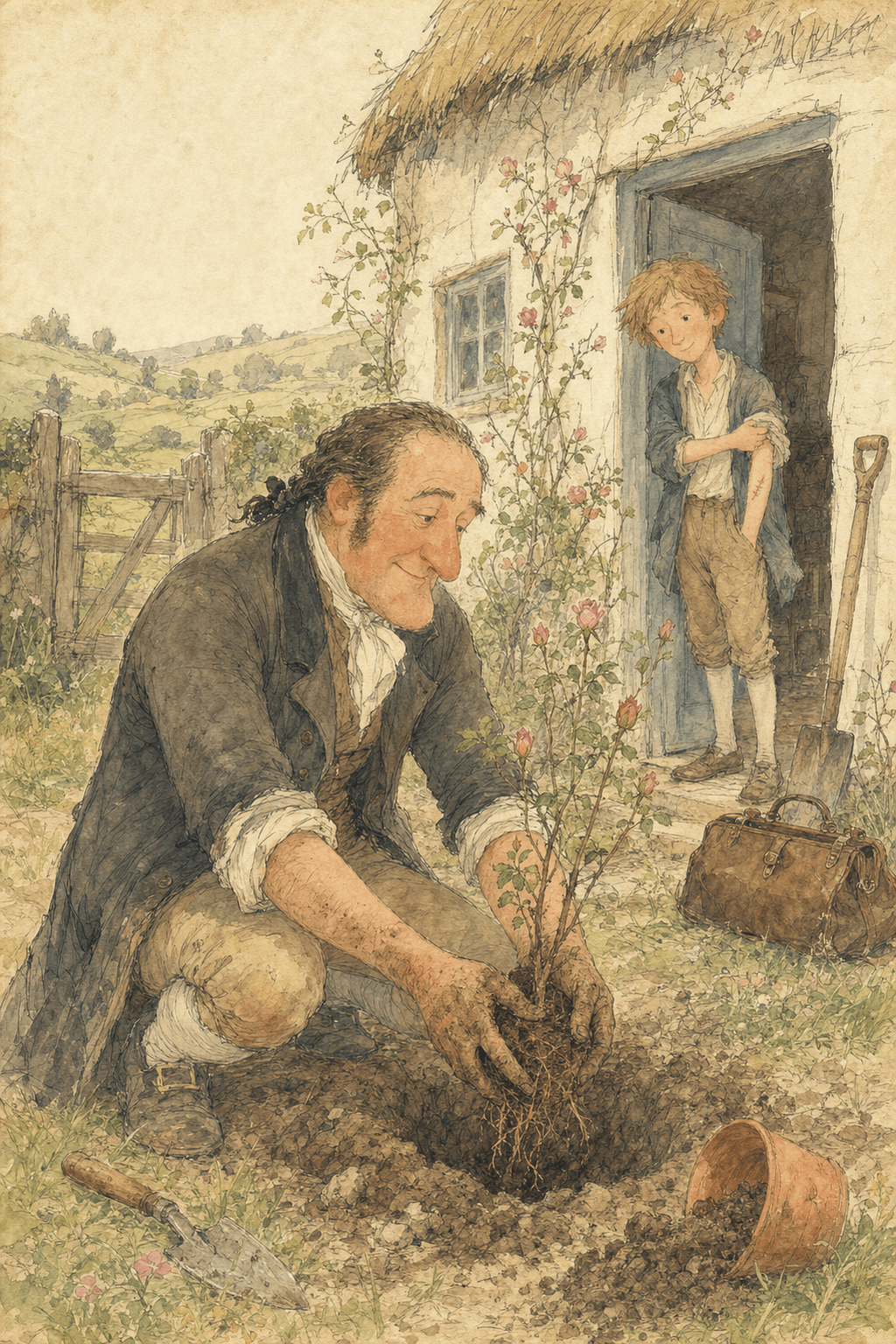
The Boy in the Garden
A country doctor famous for birds made two small cuts in his gardener's eight-year-old son — and then did it again, and again, for years.
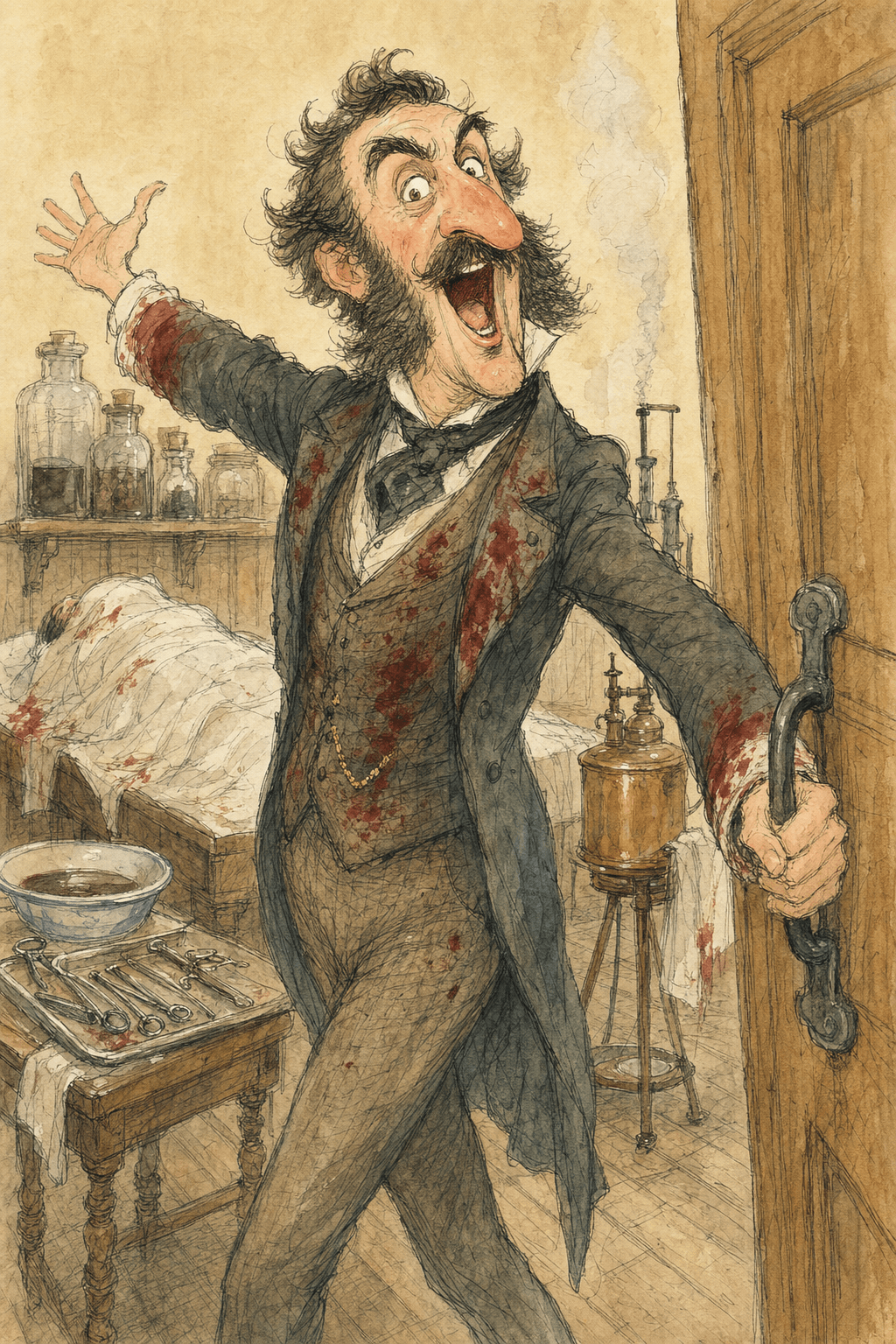
The Wash-and-Be-Clean Man
What did Victorian surgeons do when one quiet Quaker suggested they stop wearing coats stiffened with old blood?
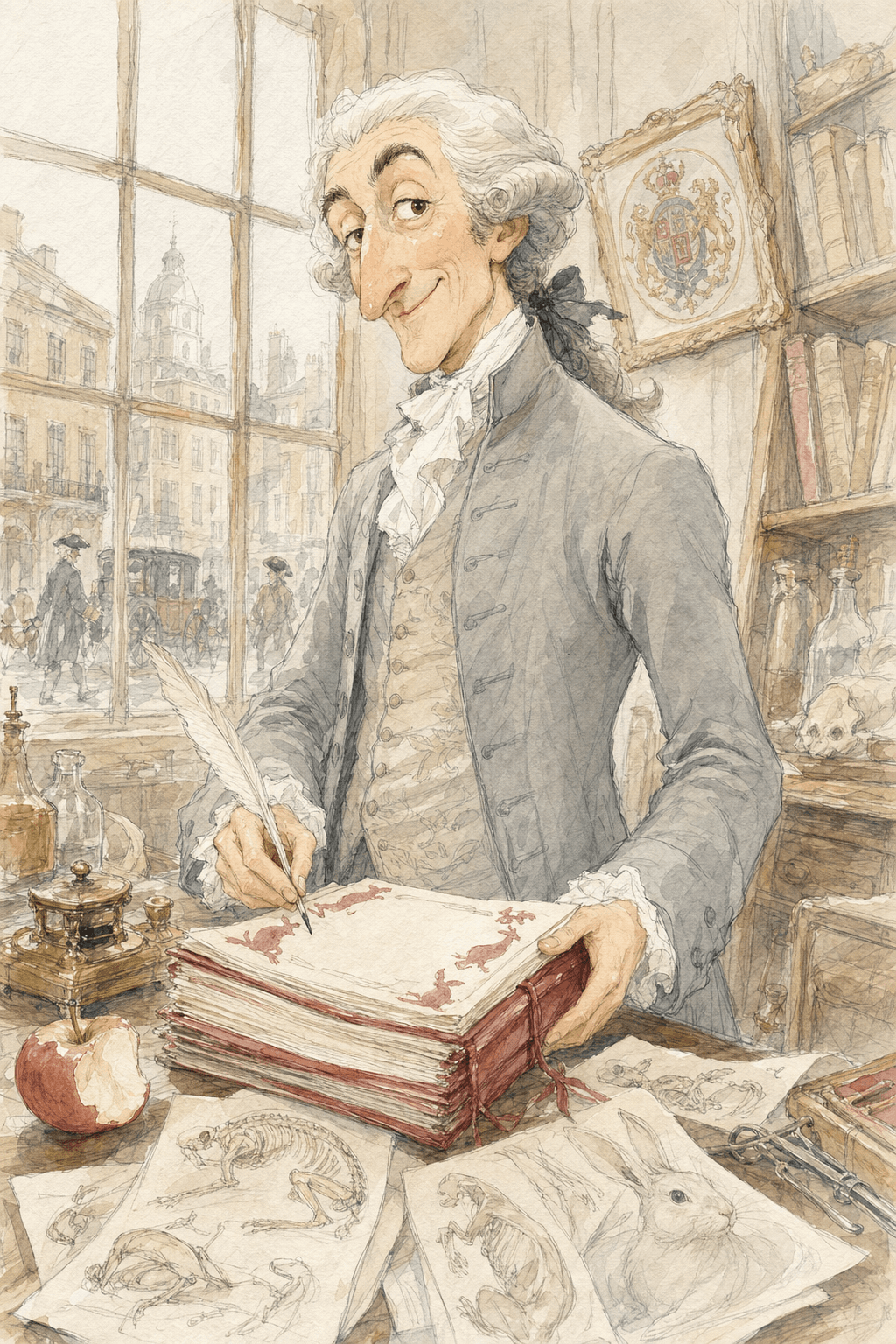
The Surgeon Who Believed
What does a royal surgeon do after publishing a forty-page pamphlet certifying that a clothier's wife gave birth to rabbits, four days before she confesses?
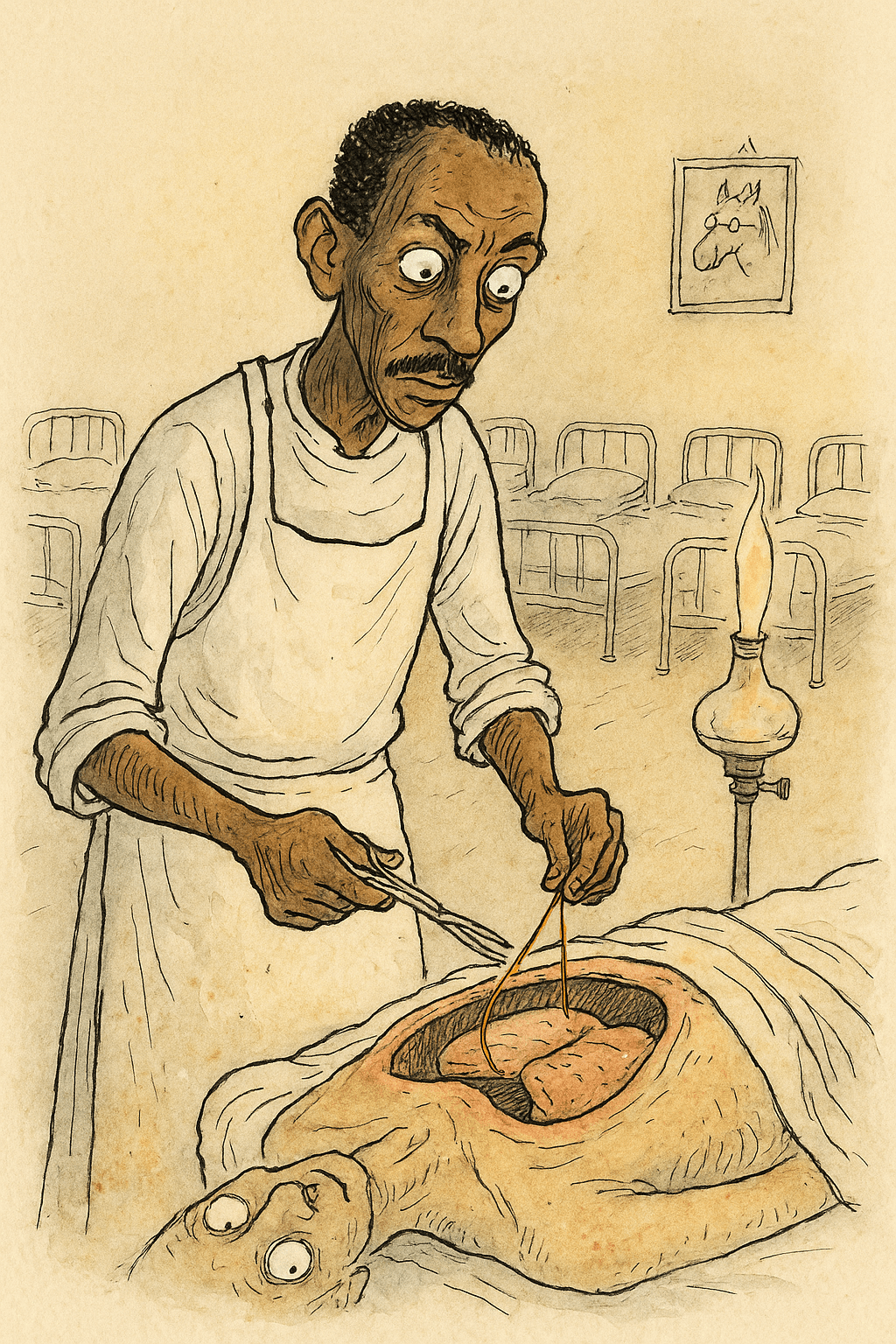
The Man Who Sewed Up a Heart
What happens when a former barber decides to stitch a beating heart by lamplight, twelve years after the most famous surgeon on Earth said it couldn't be done?
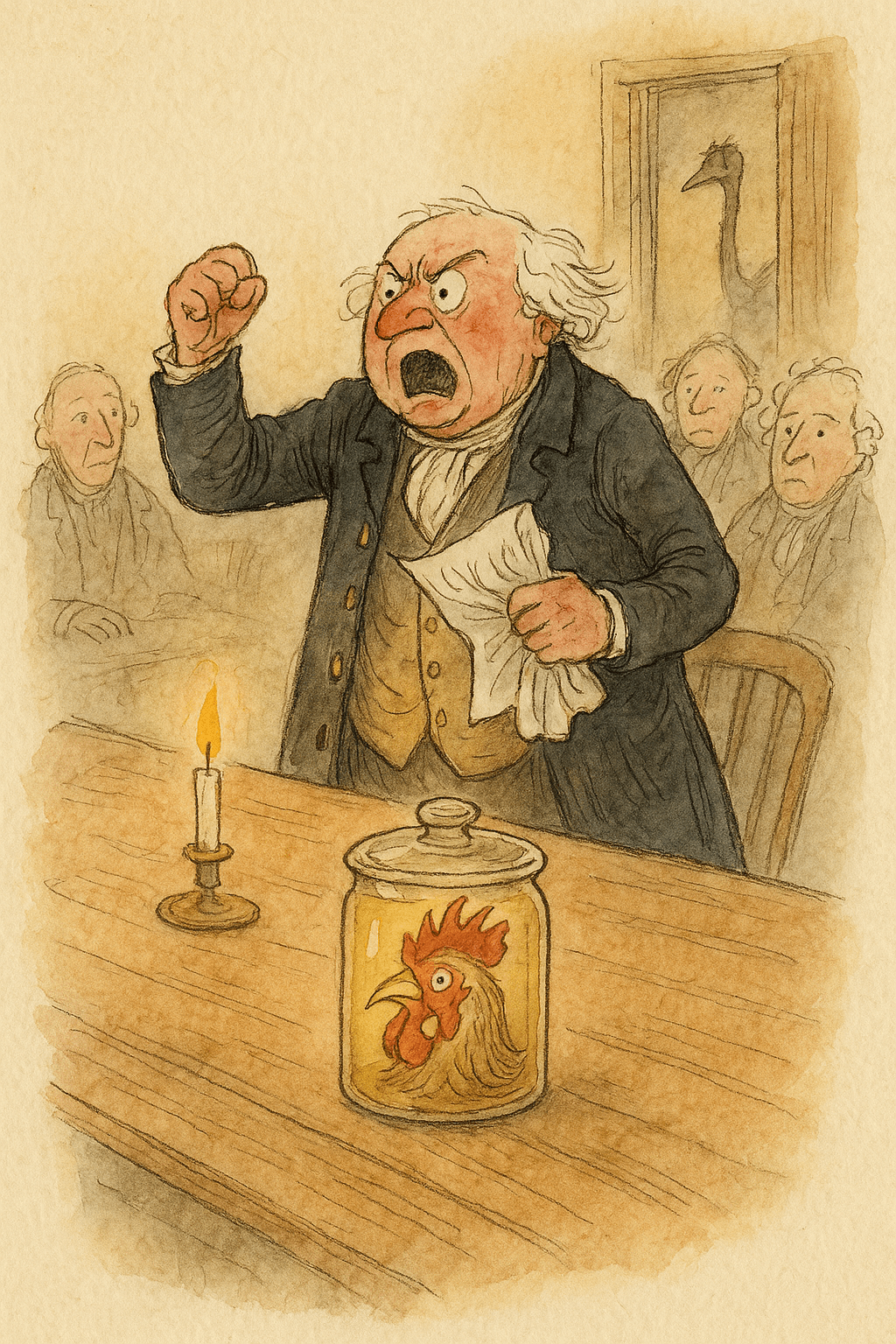
The Man Who Died in a Meeting
He grafted a human tooth onto a rooster's head to see what would happen. It grew.
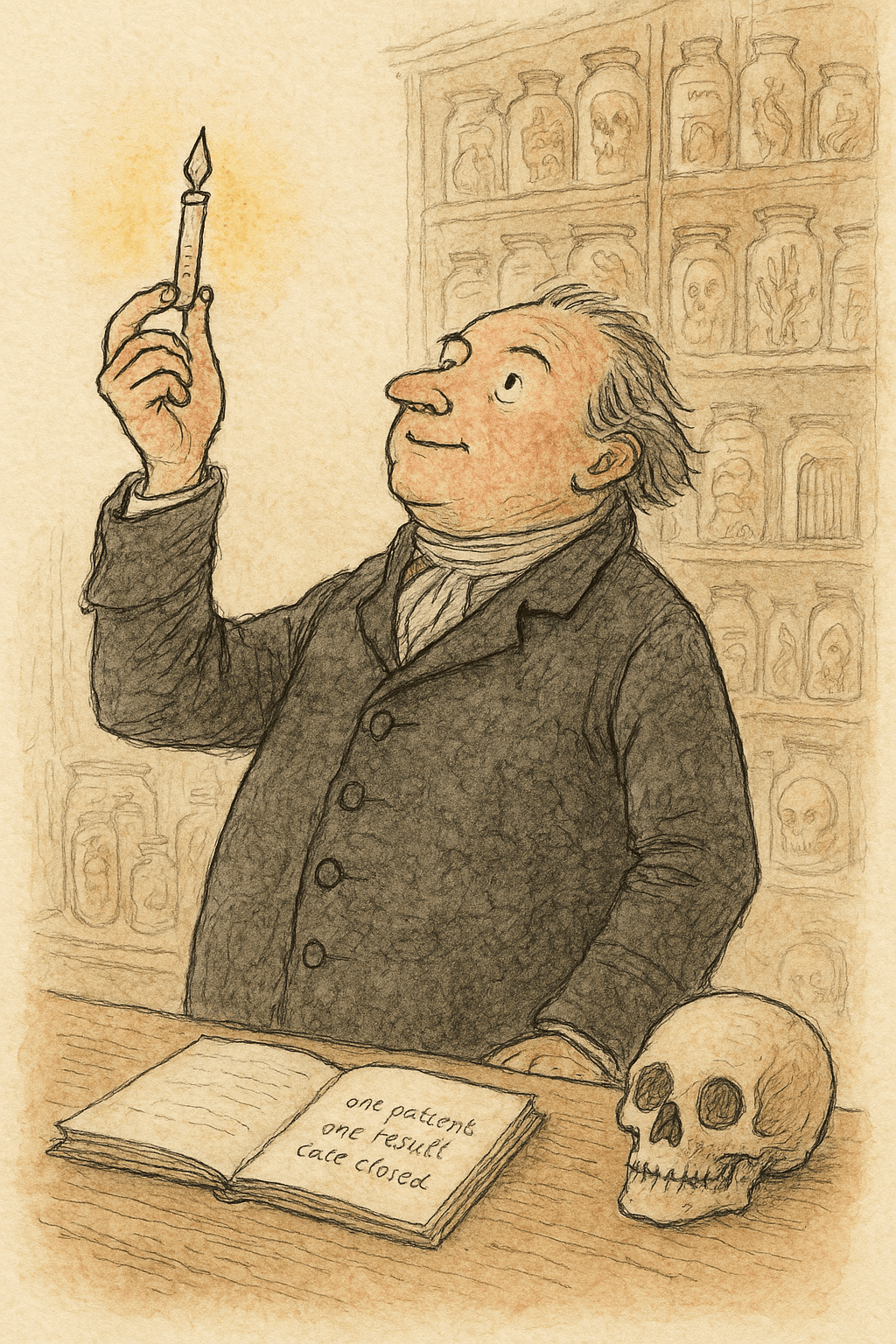
The Surgeon Who Tried the Experiment
He inoculated himself with a patient's discharge to settle a scientific question, and his reputation was so enormous that nobody checked his work for fifty-one years.
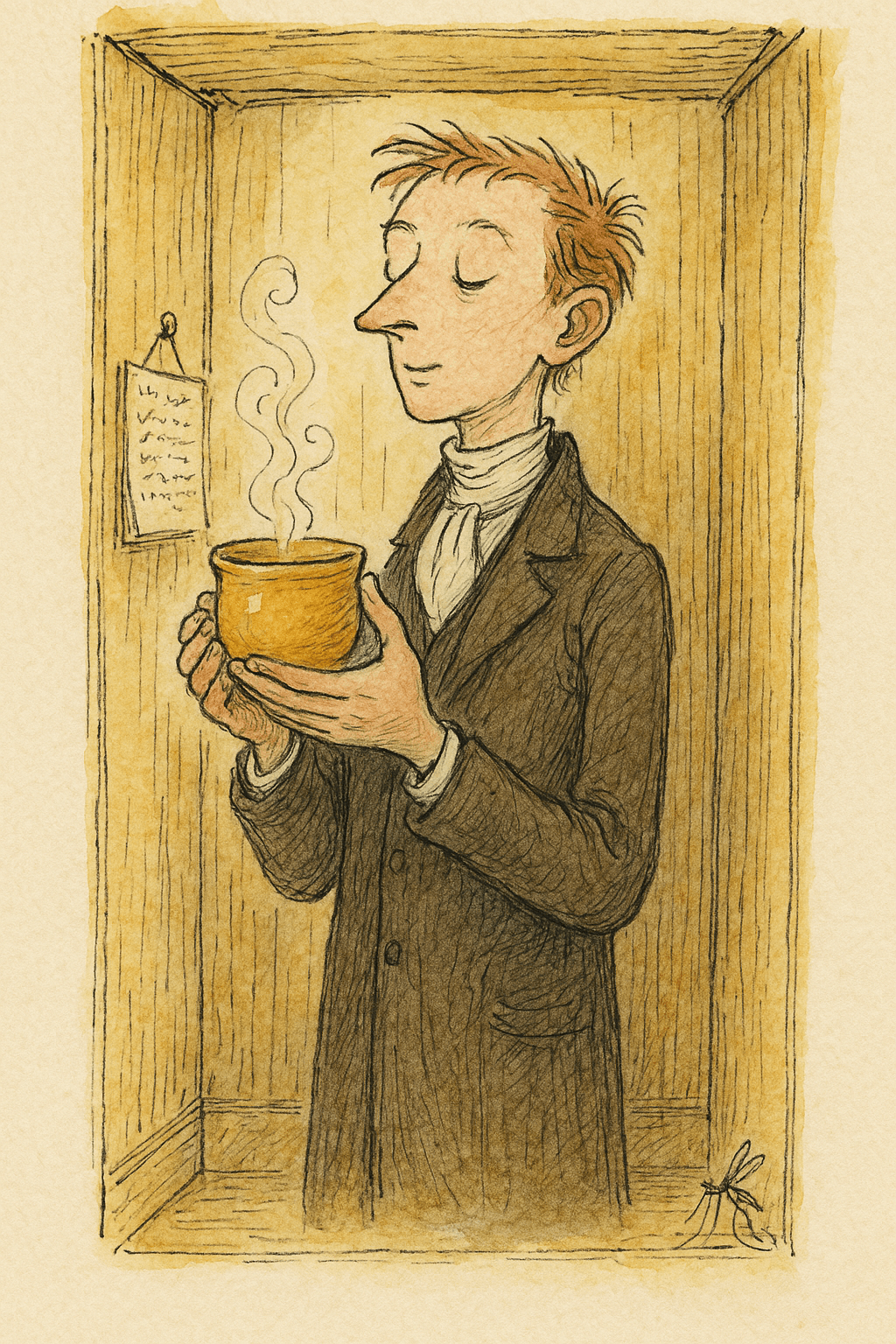
The Man Who Drank the Plague
He built a small closet, filled it with the vomit of the dying, and sat inside breathing deeply — all to prove yellow fever wasn't contagious.