Oddlet: Ignaz Semmelweis · 1 min read
Feb 14, 2026 · Updated Feb 20, 2026
The Doctor Who Was Right
He died of the same infection, in the same place on his body, that he'd spent his life trying to prevent.
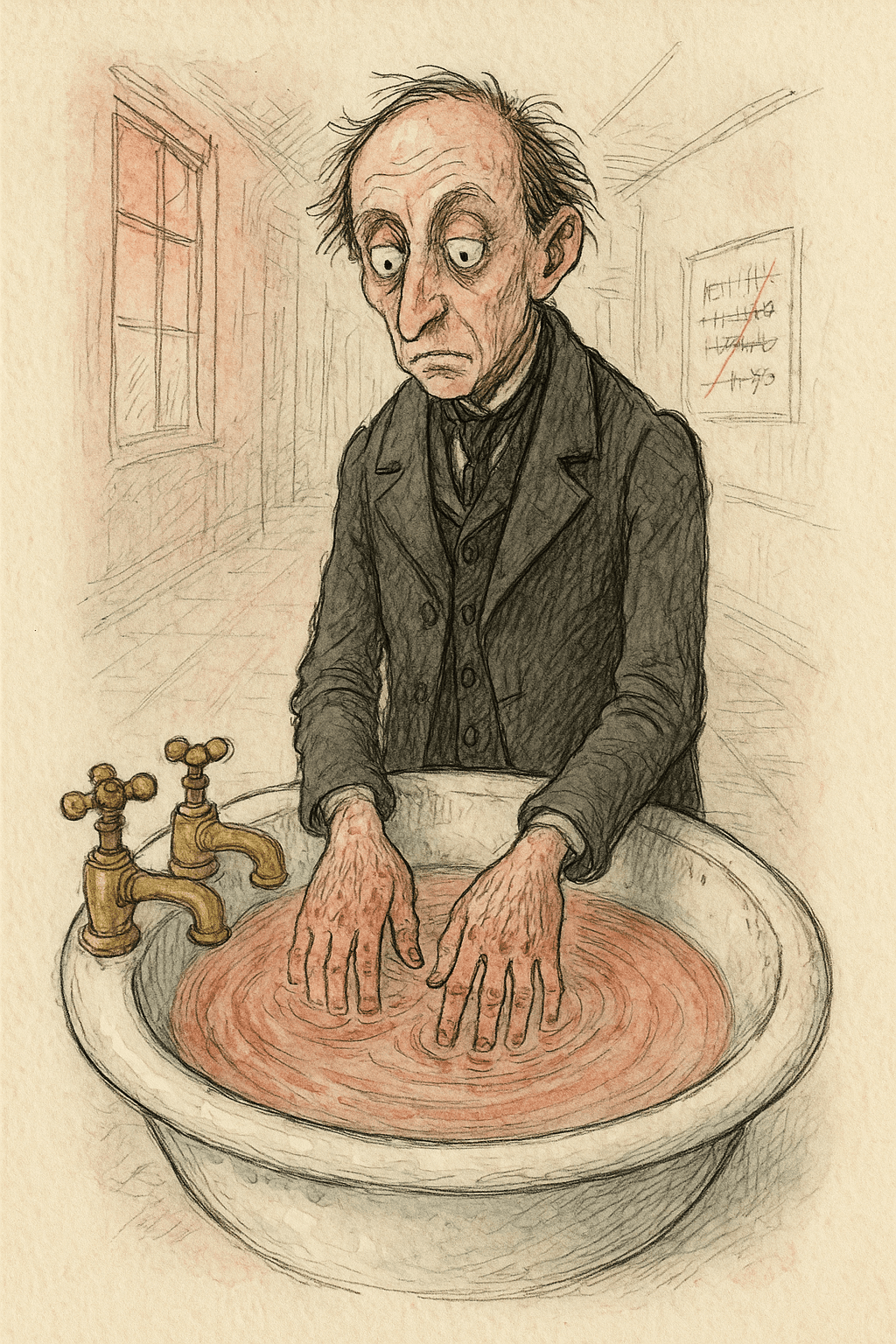
In 1847, Ignaz Semmelweis figured out why so many mothers were dying. He was an obstetrician at the Vienna General Hospital, and he noticed something: doctors were walking straight from the autopsy room to the delivery ward, hands unwashed, and women were dying of fever at five times the rate of the ward staffed by midwives. He made his doctors wash their hands in chlorinated lime solution. The death rate dropped from eighteen percent to under two.
He had the data. He had the proof. He had rooms full of women who were alive instead of dead.
The medical establishment told him he was wrong. Doctors were gentlemen, and gentlemen's hands were clean. The suggestion that they might be carrying death on their fingers was not a scientific hypothesis — it was an insult. Semmelweis was dismissed from his post. He wrote furious open letters to obstetricians across Europe, calling them murderers. He grew erratic, desperate, impossible.
In 1865, his colleagues lured him to a Viennese asylum. When he realized what was happening and tried to leave, guards restrained him. He was beaten. The wounds on his hands became infected.
He died two weeks later, at forty-seven, of septicemia — a blood infection caused by bacteria entering through broken skin.
It was the same disease, in the same place on the body, that he had spent his life trying to prevent.
Know someone who’d love this?
- Wikipedia: Ignaz Semmelweis — Comprehensive biography including birth/death dates, discovery timeline, and circumstances of death. States he died of septicemia from wounds sustained during commitment to asylum.
- CDC: Handwashing History — Confirms Semmelweis's role in handwashing history and the dramatic mortality reduction from his intervention.
- Science Museum: Semmelweis — Details the mortality statistics (18% vs 2%) and the medical establishment's resistance to his findings.
- The Lancet: Semmelweis Anniversary — Medical journal retrospective on Semmelweis's contributions and tragic end. Confirms asylum death circumstances.

The Rope
What do you call a woman who wouldn't cross the lawn for Emerson, but rigged a rope from her window for children she refused to greet at the door?

The Cartwheel Brims
A loom took half her scalp at thirteen; she spent the next eighty-seven years deciding what the world was allowed to see.
The Rational Heat Motor
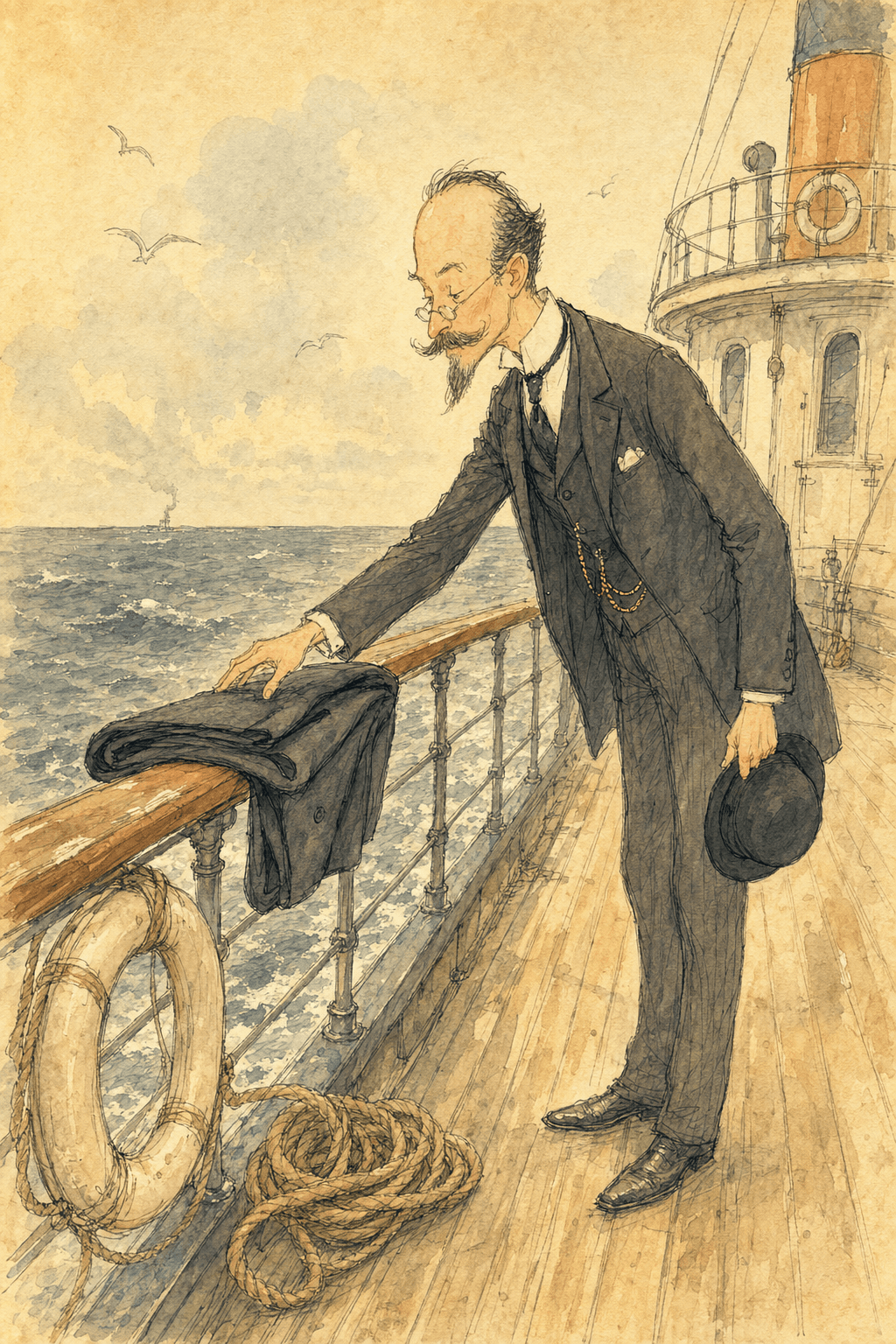
Why would a millionaire inventor lay out his nightshirt, mark a small cross on his diary, and fold his overcoat beneath the railing?
Wonder, delivered.
A fresh Oddlet in your inbox every morning, a full day before everyone else. True, strange and under a minute.
Free forever. Unsubscribe anytime.