scandal
The stories polite society wished it could forget.
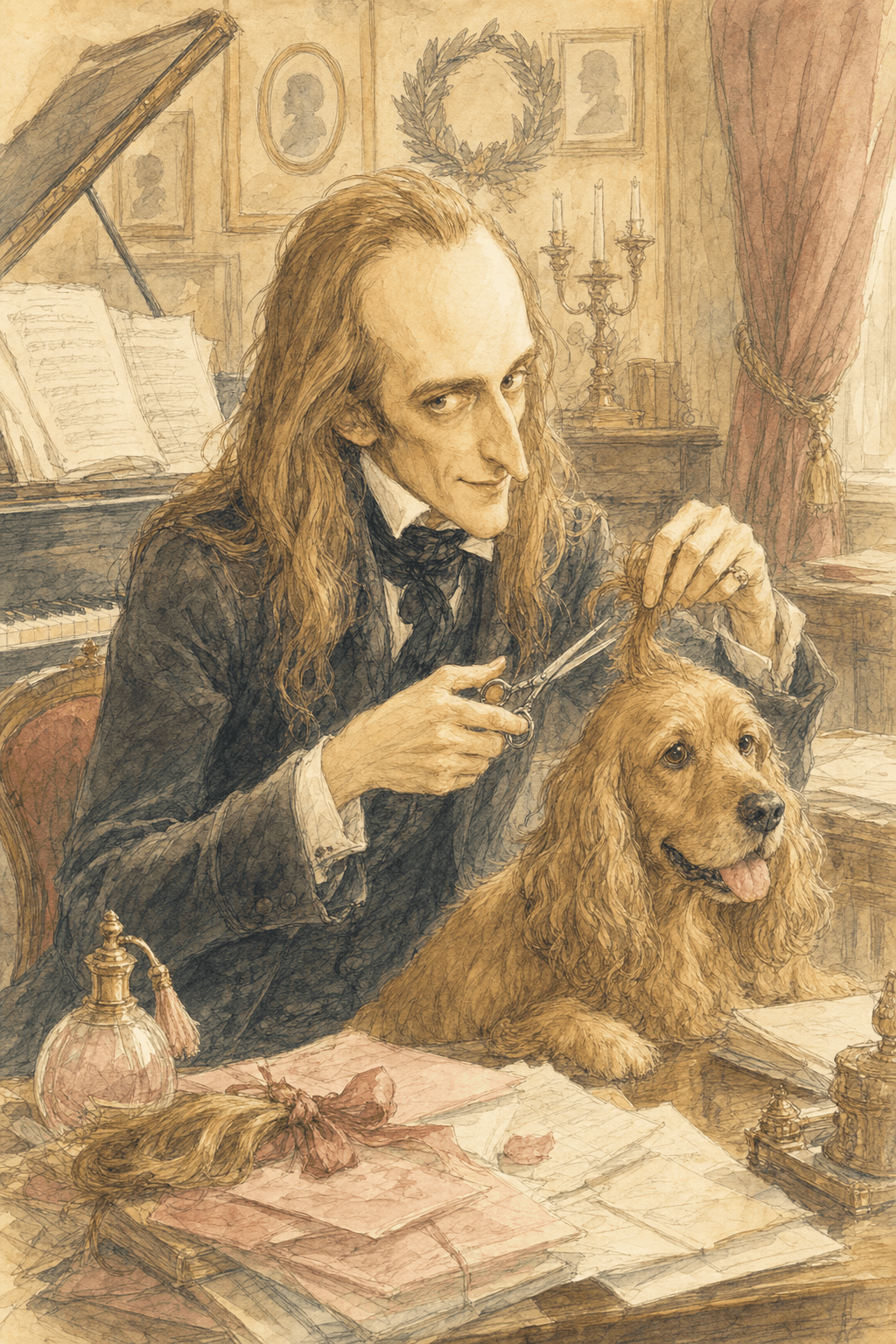
A Dog of Matching Color
Women fainted at Franz Liszt's recitals, fought over his broken piano strings, and pressed him — perfumed letter after perfumed letter — for a lock of his hair.
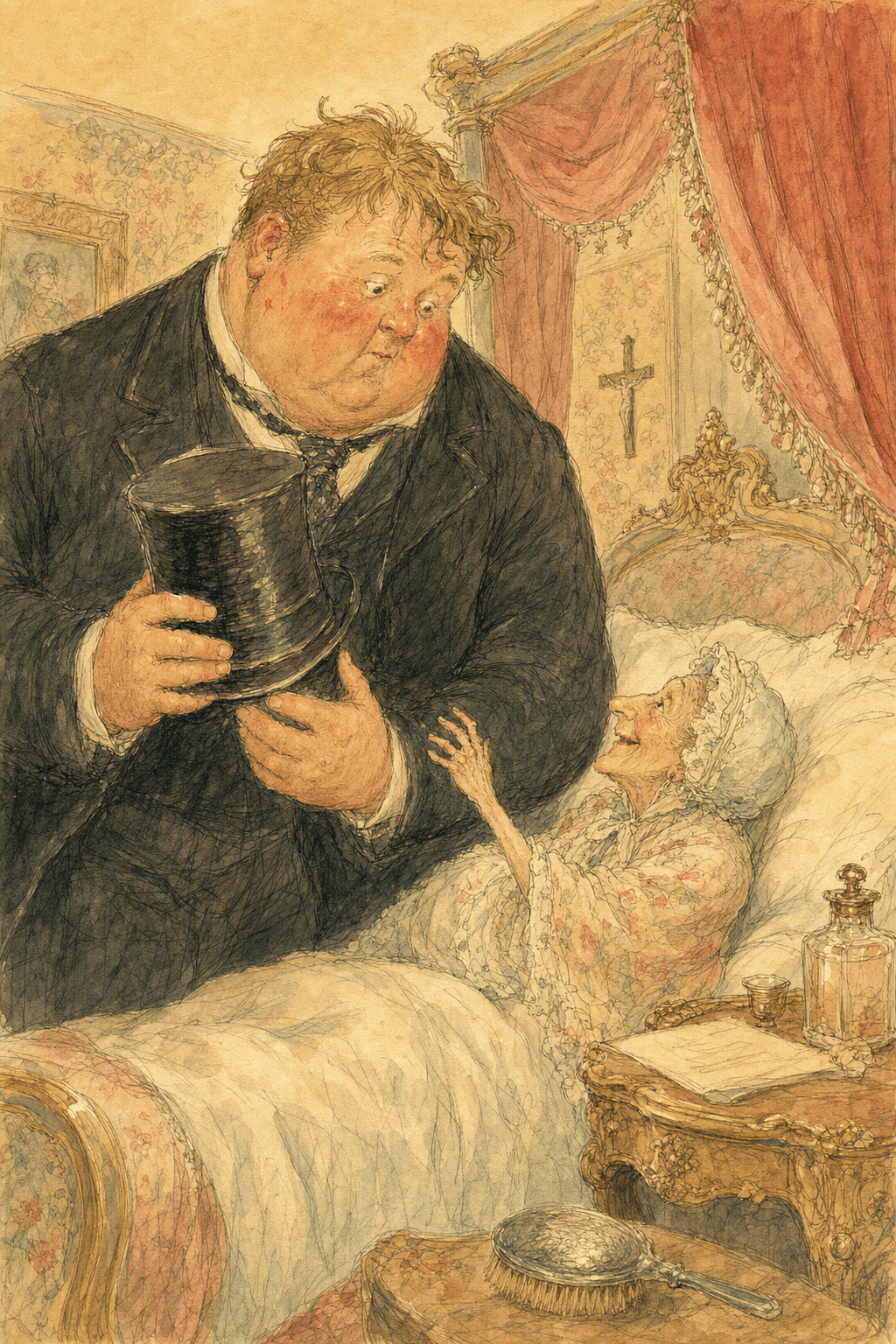
Sir Roger Had Gotten So Stout
A slim, asthmatic, French-speaking heir to a Hampshire baronetcy was lost off Rio in 1854; twelve years later a butcher from Wagga Wagga arrived at Tilbury weighing eighteen stone, unable to speak one word of French, and the family's old valet accepted him.
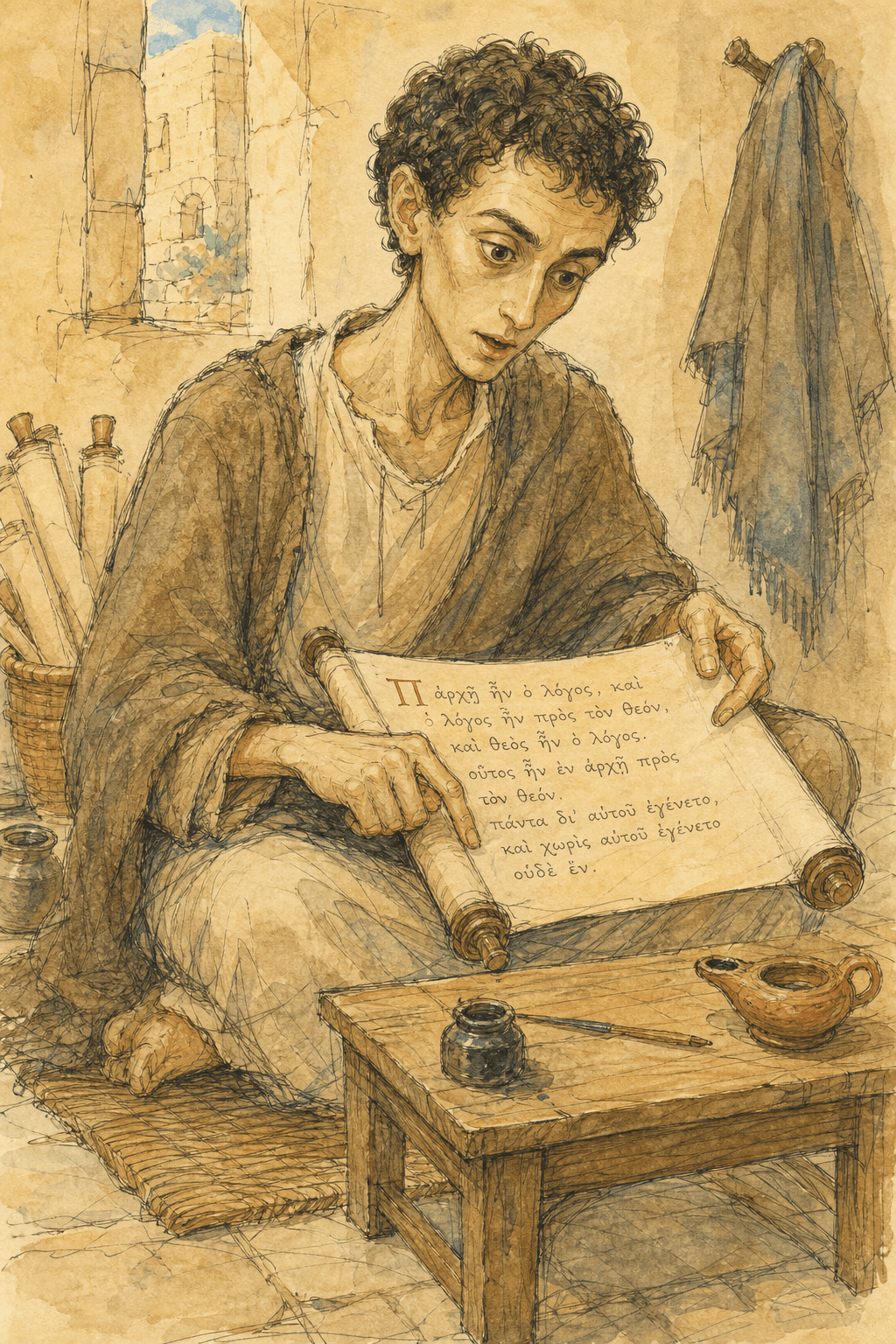
The Literalist
What does a sixteen-year-old do when his mother hides his clothes to keep him from following his father to the executioner?
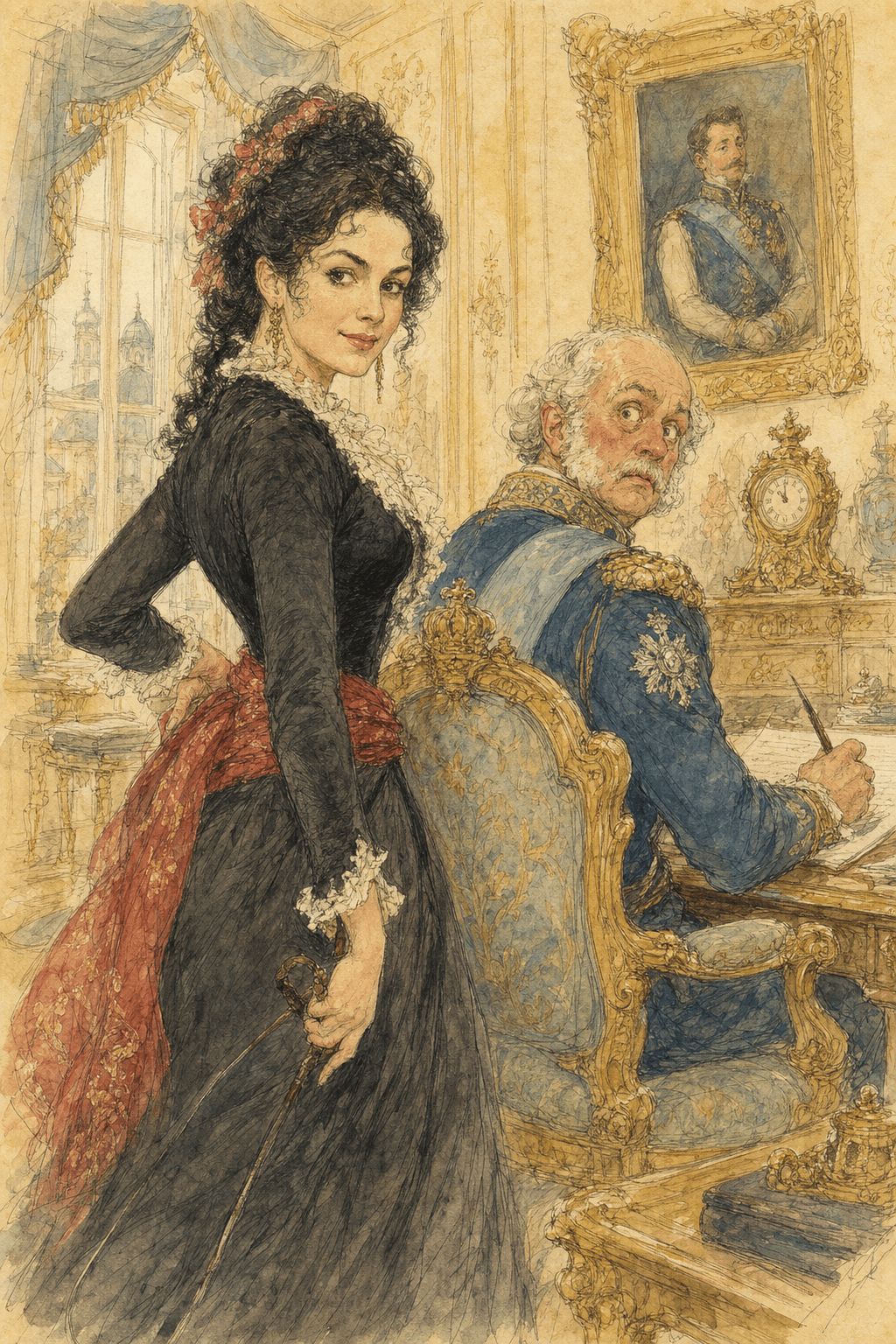
The Dancer Who Toppled a King
What does a woman do after horsewhipping a Prussian gendarme, a Ballarat editor, and assembling a private army of law students?
The Beast of Netherwood
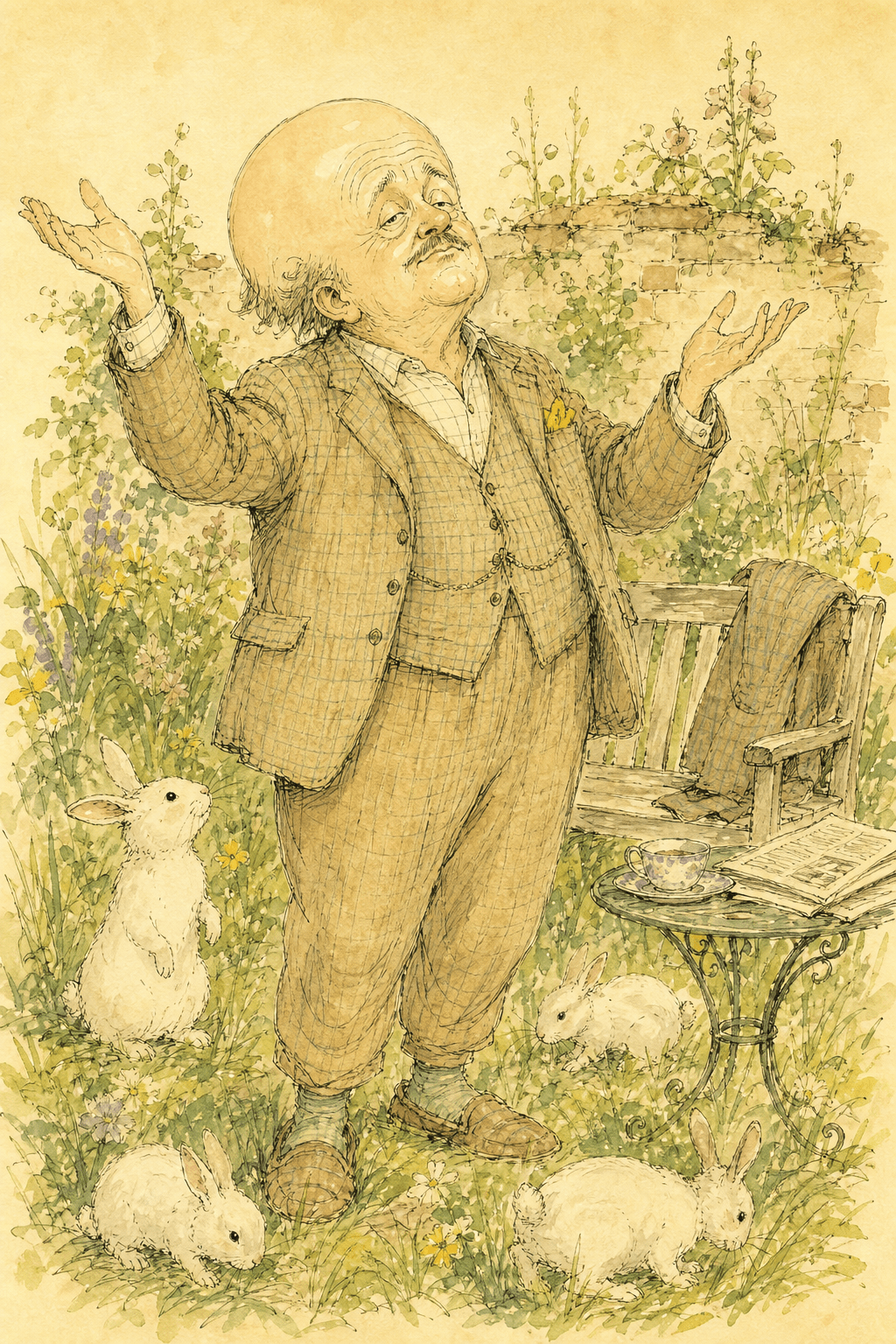
What does the wickedest man in the world order for breakfast when he's a sixty-nine-year-old pensioner in a Hastings boarding house?
The Bandit Queen's Funeral
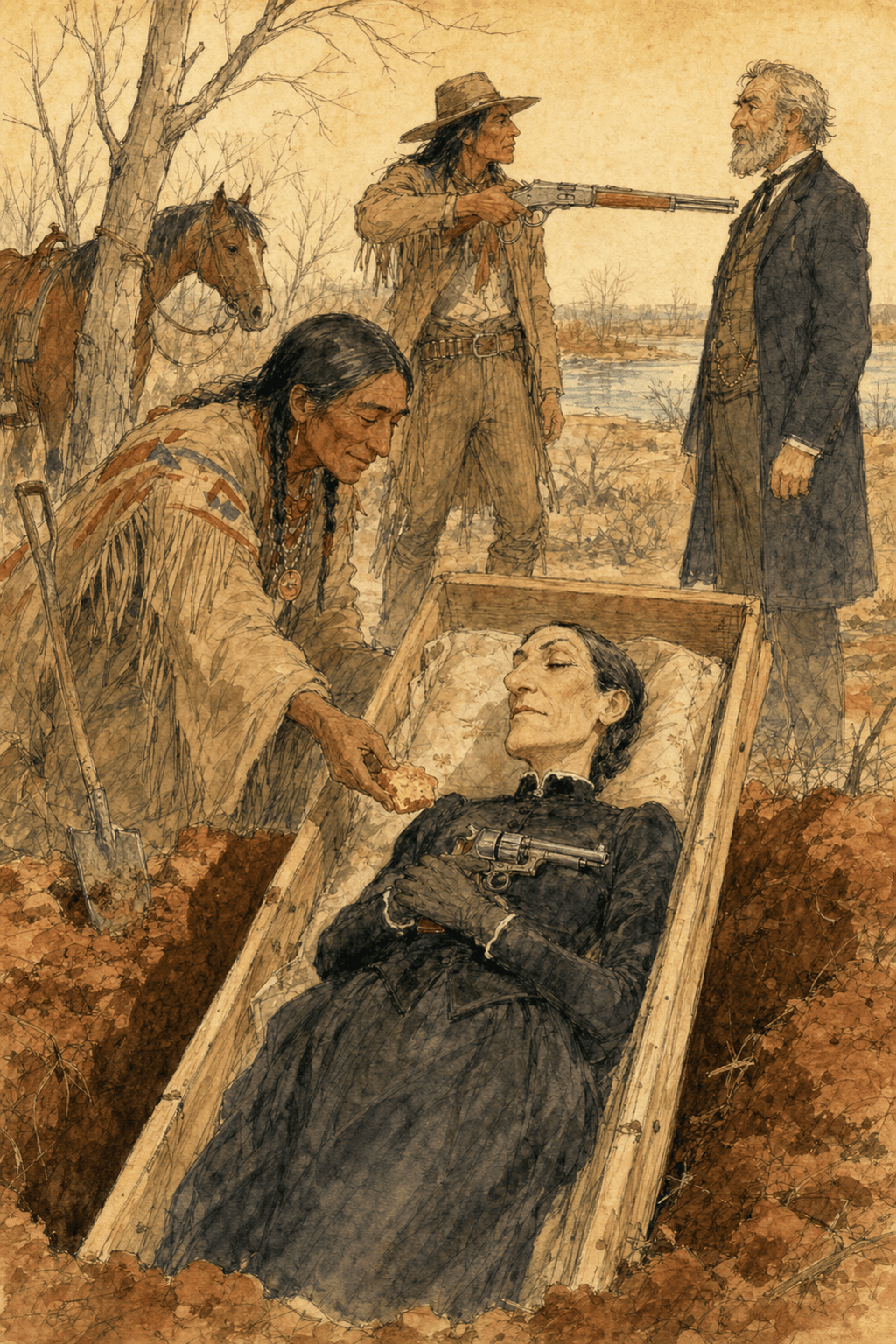
Her husband, her son, and the neighbor all had reasons — and the mourners brought cornbread to the grave.
The Surgeon Who Believed
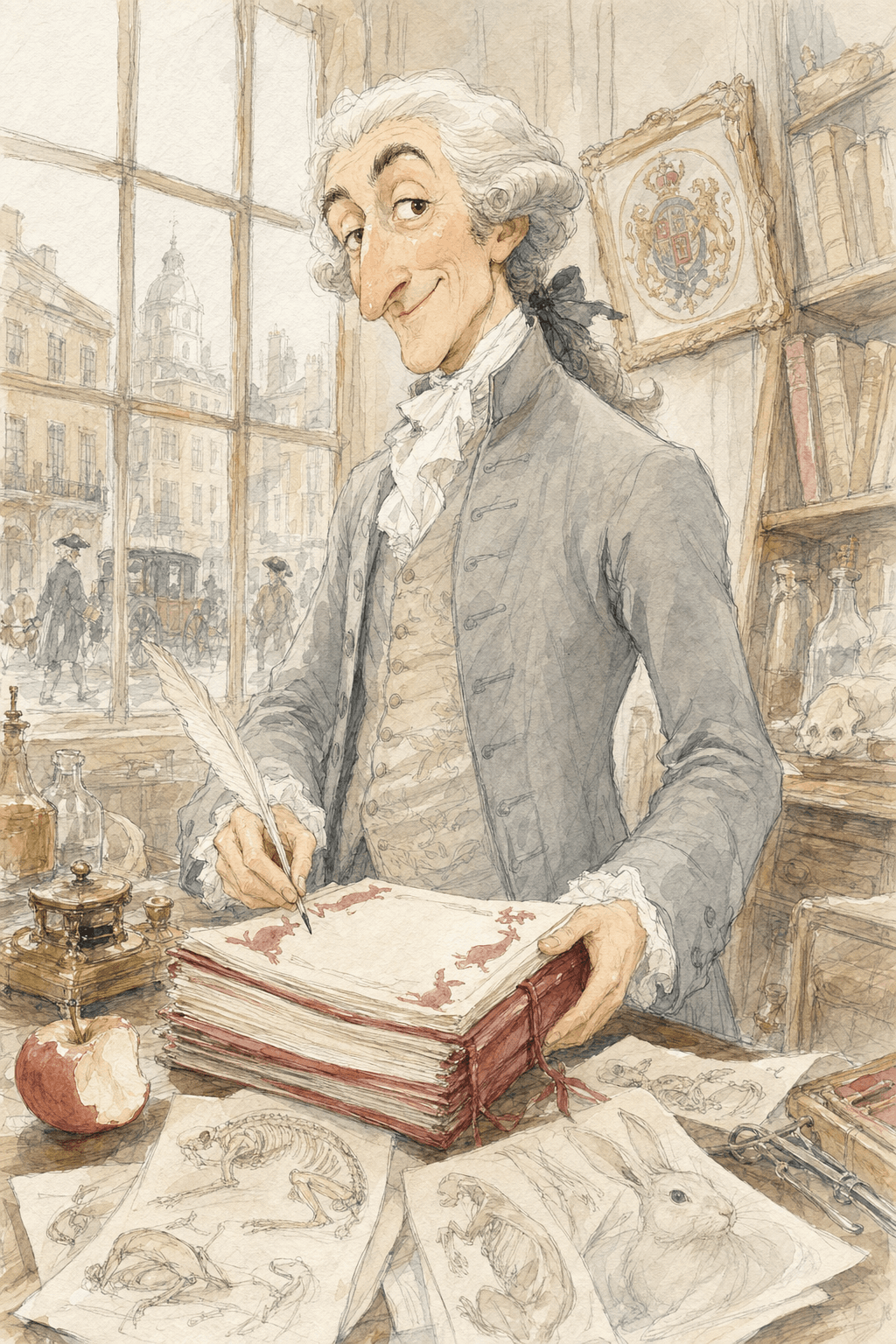
What does a royal surgeon do after publishing a forty-page pamphlet certifying that a clothier's wife gave birth to rabbits, four days before she confesses?

The Saint Who Never Applied
What happens when colonists canonize a dead chief they never asked, dress up in bucktail hats, and dance "in the style of those people" while actual Native delegations watch from the docks?

The Woman Who Became Her Own Mystery
If the world's greatest mystery writer vanished for eleven days and registered at a hotel under her husband's mistress's name, what exactly was she solving?

The Violinist Who Couldn't Be Buried
He spent thirty-six years after his death being moved between increasingly strange rooms across the south of France.