self-experimentation
Tested it on themselves first, sometimes more than once.
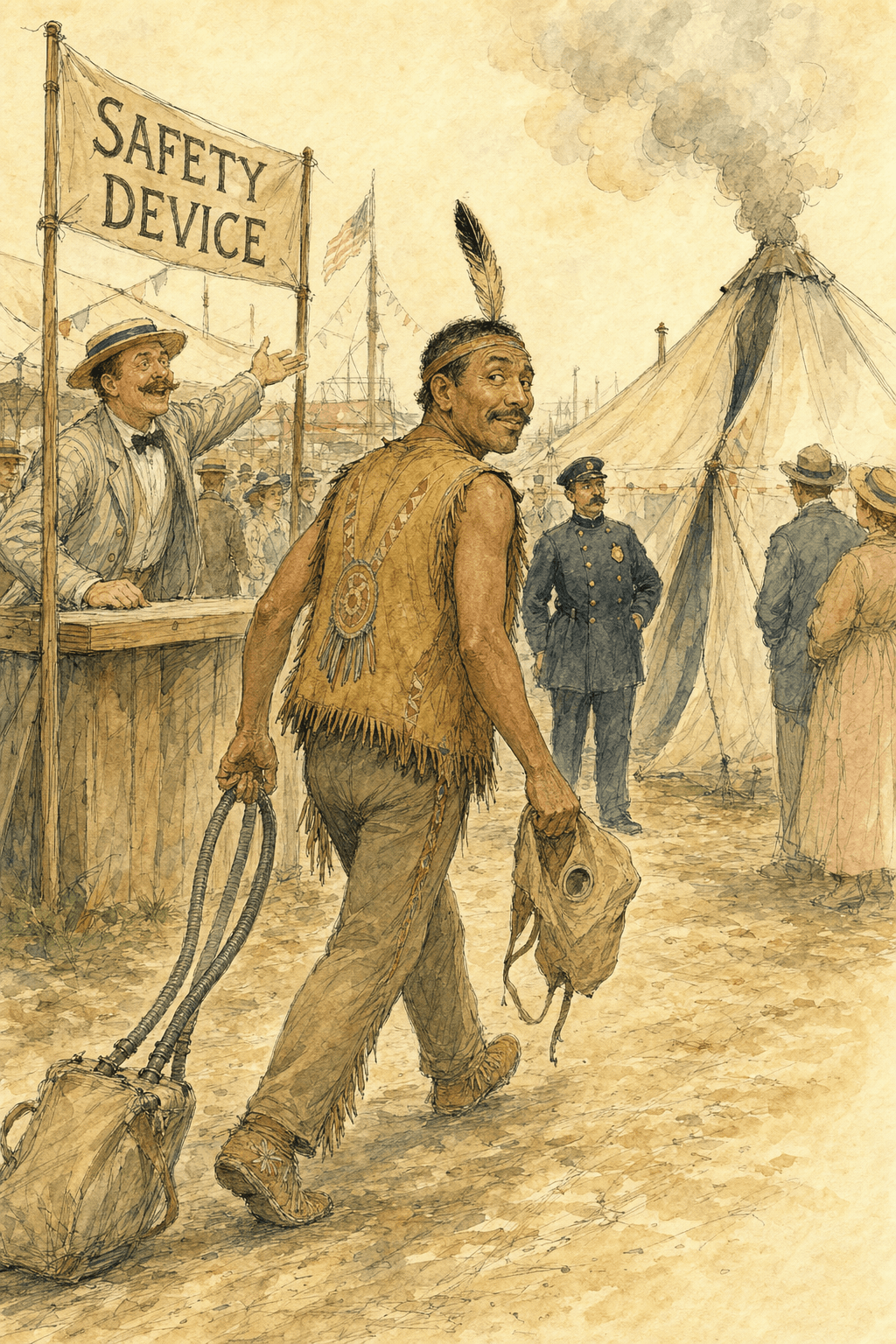
Big Chief Mason
The one person on earth who knew Garrett Morgan's 1914 smoke hood really worked was Garrett Morgan, inside it, in disguise as a Native American assistant to a white man selling it as his own.
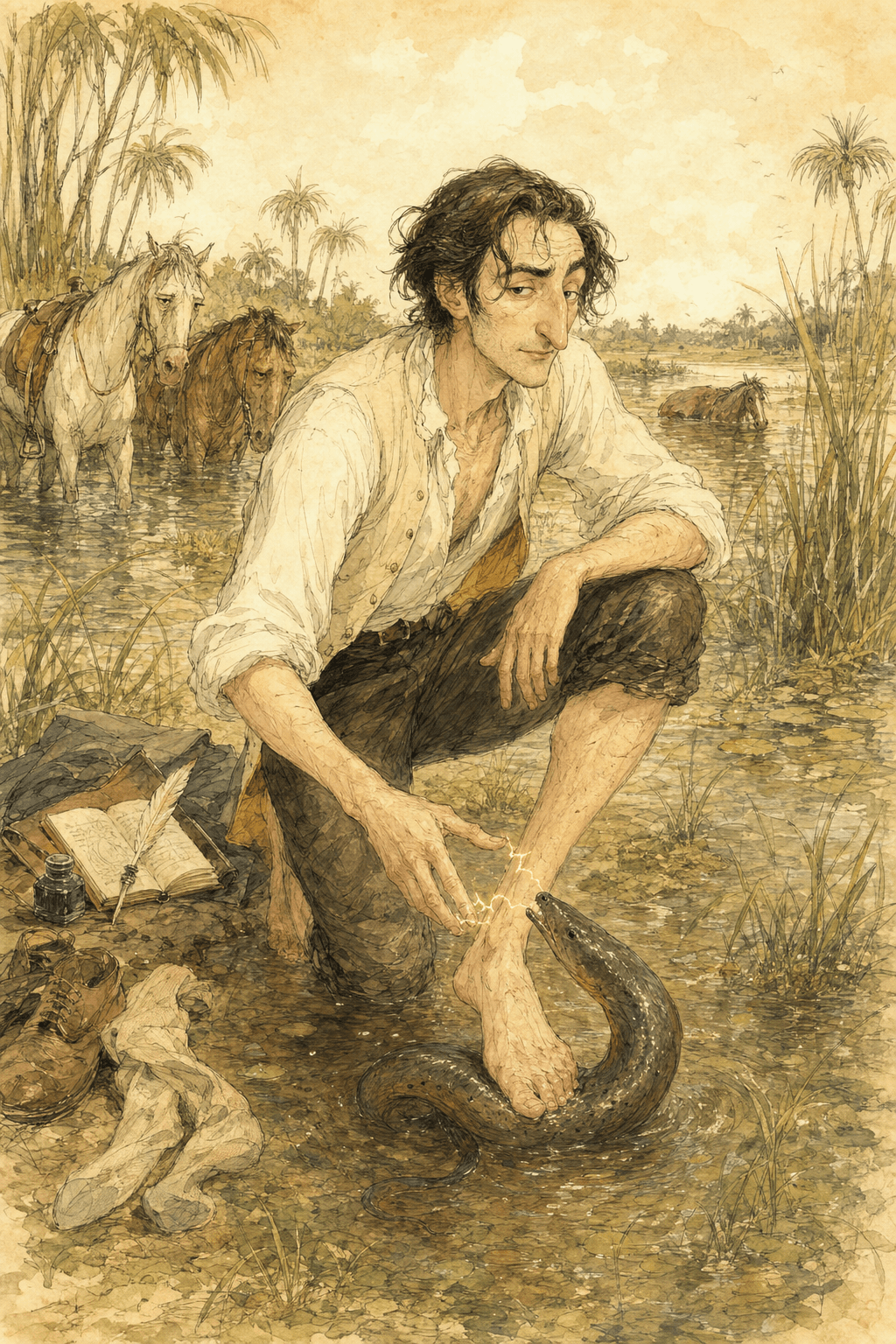
The Horses and the Eels
In March 1800, Alexander von Humboldt drove thirty wild horses into a Venezuelan pool to exhaust the electric eels, then waded in barefoot and dissected one while it kept shocking him.
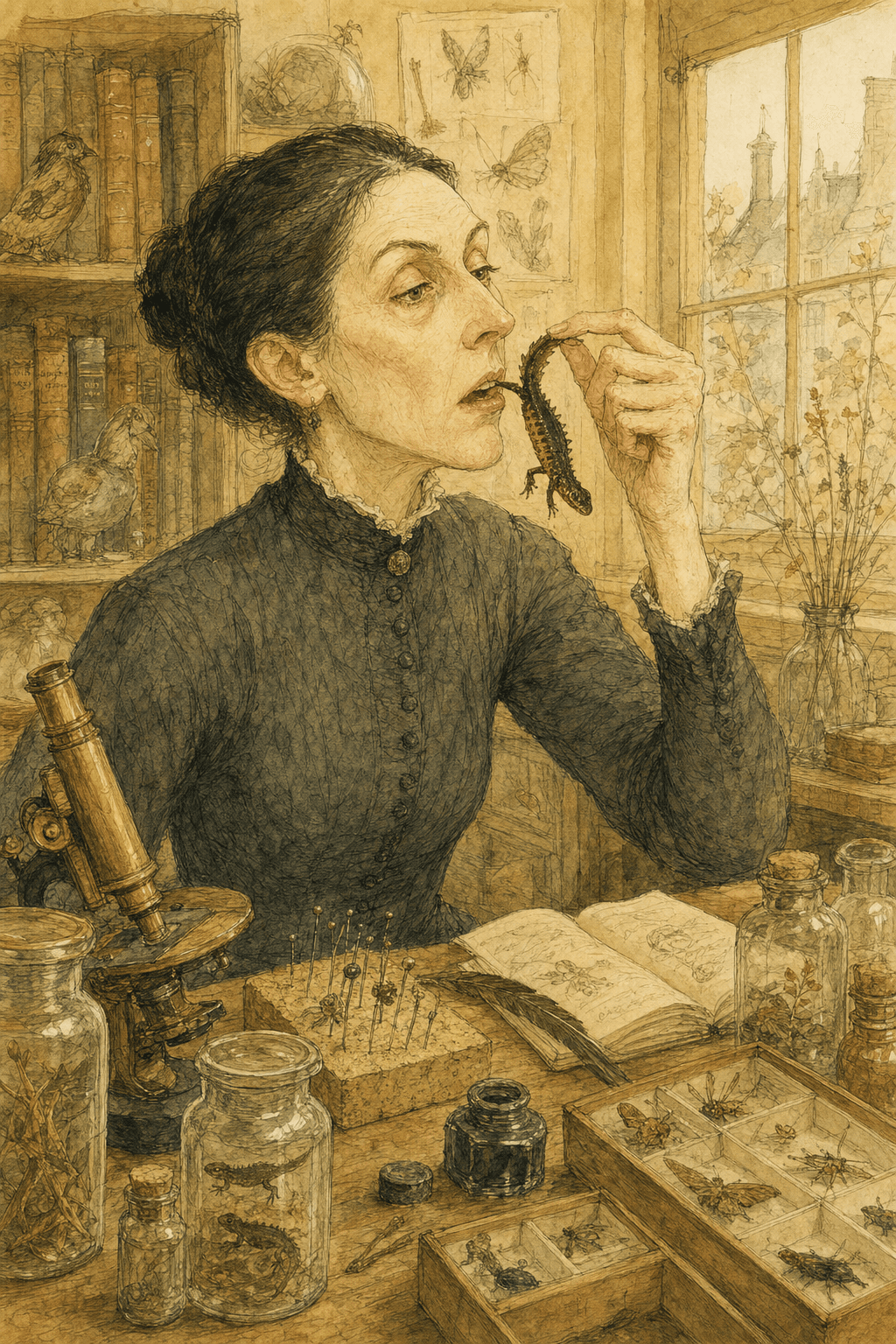
The Newt in Her Mouth
Eleanor Ormerod, the Royal Agricultural Society's consulting entomologist, kept live insect specimens in her pockets and produced them, unannounced, at meetings with farmers.
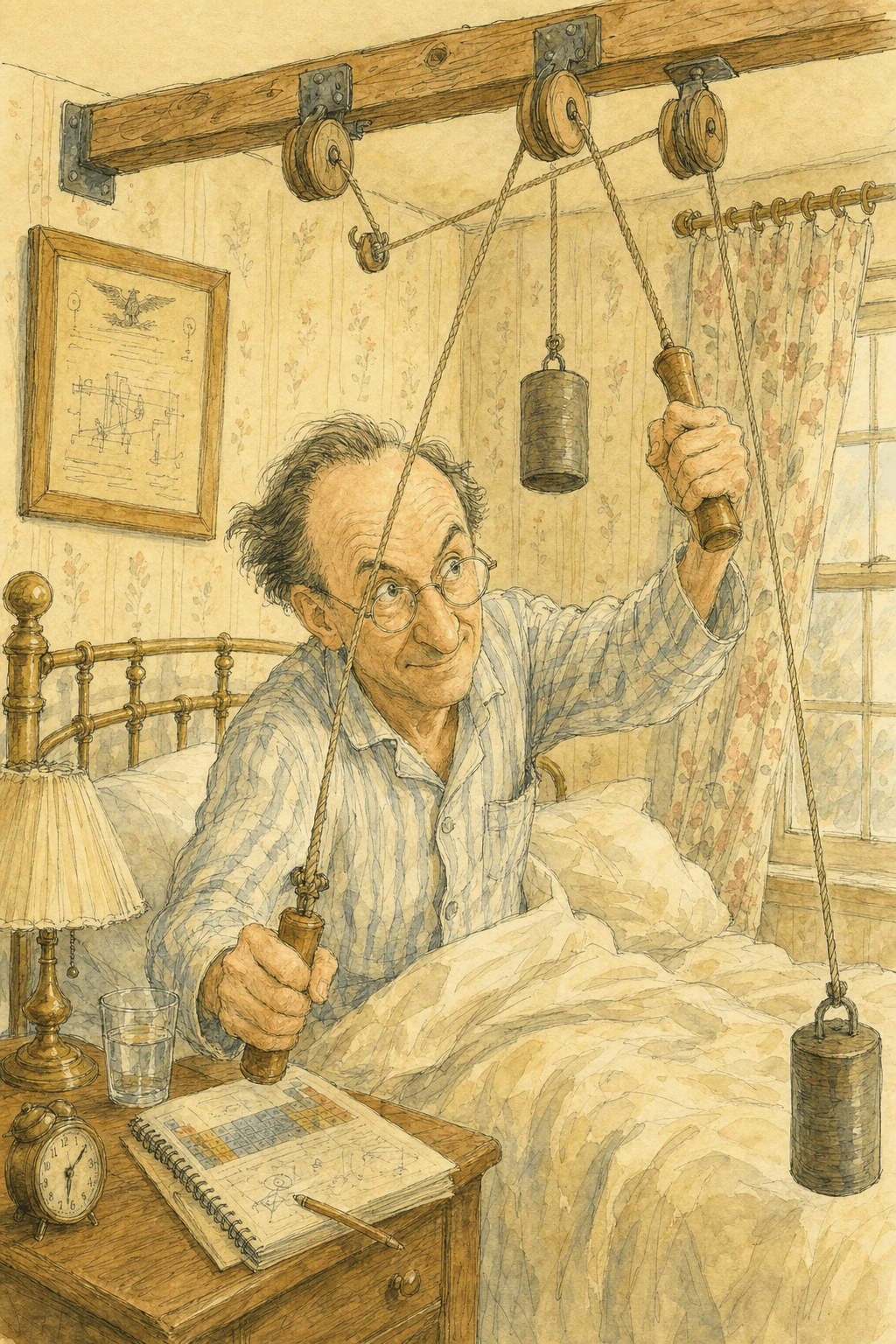
The Man With an Instinct for the Regrettable
What are the odds that the same man invented leaded gasoline and the chemical that punched a hole in the ozone layer?
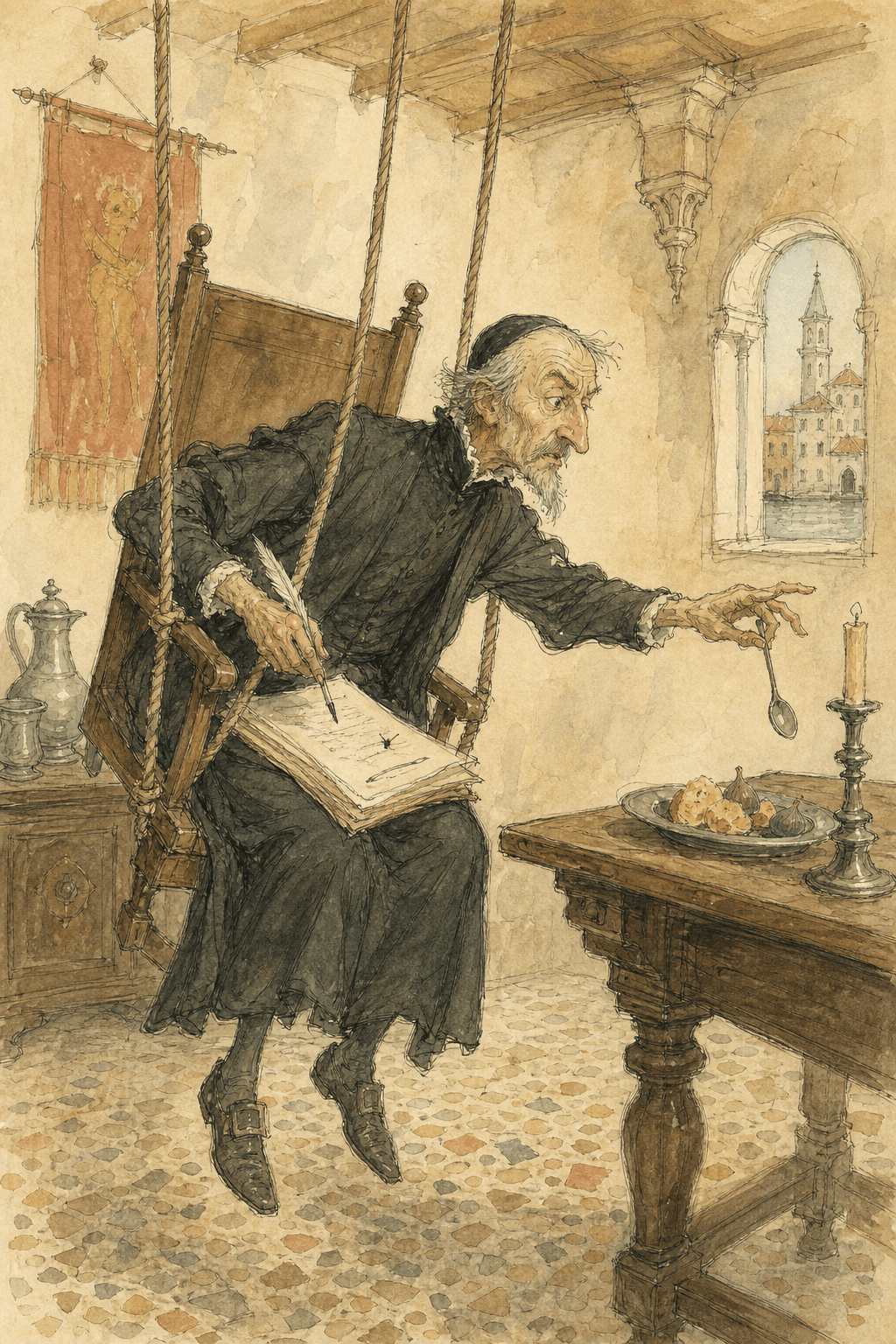
The Chair That Would Not Let Him Eat
What does a Renaissance physician discover when he rigs his dining chair to yank the table away the moment he has eaten his ration?
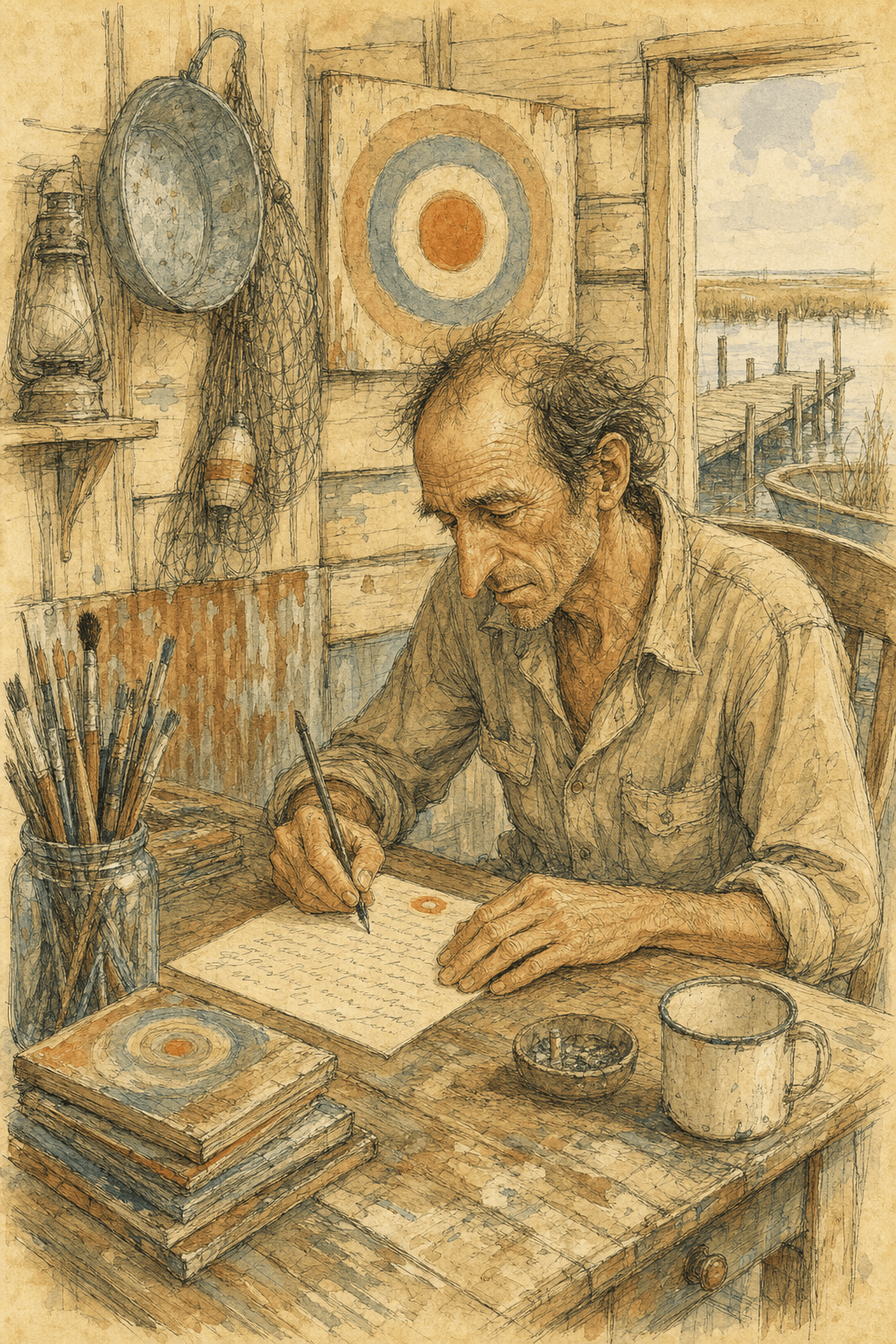
The Bait Camp Visionary
How does a shrimp seller who couldn't swim, living alone on a sandspit reachable only by boat, end up on Betty Parsons's walls beside Pollock and Rothko?
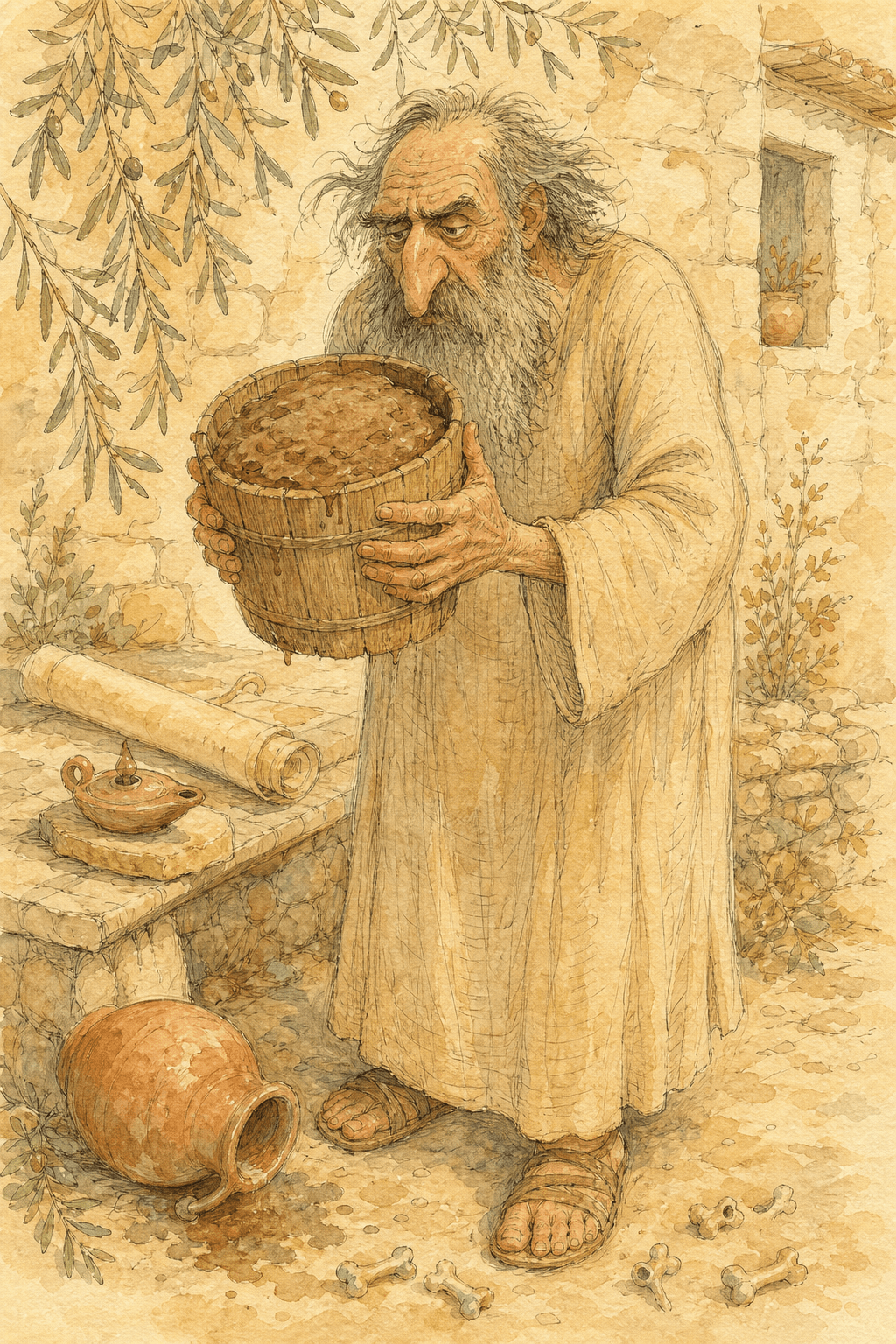
The Philosopher Who Took His Own Medicine
What happens when a philosopher who hated water contracts a disease made of it?
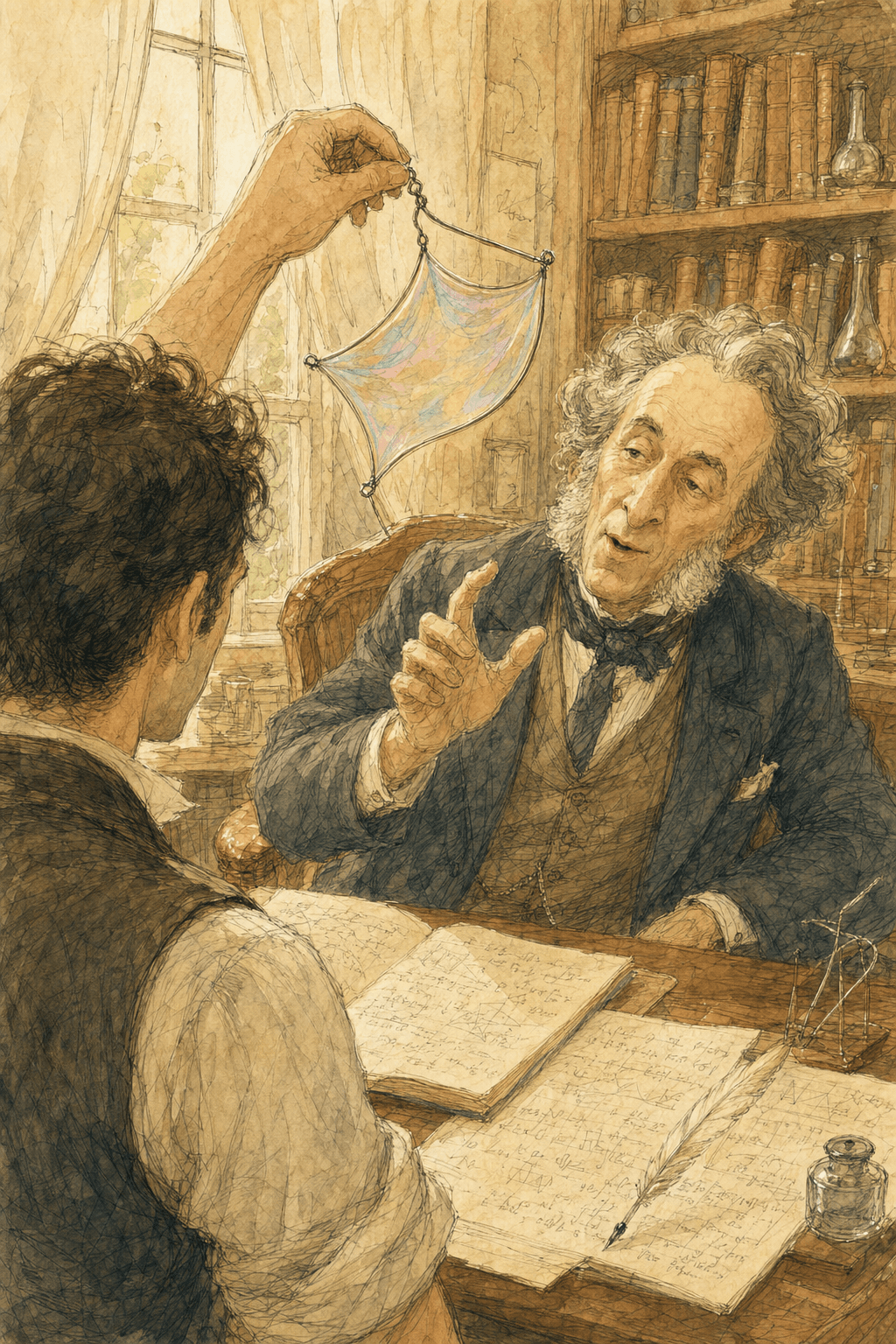
The Man Who Saw With His Ears
What does geometry sound like when you can only hear it described?
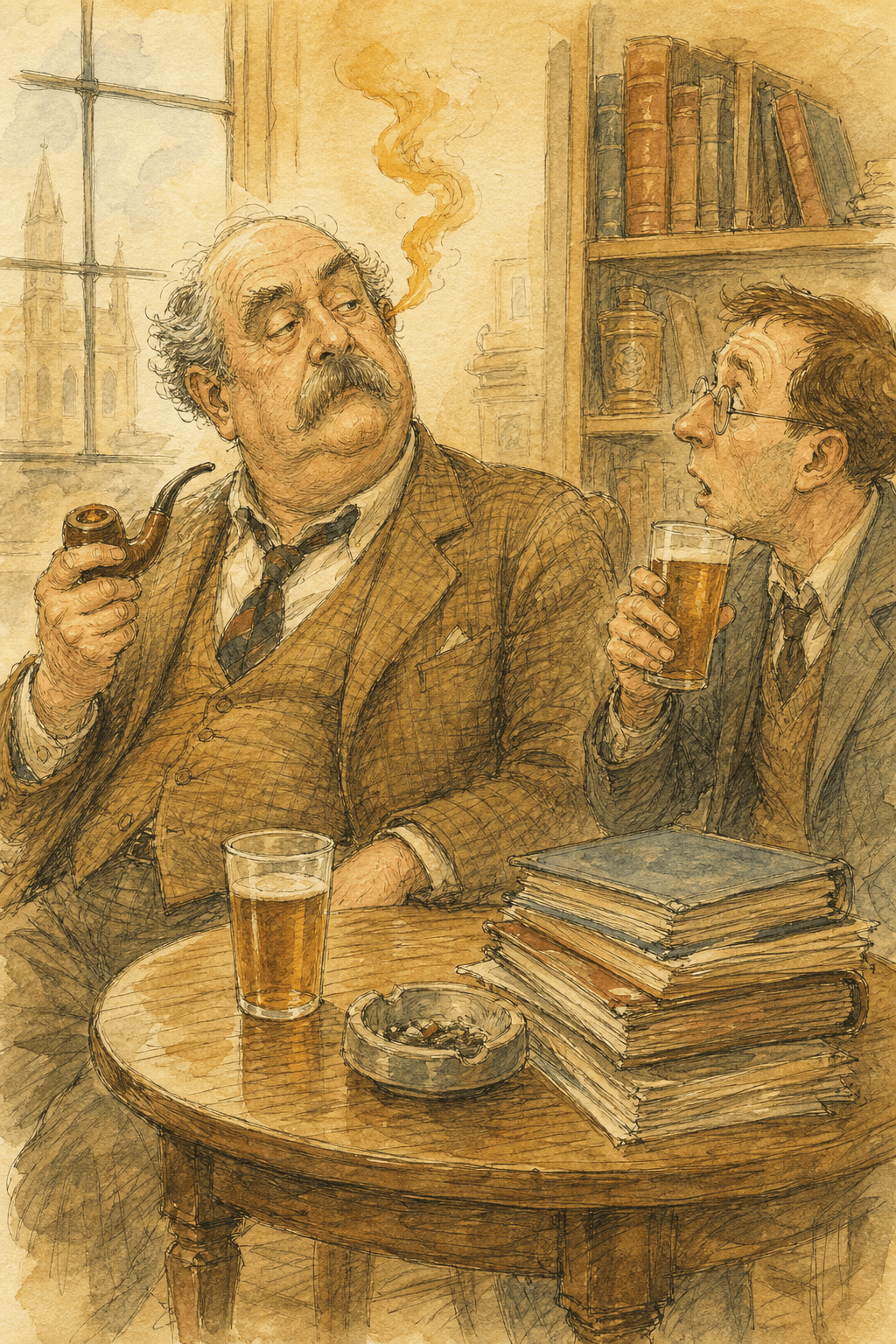
The Drum Generally Heals Up
What kind of man asks his colleagues to poke him awake if he stops breathing, and considers a perforated eardrum a social asset?
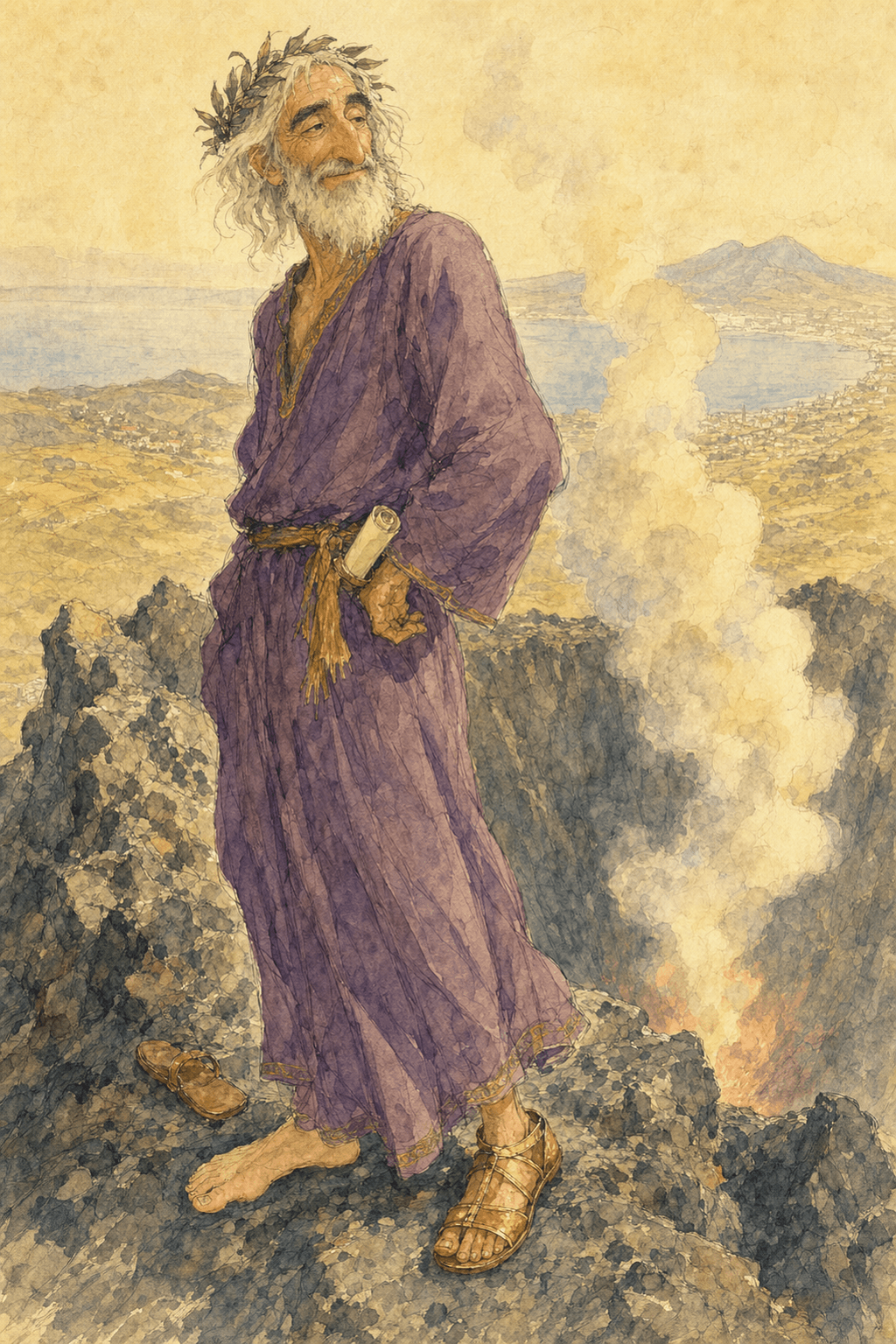
The God Who Lost a Sandal
What kind of man flays donkeys to stop the wind, then climbs into a volcano to prove he's a god?
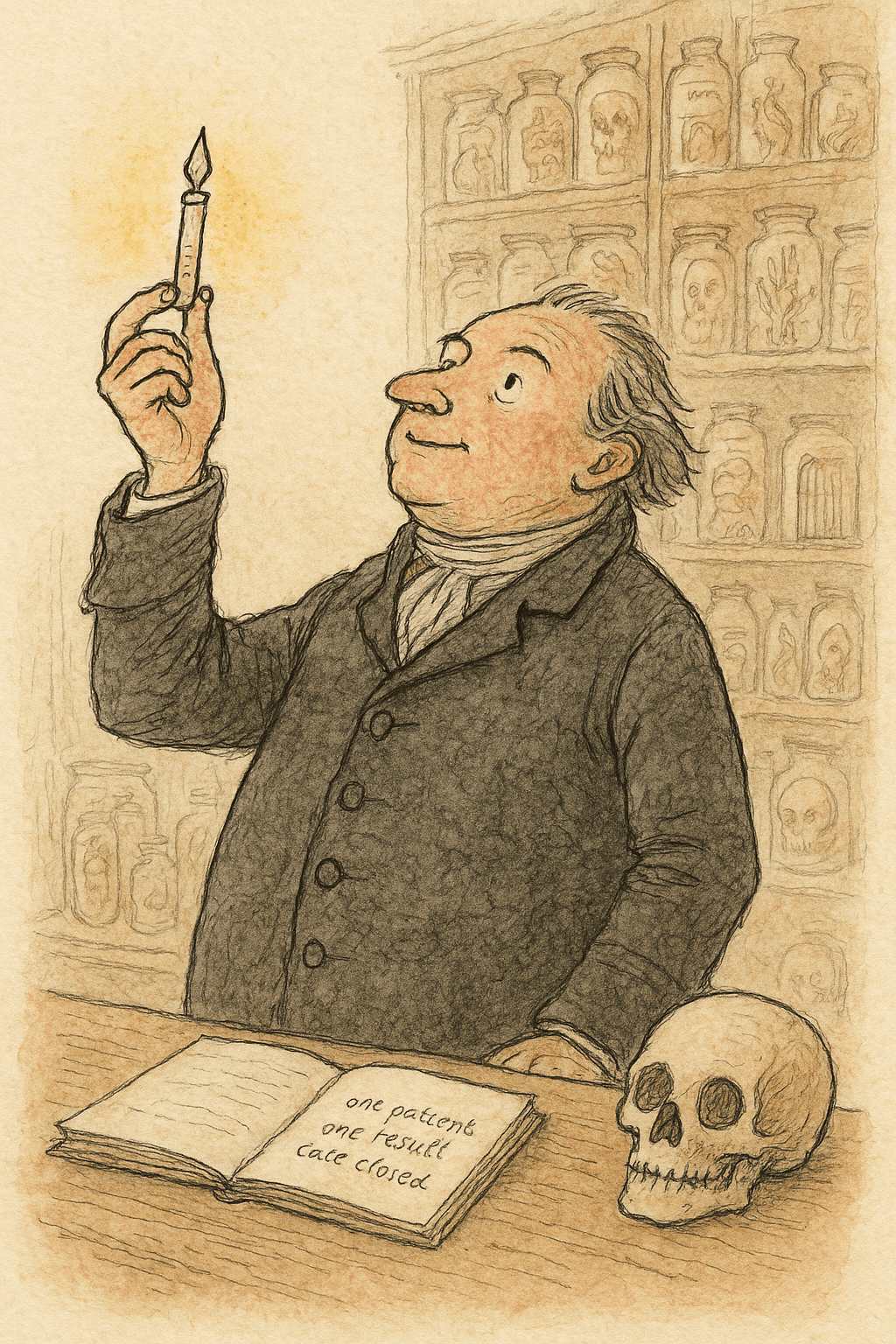
The Surgeon Who Tried the Experiment
He inoculated himself with a patient's discharge to settle a scientific question, and his reputation was so enormous that nobody checked his work for fifty-one years.
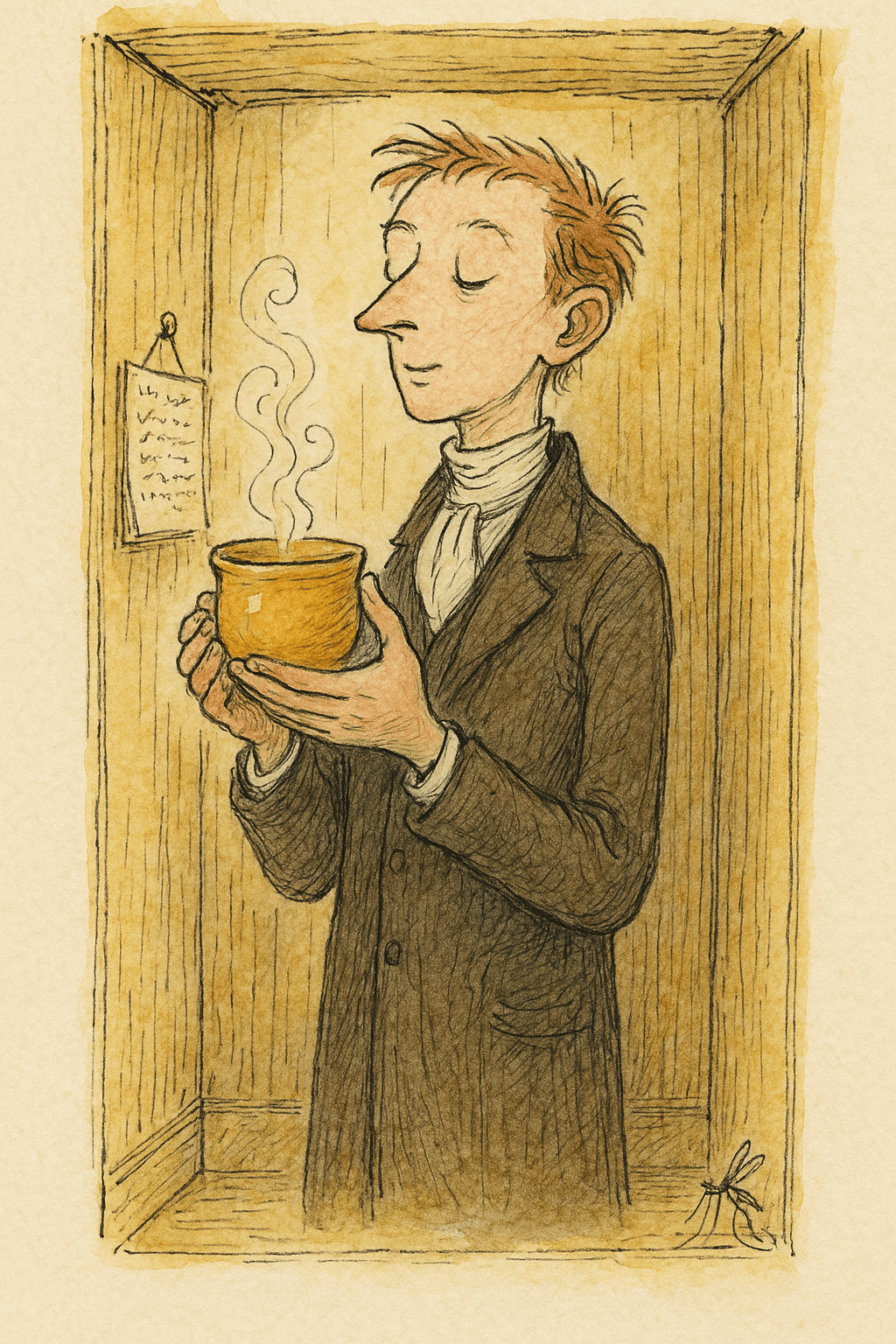
The Man Who Drank the Plague
He built a small closet, filled it with the vomit of the dying, and sat inside breathing deeply — all to prove yellow fever wasn't contagious.