obsession
Couldn't stop, wouldn't stop, didn't see why anyone would ask.
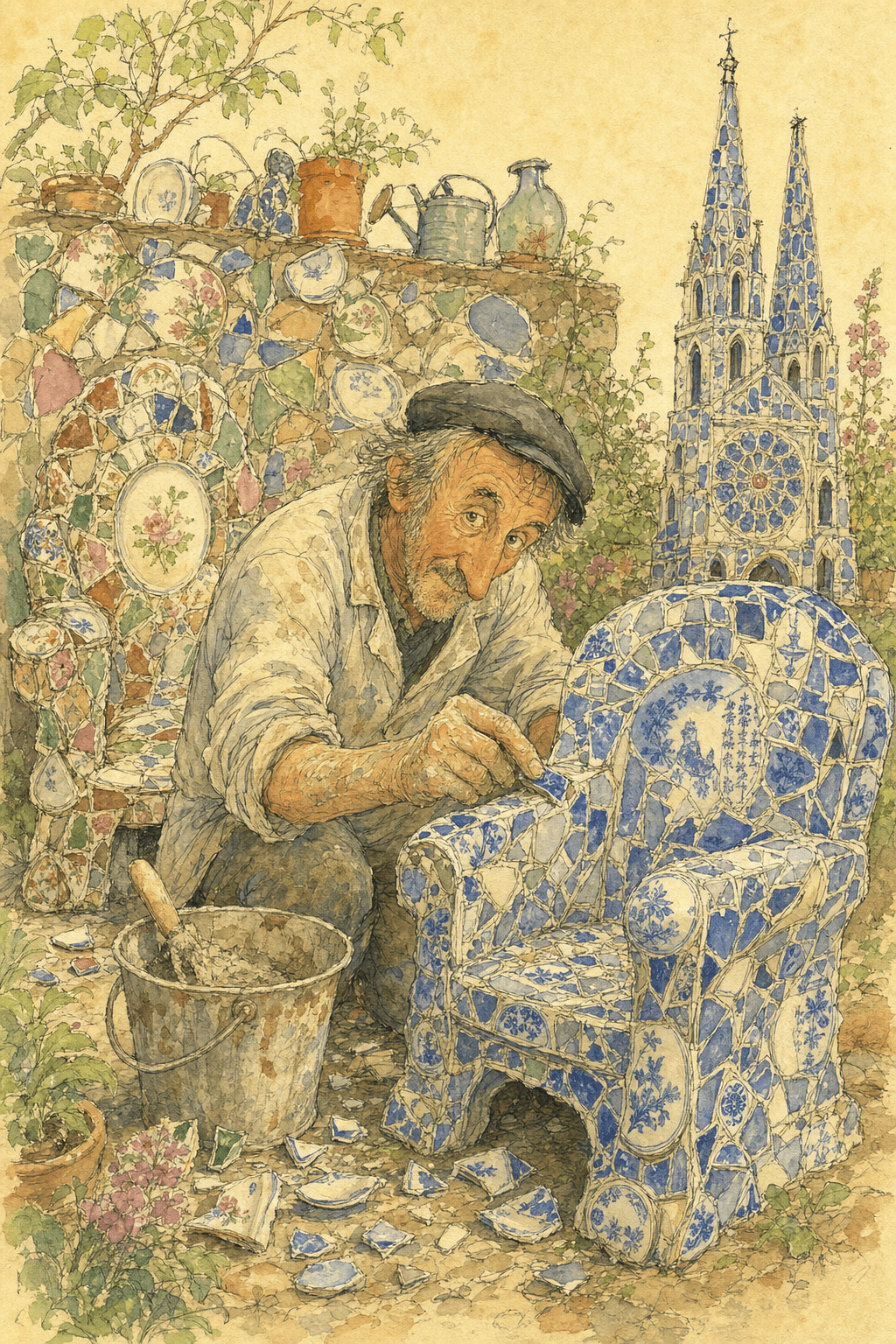
Room for God
By 1962, Raymond Isidore had covered every surface of his house in fifteen tonnes of broken crockery — the beds, the flower pots, the carriage clock, the radio, his wife's sewing machine — and she sighed that she had better be careful, or he would tile her too.
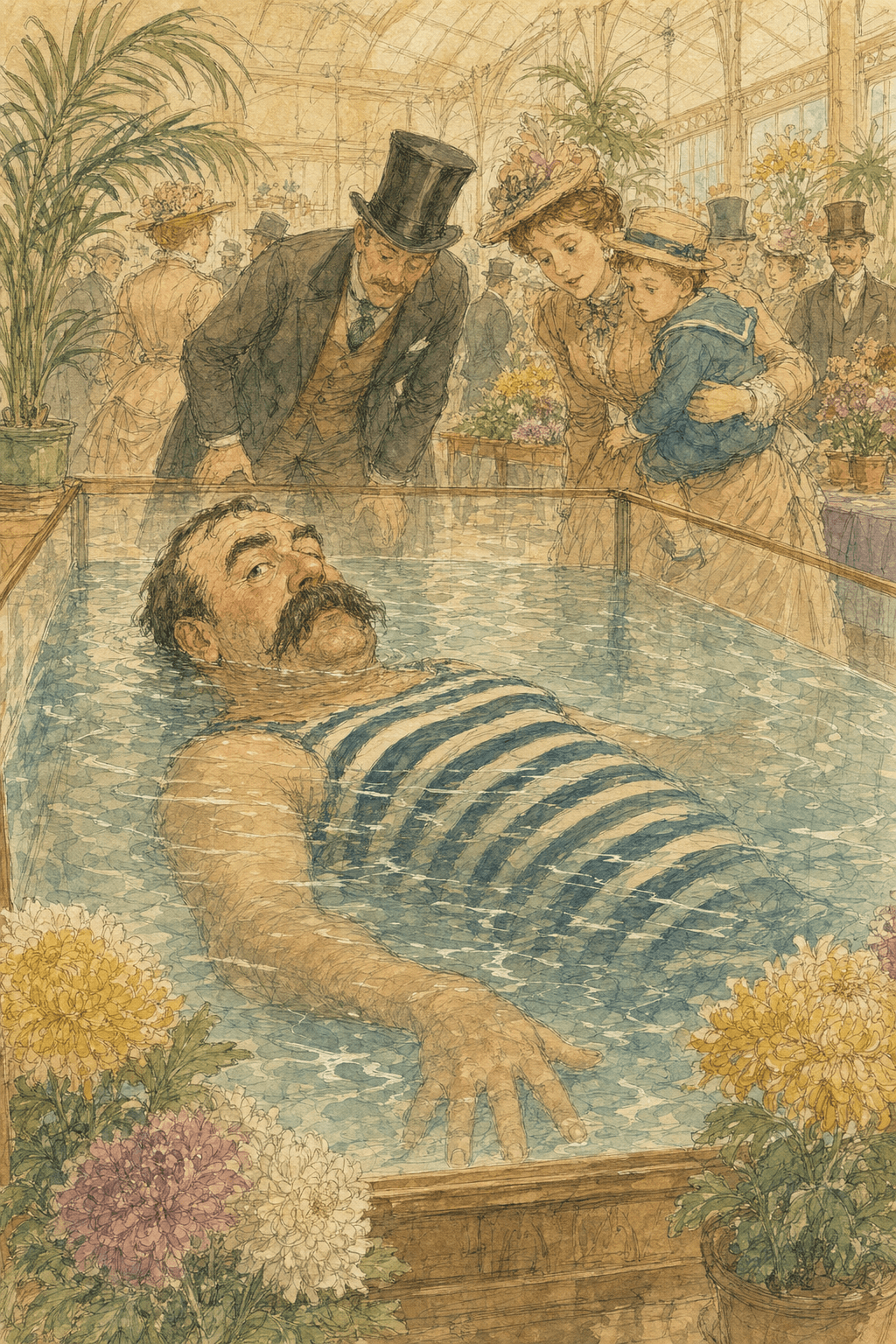
The Flower Show
Matthew Webb, the first man to swim the English Channel, once raced a Newfoundland dog in open sea; after an hour the dog, a breed bred to pull drowning people from the water, had to be pulled from the water.
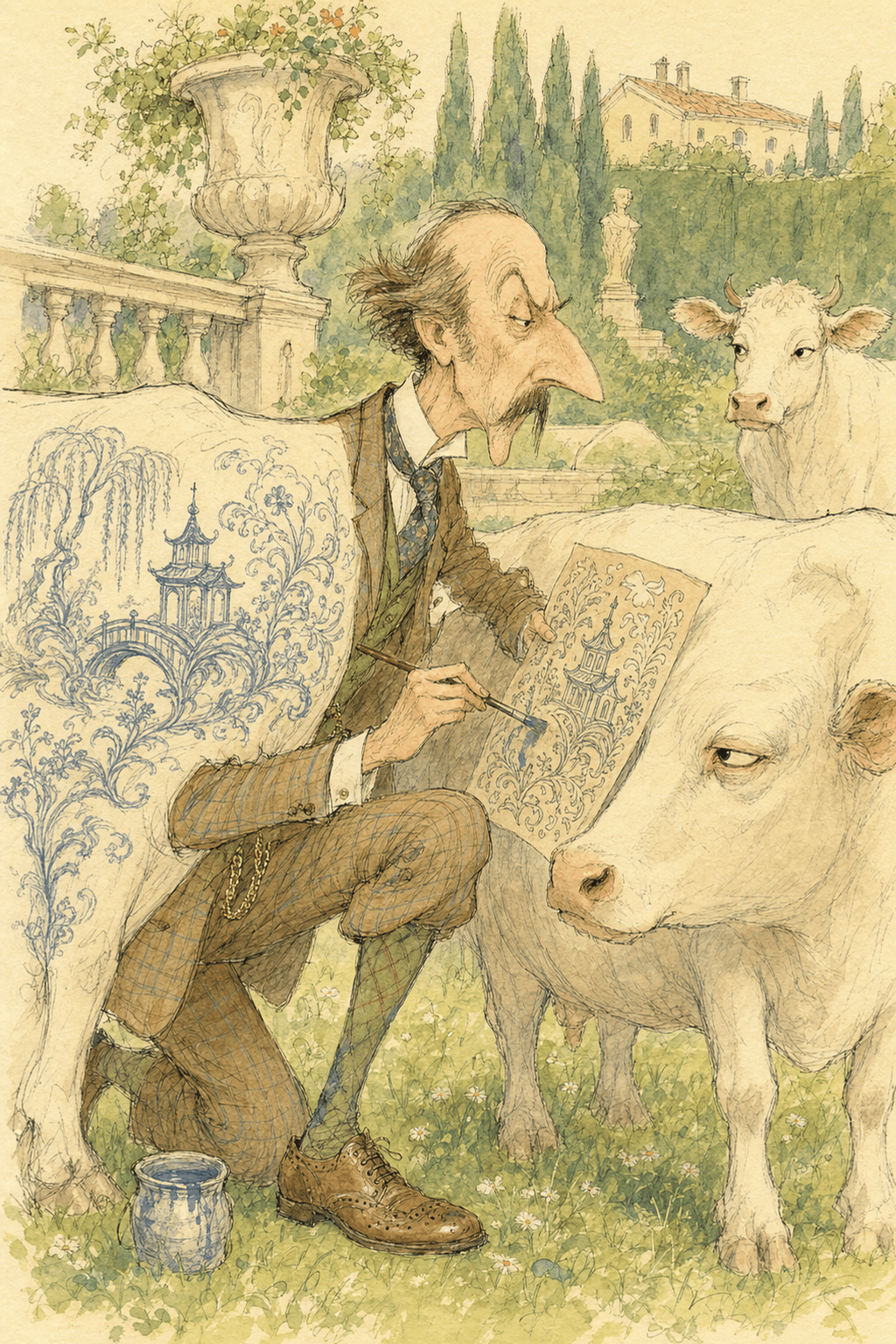
Obdurate
Sir George Sitwell invented a musical toothbrush and a wasp-shooting revolver, but what defeated him was the colour of his dairy cows.
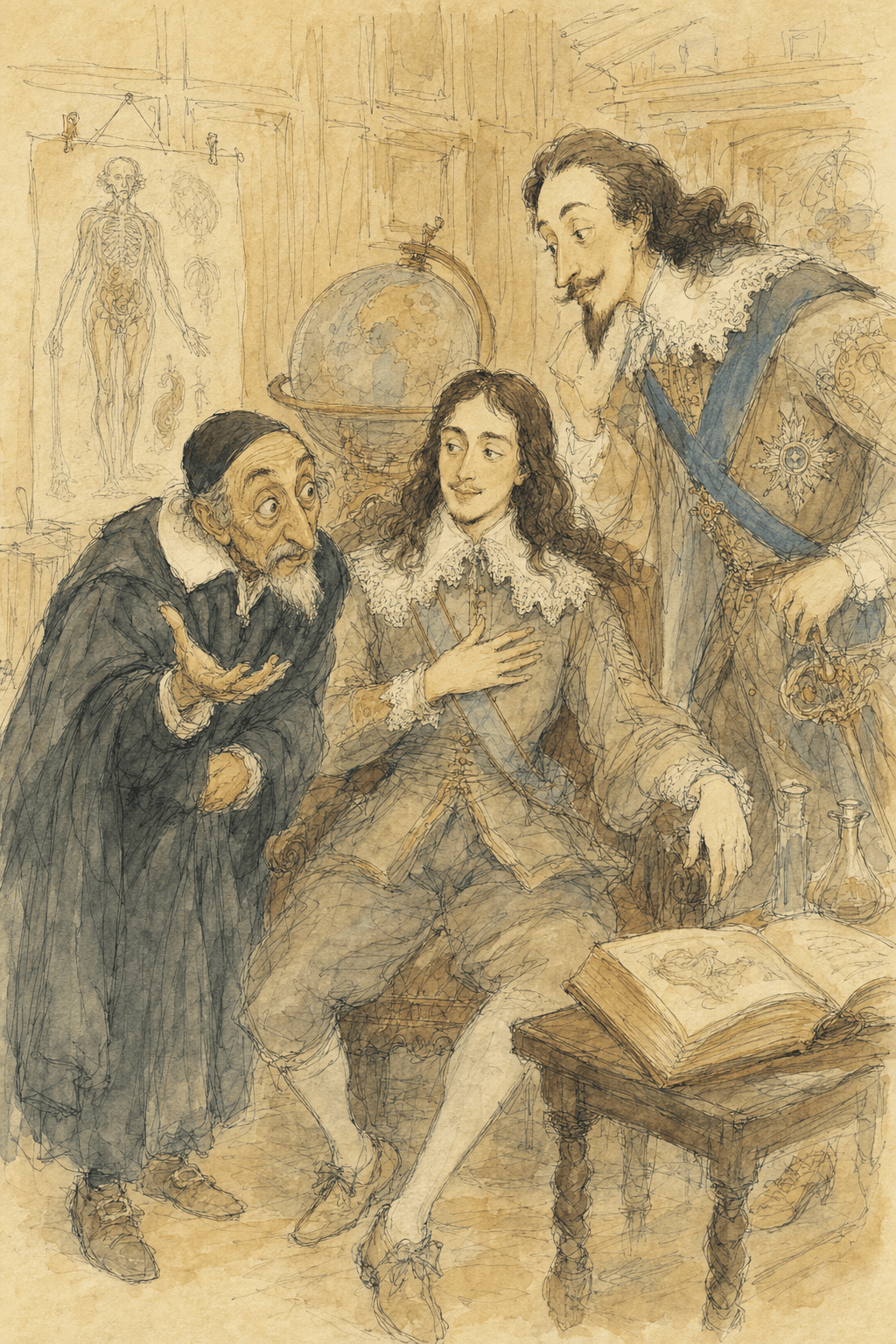
Montgomery's Ribs
William Harvey, the physician who proved blood circulates, once reached through a hole in a young viscount's ribs and took hold of the beating heart.
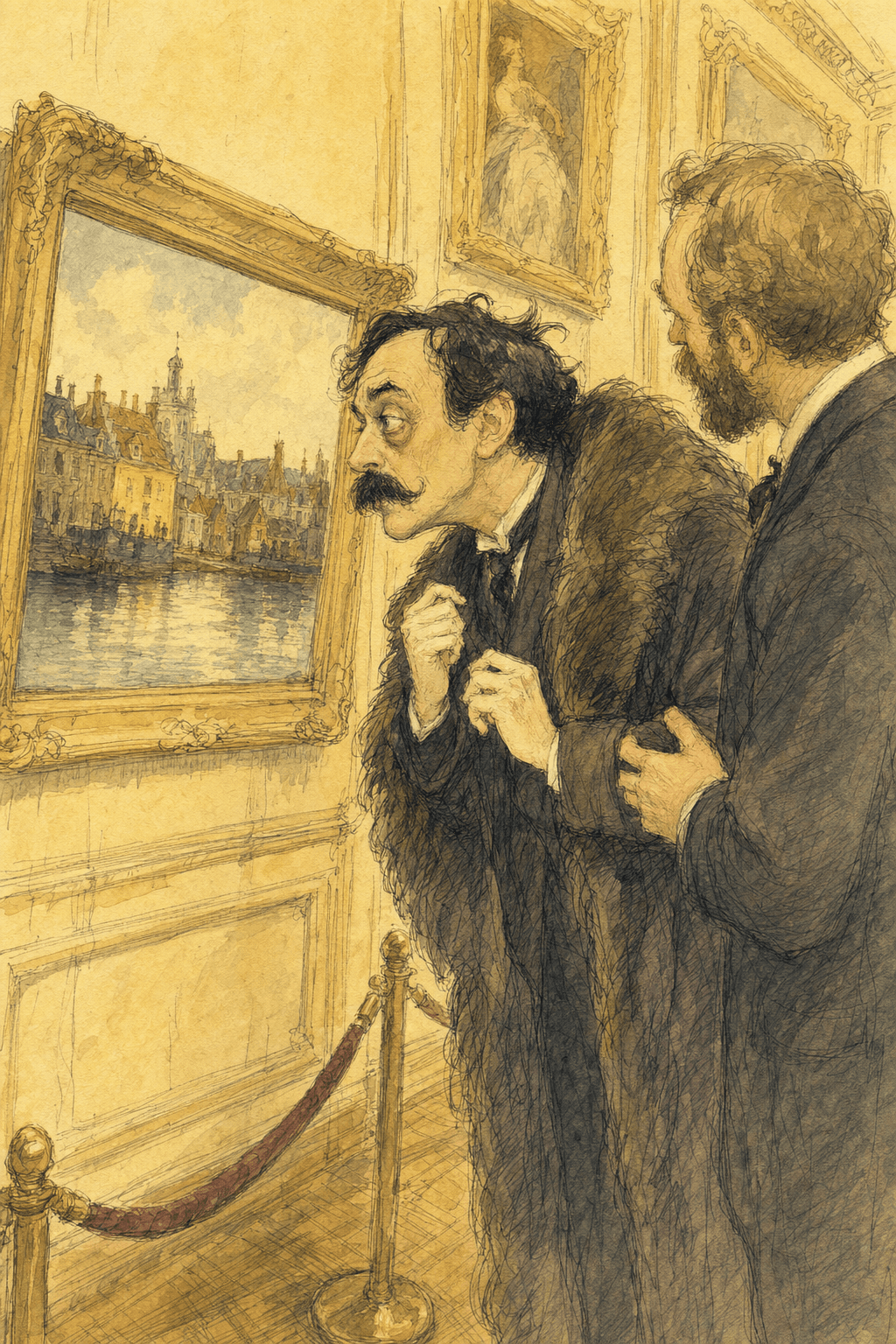
A Little Patch of Yellow Wall
Marcel Proust wrote most of his novel in a cork-lined bedroom he fumigated five times a day with a hallucinogenic nightshade powder.
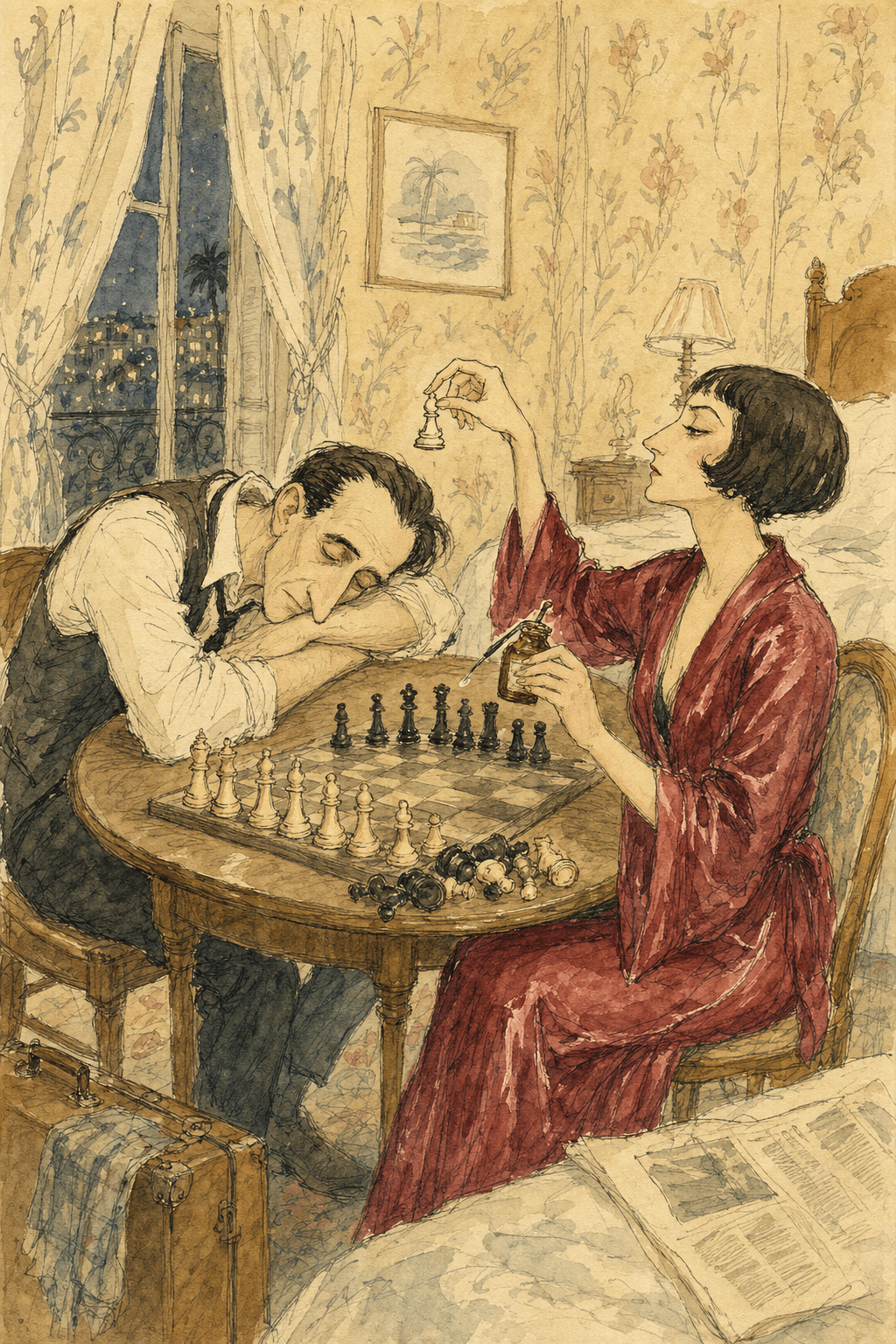
The Honeymoon
The man who signed a urinal and hung it in a gallery quit modern art for competitive chess, and then married an heiress who lasted seven months.
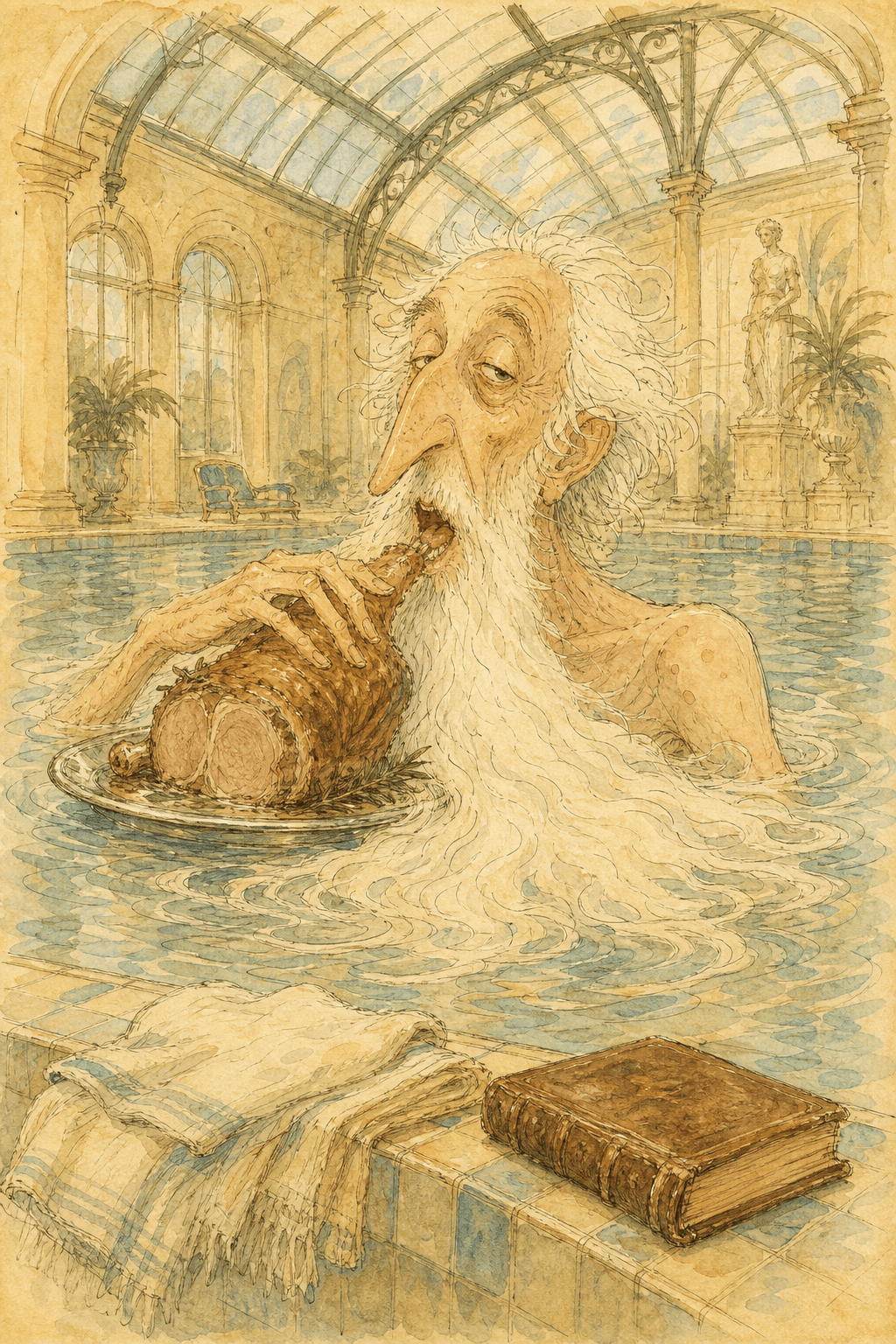
The Baron in the Bath
On rainy mornings, a Georgian peer walked miles to the sea to swim while his liveried footman, on the peer's orders, rode dry in the empty carriage behind him.
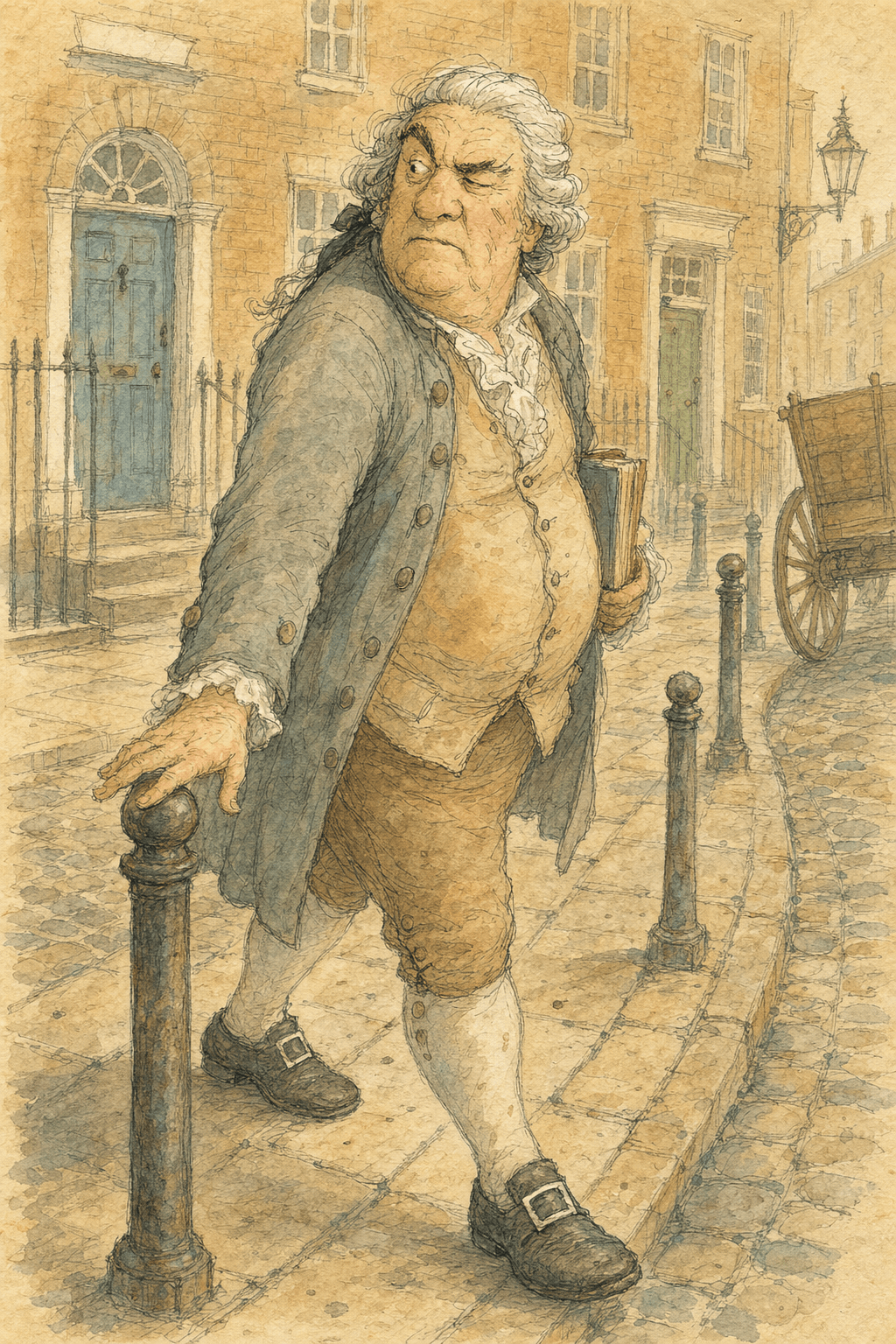
The Man Who Counted the Posts
The man who single-handedly disciplined the English language could not walk past a post without touching it.
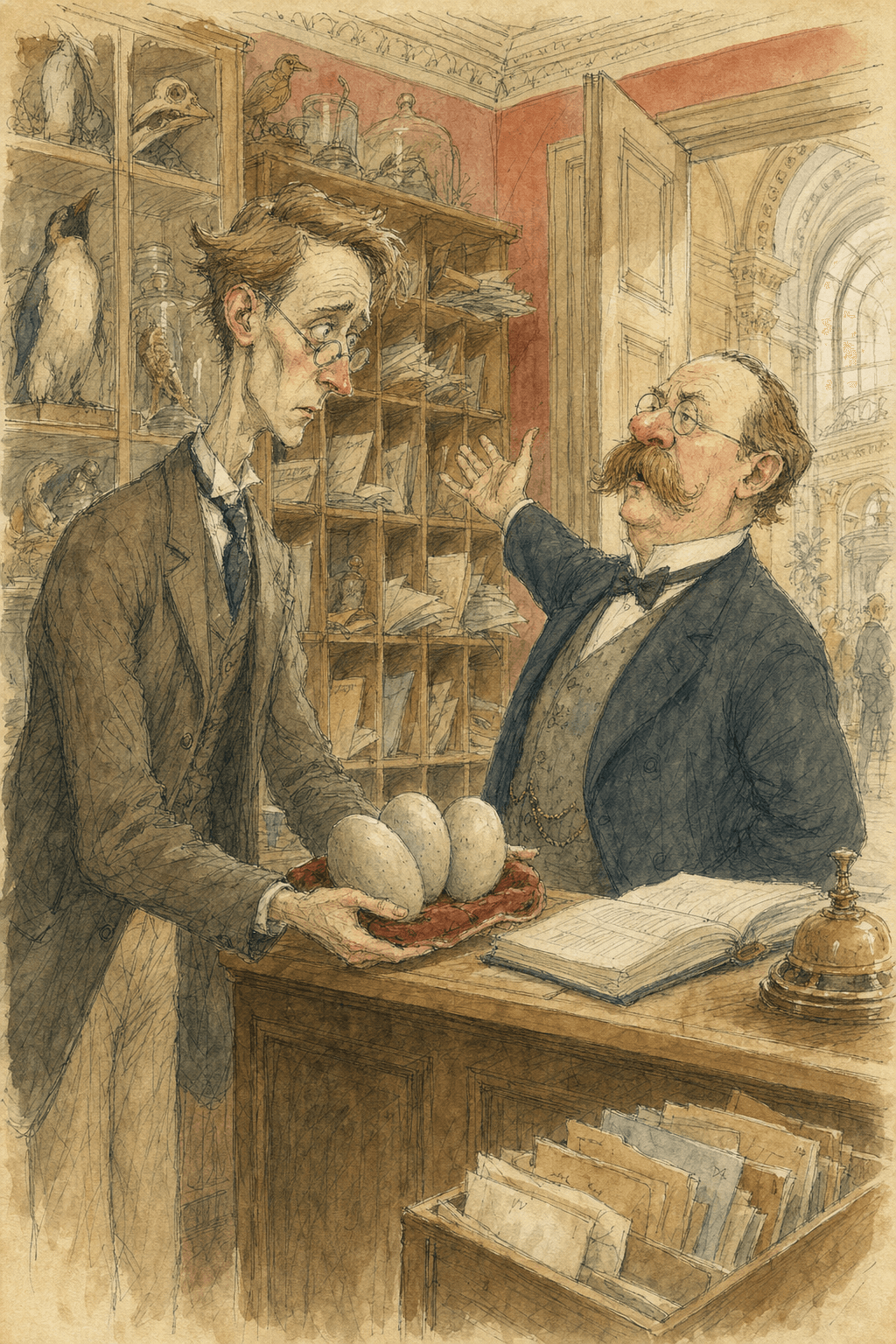
This Ain't an Egg-Shop
Who walks 130 miles through an Antarctic winter, in total darkness, to fetch a penguin egg?
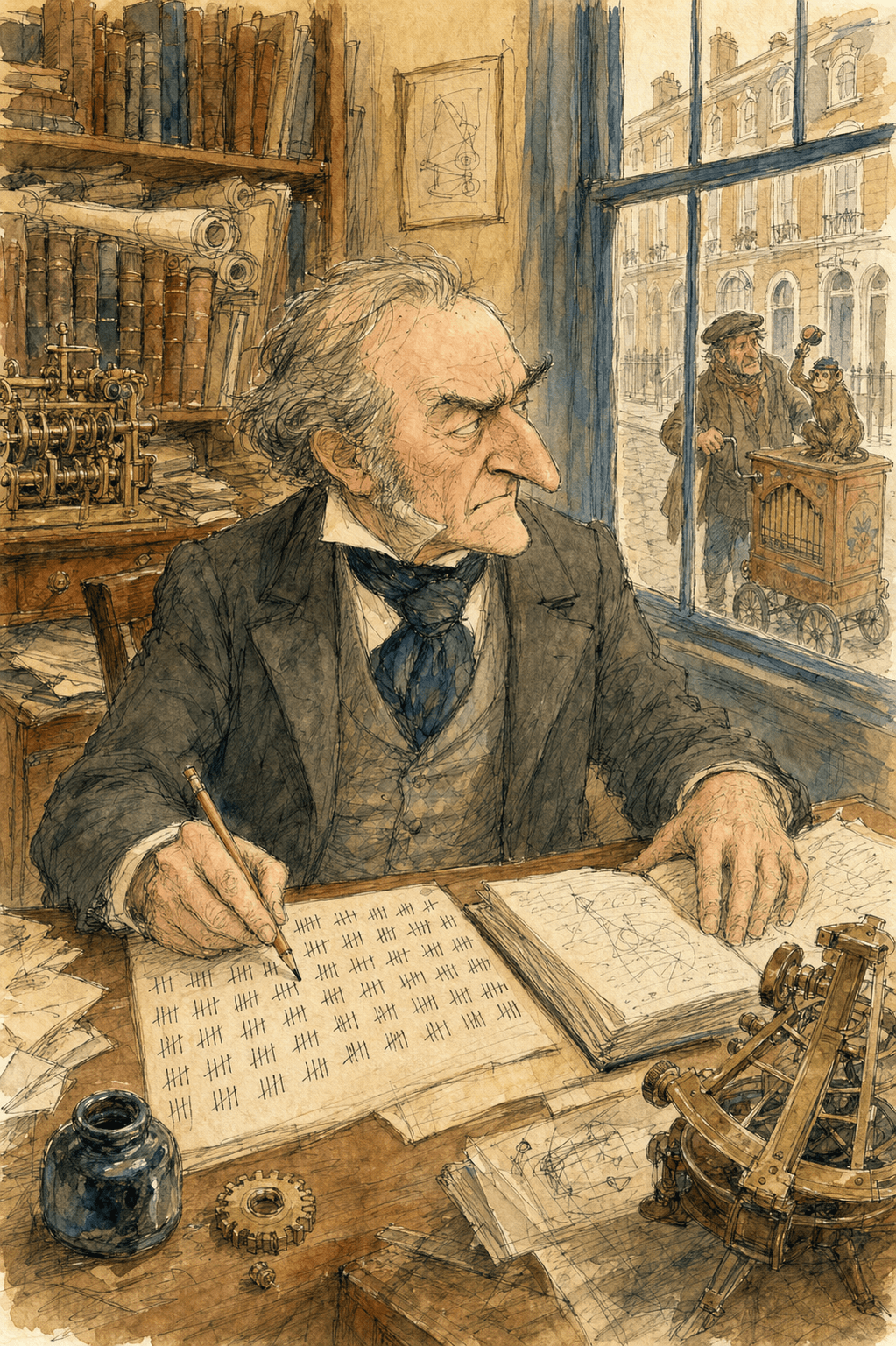
The Man Who Counted the Hurdy-Gurdies
The man who designed the first computer spent a quarter of his working life fighting street musicians. Guess which project he finished.
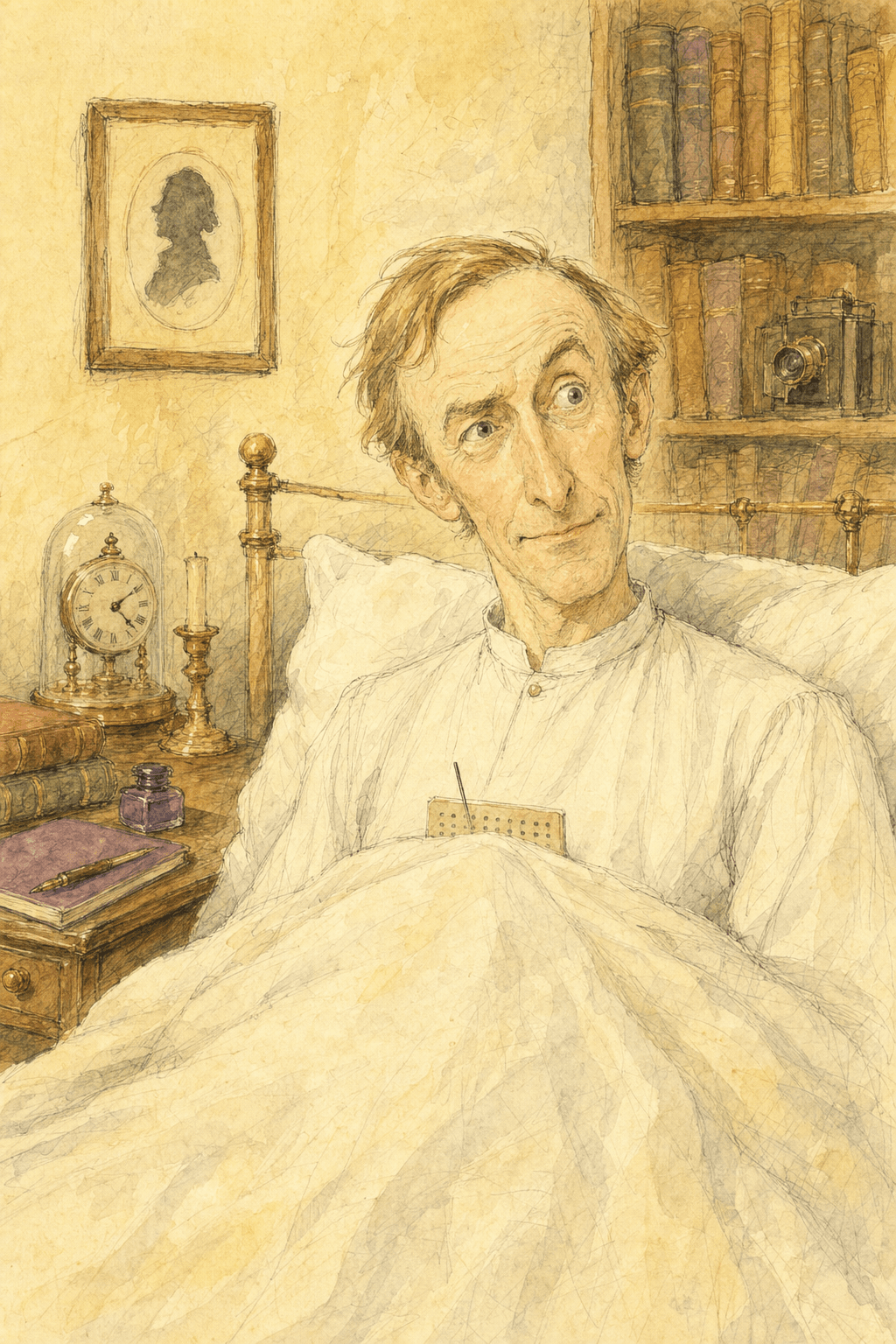
The Man Who Refused to Lose a Thought
What does a Victorian mathematician invent when he refuses to lose a single thought to the dark?
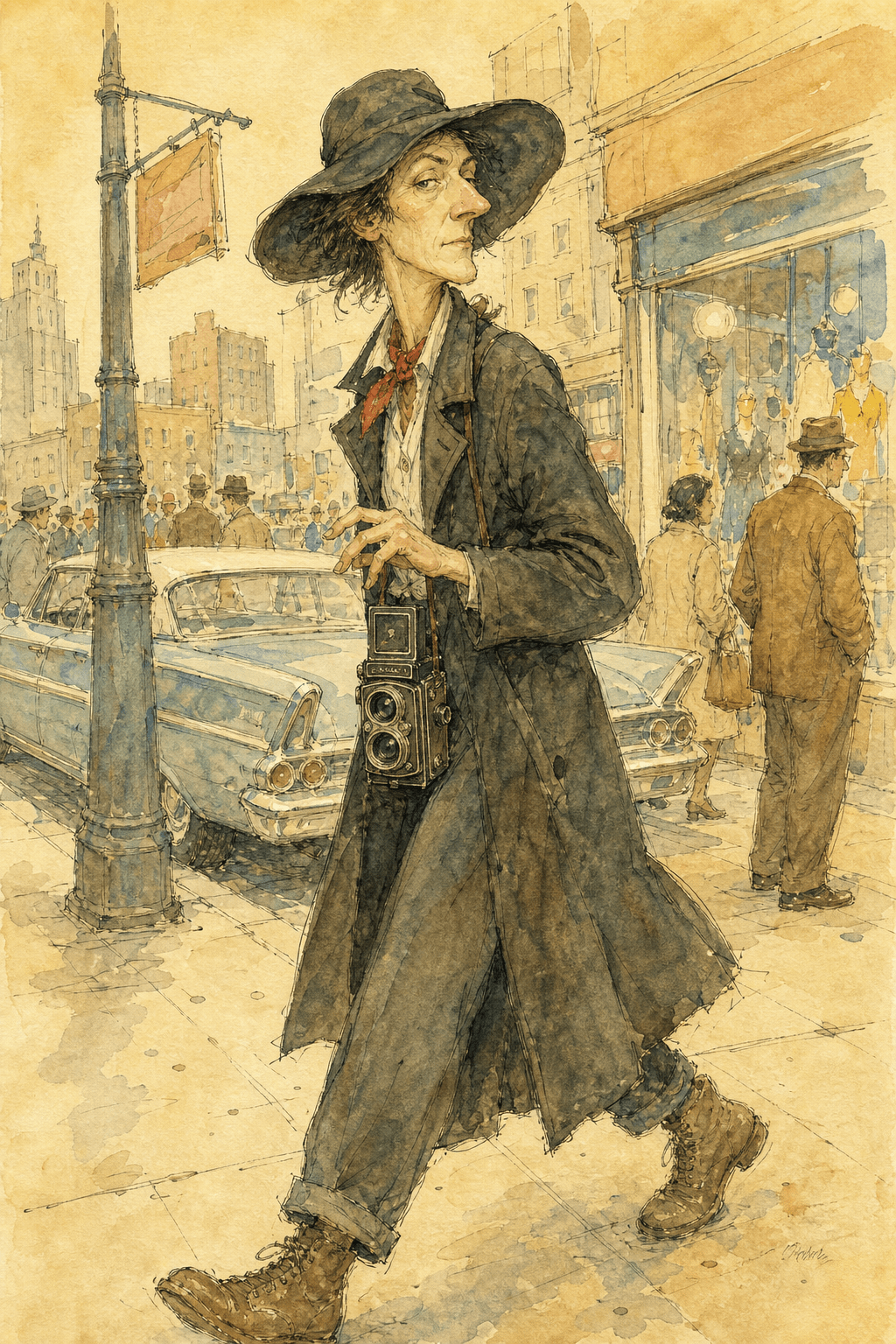
The Nanny Who Never Looked
What if one of the twentieth century's great photographers spent her whole life making pictures she never bothered to look at?