Oddlet: Henry Wellcome · 1 min read
May 8, 2026
The Man Who Collected the World by the Ton
What happens when a man's collection outgrows every method of counting except weight?
Sir Henry Wellcome built one of the largest pharmaceutical empires of the Victorian age. He coined the word "Tabloid." He supplied medicine chests to royalty and polar explorers. He funded research that would eventually produce Nobel laureates. By the time of his death in 1936, his company was on its way to becoming GlaxoSmithKline.
He also collected things.
He collected Napoleon's toothbrush. He collected Darwin's walking stick. He collected shrunken heads, 17,500 amulets, fragments of the Egyptian Book of the Dead, and a preserved piece of William Burke's brain. He instructed his agents to ransack pawn shops, blacksmith shops, and rag-and-bone dealers across four continents. "Priests can do much for you," he advised. In some years his spending on acquisitions exceeded the British Museum's.
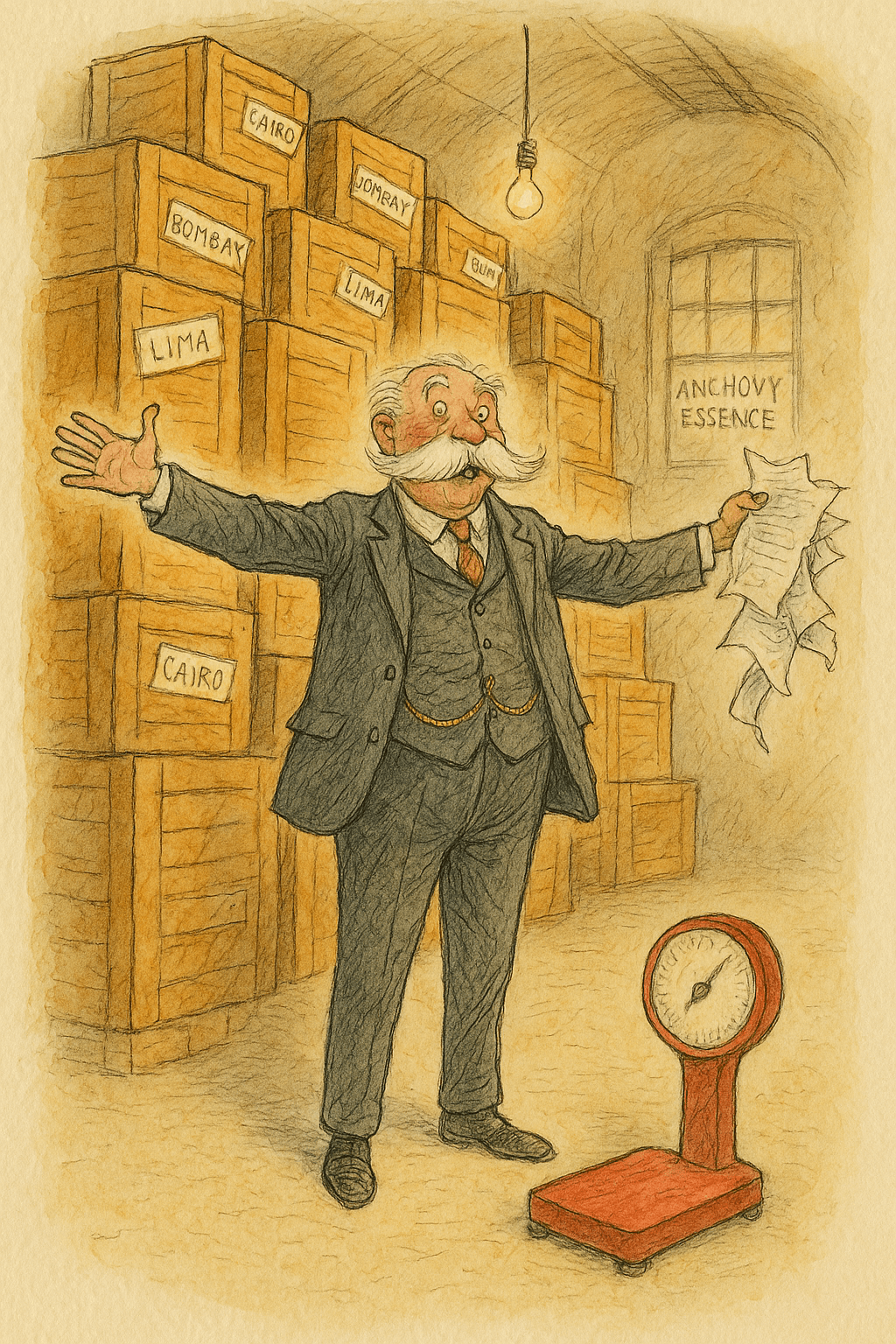
The collection eventually outgrew any method of counting individual objects. Staff took to describing its contents by the ton.
At the time of his death, the collection was estimated at five times the size of the Louvre's holdings. Virtually none of it was on display. Most of it sat in 12,000 packing cases across eight London warehouses, wrapped in old newspaper, uncatalogued. The principal storage facility in Willesden was wedged between a tannery and an anchovy essence factory. One imagines Fridays were particularly atmospheric.
The cleanup required twenty-seven auctions. Five tons of photograph albums were scrapped. Six tons of weapons were carted off. Three tons of safe doors.
Wellcome never stopped buying.
Know someone who’d love this?
- Wikipedia – Henry Wellcome — Comprehensive biographical overview: birth, education, career, marriage, divorce, collecting, death, and legacy.
- Wellcome Collection – Colonial Roots — Institutional accounting of the colonial context of Wellcome's collecting practices, dispersal of 90% of objects, and restitution efforts.
- Brian Deer – Memo on Henry Wellcome — Investigative journalist's detailed biographical memo covering early life, business practices, personal controversies, management style, archaeological work, and direct quotes from Wellcome's 1932 will memorandum.
- Exploring London – Sir Henry Wellcome — Detailed biographical account including education, travels, marriage details, collection specifics (125,000+ medical objects), and the Wigmore Street exhibition of 1913.
- English Heritage – Blue Plaque — Details of Wellcome's London residence at 6 Gloucester Gate, Regent's Park; blue plaque erected 1989; naturalization and knighthood dates.
- Wellcome Collection – A World First
Room for God
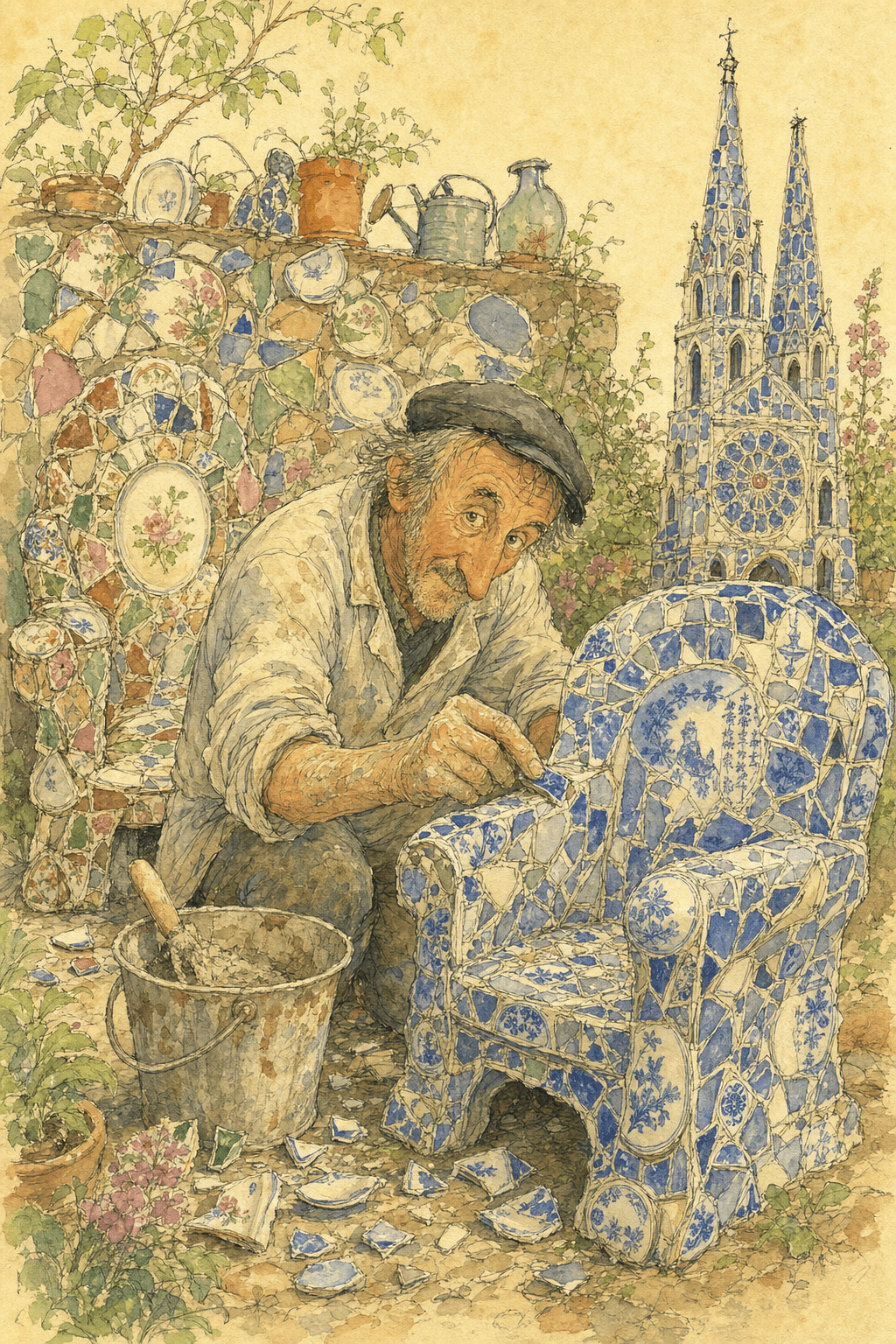
By 1962, Raymond Isidore had covered every surface of his house in fifteen tonnes of broken crockery — the beds, the flower pots, the carriage clock, the radio, his wife's sewing machine — and she sighed that she had better be careful, or he would tile her too.
Hilda Schmidt
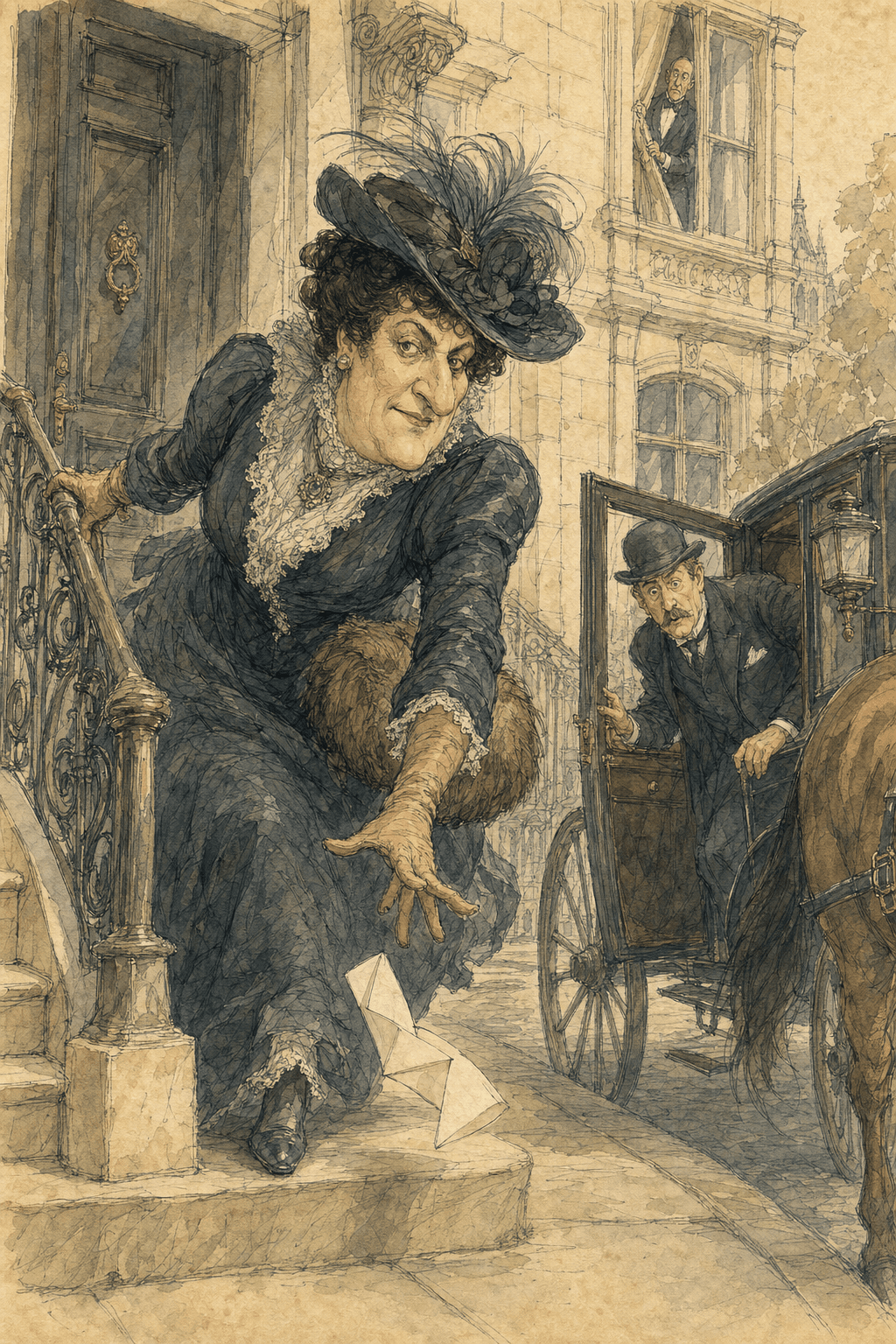
In 1902 Cassie Chadwick spent twenty-eight minutes on Andrew Carnegie's doorstep asking his housekeeper about a maid who had never worked there, then tripped leaving the carriage and dropped a two-million-dollar promissory note signed in his name.
The Flower Show
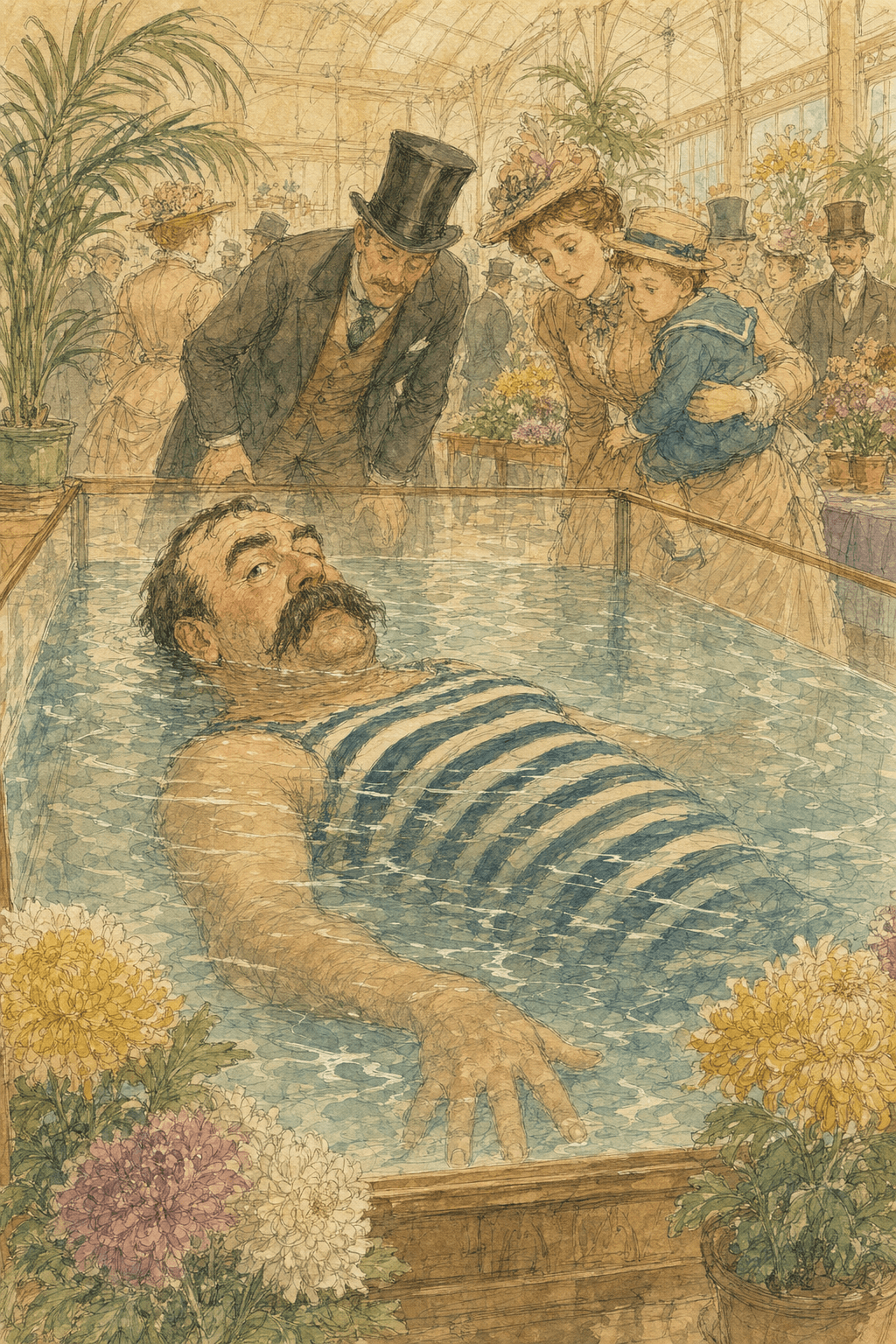
Matthew Webb, the first man to swim the English Channel, once raced a Newfoundland dog in open sea; after an hour the dog, a breed bred to pull drowning people from the water, had to be pulled from the water.
Wonder, delivered.
A fresh Oddlet in your inbox every morning, a full day before everyone else. True, strange and under a minute.
Free forever. Unsubscribe anytime.