religion
Mystics, monks, and people who bricked themselves in for God.
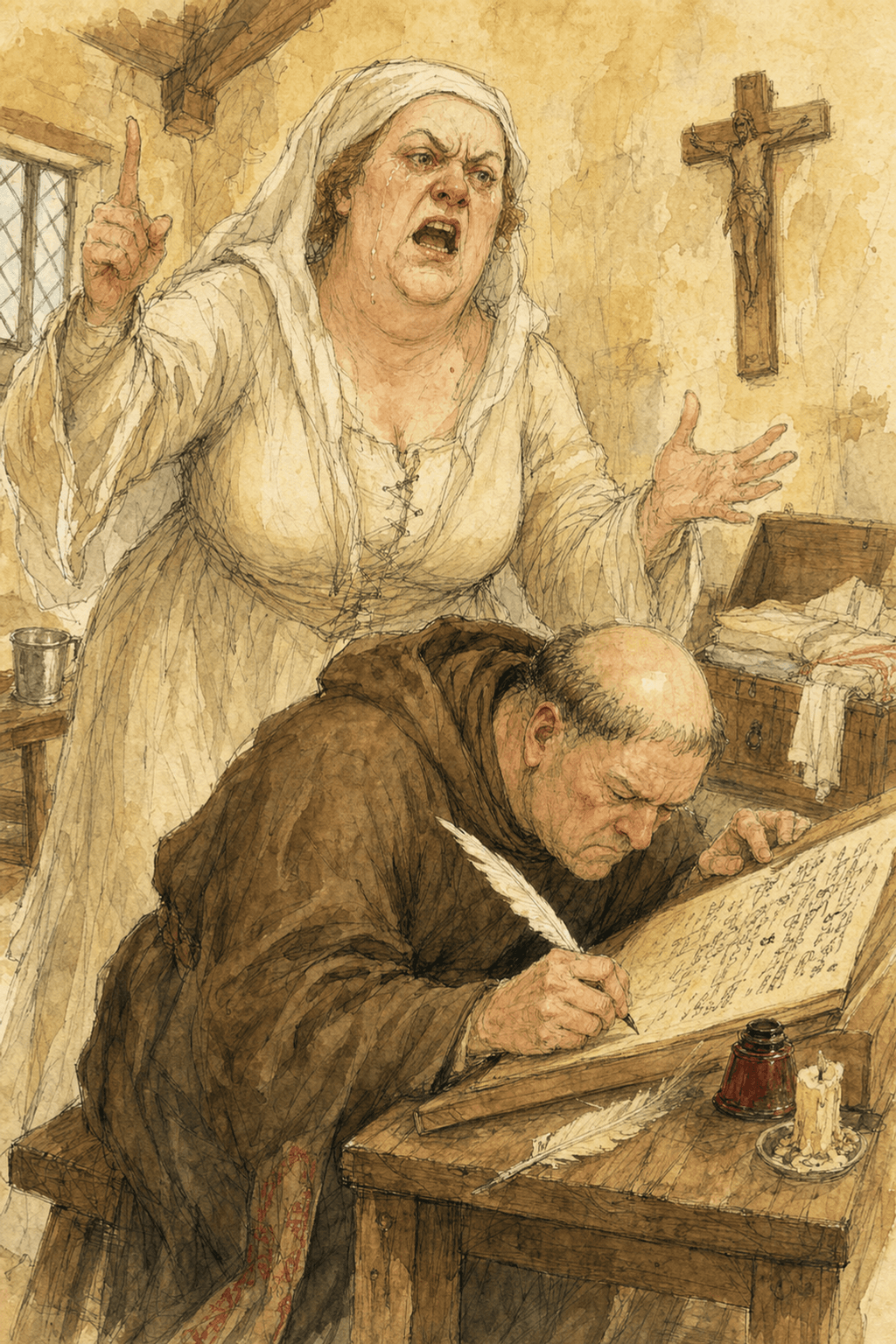
The Ping-Pong Ball
What are the odds the first autobiography in English survived because a colonel hunting a ping-pong ball was talked out of burning it?
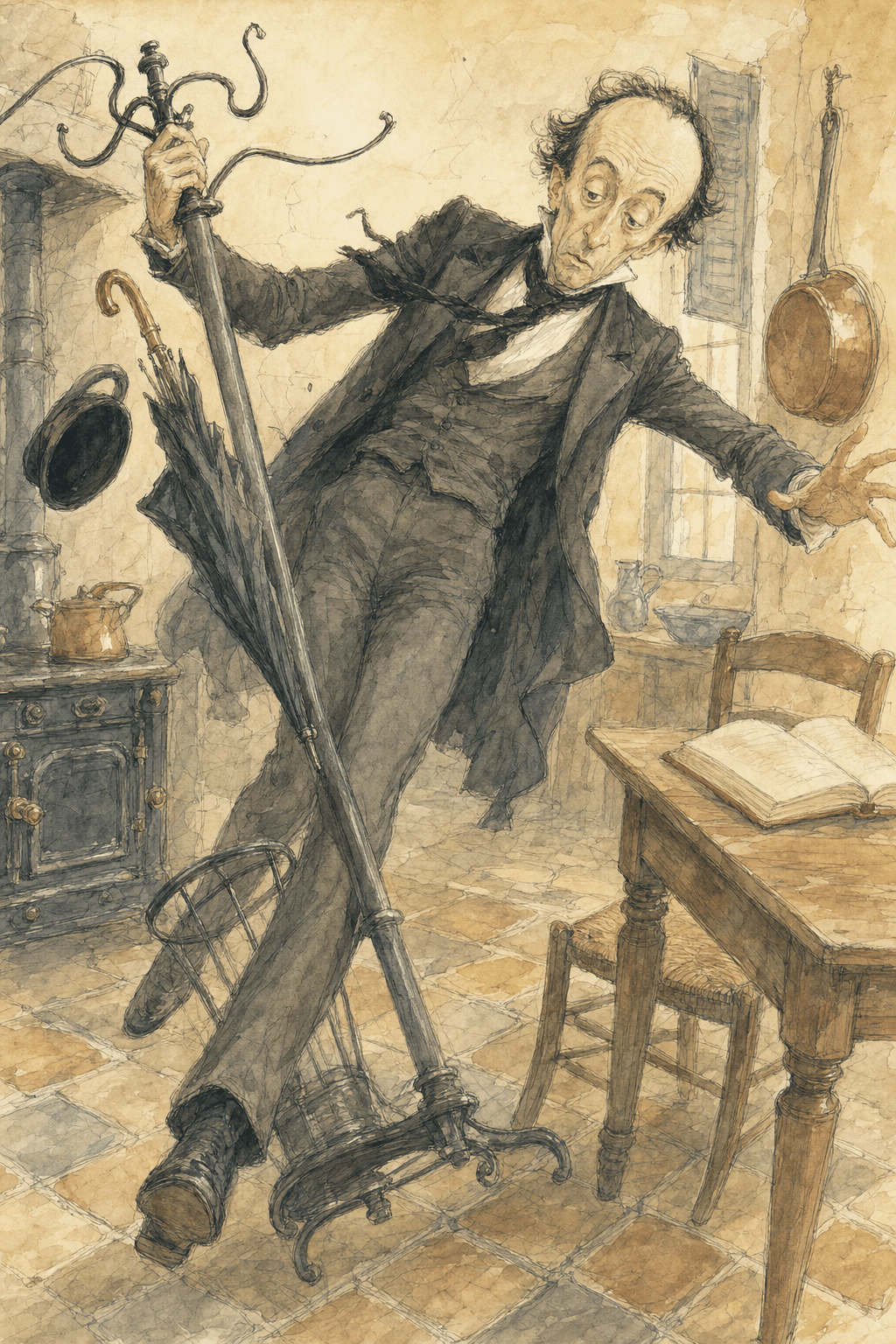
The Composer Found Under His Coat Stand
What does a man do for twenty-five years after walking offstage at the Paris Conservatoire in disgust?
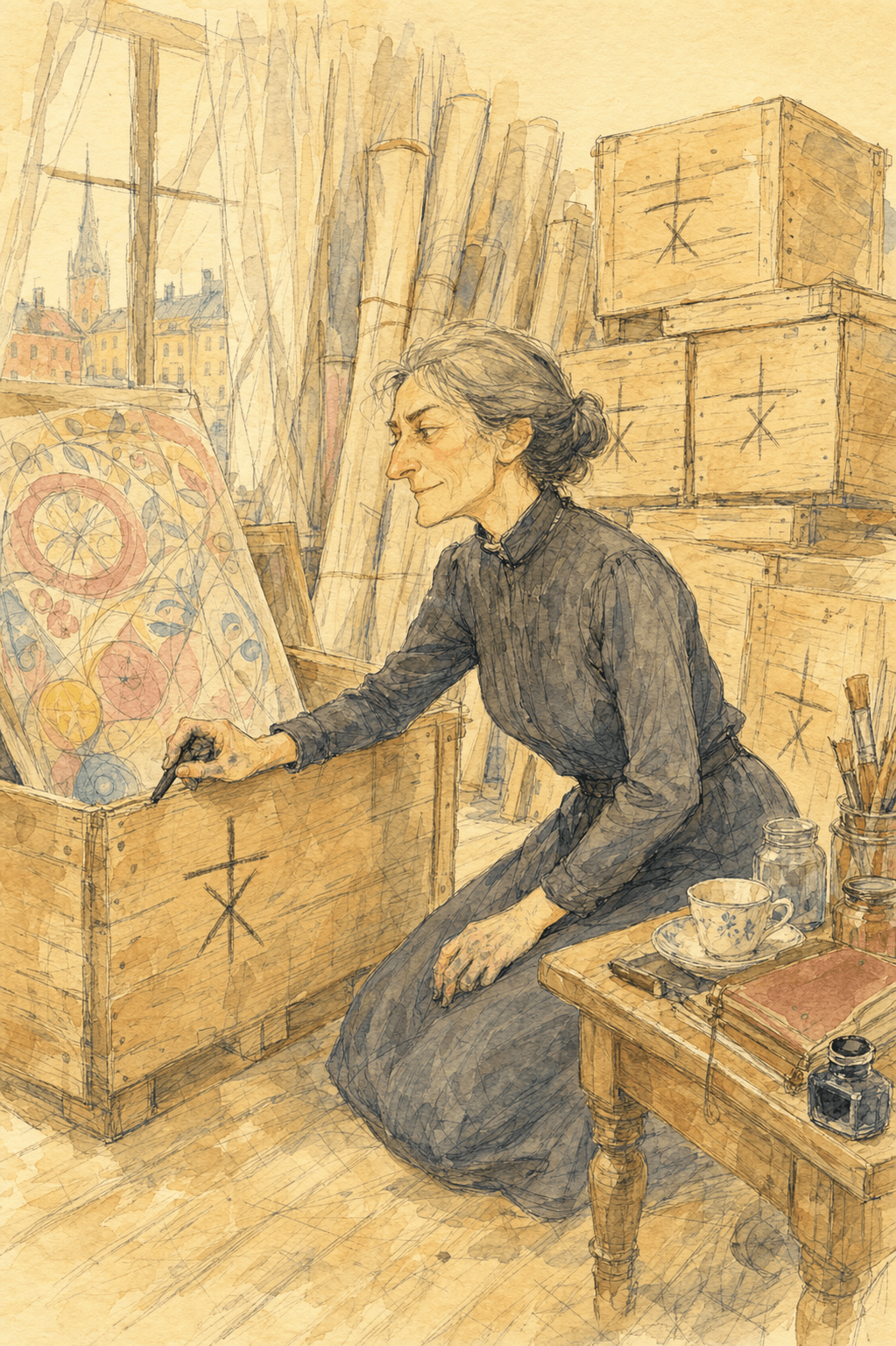
The Paintings the Spirits Told Her to Hide
What if the first abstract paintings in Western art were commissioned by a spirit named Amaliel for a temple that didn't exist?
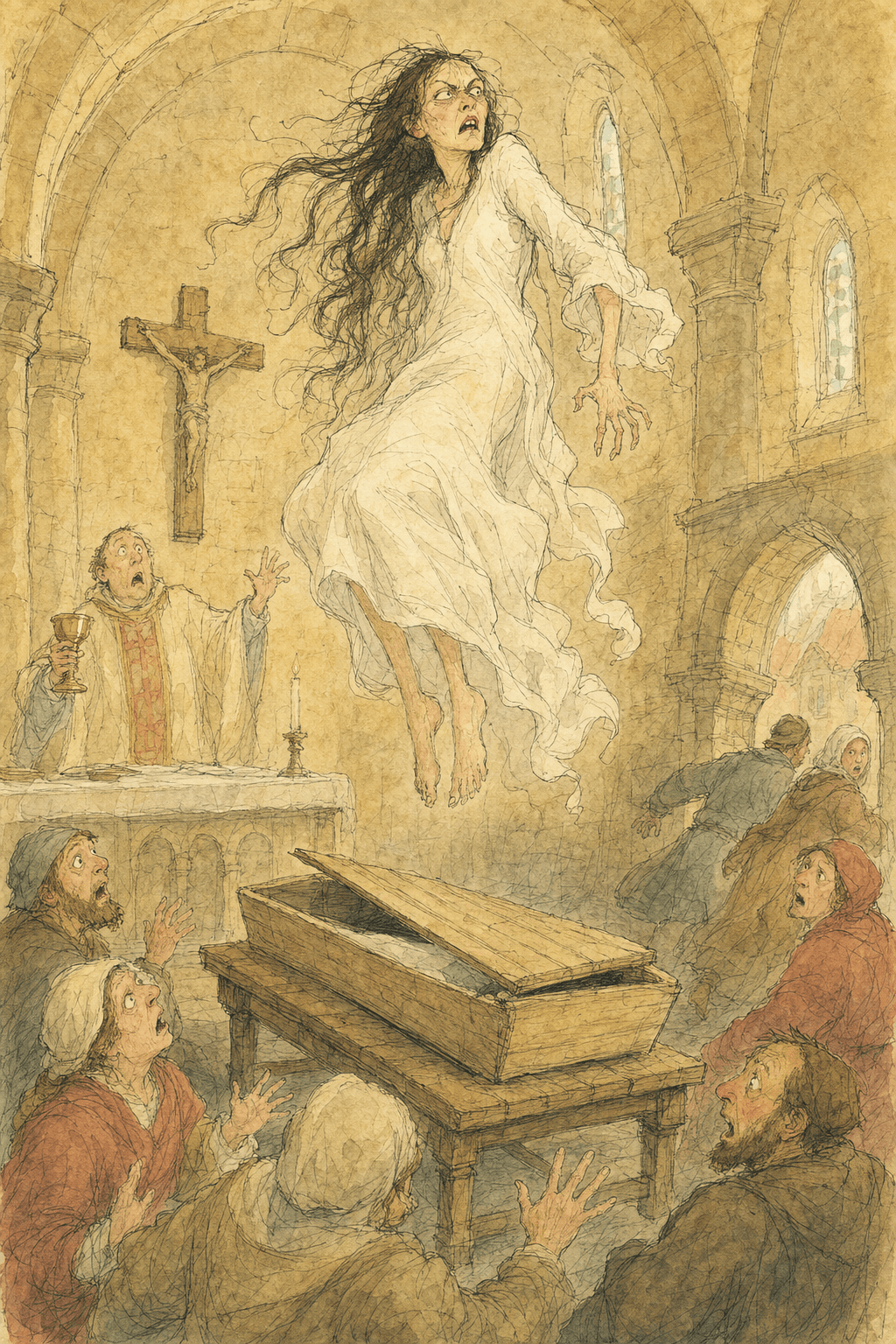
The Smell of Sin
What does it take for a 13th-century shepherdess to become the patron saint of psychiatrists eight hundred years later?
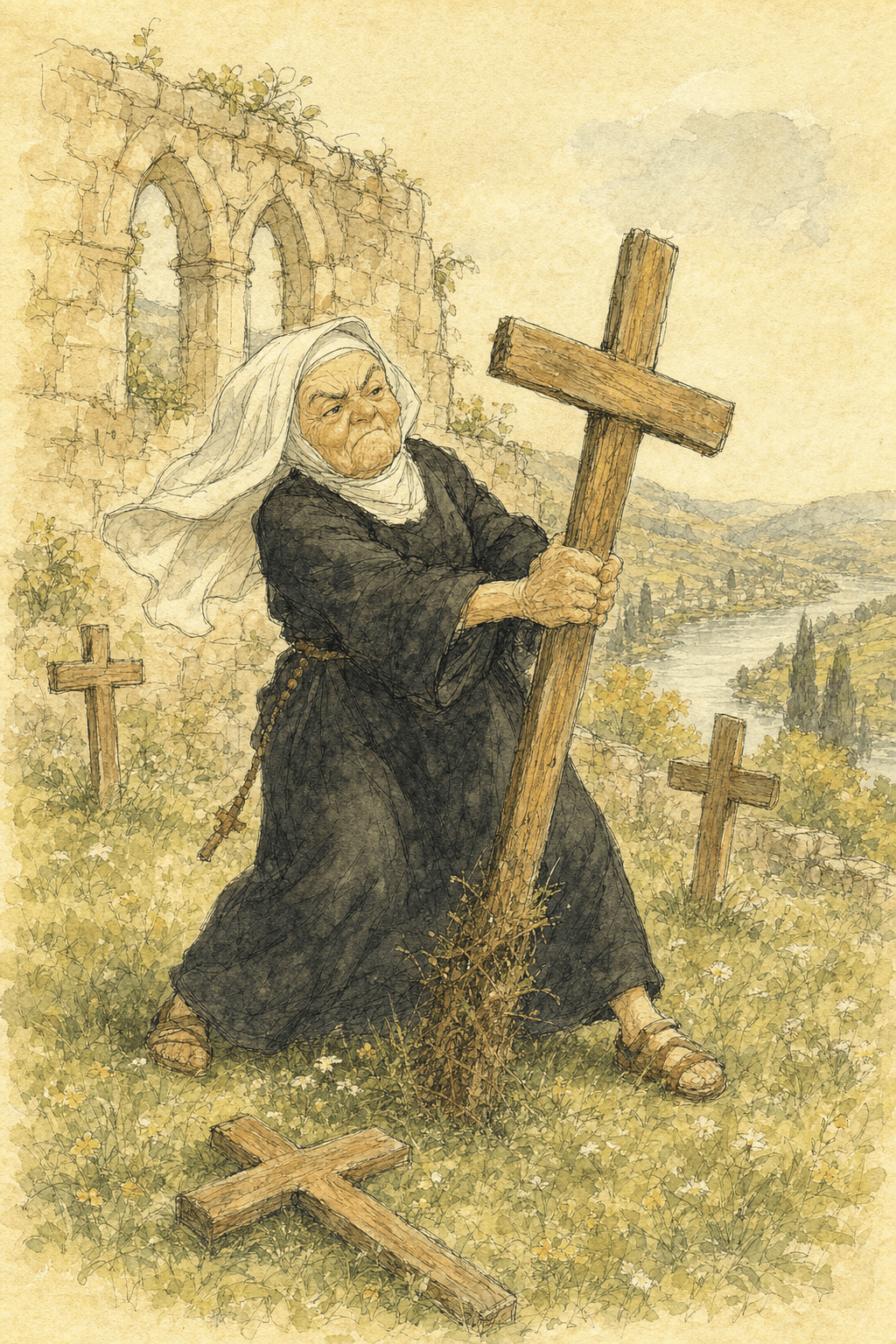
The Abbess Who Hid the Grave
What does a twelfth-century abbess do when an archbishop orders her to exhume a body she has decided to keep?
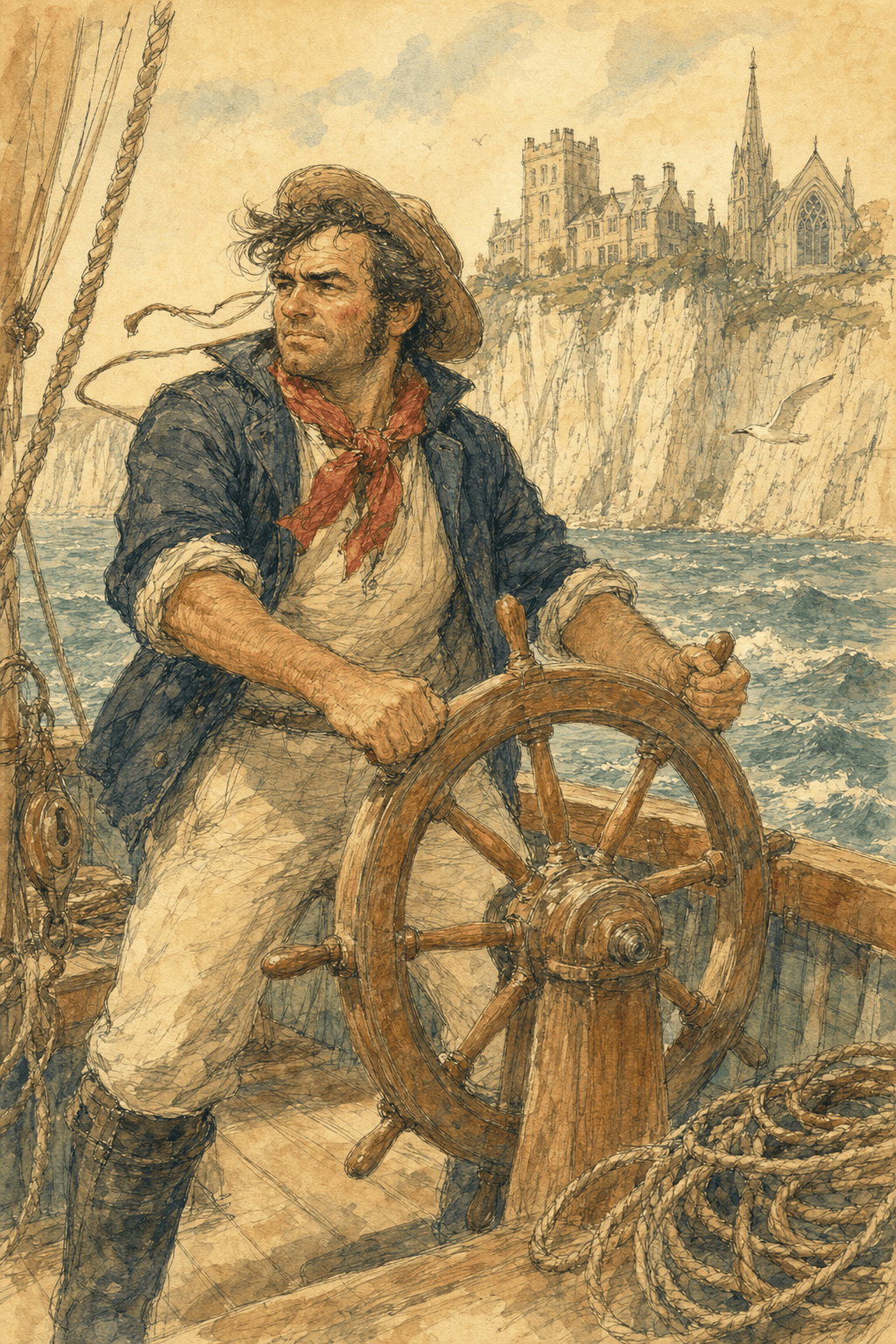
The Architect Who Wore a Sailor's Coat
Who designs the gilded ceilings of British democracy in pilot trousers and jack-boots, then sails out to pull drowning men from the Goodwin Sands?
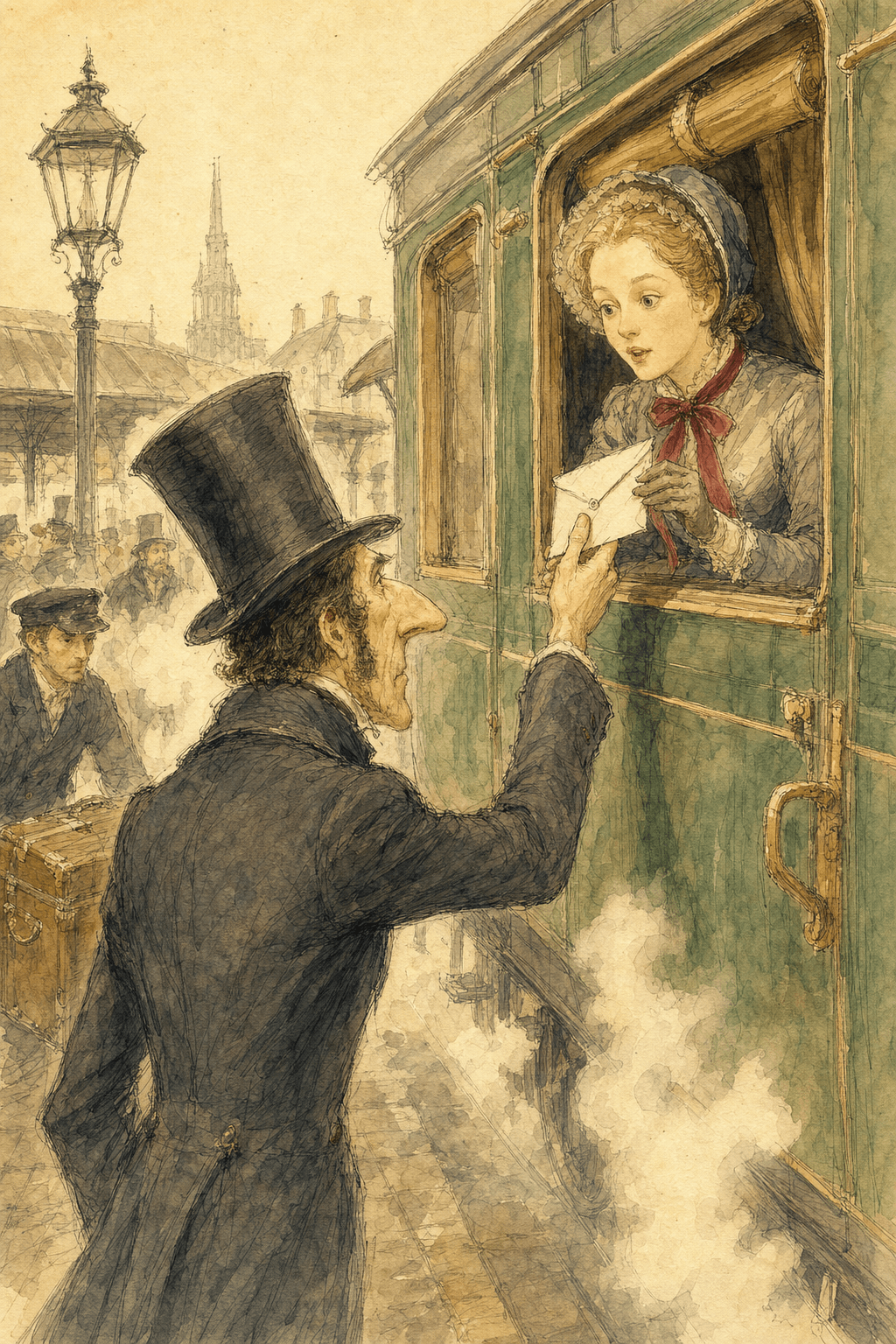
The Affectionate Sister
He was too shy to say it aloud, so he pressed the proposal into her hand as the train pulled away — what did she write back?

The Man Who Fed His Foot to Worms
What do you do when worms keep falling out of the ulcer on your foot, fifty feet above the ground, and you've been standing on a pillar for thirty-seven years?

Hugo Ball and the Lobster Bishop
What happens when a man in a cardboard lobster suit accidentally starts chanting Catholic mass?
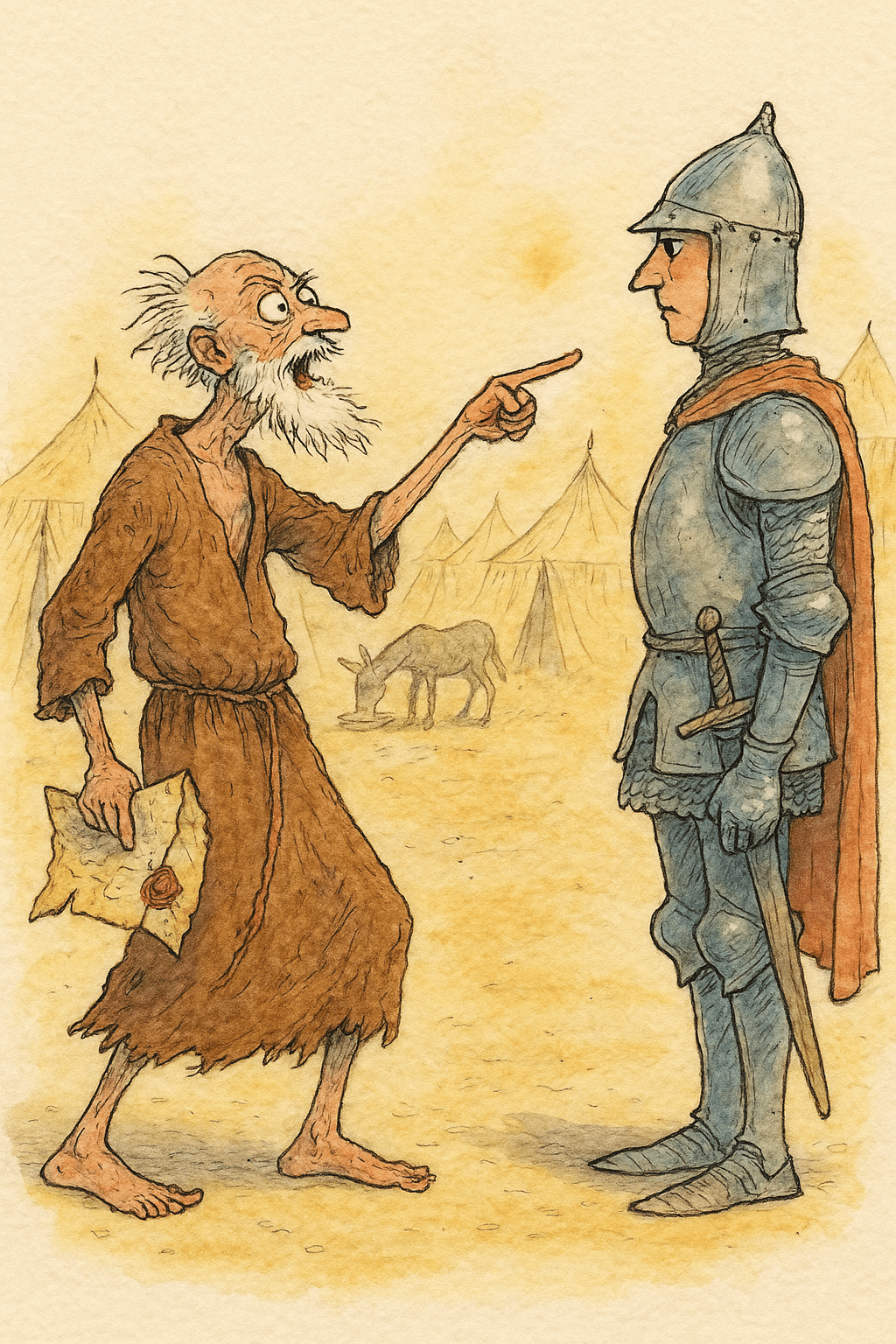
Peter the Hermit and the Donkey
What kind of person gets caught deserting during a famine, weeps, is pardoned, and then gets promoted to diplomat?

The Violinist Who Couldn't Be Buried
He spent thirty-six years after his death being moved between increasingly strange rooms across the south of France.

The Nun Who Signed in Blood
She chose a convent over marriage — not for God, but for the library.