religion
Mystics, monks, and people who bricked themselves in for God.
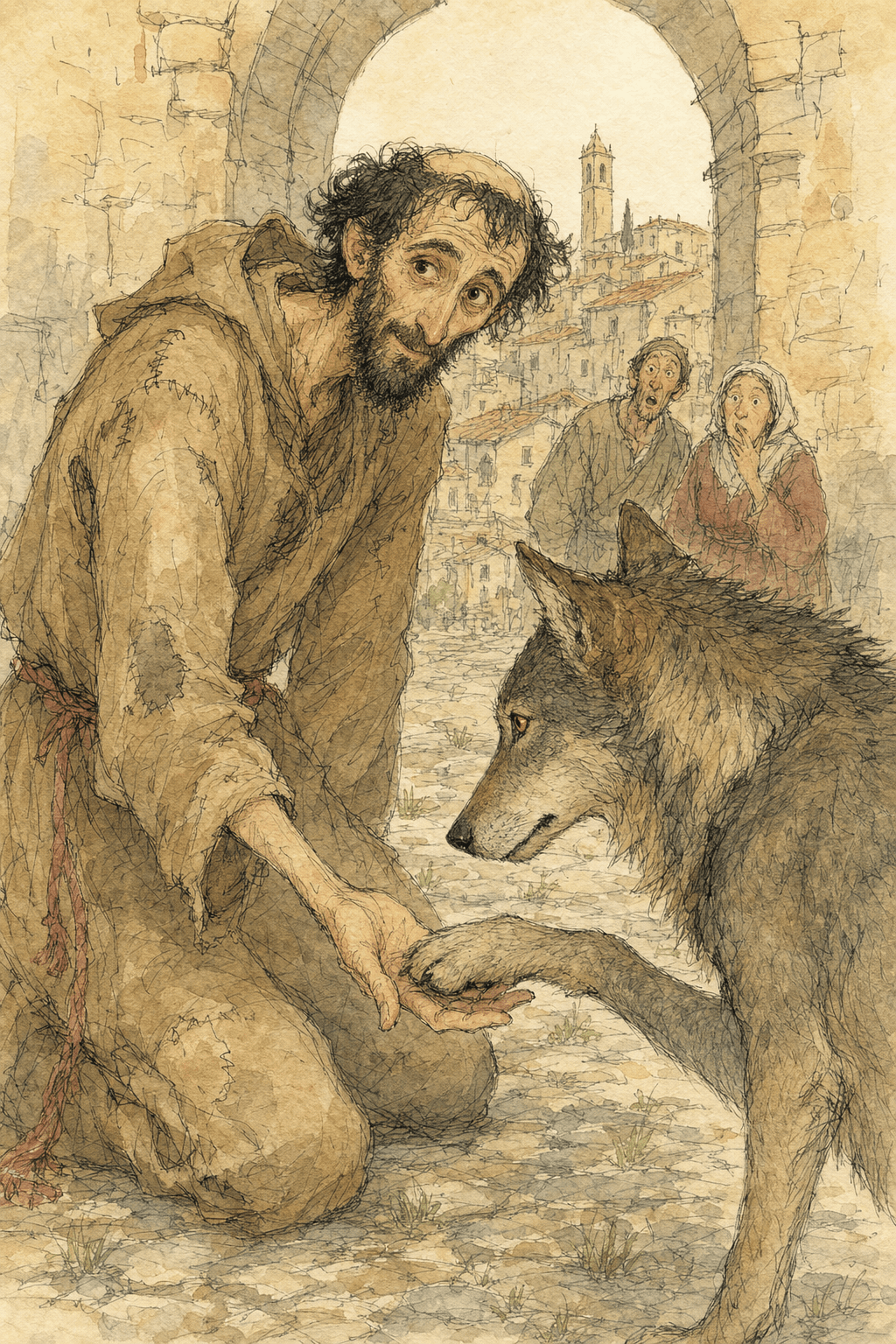
The Man Who Signed a Treaty With a Wolf
In 1220, when a wolf was eating the citizens of Gubbio, a barefoot friar walked out alone to negotiate terms.
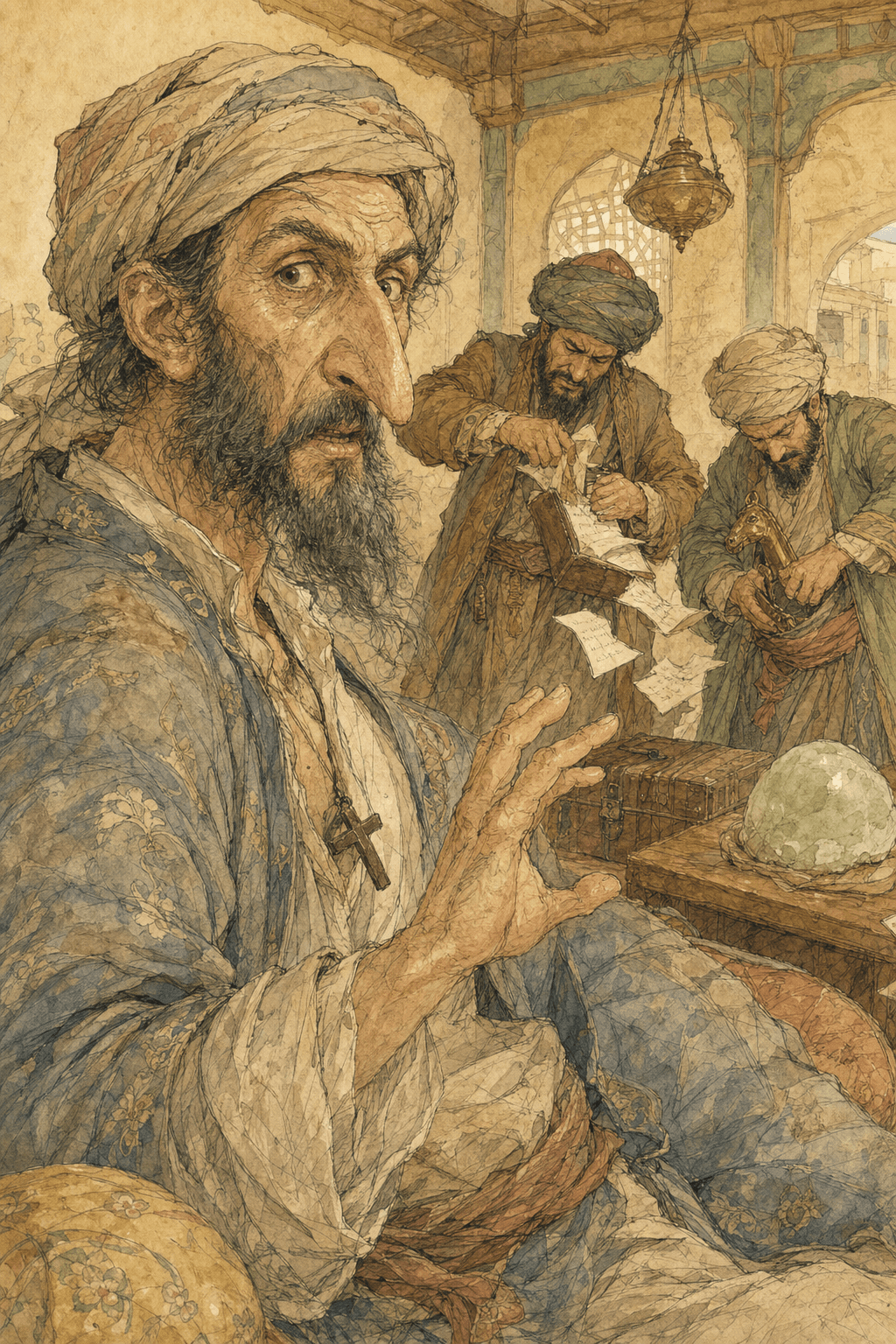
The Servant of Jesus
In 1602 the Jesuits sent a former soldier to walk from India to China in disguise to settle a geography argument — what could possibly go wrong?
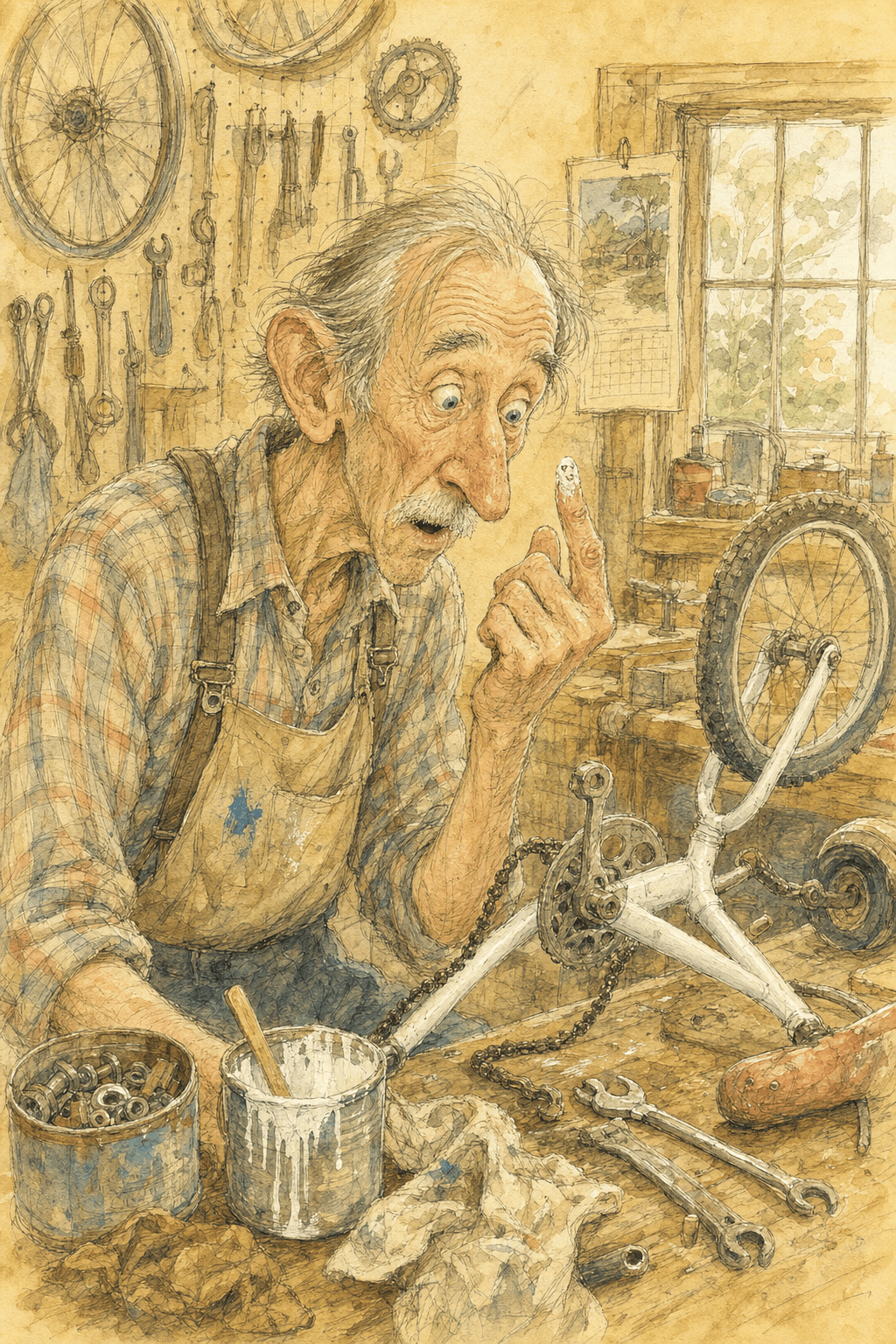
Paint Sacred Art
What does a 59-year-old Baptist preacher do when a face appears in a smudge of paint on his fingertip and tells him to start painting?
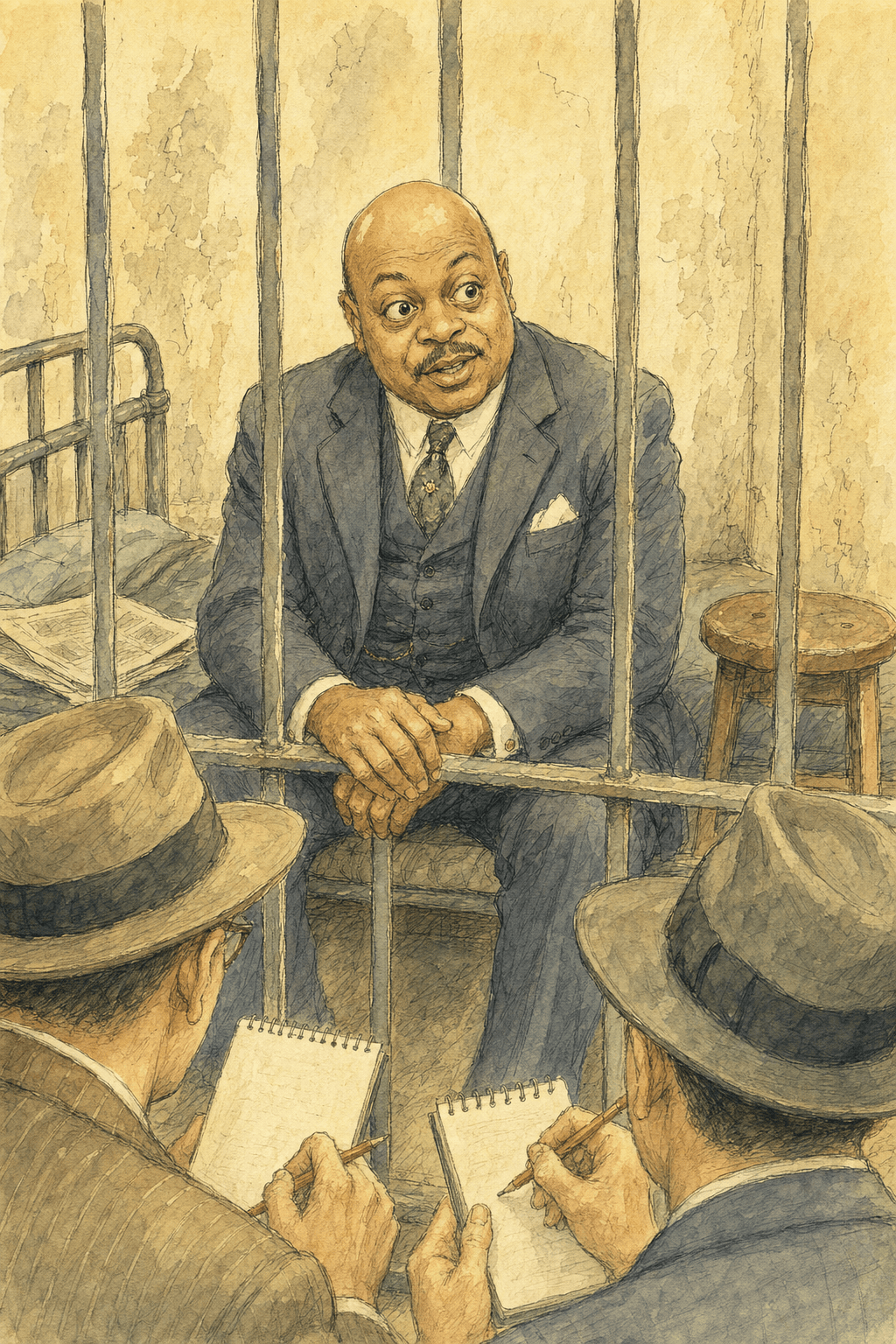
Peace
He fed three thousand people in an afternoon, banned the word "hello" because it contained "hell," and quietly let his followers know he was God.
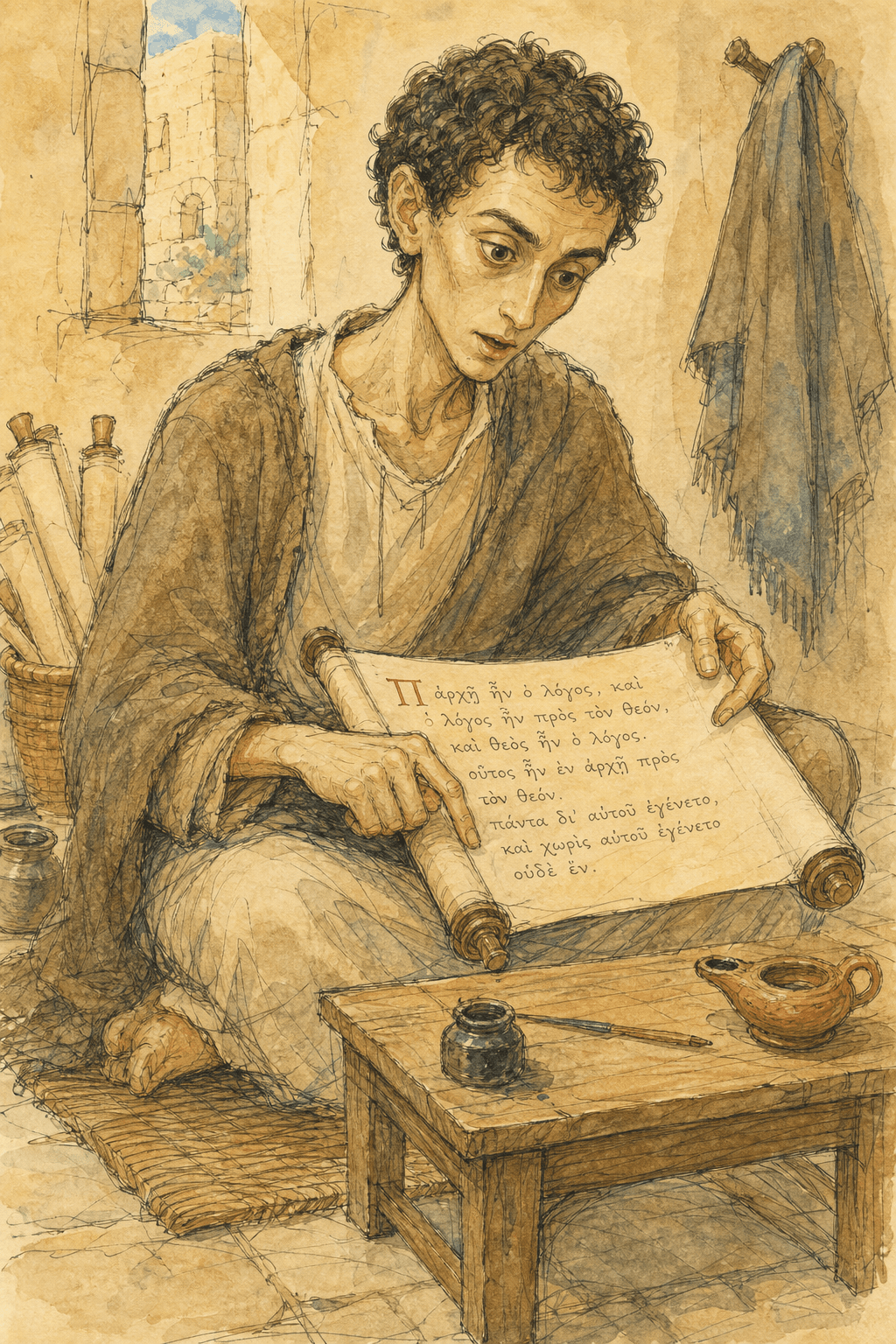
The Literalist
What does a sixteen-year-old do when his mother hides his clothes to keep him from following his father to the executioner?
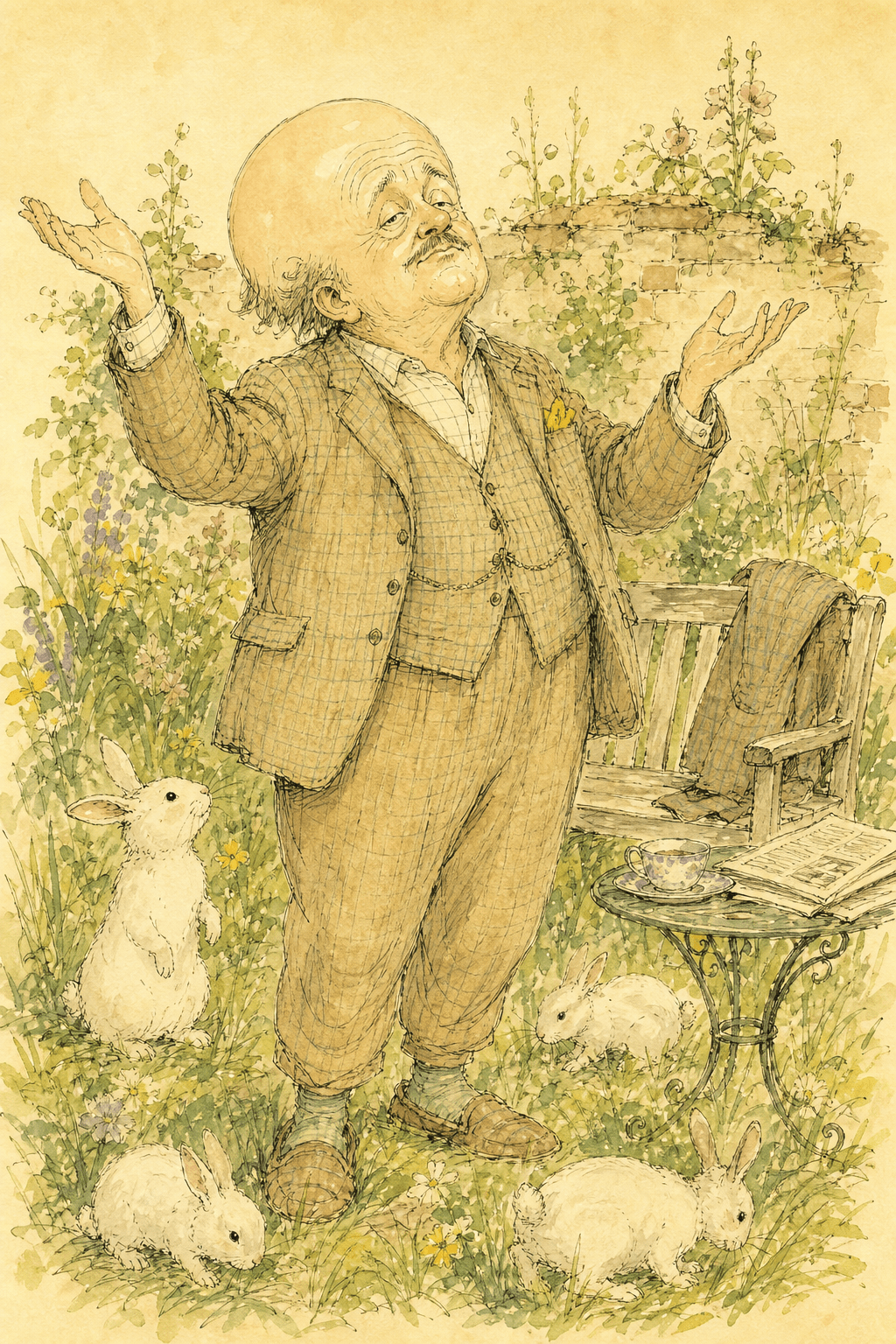
The Beast of Netherwood
What does the wickedest man in the world order for breakfast when he's a sixty-nine-year-old pensioner in a Hastings boarding house?
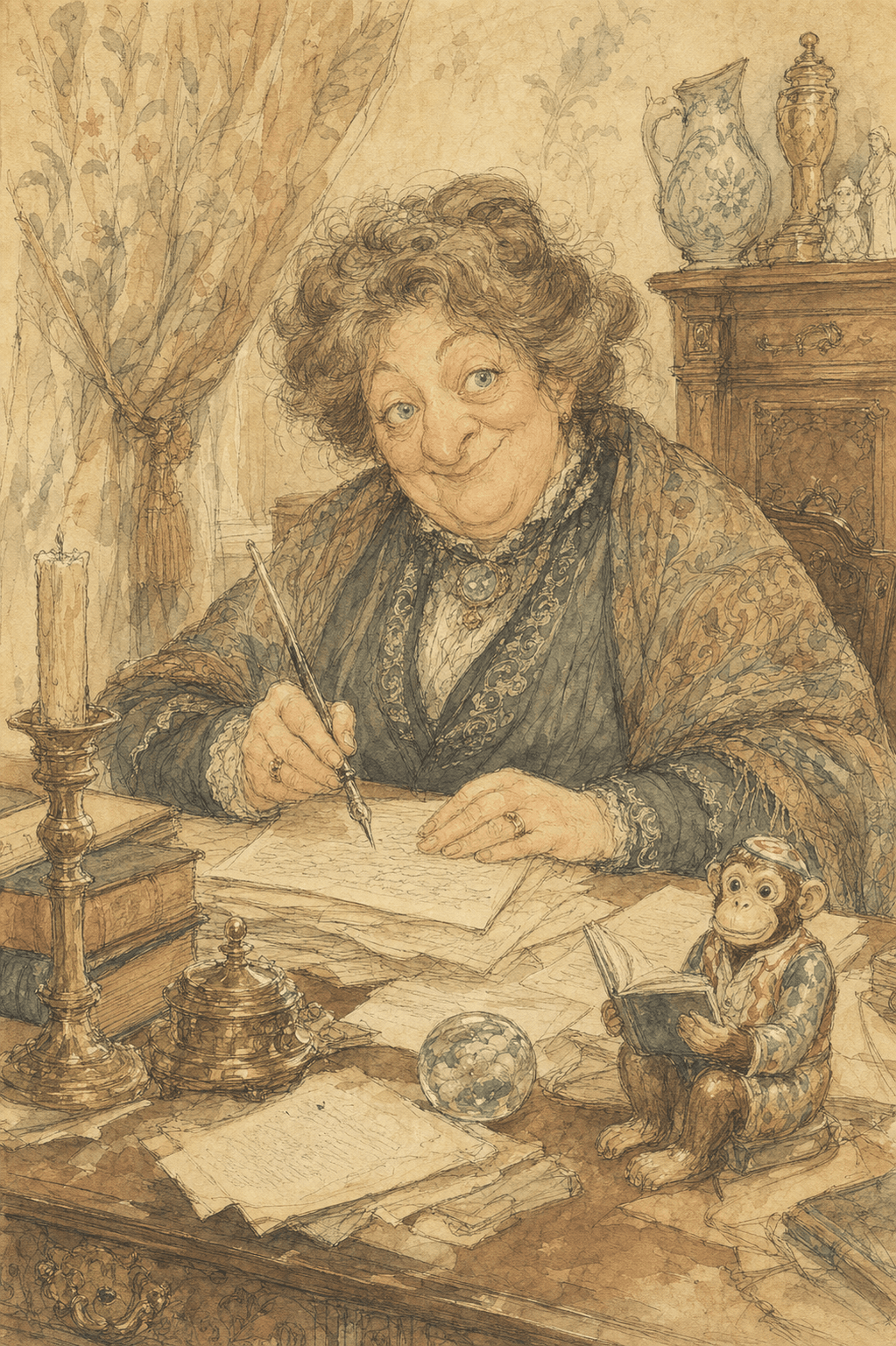
The Verdict She Kept
A woman in a Manhattan parlor convinced the nineteenth century that Tibetan Masters were mailing her letters through the ceiling, and somehow we are all still speaking her language.
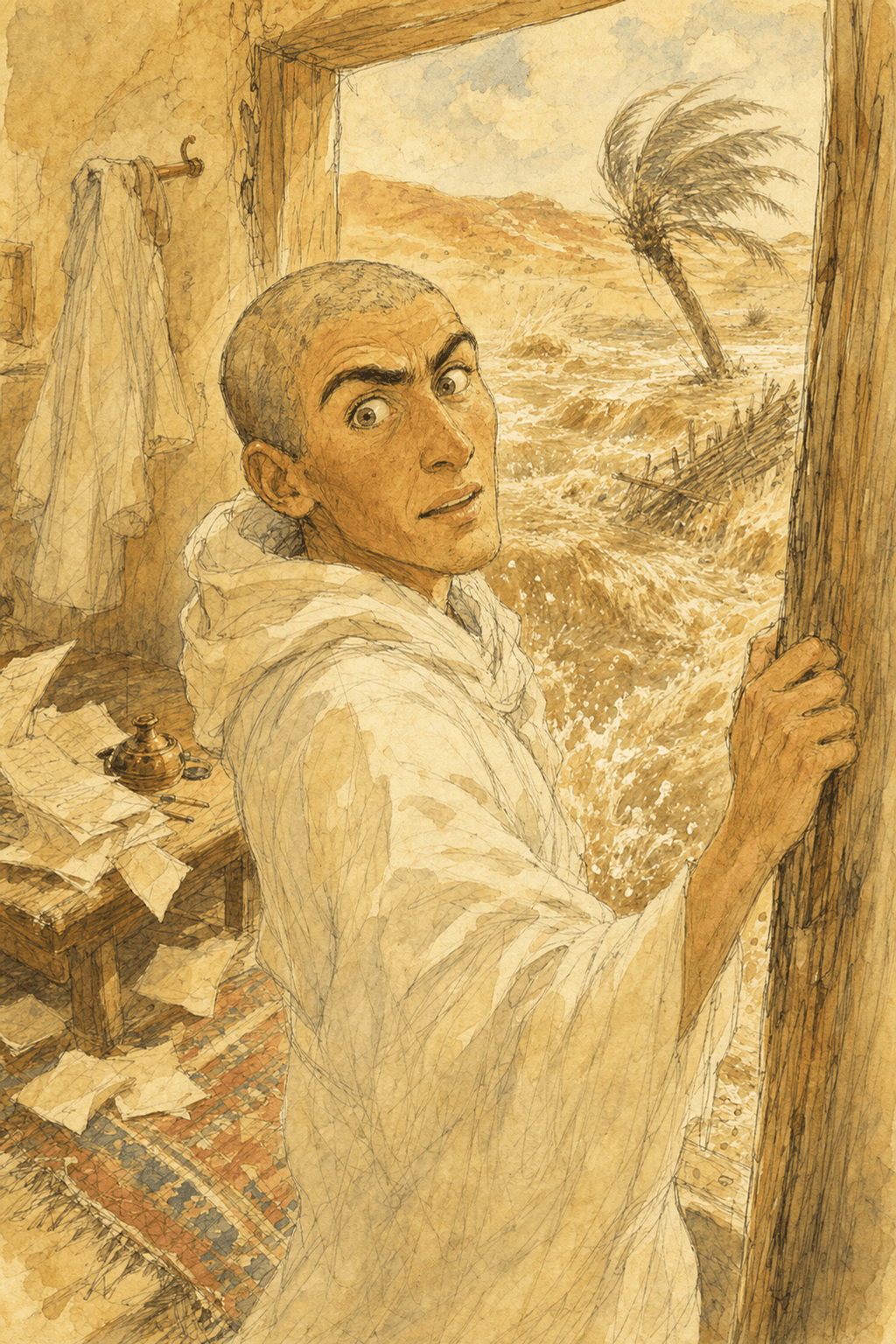
The Woman Who Drowned in the Desert
How does a woman who spent her whole life trying to vanish into the Sahara end up killed by it in the one way no one saw coming?
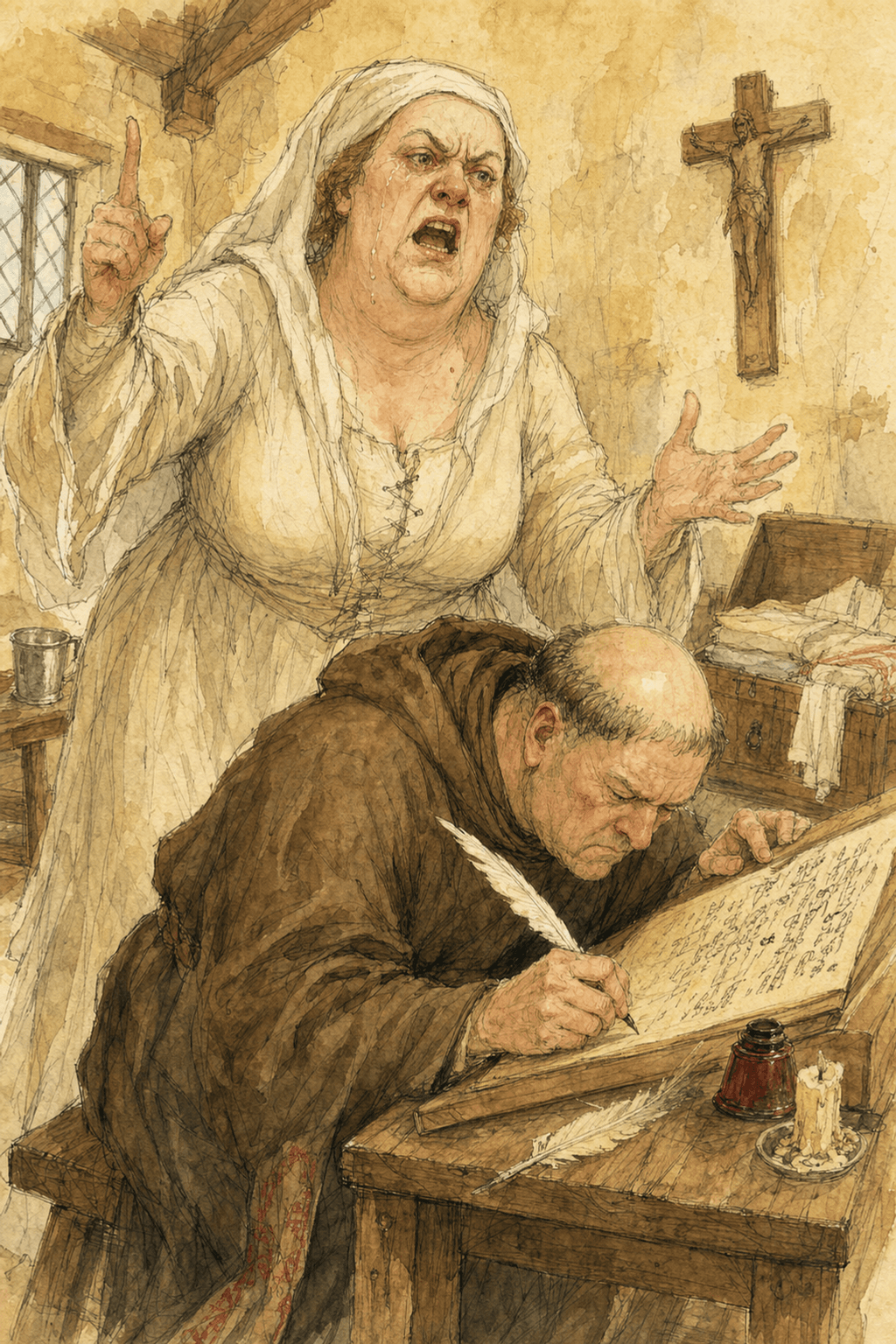
The Ping-Pong Ball
What are the odds the first autobiography in English survived because a colonel hunting a ping-pong ball was talked out of burning it?
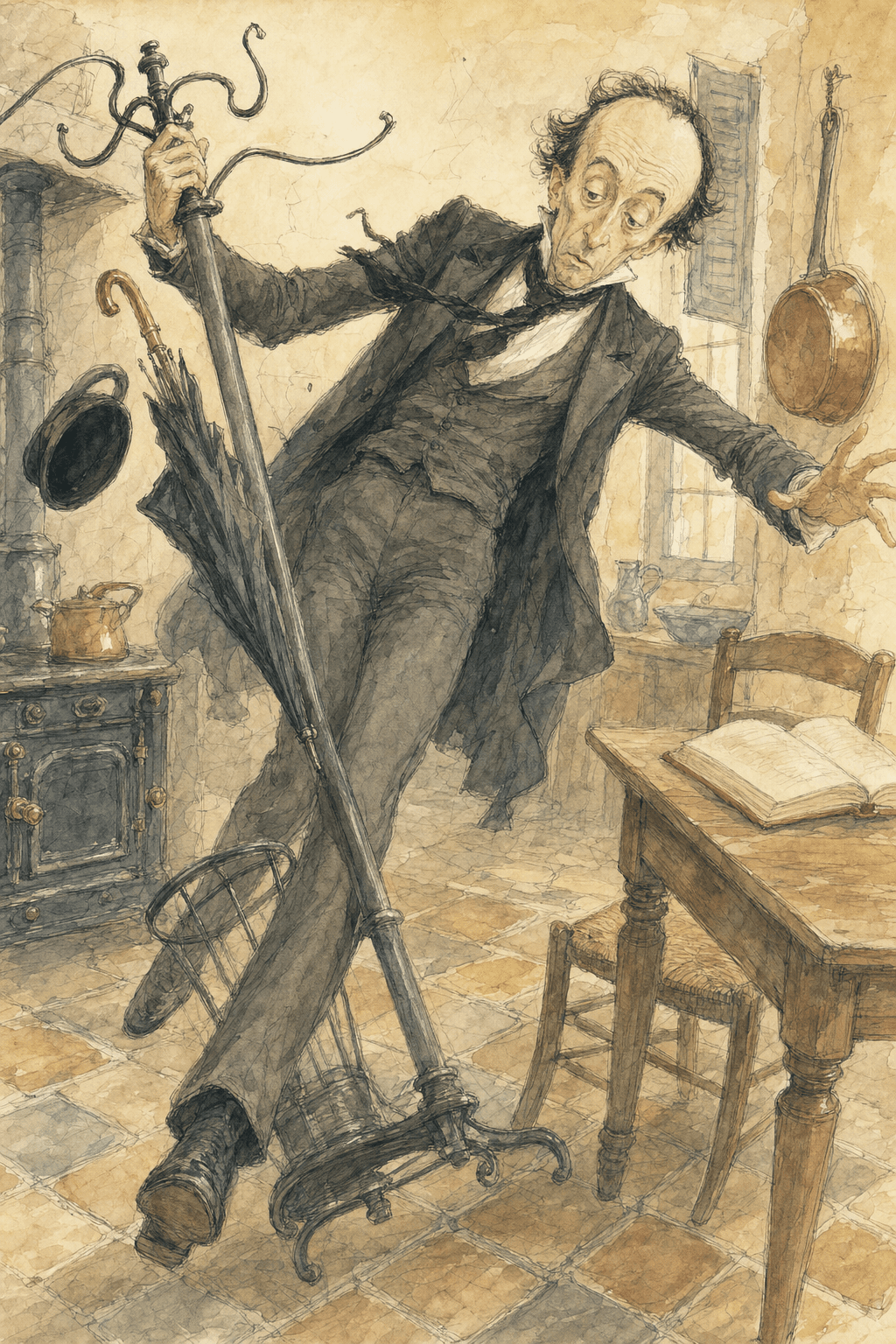
The Composer Found Under His Coat Stand
What does a man do for twenty-five years after walking offstage at the Paris Conservatoire in disgust?
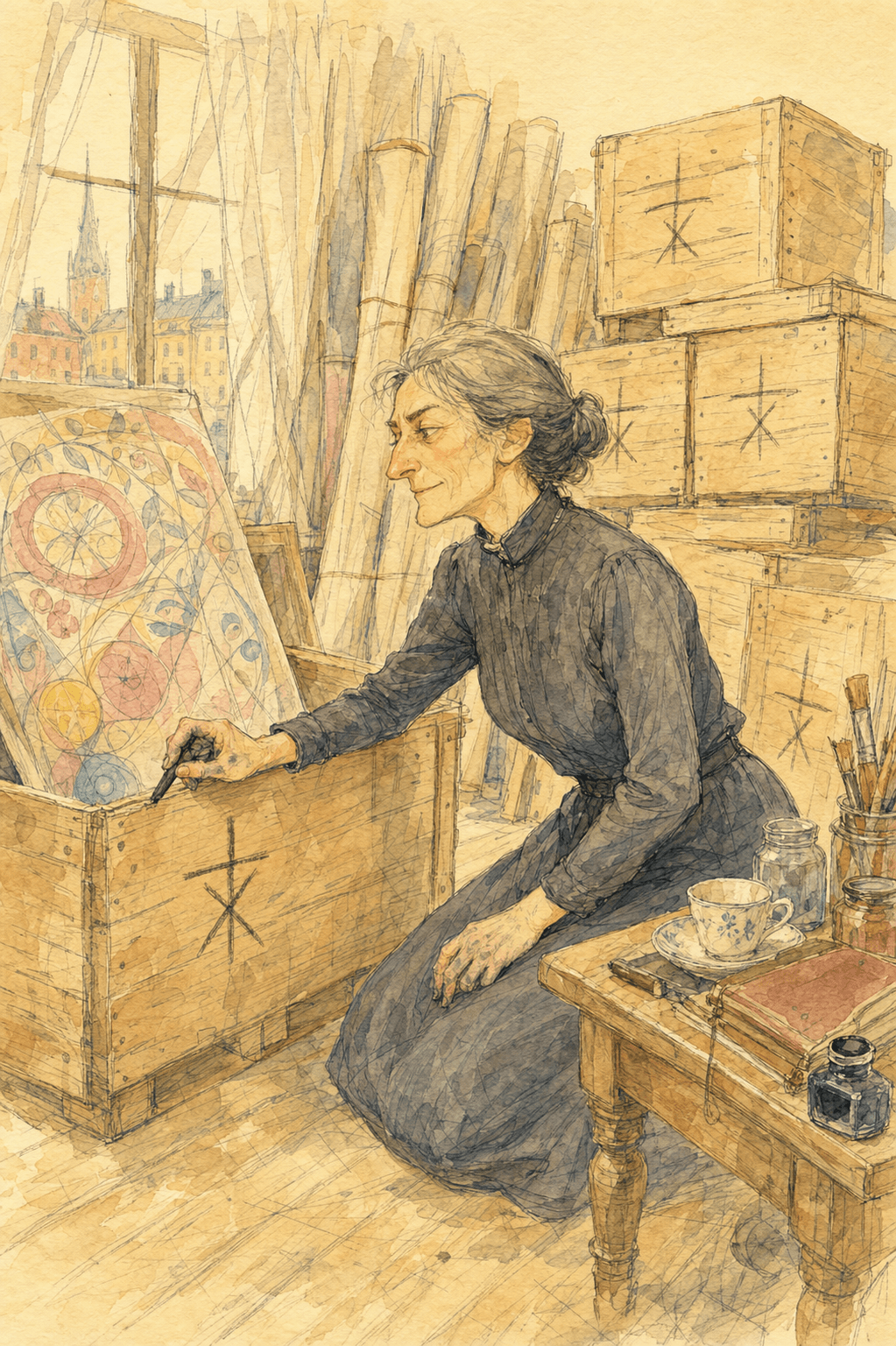
The Paintings the Spirits Told Her to Hide
What if the first abstract paintings in Western art were commissioned by a spirit named Amaliel for a temple that didn't exist?
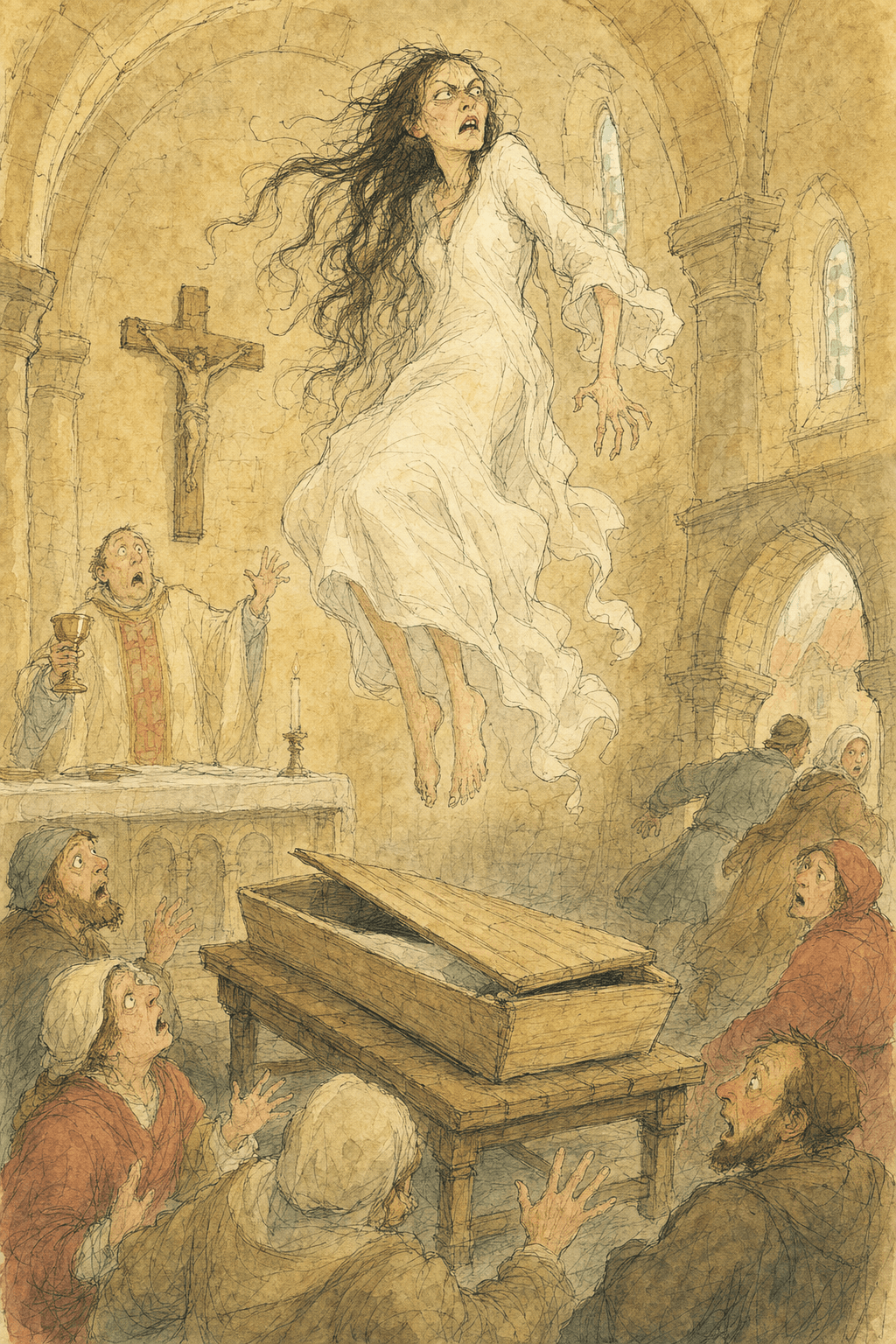
The Smell of Sin
What does it take for a 13th-century shepherdess to become the patron saint of psychiatrists eight hundred years later?