science
Discoverers who found light in urine and hydrogen in the air.
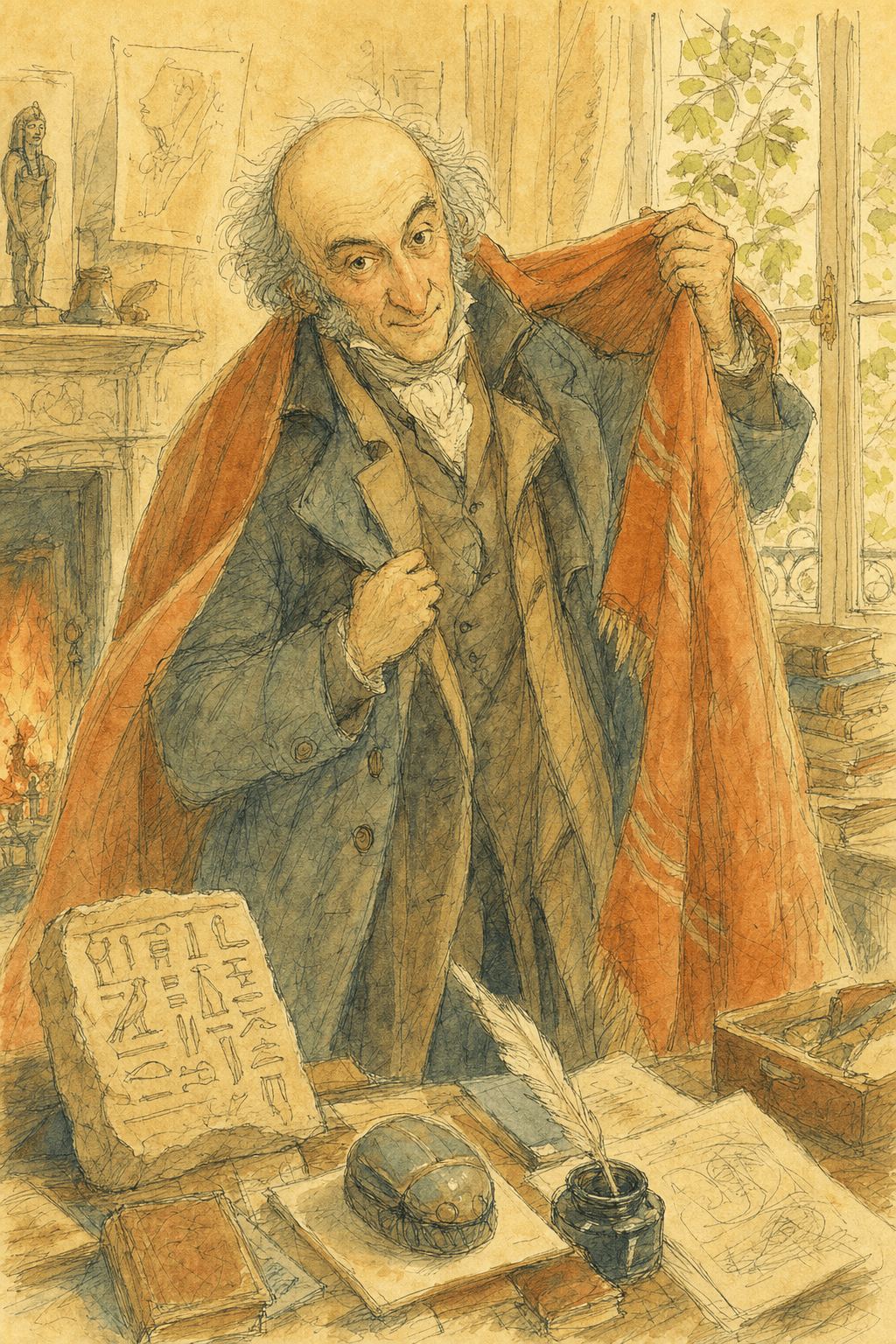
The Wrapping
The man whose equations run every JPEG, MP3, and MRI scan came back from Egypt convinced heat was the secret to staying alive — and wore several overcoats indoors, in summer, until it killed him.
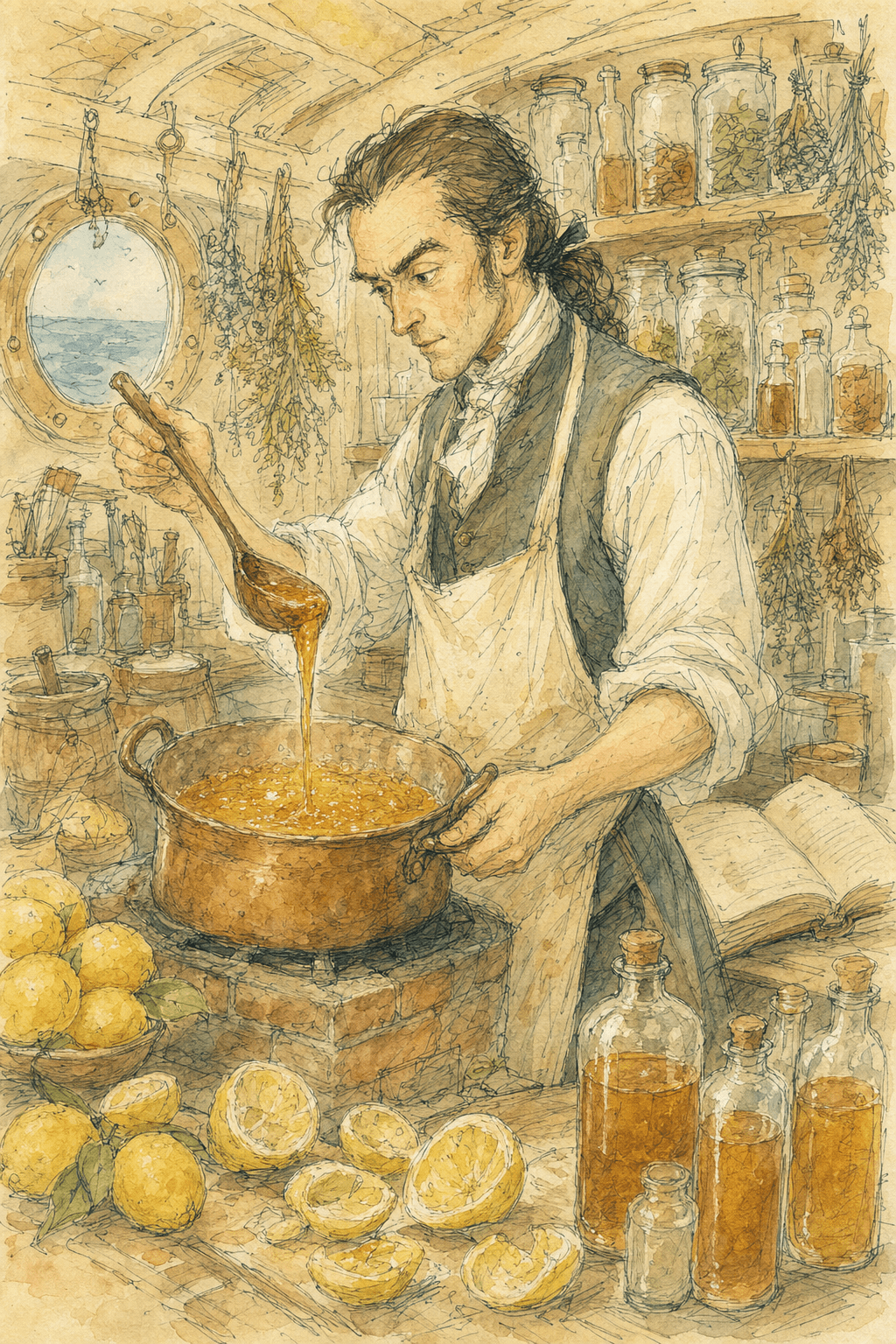
The Cure He Boiled Away
In 1747 he proved two oranges and a lemon cured scurvy. Then he spent forty years boiling the cure into a syrup that didn't work.
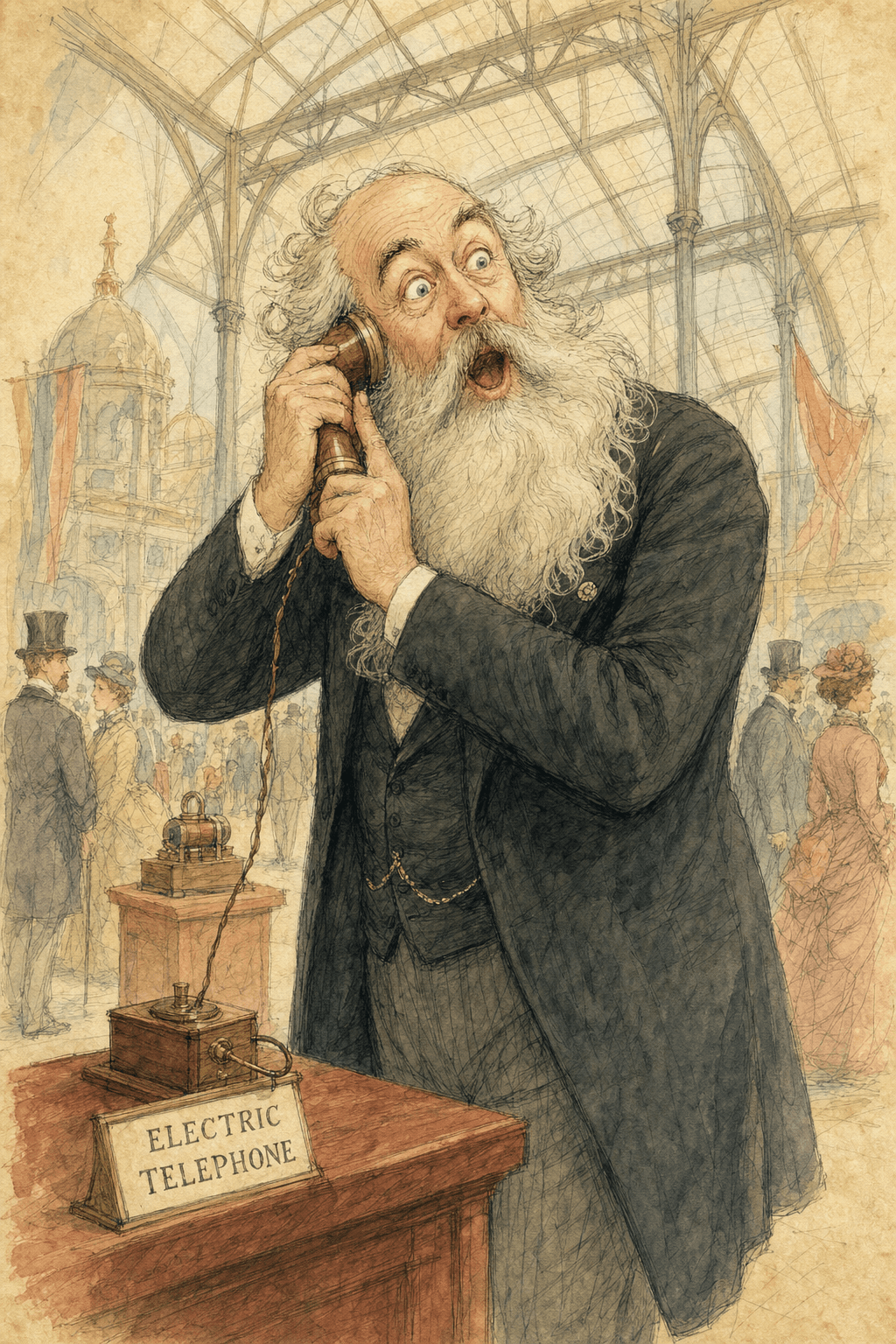
The Reluctant Emperor
What kind of emperor reads fourteen languages, pays his own train fares, and orders a hundred telephones on the spot?
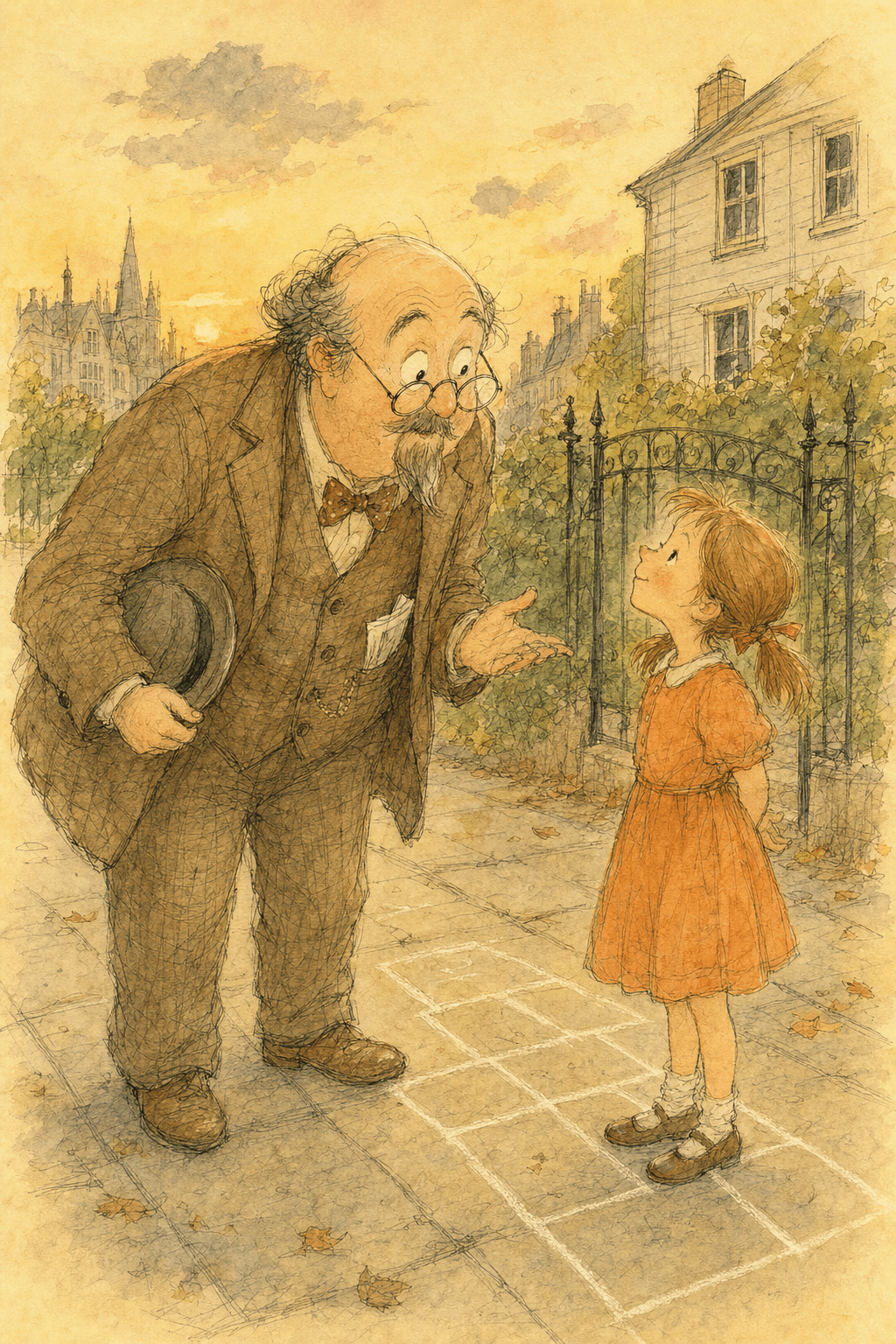
The Steersman Goes Home
What does it look like when the man who taught Wall Street to predict the future can't predict where he parked?
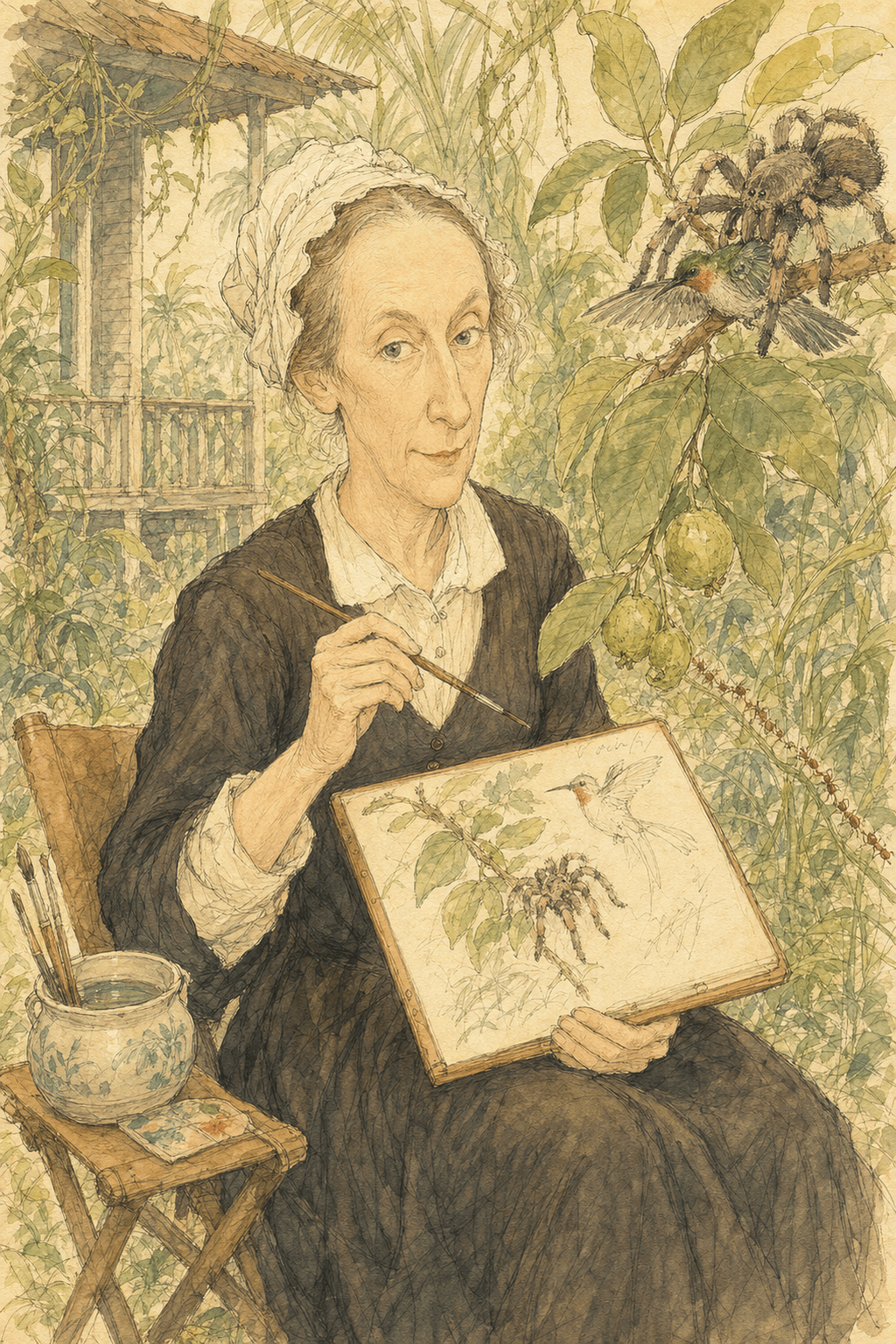
The Spider That Was Named After Her
At fifty-two, a divorced naturalist sold every painting she owned and sailed to a malarial jungle to paint a spider no one believed existed.
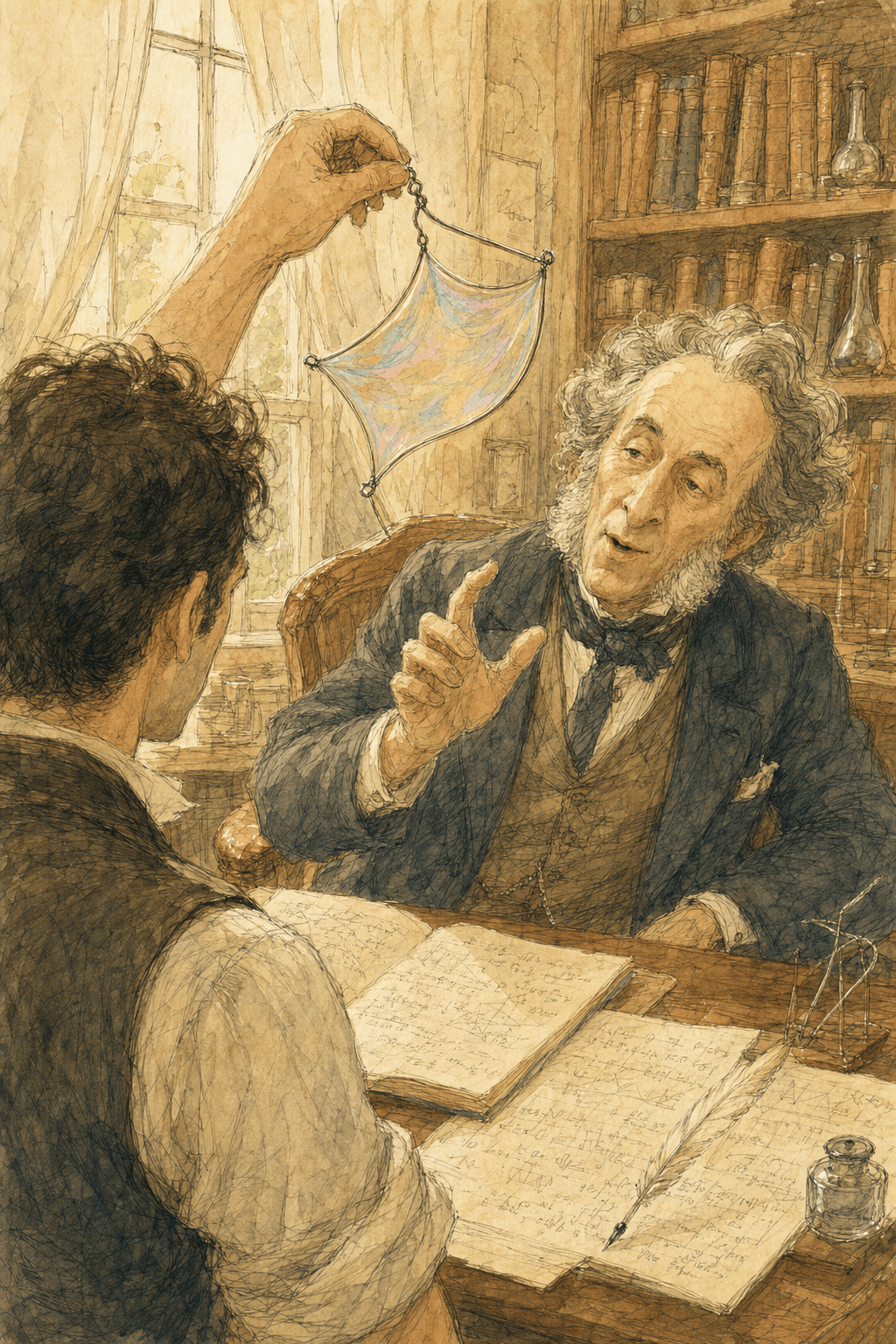
The Man Who Saw With His Ears
What does geometry sound like when you can only hear it described?
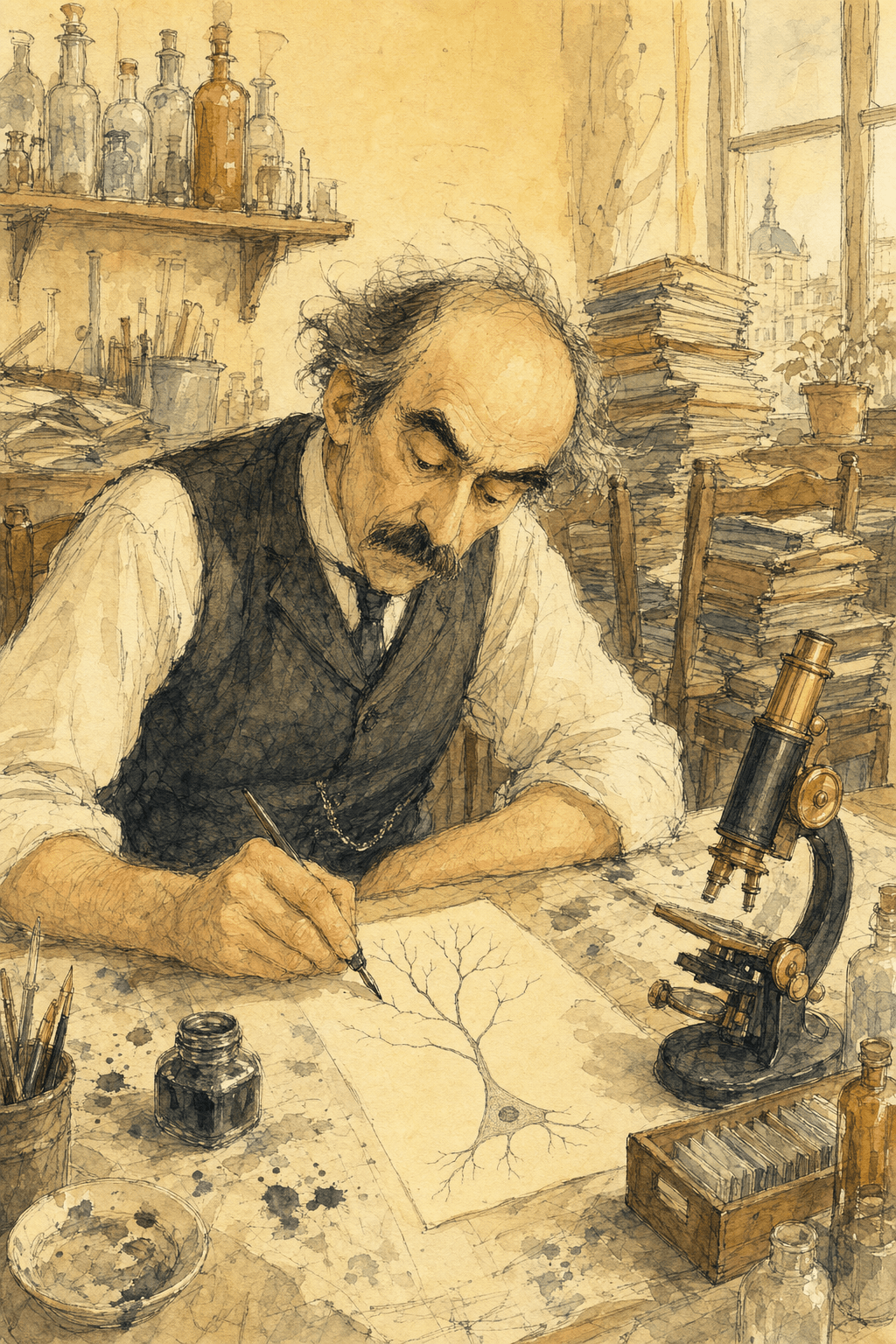
The Butterflies of the Soul
He won the 1906 Nobel Prize for proving the brain is built from separate cells. He found out by drawing them, on an ink-stained tablecloth, for fifty years.
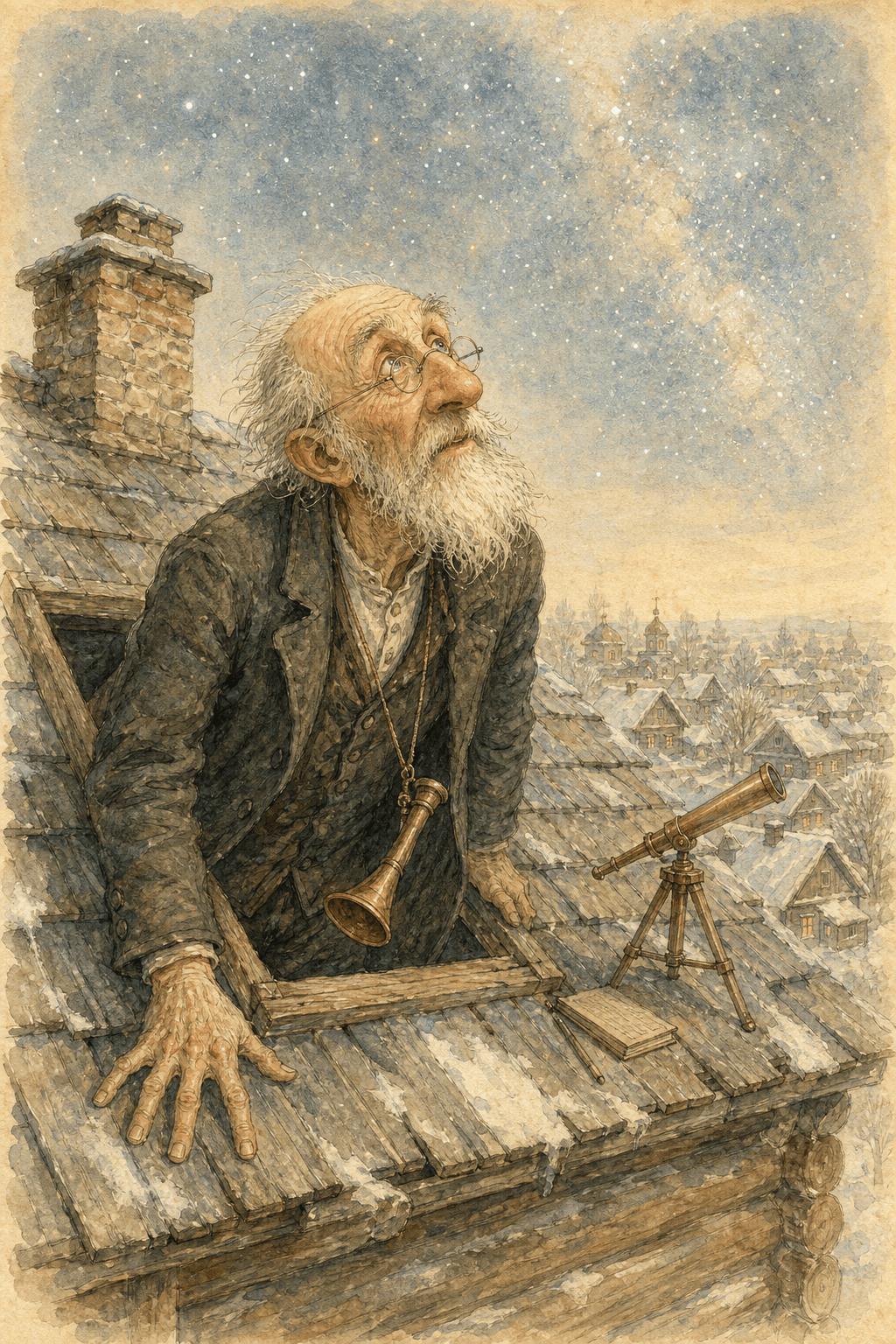
The Birthday Cake
A deaf arithmetic teacher in a Kaluga log cabin derived the rocket equation between marking schoolboys' sums, and kept a trapdoor in his ceiling his family called the door to outer space.
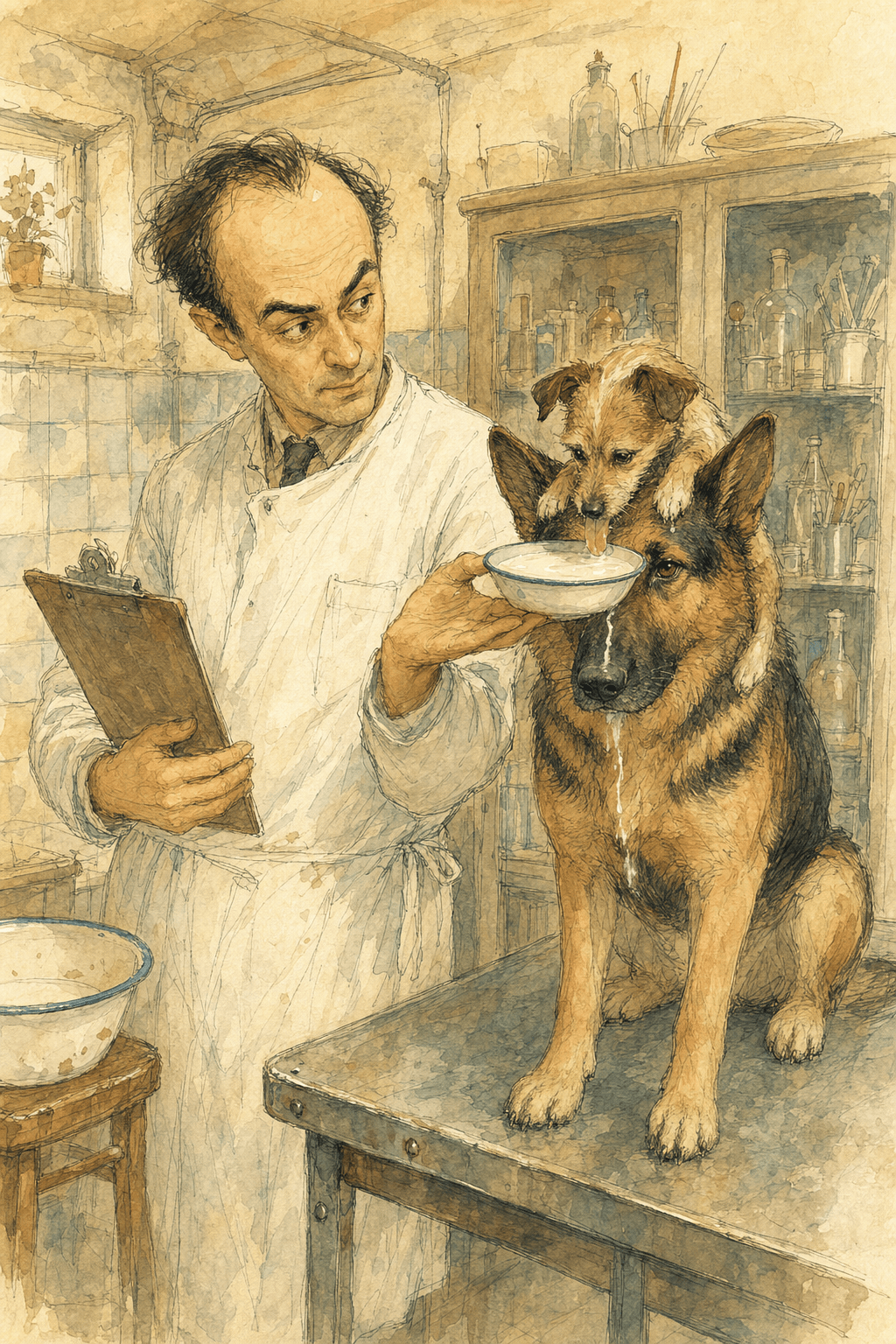
The Milk Came Out the Neck
A Soviet surgeon coined the word transplantology, taught the man who did the first human heart transplant, and spent his afternoons sewing puppy heads onto German shepherds.
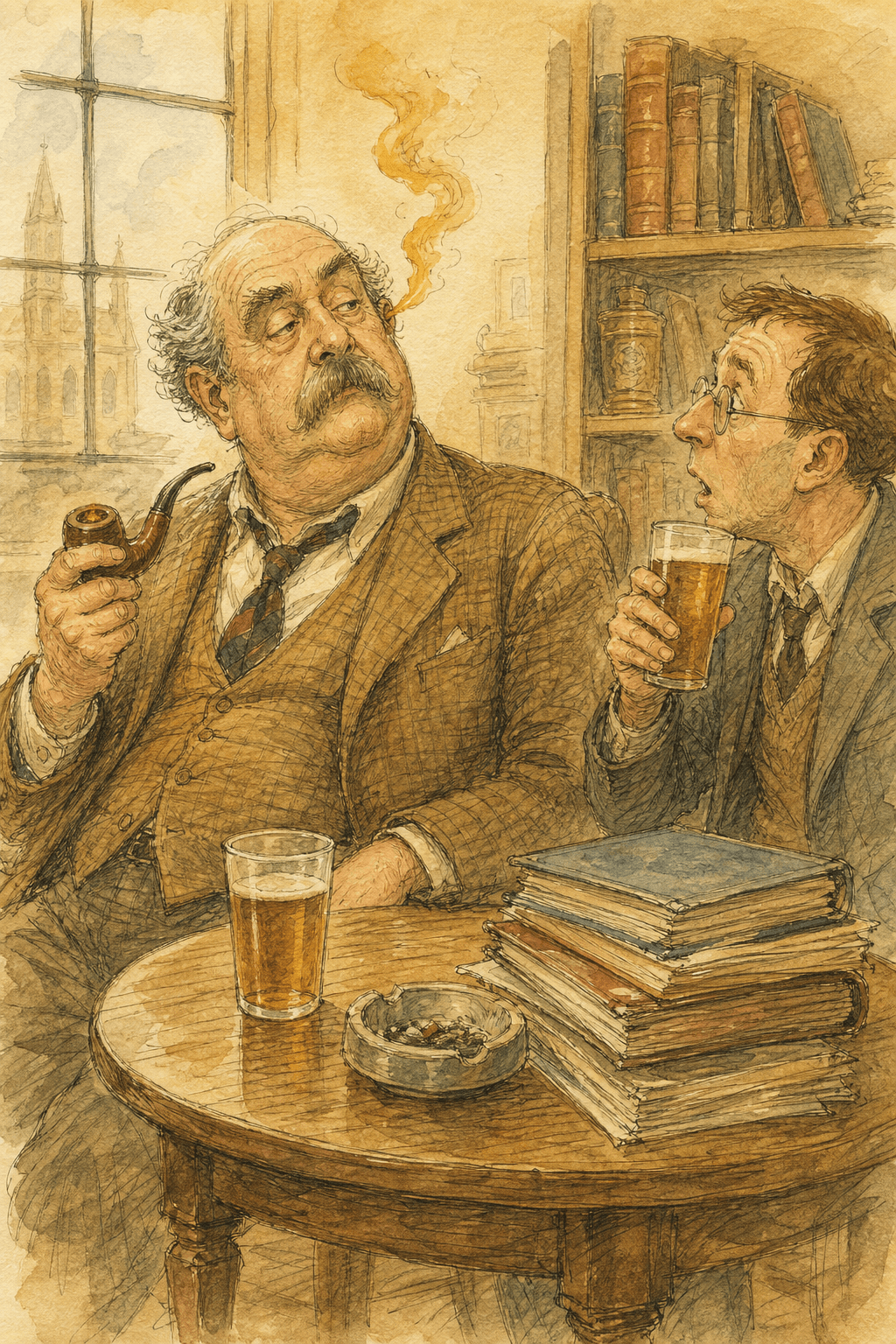
The Drum Generally Heals Up
What kind of man asks his colleagues to poke him awake if he stops breathing, and considers a perforated eardrum a social asset?
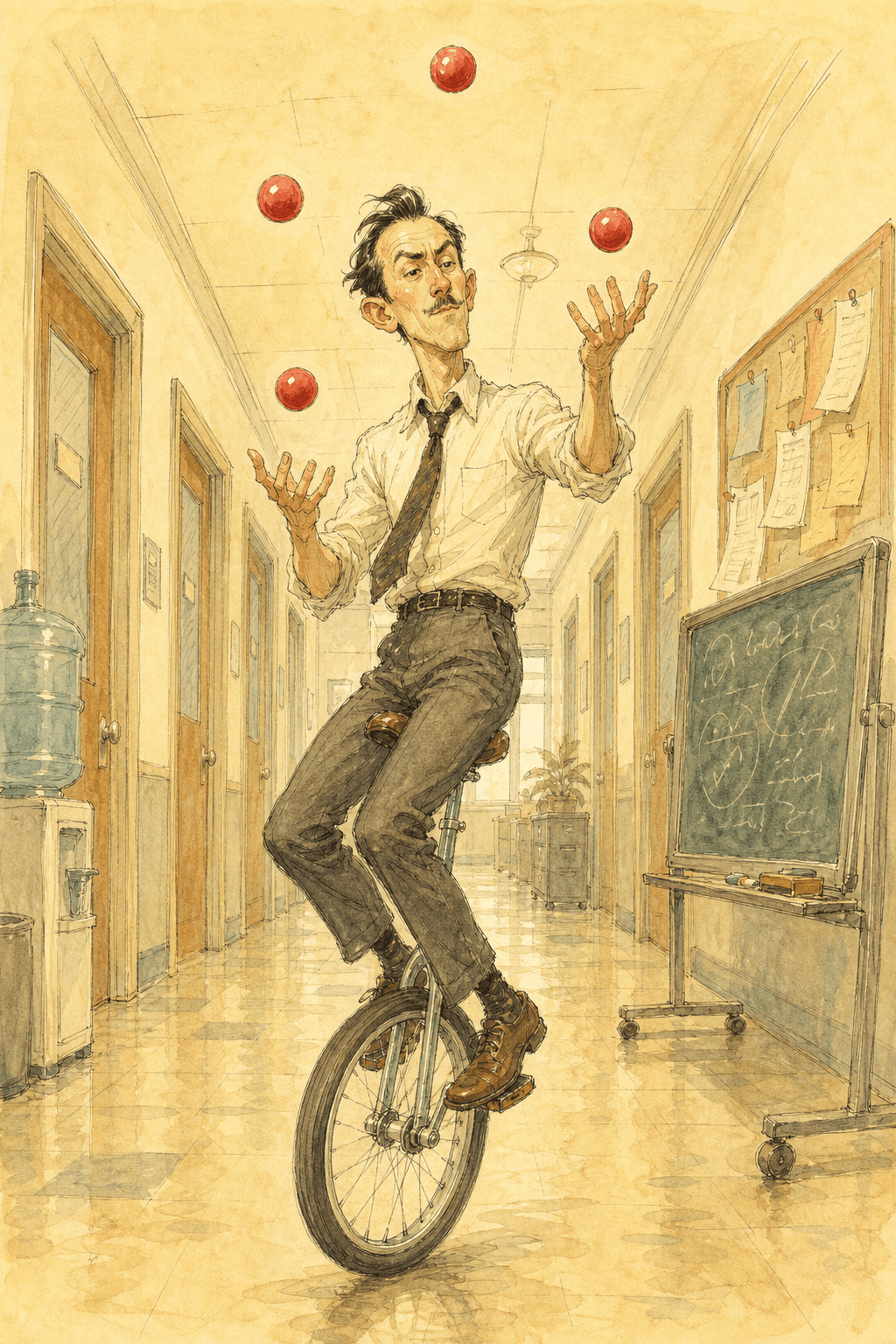
The Off-Center Wheel
Why would the man who invented the bit build a unicycle that bobbed up and down on purpose?
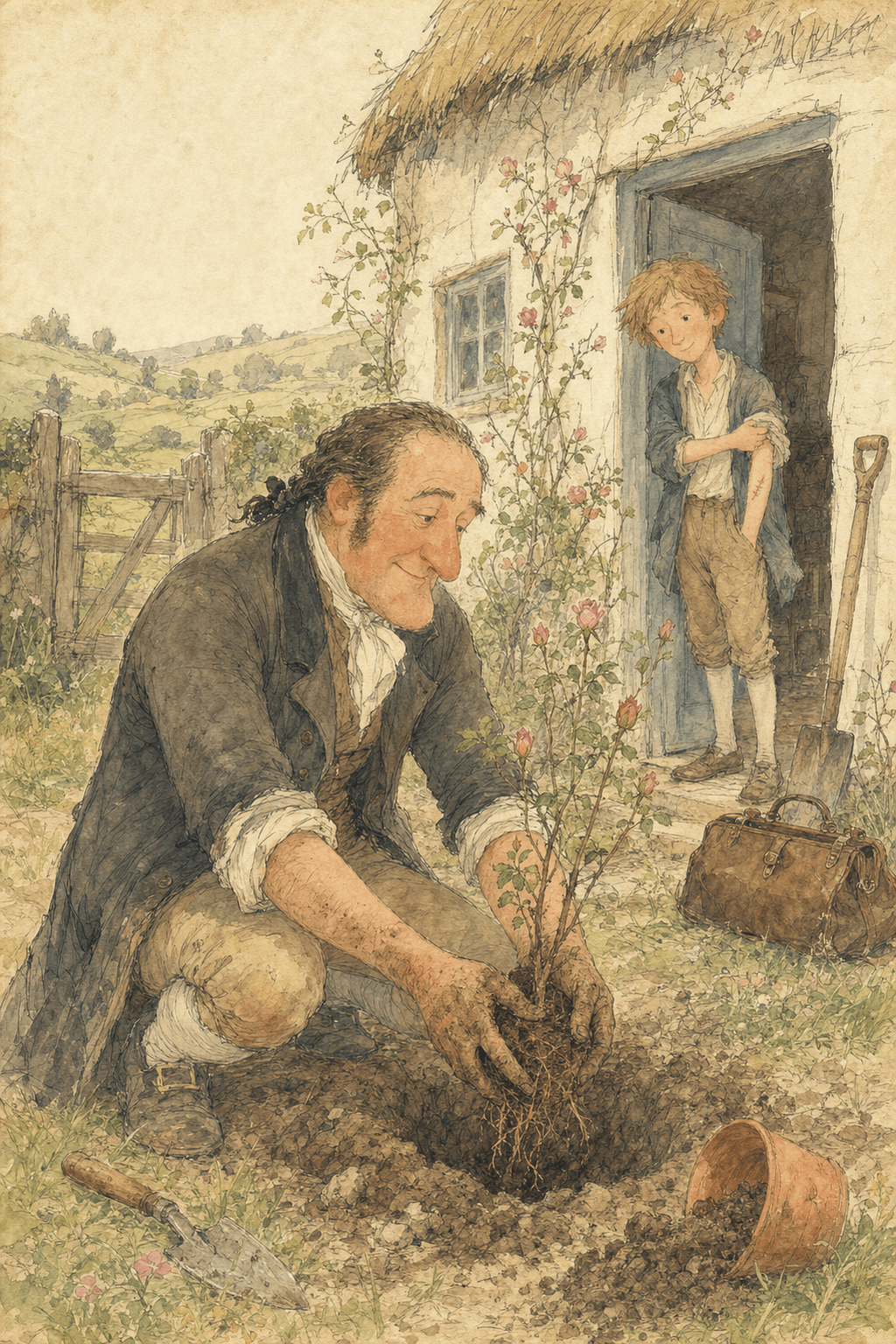
The Boy in the Garden
A country doctor famous for birds made two small cuts in his gardener's eight-year-old son — and then did it again, and again, for years.