Oddlet: Eunice Newton Foote · 1 min read
Feb 14, 2026 · Updated Feb 20, 2026
The Woman Who Discovered Climate Change from Her Seat
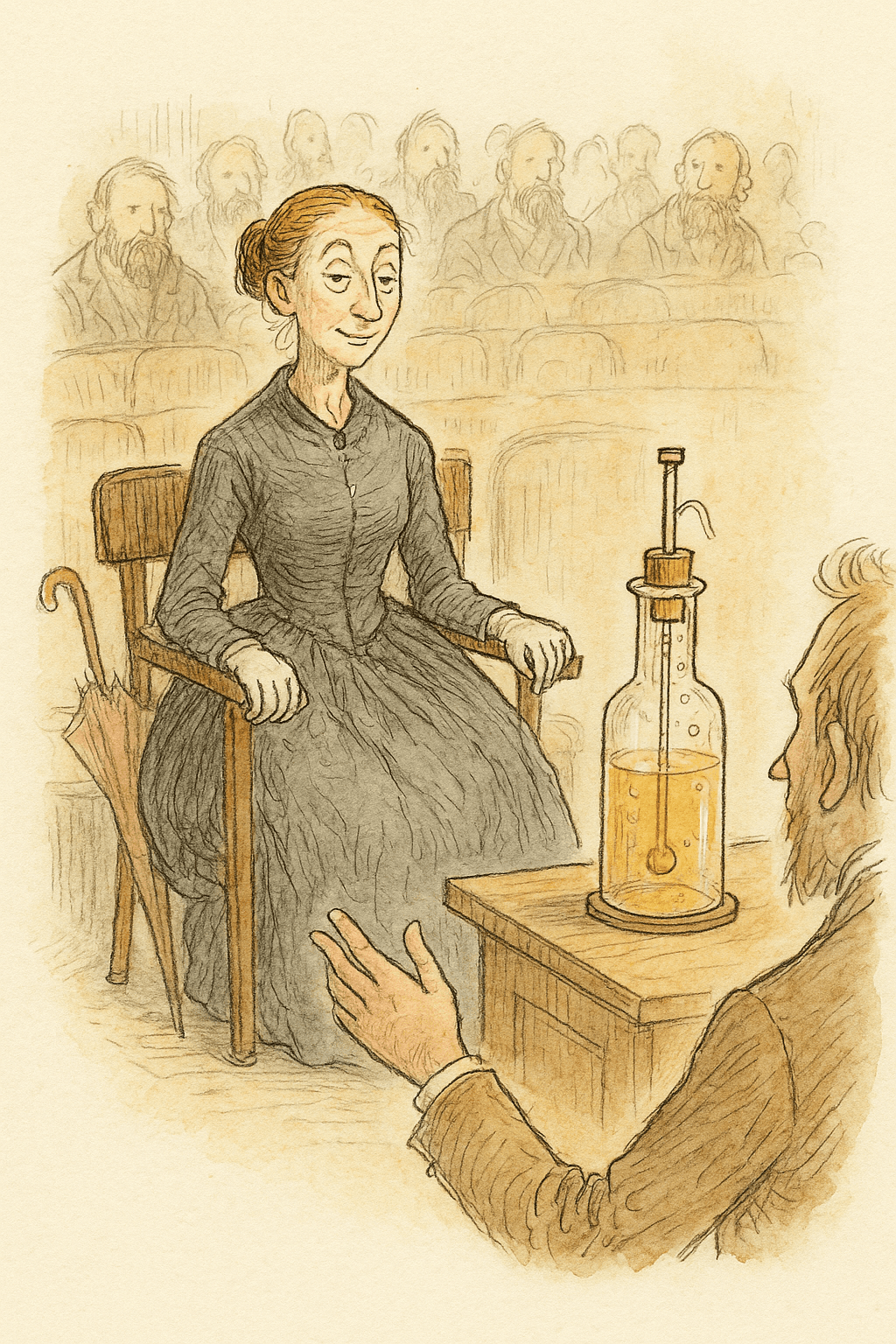
She discovered the greenhouse effect in 1856, then sat in the audience while a man read her paper aloud because women weren't allowed to present their own work.
In 1856, Eunice Newton Foote filled glass cylinders with different gases, placed thermometers inside them, and set them in the sun. The cylinder filled with carbon dioxide got hotter than the others and stayed hot far longer. She wrote it up plainly: an atmosphere heavy with CO₂ would give the Earth a higher temperature. It was the first time anyone had demonstrated the greenhouse effect.
Three years later, the Irish physicist John Tyndall published similar findings with more sophisticated equipment. He became the father of climate science. Foote became a footnote — and then not even that.
The details are almost too neat. Foote was no amateur dabbler. She had signed the Declaration of Sentiments at Seneca Falls in 1848, standing alongside Elizabeth Cady Stanton to demand that women be treated as full human beings. Eight years later, she produced a discovery that would define the central crisis of the coming centuries. And when it was time to present her paper, Professor Joseph Henry introduced it by noting that science was "of no country and of no sex."
Then the association's own rules prevented her from reading it aloud, because she was a woman.
So she sat in the audience and listened to a man explain her work to a room full of men, who then forgot about it for a hundred and fifty-four years.
Know someone who’d love this?
- Wikipedia: Eunice Newton Foote — Comprehensive overview with dates, biographical details, and rediscovery timeline. Confirms 1856 publication and 2010 rediscovery by Sorenson.
- Smithsonian Magazine: This Lady Scientist Defined the Greenhouse Effect — Details of her experimental method and the circumstances of presentation. Notes Joseph Henry introduced her paper with faint praise about women in science.
- NOAA Climate.gov: Happy 200th birthday, Eunice Foote! — Confirms birth year 1819, experimental details, and her connection to Seneca Falls women's rights movement.
- Physics Today: Eunice Foote's pioneering research on CO₂ — Technical analysis of her experimental apparatus and methodology. Confirms she used glass cylinders, thermometers, and an air pump to test different gases.
The Wrapping
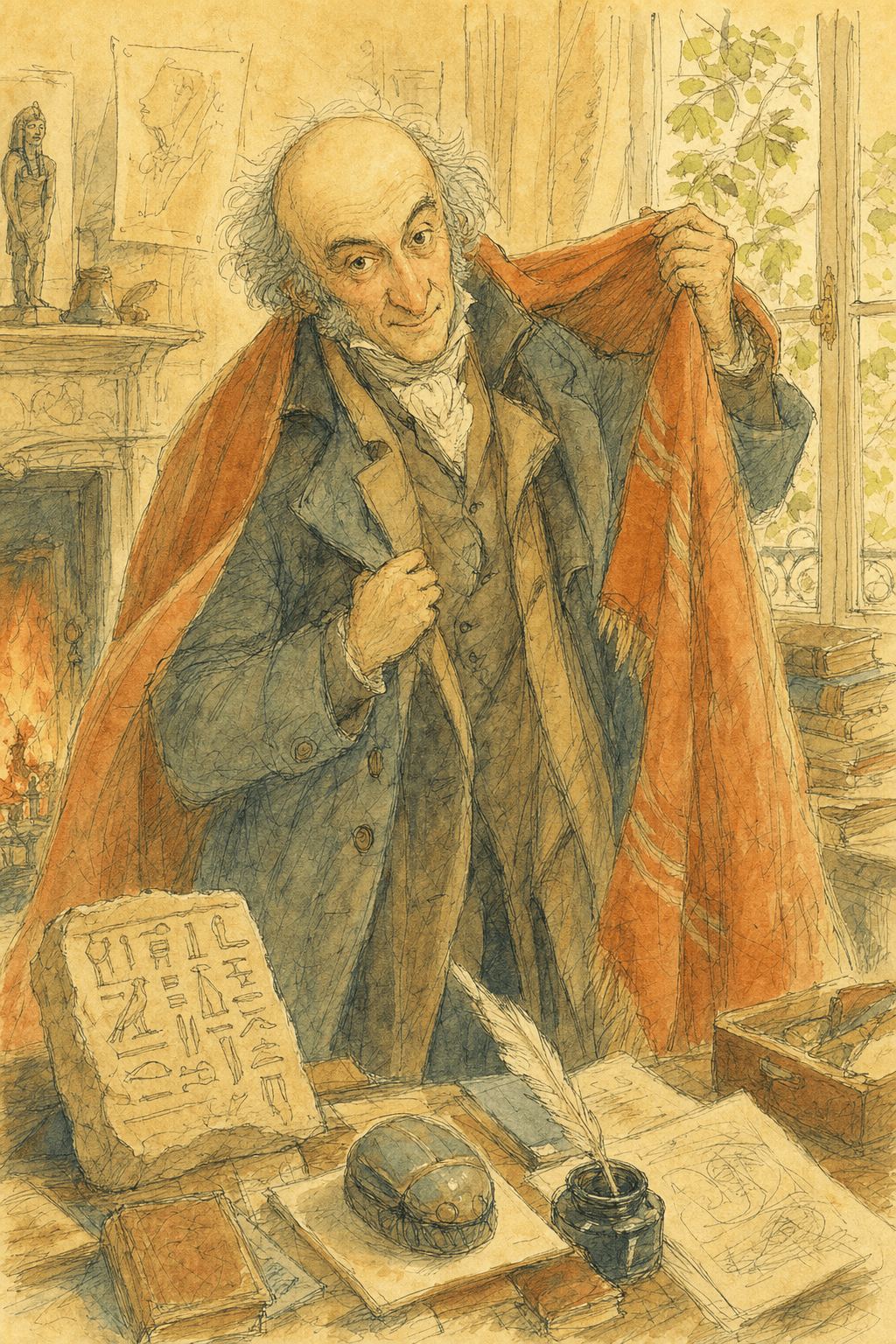
The man whose equations run every JPEG, MP3, and MRI scan came back from Egypt convinced heat was the secret to staying alive — and wore several overcoats indoors, in summer, until it killed him.

Monsieur Le Blanc
What do you do when you're convinced Napoleon's army is about to kill your pen pal mid-proof?

The Cure He Boiled Away
In 1747 he proved two oranges and a lemon cured scurvy. Then he spent forty years boiling the cure into a syrup that didn't work.
Wonder, delivered.
A fresh Oddlet in your inbox every morning, a full day before everyone else. True, strange and under a minute.
Free forever. Unsubscribe anytime.