self-taught
No degree, no teacher, no permission — just the work.
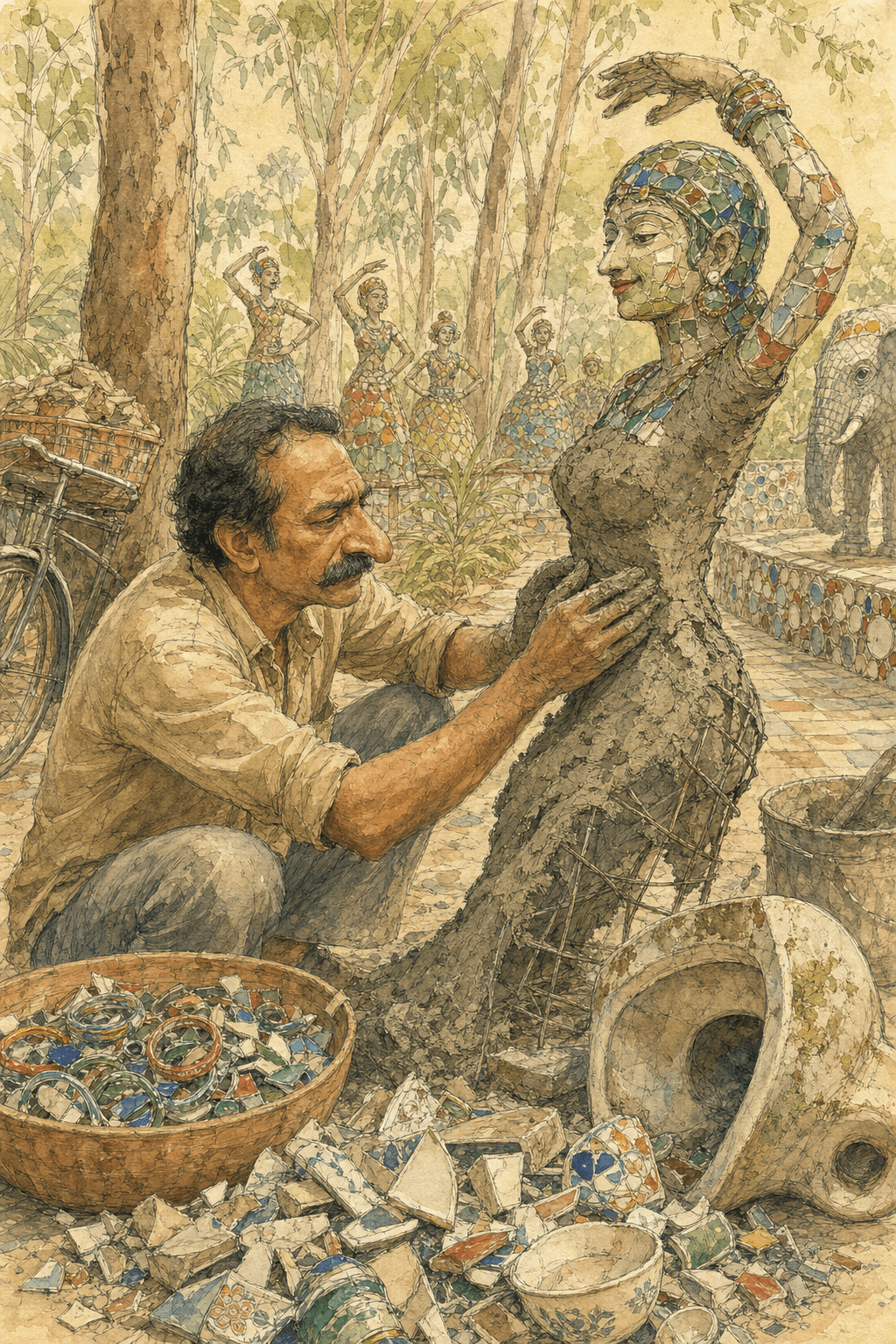
After the Shift
A road inspector for Le Corbusier's rationally planned Chandigarh spent eighteen years cycling into a protected forest after work to build a secret twelve-acre kingdom of gods and goddesses out of smashed pottery, broken bangles, and discarded toilet bowls.
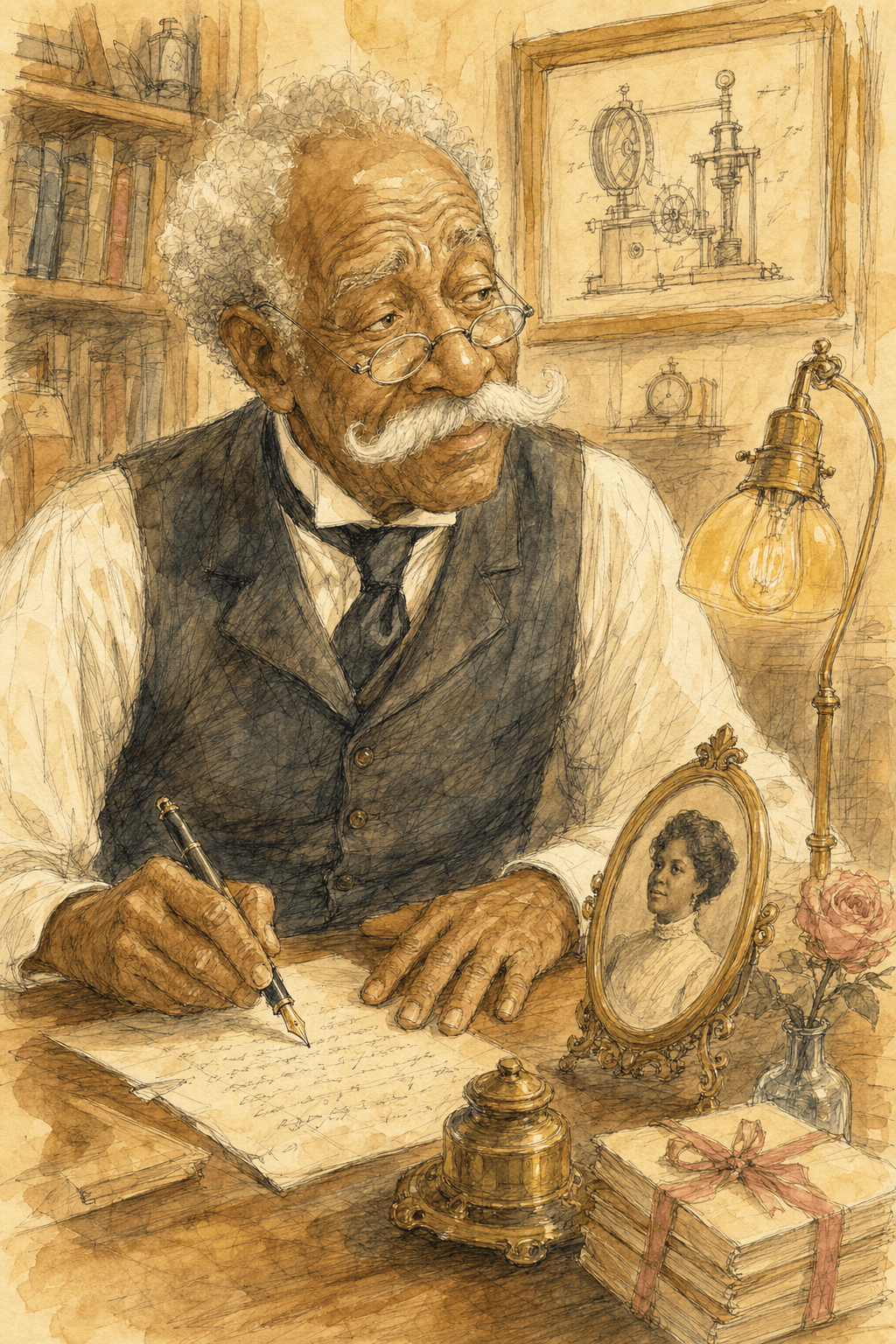
Fifty Copies
The only Black member of the Edison Pioneers, the man who drafted Bell's telephone patent and fixed the lightbulb, wrote love poems on the side.
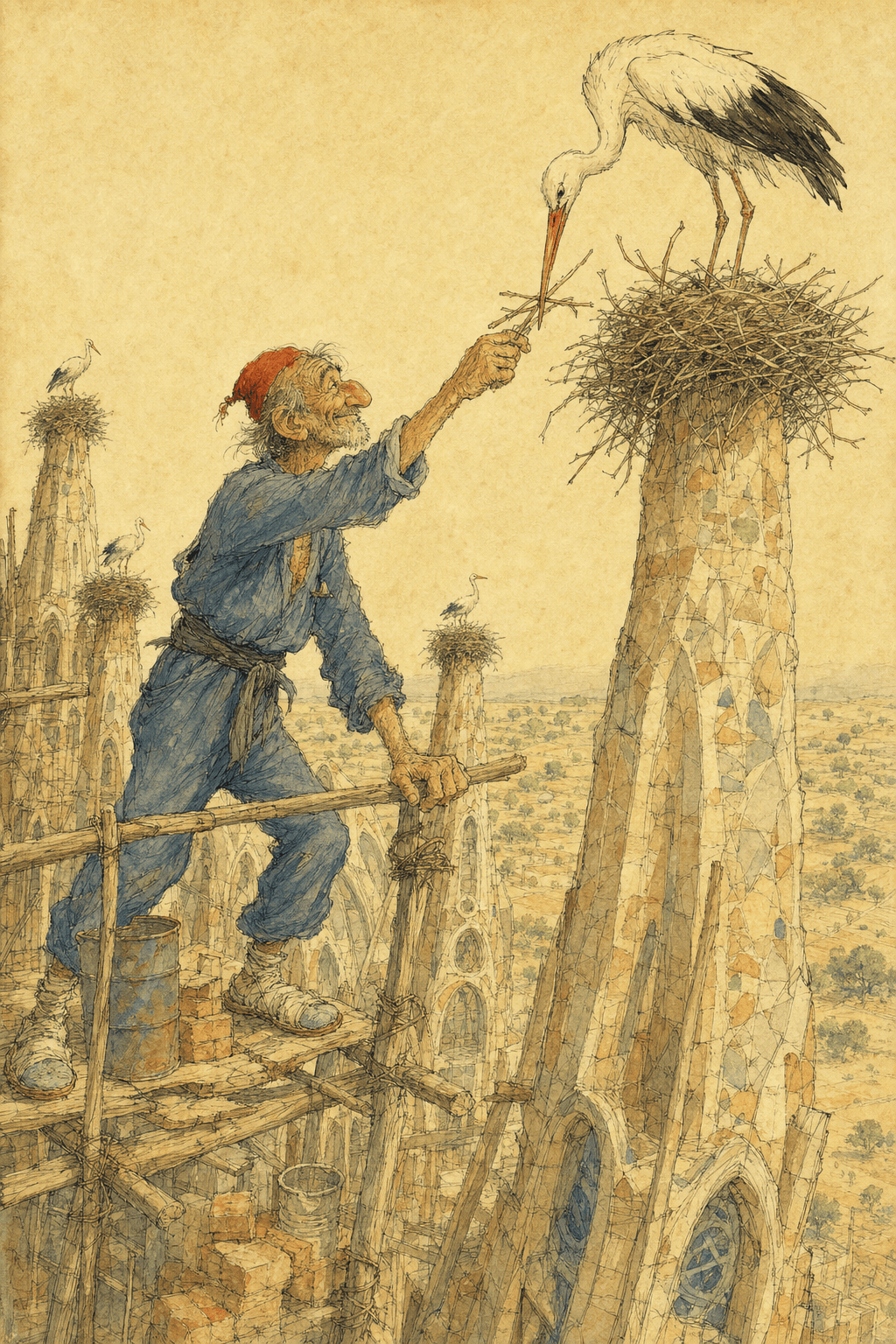
Sticks for the Spires
He was thrown out of a Trappist monastery with tuberculosis at thirty-five, and spent the next sixty years alone on a plot outside Madrid, building a cathedral with factory-reject bricks and pillars cast inside oil drums.
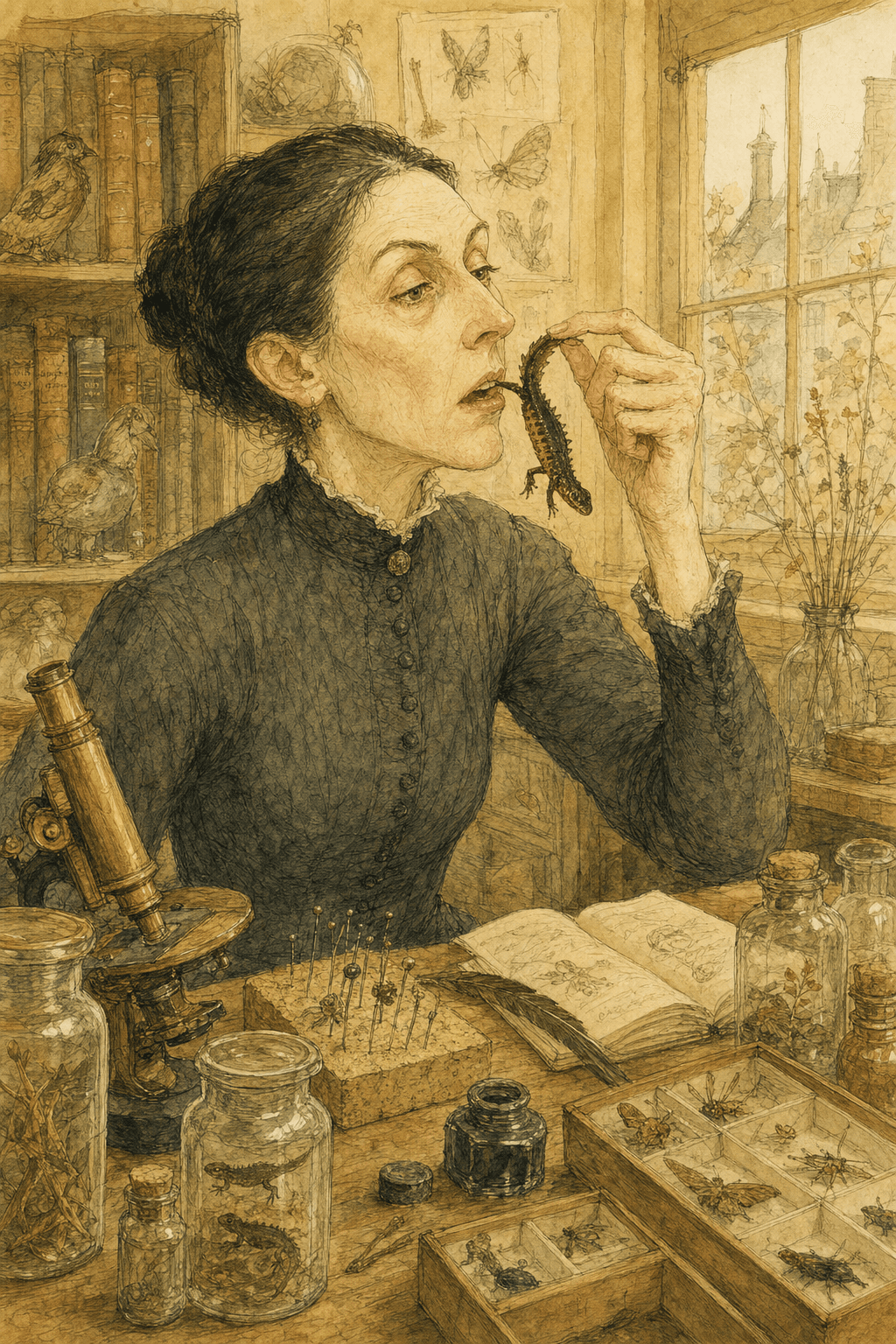
The Newt in Her Mouth
Eleanor Ormerod, the Royal Agricultural Society's consulting entomologist, kept live insect specimens in her pockets and produced them, unannounced, at meetings with farmers.
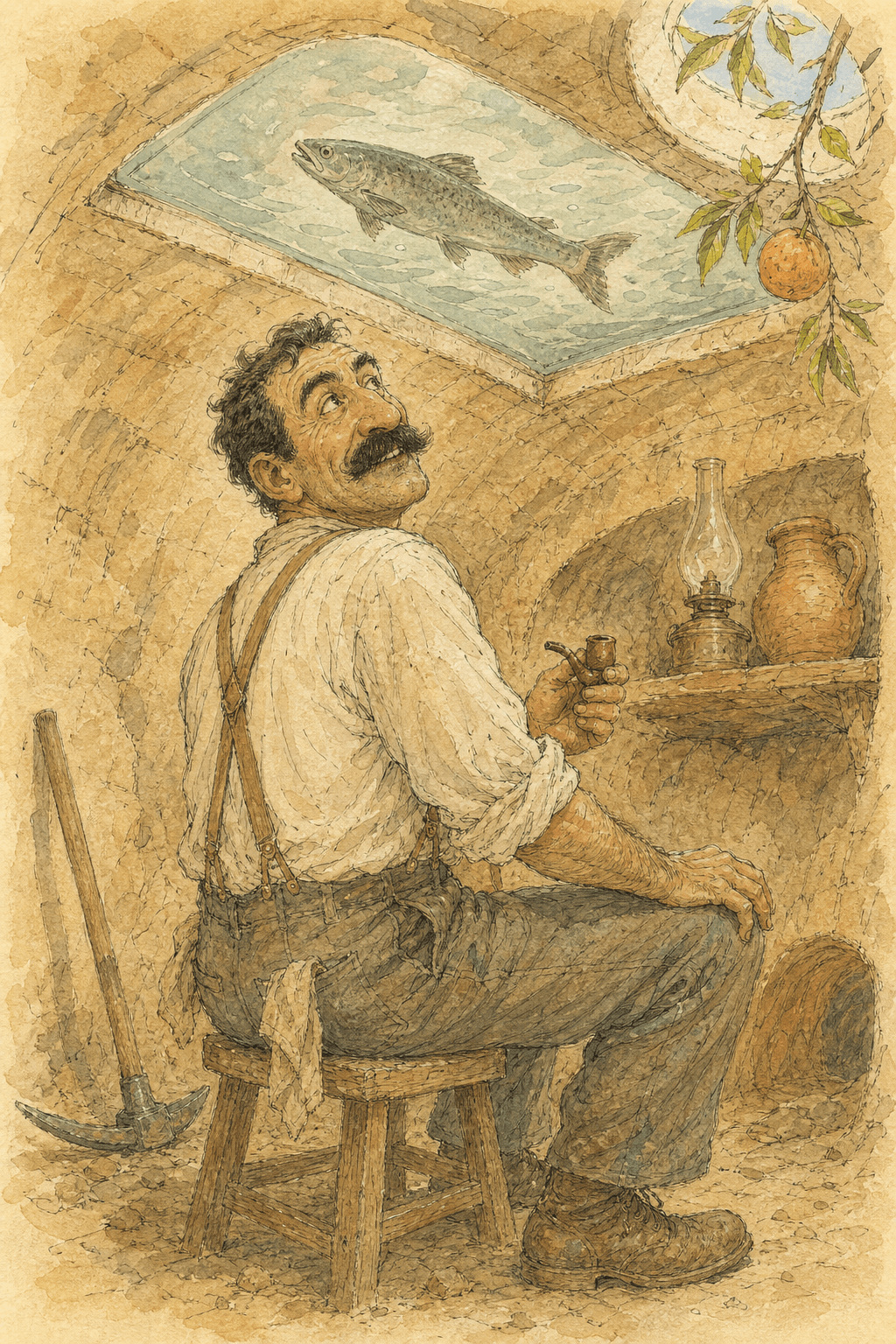
The Man Who Went Down
What do you do when you buy ten acres of California sunshine and discover it's a slab of rock at 120 degrees?
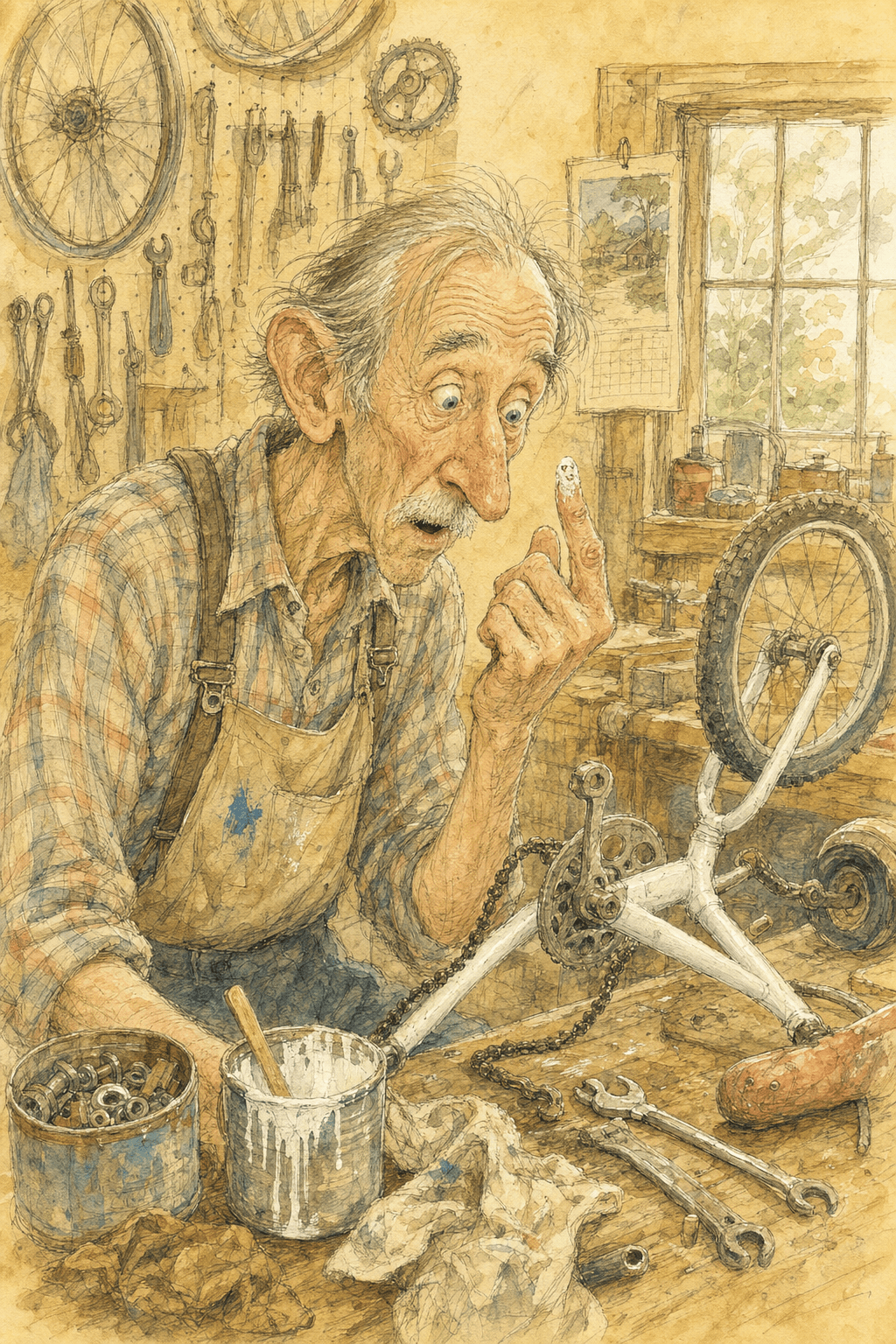
Paint Sacred Art
What does a 59-year-old Baptist preacher do when a face appears in a smudge of paint on his fingertip and tells him to start painting?
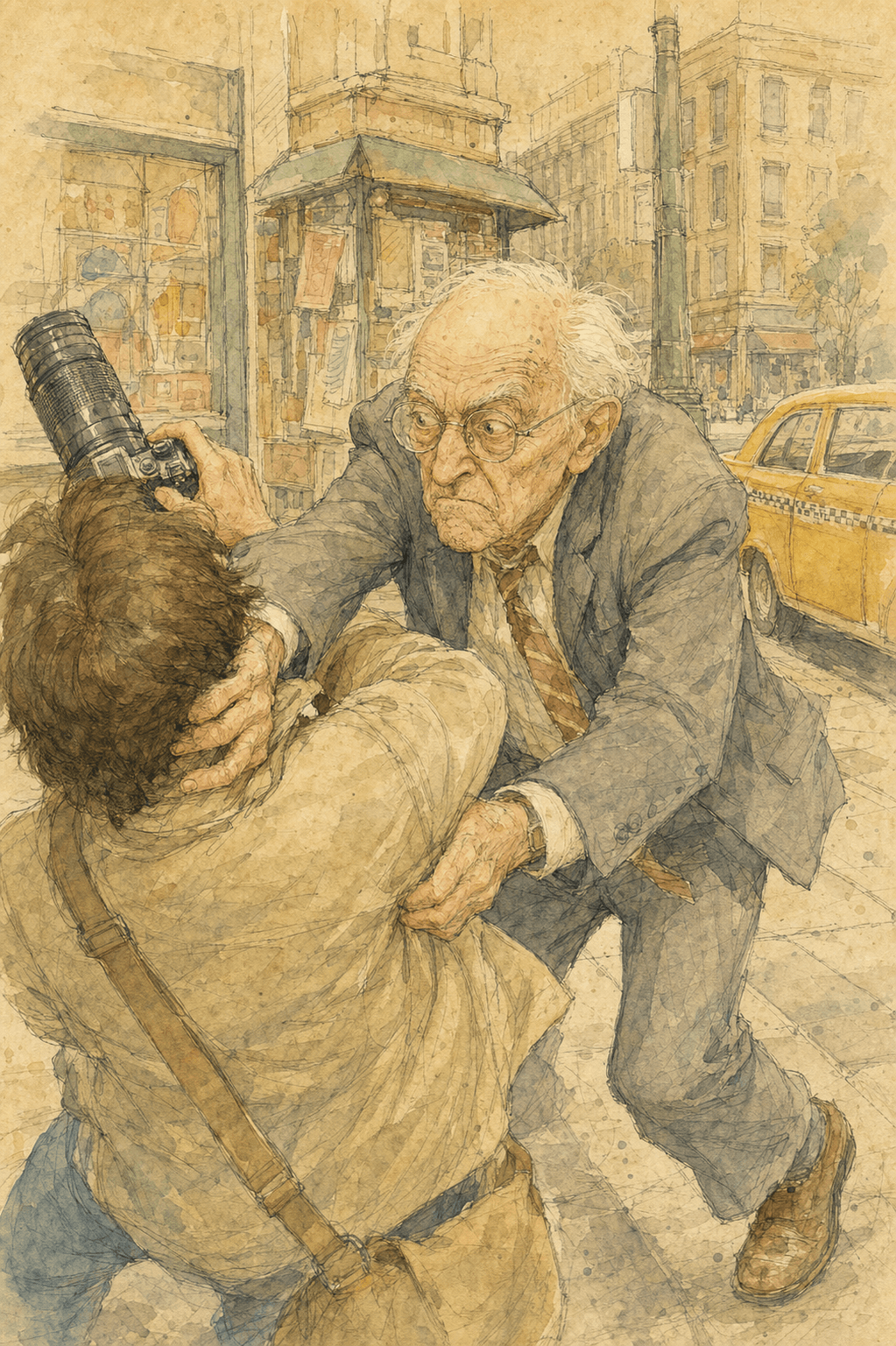
The Man Who Would Not Be Seen
What does the richest man in America do when a photographer finally catches him on the street at age 80?
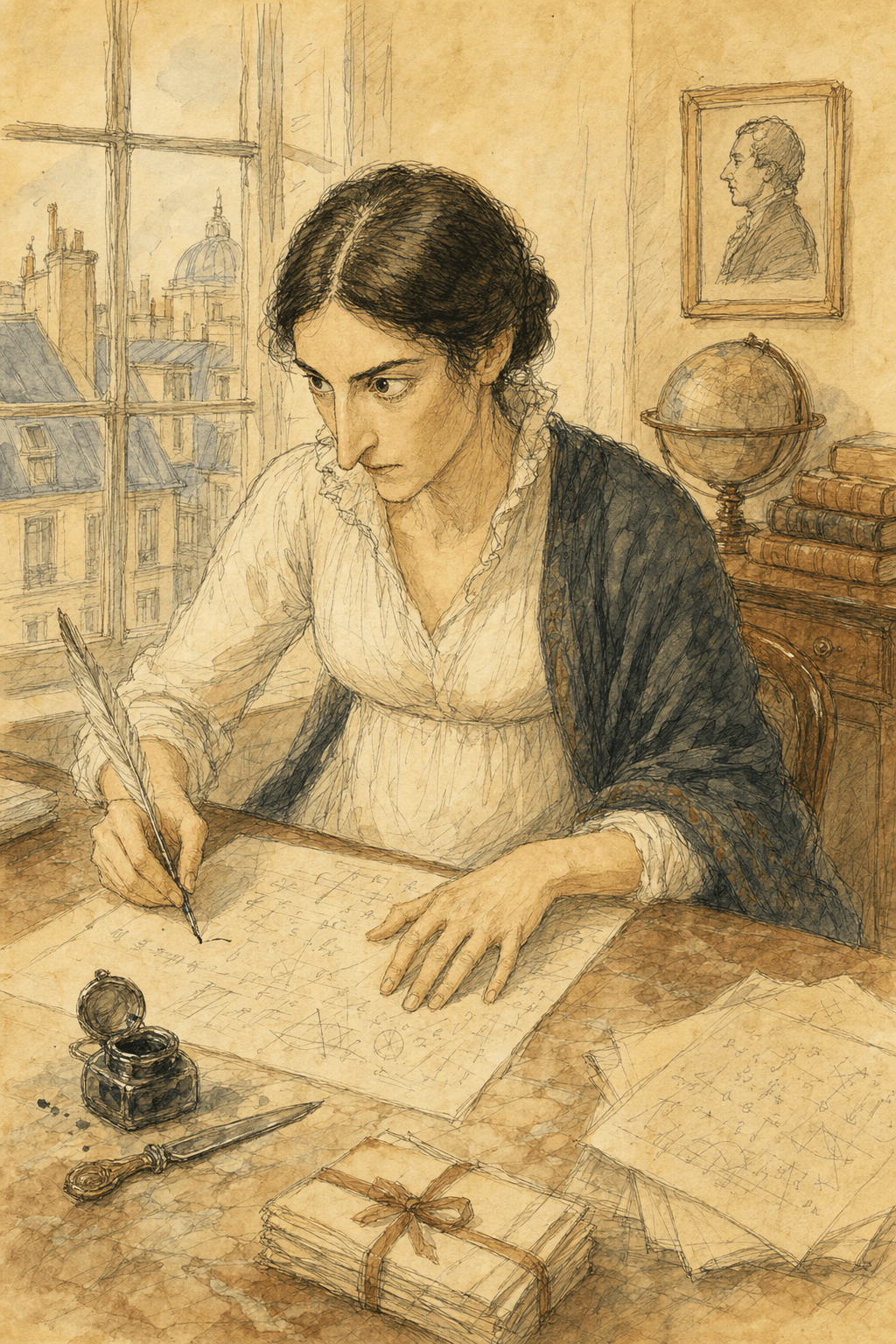
Monsieur Le Blanc
What do you do when you're convinced Napoleon's army is about to kill your pen pal mid-proof?
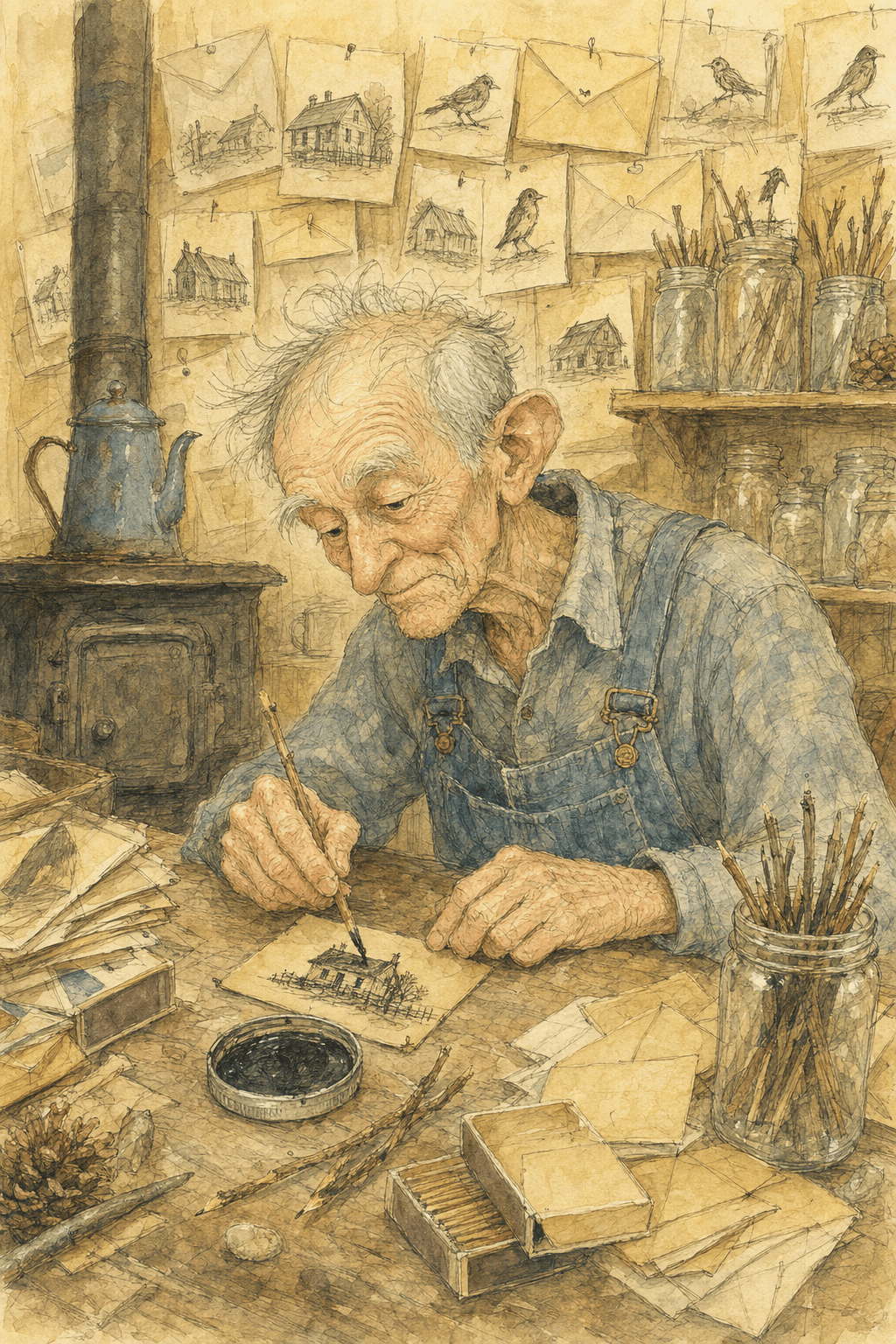
The Soot and the Spit
What does a self-taught artist do when the family finally retires the wood stove and his only source of ink disappears?
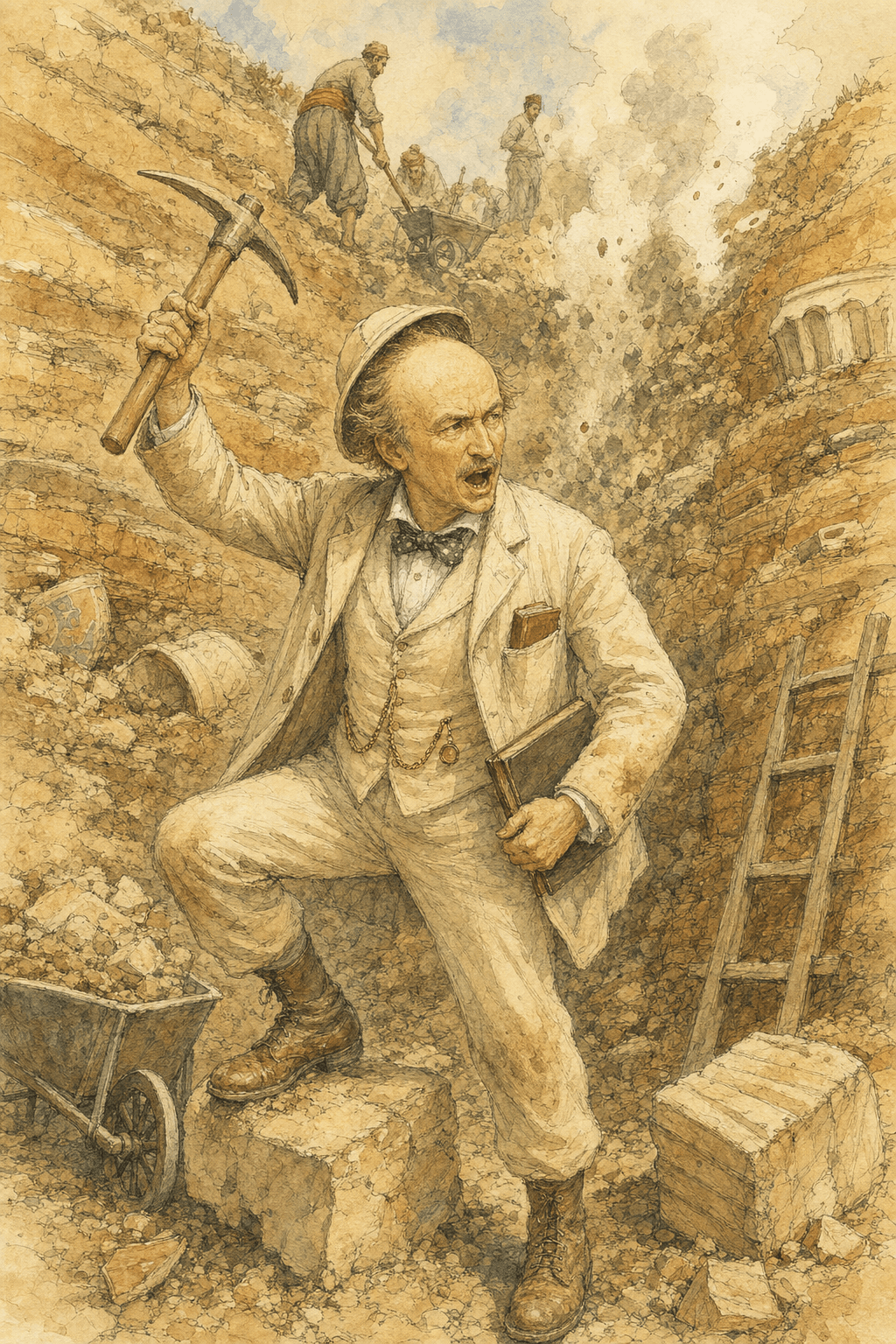
The Man Who Found Troy
What does a man who made three fortunes — in indigo, saltpeter, and Sacramento gold dust — do for an encore at forty-eight?
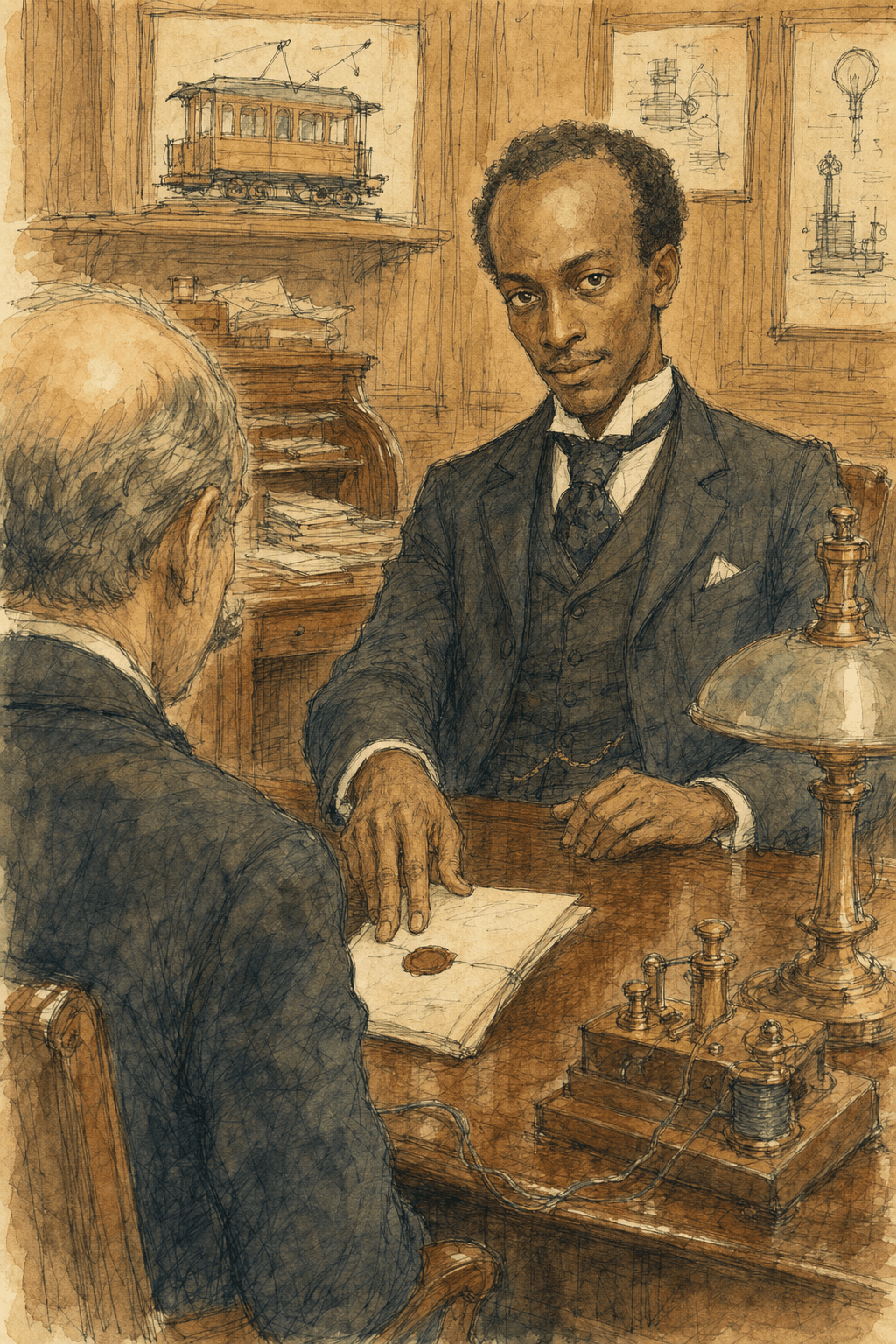
No to Edison
What do you do when the man who twice tried to take your patent in court turns around and offers you a job?
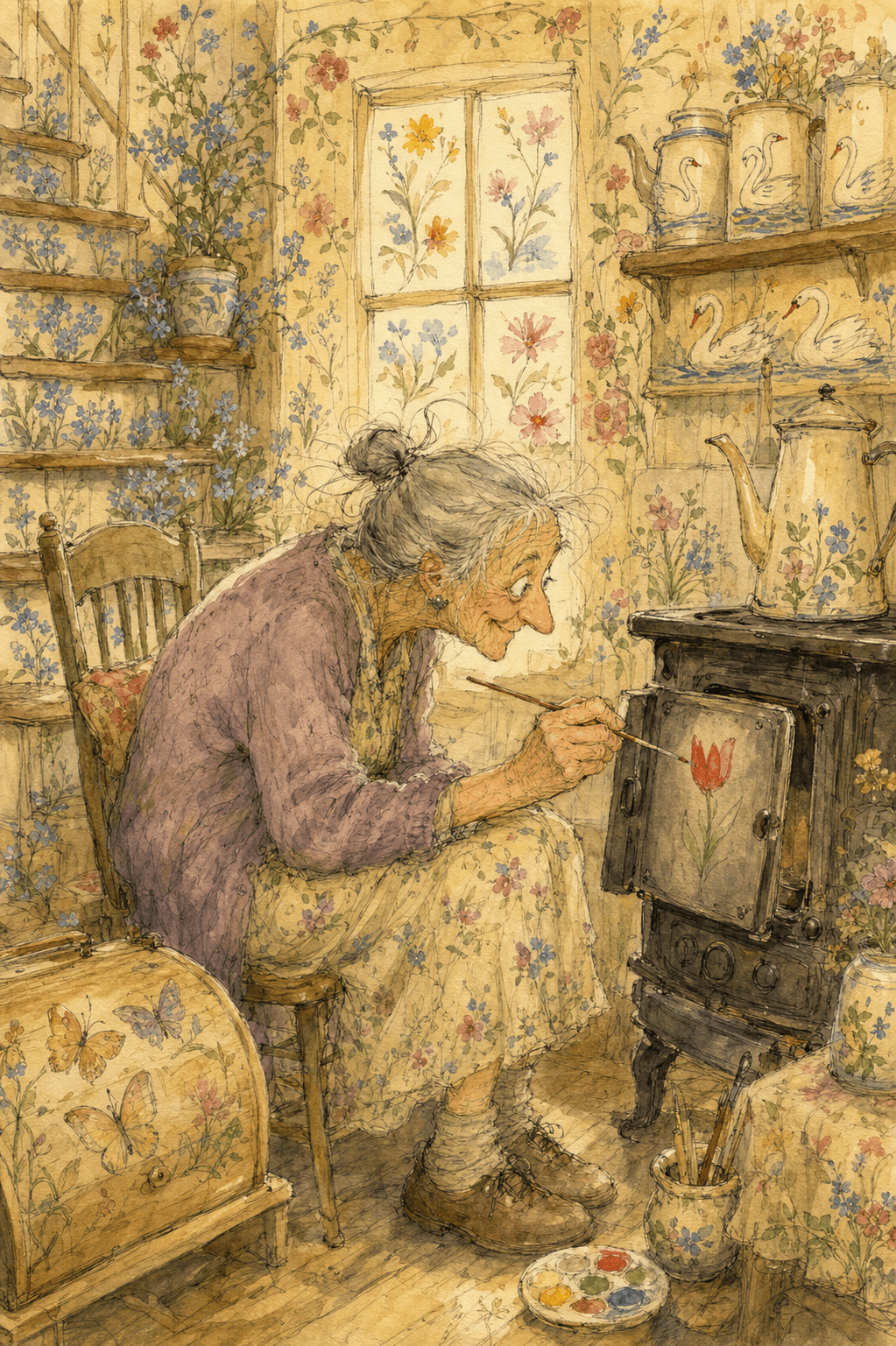
The Painter Who Painted the Room
She started on Masonite, then cookie sheets, then scallop shells, then the breadbox — and then she ran out of small things.