Oddlet: Victor Lustig · 1 min read
Sep 25, 2026
The Apprentice Salesman
What do you do after selling the Eiffel Tower to a scrap dealer and getting away with it?
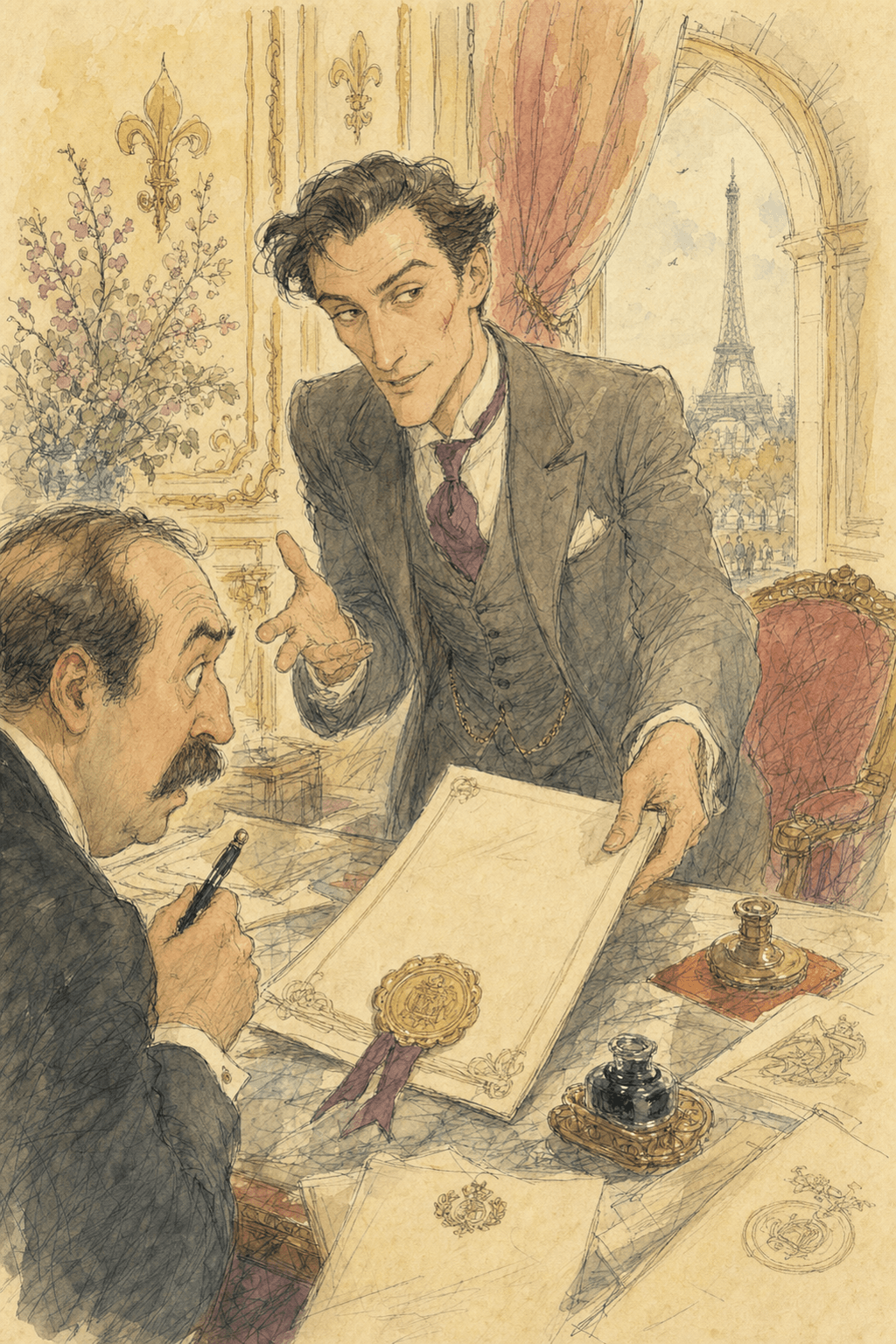
Victor Lustig sold the Eiffel Tower in the spring of 1925. He posed as a deputy of the Ministère des Postes et Télégraphes, invited five scrap-metal dealers to the Hôtel de Crillon on forged government stationery, and explained that the 7,300-tonne monument was to be demolished for scrap. He picked the most insecure of the dealers, André Poisson, and closed the deal with a bribe. The bribe was the masterstroke. It convinced Poisson he was dealing with a real French bureaucrat, because only a real French bureaucrat would be that corrupt.
Poisson was too humiliated to go to the police. So Lustig came back a month later and tried to sell it again.
In 1930 he walked into Al Capone's office in Chicago, borrowed fifty thousand dollars, put it in a safe, and two months later returned every bill. Capone, moved by this display of integrity, pressed five thousand dollars into his hand. The five thousand was the entire point. He had conned the most feared man in America by being scrupulously honest with him, which is the kind of sentence you only get to write about one person.
He died in a federal prison hospital in 1947. His death certificate lists his occupation as apprentice salesman.
Know someone who’d love this?
- Wikipedia — Victor Lustig — Comprehensive biographical entry with detailed dates, birth family, aliases, all major scams (Rumanian Box, Eiffel Tower, Capone), arrests, the 1935 counterfeiting ring with Watts and Shaw, escape, Alcatraz sentence, and death at Springfield, MO.
- Smithsonian Magazine — 'The Smoothest Con Man That Ever Lived' — Reputable long-form feature confirming dollar amounts: $50,000 Capone loan, $5,000 reward, $51,000 counterfeit cache, $70,000 Eiffel Tower take; describes the bedsheet-rope escape from Federal Detention Headquarters.
- Smithsonian Magazine — 'The Man Who Sold the Eiffel Tower. Twice.' — Focused account of the 1925 Eiffel Tower scam and Andre Poisson's role as mark.
- The Mob Museum — 'The long con of underworld grifter Count Victor Lustig' — Museum-quality source on Lustig's underworld connections including the Capone episode.
- A Smile And A Gun — Victor Lustig's Ten Commandments for Con Men — Text of the Ten Commandments for Con Men attributed to Lustig.
The Formosan
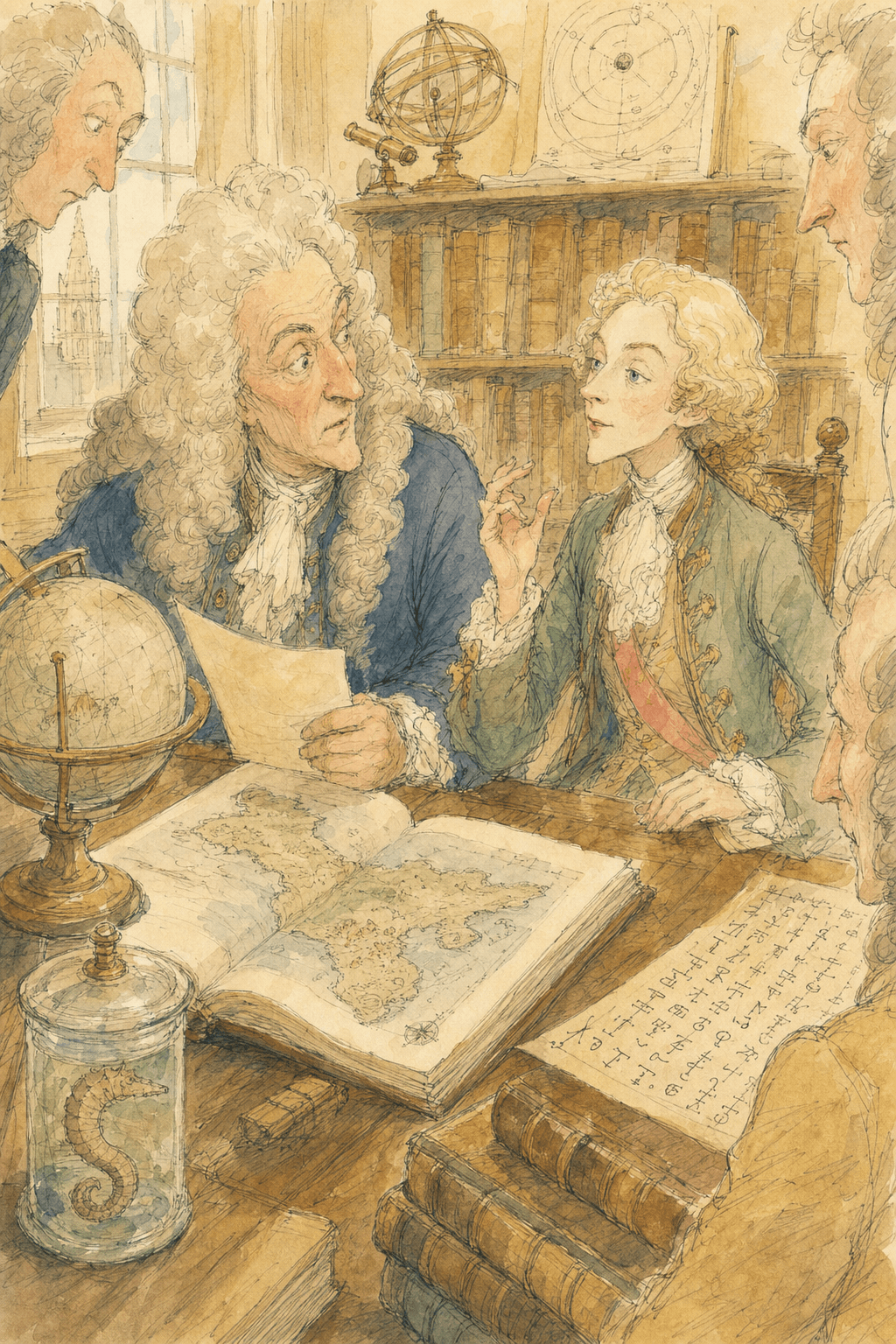
How did a blonde Frenchman convince 1700s London he was from Formosa?
This Way to the Egress
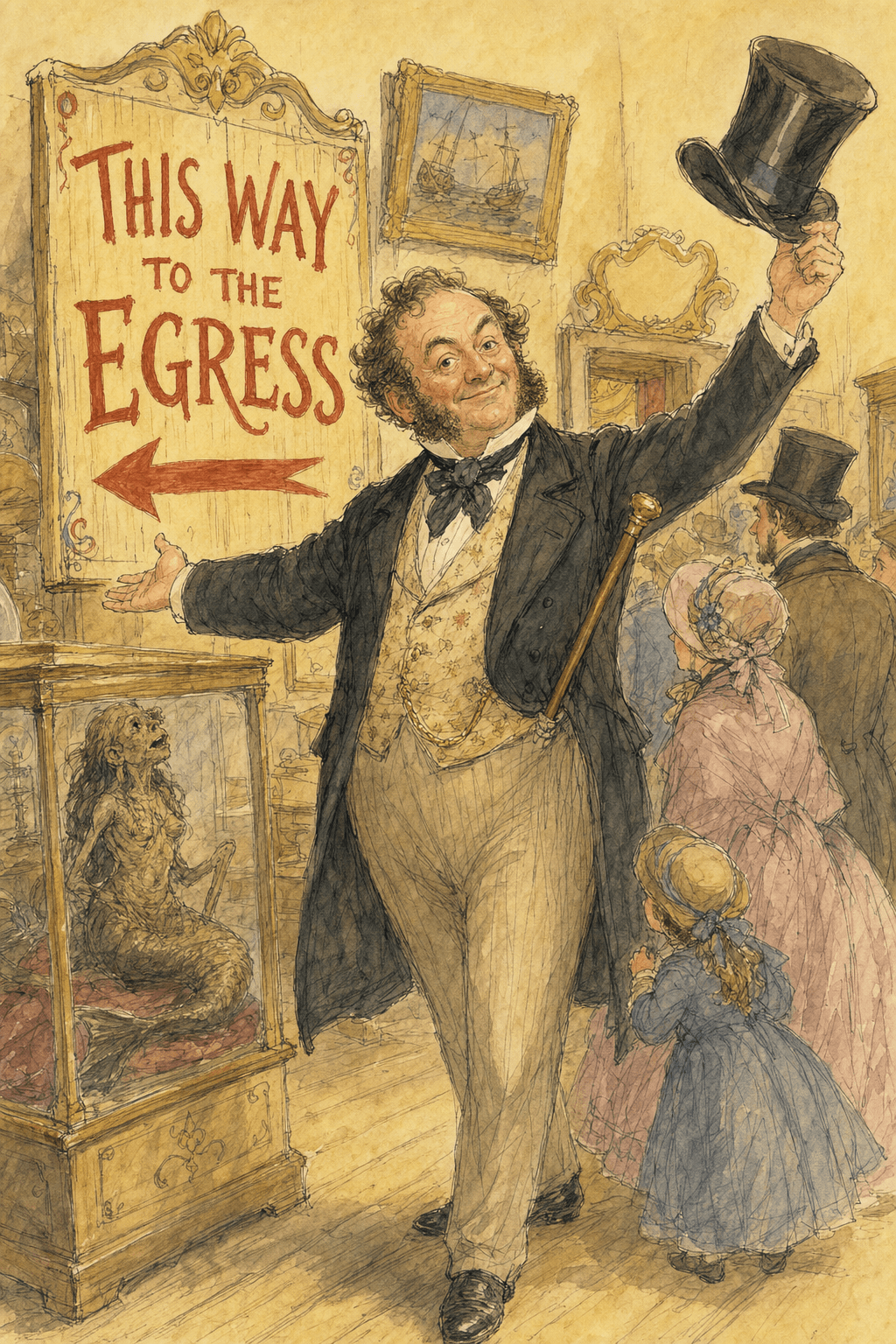
He painted a sign over the back door reading THIS WAY TO THE EGRESS, and patrons walked through it expecting a beast.
The Lady Must Go Home
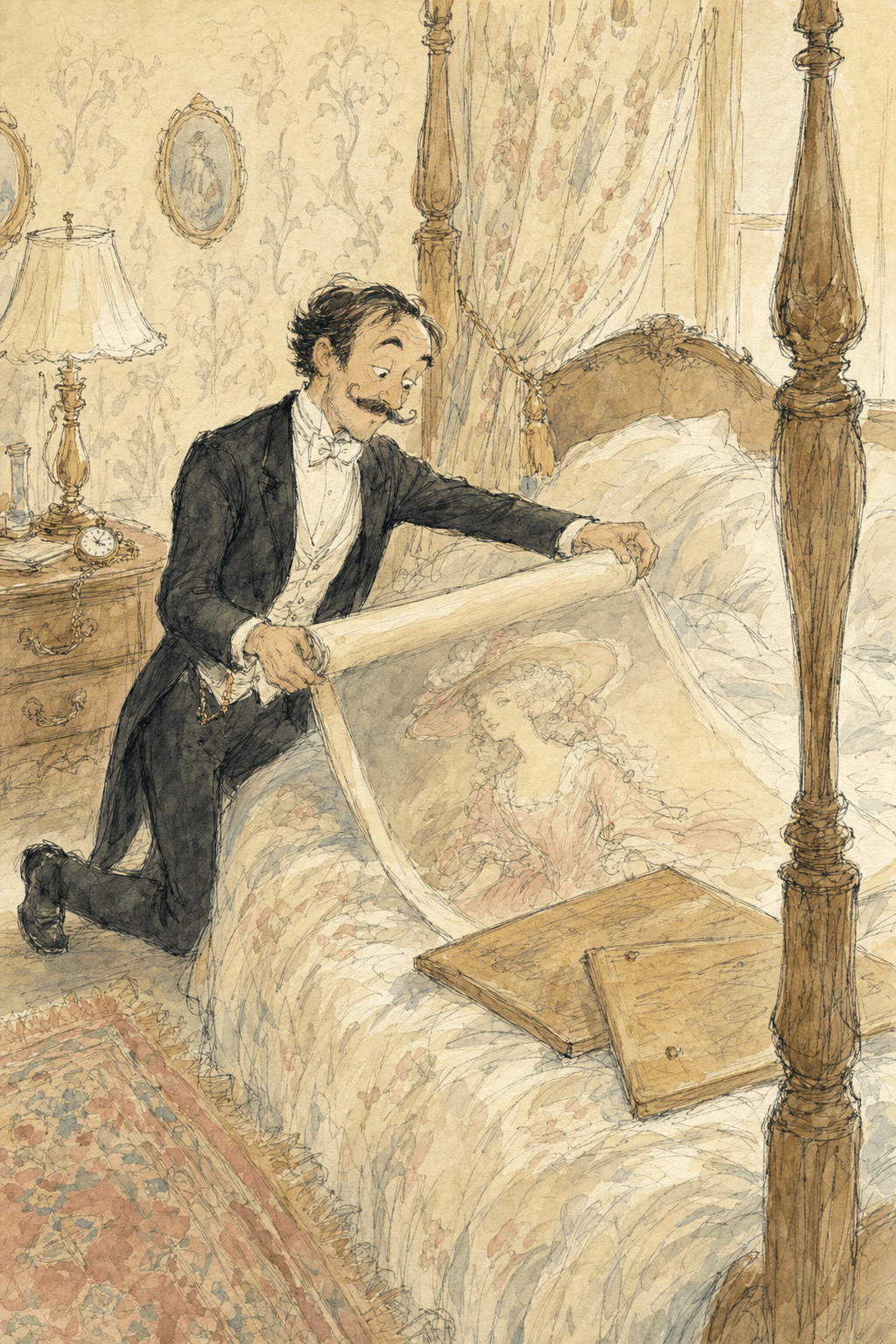
What kind of master criminal steals a Gainsborough, then sleeps on top of her for twenty-five years?
Wonder, delivered.
A fresh Oddlet in your inbox every morning, a full day before everyone else. True, strange and under a minute.
Free forever. Unsubscribe anytime.