hoaxes
Elaborate deceptions carried out with a straight face.
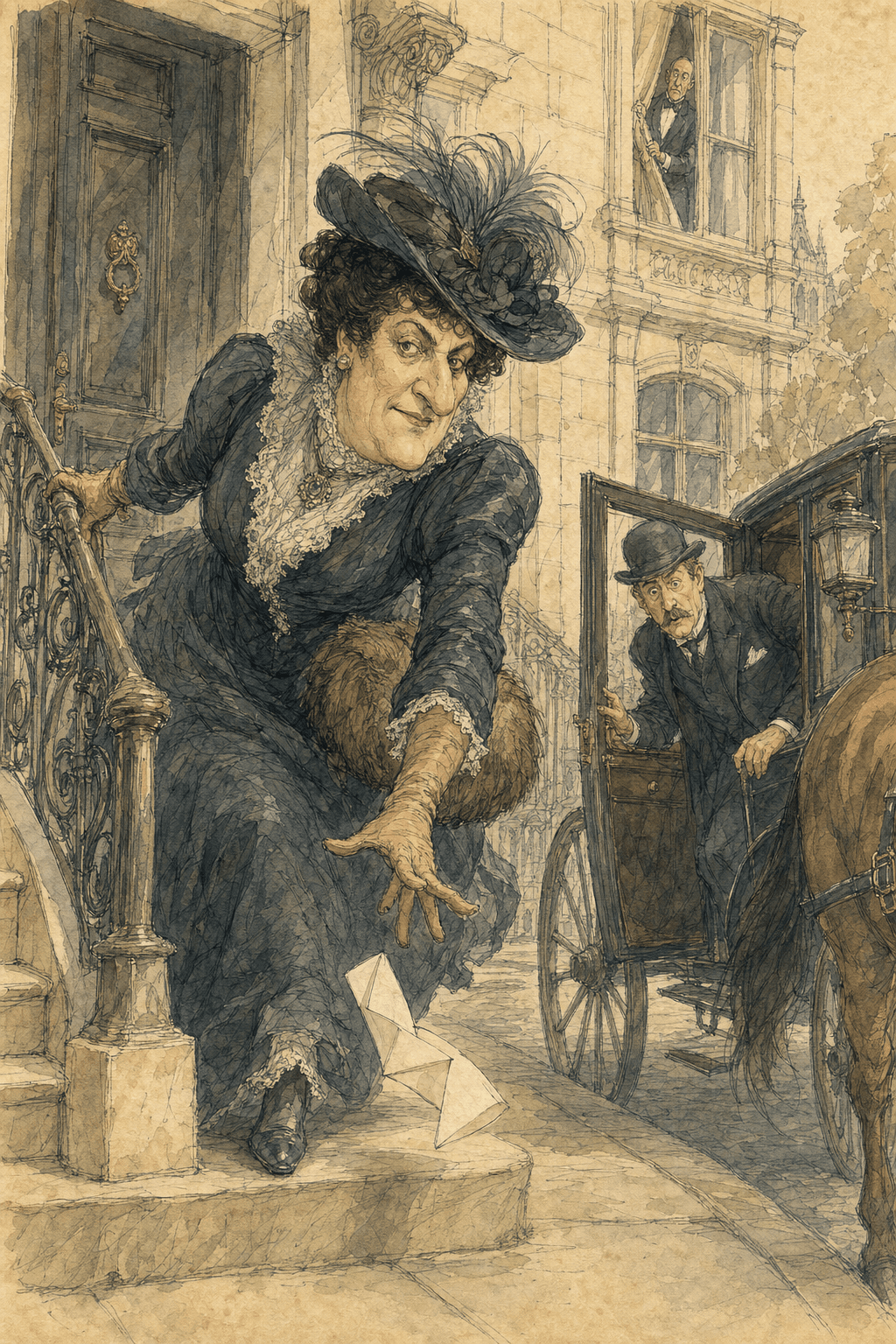
Hilda Schmidt
In 1902 Cassie Chadwick spent twenty-eight minutes on Andrew Carnegie's doorstep asking his housekeeper about a maid who had never worked there, then tripped leaving the carriage and dropped a two-million-dollar promissory note signed in his name.
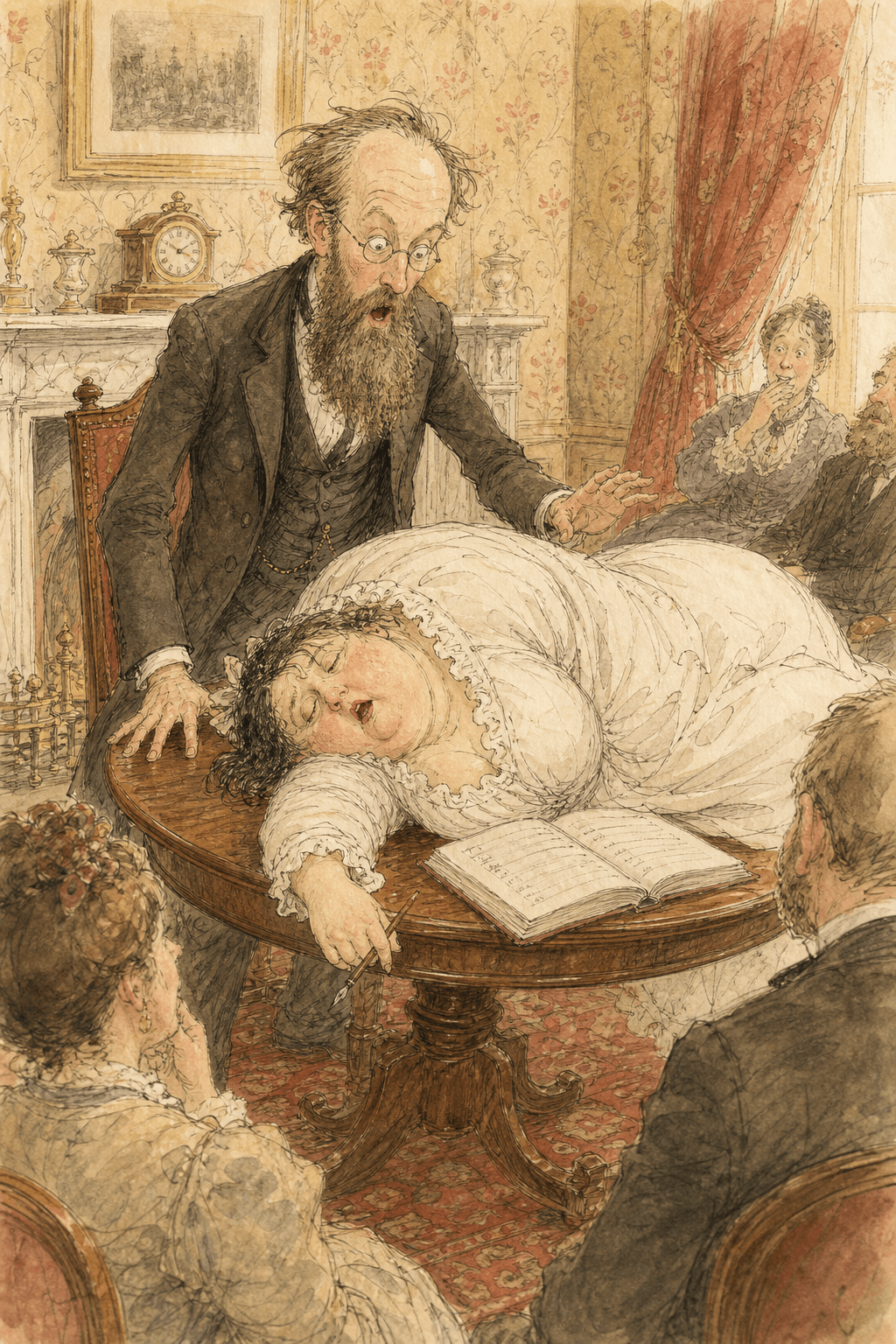
Mrs Guppy
In February 1858, delirious with malaria on Ternate, Alfred Russel Wallace drafted natural selection in two evenings; thirteen years later, at a séance on Lamb's Conduit Street, he watched Mrs Guppy thump onto the table three miles from her accounts, unconscious in her nightdress, still holding her pen.
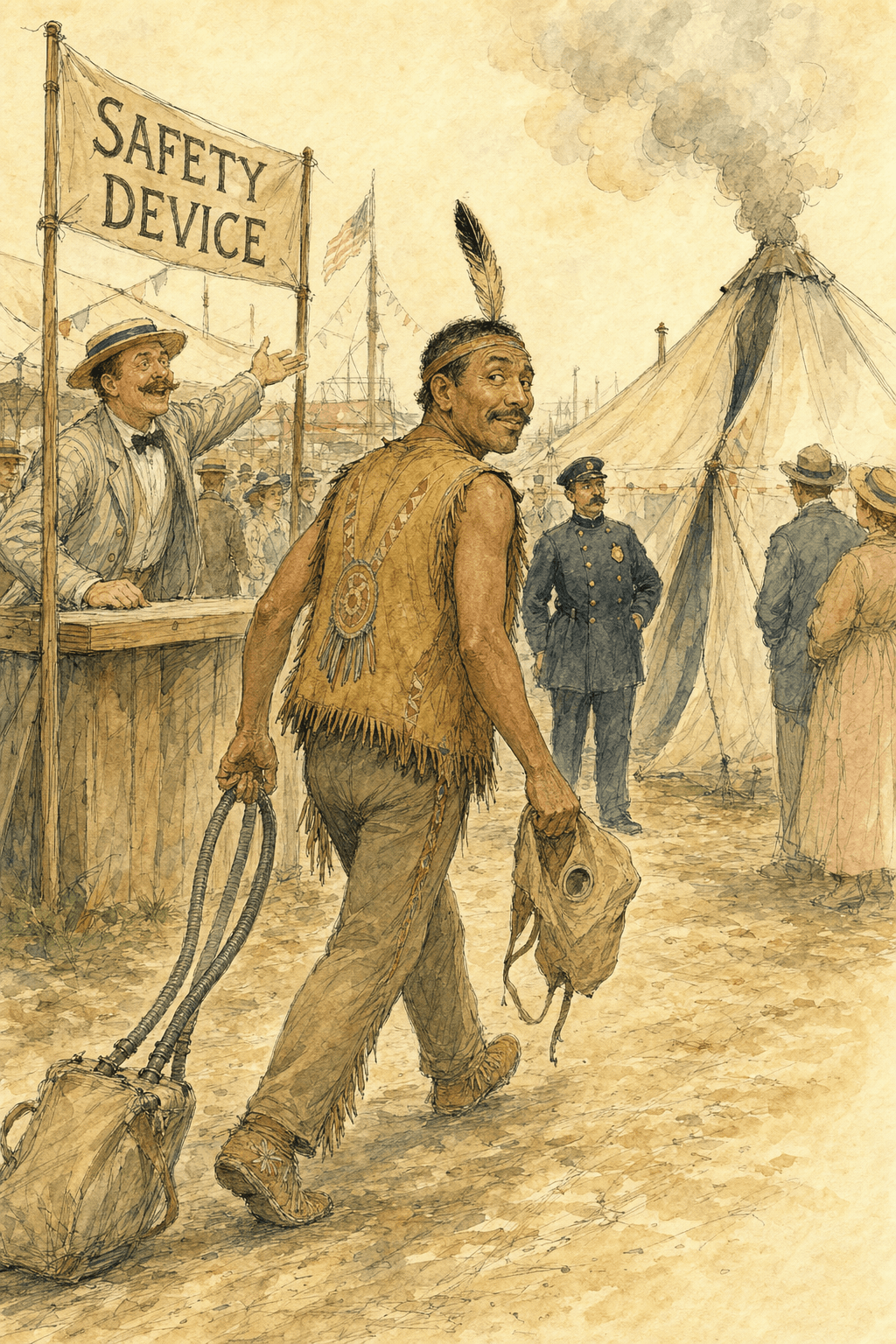
Big Chief Mason
The one person on earth who knew Garrett Morgan's 1914 smoke hood really worked was Garrett Morgan, inside it, in disguise as a Native American assistant to a white man selling it as his own.
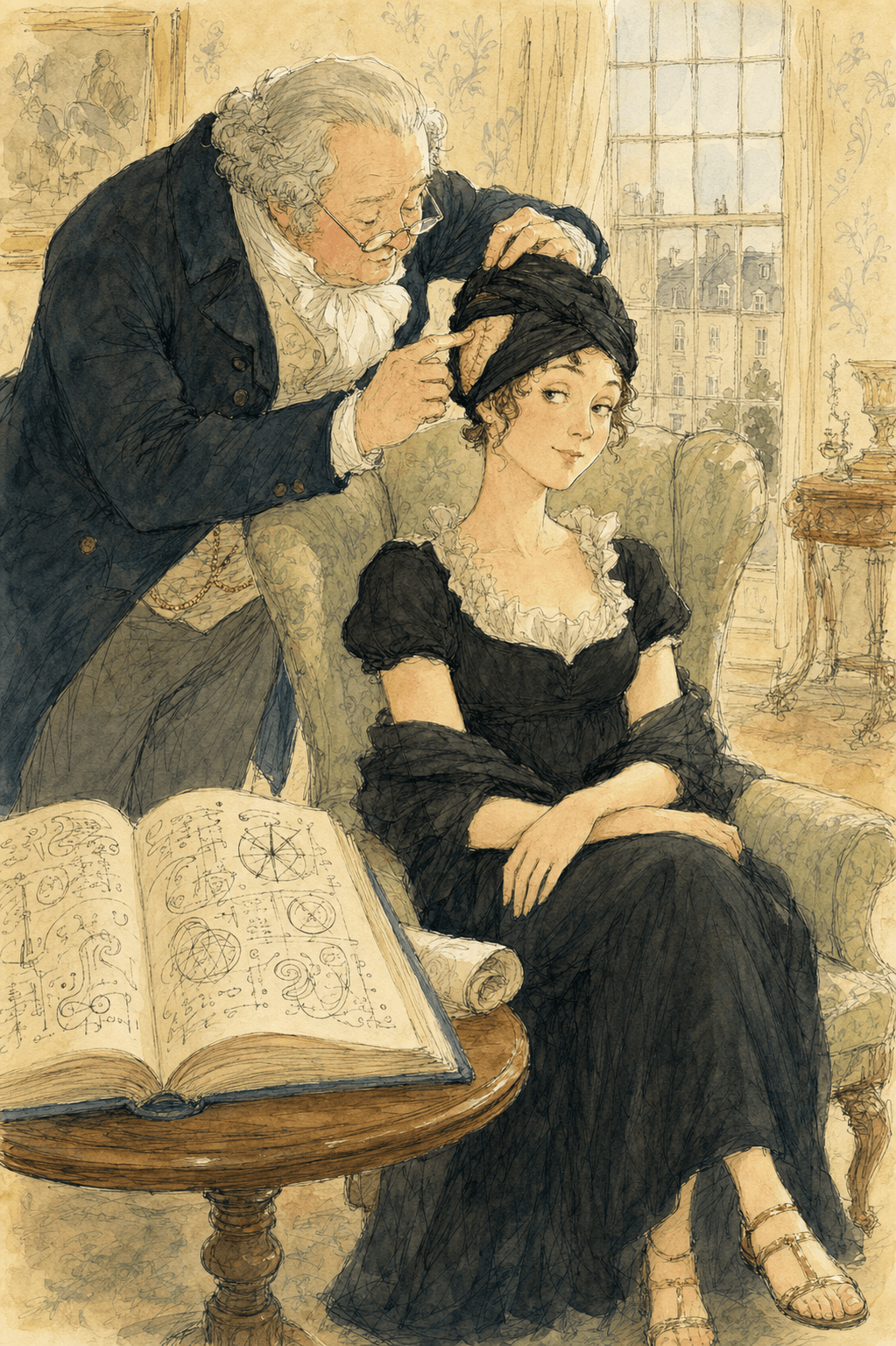
Pantographia
In April 1817 a woman in a black turban walked into a Gloucestershire village speaking a language no one recognised; within weeks Oxford scholars had studied her script, a Portuguese sailor had translated her backstory of pirates and peacock palanquins, and Bath had thrown her a ball.
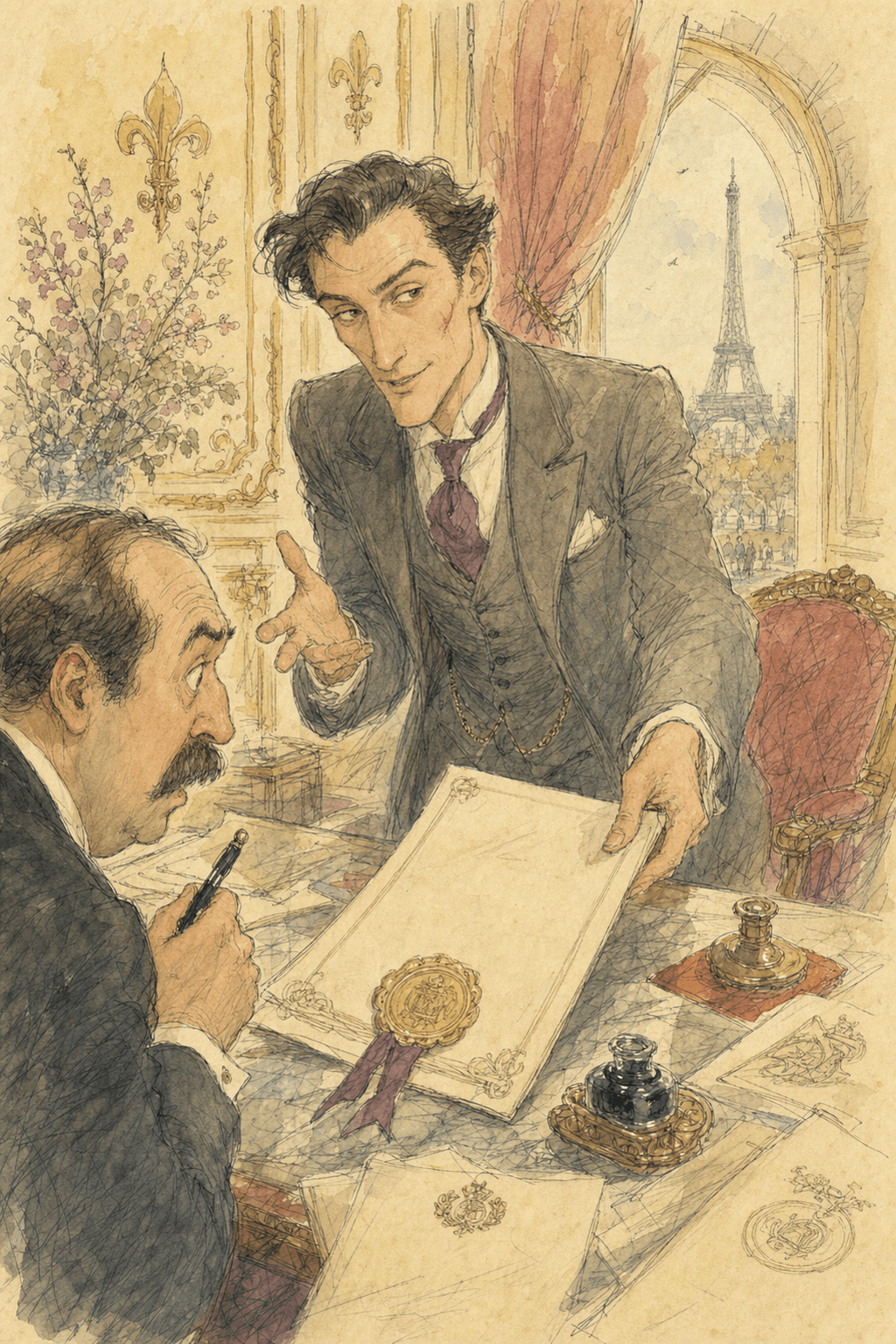
The Apprentice Salesman
What do you do after selling the Eiffel Tower to a scrap dealer and getting away with it?
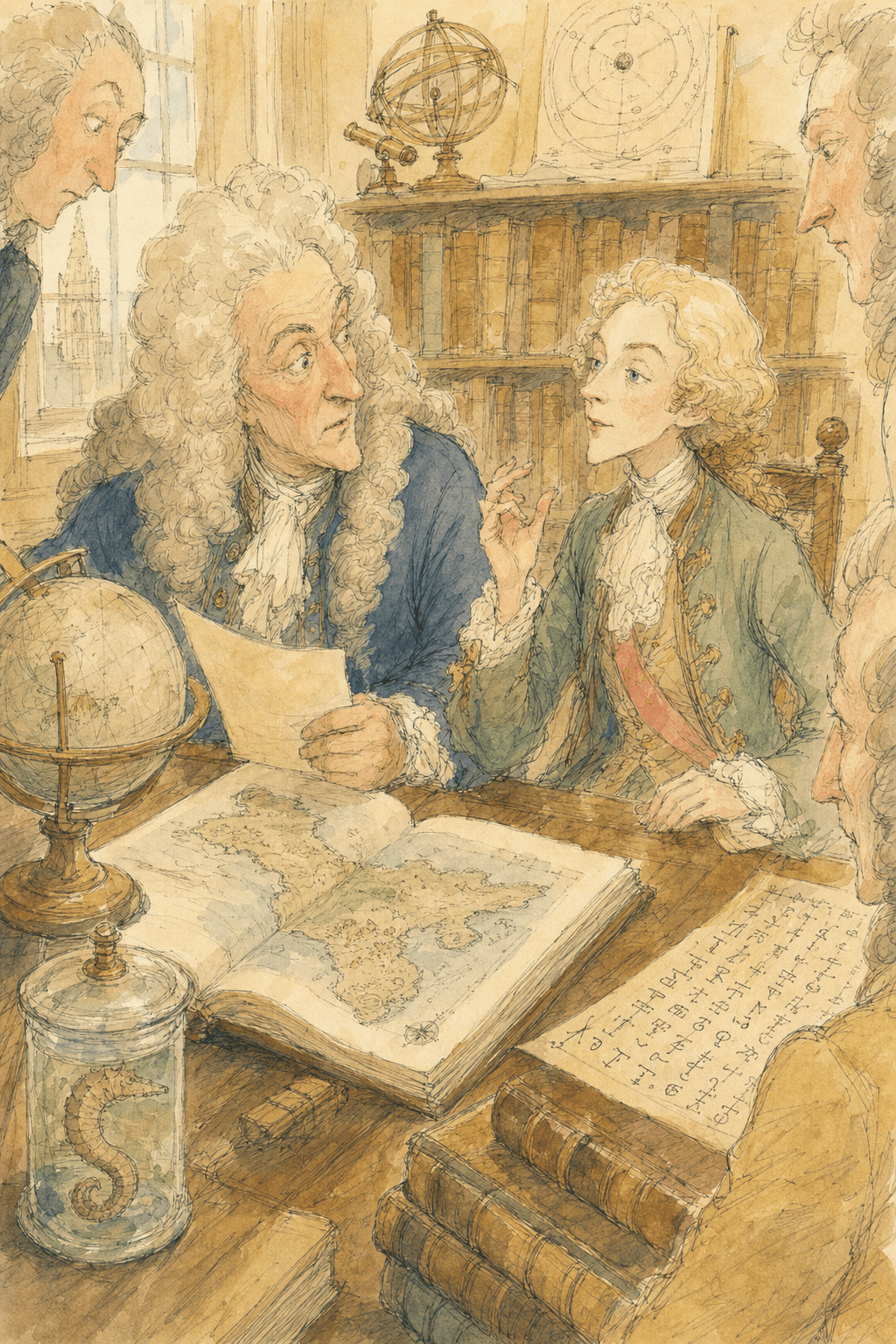
The Formosan
How did a blonde Frenchman convince 1700s London he was from Formosa?
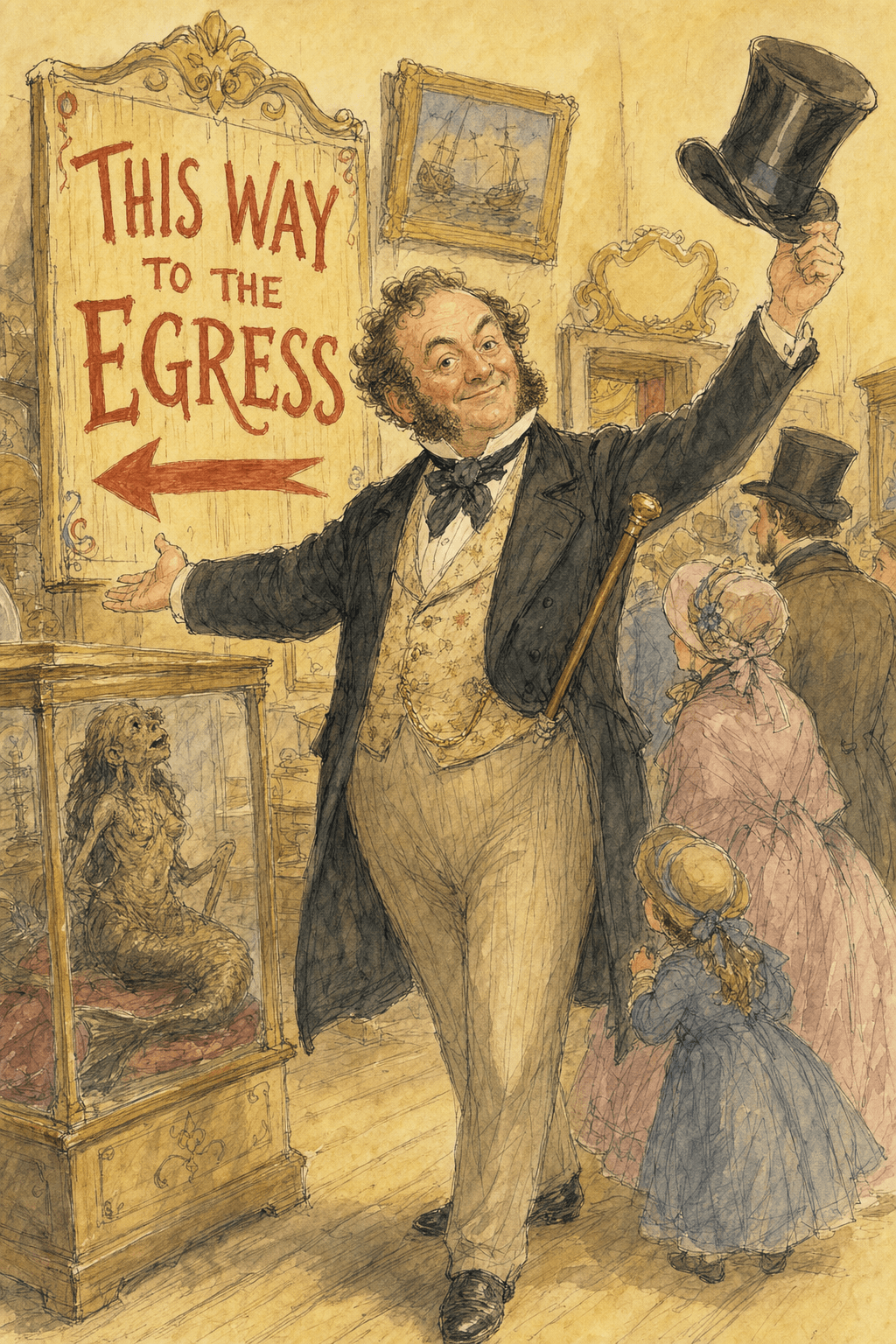
This Way to the Egress
He painted a sign over the back door reading THIS WAY TO THE EGRESS, and patrons walked through it expecting a beast.
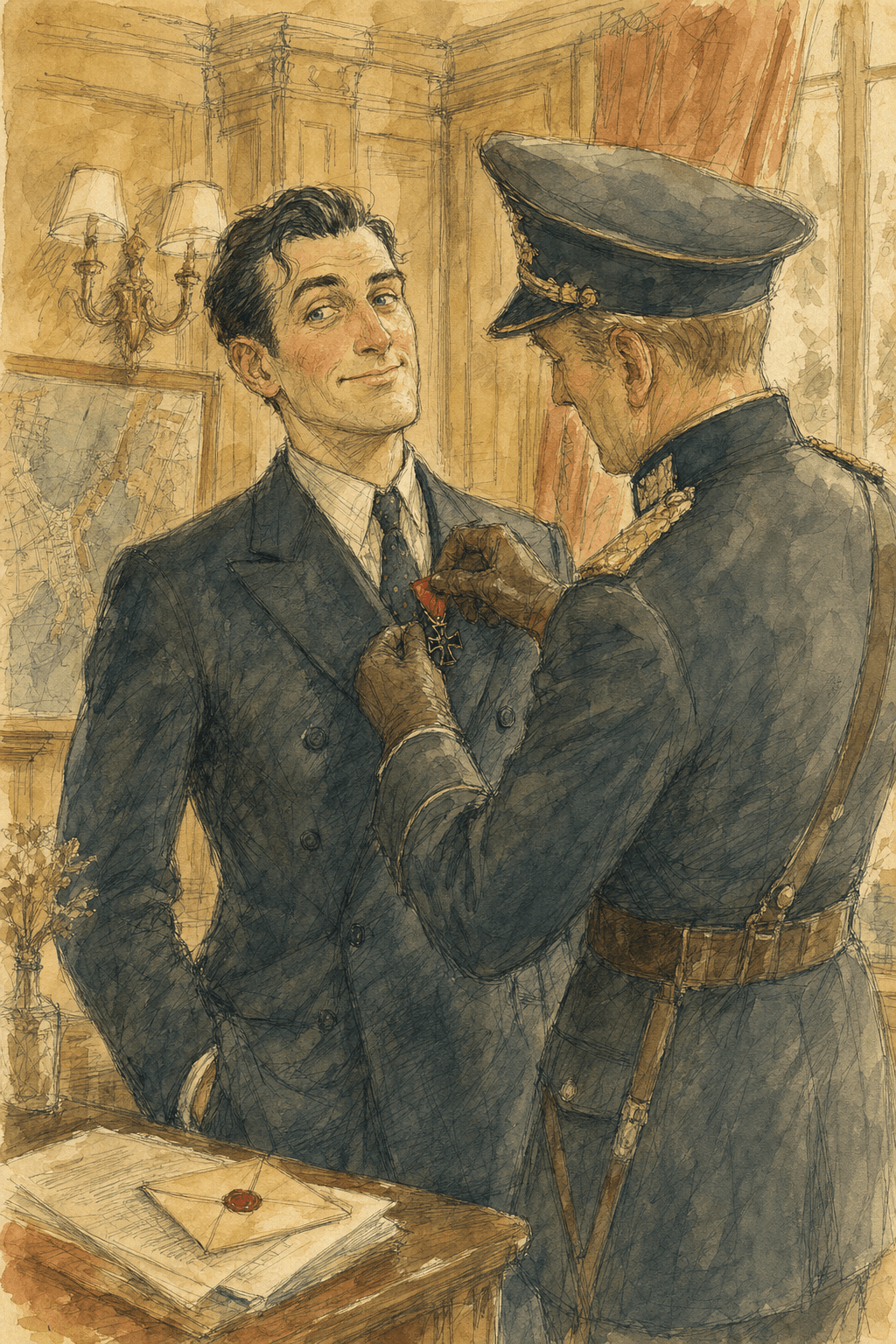
The Only Englishman to Win the Iron Cross
What does a Soho safecracker have to do to get personally decorated by the Nazis?
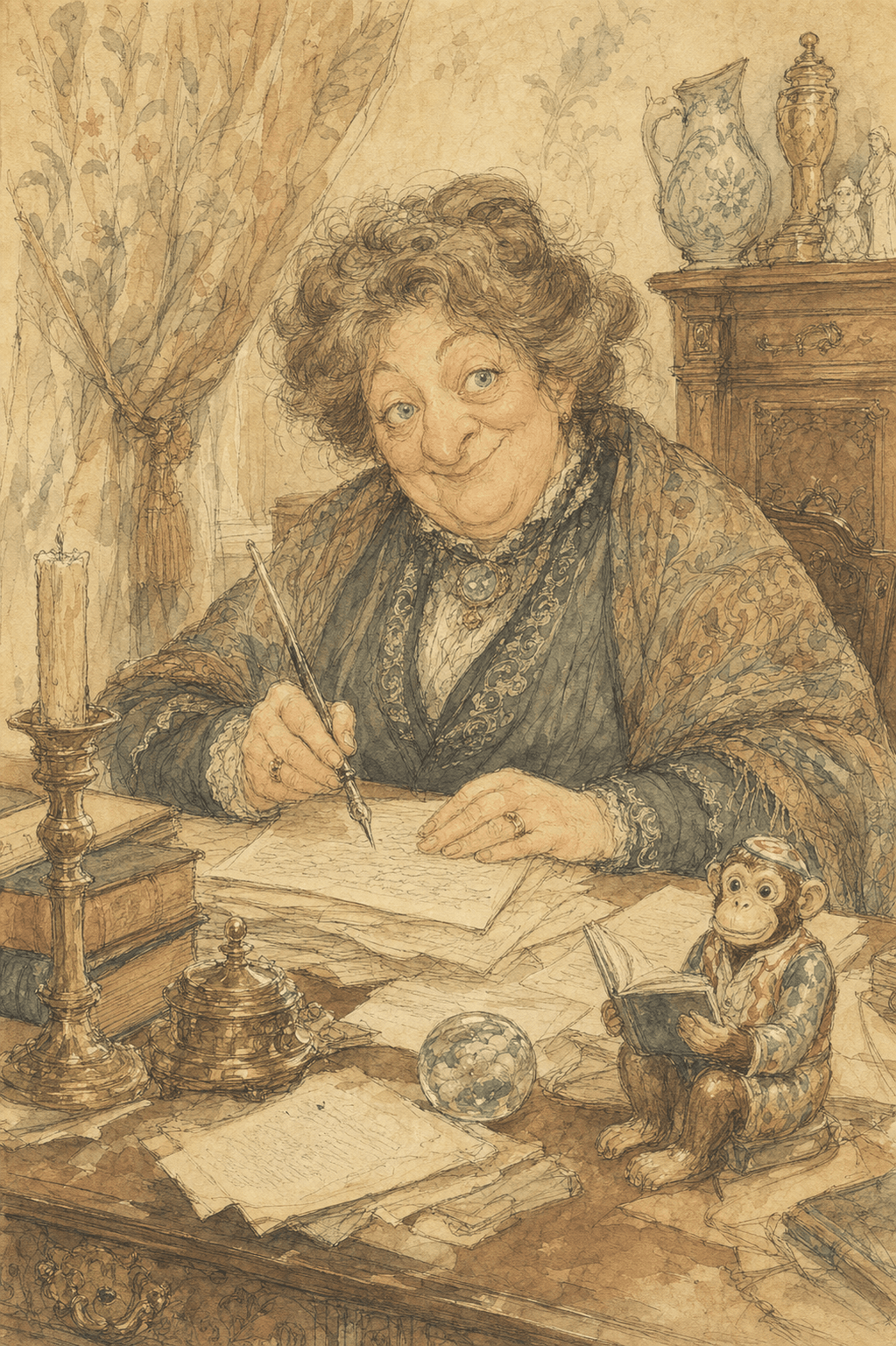
The Verdict She Kept
A woman in a Manhattan parlor convinced the nineteenth century that Tibetan Masters were mailing her letters through the ceiling, and somehow we are all still speaking her language.
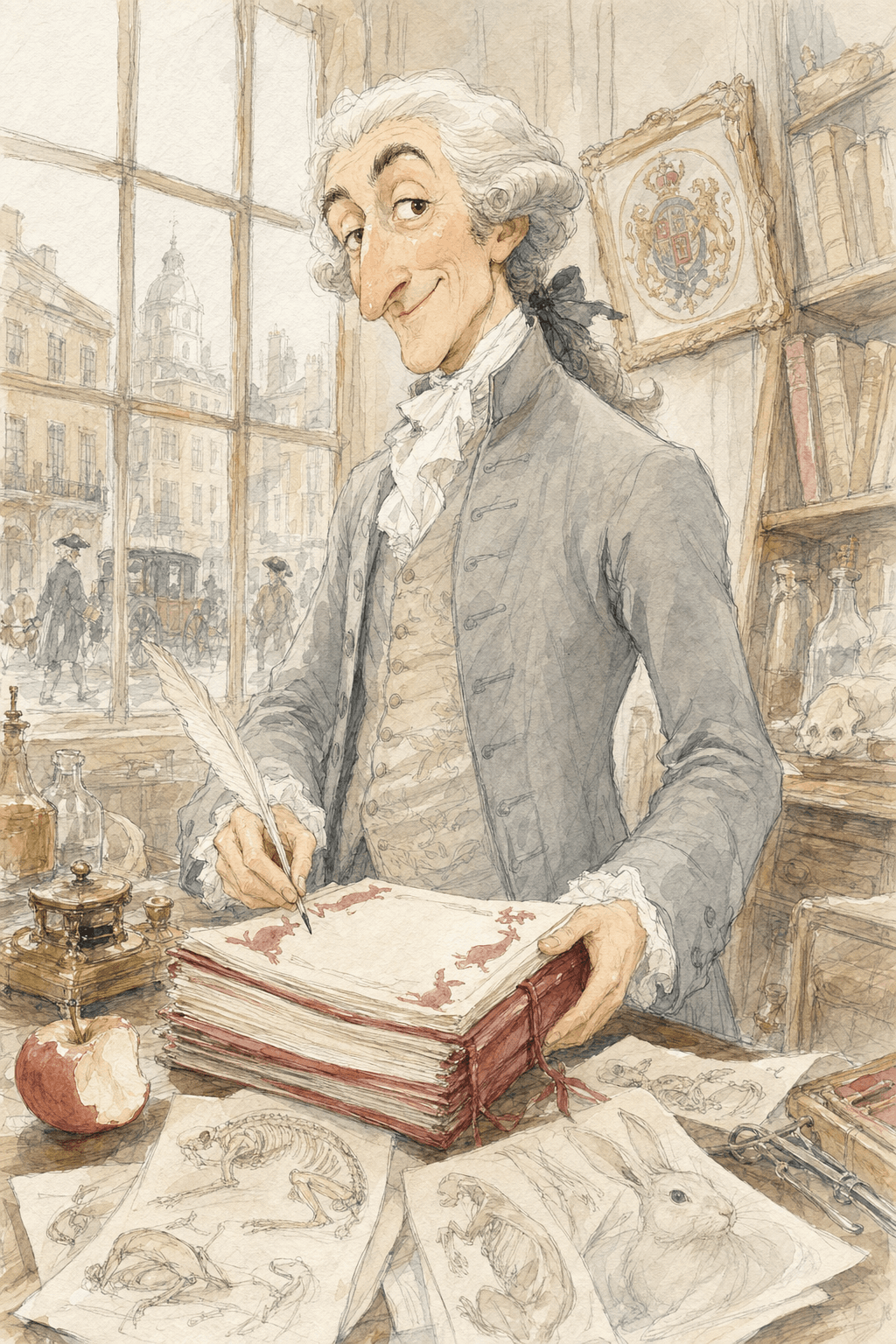
The Surgeon Who Believed
What does a royal surgeon do after publishing a forty-page pamphlet certifying that a clothier's wife gave birth to rabbits, four days before she confesses?
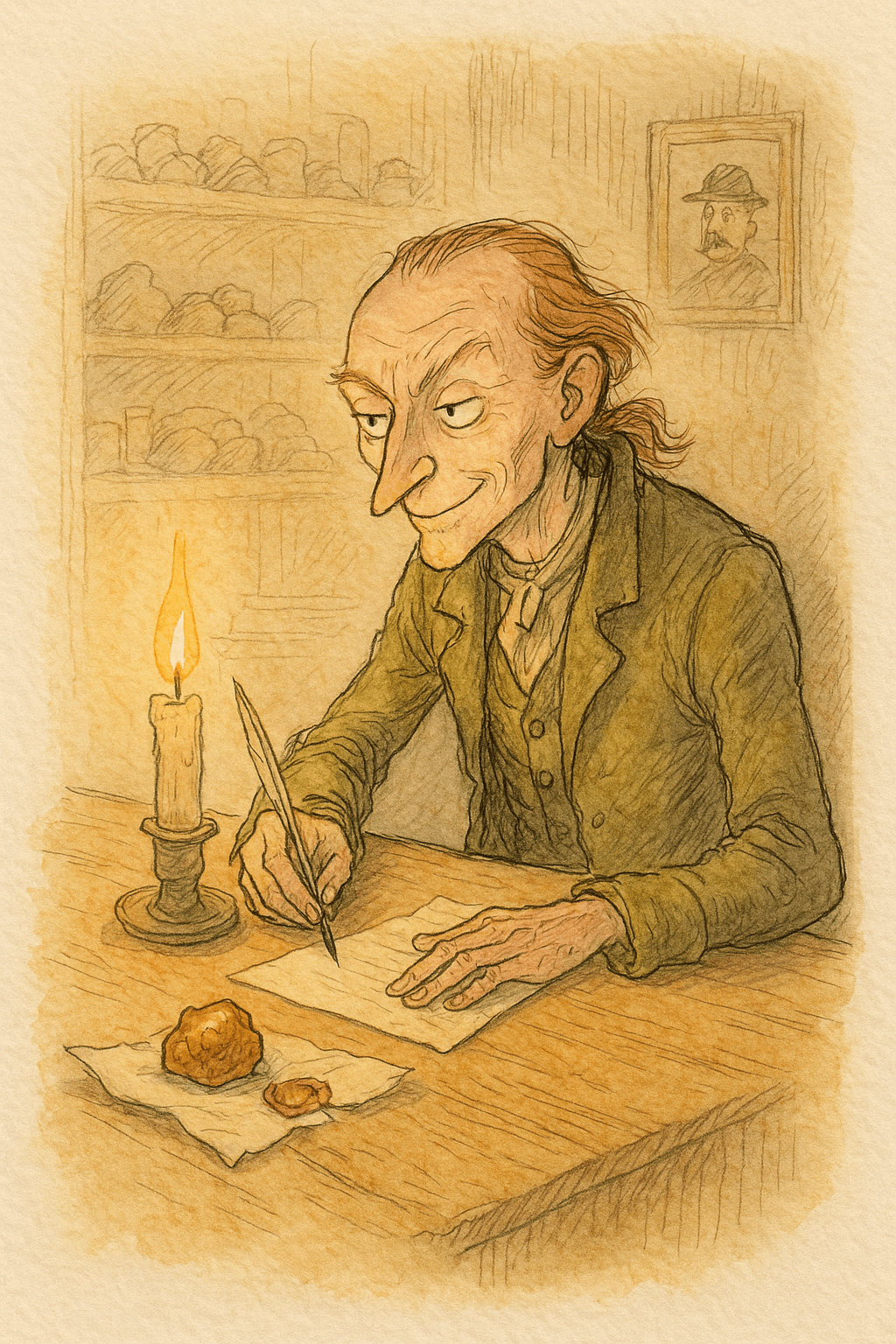
The Liar's Liar
What happens when a wanted gem thief decides he's the right person to publish someone else's tall tales?
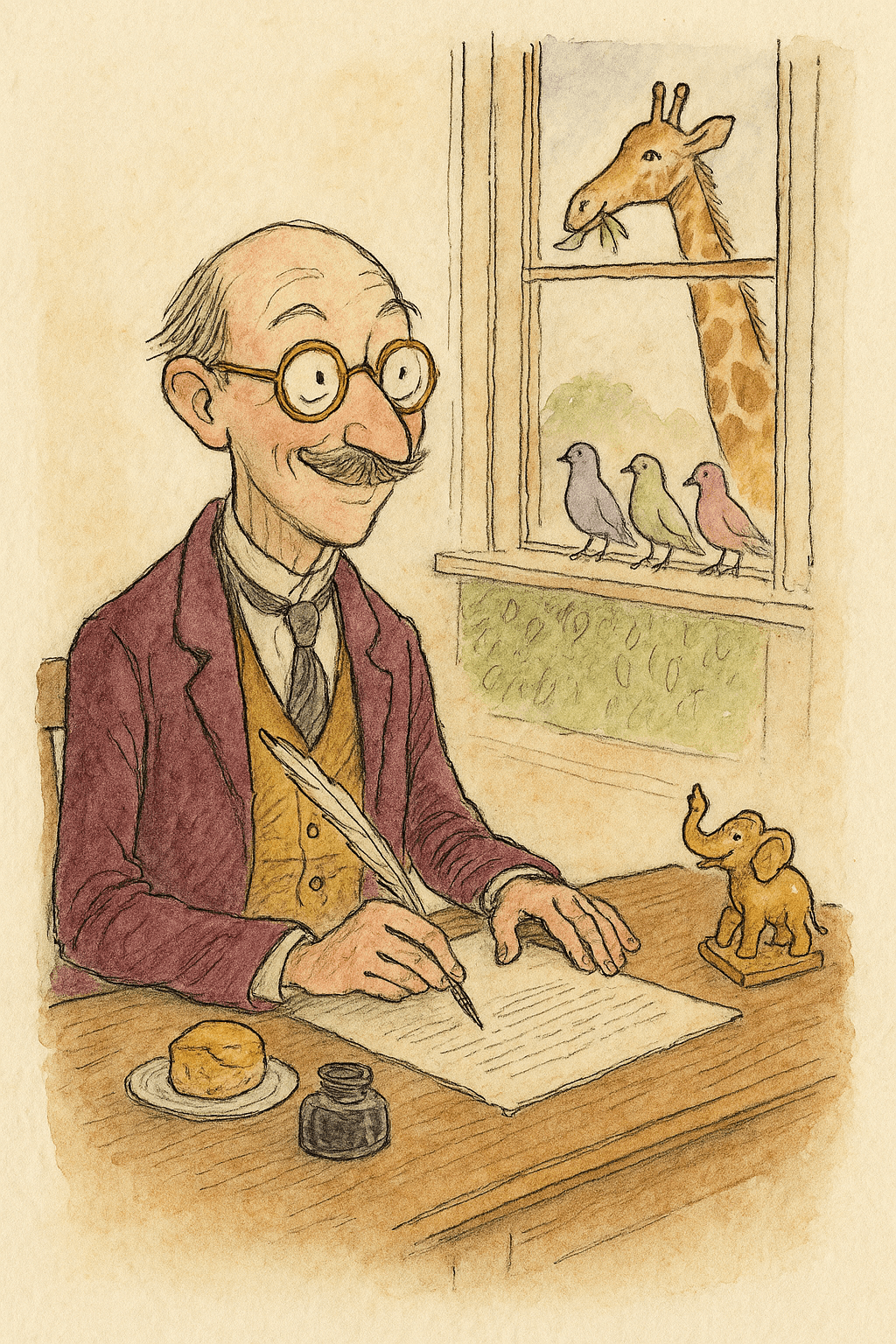
Lord Berners and the Elephant Problem
What happens when a man Stravinsky called Britain's best composer places a classified ad selling elephants he doesn't own — and names the buyers?