Oddlet: Yayoi Kusama · 1 min read
Mar 25, 2026
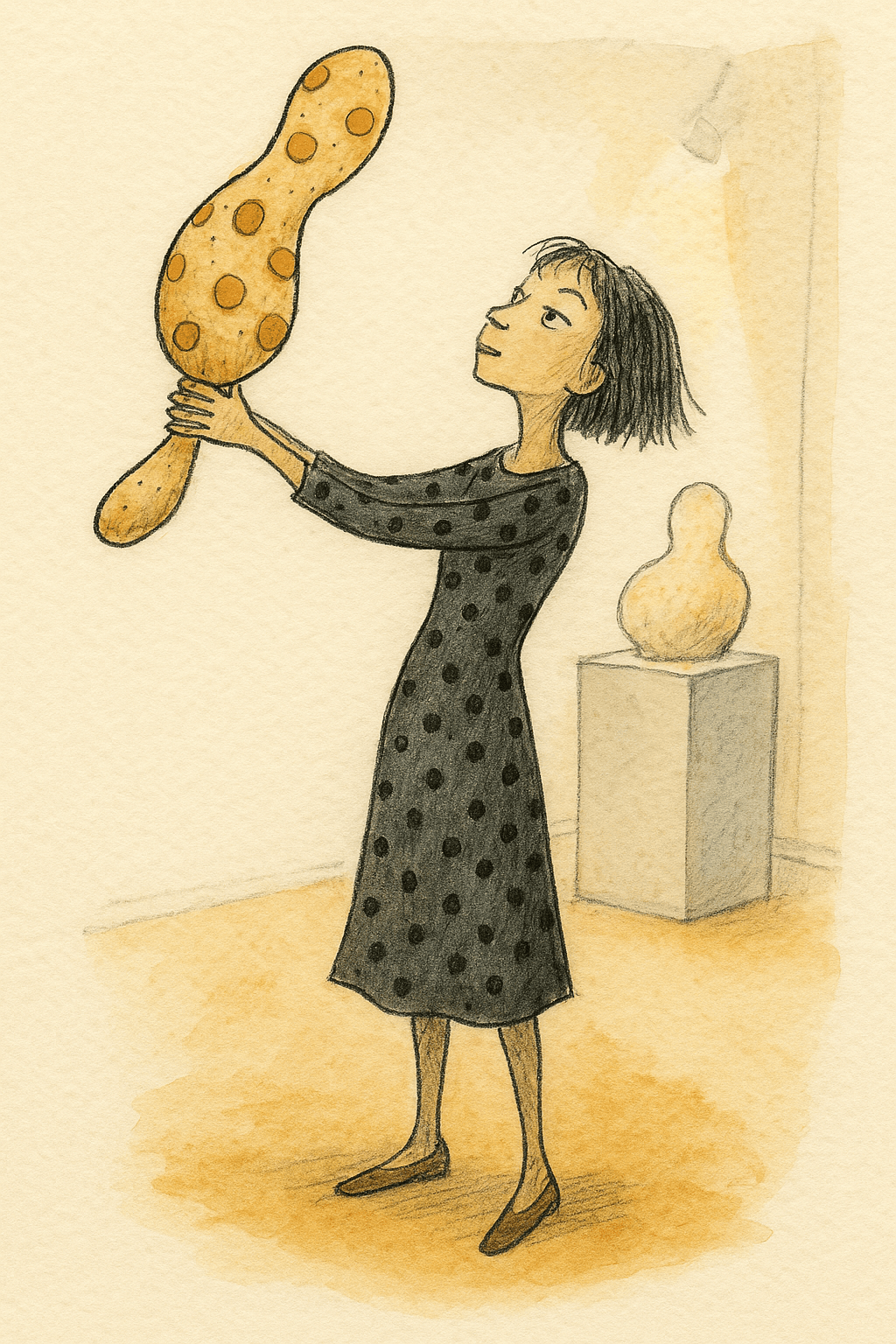
The Woman Who Covered the World in Polka Dots
She sent fourteen unsolicited watercolors to a stranger in rural Japan. That stranger was Georgia O'Keeffe, and she wrote back.
Yayoi Kusama arrived in New York in 1957 with sixty kimonos, two thousand artworks she hoped to use as currency, and a letter of encouragement from Georgia O'Keeffe — who had received fourteen unsolicited watercolors from a stranger in rural Japan and decided, essentially, to change her life.
Within a few years, Kusama was making work that had no precedent.
She covered a rowboat in thousands of sewn soft tentacles, then wallpapered the entire gallery with a single repeated photograph of it — floor, walls, ceiling. She built furniture that sprouted fabric appendages like coral. She scattered 1,500 mirrored spheres across the lawn at the Venice Biennale, selling them for two dollars each until officials expelled her for treating art like hot dogs. She appointed herself High Priestess of Polka Dots and officiated a wedding in a SoHo loft in 1968.
In 1977, Kusama checked herself into a Tokyo psychiatric hospital. She has lived there ever since, walking across the street to her studio every morning. She is now the world's best-selling living female artist.
Know someone who’d love this?
- **Encyclopædia Britannica** — High reliability; peer-reviewed reference source, updated March 2026.
- **Wikipedia — Yayoi Kusama** — Good reliability for established facts; updated within days of research; cross-check recommended for contested claims.
- **Artnet News — Documentary piece** — Reliable arts journalism; draws on documentary *Kusama: Infinity* (dir. Heather Lenz, 2018); useful for Warhol/Oldenburg connections.
- **Psychiatric News (American Psychiatric Association)** — High reliability for mental health context; published by the APA.
- **Smarthistory** — Peer-reviewed open art history resource; reliable for Venice Biennale details.
- **David Zwirner Gallery (official)** — Primary source for exhibition history; institutional bias possible but factually reliable for dates.
The Drunk Friend
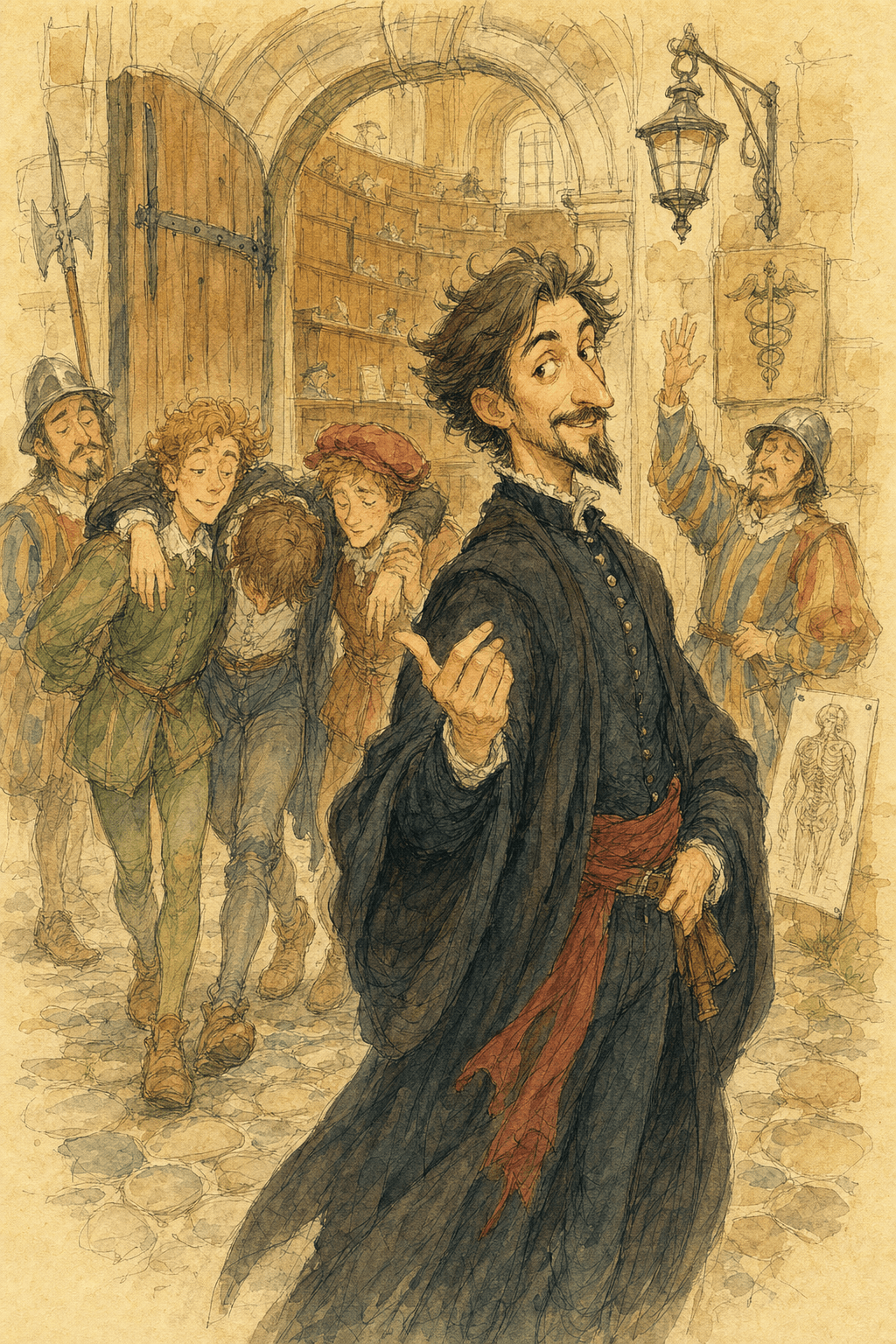
How do you smuggle a corpse past the city guards without anyone asking questions?
The Cape Compromise
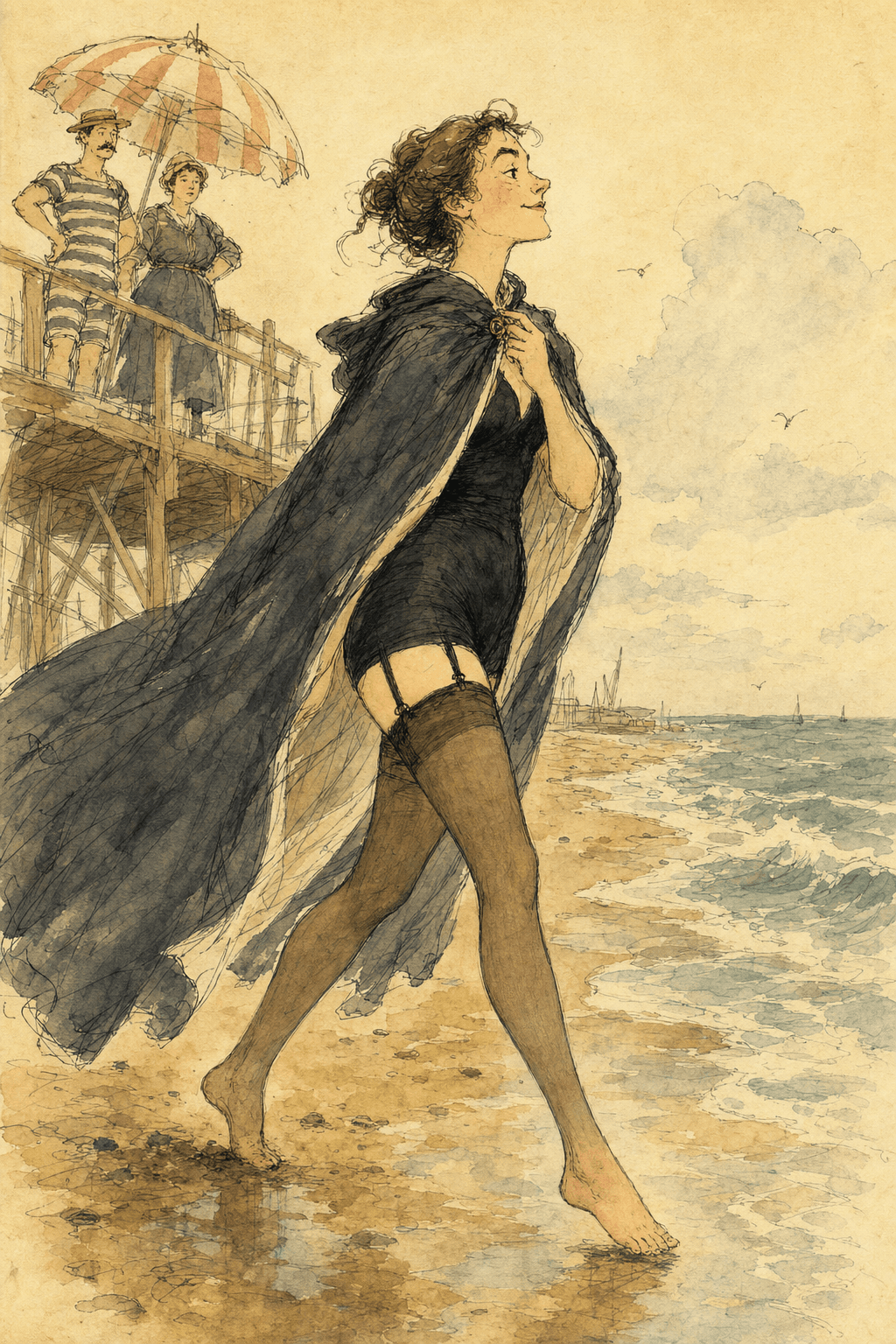
She swam thirteen miles down the Thames, twenty-two down the Danube, and got arrested walking onto a beach in Boston.
The Hermit Who Kept Office Hours
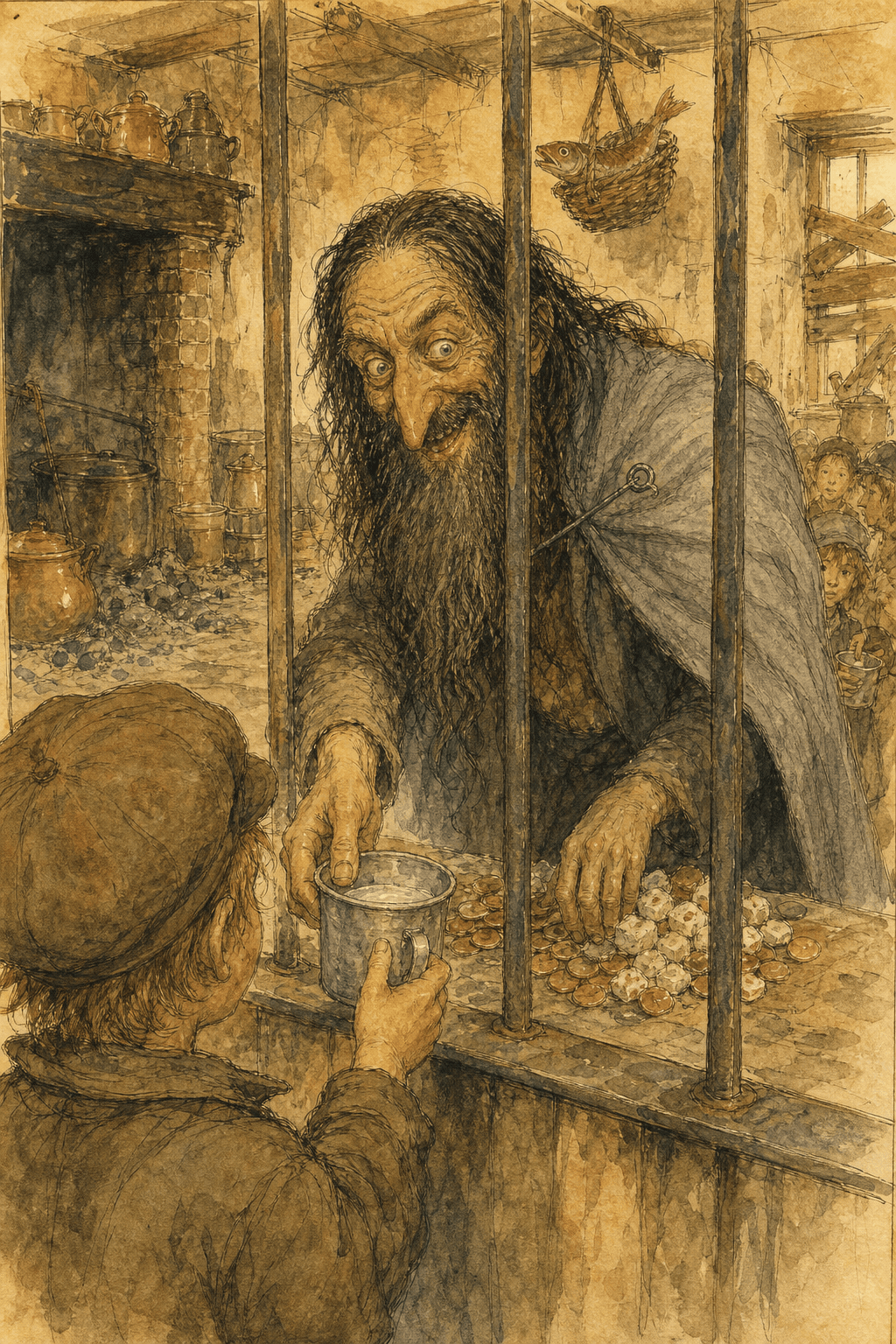
What kind of hermit hires two armed guards, then hands out gin to two hundred children through the bars of his window?
Wonder, delivered.
A fresh Oddlet in your inbox every morning, a full day before everyone else. True, strange and under a minute.
Free forever. Unsubscribe anytime.