triumph
Won against the odds, the establishment, or their own limitations.
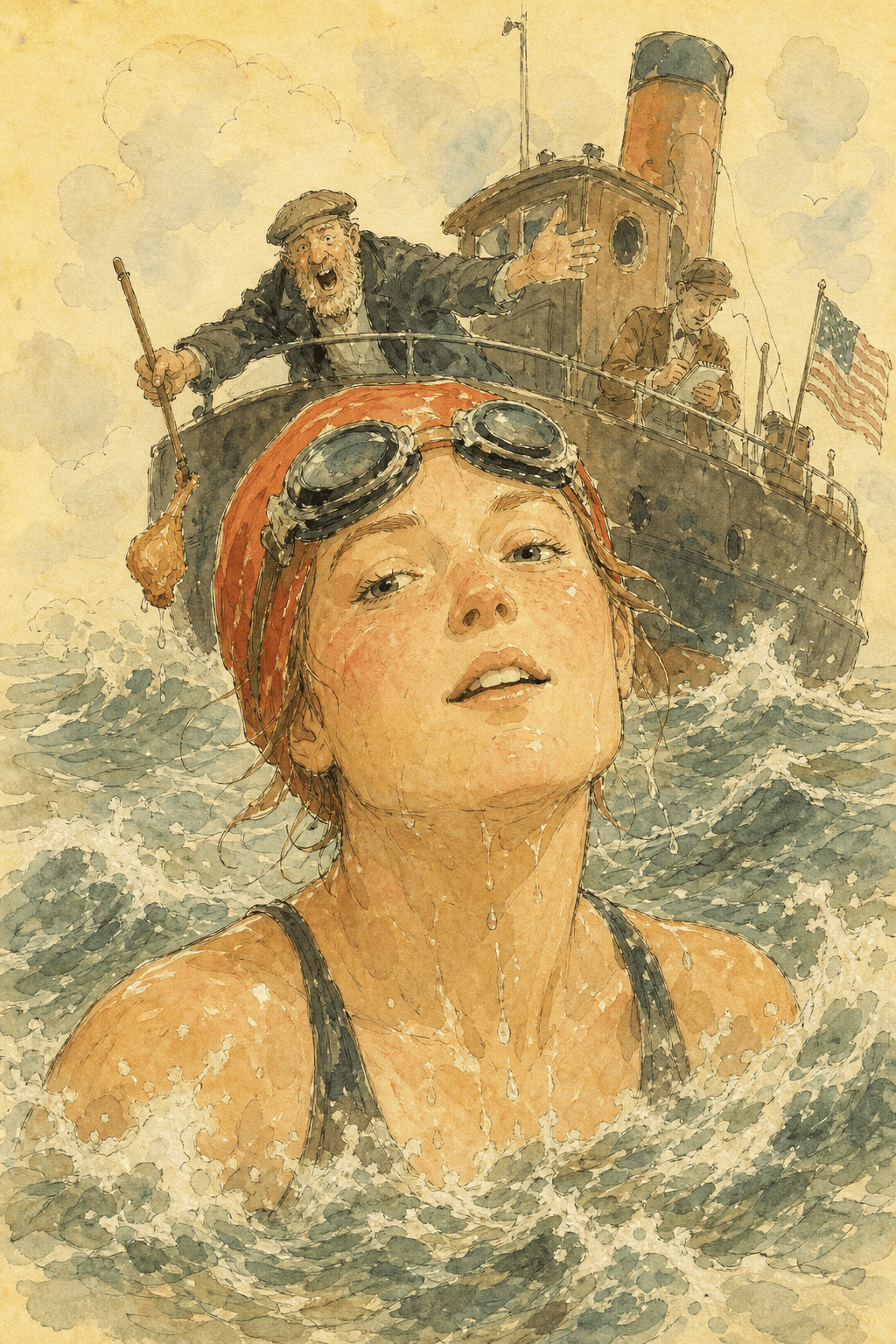
What For
In 1926 a twenty-year-old swam the English Channel faster than any man alive — and her trainer spent the worst hour of it begging her to quit.
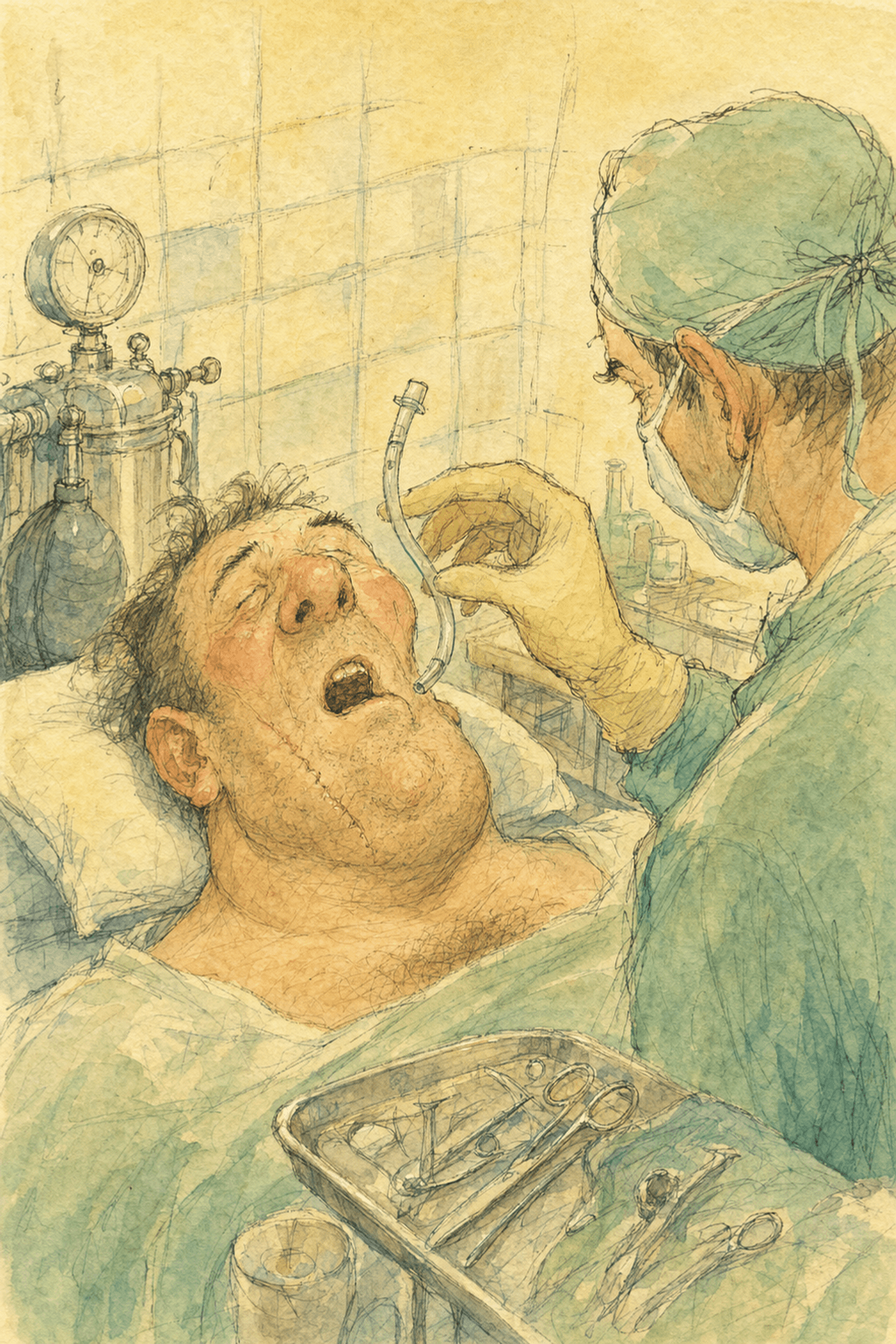
The Same Bone, Twice
What does it take for a state to kill the same man twice, nearly thirty years apart, using the same injury?
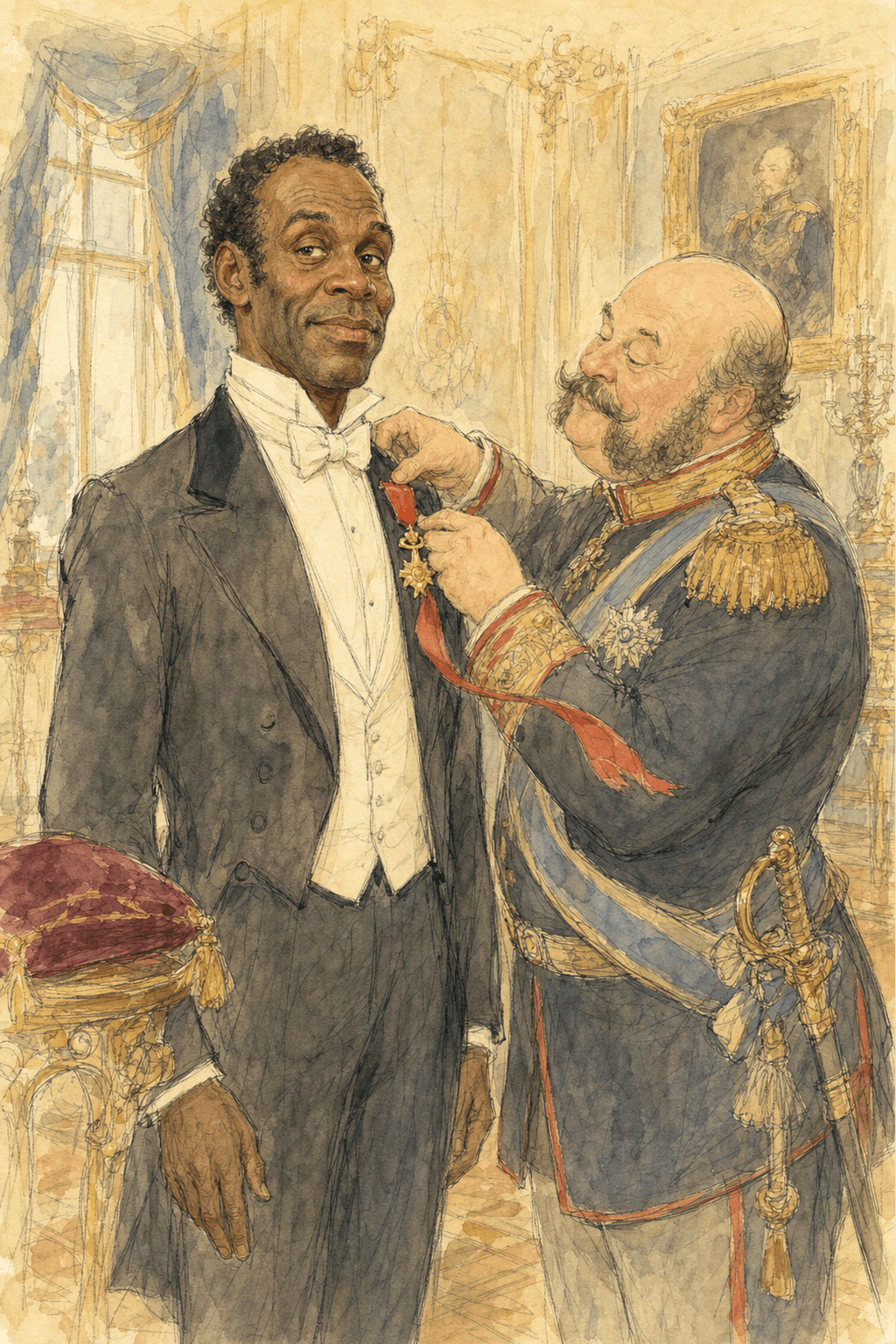
The Company He Kept
In 1825 an eighteen-year-old from New York couldn't get cast in an American theatre, so he sailed to London and played Oroonoko; thirty years later, what was Prussia giving him a gold medal for?
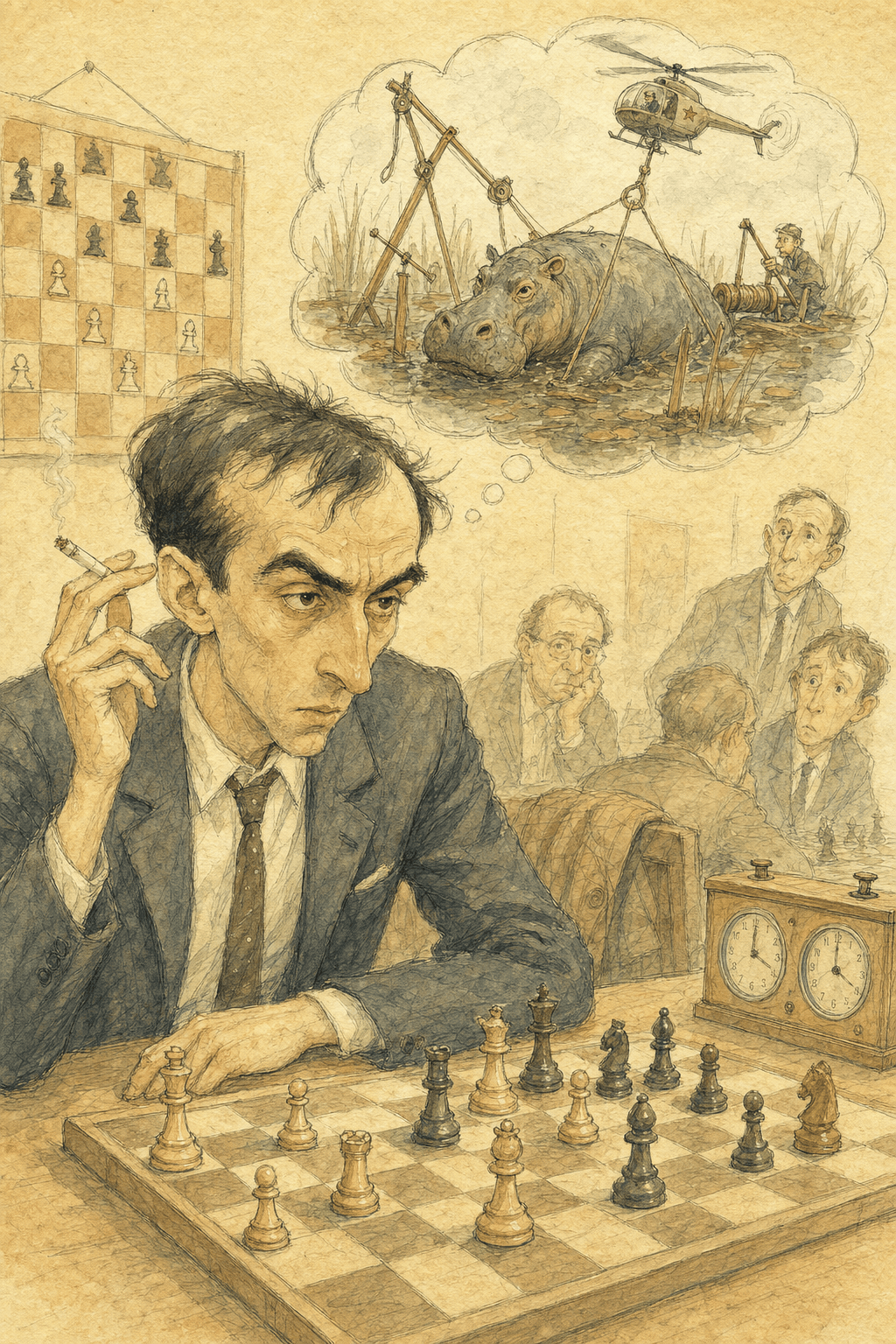
The Hippopotamus in the Marsh
What does a chess grandmaster do when his brain is hijacked, mid-game, by a children's poem about a stuck hippopotamus?
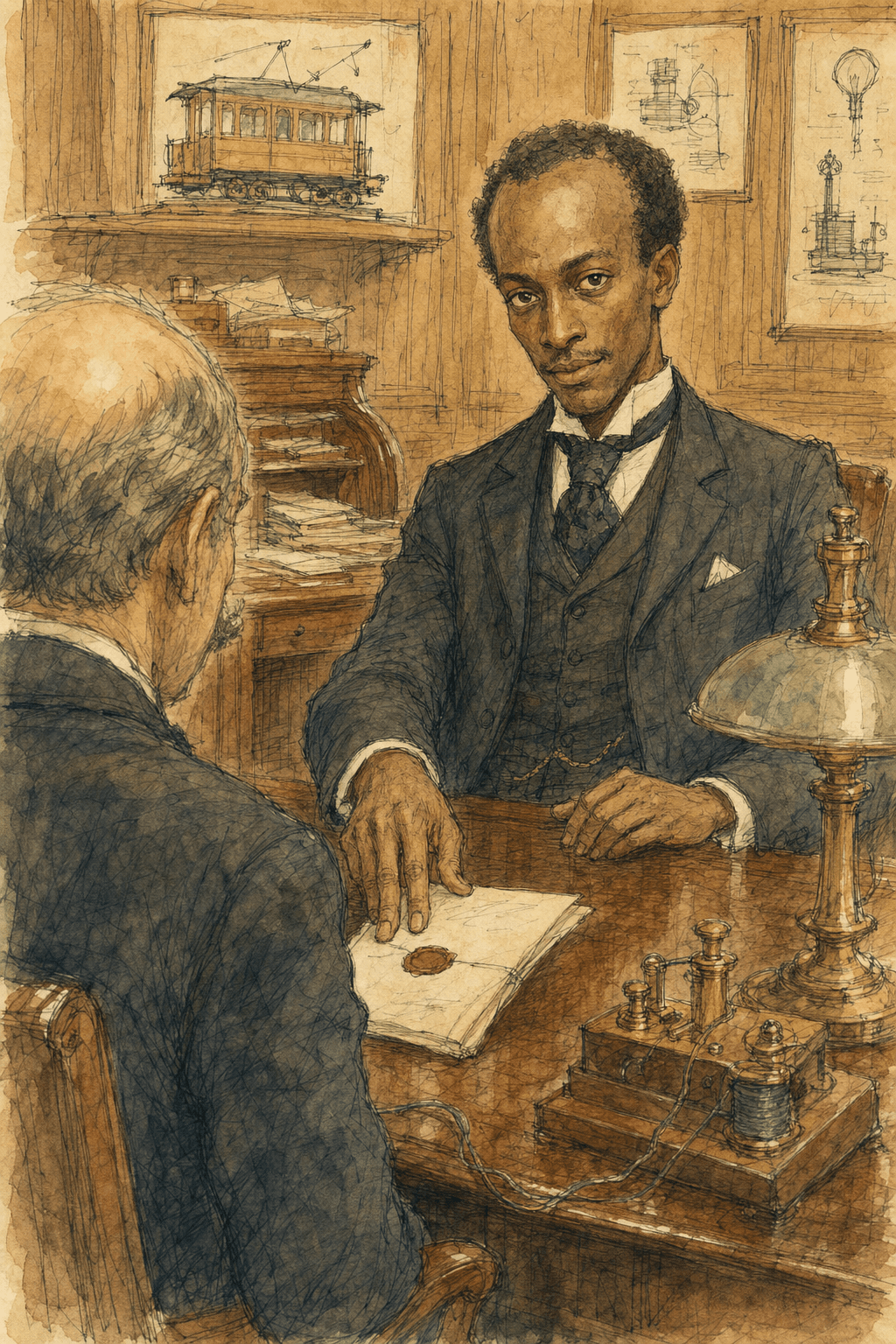
No to Edison
What do you do when the man who twice tried to take your patent in court turns around and offers you a job?

The Spider That Was Named After Her
At fifty-two, a divorced naturalist sold every painting she owned and sailed to a malarial jungle to paint a spider no one believed existed.
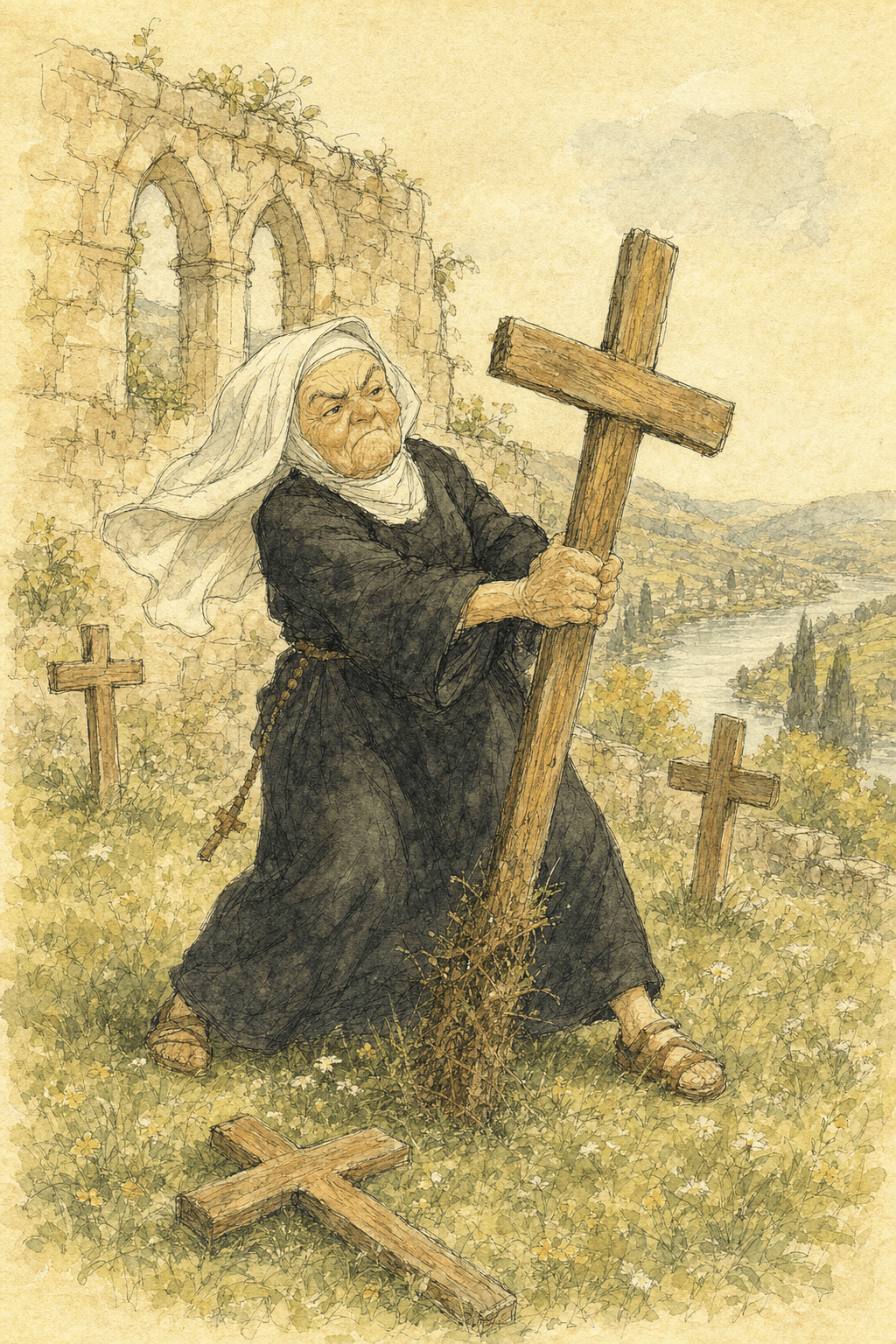
The Abbess Who Hid the Grave
What does a twelfth-century abbess do when an archbishop orders her to exhume a body she has decided to keep?
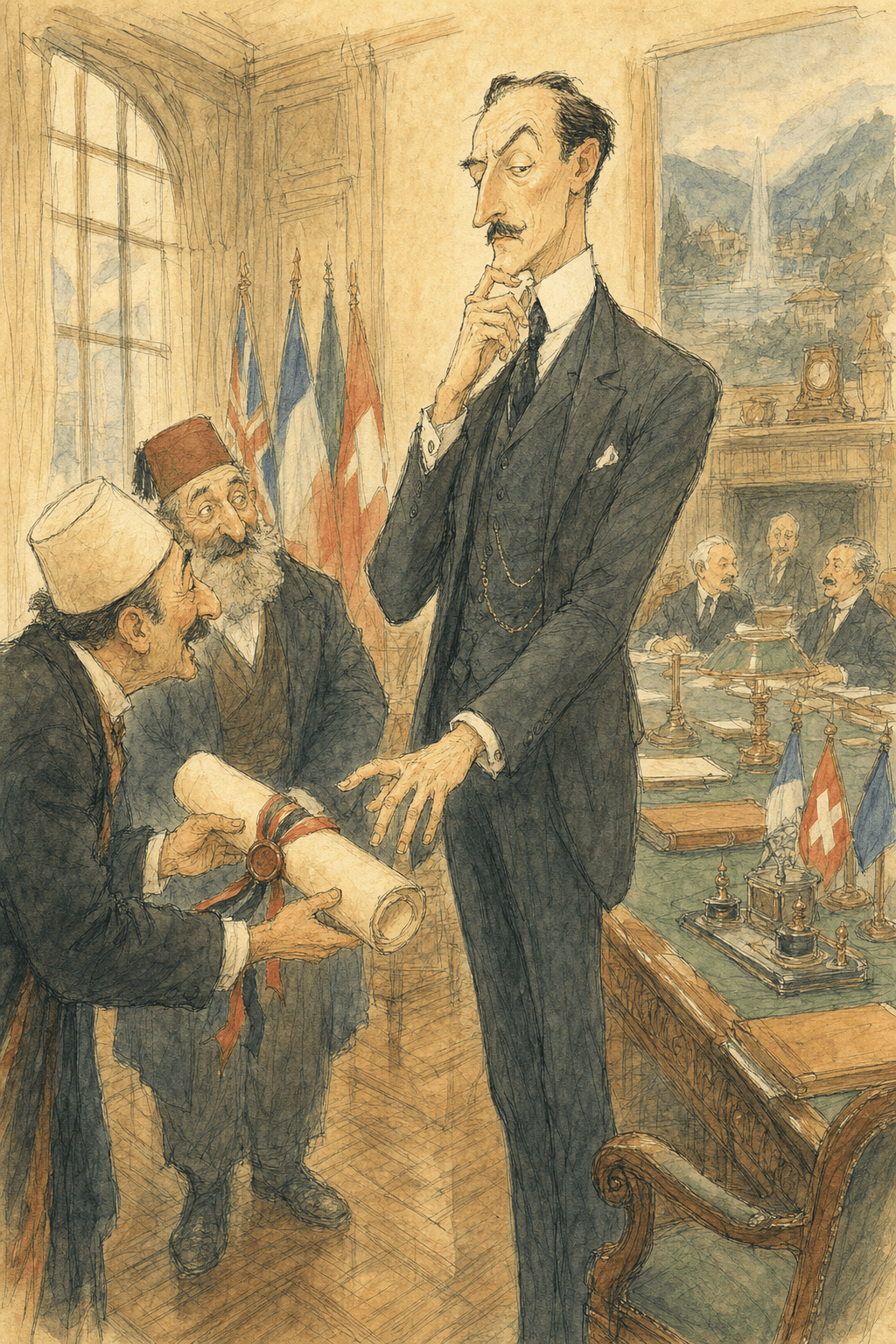
The Almost-King of Albania
In 1920, an Albanian delegation walked into the League of Nations looking for a king and asked the nearest plausible Englishman.
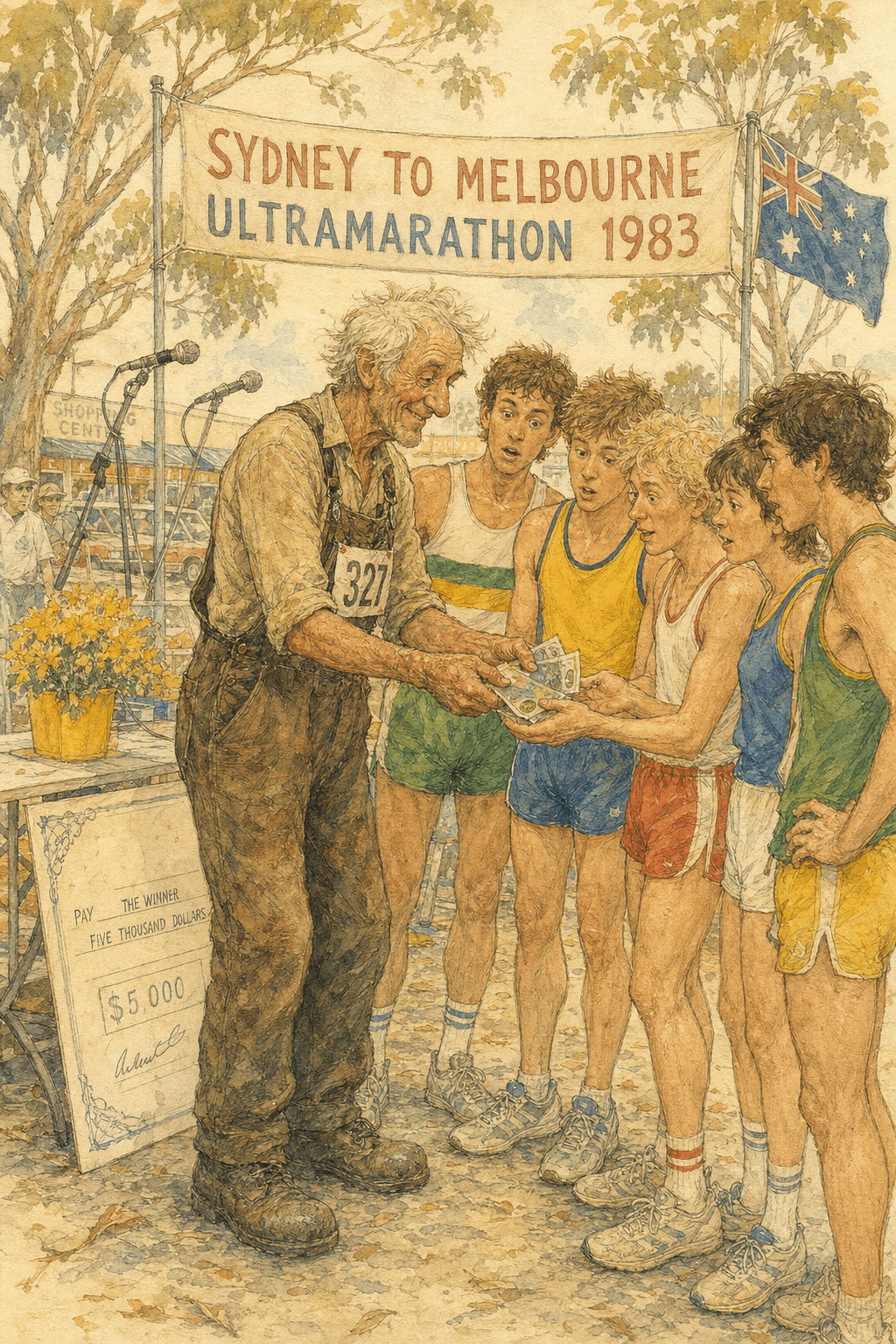
The Farmer Who Did Not Know
He showed up in overalls and gumboots, removed his dentures, and asked if he could run.
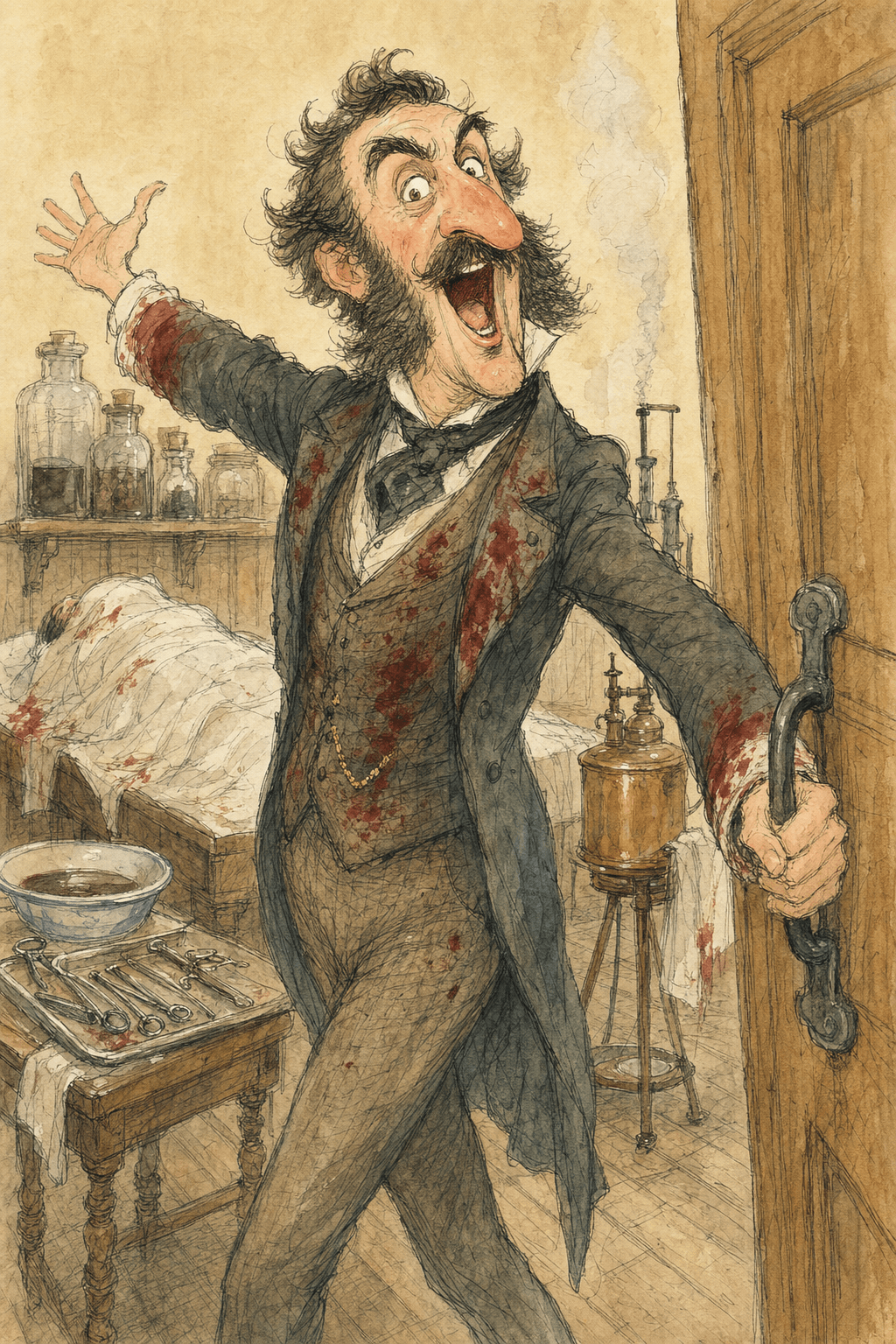
The Wash-and-Be-Clean Man
What did Victorian surgeons do when one quiet Quaker suggested they stop wearing coats stiffened with old blood?
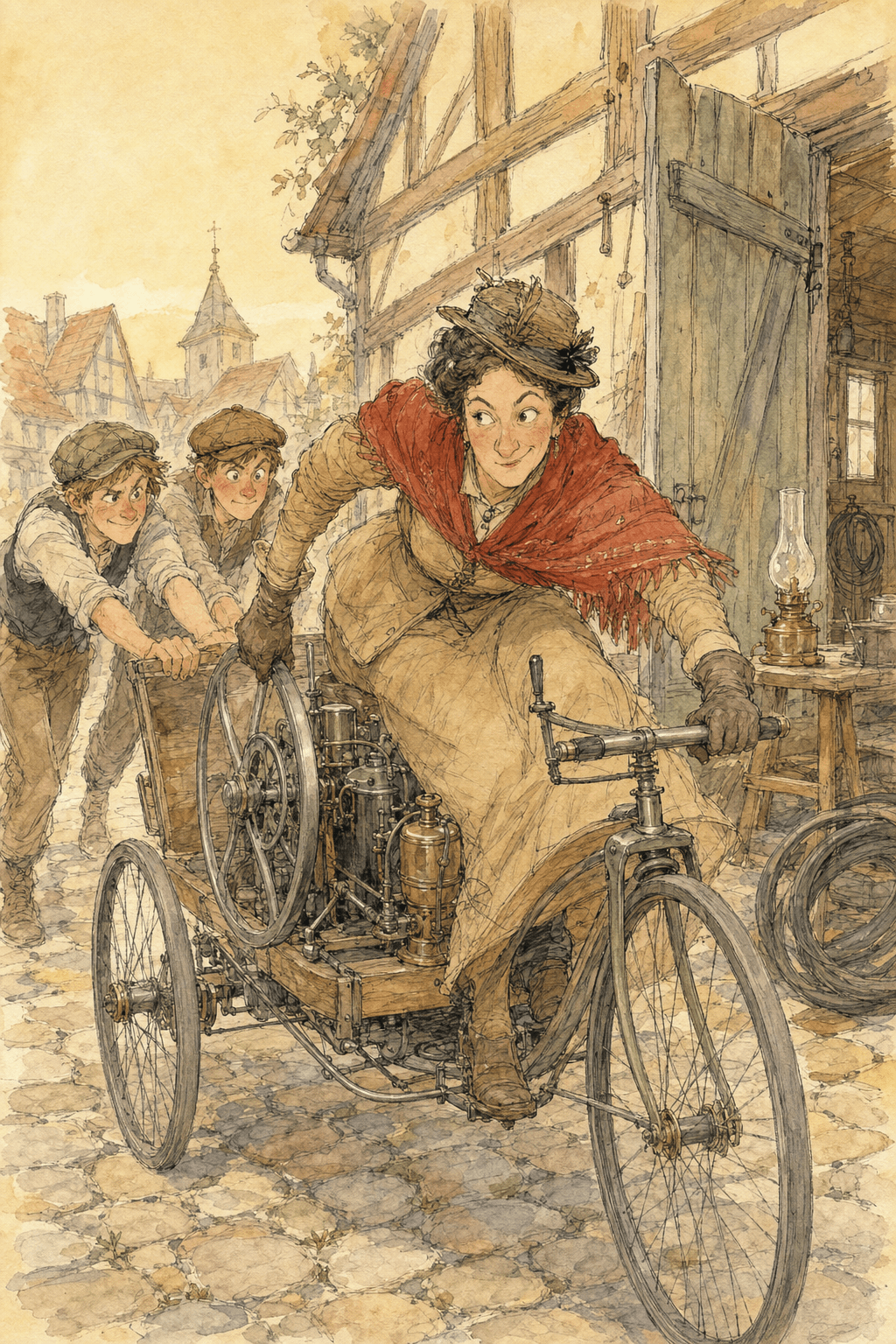
The Woman Who Stole the Car
Why did a woman in 1888 push an automobile down an alley at dawn while her husband slept upstairs?
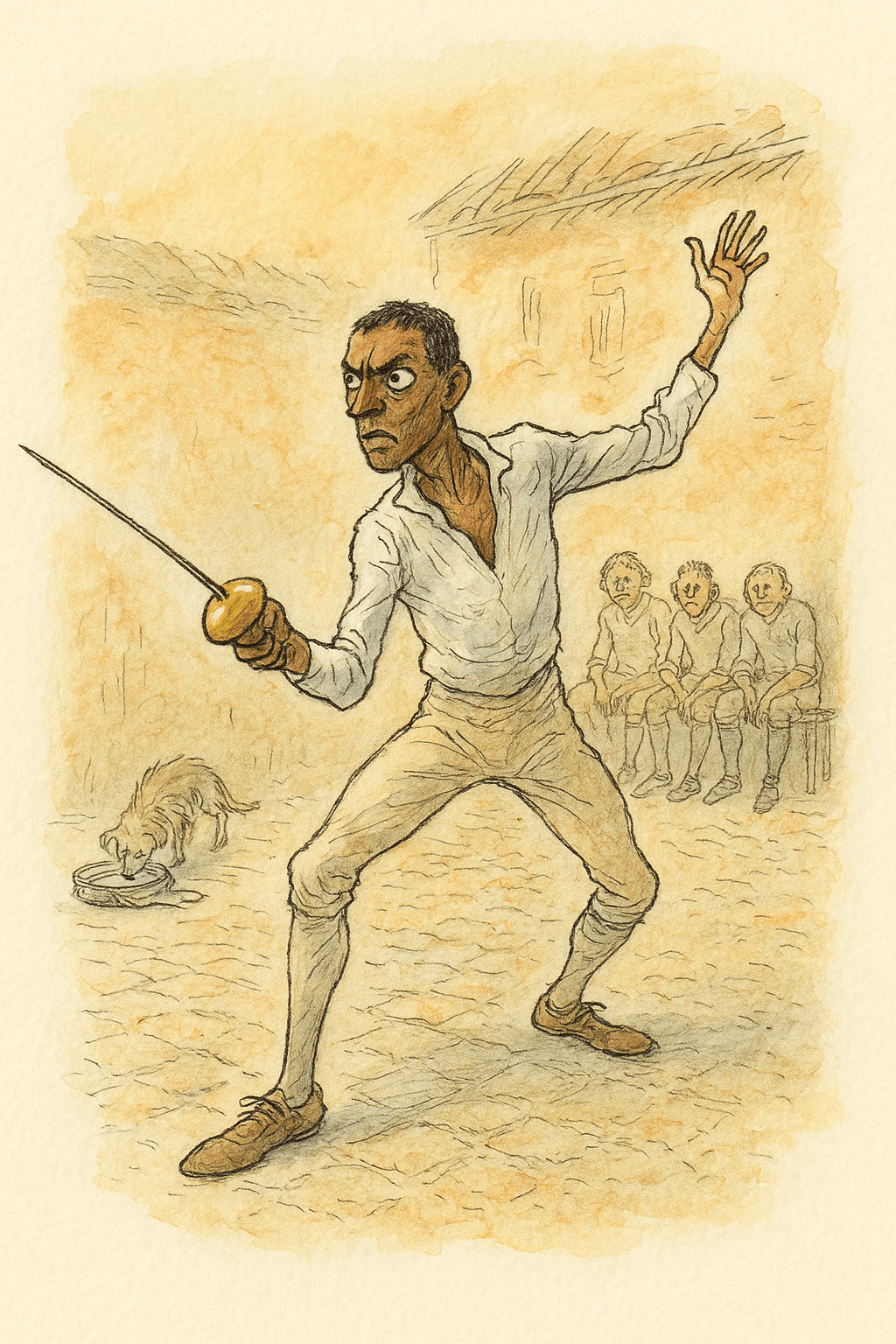
The Chevalier Who Wouldn't Lie Down
What kind of person enters a fencing tournament against an entire garrison while their brain is swelling inside their skull?