Oddlet · 2 min read
Feb 10, 2026 · Updated Feb 20, 2026
Oddlet · 2 min read
Feb 10, 2026 · Updated Feb 20, 2026
🇬🇧The Man Who Weighed the Earth and Hid From His Housekeeper
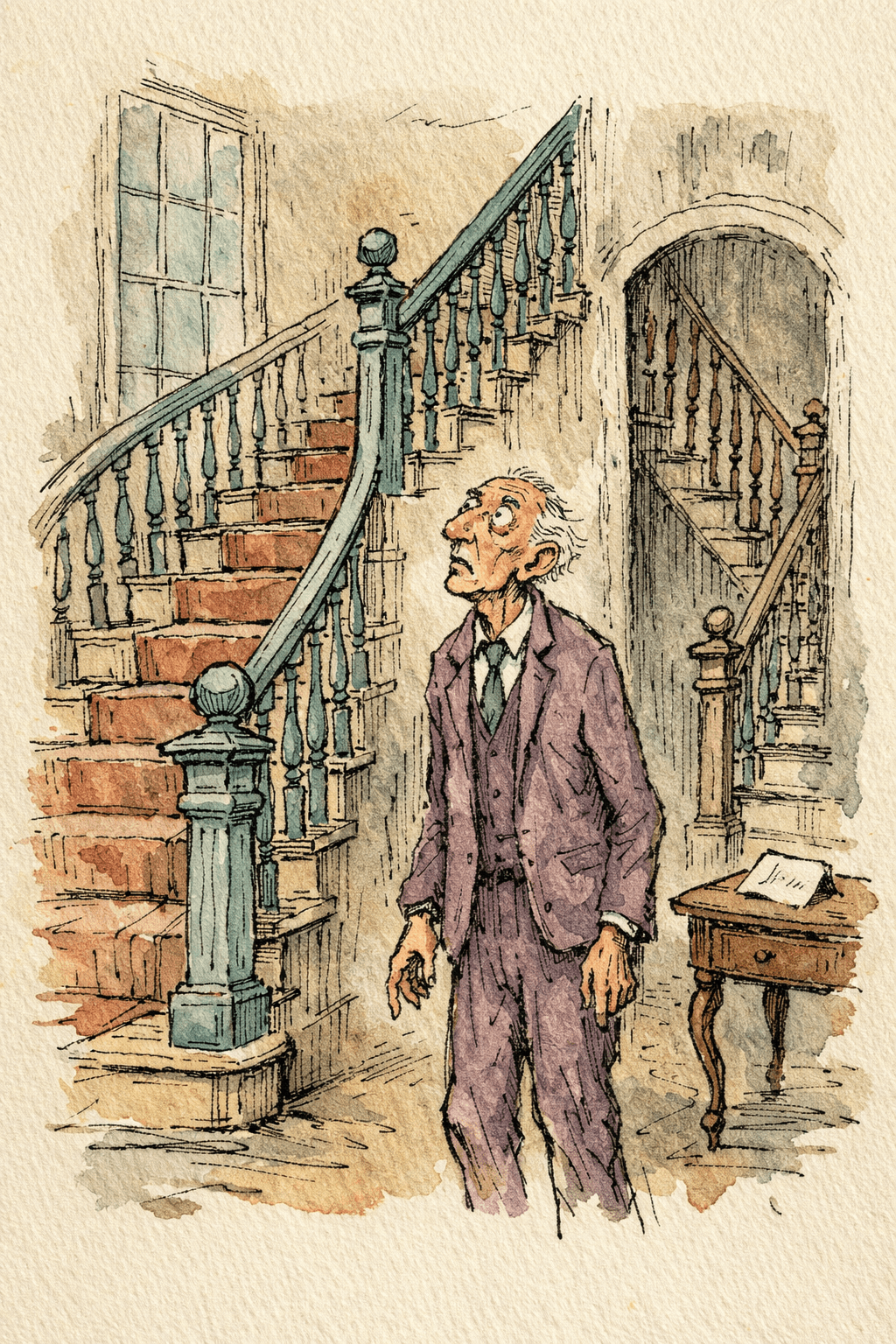
He measured the density of the entire Earth. When he saw his housekeeper on the stairs, he built a second staircase.
Henry Cavendish discovered hydrogen. He determined that water was not an element but a compound. In 1798, using a delicate torsion balance in a sealed room, he measured the density of the entire Earth to within one percent of the modern accepted value. He was one of the greatest experimental scientists who ever lived.
He could not bear to be in the same room as another person.
Cavendish wore the same faded violet suit for decades to avoid any conversation about clothing. At Royal Society dinners, he would stand in a corner staring at the ceiling; if anyone approached, he would emit a small cry and flee. He crossed the street to avoid acquaintances. He left over twenty bundles of unpublished research in his papers — work that anticipated Ohm's law, Coulomb's law, and Dalton's law of partial pressures — because publishing meant dealing with people.
He was one of the wealthiest men in England. He spent almost nothing.
At home, he communicated with his servants exclusively by written notes. He ordered his dinner each day by leaving a message on the hall table. The message never varied: a leg of mutton. He informed his housekeeper that if he ever laid eyes on her, she would be fired.
One day, he glimpsed her on the stairs.
He did not fire her. He had a second staircase built.
Know someone who’d love this?
- Wikipedia - Henry Cavendish — Comprehensive overview of life, scientific work, and personality. Confirms extreme shyness, servant communication by notes, back staircase construction, and major scientific discoveries.
- Britannica - Henry Cavendish — Details on hydrogen discovery (1766), water composition experiments, and Earth density measurement. Notes his avoidance of women was 'almost pathological.'
- Famous Scientists - Henry Cavendish — Describes his wealth from Cavendish banking family, his daily dinner ordering by note on hall table, and threat to fire housekeeper if seen. Confirms outdated clothing habits.
- Science History Institute - Henry Cavendish — Details on unpublished work discovered after death by James Clerk Maxwell, showing Cavendish had anticipated later discoveries. Notes he would cross the street to avoid acquaintances.
The Chemist Who Tasted Everything
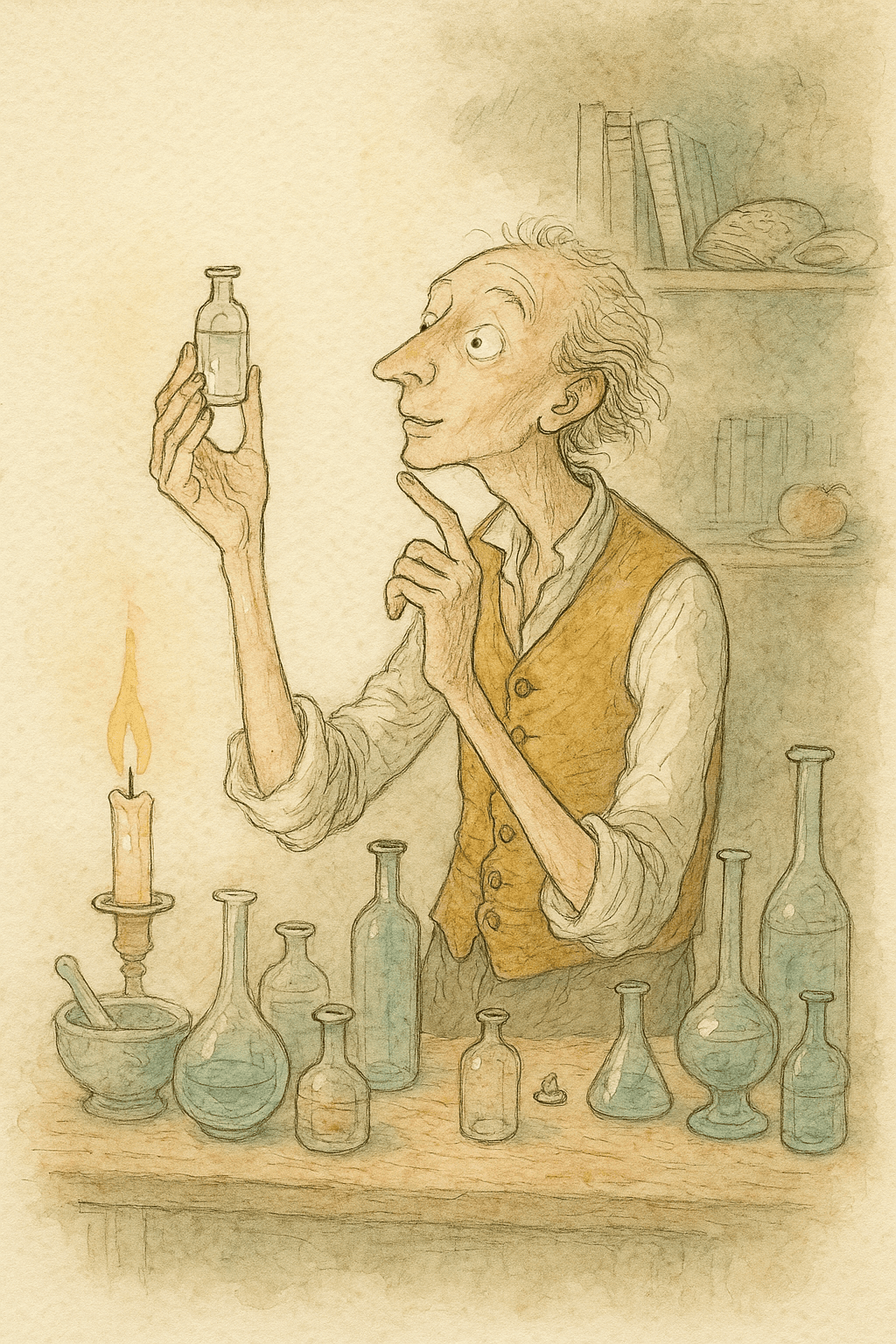
Carl Wilhelm Scheele discovered oxygen, chlorine, and more elements than almost anyone in the eighteenth century. Working alone in Swedish pharmacies, he identified each substance by tasting it. Mercury compounds. Arsenic. Hydrogen cyanide, which he found pleasantly sharp. His hands swelled. His joints ached. His body filled with what he'd catalogued. He died at forty-three, notebooks open, descriptions precise. The poisons tasted exactly as he said they would.
The Man Who Boiled His Own Urine and Found Light
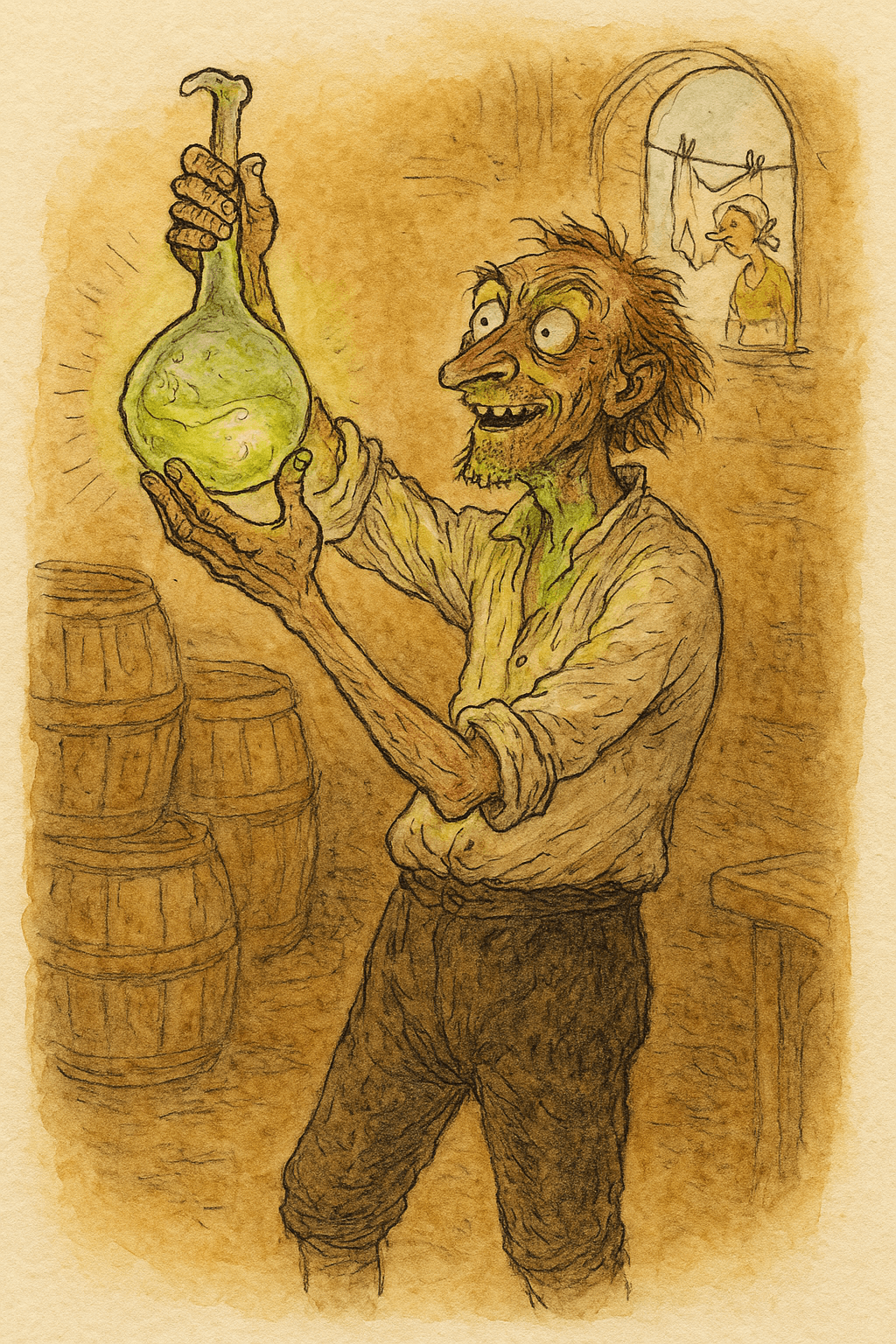
Hennig Brand was a 17th-century alchemist who spent both his wives' fortunes chasing gold. In 1669, he collected 1,500 gallons of urine, let it rot, then boiled it down and heated the paste for weeks. What came out wasn't gold — it was a waxy substance that glowed in the dark and burst into flames on its own. He'd discovered phosphorus, the first element ever isolated by a named individual. He went looking for gold in the most preposterous place imaginable and found light instead.
The Woman Who Practiced Madness in a Mirror
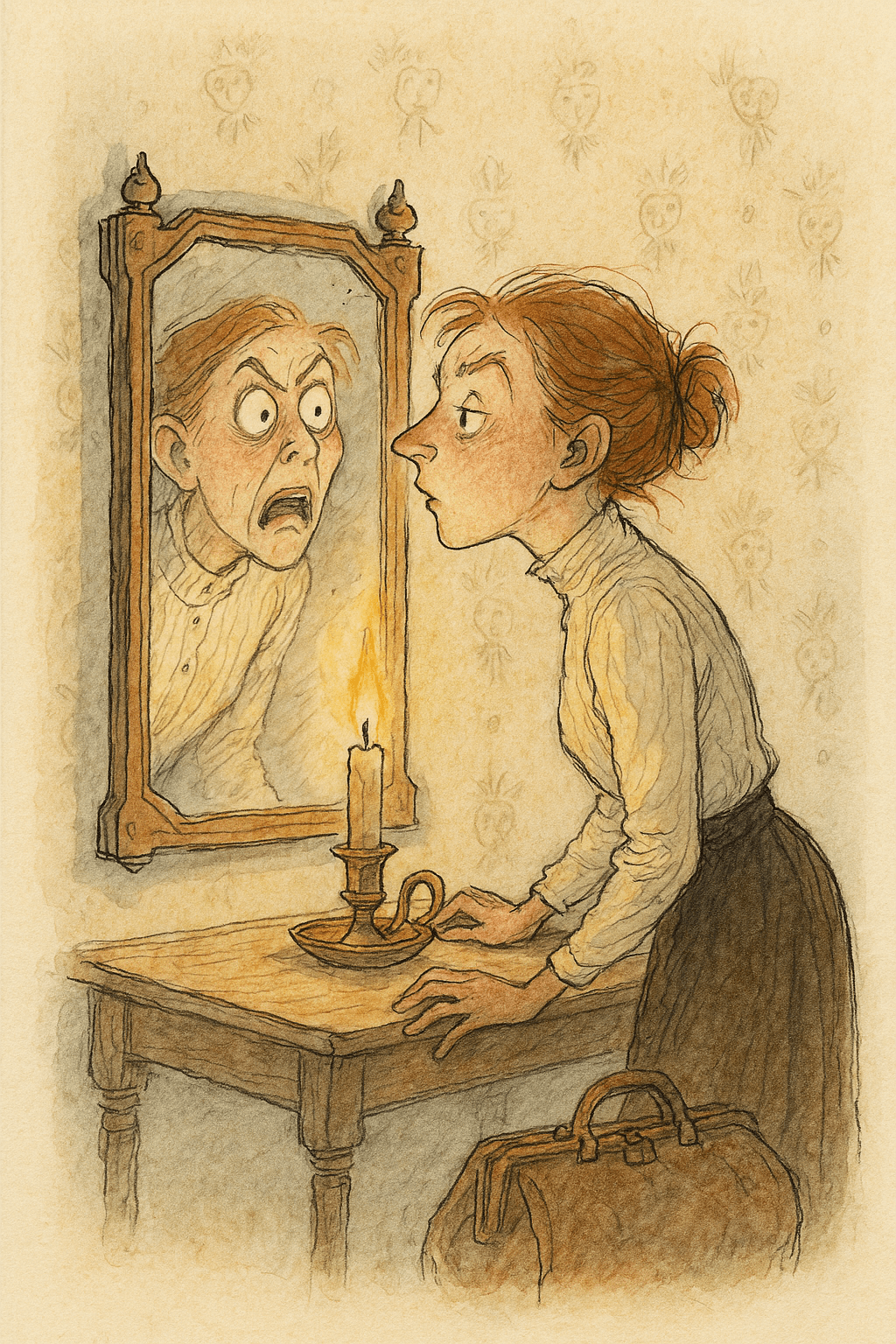
In 1887, Nellie Bly practiced deranged expressions in a mirror for one night, then got herself committed to a New York asylum. She spent ten days documenting rotten food, ice baths, and patients tied together with ropes. Her exposé triggered a grand jury investigation and forced the city to overhaul its asylum system. The doctors who had unanimously declared her insane never explained how a twenty-three-year-old reporter had fooled them all.
Wonder, delivered.
A fresh oddlet in your inbox every weekday morning — true, strange, and under a minute.
Free forever. Unsubscribe anytime.