
Oddlet: Karl Friedrich Hieronymus, Baron von Münchhausen · 1 min read
May 16, 2026
The Liar's Liar
What happens when a wanted gem thief decides he's the right person to publish someone else's tall tales?
Karl Friedrich Hieronymus, Baron von Münchhausen, served as a cavalry officer in the Russian Imperial Army during the Russo-Turkish War. He was, by all accounts, genuinely brave. He was also the best dinner guest in eighteenth-century Hanover, famous for telling stories of such magnificent exaggeration that travelling noblemen made special detours to hear him perform.
Then someone stole his act.
In 1785, a slim book appeared in London. Forty-nine pages, sold for a shilling, recounting the Baron's tales of riding cannonballs and pulling himself from a swamp by his own hair. The author was anonymous. He was also Rudolf Erich Raspe, a former Fellow of the Royal Society who had fled Germany a decade earlier after being caught stealing gems from the Landgrave of Hesse-Kassel. A wanted thief had appointed himself the authority on lying.
The book was translated into three languages within a year. Raspe never faced consequences for the book. He moved to Scotland, ran a mining fraud so brazen it later inspired a character in Walter Scott, and died in an unmarked grave in Ireland after being caught salting a copper mine with imported ore.
You really could not invent a more appropriate biographer.
The Baron, meanwhile, became the most famous liar in Europe. He sued the wrong person and lost. He hired servants whose sole job was to turn visitors away at the door.
He never stopped telling the stories. He just stopped letting anyone in to hear them.
Know someone who’d love this?
- Wikipedia -- Baron Munchausen — Comprehensive biography
- Britannica -- Baron Münchhausen — Encyclopedic entry
- German Culture -- Münchhausen — Military ranks, marriages, failed lawsuit
- Deutschlandmuseum — Birth in Bodenwerder, noble family origins
- Britannica -- Rudolf Erich Raspe — Raspe biography and crimes
- Smithsonian Magazine — Feature on the real Baron
- Library of Congress
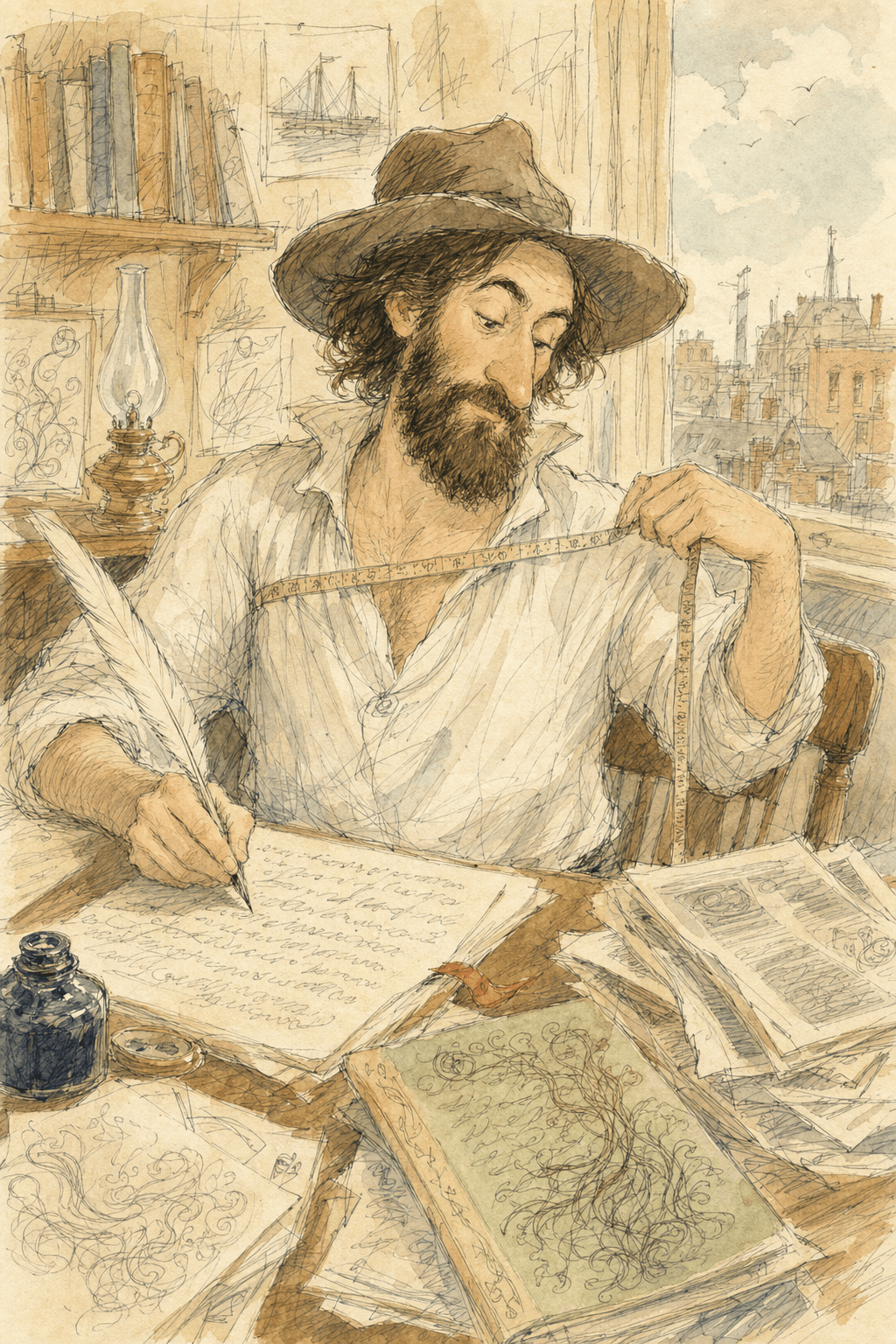
An American Bard at Last
In autumn 1855, three anonymous rave reviews of Leaves of Grass appeared in American magazines, and Walt Whitman had written all of them.
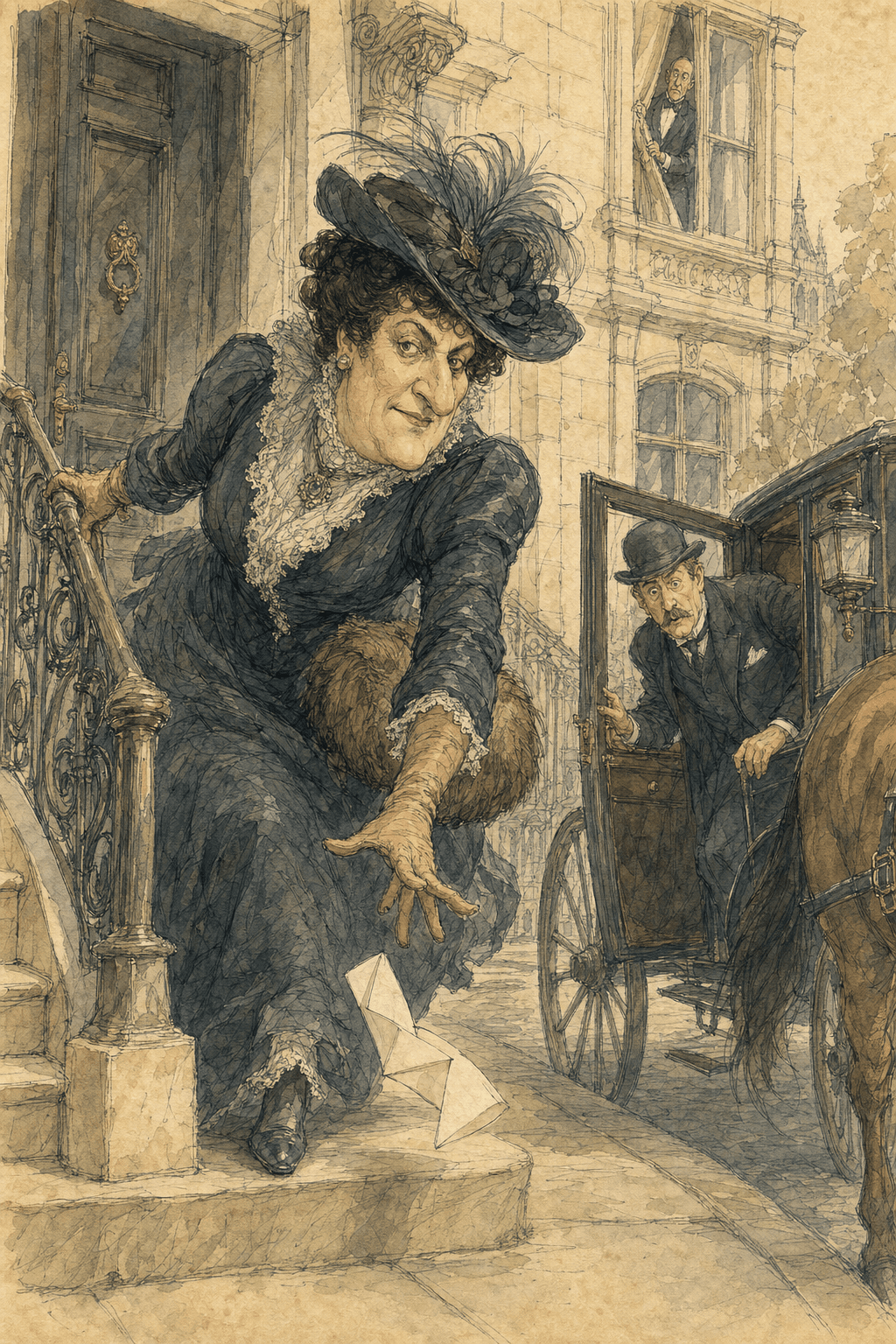
Hilda Schmidt
In 1902 Cassie Chadwick spent twenty-eight minutes on Andrew Carnegie's doorstep asking his housekeeper about a maid who had never worked there, then tripped leaving the carriage and dropped a two-million-dollar promissory note signed in his name.
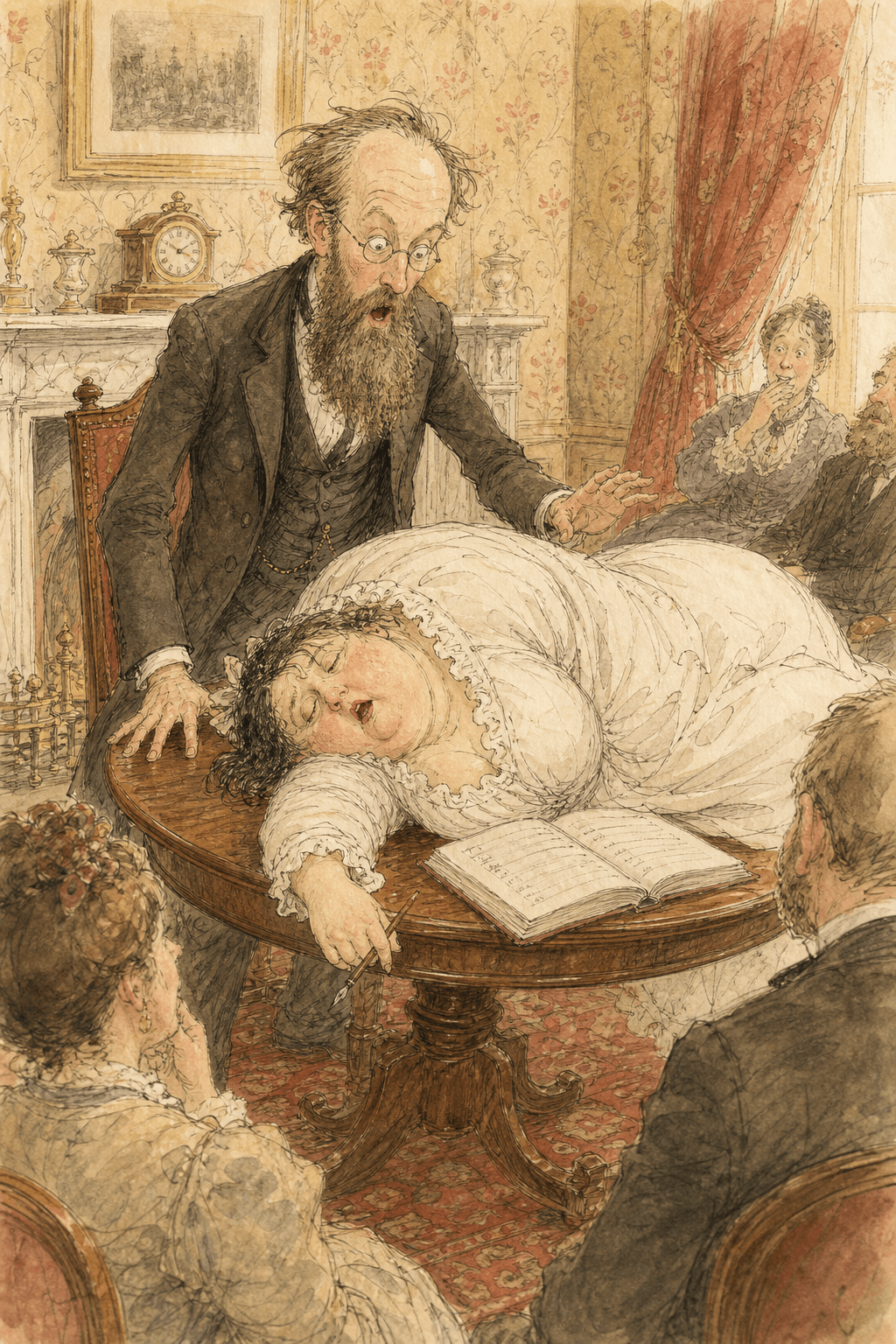
Mrs Guppy
In February 1858, delirious with malaria on Ternate, Alfred Russel Wallace drafted natural selection in two evenings; thirteen years later, at a séance on Lamb's Conduit Street, he watched Mrs Guppy thump onto the table three miles from her accounts, unconscious in her nightdress, still holding her pen.
Wonder, delivered.
A fresh Oddlet in your inbox every morning, a full day before everyone else. True, strange and under a minute.
Free forever. Unsubscribe anytime.