
Oddlet: Lord Berners · 1 min read
May 15, 2026
Lord Berners and the Elephant Problem
What happens when a man Stravinsky called Britain's best composer places a classified ad selling elephants he doesn't own — and names the buyers?
Gerald Hugh Tyrwhitt-Wilson, 14th Baron Berners, was a composer good enough that Stravinsky called him the best Britain had produced in the twentieth century. Diaghilev commissioned his ballets. He painted, and at his first solo show in 1931, all thirty-eight works sold on opening day. He wrote novels. William Walton dedicated Belshazzar's Feast to him.
He also dyed his pigeons pastel colours.
This was the sort of man Berners was. He kept a giraffe at his country estate. His whippets wore pearl necklaces from Woolworth's; he told guests they were real diamonds. He built a hundred-foot folly tower on his land, the last traditional folly erected in England, and posted a sign at the top reading "Members of the Public committing suicide from this tower do so at their own risk."
Then, in December 1936, he placed a classified advertisement in The Times: "Lord Berners wishes to dispose of two elephants and one small rhinoceros (latter house-trained). Would make delightful Christmas presents." When the newspaper rang to follow up, he impersonated his own butler and reported that Harold Nicolson had purchased one elephant and Lady Colefax the other. One does feel for Nicolson, who spent the entire day fielding calls and insisting to journalists that he had not bought an elephant, did not want an elephant, and had nowhere to put one.
Berners, presumably, had a very good afternoon.
Know someone who’d love this?
- Wikipedia — Comprehensive biographical article
- Faringdon Community — Faringdon House, Folly Tower, Stravinsky quote
- Classical Music — Musical career and compositions
- LGBT History UK — Relationship with Heber-Percy
- England's Puzzle — Eccentricities and Dali episode
- Futility Closet — Elephant ad and Nicolson response
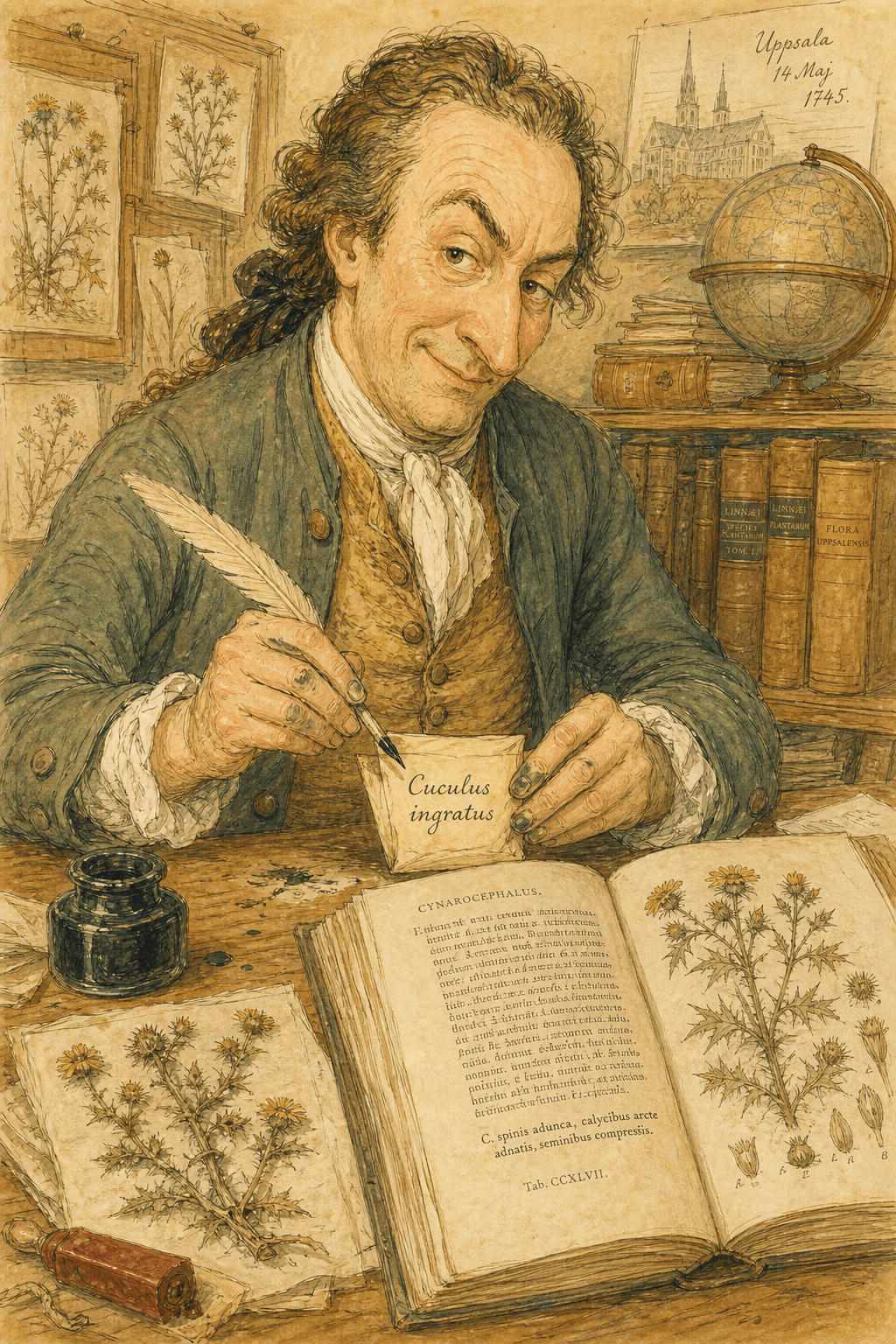
The Ungrateful Cuckoo
The man who named Homo sapiens once mailed a hostile critic a packet of foul-smelling seeds he had labeled Cuculus ingratus — the ungrateful cuckoo.
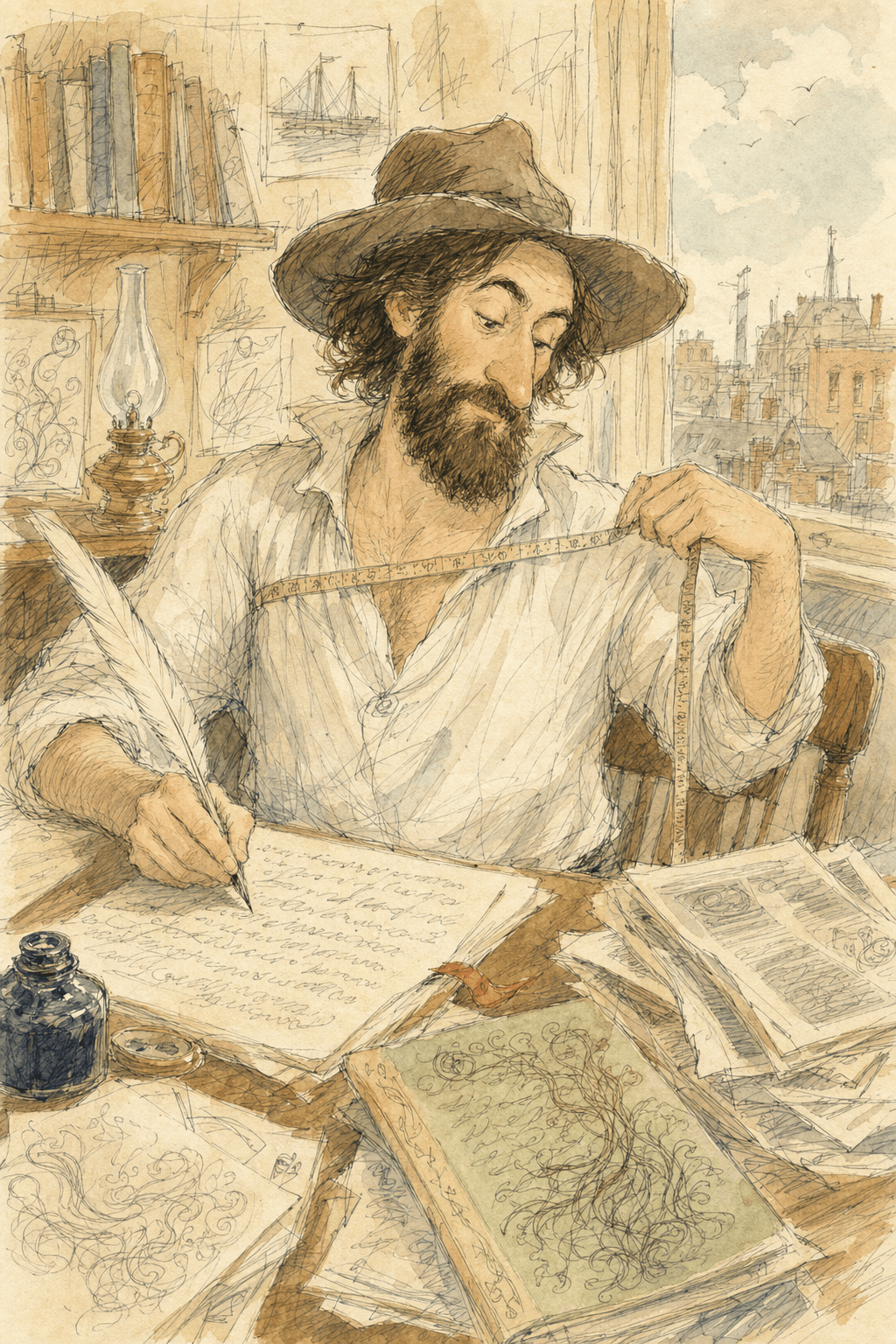
An American Bard at Last
In autumn 1855, three anonymous rave reviews of Leaves of Grass appeared in American magazines, and Walt Whitman had written all of them.
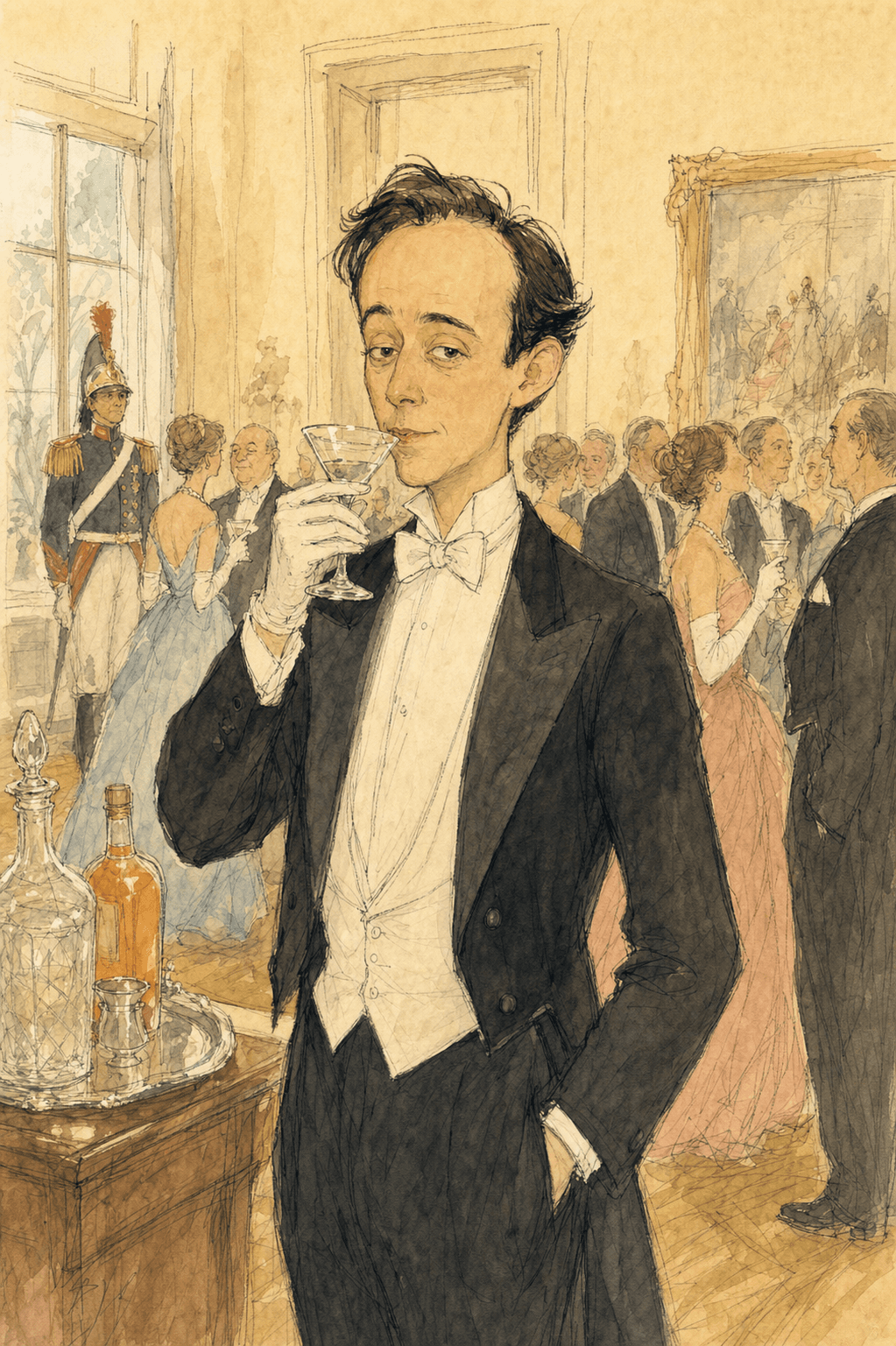
IKB
Yves Klein patented a shade of blue, then filled a Paris gallery with three thousand people, Republican Guards in dress uniform, and nothing at all.
Wonder, delivered.
A fresh Oddlet in your inbox every morning, a full day before everyone else. True, strange and under a minute.
Free forever. Unsubscribe anytime.