music
Composers who founded churches of one and walked ten miles to work.
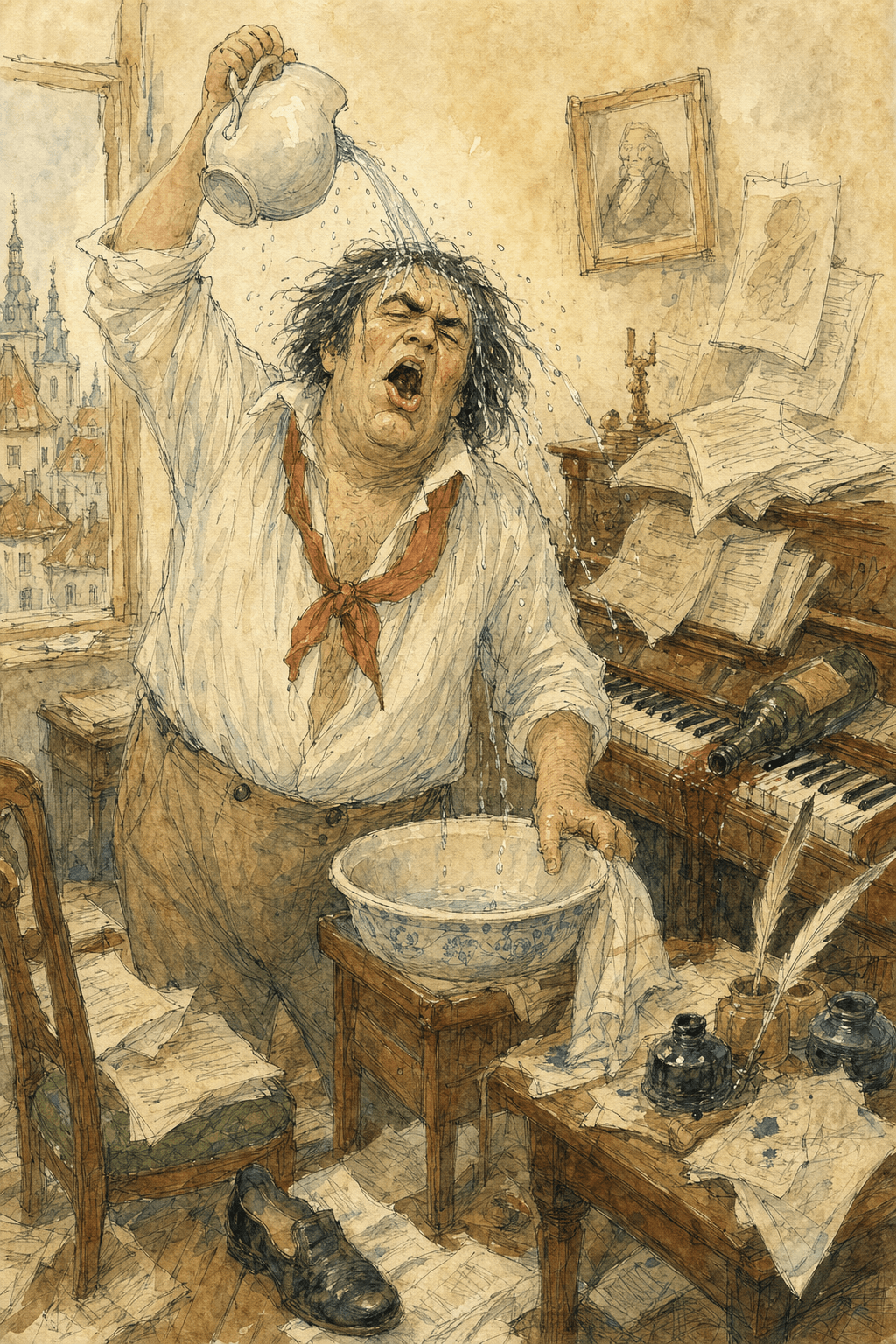
The Composer Who Flooded His Neighbors
What was the greatest composer in Europe doing upstairs that kept soaking the ceiling below?
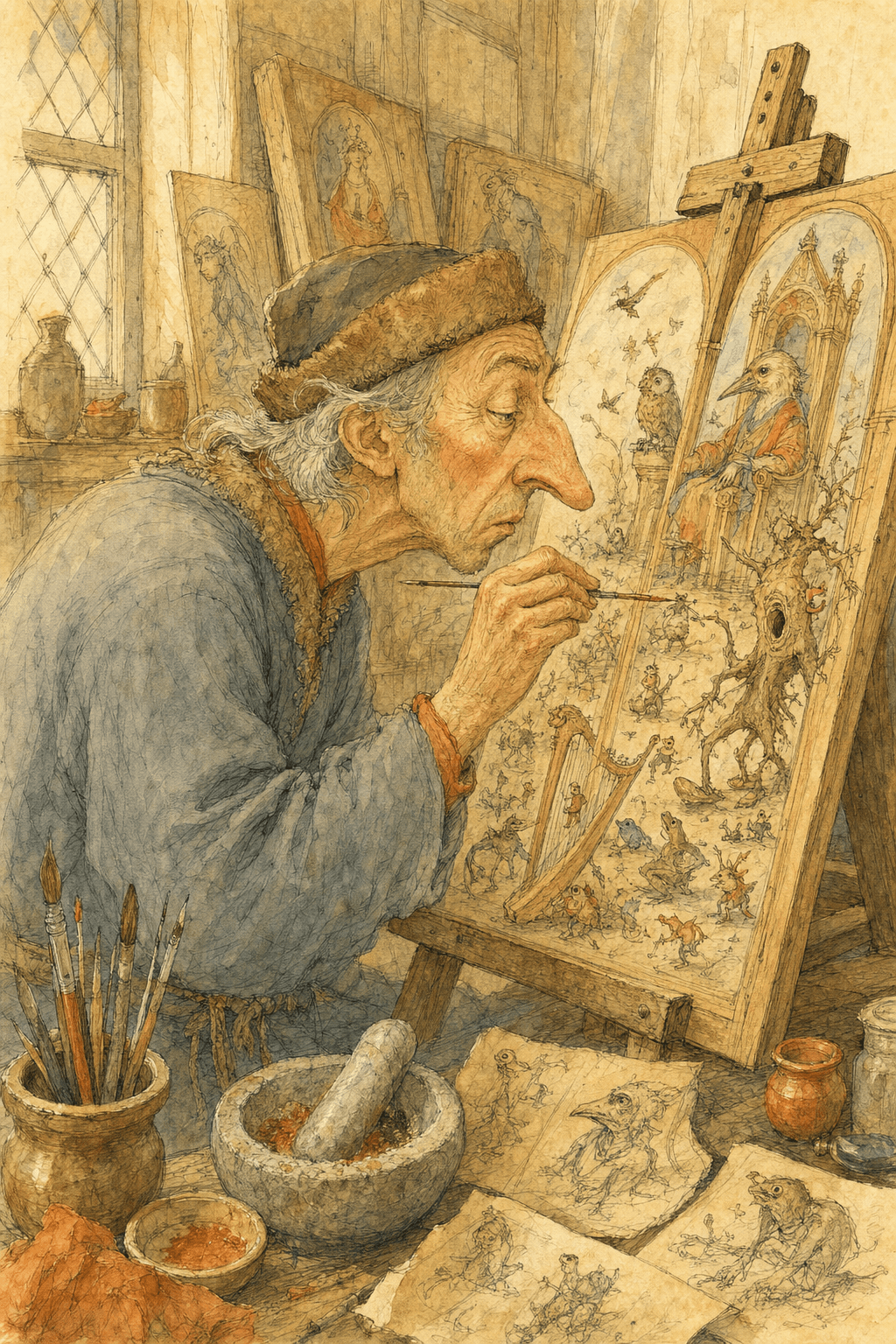
The Notation on the Buttocks
What if the sheet music tattooed across a damned soul's buttocks in a 500-year-old painting of Hell turns out to be... actually playable?
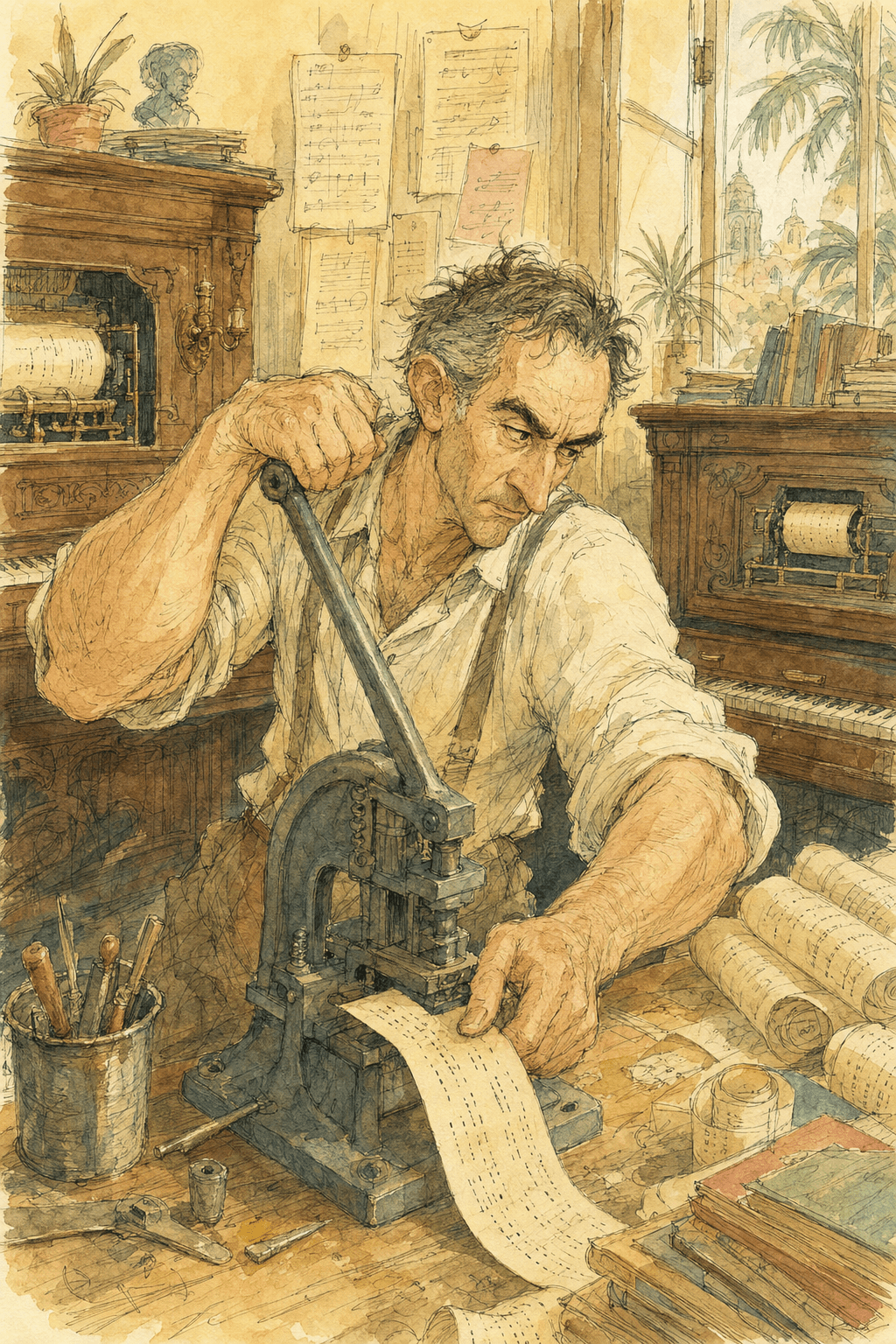
Ten Hours, Ten Seconds
He calculated that ten hours of punching holes produced ten seconds of music, and he kept punching for forty years.
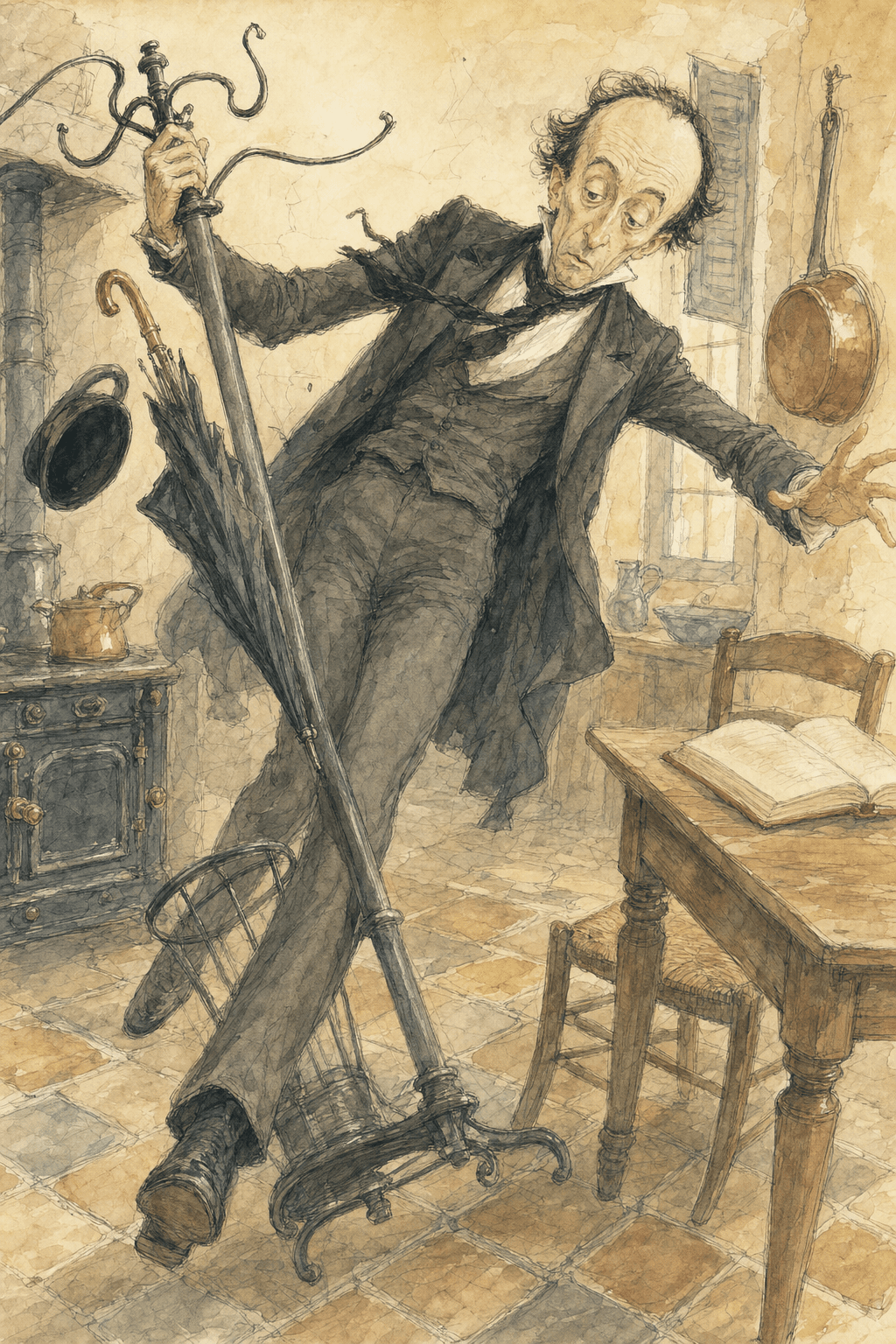
The Composer Found Under His Coat Stand
What does a man do for twenty-five years after walking offstage at the Paris Conservatoire in disgust?
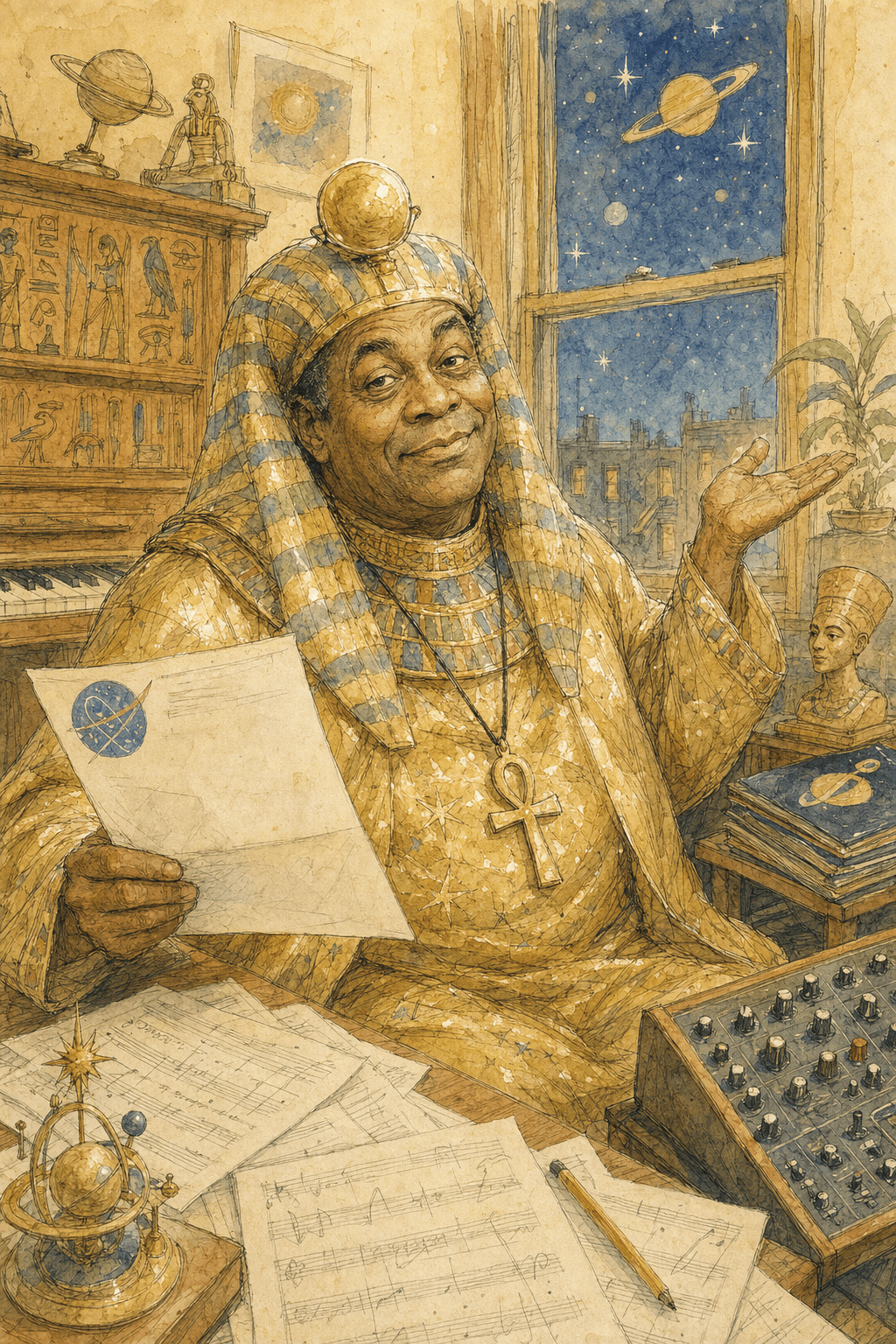
The Bandleader From Saturn
What does a man who insists he was sent here from Saturn do when NASA rejects his application?
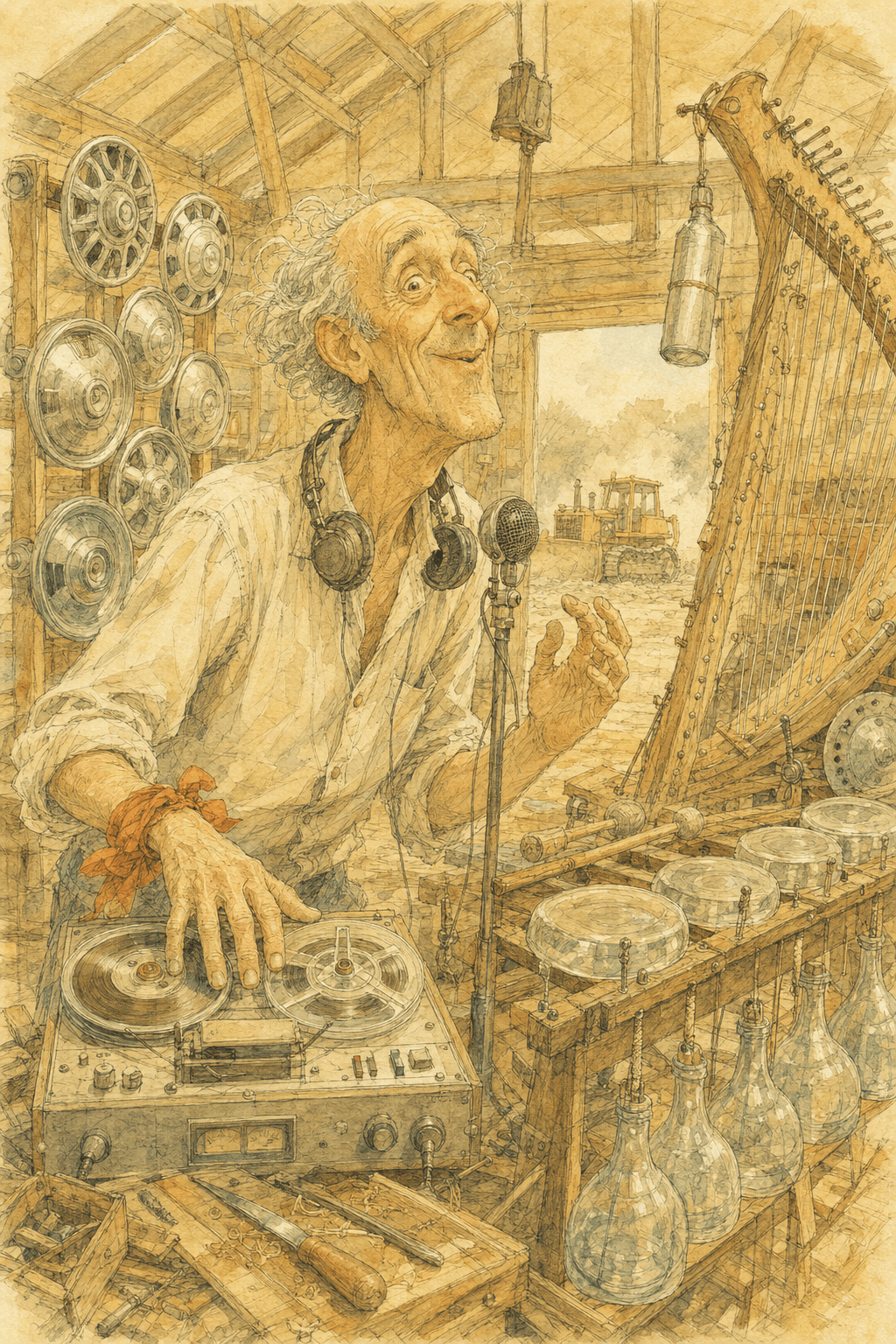
The Hatchery Sessions
What does a composer do when the bulldozers show up before the last take is finished?
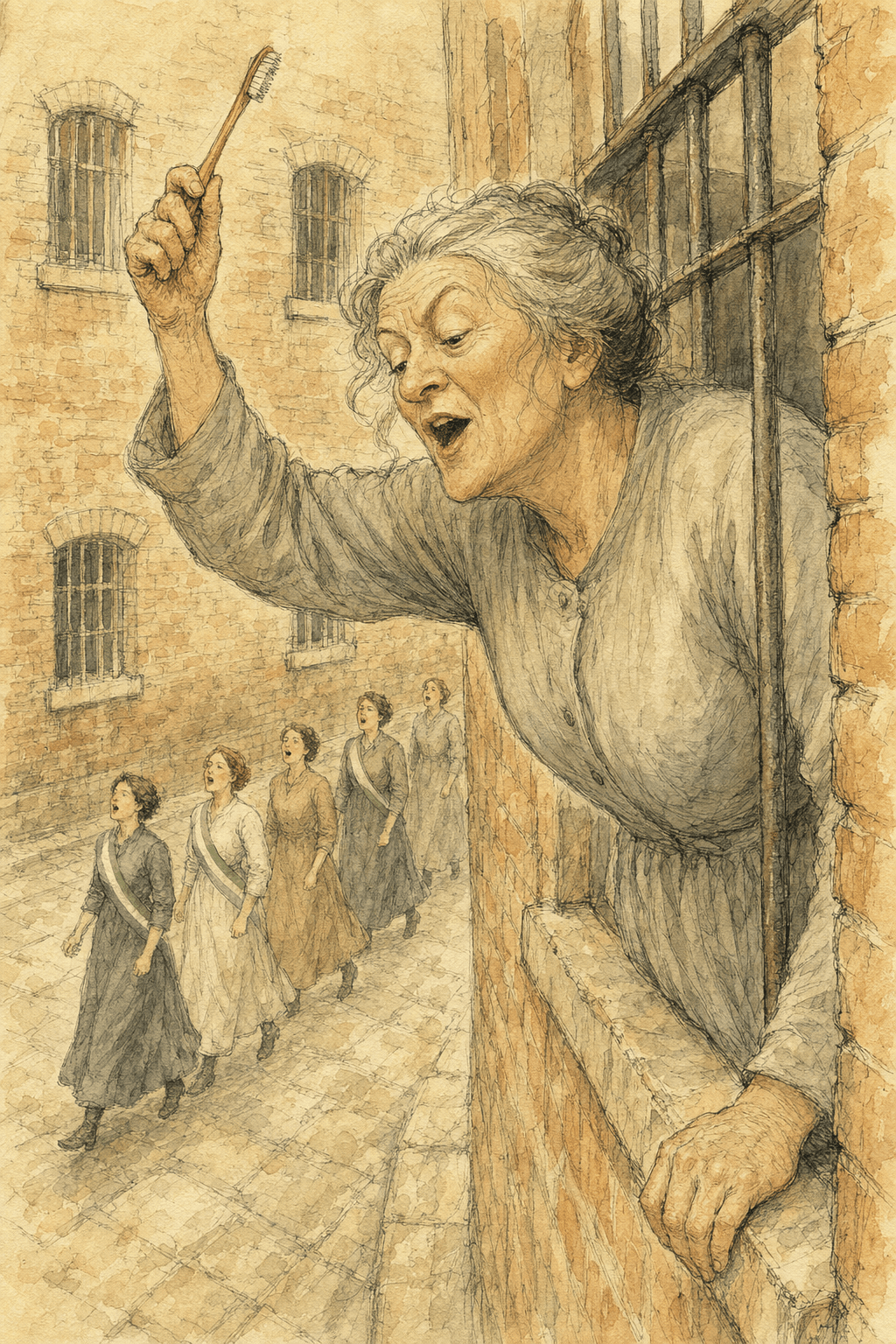
The Toothbrush at Holloway
She trained Emmeline Pankhurst to throw rocks under a fir tree at twilight, and the first one flew backwards.
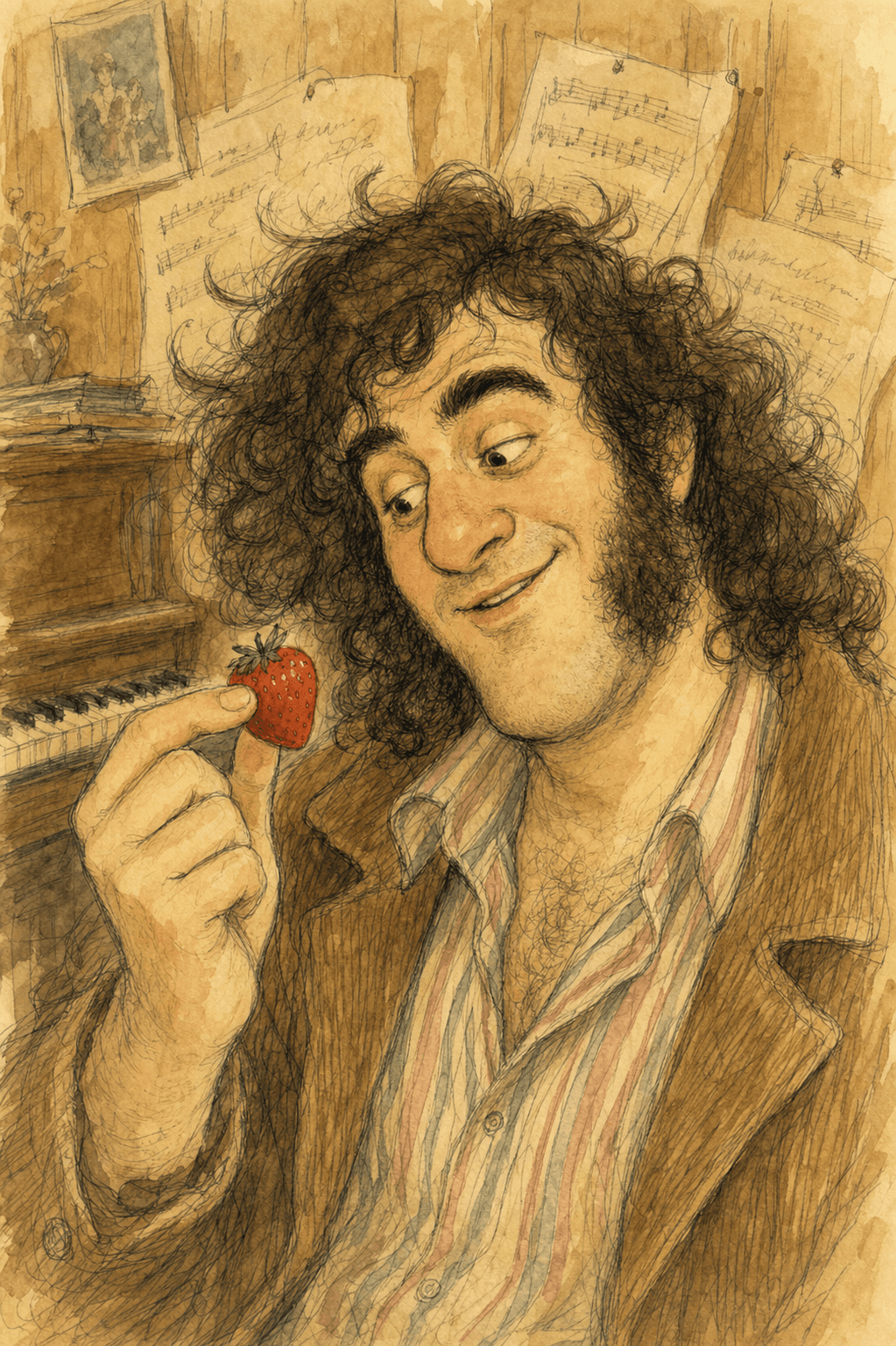
Play a Strawberry
Who feeds a band one cup of soybeans a day for a month and calls it rehearsal?
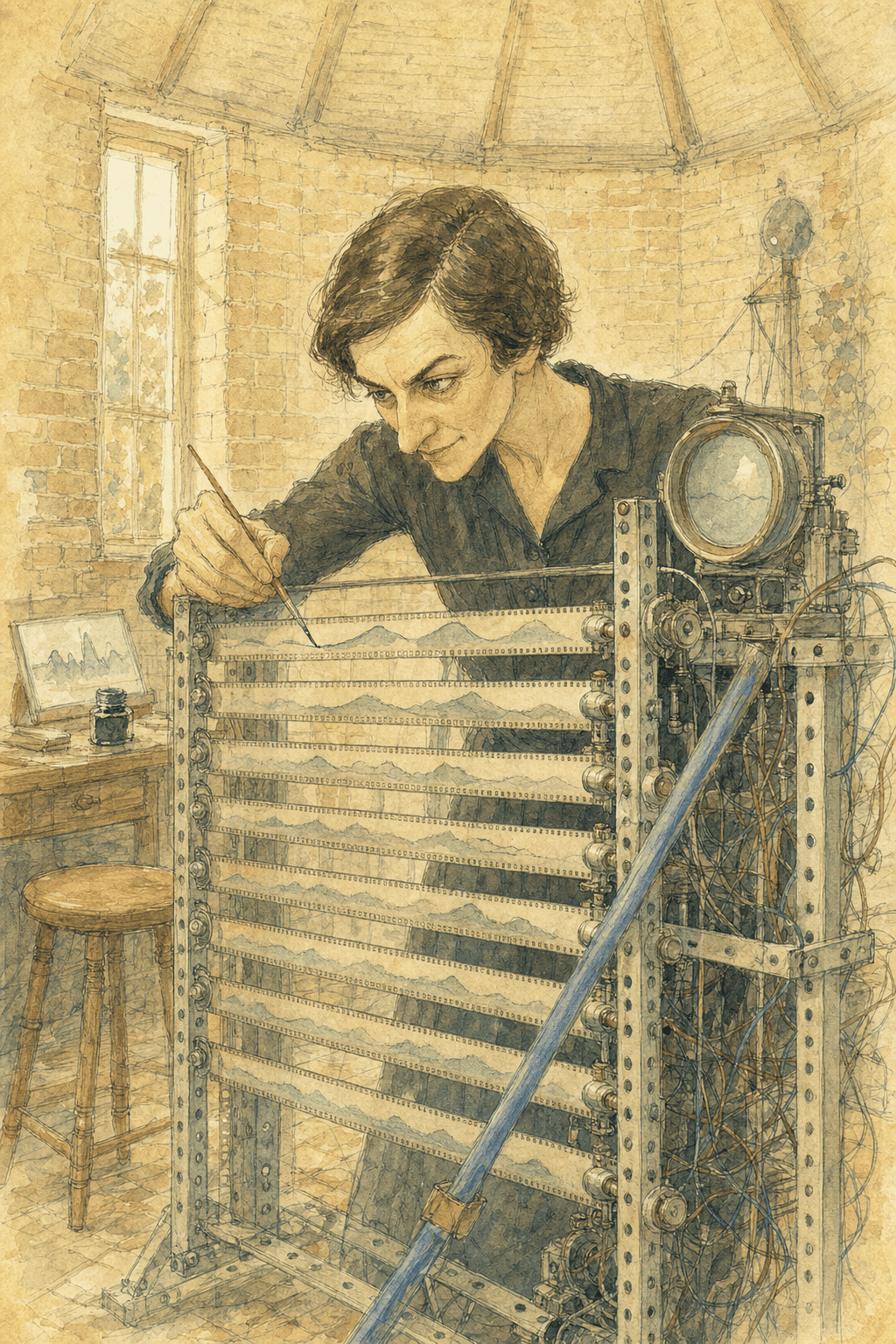
The Woman Who Drew Sound
She quit the BBC Radiophonic Workshop within months of founding it, because the hearing-protection rule was applied only to her.
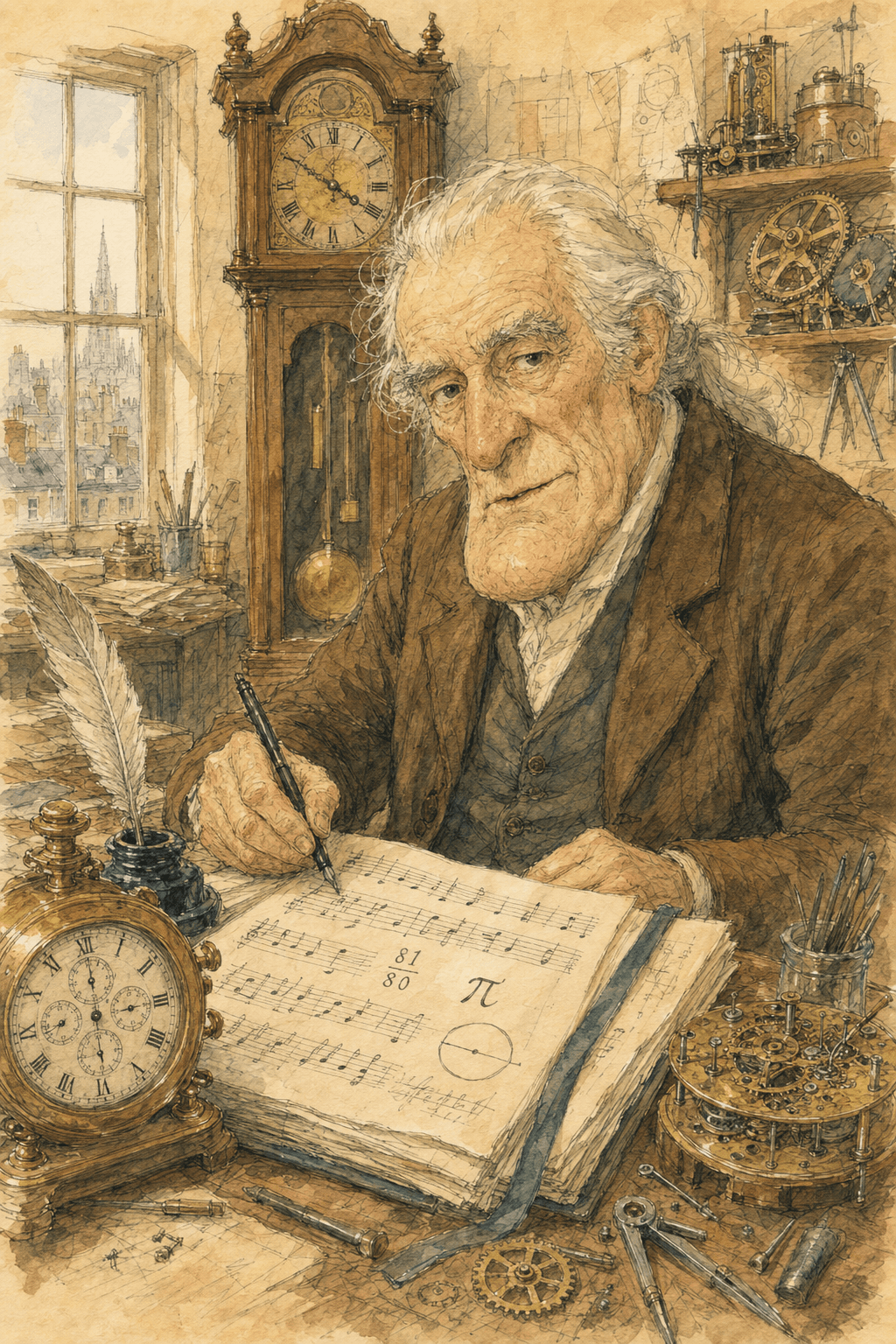
The Clockmaker Who Retuned the Universe
What does an 82-year-old who just solved the longitude problem do for an encore?
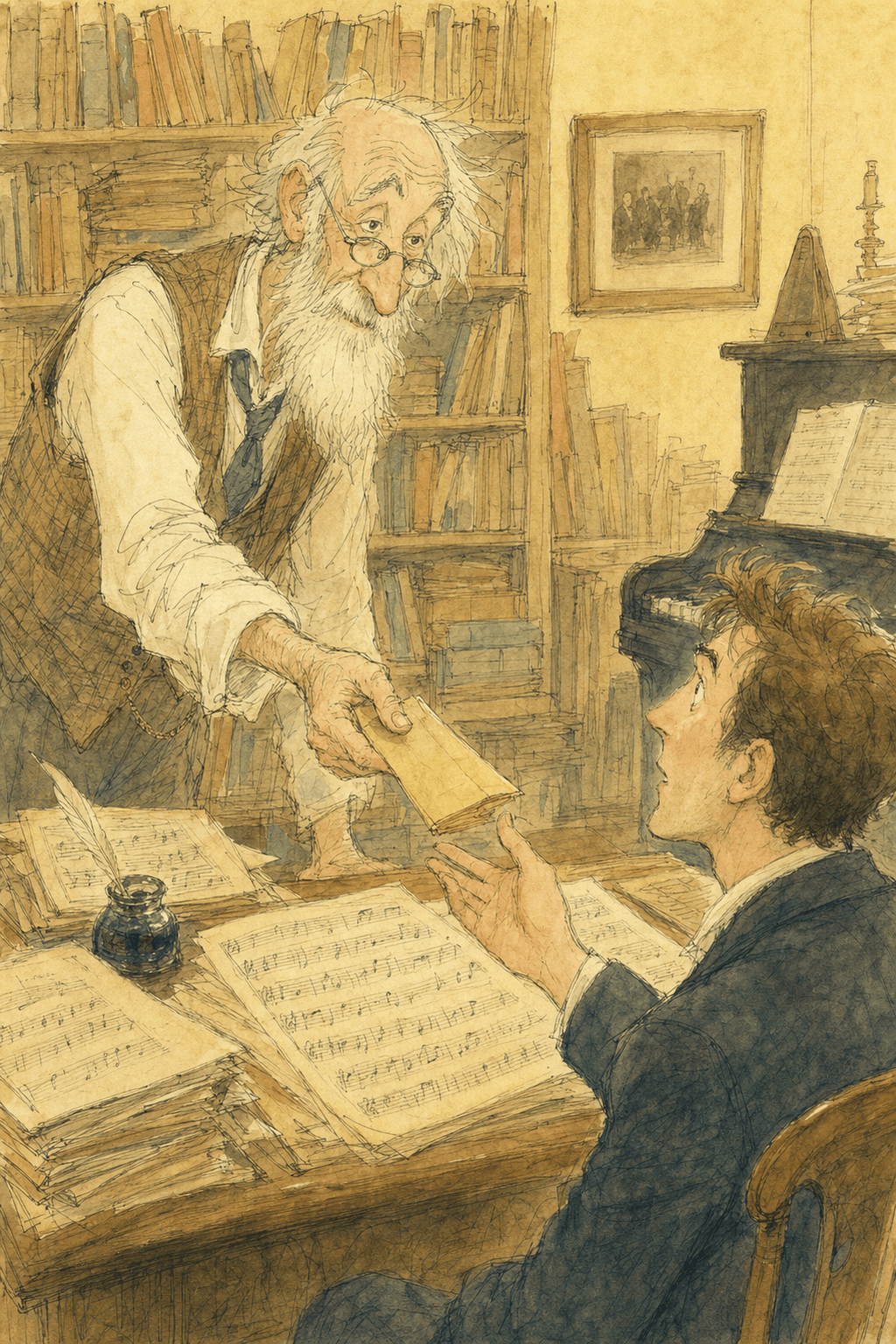
Prizes Are For Boys
What does it take to invent modern estate planning, compose polytonal symphonies on weekends, and then leave a Pulitzer-winning piece in a drawer for thirty-six years?
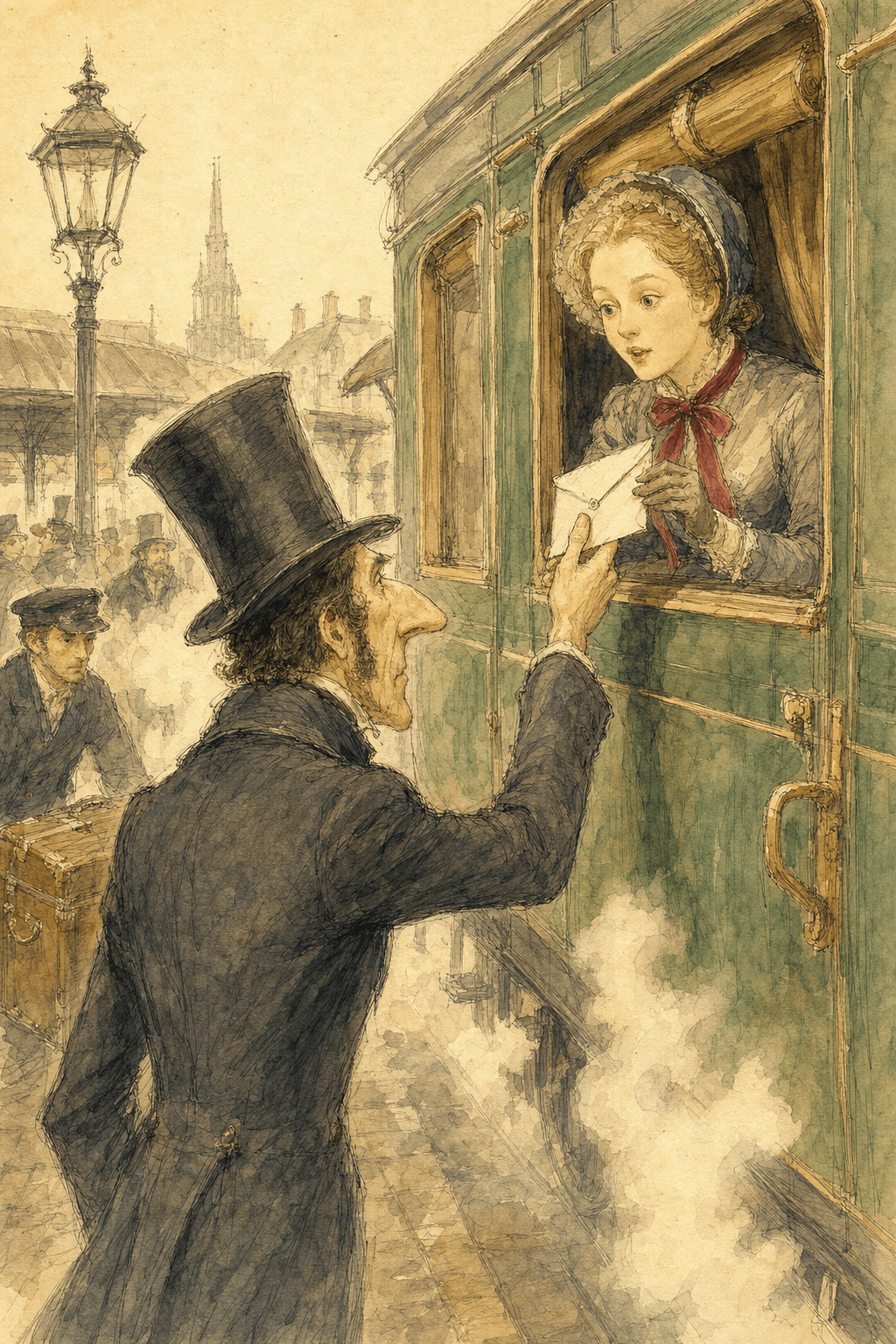
The Affectionate Sister
He was too shy to say it aloud, so he pressed the proposal into her hand as the train pulled away — what did she write back?