Oddlet: Carlo Gesualdo · 1 min read
May 24, 2026
The Prince Who Painted Hell
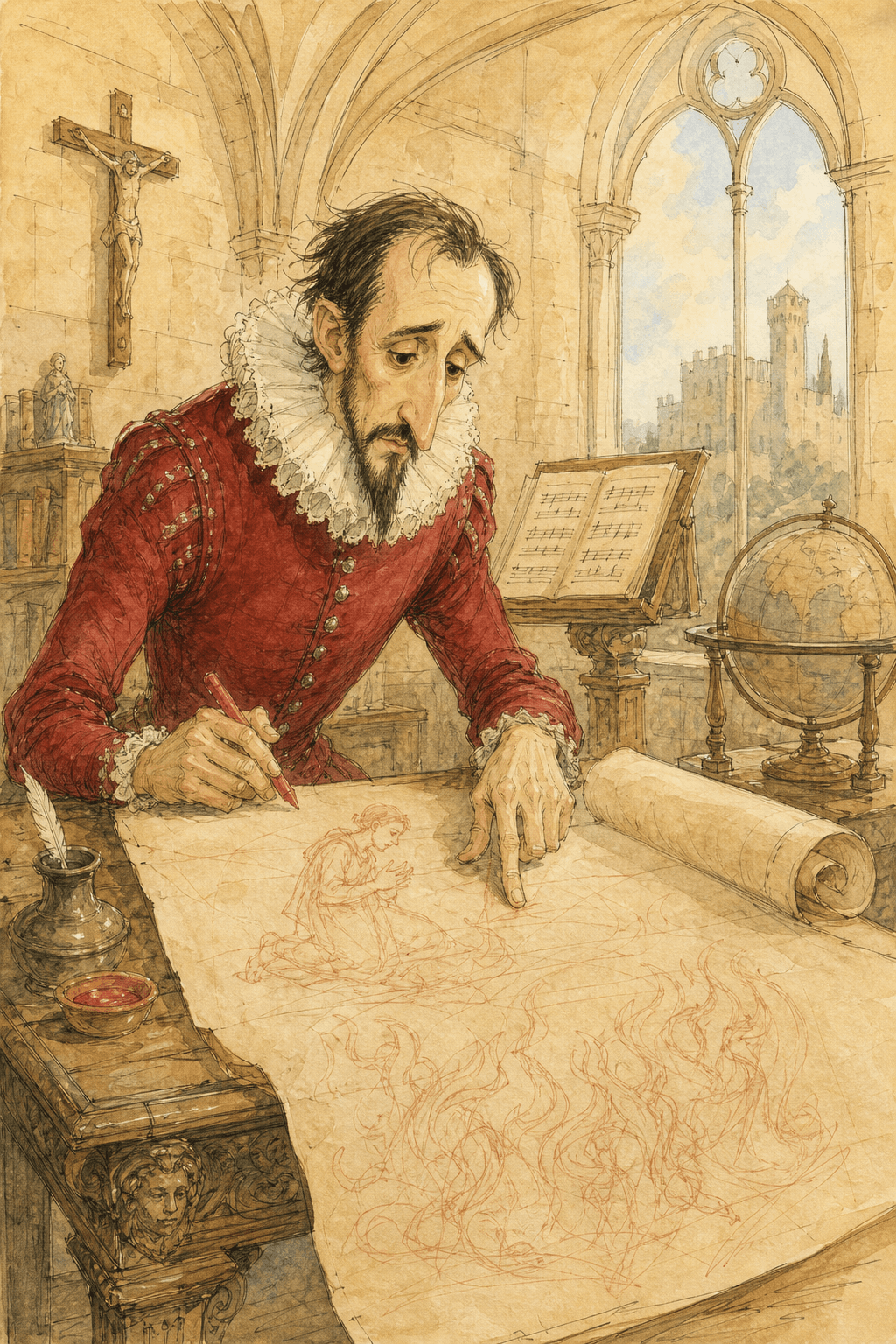
What kind of man commissions an altarpiece of himself praying, then hangs it in the room where he prays?
Carlo Gesualdo, Prince of Venosa, wrote chromatic progressions in 1611 so strange that no European composer would write anything like them again until Wagner, 248 years later. He invented the harmonic future from a castle in Avellino, alone.
On the night of 16 October 1590, he murdered his first wife and her lover. The court ruled it no crime. He went home and began the long work of repenting.
The repenting was thorough. He wrote to Cardinal Borromeo begging for fragments of his recently canonized uncle, certain the bone-chips would cure his depression and his sin. (Ignored.) He kept ten young men in the household whose only job was to beat him three times a day. Per a 1635 account, a specialist was retained to beat him while he defecated, on the theory that this addressed constipation, melancholy, and demons in a single sitting. What the others made of this is not recorded.
In 1609 he commissioned an altarpiece for his own church. It shows him kneeling in prayer beside his saintly uncle, eyes lifted toward heaven.
Directly beneath his folded hands, in the flames of purgatory, his wife is burning.
He hung it where he prayed.
Know someone who’d love this?
- Wikipedia — Carlo Gesualdo — Comprehensive entry covering birth/death dates, the 16 October 1590 murders at Palazzo San Severo, mutilation of the corpses, the Gran Corte della Vicaria ruling, marriages, six madrigal books, witchcraft trial against his mistresses, Campanella's account of daily beatings, death three weeks after his son Emanuele, and burial at Gesù Nuovo.
- Encyclopaedia Britannica — Carlo Gesualdo, principe di Venosa — Establishes titles, parents, uncle Carlo Borromeo canonized 1610, dates of marriages, social-code explanation for non-prosecution, dates of madrigal publications.
- Britannica — Carlo Gesualdo: Murder, Witchcraft, Choral Music — Details on the 1603 witchcraft trial brought by Eleonora against his mistresses, their sentencing to live in his castle, occult practices, and the experimental harmonies of Books Five and Six.
- Classical Music magazine — Murder and music: the haunting genius of Carlo Gesualdo — Eye-witness accounts of his active role in the double murder, February 1594 second marriage, Luzzasco Luzzaschi as Ferrara influence, 1600 report that Gesualdo does not delight in anything but music.
- Alex Ross — Gesualdo (The Rest Is Noise)
The Girl Who Shot the Kaiser
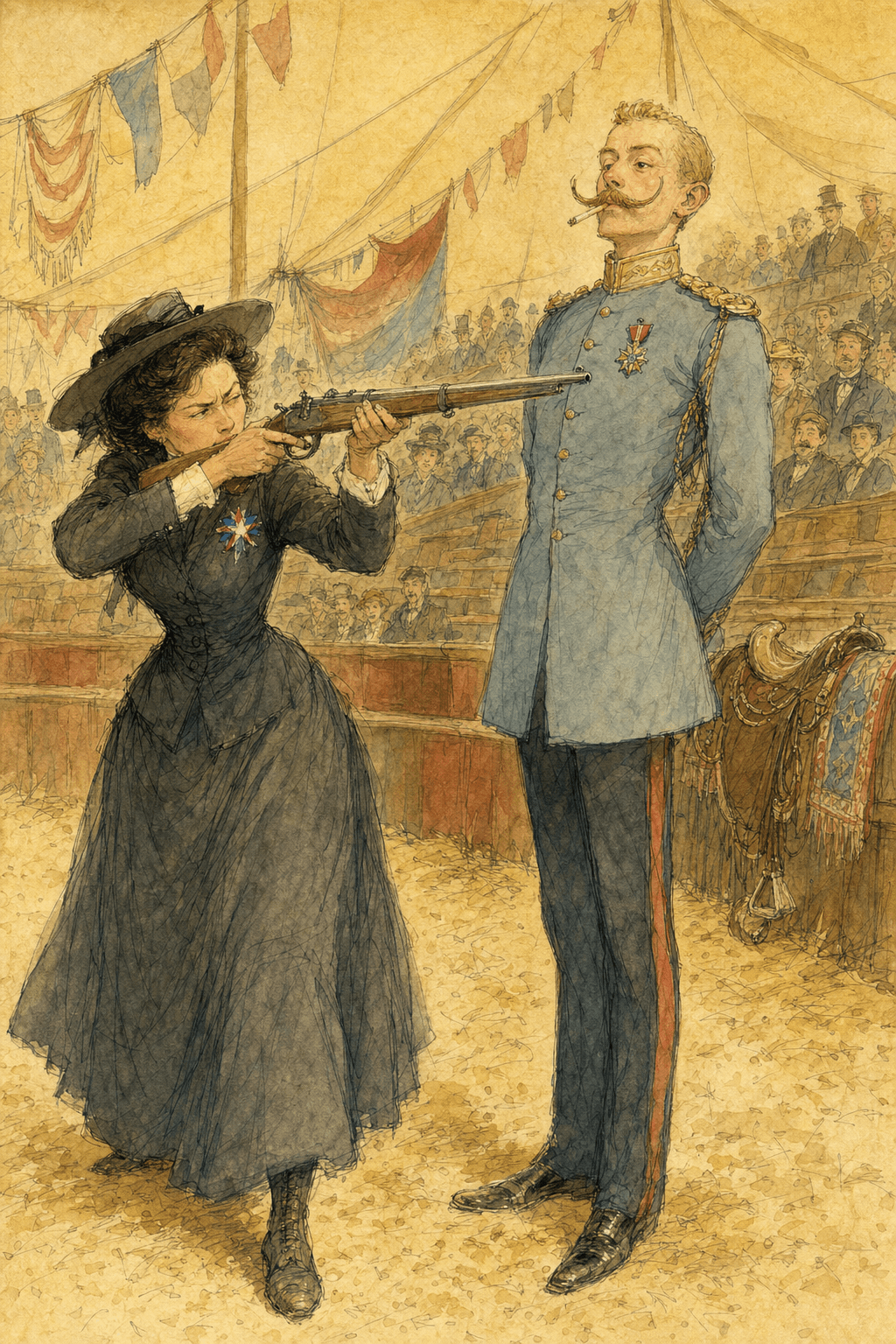
In 1889, a five-foot Quaker in an ankle-length skirt asked the audience for a volunteer, and Kaiser Wilhelm II stood up.
The Return to Life
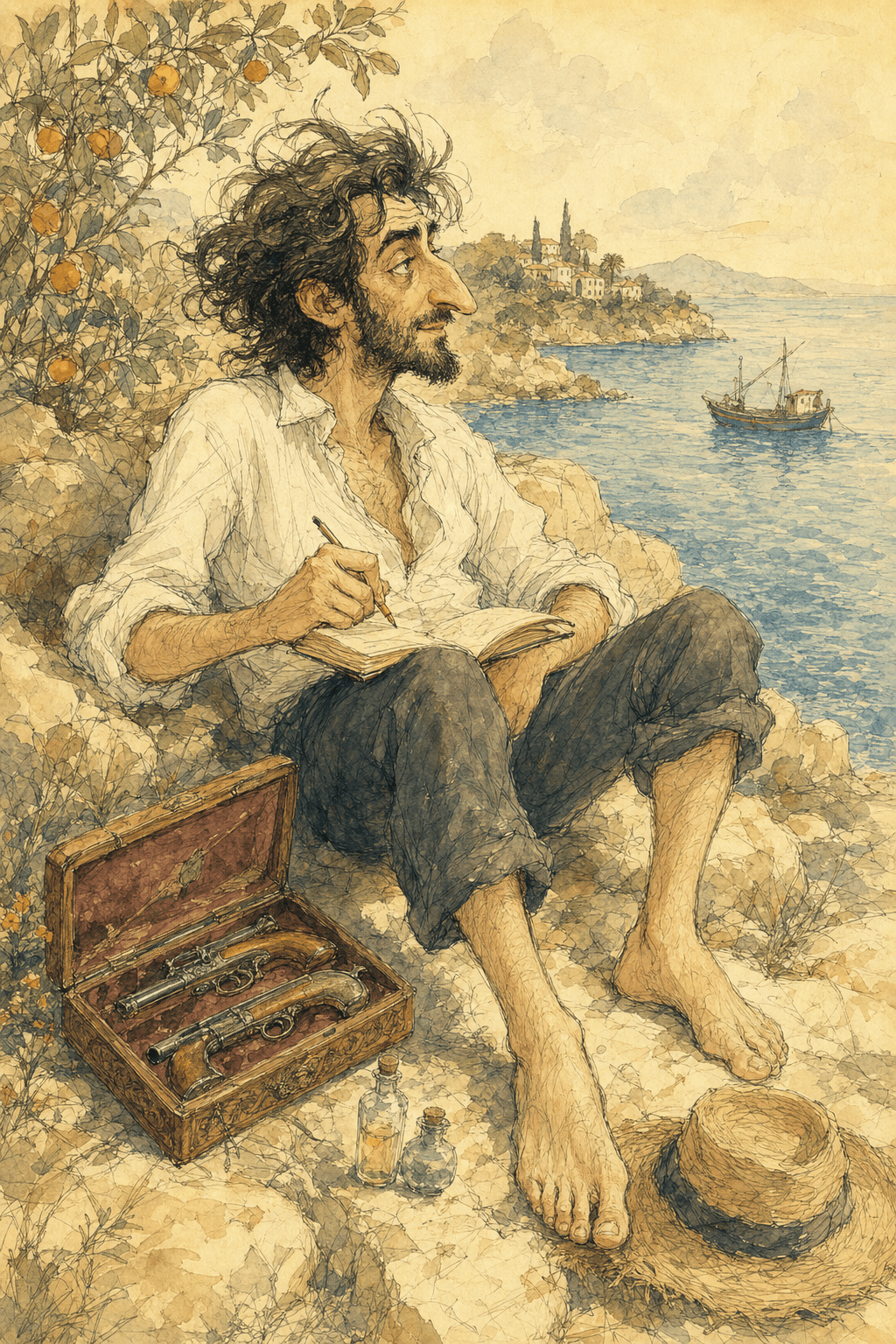
In 1831, a jilted composer sketched a two-minute plan involving a lady's maid disguise, a pair of double-barrelled pistols, and two vials of poison in case the pistols failed.
The Man Who Counted the Posts
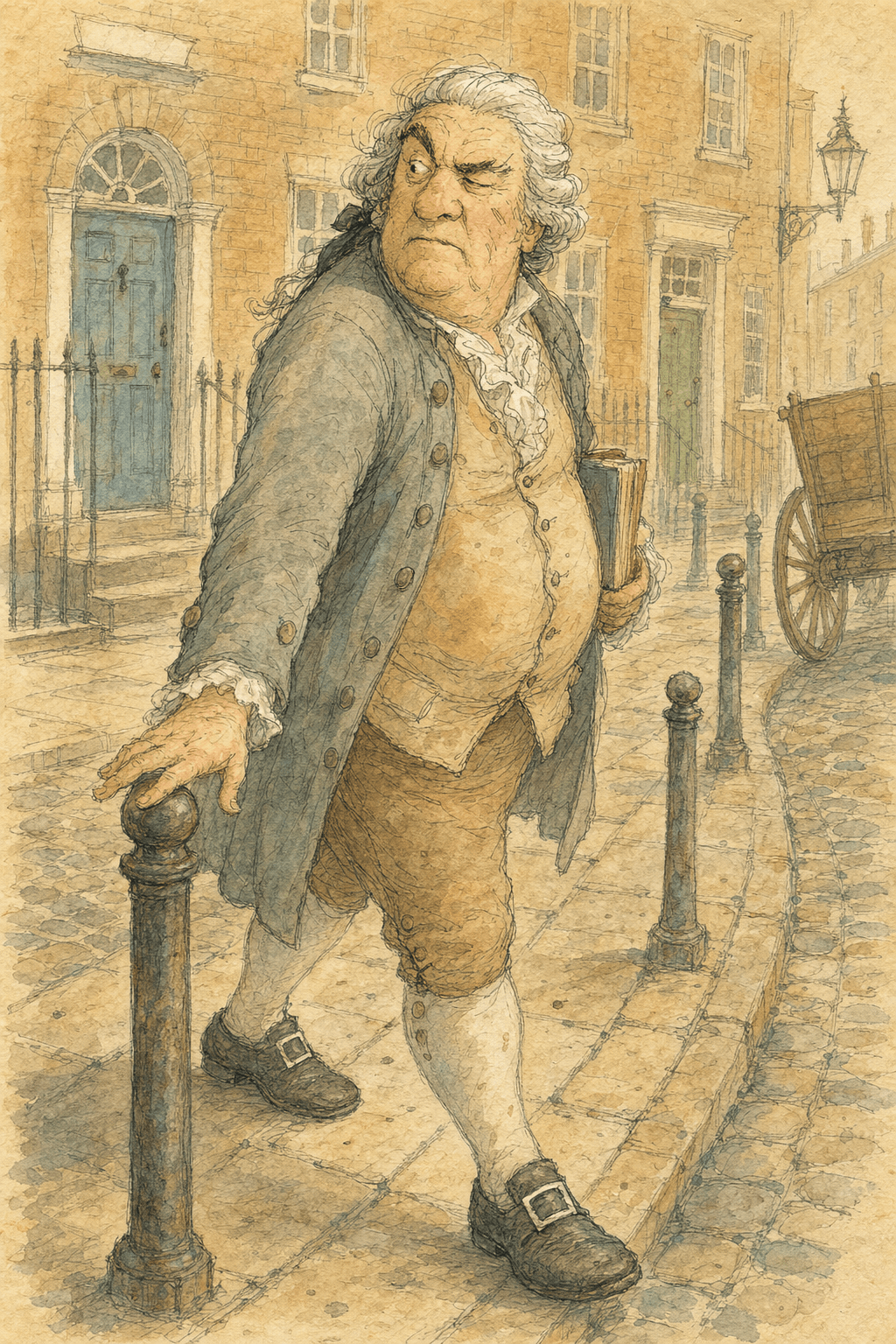
The man who single-handedly disciplined the English language could not walk past a post without touching it.
Wonder, delivered.
A fresh Oddlet in your inbox every morning, a full day before everyone else. True, strange and under a minute.
Free forever. Unsubscribe anytime.