persistence
Kept going when the world said stop, and was usually right.
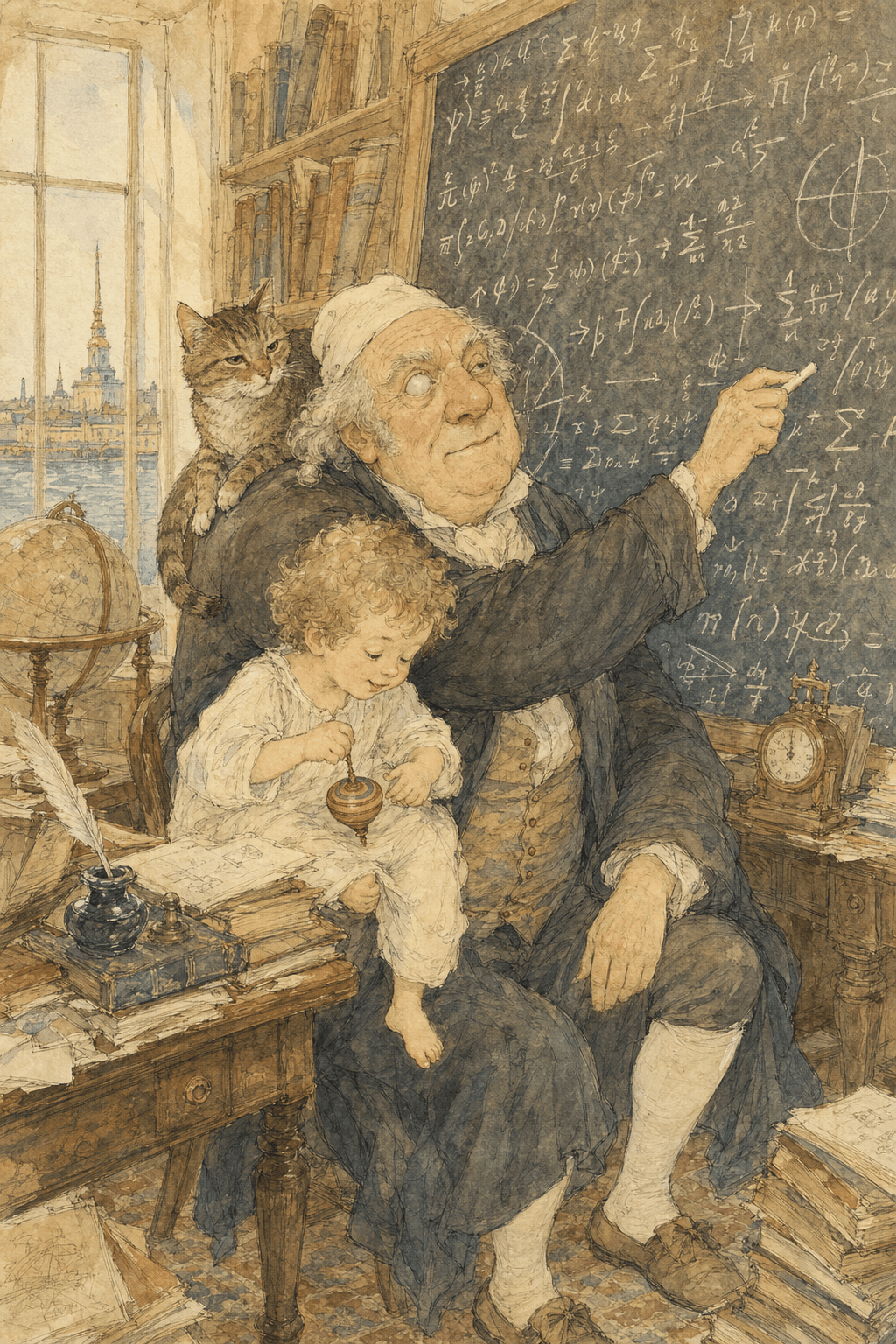
Cyclops
By 1775, blind Leonhard Euler was dictating a mathematical paper a week in chalk on a slate, with a child bouncing on his knee and, per one witness, a cat on his shoulders.
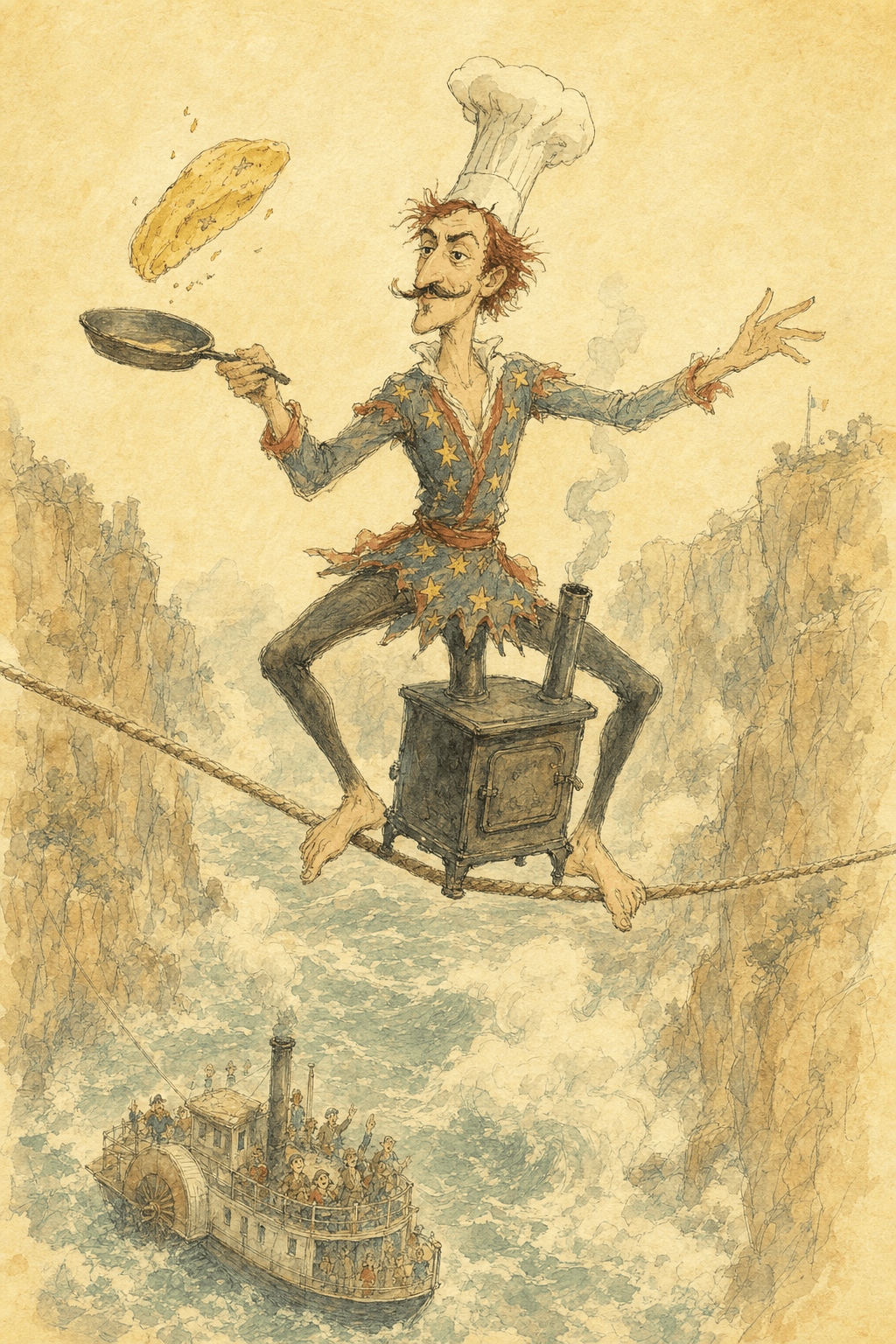
Fifty-Five Pounds
In August 1859, halfway across a hemp rope 160 feet above the Niagara Gorge, Charles Blondin set down a 55-pound iron stove, lit a fire, cracked eggs, and lowered an omelette on a line to the passengers of the steamer below.
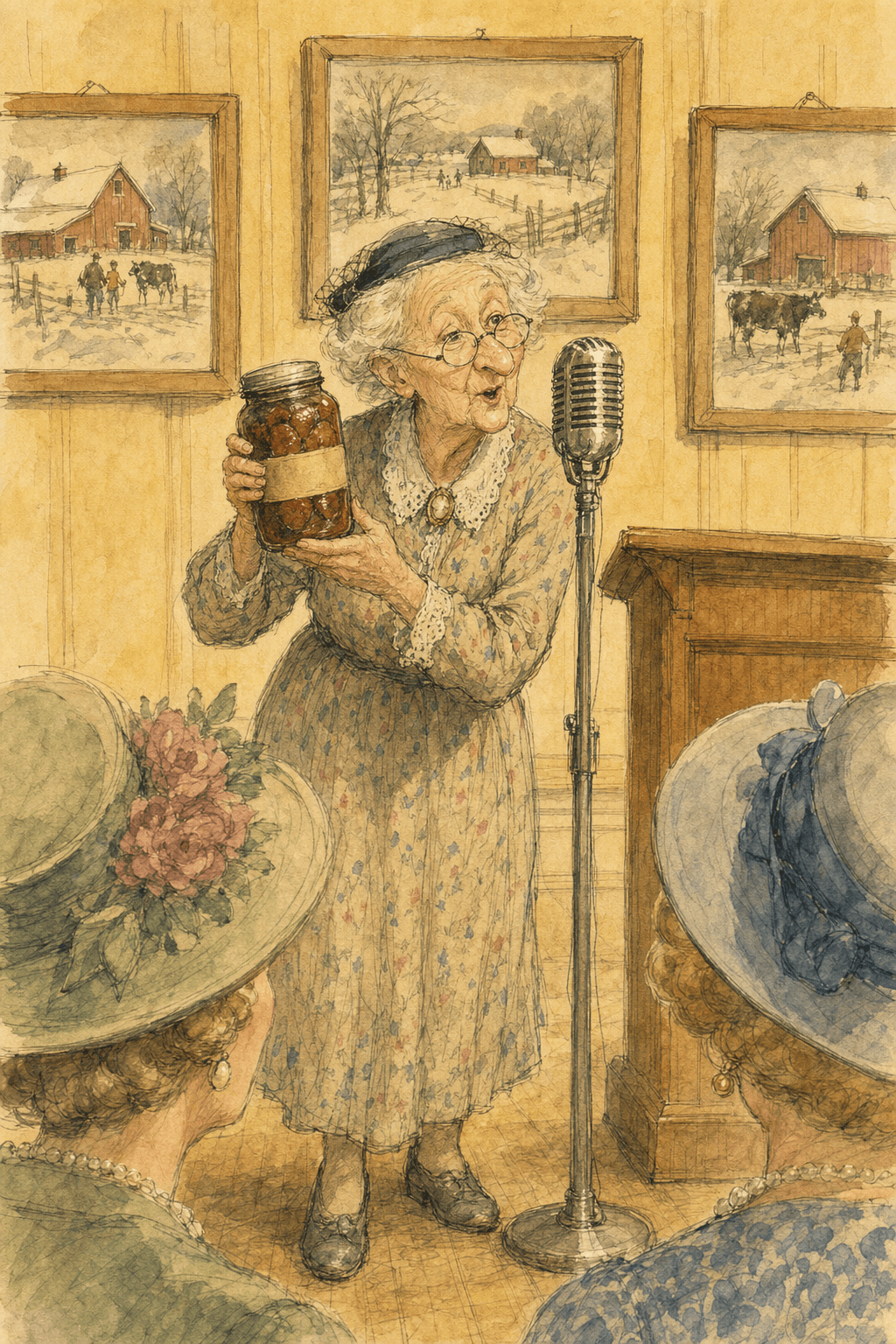
Ribbons for the Jam
At the Cambridge Country Fair, Anna Mary Robertson Moses entered her paintings alongside her preserves, and won ribbons for the jam.
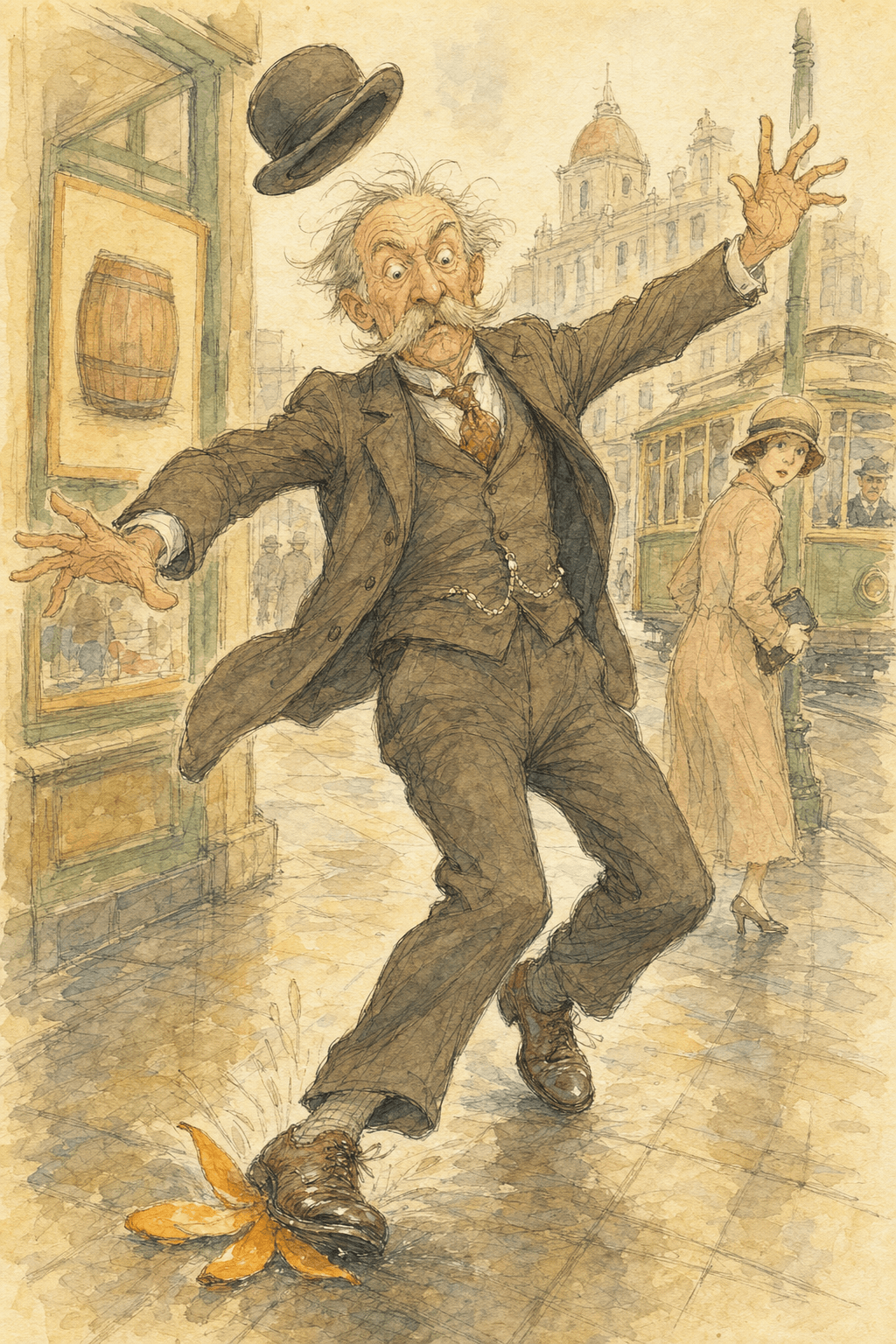
Queen Street
The second person to survive Niagara Falls in a barrel spent fifteen more years chasing bigger stunts, then was undone by a walk down Queen Street in Auckland.
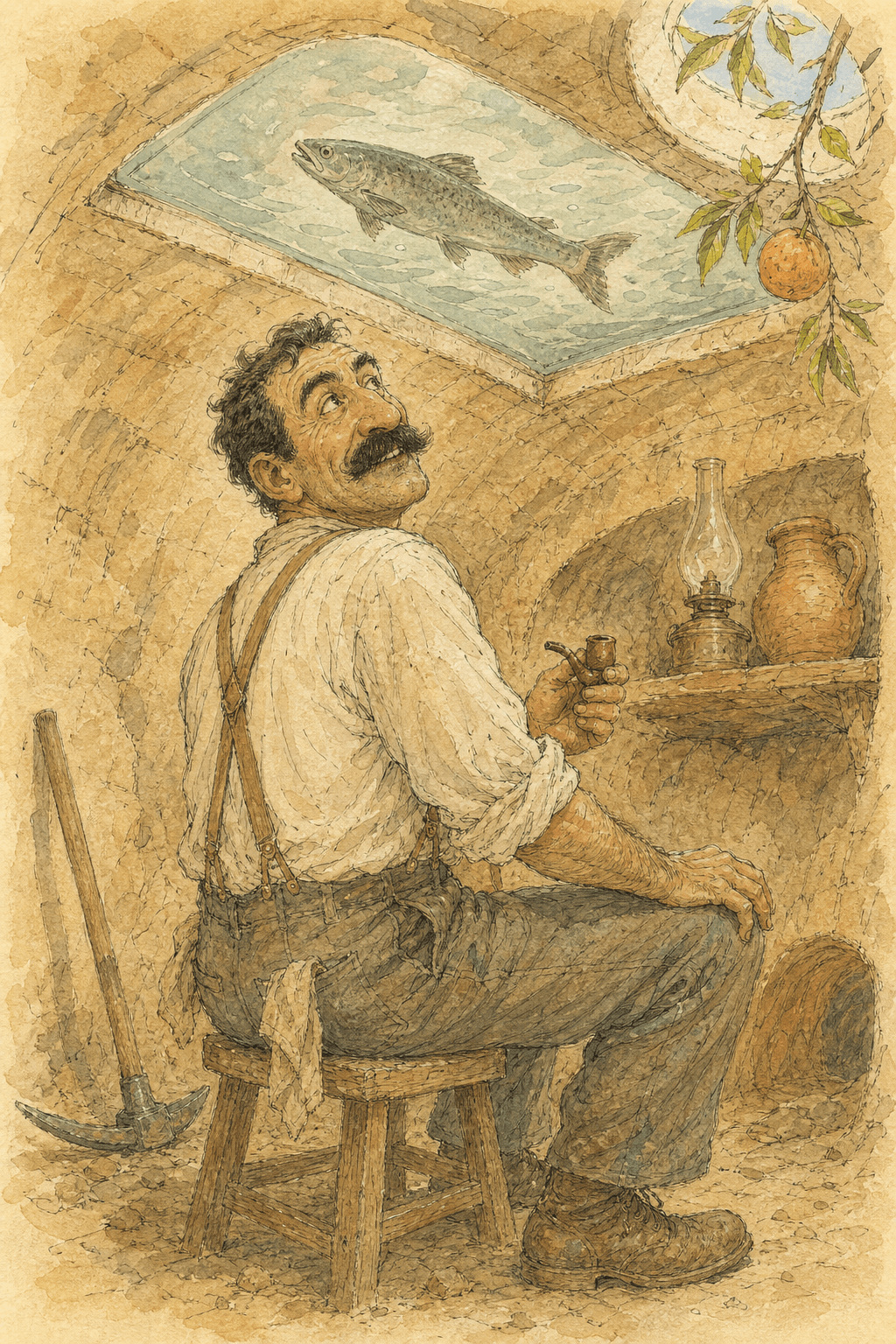
The Man Who Went Down
What do you do when you buy ten acres of California sunshine and discover it's a slab of rock at 120 degrees?
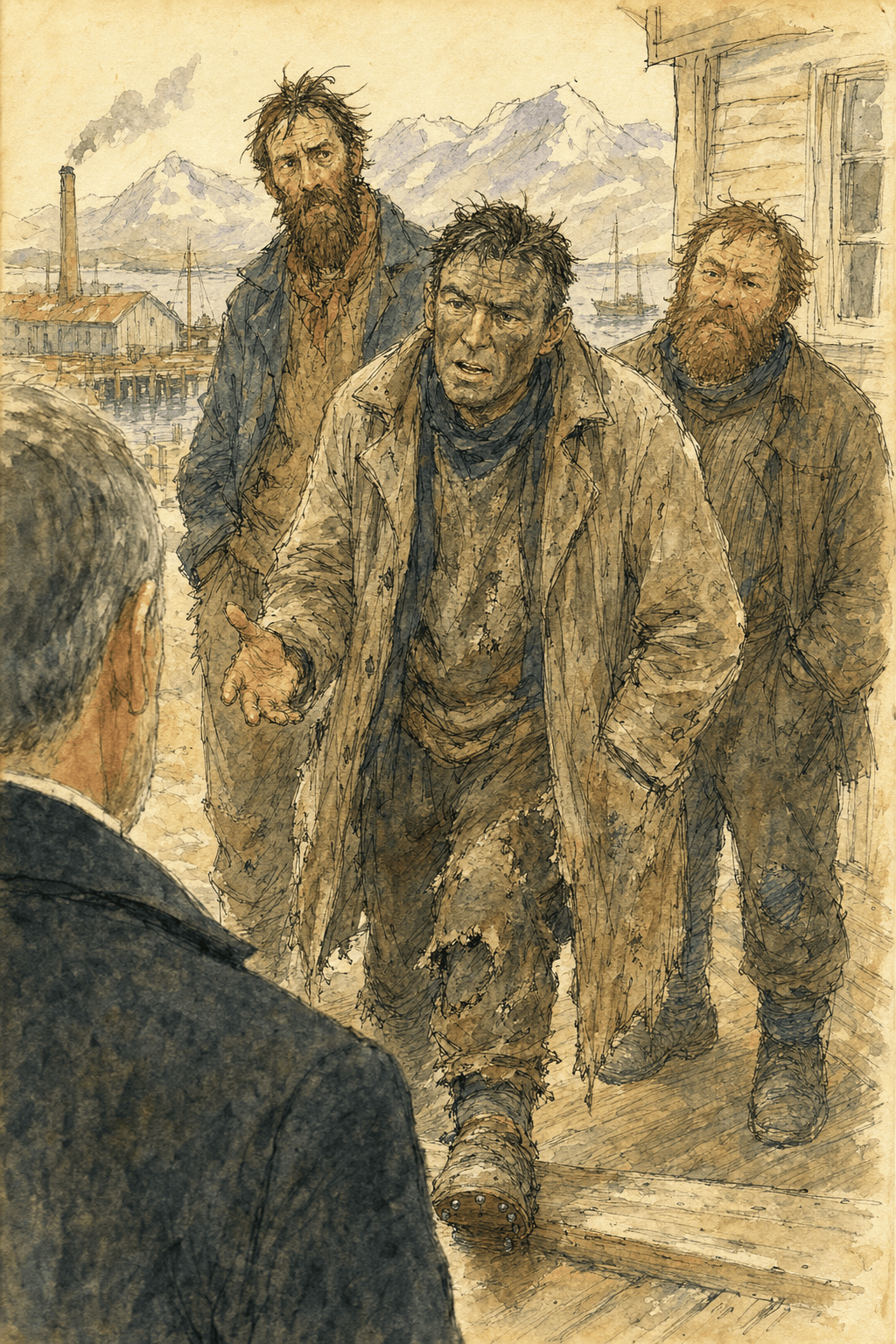
My Name Is Shackleton
He emptied his pockets of gold into the snow, then told the meteorologist to keep the twelve-pound banjo.
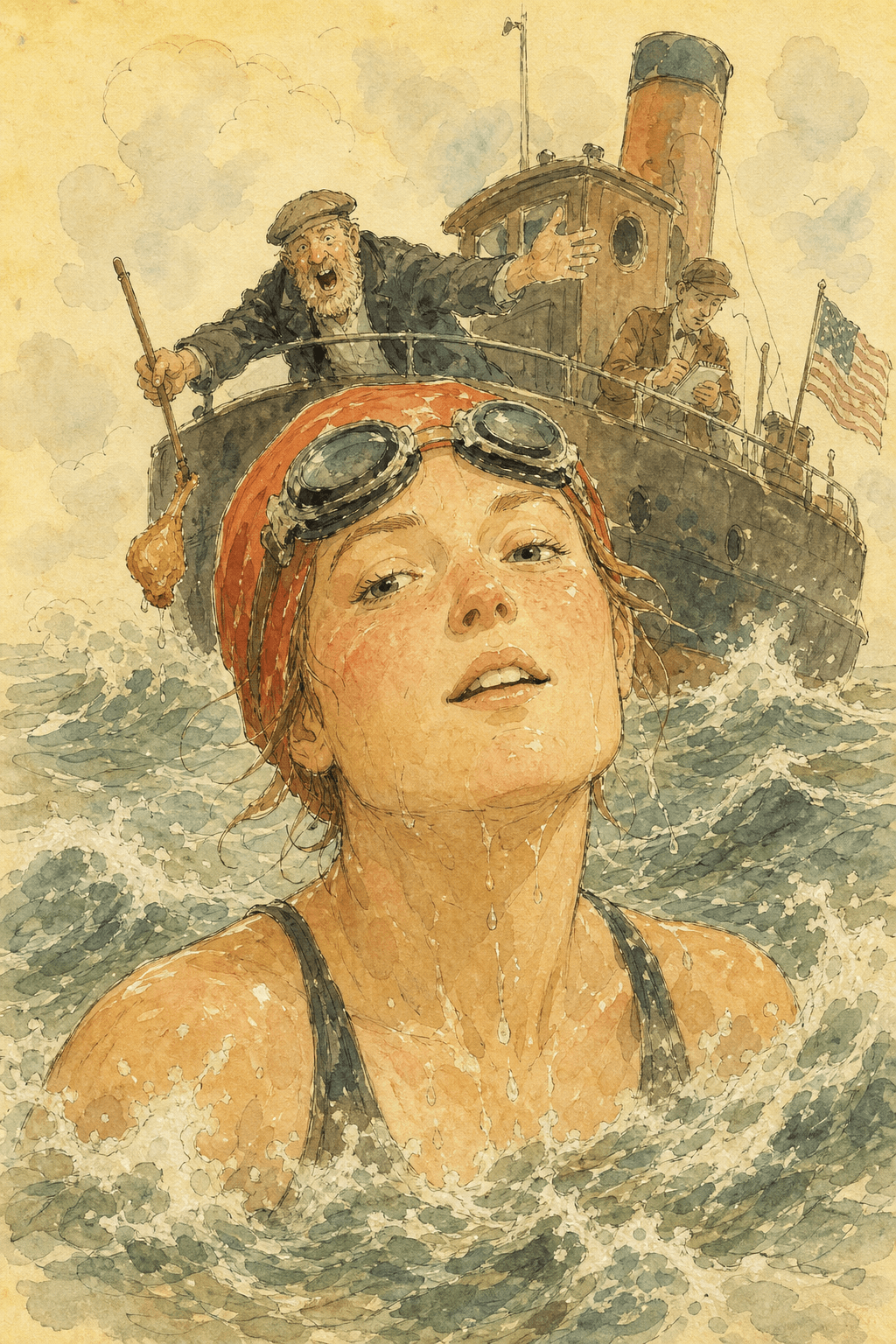
What For
In 1926 a twenty-year-old swam the English Channel faster than any man alive — and her trainer spent the worst hour of it begging her to quit.
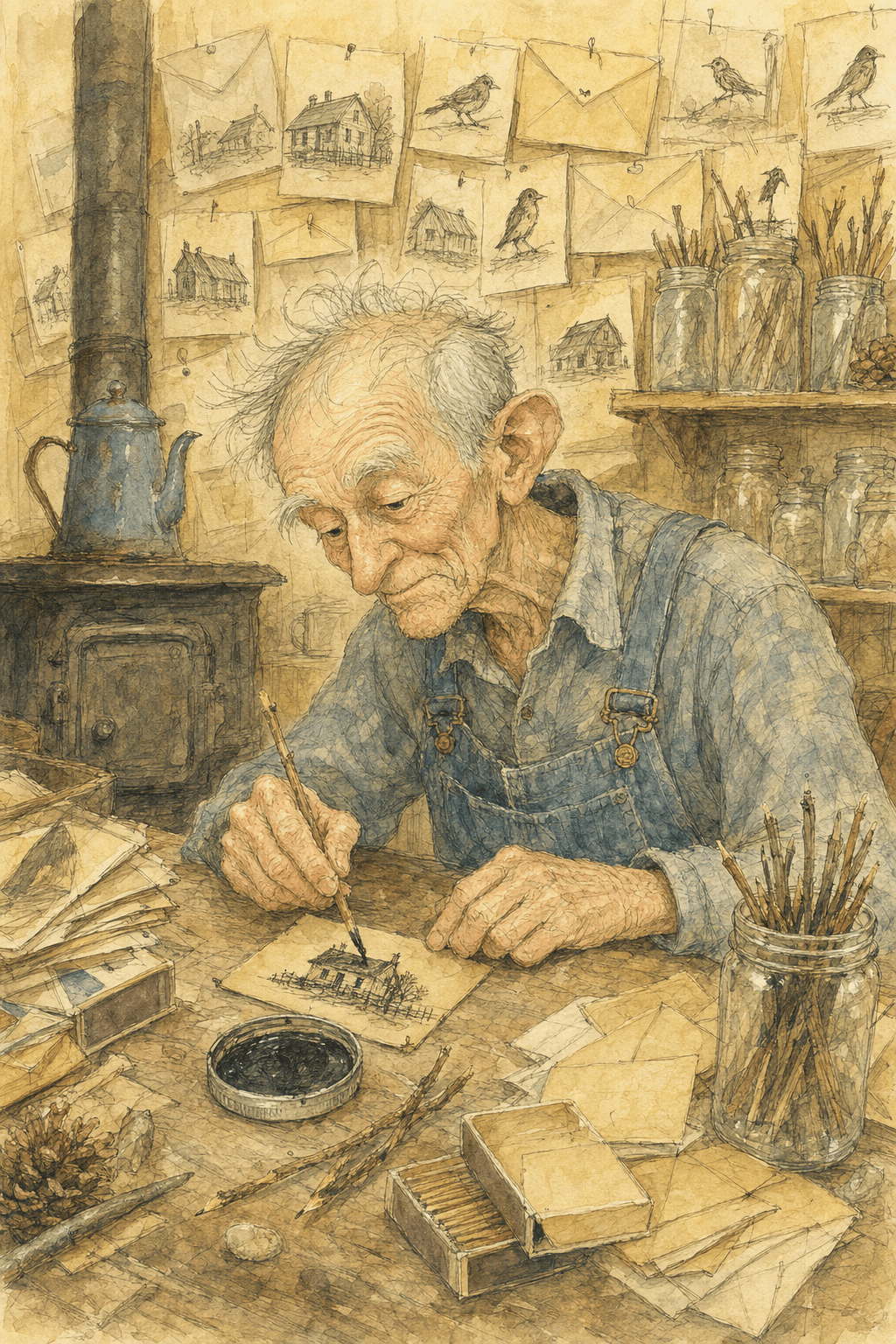
The Soot and the Spit
What does a self-taught artist do when the family finally retires the wood stove and his only source of ink disappears?
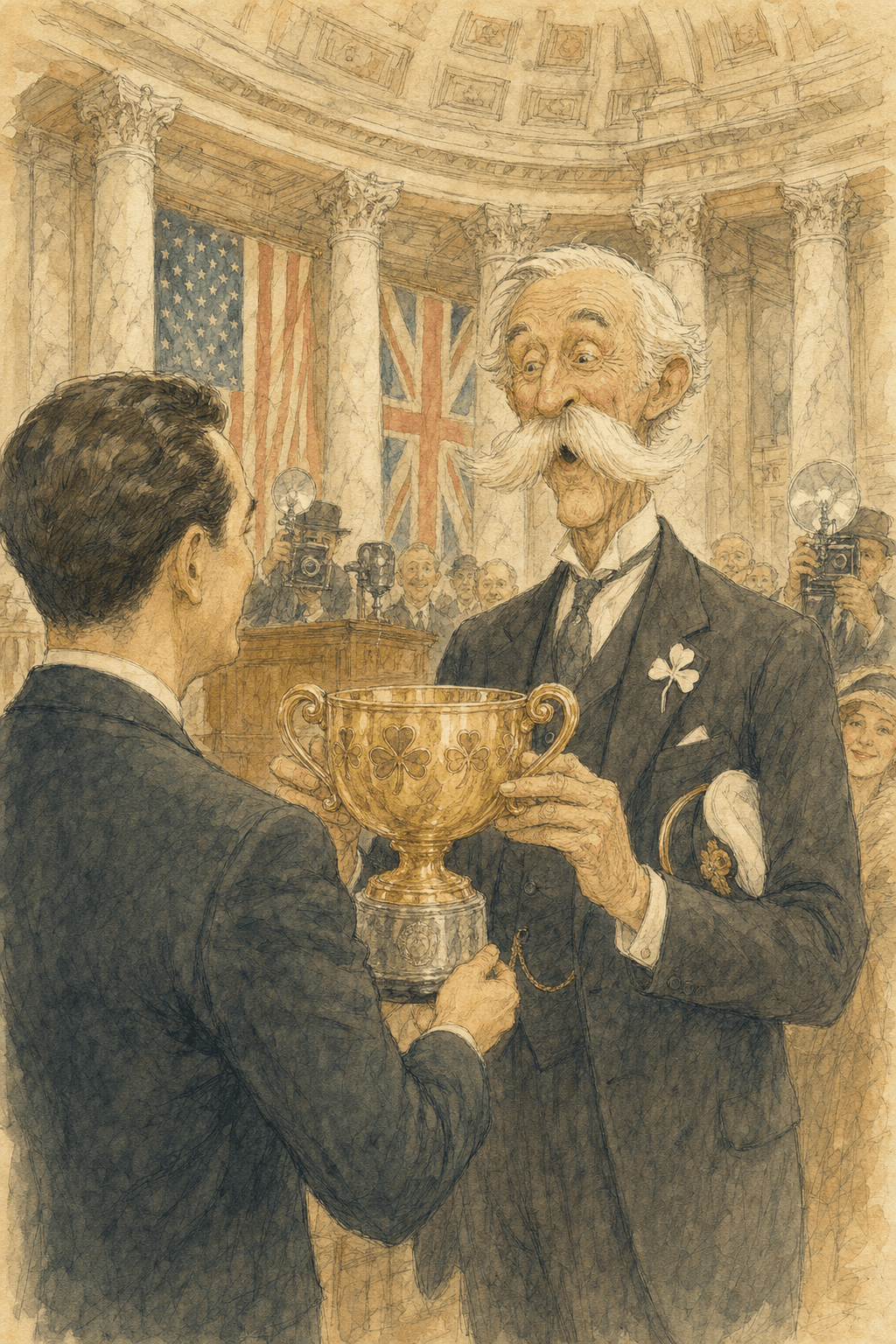
The World's Best Loser
A Glasgow grocer spent thirty-one years and five yachts chasing the same silver cup, and lost every single race.
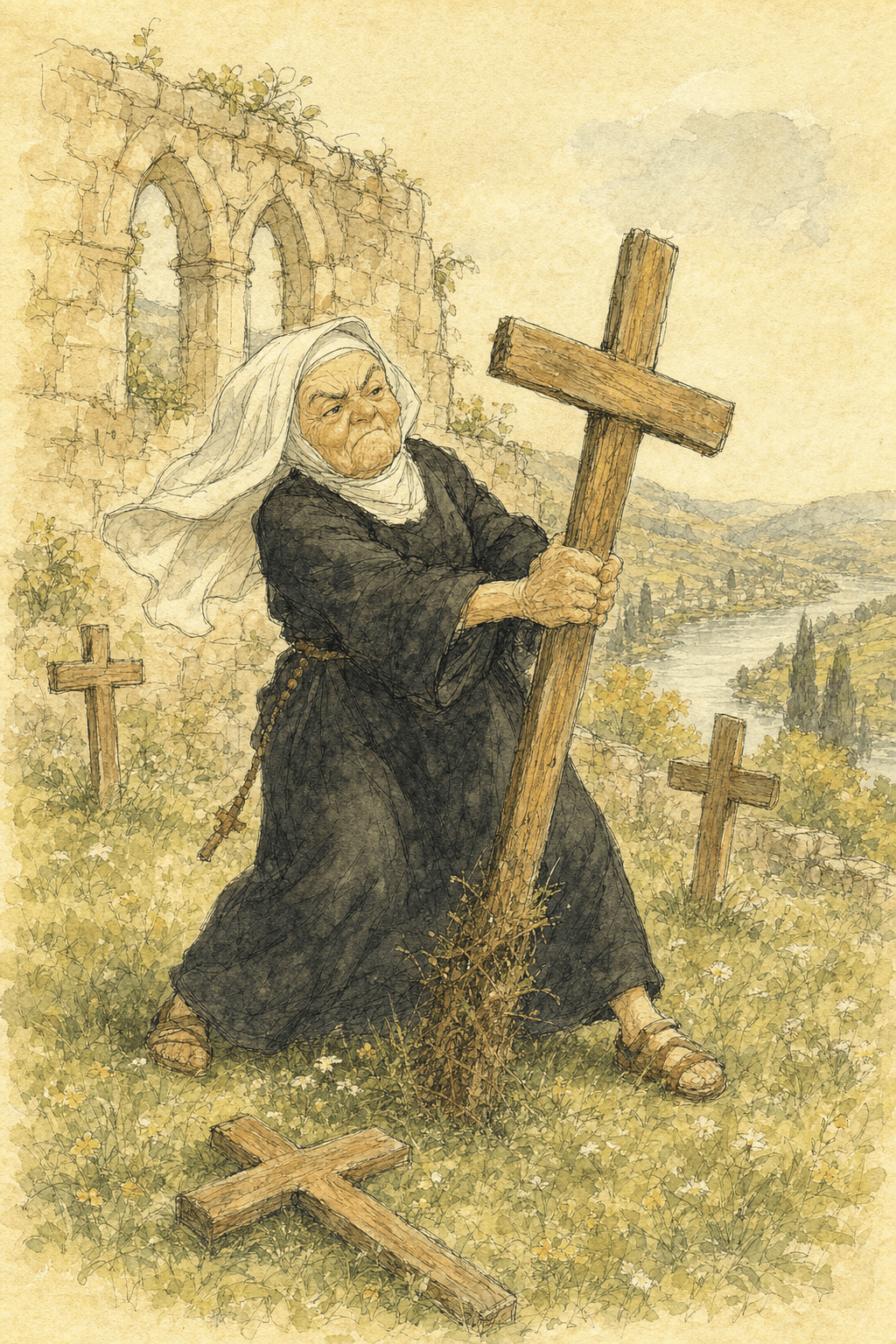
The Abbess Who Hid the Grave
What does a twelfth-century abbess do when an archbishop orders her to exhume a body she has decided to keep?
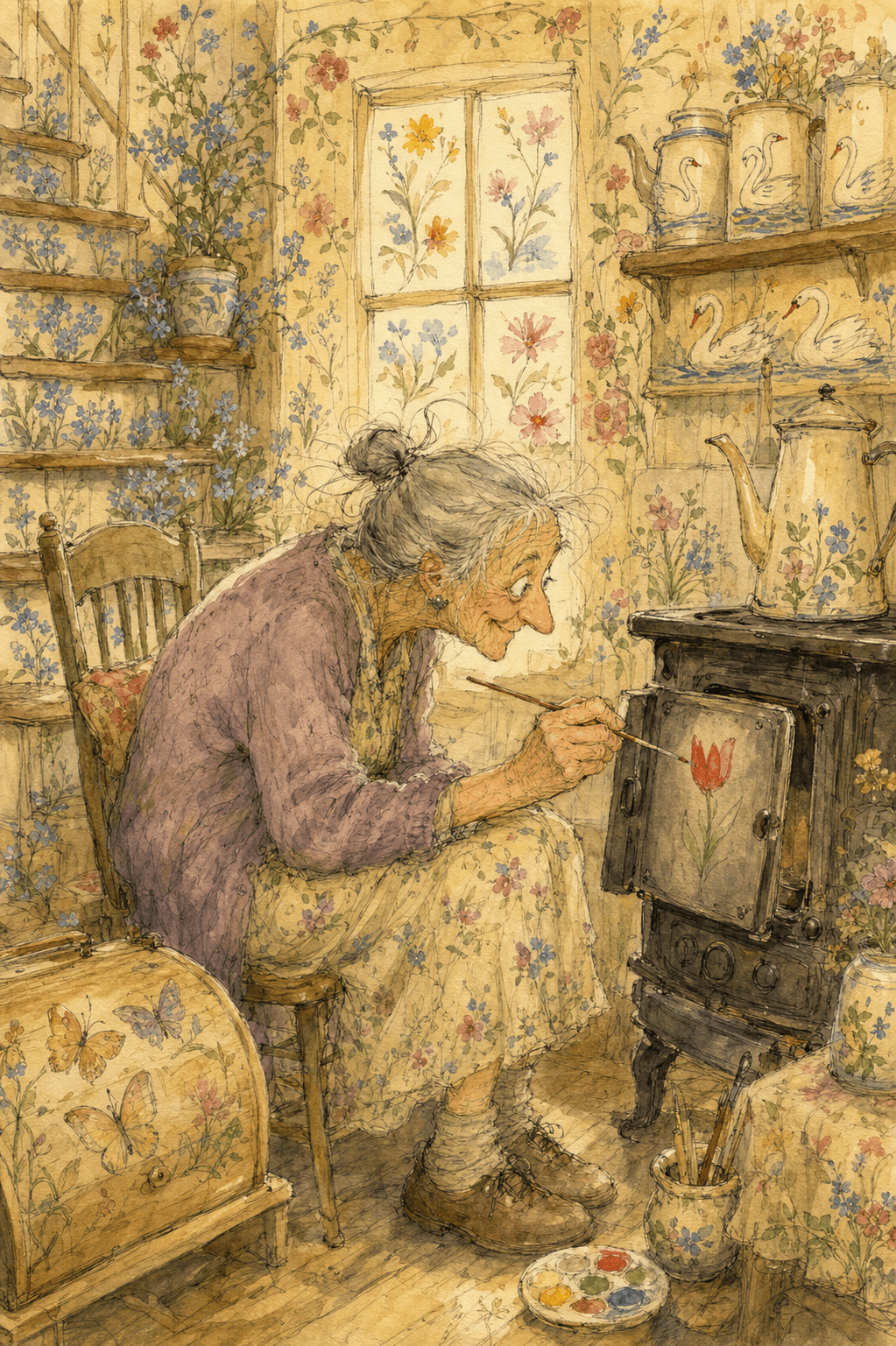
The Painter Who Painted the Room
She started on Masonite, then cookie sheets, then scallop shells, then the breadbox — and then she ran out of small things.
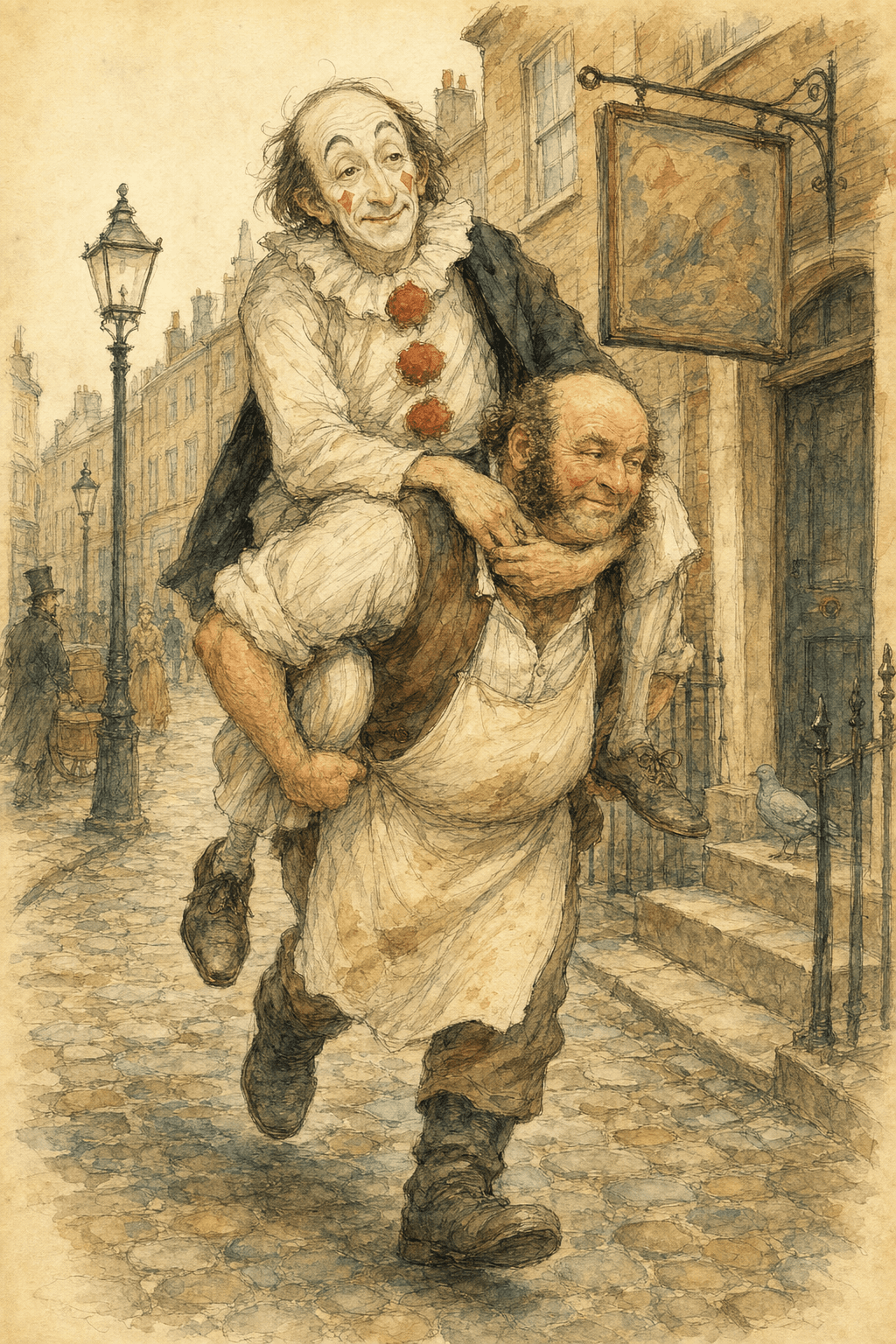
The Man Who Was Grimaldi
What does it cost a man to teach the world how to fall down for a living?