Oddlet: Benjamin Lay · 1 min read
Mar 3, 2026
The Man Who Stabbed a Bible
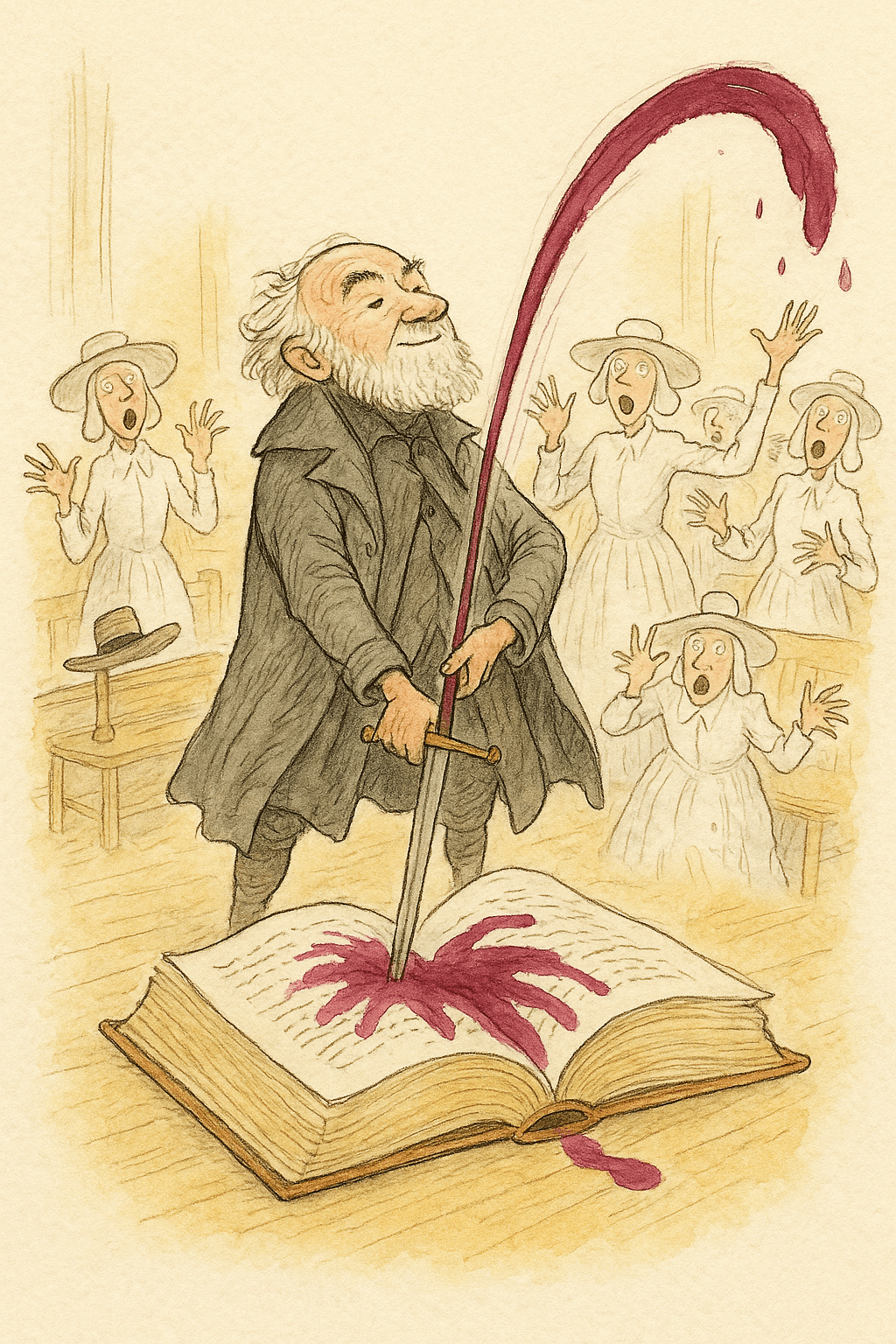
A century before the Civil War, a four-foot-seven cave-dweller in a military coat walked into a Quaker meeting and sprayed fake blood on every slaveholder in the room.
Benjamin Lay was four feet seven inches tall, hunchbacked, and absolutely certain he was right about everything. In the 1730s, more than a century before the Civil War, he wrote a 278-page abolitionist manifesto so incendiary that no printer in the American colonies would touch it.
Except one.
Lay lived in a cave outside Philadelphia that he'd furnished with over two hundred books. He grew his own food, spun his own linen, and refused sugar because enslaved people harvested it. He once kidnapped a Quaker slaveholder's child for an afternoon, then returned the child and explained, calmly, that now the parents knew how enslaved families felt. He stood outside a meetinghouse in winter with one bare foot buried in the snow to illustrate what enslaved people endured. The Quakers expelled him from at least four meetings. He kept showing up.
His masterpiece came at the 1738 Burlington meeting. Lay arrived in a military overcoat concealing a hollowed-out book filled with a bladder of pokeberry juice. He delivered a speech, drew a sword, and plunged it into the book. Red liquid sprayed across the white clothing of every slaveholder in range. Several people fainted.
The one printer who'd published his manifesto the year before was Benjamin Franklin. At the time, Franklin personally owned enslaved people.
By the time Franklin died in 1790, he was president of the Pennsylvania Abolition Society.
Lay died in 1759. He never found out.
Know someone who’d love this?
- Wikipedia: Benjamin Lay — Good overview with citations; some details (exact height, cave dimensions) are approximate and sourced from secondary biographies. Use as a starting index, not a primary source.
- Marcus Rediker, 'The Fearless Benjamin Lay' (Beacon Press, 2017) — The definitive modern scholarly biography; Rediker conducted primary archival research. Most specific facts about the cave, diet, and protest tactics derive from this work. Highly reliable.
- Philadelphia Yearly Meeting 1758 resolution on slavery — The 1758 PYM decision to discipline slaveholding members is well-documented in Quaker records; Lay's role as an agitator leading up to it is argued by Rediker and others. The causal link is scholarly interpretation, not a direct documented statement.
- Benjamin Franklin as printer of Lay's 1737 pamphlet — Franklin's printing of 'All Slave-Keepers...' is documented in Franklin's own printing records and confirmed by bibliographers. Note: Franklin himself owned enslaved people at this period, making the relationship historically complex.
- Smithsonian Magazine: 'The Quaker Dwarf Who Became America's First Abolitionist Hero' — Accessible secondary source drawing on Rediker's biography; useful for quotes and narrative detail but should be cross-checked against Rediker for precision.
The Cartwheel Brims
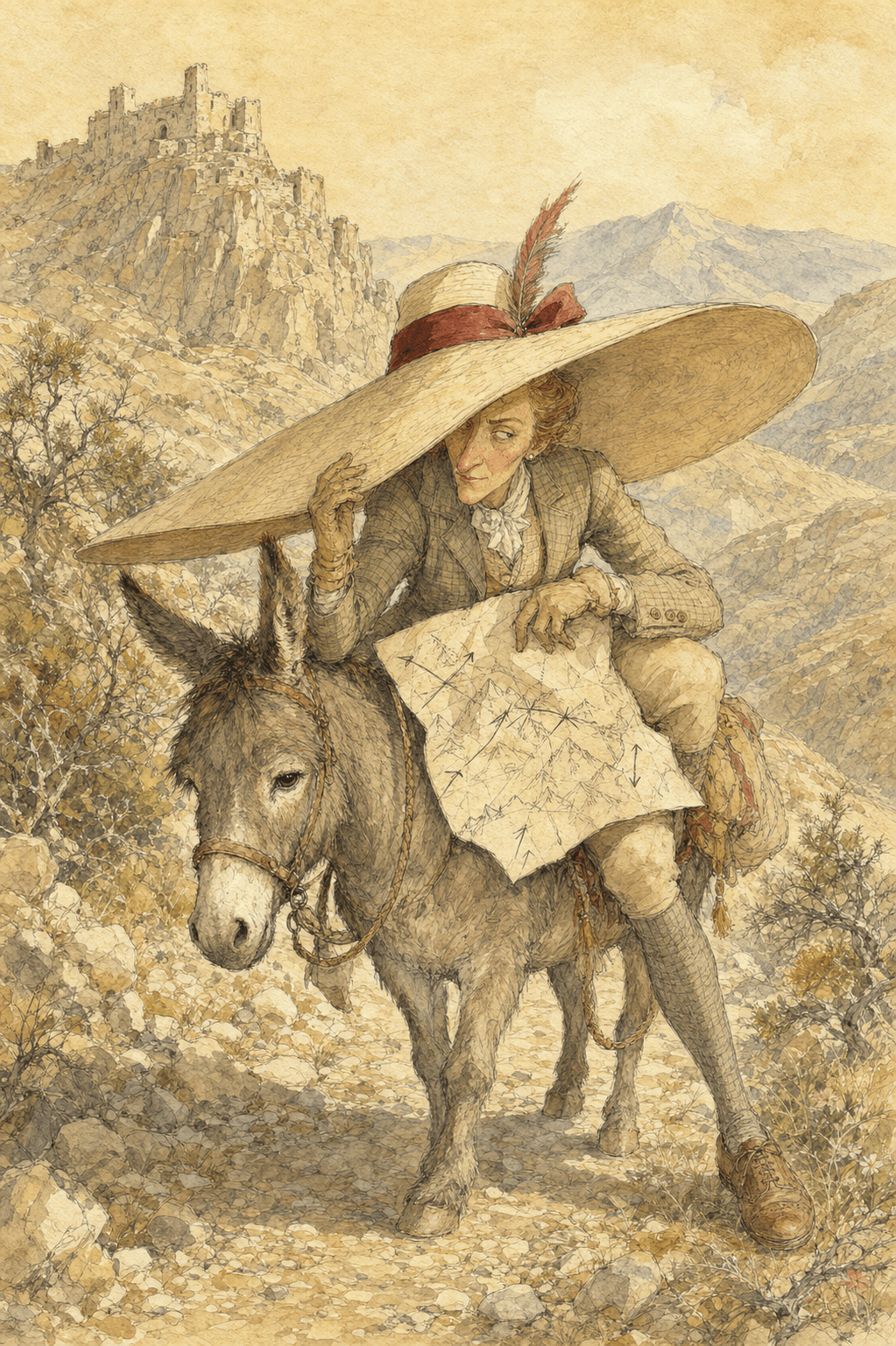
A loom took half her scalp at thirteen; she spent the next eighty-seven years deciding what the world was allowed to see.
Peace
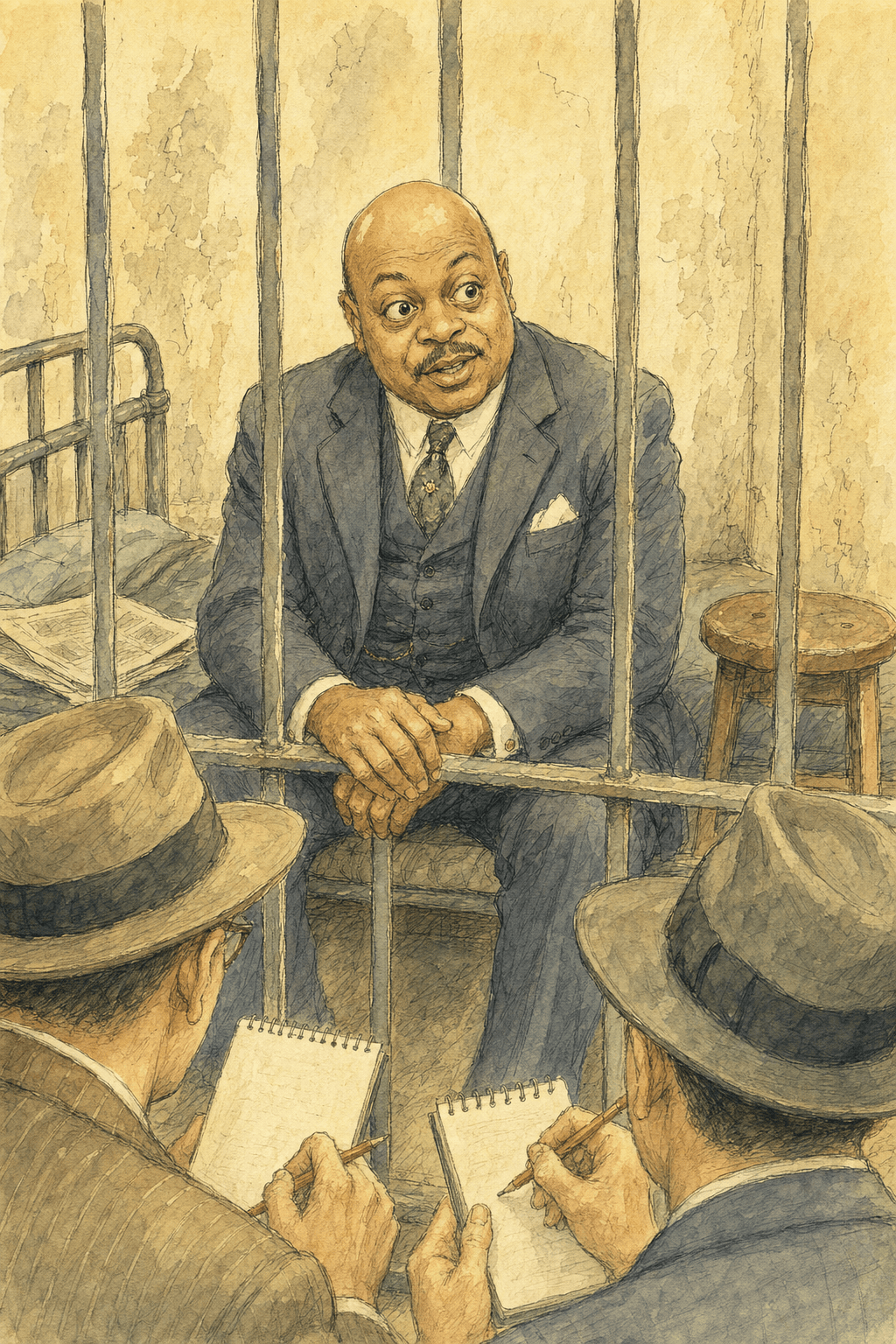
He fed three thousand people in an afternoon, banned the word "hello" because it contained "hell," and quietly let his followers know he was God.
What For
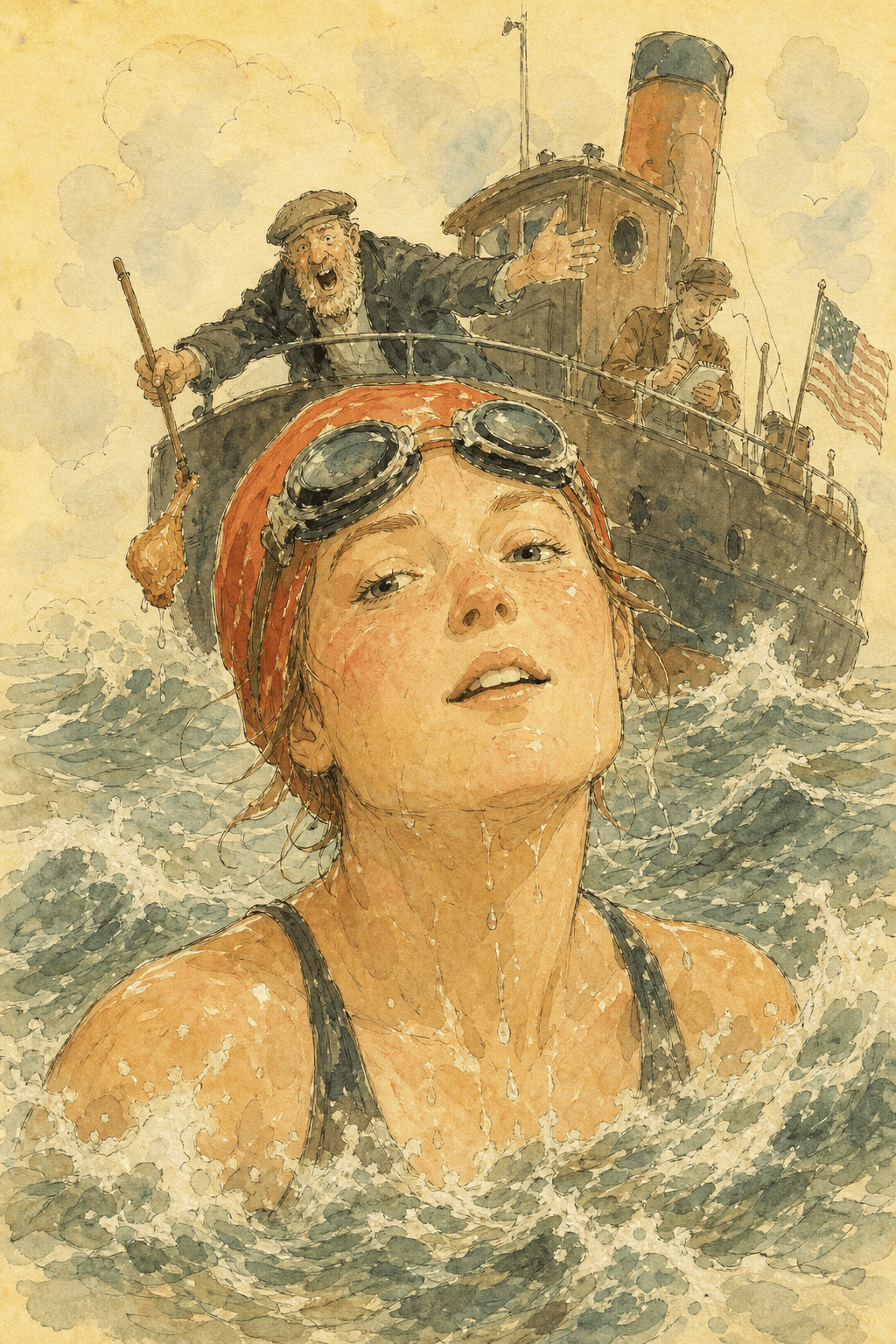
In 1926 a twenty-year-old swam the English Channel faster than any man alive — and her trainer spent the worst hour of it begging her to quit.
Wonder, delivered.
A fresh Oddlet in your inbox every morning, a full day before everyone else. True, strange and under a minute.
Free forever. Unsubscribe anytime.