Oddlet: Ferdinand Cheval · 1 min read
Mar 16, 2026
The Postman Who Built a Palace
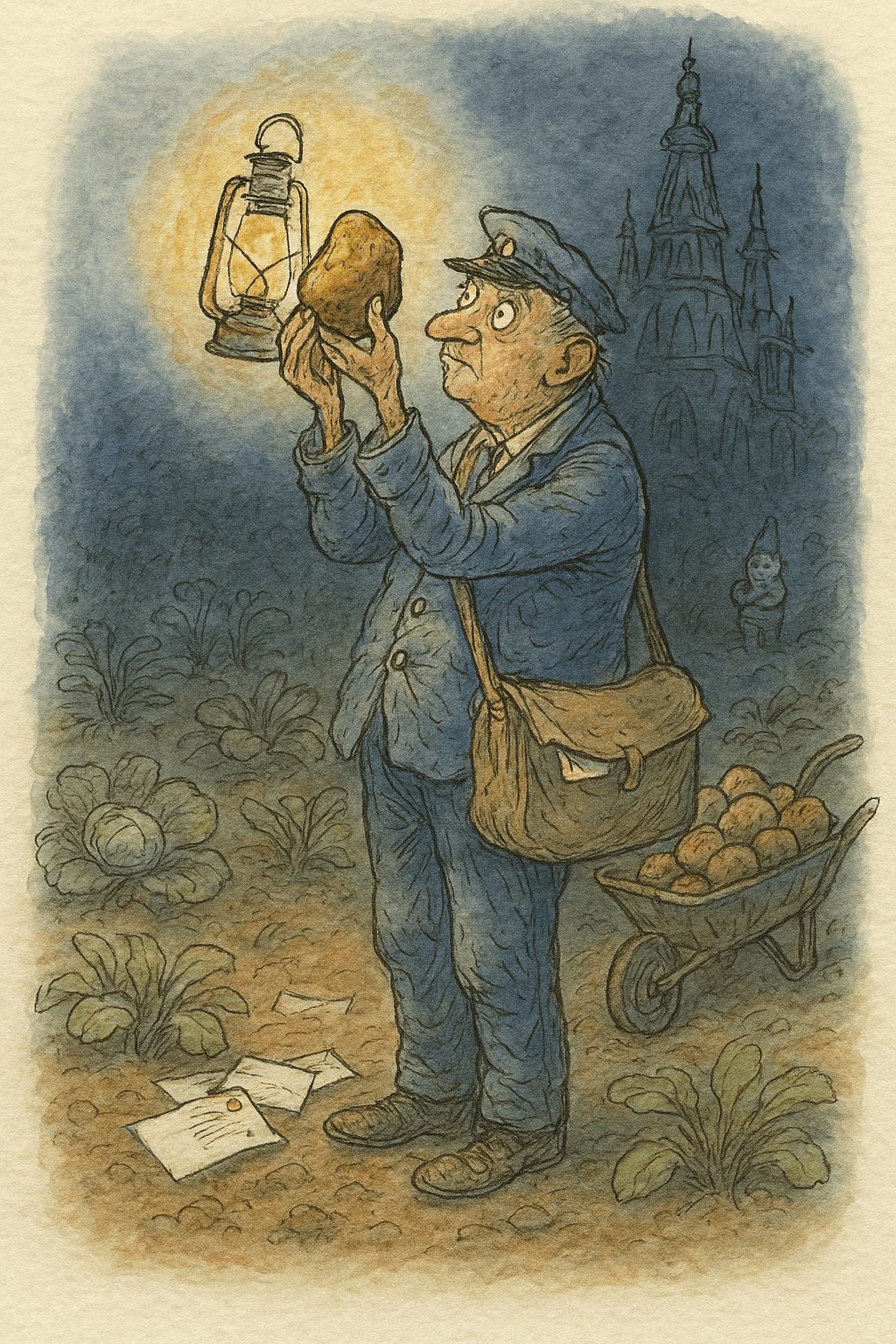
He tripped on a stone in 1879 and spent the next thirty-three years building a palace out of the ones he found on the way home.
Ferdinand Cheval walked twenty miles a day delivering mail in rural southeastern France. It was not, by any measure, a remarkable life.
Then his foot caught a stone.
It was April 1879, and the stone was so strangely shaped that he pocketed it. The next day he went back and found more. He began carrying them home — first in his pockets, then in a basket, then in a wheelbarrow. In his vegetable garden, working by oil lamp after his rounds, he started building. He built Egyptian temples, Hindu shrines, a medieval castle, a Swiss chalet — all from postcards and the illustrated magazines he delivered. He had never traveled. His architecture resembles both Brighton's Royal Pavilion and Gaudí's Sagrada Família, neither of which he had ever seen or heard of. He spent twenty years on the outer walls alone. The finished palace stands twelve meters high and twenty-six meters long.
On the façade, he carved a message: 1879–1912. 10,000 days, 93,000 hours, 33 years of struggle. Let those who think they can do better try.
When the authorities told him he could not be buried in it, he spent eight more years building his own tomb in the local cemetery. He was seventy-eight when he started.
In the summer of 1937, Picasso — weeks removed from finishing Guernica — was driving to the Côte d'Azur with Dora Maar, Paul Éluard, and an Afghan hound named Kazbek. He pulled over at Hauterives to see a postman's pebble palace and filled an entire sketchbook.
The stone that tripped Cheval still sits on the terrace where he placed it.
Know someone who’d love this?
- Wikipedia — Ferdinand Cheval — Comprehensive, well-cited overview; reliable for dates, dimensions, and cultural reception. Cross-checked against primary site sources.
- Official Palais Idéal website (facteurcheval.com) — The institution's own history page; primary source authority for construction timeline, façade descriptions, and Surrealist connections. Highly reliable.
- Barnebys Magazine — Well-researched art-world profile; useful for legal/burial detail and Malraux quote. Reliable secondary source.
- Avignon et Provence tourism authority — Regional heritage source; useful for lime sack count and Picasso visit detail. Reliable secondary source.
- Palais Idéal official page on Dora Maar — Institutional source detailing the 1937 visit by Picasso, Dora Maar, and Paul Éluard; primary authority for that event. Reliable.
- A French Collection
The Man Who Let Gravity Draw
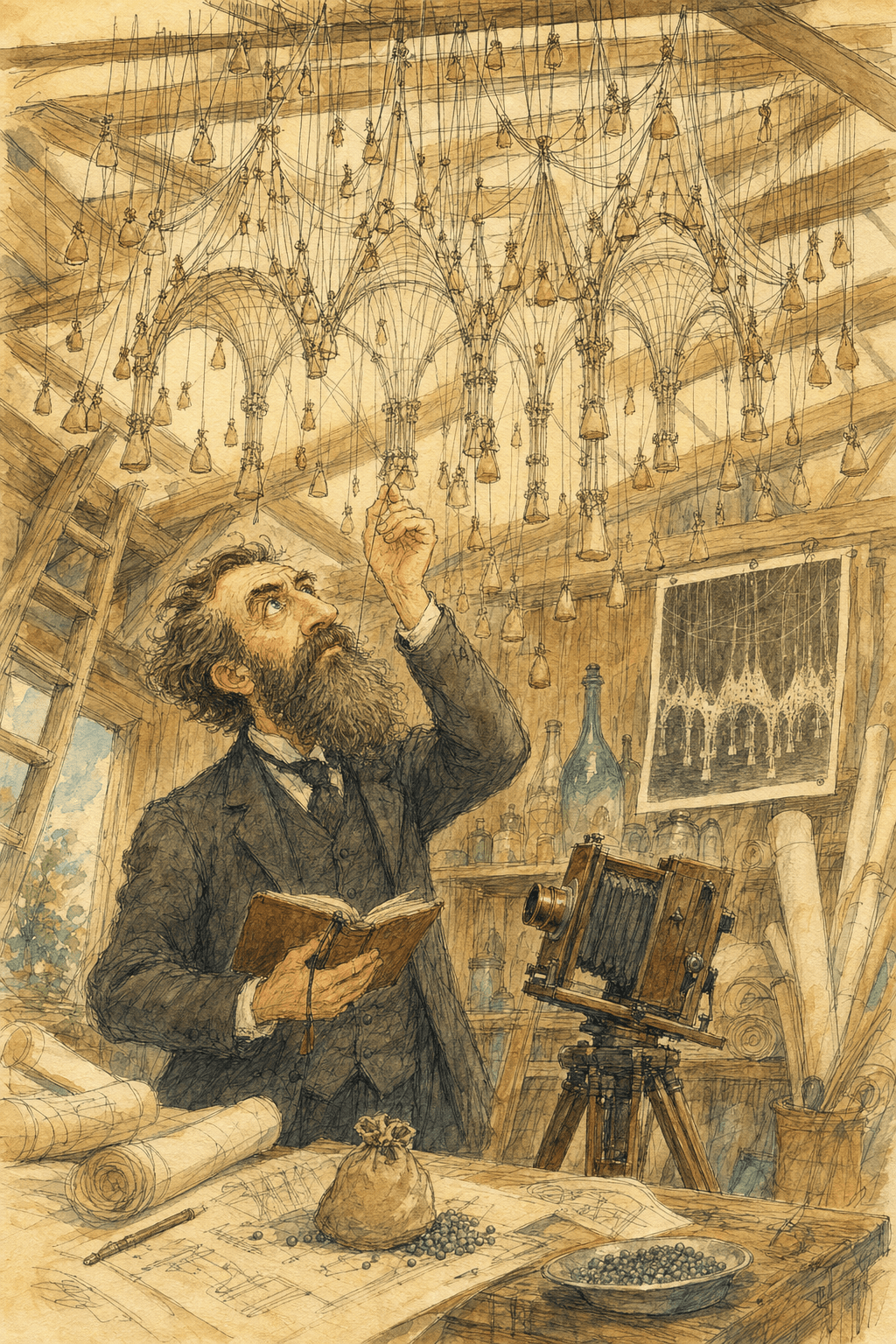
What kind of architect designs a church by hanging it upside down from a shed ceiling?
The Man Who Painted the Dead
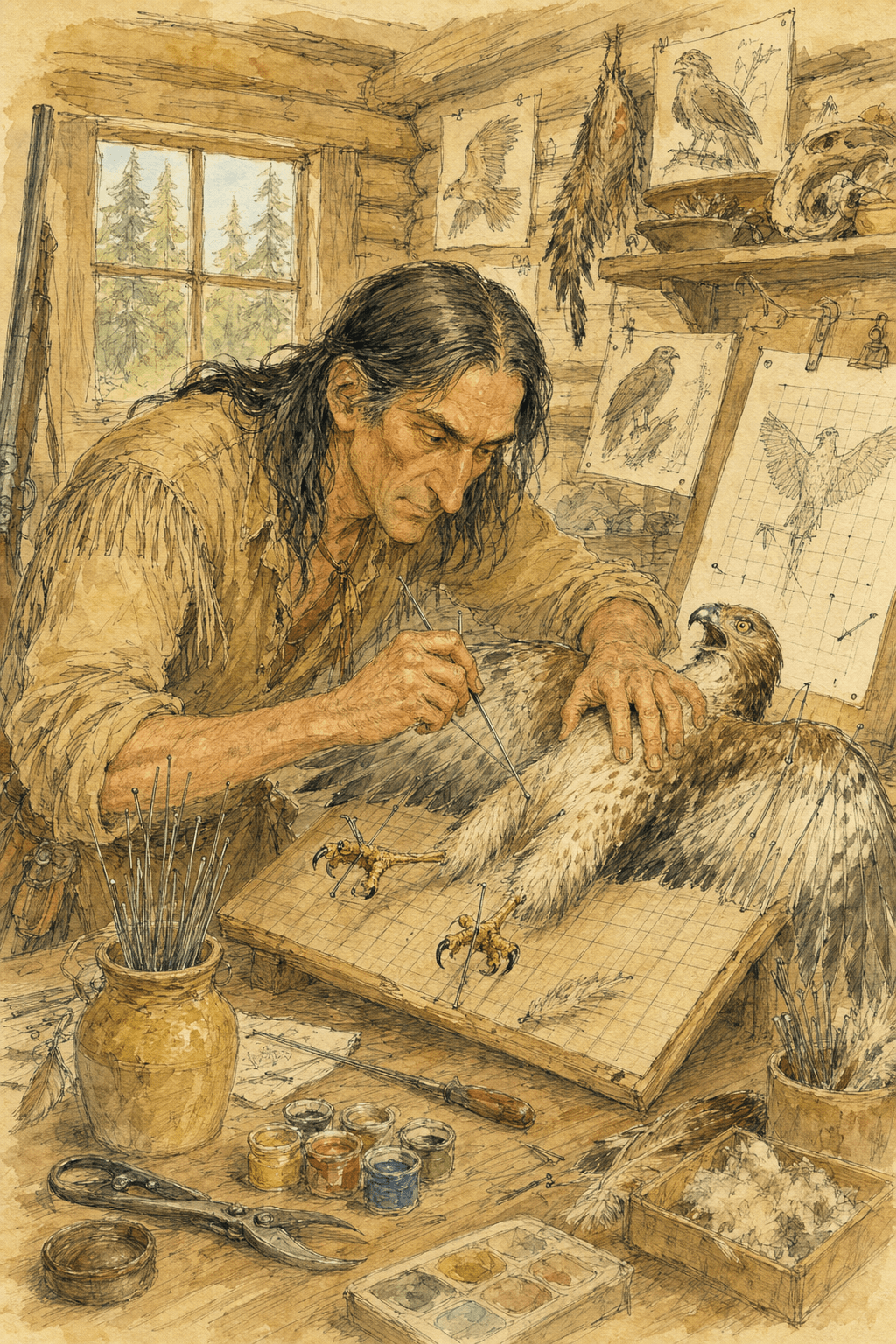
How do you paint a wild bird at exact life size without it moving?
Present But Not Voting
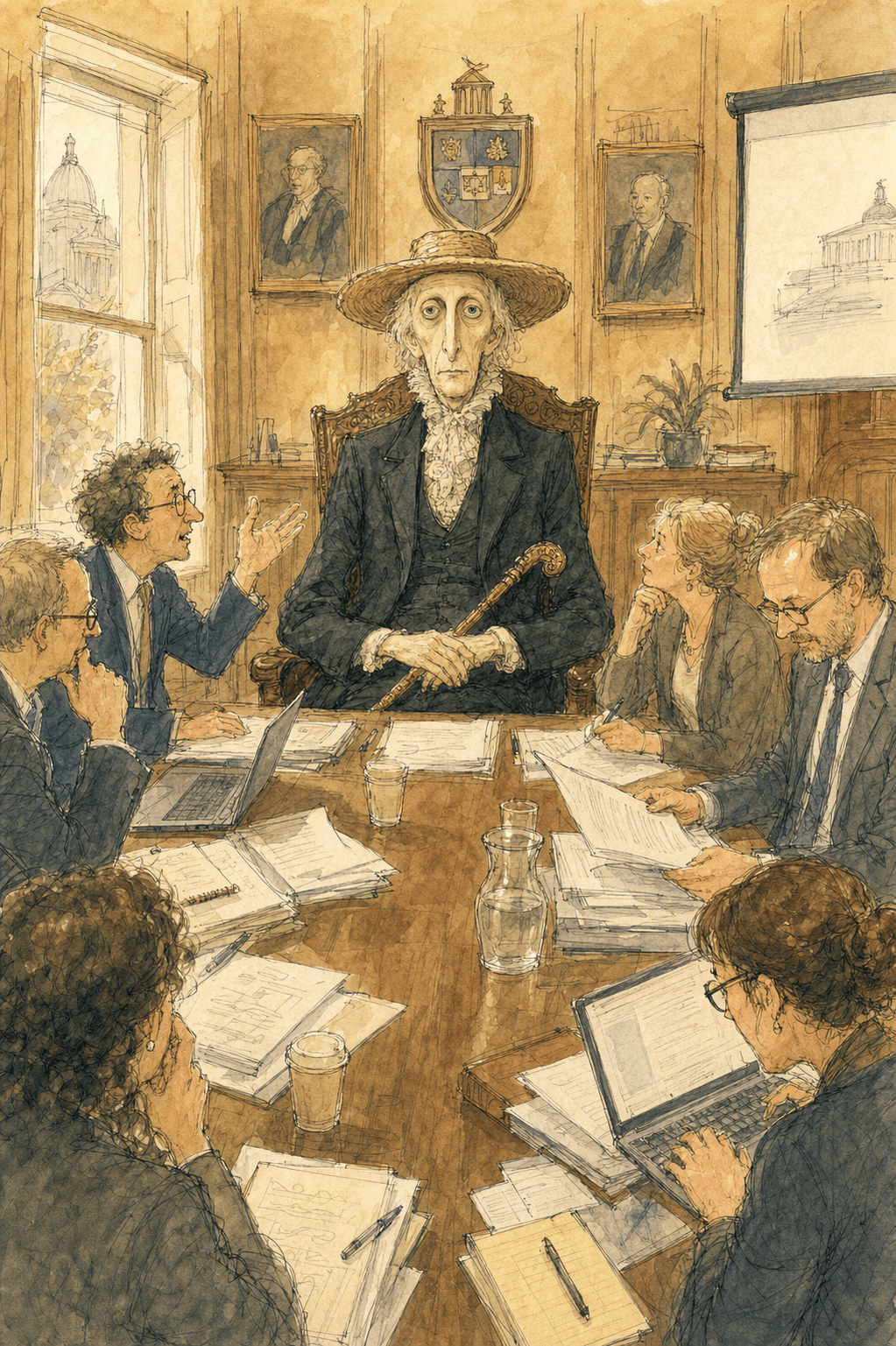
What kind of man spends sixty-three years perfecting the instructions for his own stuffed body?
Wonder, delivered.
A fresh Oddlet in your inbox every morning, a full day before everyone else. True, strange and under a minute.
Free forever. Unsubscribe anytime.