royalty
Kings, queens, emperors — real, self-proclaimed, and occasionally both.
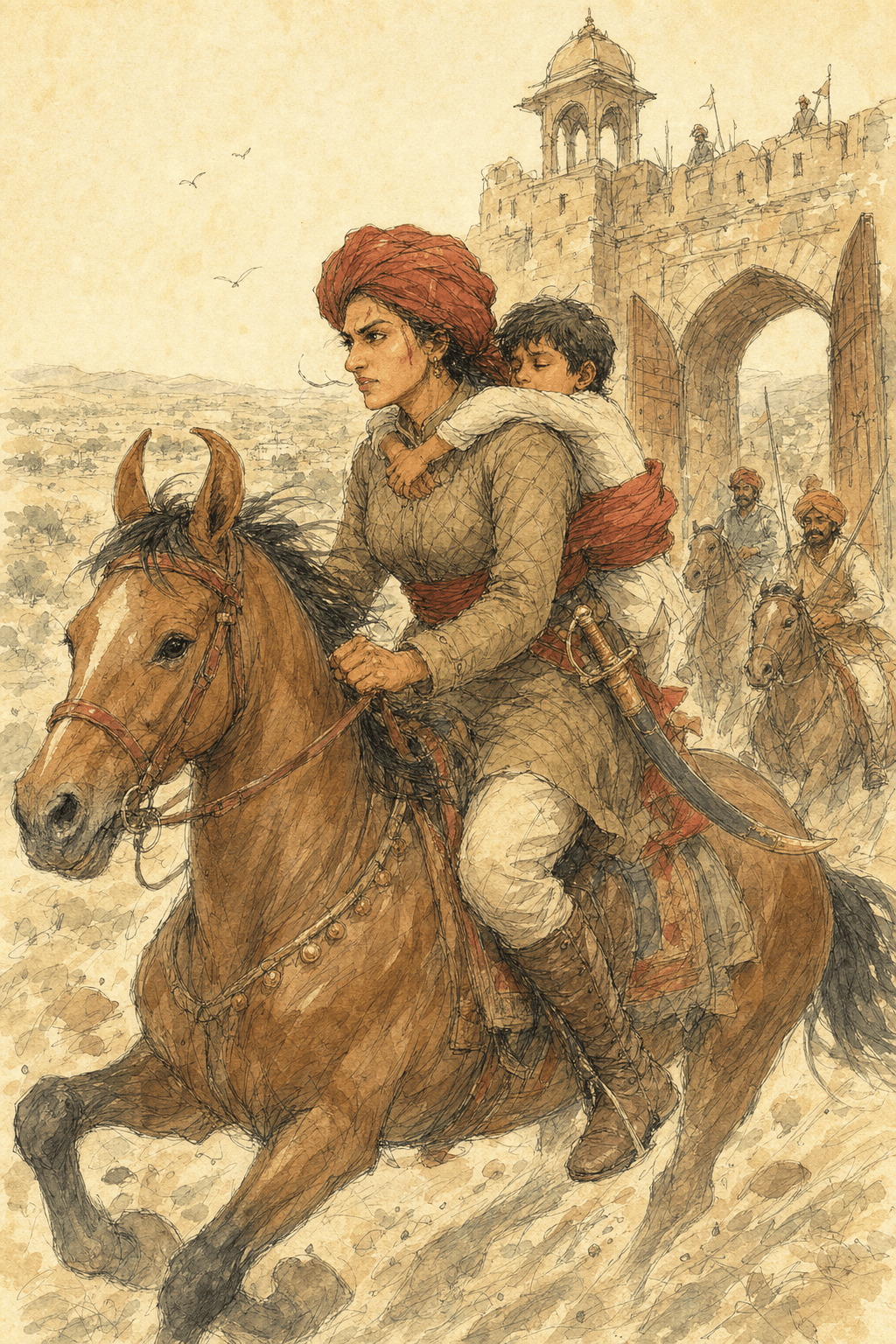
The Best of Them
Her court priest kept a diary of what the widow queen of Jhansi did before breakfast, and the list begins with weightlifting.
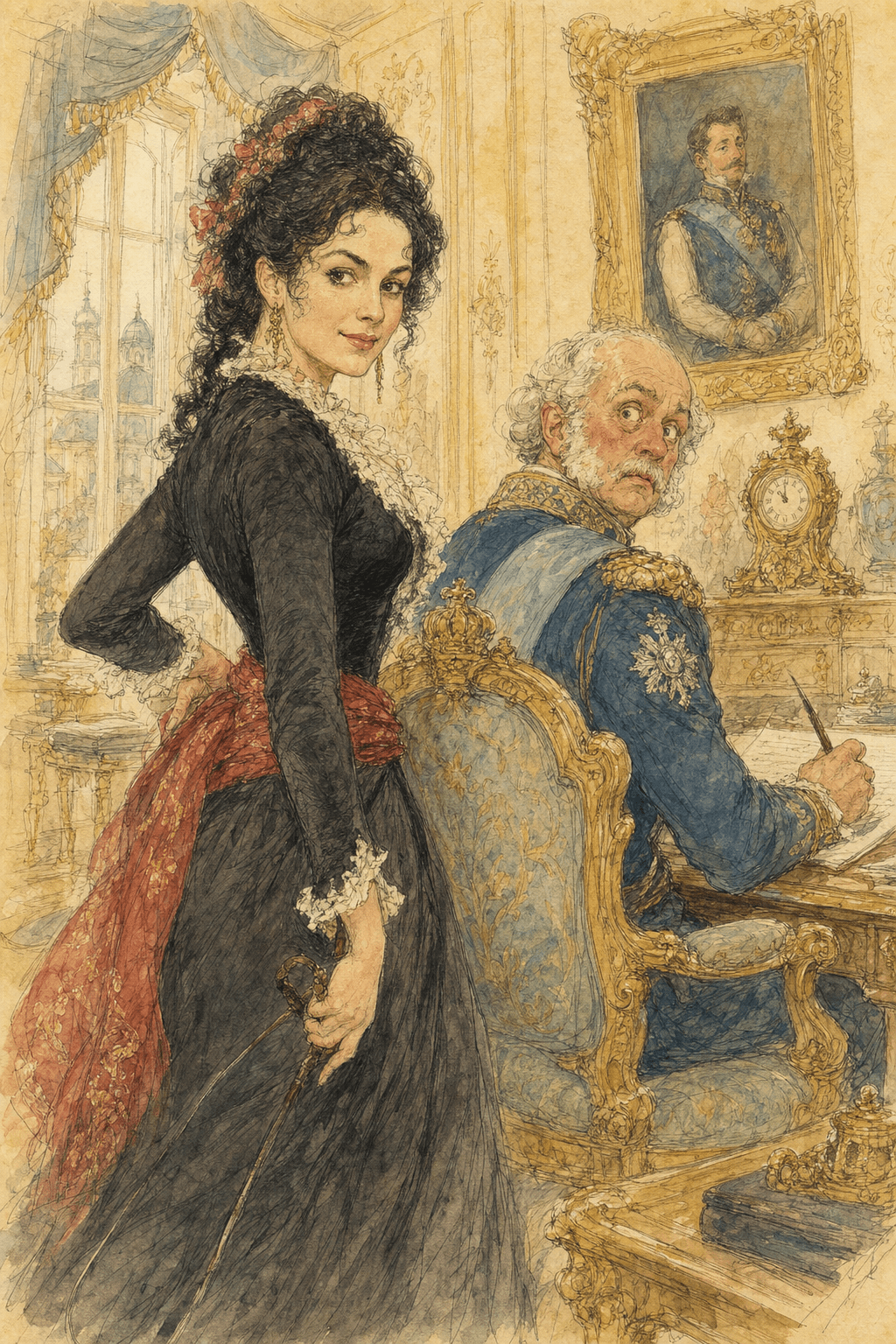
The Dancer Who Toppled a King
What does a woman do after horsewhipping a Prussian gendarme, a Ballarat editor, and assembling a private army of law students?
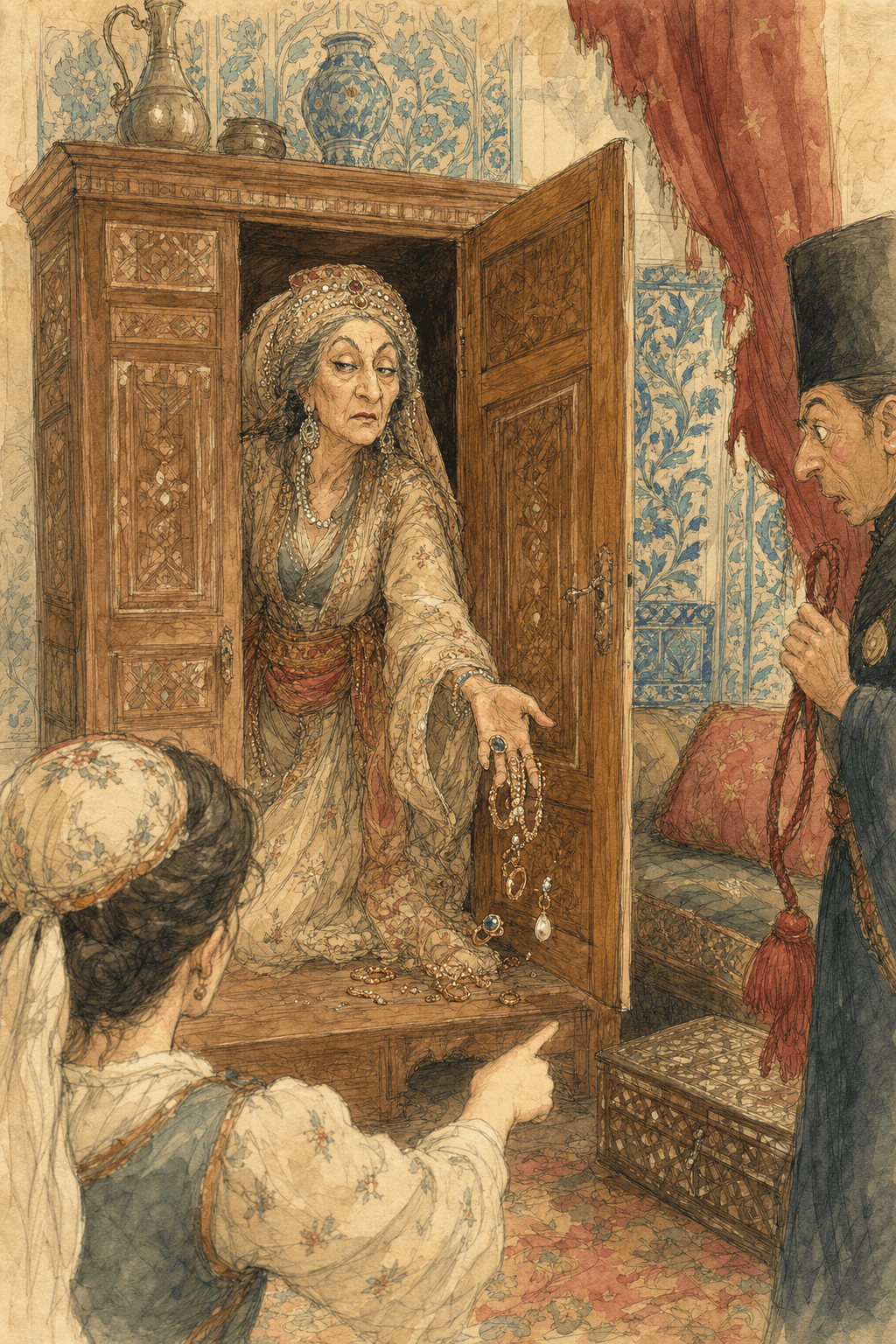
The Woman Behind the Lattice
A Greek priest's daughter, taken by raiders at fourteen, spent the next forty-six years running the Ottoman Empire from behind a latticed screen above the Imperial Council.
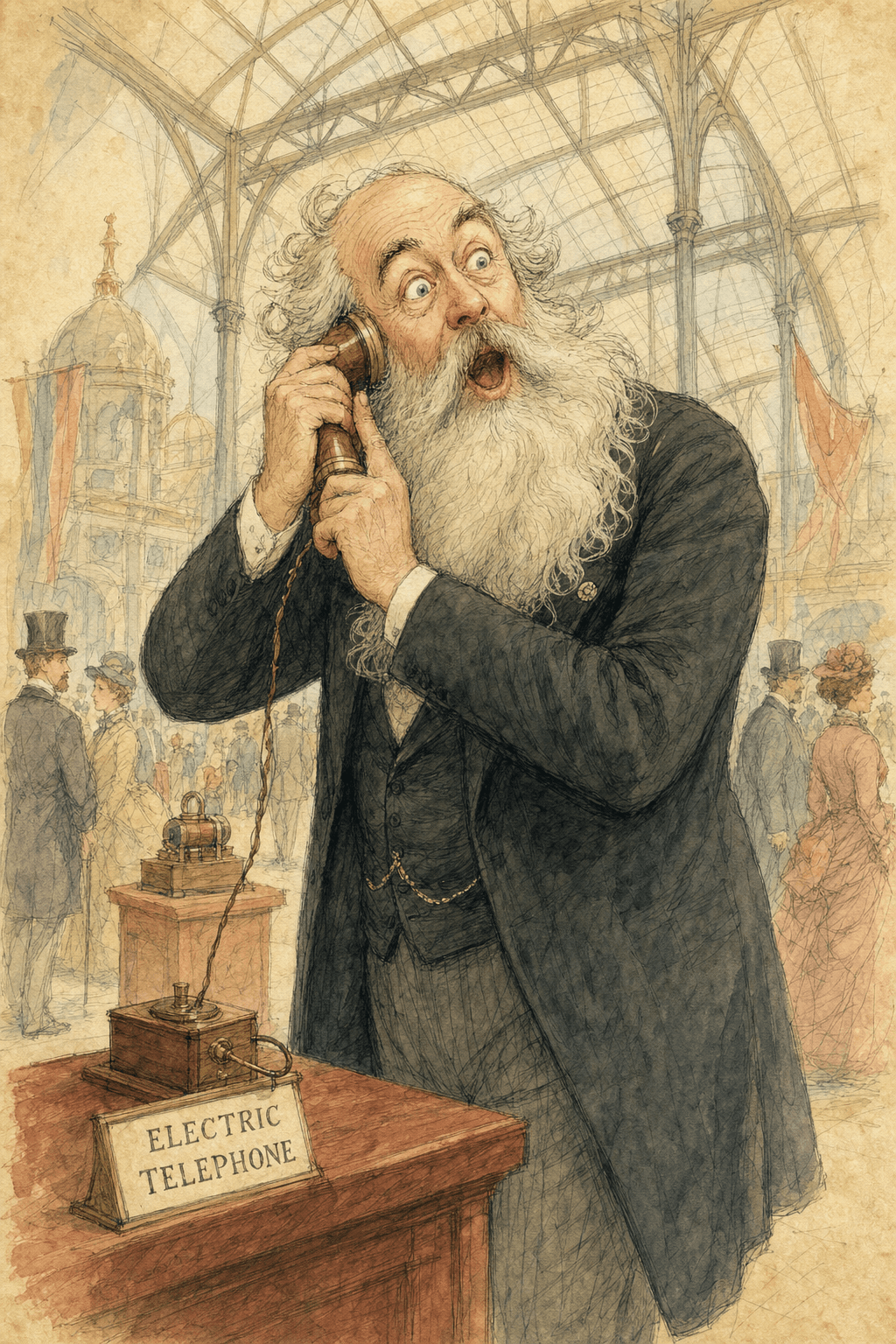
The Reluctant Emperor
What kind of emperor reads fourteen languages, pays his own train fares, and orders a hundred telephones on the spot?
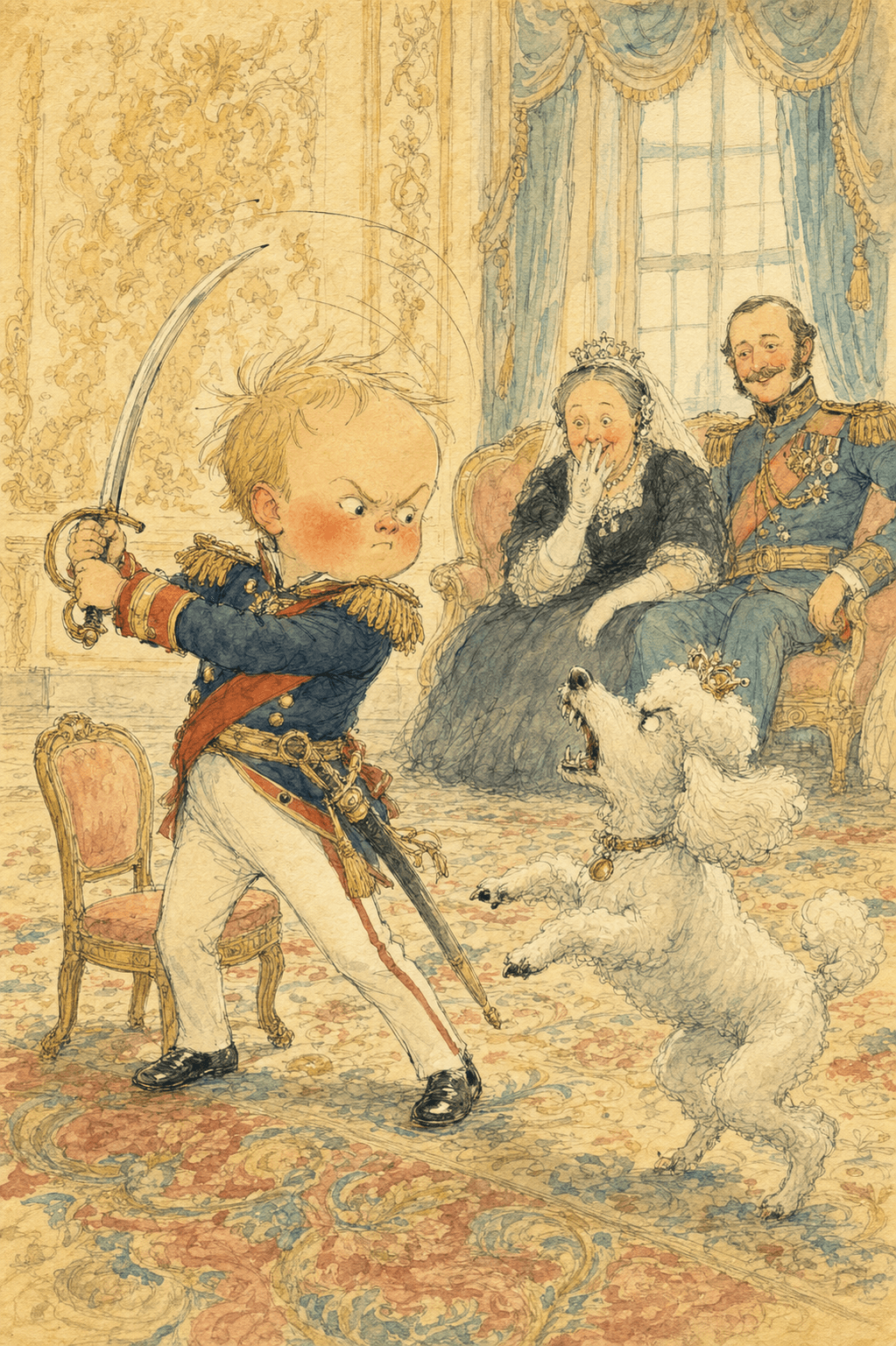
The Buckingham Palace Duel
At six, mid-reverse-bow out of Buckingham Palace, the Queen's poodle came for him — so he drew his sword.
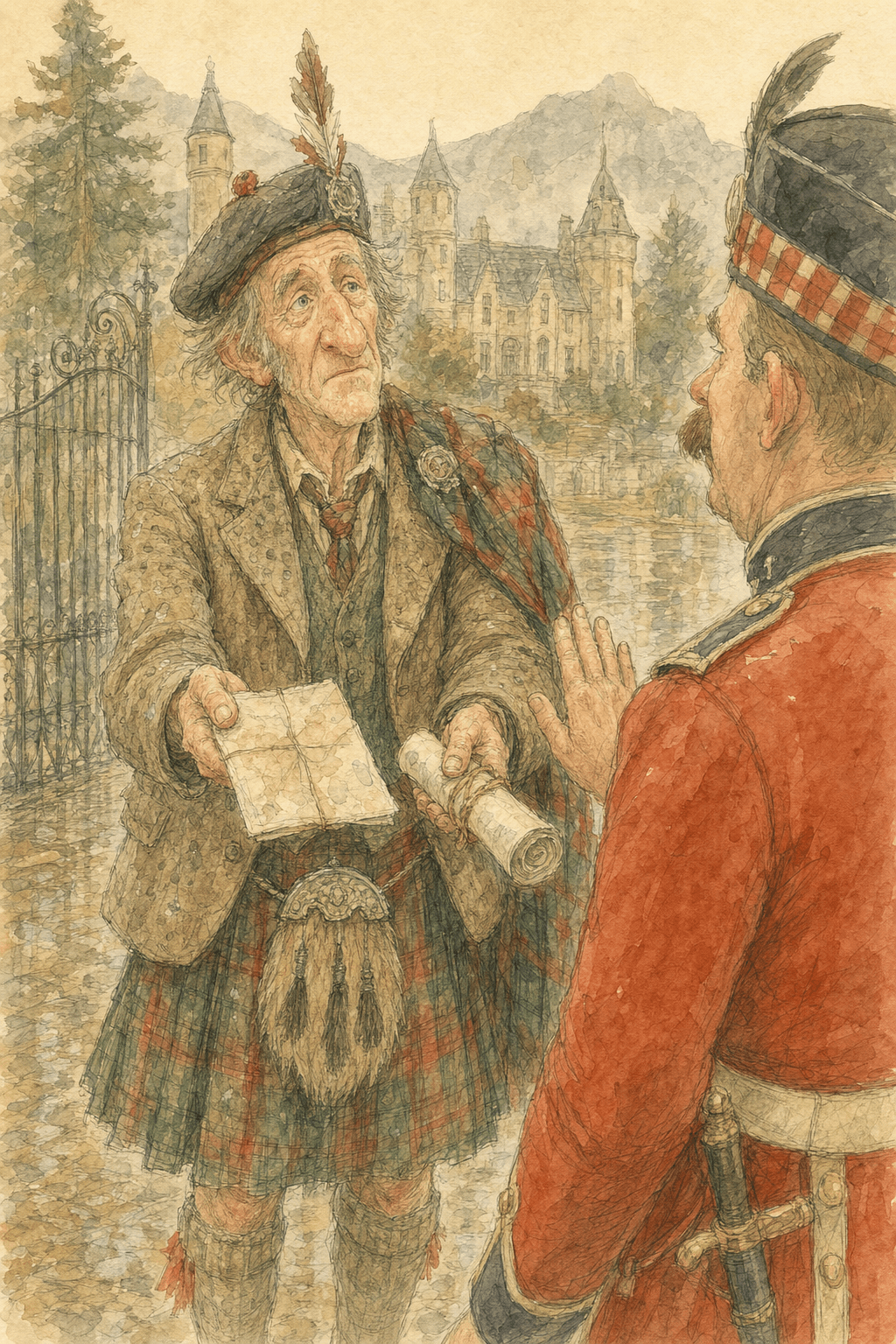
The Queen's Poet
What do you do when a voice in your head orders you to write, the verse is catastrophic, and the Queen's polite rejection reads, to you, like a coronation?
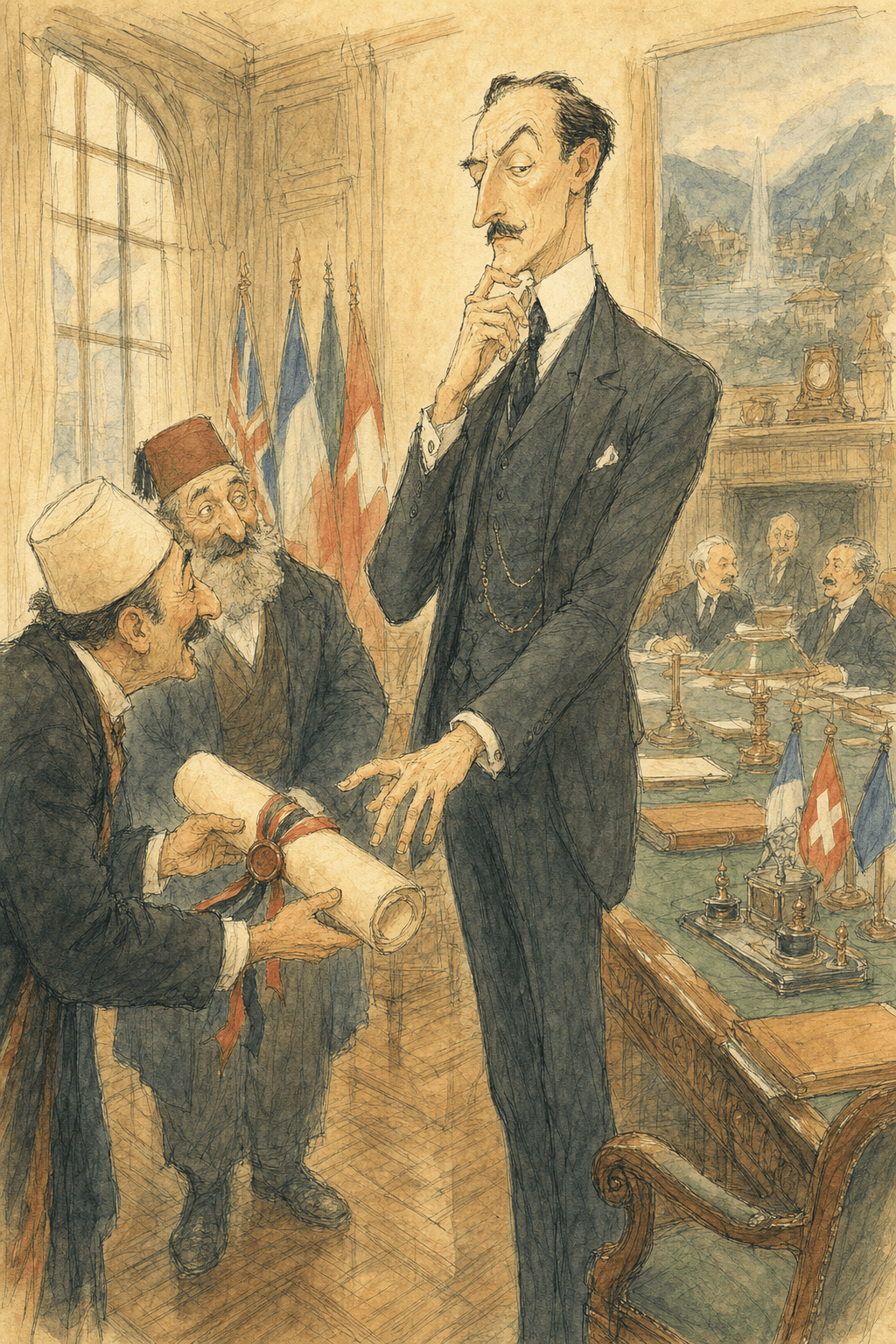
The Almost-King of Albania
In 1920, an Albanian delegation walked into the League of Nations looking for a king and asked the nearest plausible Englishman.
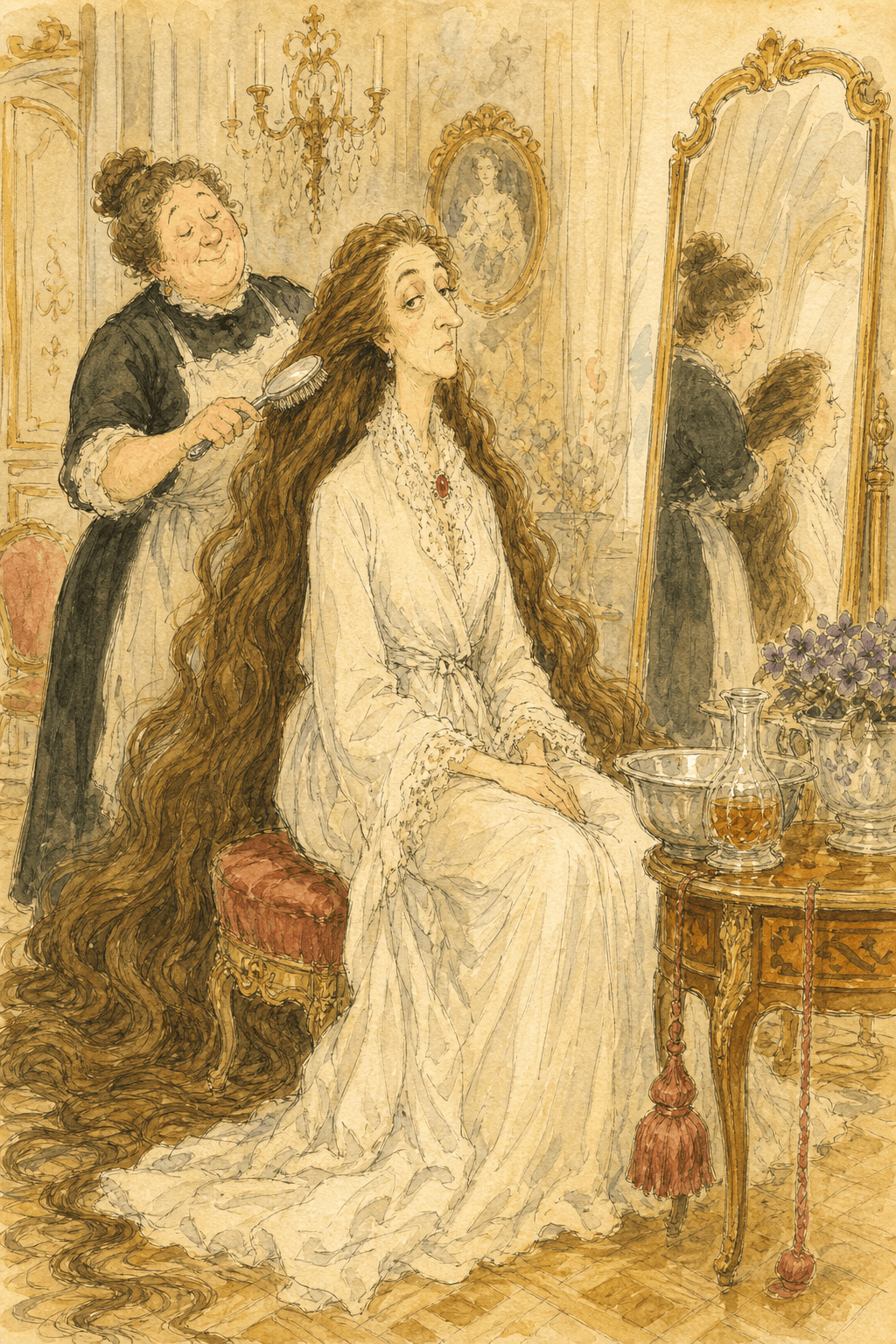
The Empress and the File
What does a 19th-century empress do in a room called the Toilette- und Turnzimmer?
The Woman Who Wouldn't Look Up
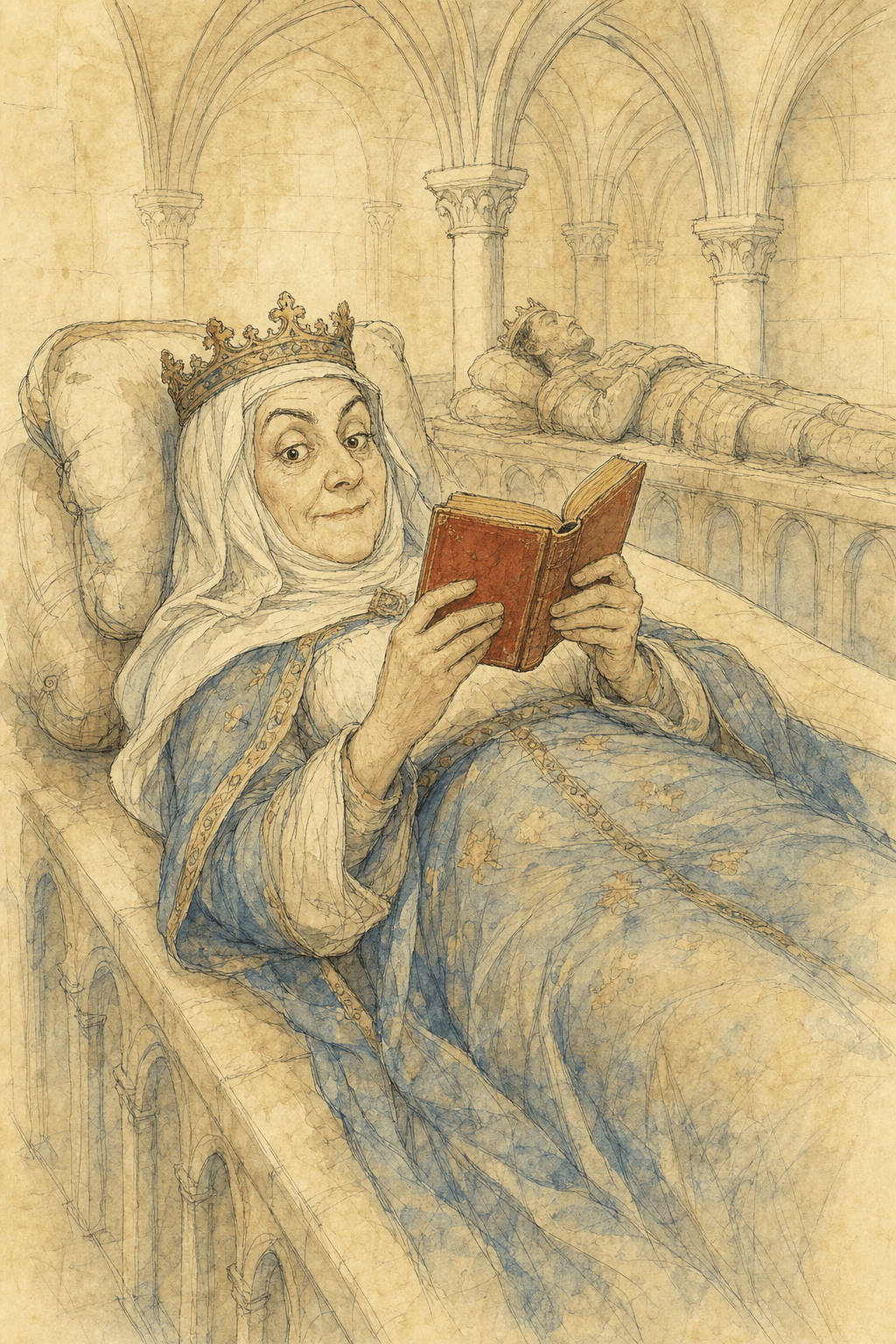
She rode on crusade, got hauled out of Antioch in the dead of night, was caught fleeing in men's clothes at fifty, ran England at sixty-seven — and then she designed her own tomb.
The Prince Who Painted Hell
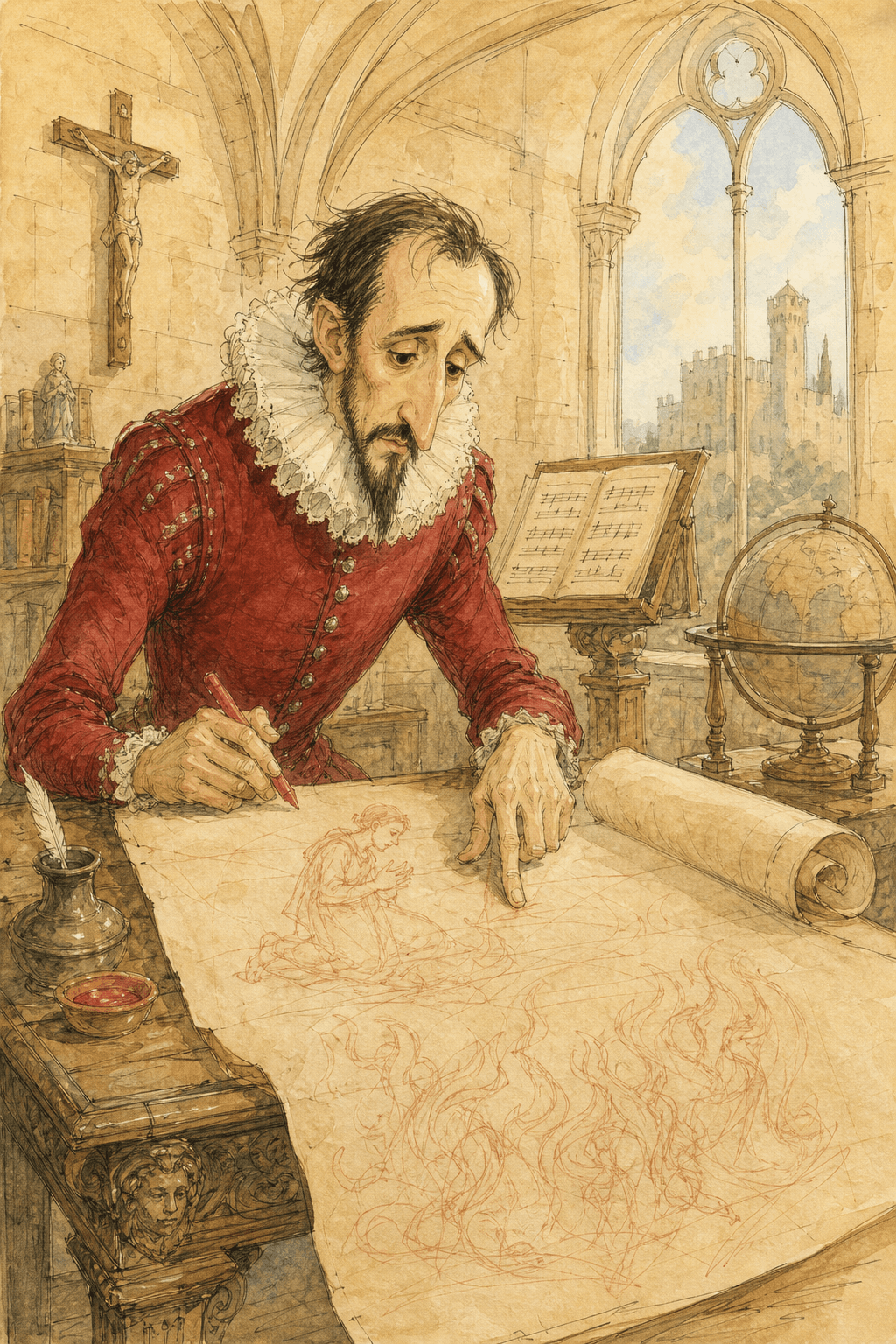
What kind of man commissions an altarpiece of himself praying, then hangs it in the room where he prays?
The Queen Who Made Her Own Chair
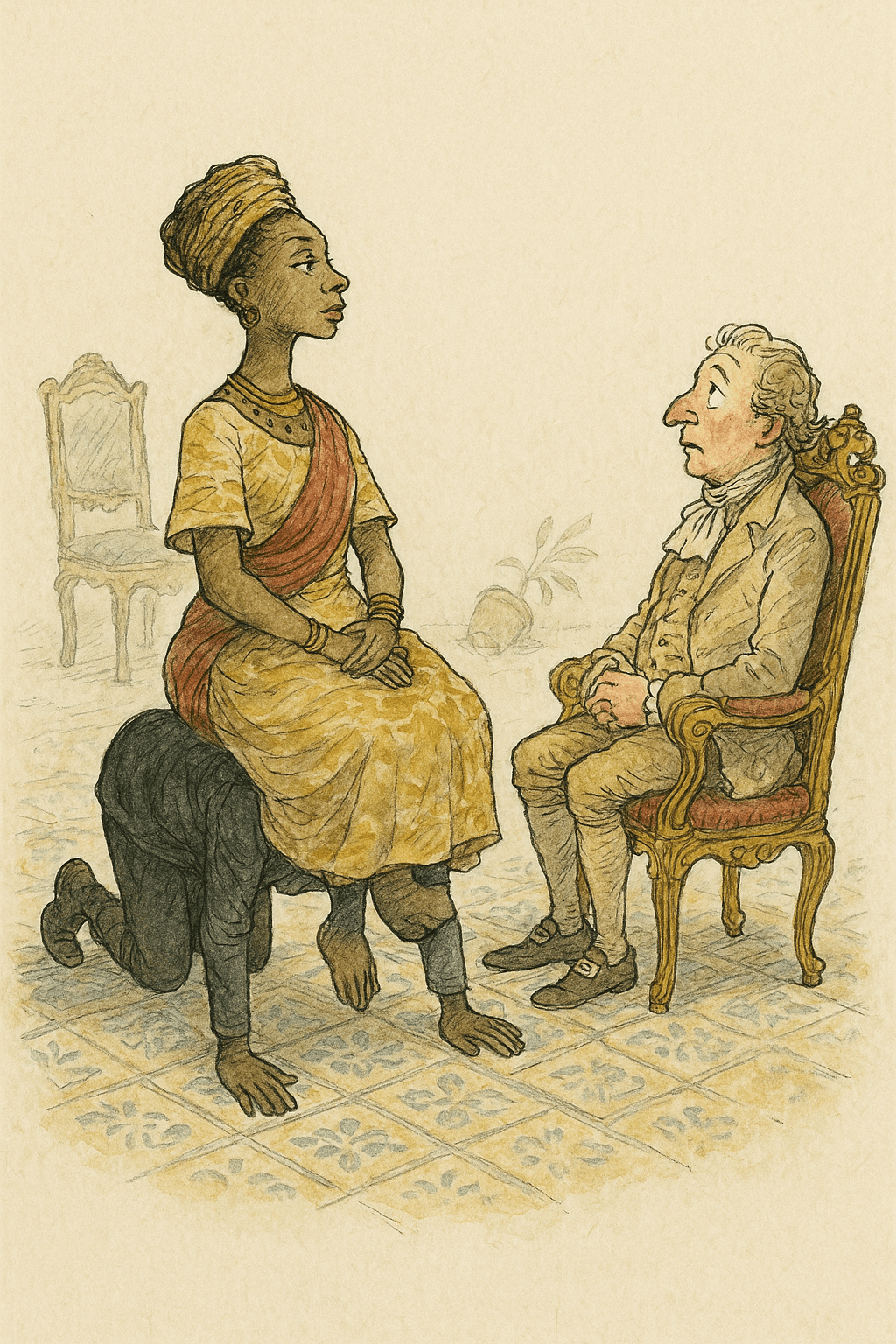
She arrived to negotiate a peace treaty, noticed there was no chair for her, and solved the problem immediately.
The Queen Who Took the Art
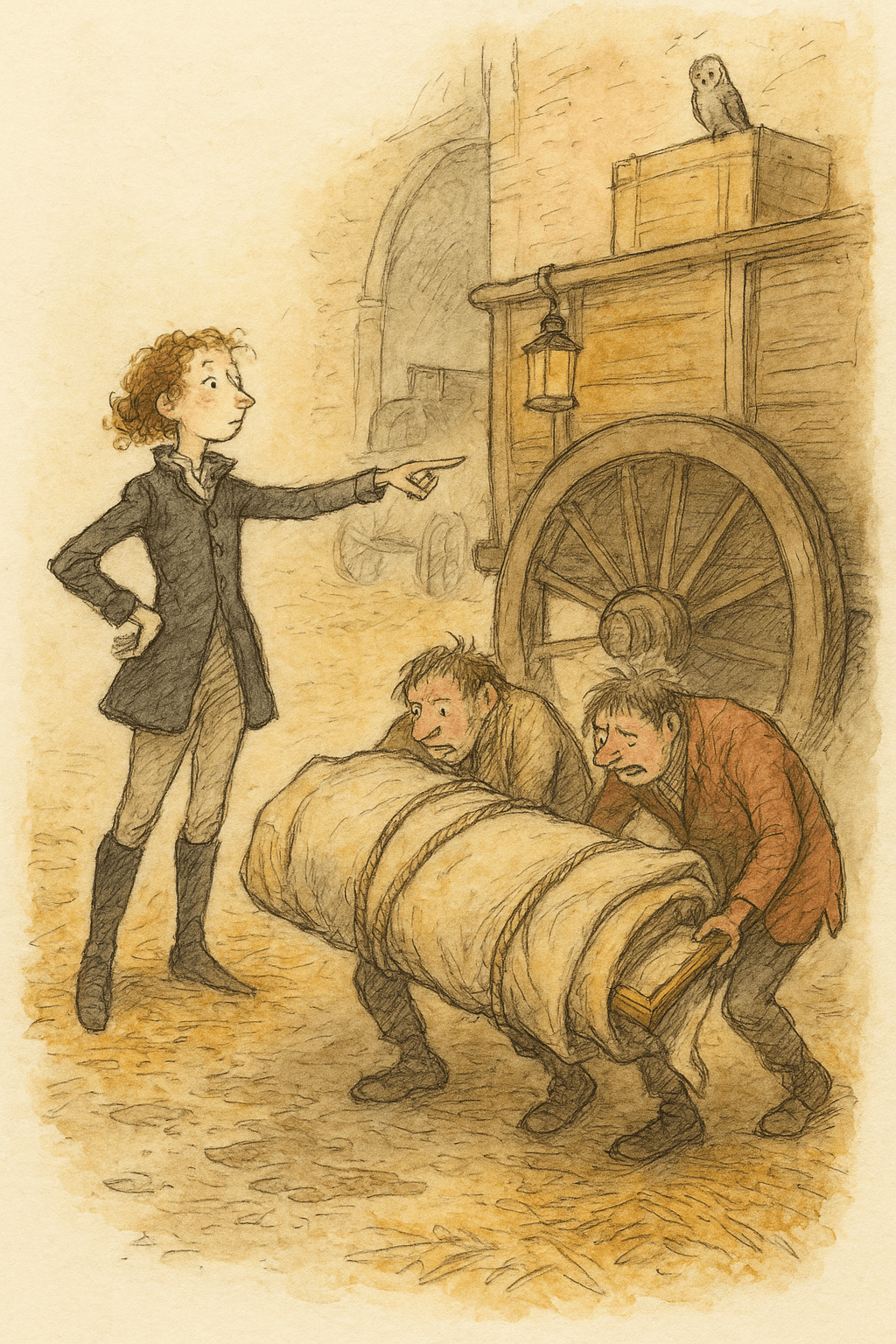
She quit the throne, converted to the religion that was illegal for her to hold, and left Sweden in men's clothing — but she didn't leave empty-handed.