Oddlet: Queen Christina of Sweden · 1 min read
Mar 5, 2026
The Queen Who Took the Art
She quit the throne, converted to the religion that was illegal for her to hold, and left Sweden in men's clothing — but she didn't leave empty-handed.
Christina became Queen of Sweden at six years old, after her father died leading a cavalry charge in the Thirty Years' War. By her twenties she had turned Stockholm into a center of European learning, corresponding with Descartes, funding scholars, and assembling one of the finest art collections on the continent.
Then she quit.
In 1654, at twenty-seven, she abdicated the throne. She refused to marry, refused to produce an heir, and refused to remain Lutheran — any one of which would have been a scandal. She chose all three. She converted to Catholicism, which was illegal for a Swedish monarch, put on men's clothing, and rode out of the country.
She did not, however, leave empty-handed.
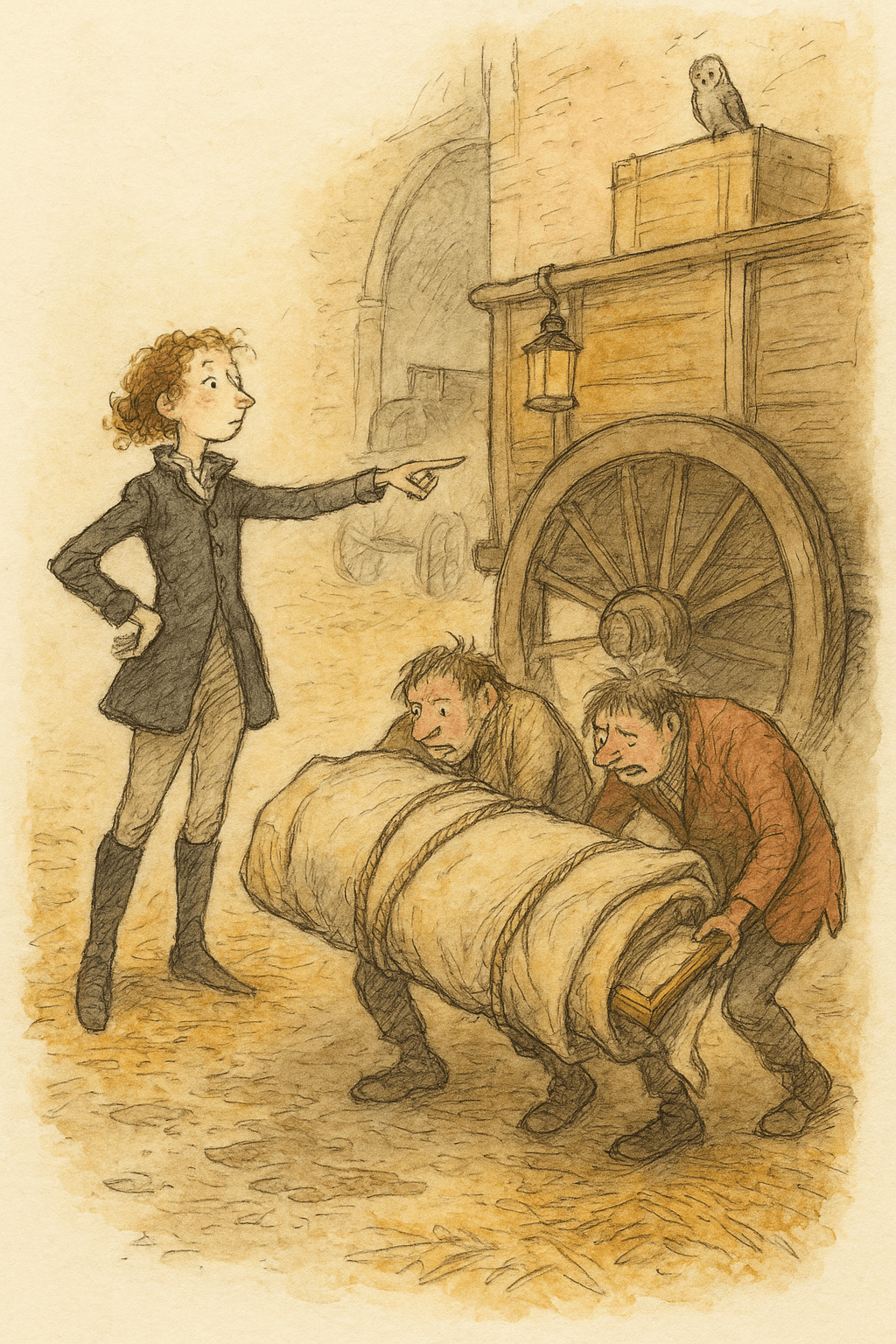
In 1648, Swedish troops had sacked Prague Castle and shipped home Emperor Rudolf II's legendary art collection — Titians, Raphaels, Dürers, entire rooms of treasures hauled north as spoils of war. Christina had those same masterpieces loaded onto wagons and carried south to Rome as her personal luggage. A significant portion of Central European imperial art crossed the continent twice in six years, both times at her direction.
In Rome she lived exactly as she pleased, patronizing composers, hosting academies, and making two separate attempts to claim other people's thrones. When she died in 1689, Pope Alexander VIII had her buried in St. Peter's Basilica.
She was one of three women ever given that honor.
Know someone who’d love this?
- Wikipedia — Christina, Queen of Sweden — Comprehensive overview covering abdication, conversion, Rome years, dress, art collecting, and burial. A useful aggregator but should be cross-checked against primary scholarship. The 'widened theater seats' anecdote is mentioned in popular sources but Wikipedia does not appear to verify it with a primary citation; treat as unconfirmed.
- Encyclopædia Britannica — Christina — Confirms abdication date (1654), conversion (1655), invitation of Descartes, and Rome residency. Notes her role as patron of arts and letters.
- Stanford Encyclopedia of Philosophy — René Descartes — Confirms Descartes travelled to Stockholm at Christina's invitation in 1649 and died there in February 1650. The 5 a.m. lesson detail is widely reported in secondary literature; SEP notes the Stockholm visit and death without disputing the circumstance.
- Susanna Åkerman, 'Queen Christina of Sweden and Her Circle' (Brill, 1991) — Scholarly monograph on Christina's intellectual circle, religious conversion, and patronage. Confirms the depth and significance of her art and manuscript collection and her long-prepared conversion.

The Man Who Painted the Dead
How do you paint a wild bird at exact life size without it moving?
The Notation on the Buttocks
What if the sheet music tattooed across a damned soul's buttocks in a 500-year-old painting of Hell turns out to be... actually playable?

The Cartwheel Brims
A loom took half her scalp at thirteen; she spent the next eighty-seven years deciding what the world was allowed to see.
Wonder, delivered.
A fresh Oddlet in your inbox every morning, a full day before everyone else. True, strange and under a minute.
Free forever. Unsubscribe anytime.