wealth
Fortunes made, inherited, or spent on increasingly strange things.

The Man Who Bought the Hotel So He Wouldn't Have to Leave
What does a billionaire do when the hotel manager tries to evict him from the suite he refuses to leave?
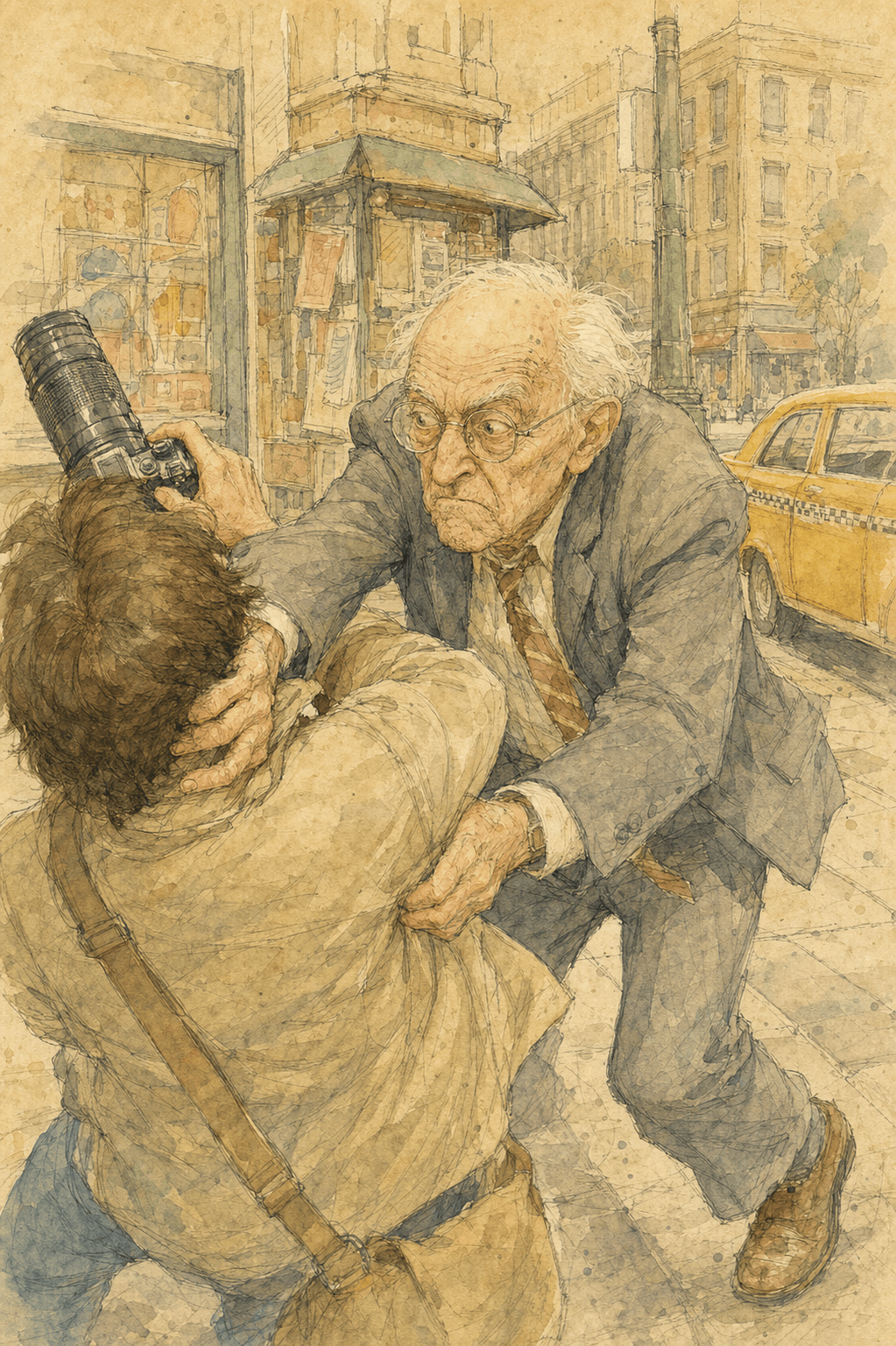
The Man Who Would Not Be Seen
What does the richest man in America do when a photographer finally catches him on the street at age 80?
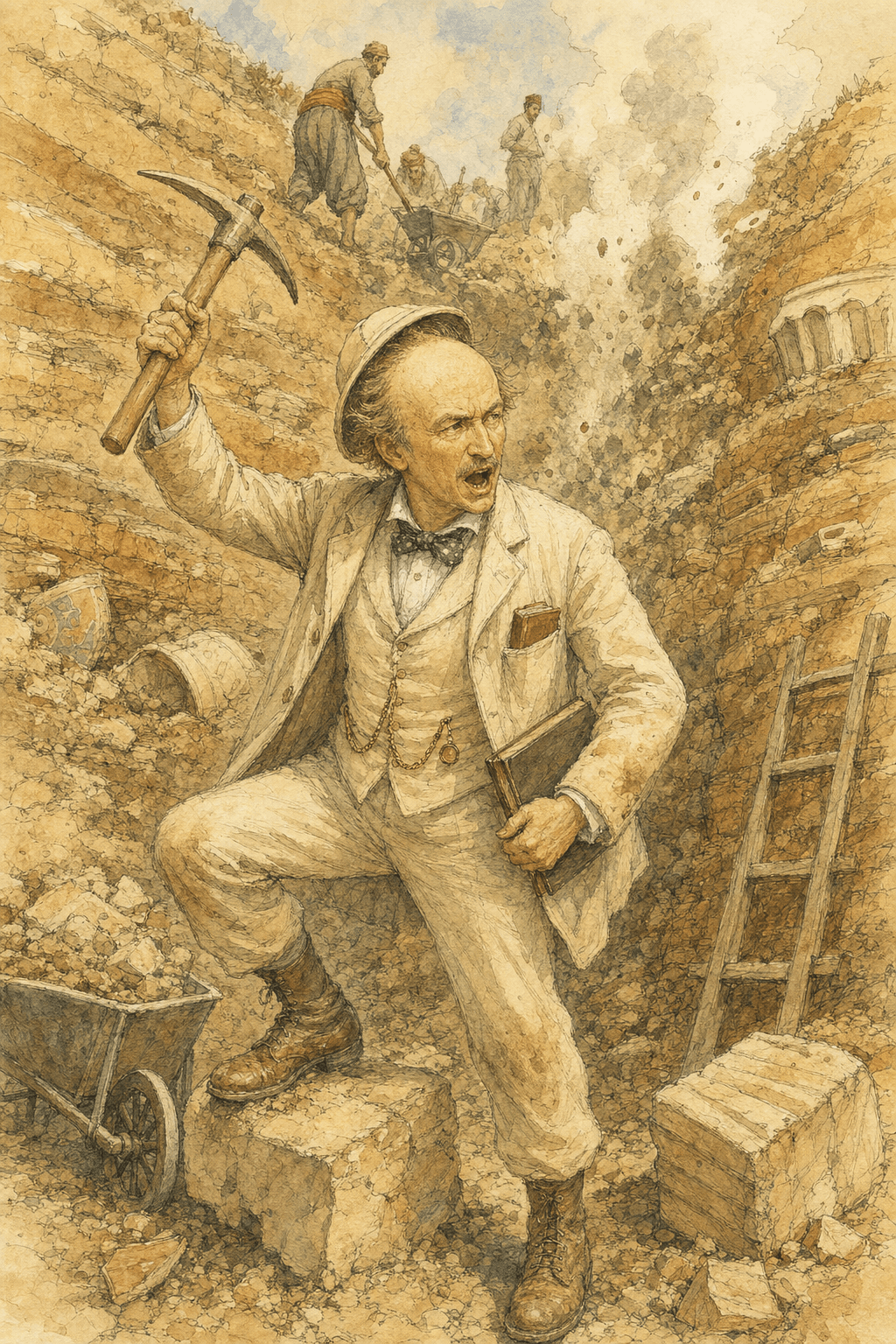
The Man Who Found Troy
What does a man who made three fortunes — in indigo, saltpeter, and Sacramento gold dust — do for an encore at forty-eight?
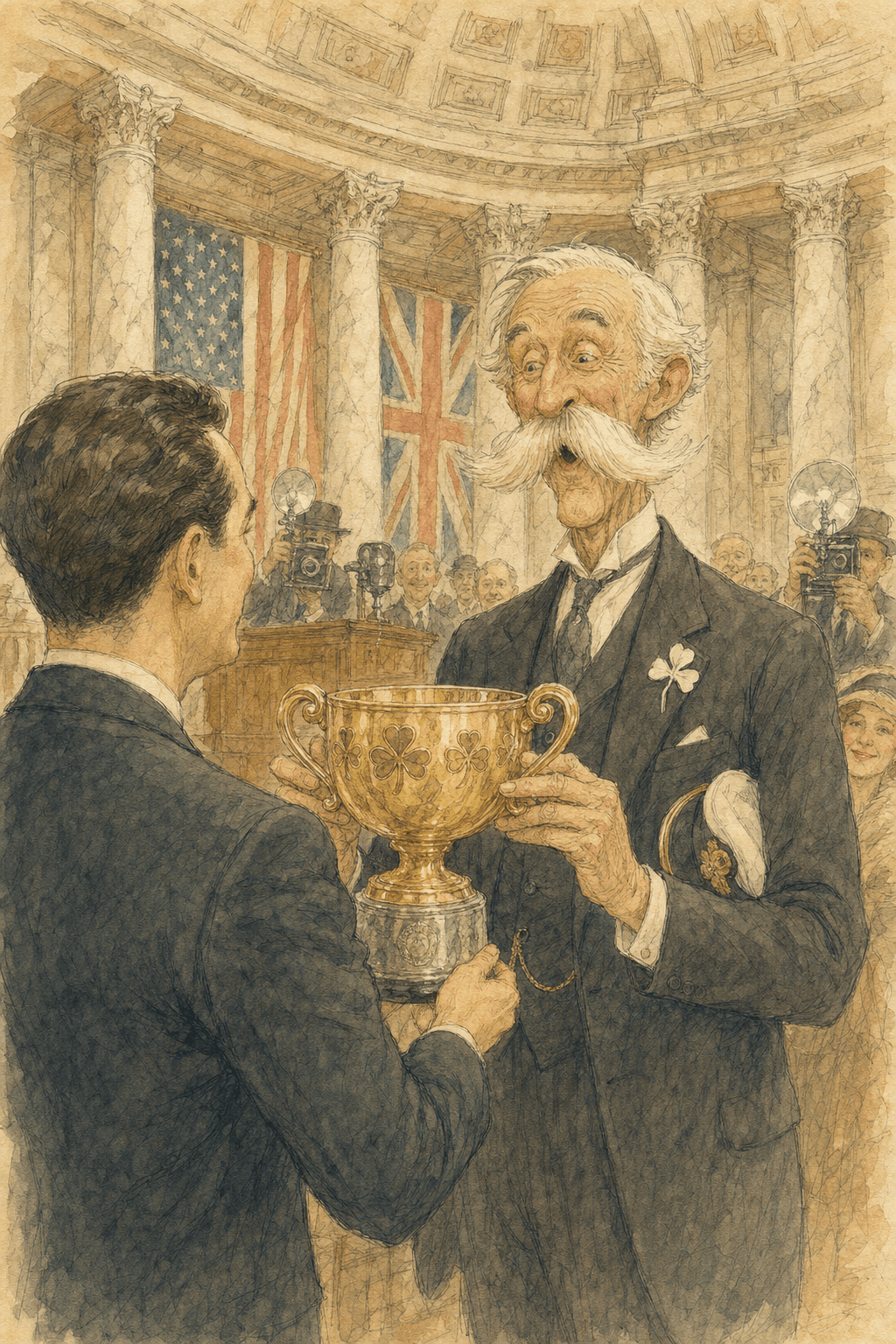
The World's Best Loser
A Glasgow grocer spent thirty-one years and five yachts chasing the same silver cup, and lost every single race.
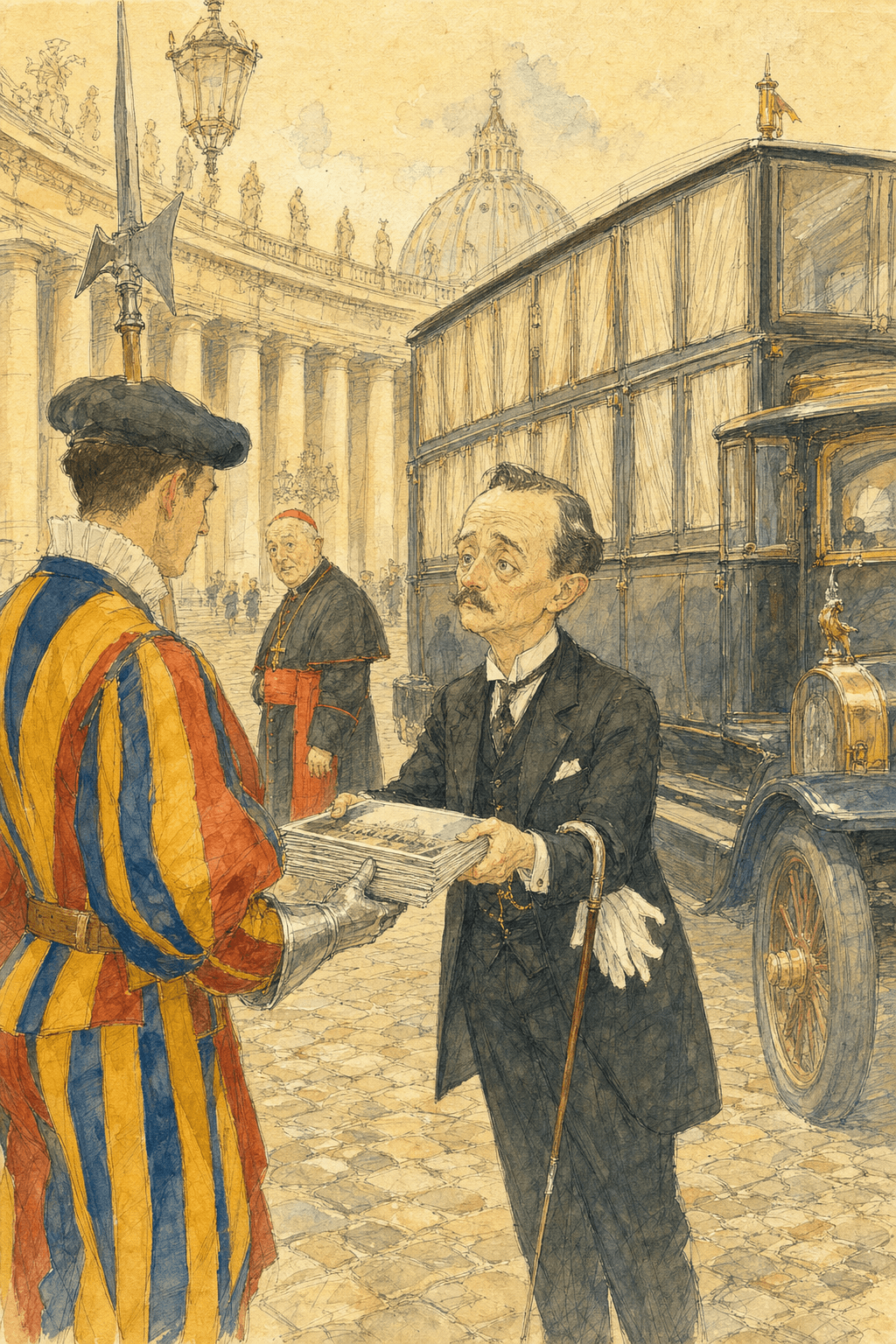
The Man Who Drew the Curtains
He sailed to Tahiti, India, and Japan in 1920 and never left his cabin — so what exactly was he doing in there?
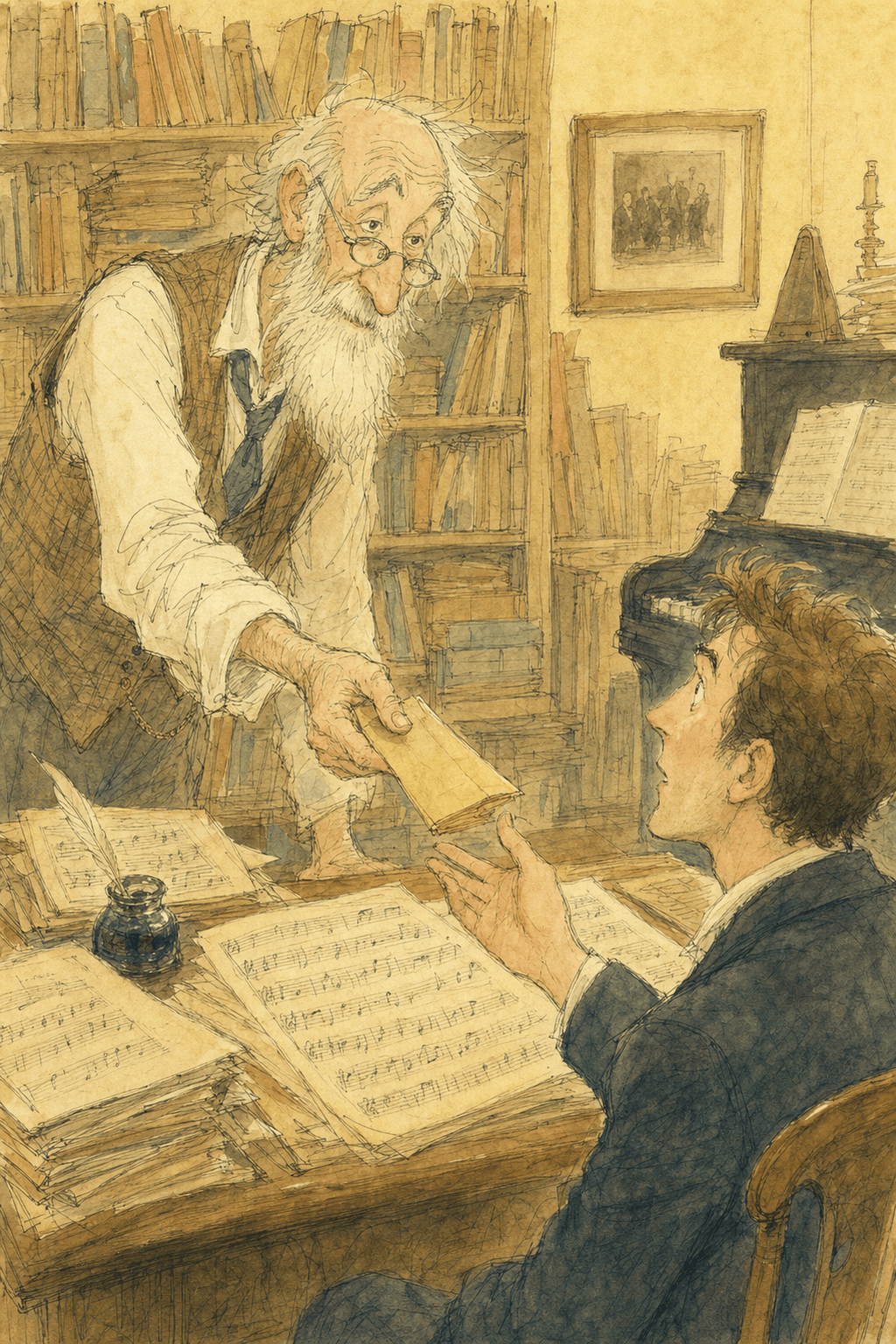
Prizes Are For Boys
What does it take to invent modern estate planning, compose polytonal symphonies on weekends, and then leave a Pulitzer-winning piece in a drawer for thirty-six years?
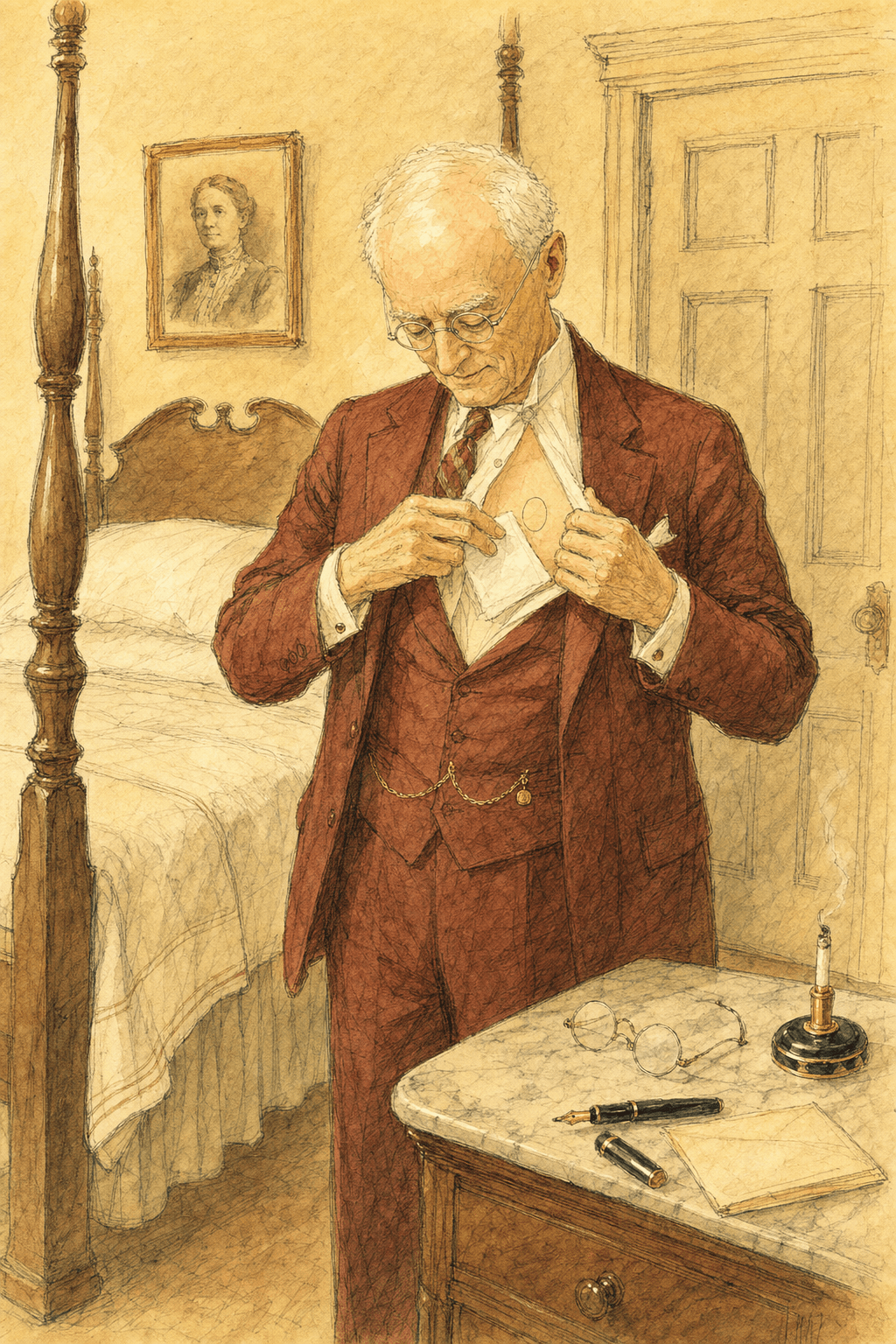
The Tidy Man
Who lobbies the League of Nations, twice, to adopt a calendar he designed himself?
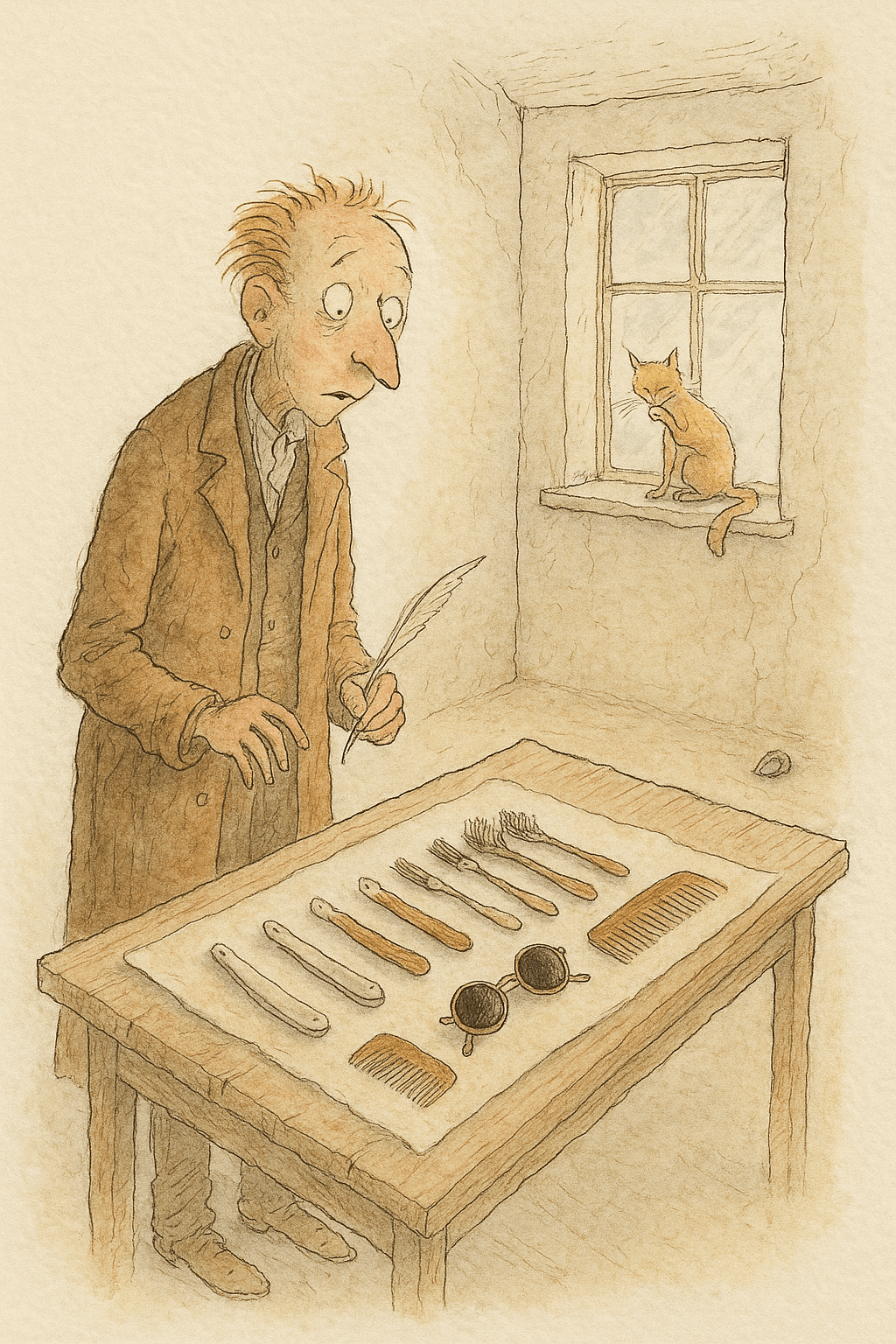
The Man Who Left Nothing Behind
If a man dripping in diamonds dies owning only razors, combs, and a pair of sunglasses, where did the diamonds go?
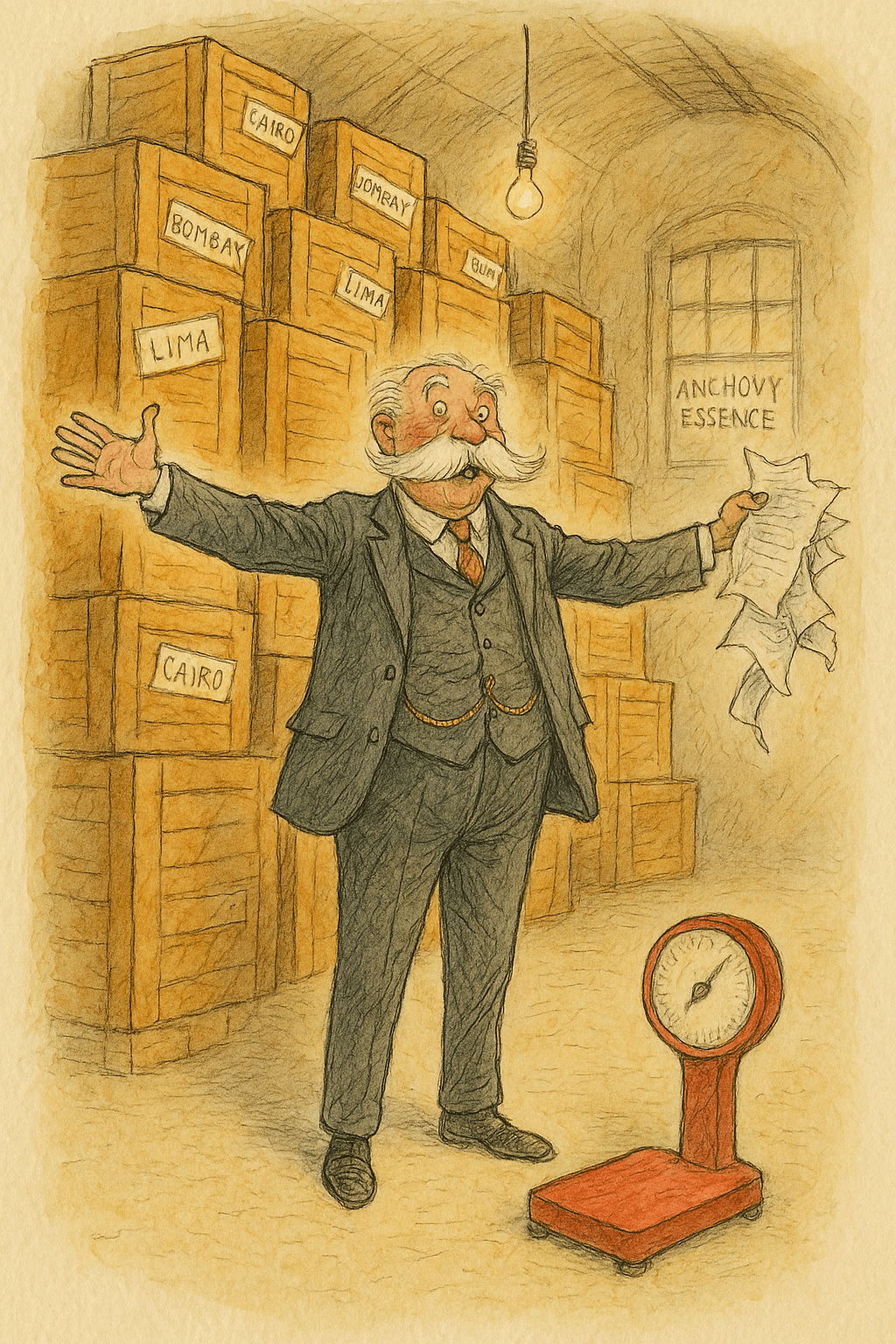
The Man Who Collected the World by the Ton
What happens when a man's collection outgrows every method of counting except weight?
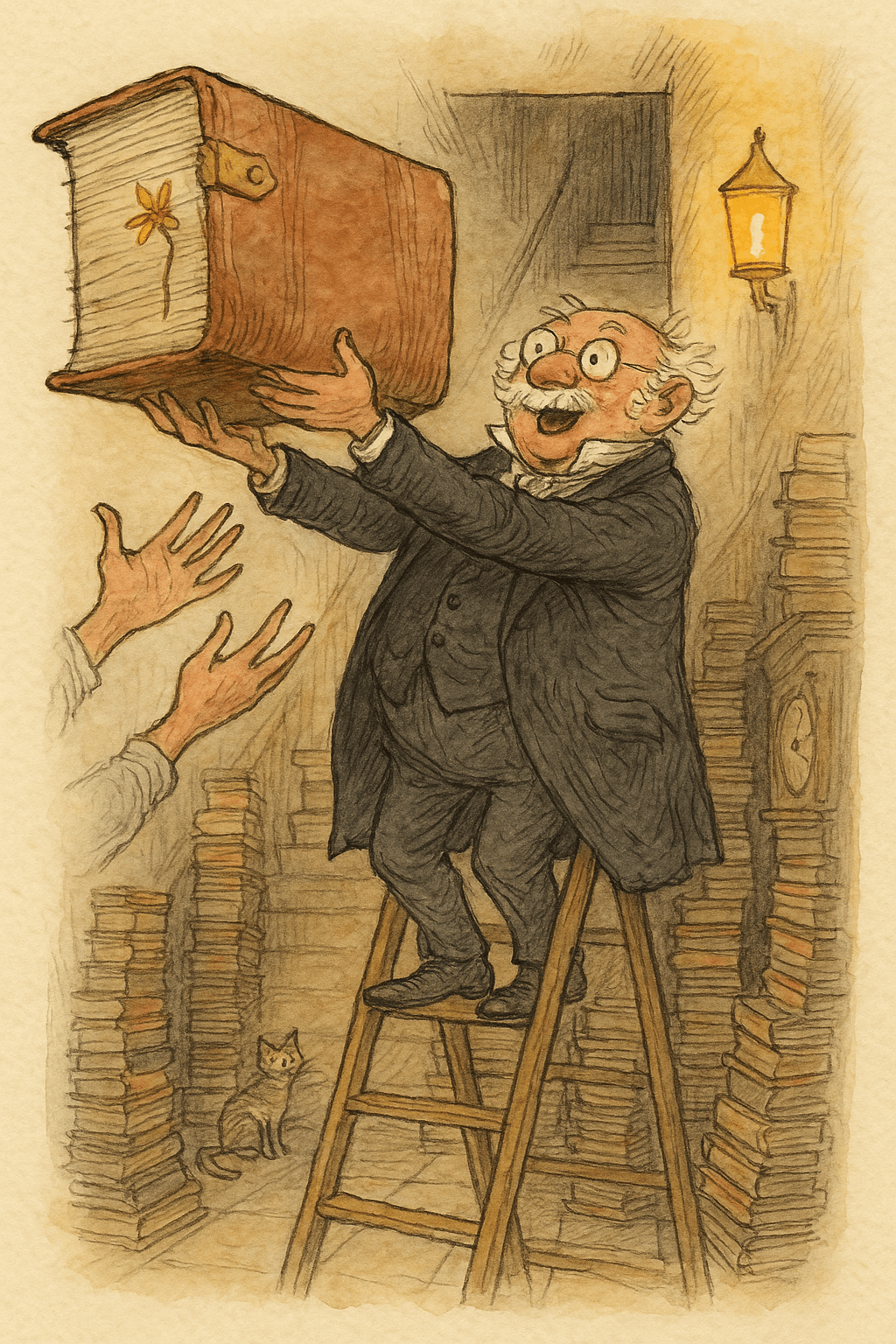
Sir Thomas Phillipps Wanted Every Book in the World
What happens when a man who sleeps on a sofa because his bedroom is full of manuscripts finally has to move houses?
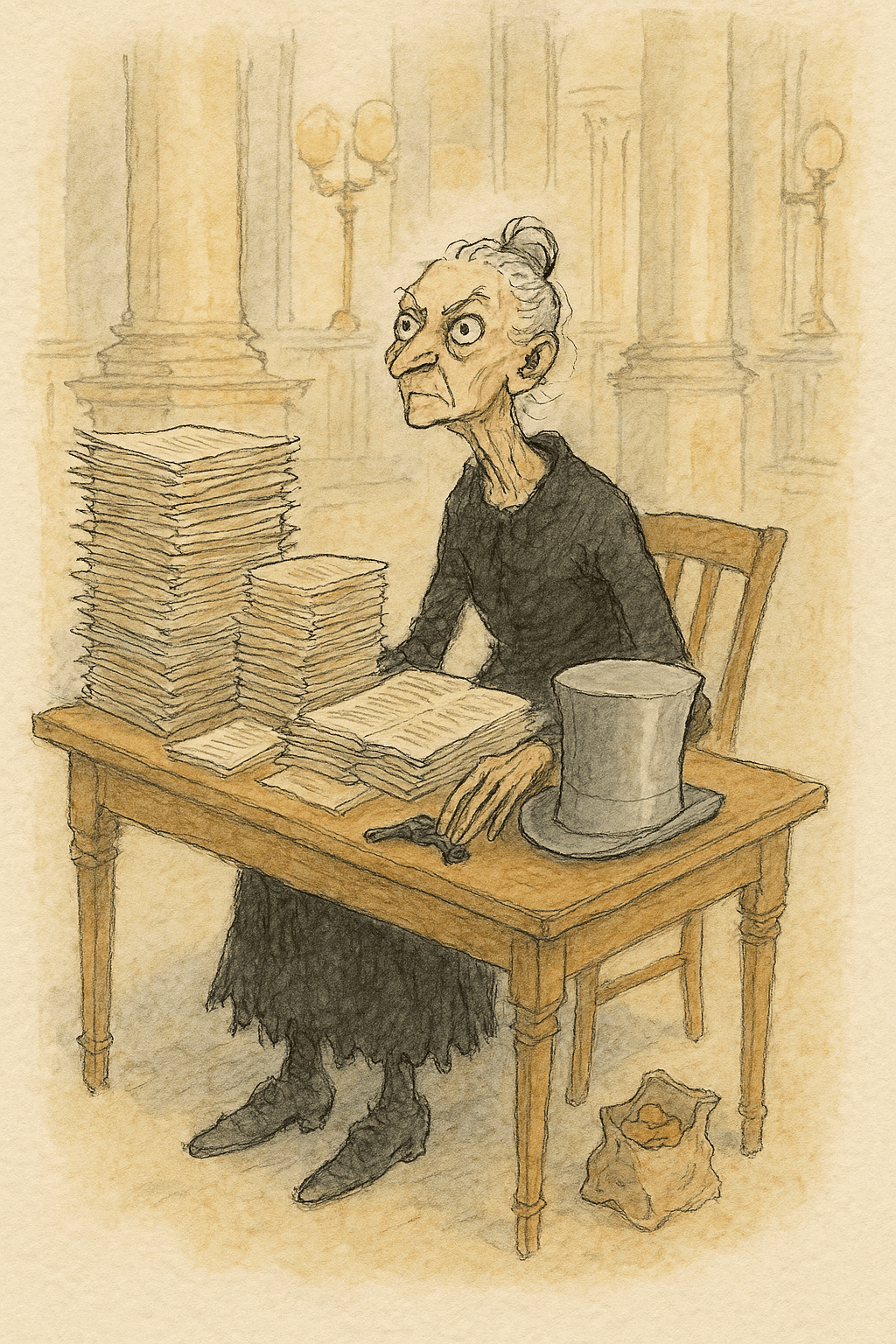
The Witch of Wall Street
What kind of woman eats cold oatmeal for lunch, sleeps with a revolver tied to her hand, and gets a personal visit from J.P. Morgan asking for financial advice?
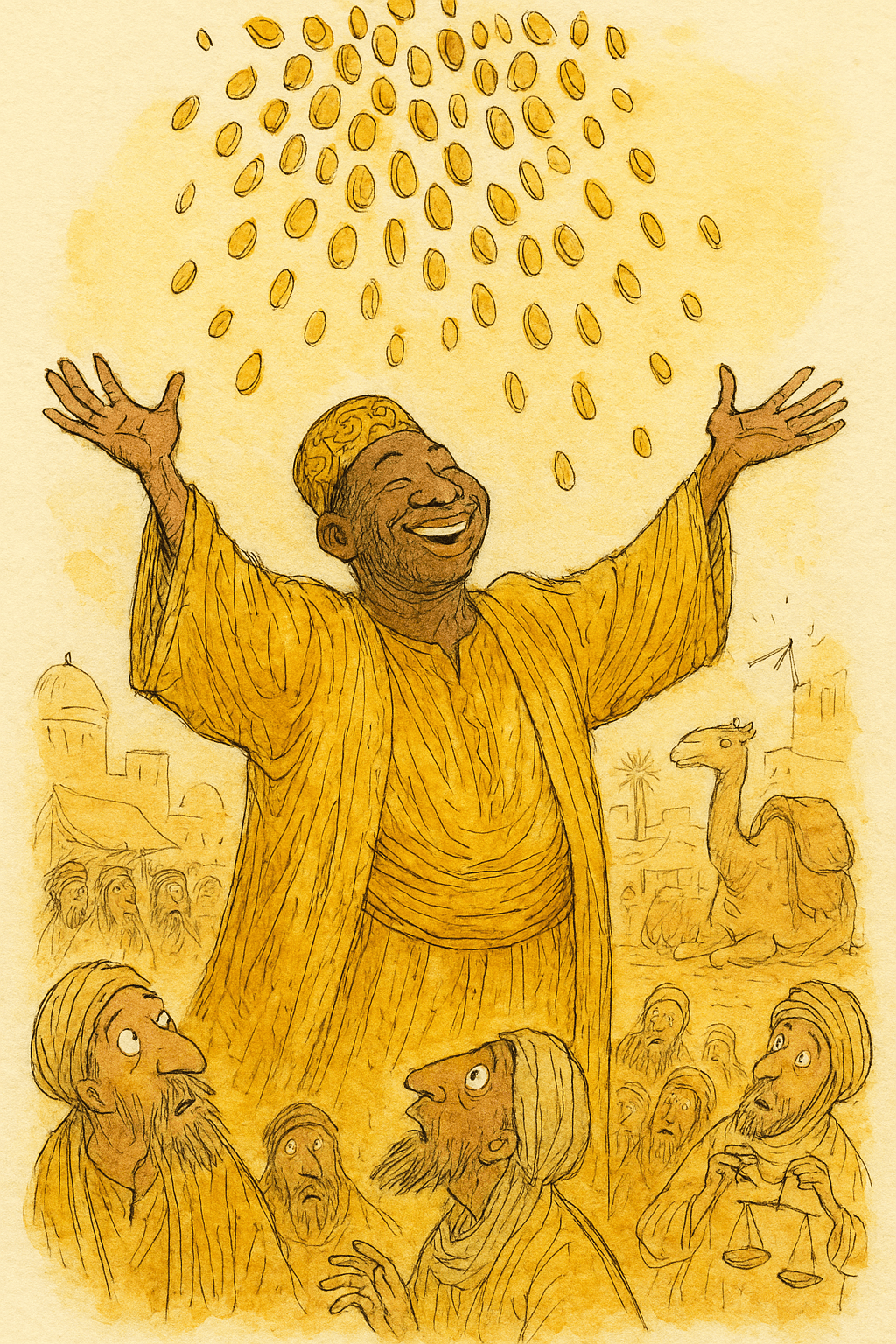
The Man Who Gave Too Much
He gave away so much gold in Cairo that the Egyptian economy took twelve years to recover — and somewhere on the way home, he ran out of money entirely.