
Oddlet: Timothy Dexter · 1 min read
Mar 23, 2026
The Man Who Could Not Fail
He shipped coal to Newcastle during a miners' strike and sold every piece at a premium.
Timothy Dexter left school at eight, apprenticed to a leather dresser, and married a widow for her money. He had no education, no connections, and no particular talents. What he had was luck so relentless it looked like genius.
They told him to ship bed warmers to the West Indies, where it never dropped below seventy degrees. His captain sold them as molasses ladles at a handsome profit. They told him to ship coal to Newcastle — the coal capital of England. He arrived during a miners' strike and sold every last piece at a premium. He speculated on worthless Continental currency because he'd seen John Hancock do it; when Alexander Hamilton's financial plan redeemed the notes at par, Dexter became one of the richest men in New England.
He appointed himself "Lord," erected forty wooden statues of famous men in his garden — Washington, Jefferson, Napoleon, and himself — and held a government title called "Informer of Deer" for twelve years in a town with no deer. He staged his own funeral, drew three thousand mourners, then ruined it by caning his wife for not crying hard enough.
Then he wrote a book. A Pickle for the Knowing Ones ran 8,847 words with no punctuation whatsoever. When readers complained, he published a second edition with a page of commas, periods, and exclamation marks dumped at the back, instructing them to "peper and solt it as they plese."
In 1890, Oliver Wendell Holmes Sr. wrote in The Atlantic that Emerson and Whitman must yield the claim of declaring American literary independence to Lord Timothy Dexter.
The man who couldn't punctuate a sentence had won American letters.
Know someone who’d love this?
- **Wikipedia — Timothy Dexter** — Comprehensive overview; well-cited; some birth-year discrepancies noted between articles (1738 vs. 1747) — the 1747 date is corroborated by Britannica and primary sources. Use with cross-referencing.
- **Encyclopædia Britannica — Timothy Dexter** — Reliable general reference; explicitly flags that the veracity of some trade stories has been disputed. Good for caveats.
- **Wikipedia — *A Pickle for the Knowing Ones*** — Dedicated article on the book; includes Holmes quote with Atlantic citation (1890); reliable for literary details.
- **New England Historical Society** — Regional historical society; draws on Marquand's biographies; good for local detail and nuance.
- **Public Domain Review — "Trimalchio in Newburyport"** — Scholarly essay with access to original 1848 edition; includes Holmes quote in context; reliable for literary/cultural analysis.
- **Project Gutenberg — *A Pickle for the Knowing Ones***
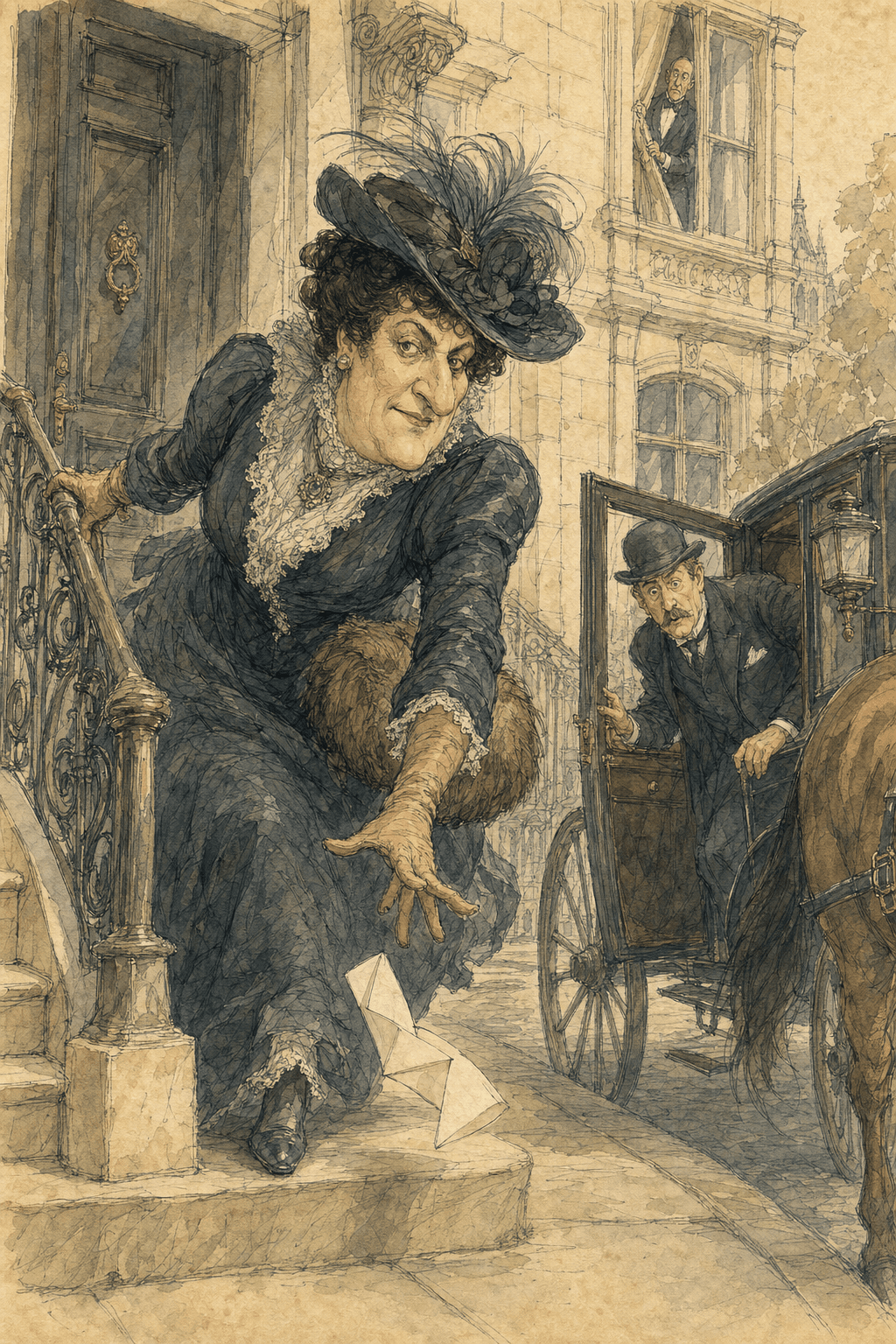
Hilda Schmidt
In 1902 Cassie Chadwick spent twenty-eight minutes on Andrew Carnegie's doorstep asking his housekeeper about a maid who had never worked there, then tripped leaving the carriage and dropped a two-million-dollar promissory note signed in his name.
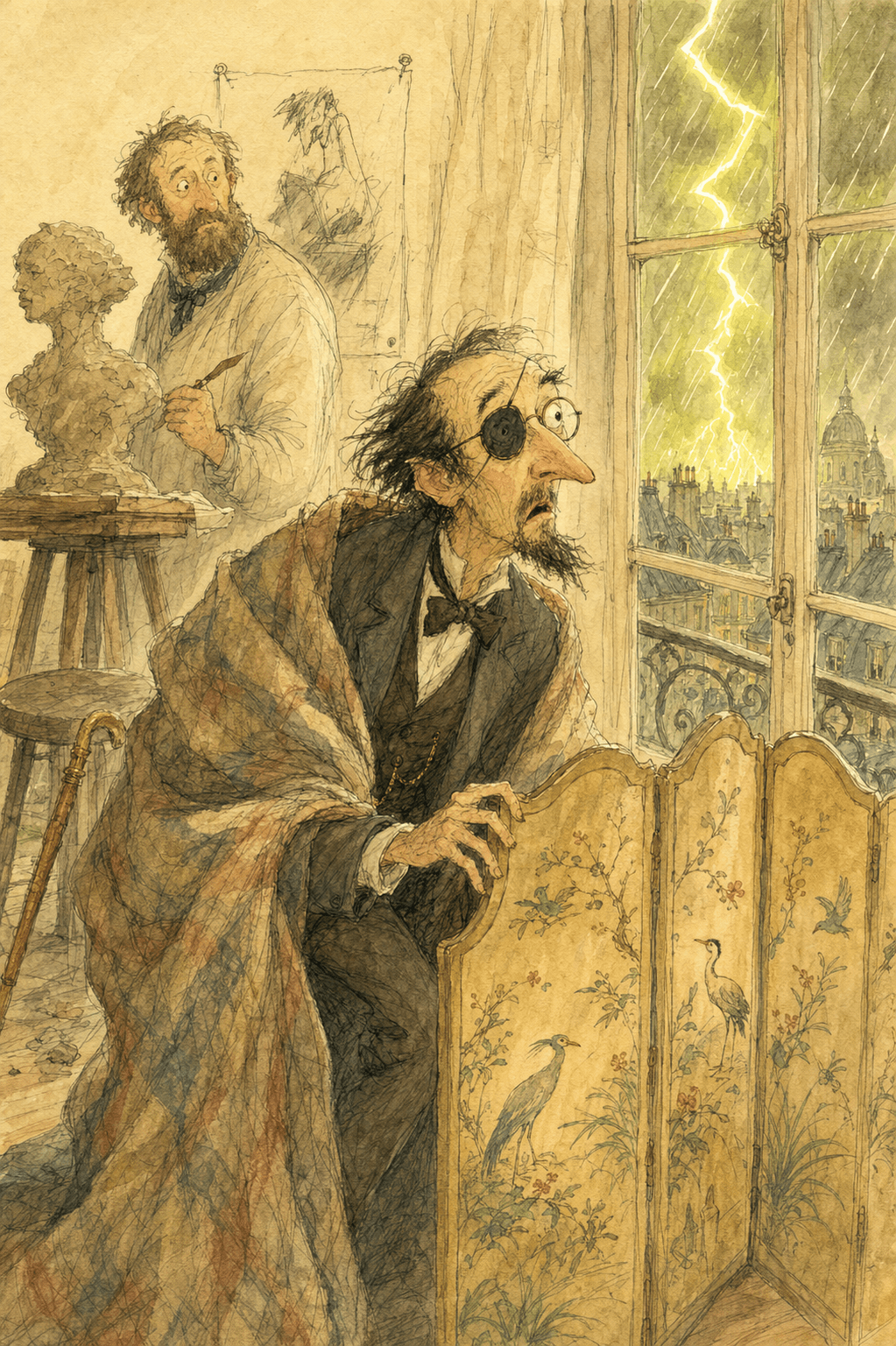
The Forecast
At fifty, famous and half-blind, the author of Ulysses still hunted for a cupboard at the first low rumble of thunder.
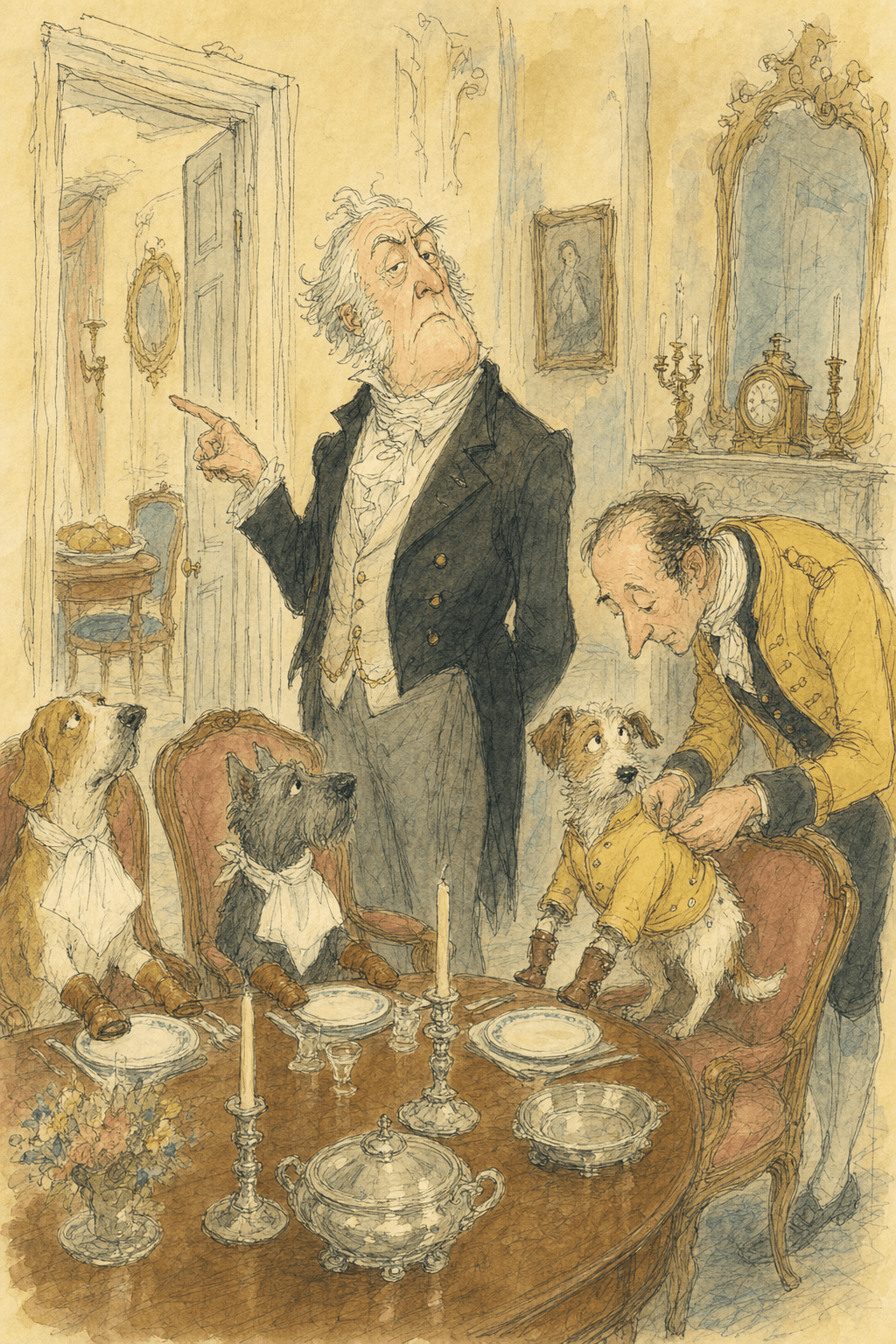
The Bread of Shame
Francis Egerton, 8th Earl of Bridgewater — Fellow of the Royal Society, prebendary of Durham — dined every night in Paris with a dozen dogs in tailored coats and linen napkins, each attended by its own footman.
Wonder, delivered.
A fresh Oddlet in your inbox every morning, a full day before everyone else. True, strange and under a minute.
Free forever. Unsubscribe anytime.