Oddlet: Mansa Musa · 1 min read
Apr 14, 2026
The Man Who Gave Too Much
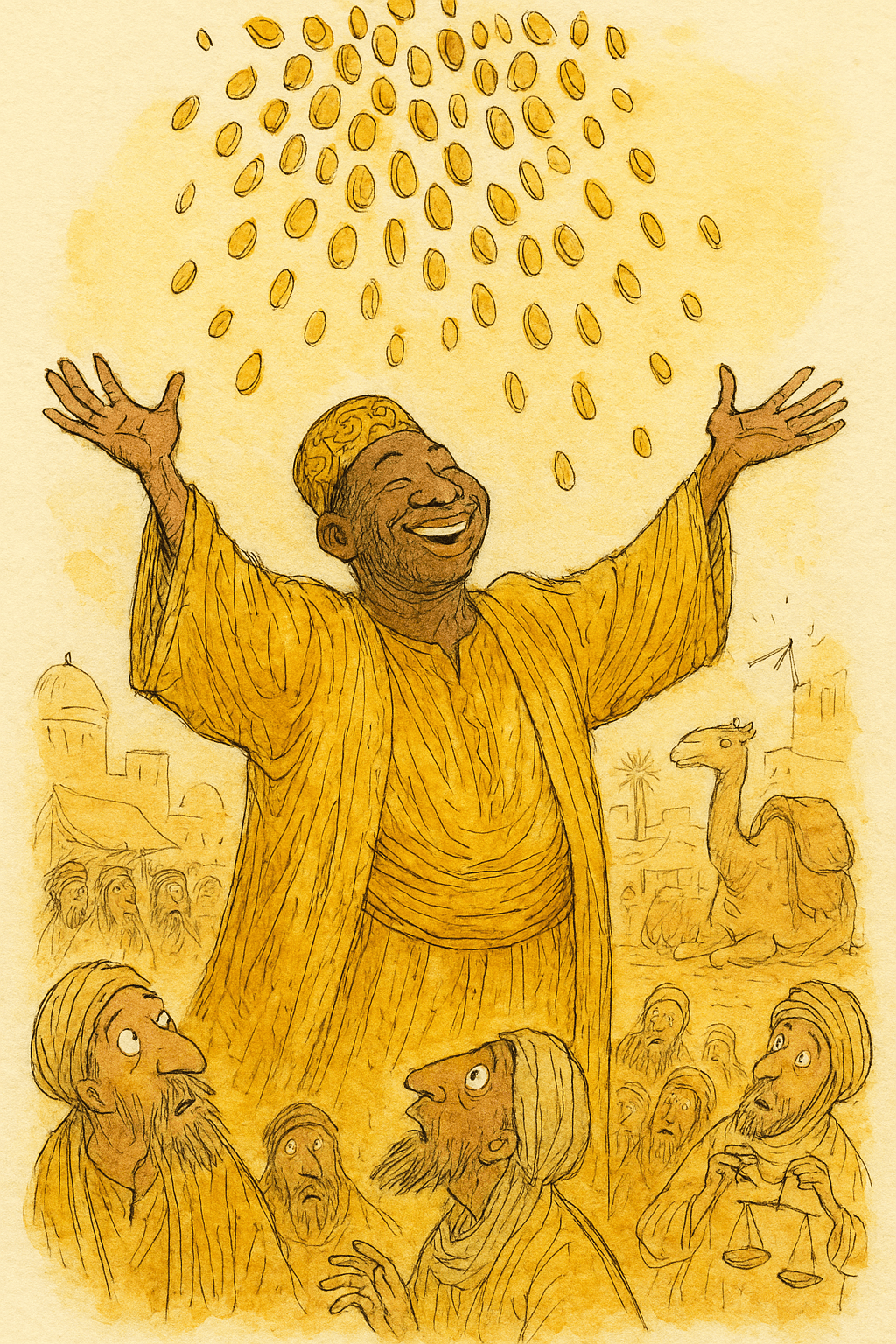
He gave away so much gold in Cairo that the Egyptian economy took twelve years to recover — and somewhere on the way home, he ran out of money entirely.
Mansa Musa ruled the Mali Empire at its peak — a domain stretching across West Africa that may have produced nearly two-thirds of the world's gold supply. By any modern estimate, he was the wealthiest human being who has ever lived.
In 1324, he set out on a pilgrimage to Mecca and accidentally broke Egypt.
His entourage numbered in the tens of thousands. Five hundred slaves walked ahead of him, each carrying a gold staff weighing six pounds. One hundred camels followed, each loaded with three hundred pounds of gold. When the procession reached Cairo, Musa gave gold to everyone he met — court officials, merchants, beggars, anyone. He left no emir or officeholder without a gift. The Cairenes, naturally, were delighted.
Then the gold market collapsed. So much of the metal had flooded Cairo that its value dropped by as much as twenty-five percent. Twelve years later, the economy still hadn't fully recovered. Al-Umari, visiting Cairo a decade on, found the residents still talking about it.
The man who had crashed their economy by being too generous had, by that point, run out of money entirely. Somewhere on the return journey, the richest person in human history was forced to borrow from Egyptian merchants at steep interest rates just to get home.
There is no record that he ever paid them back.
Know someone who’d love this?
- **Wikipedia — Mansa Musa** — Comprehensive, well-cited article with scholarly caveats (e.g., historian Warren Schultz's caution about overstating the economic disruption). Good starting point; cross-check specific figures.
- **Britannica — Musa I of Mali** — Reliable general reference; cites al-ʿUmarī directly and gives the 12-year recovery figure. Editorially reviewed.
- **World History Commons — Al-Umari's Account of Mansa Musa's Visit to Cairo** — Primary source in translation (Al-Umari, cited in Levtzion & Hopkins, *Corpus of Early Arabic Sources for West African History*, Cambridge University Press, 1981). Highest reliability for the Cairo economic impact.
- **EBSCO Research Starters — Mansa Mūsā's Pilgrimage to Mecca** — Academic reference database summary; reliable for entourage size and economic impact figures.
- **National Geographic Education — Mansa Musa** — Editorially reviewed educational resource; good for Catalan Atlas and Timbuktu details.
- **Wikipedia — Al-Sahili**
Too Great a Strain
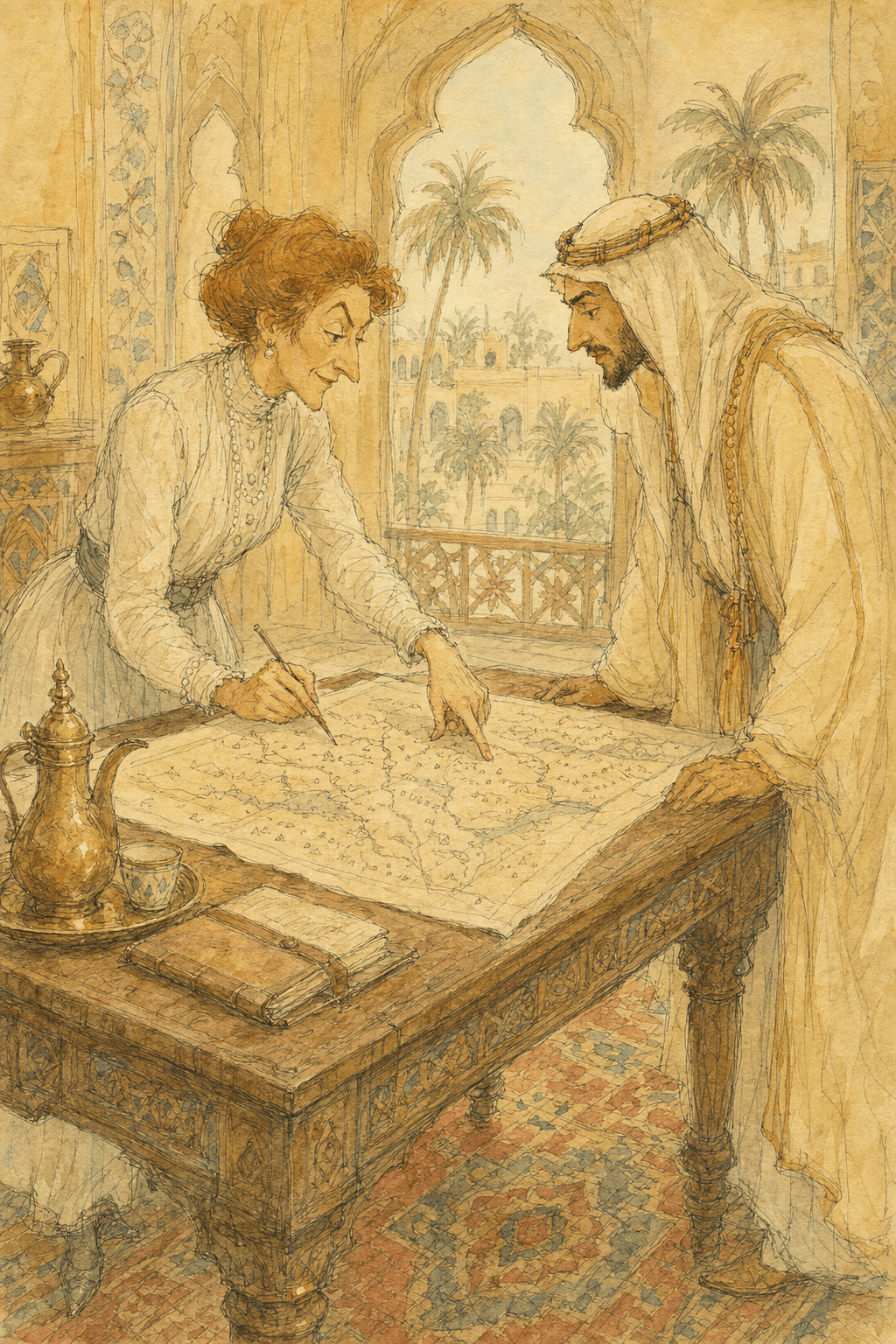
Gertrude Bell took a first at Oxford before Oxford gave women degrees, climbed ten new Alpine routes in a single season, and in March 1921, in a Cairo hotel, picked Iraq's king.
The Cape Compromise
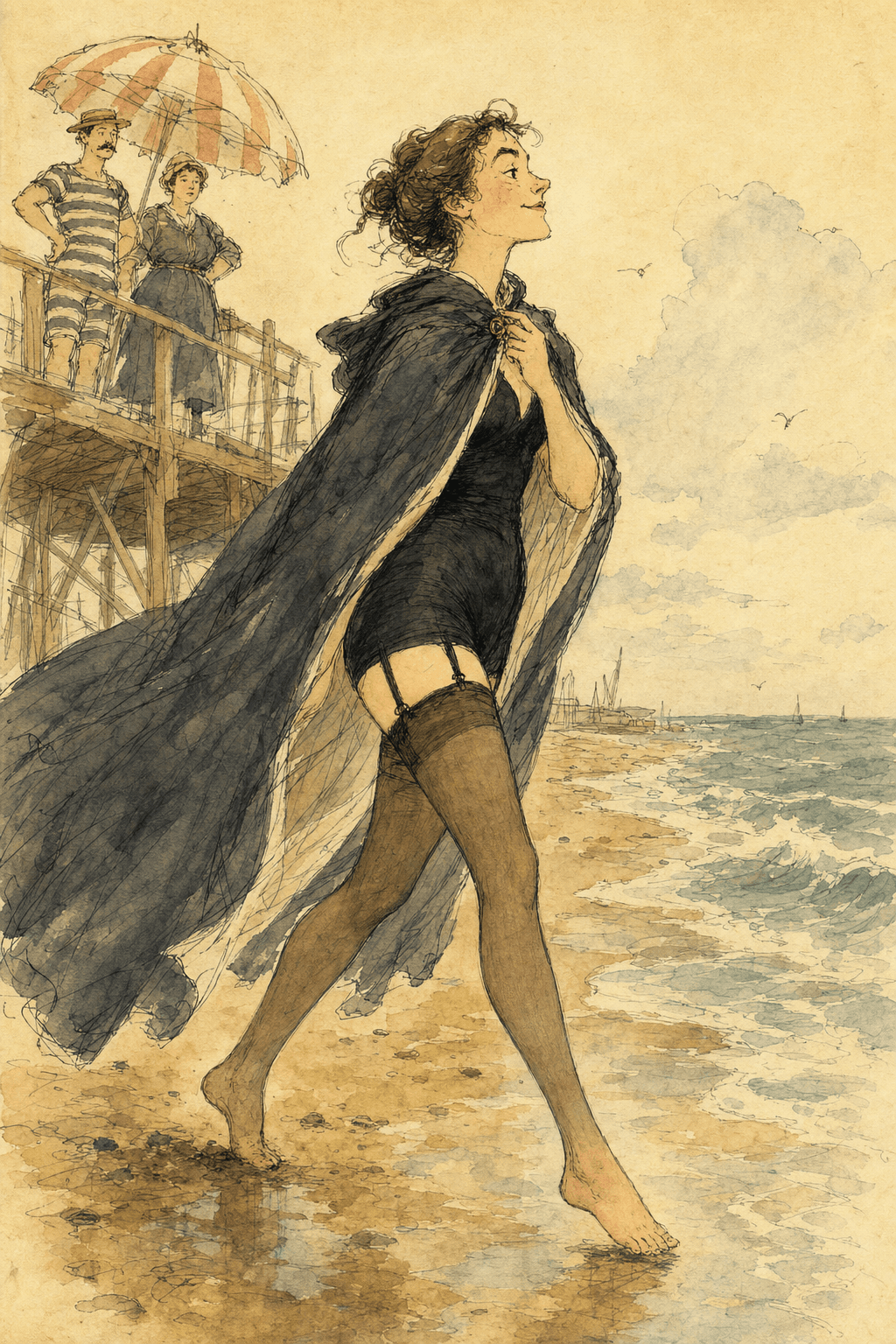
She swam thirteen miles down the Thames, twenty-two down the Danube, and got arrested walking onto a beach in Boston.
The Hermit Who Kept Office Hours
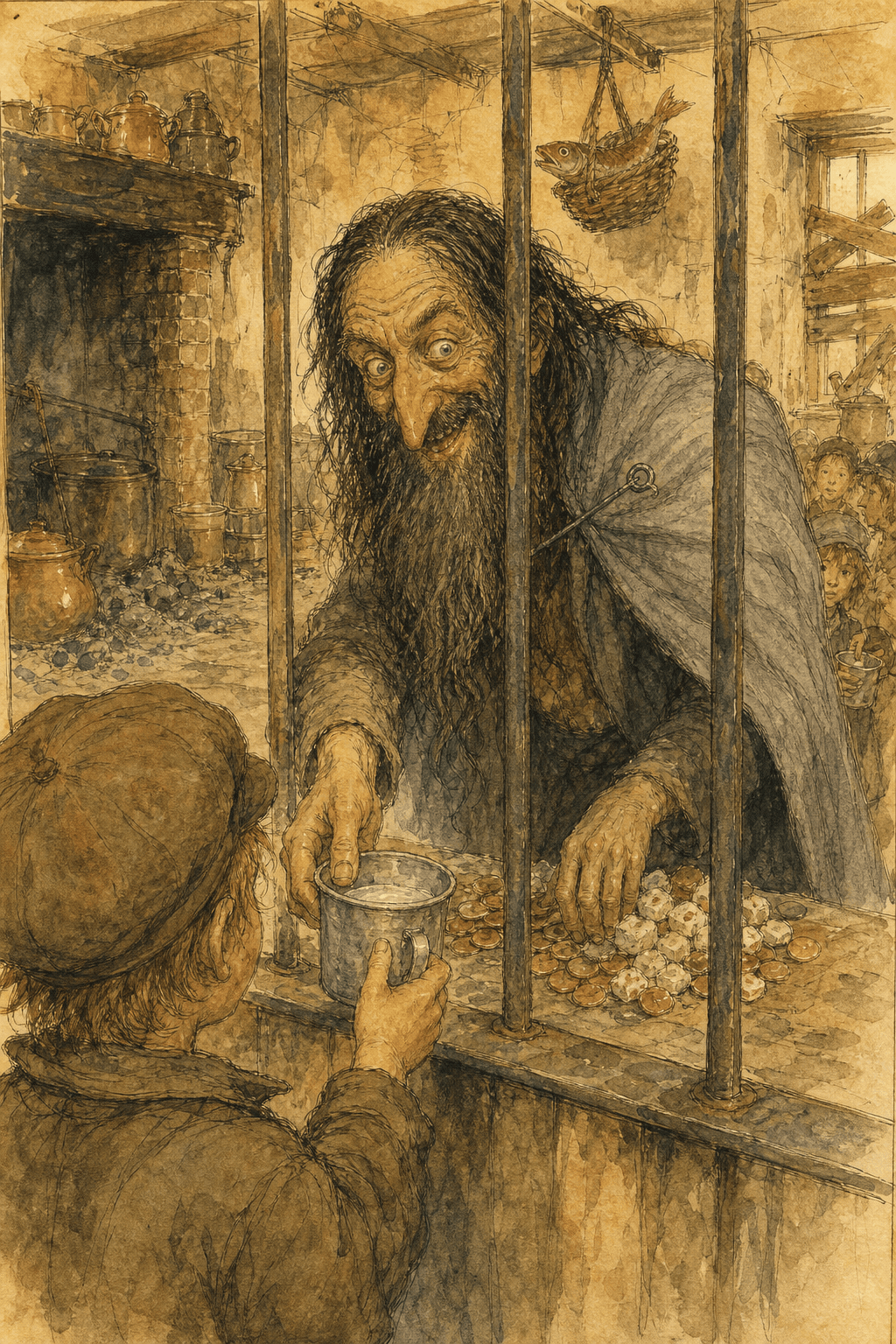
What kind of hermit hires two armed guards, then hands out gin to two hundred children through the bars of his window?
Wonder, delivered.
A fresh Oddlet in your inbox every morning, a full day before everyone else. True, strange and under a minute.
Free forever. Unsubscribe anytime.