women in science
Female pioneers who did the research and were told to sit down.
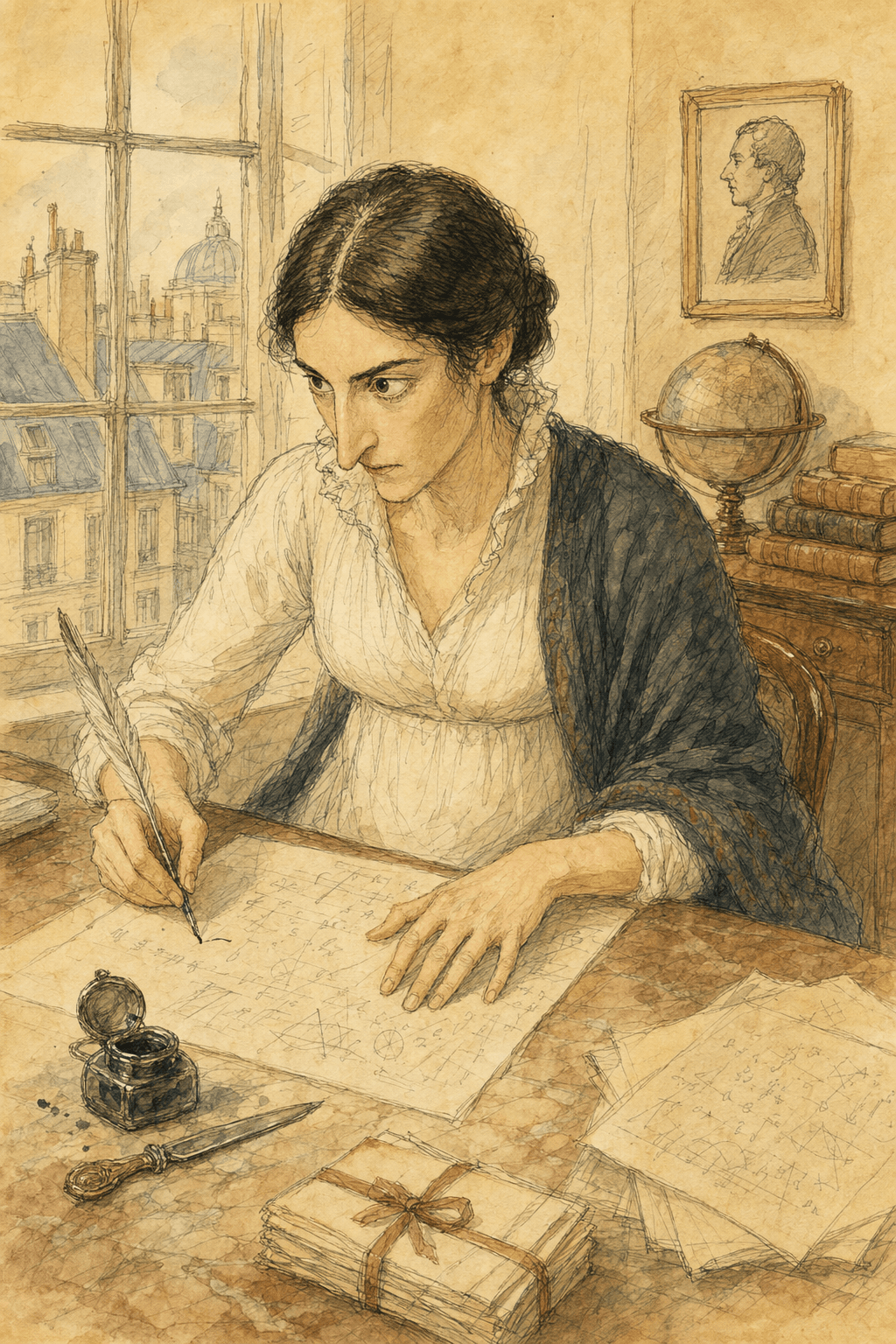
Monsieur Le Blanc
What do you do when you're convinced Napoleon's army is about to kill your pen pal mid-proof?
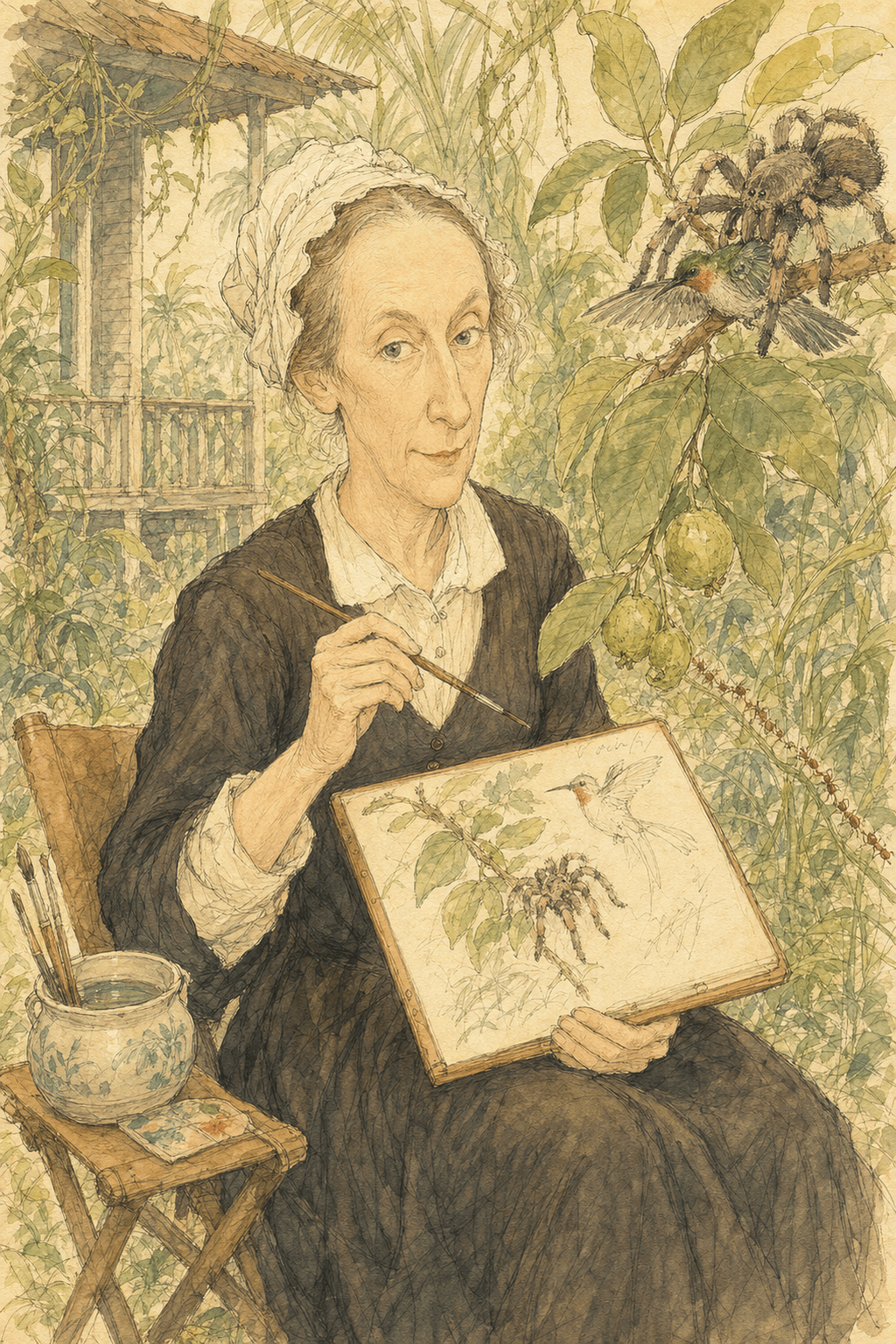
The Spider That Was Named After Her
At fifty-two, a divorced naturalist sold every painting she owned and sailed to a malarial jungle to paint a spider no one believed existed.
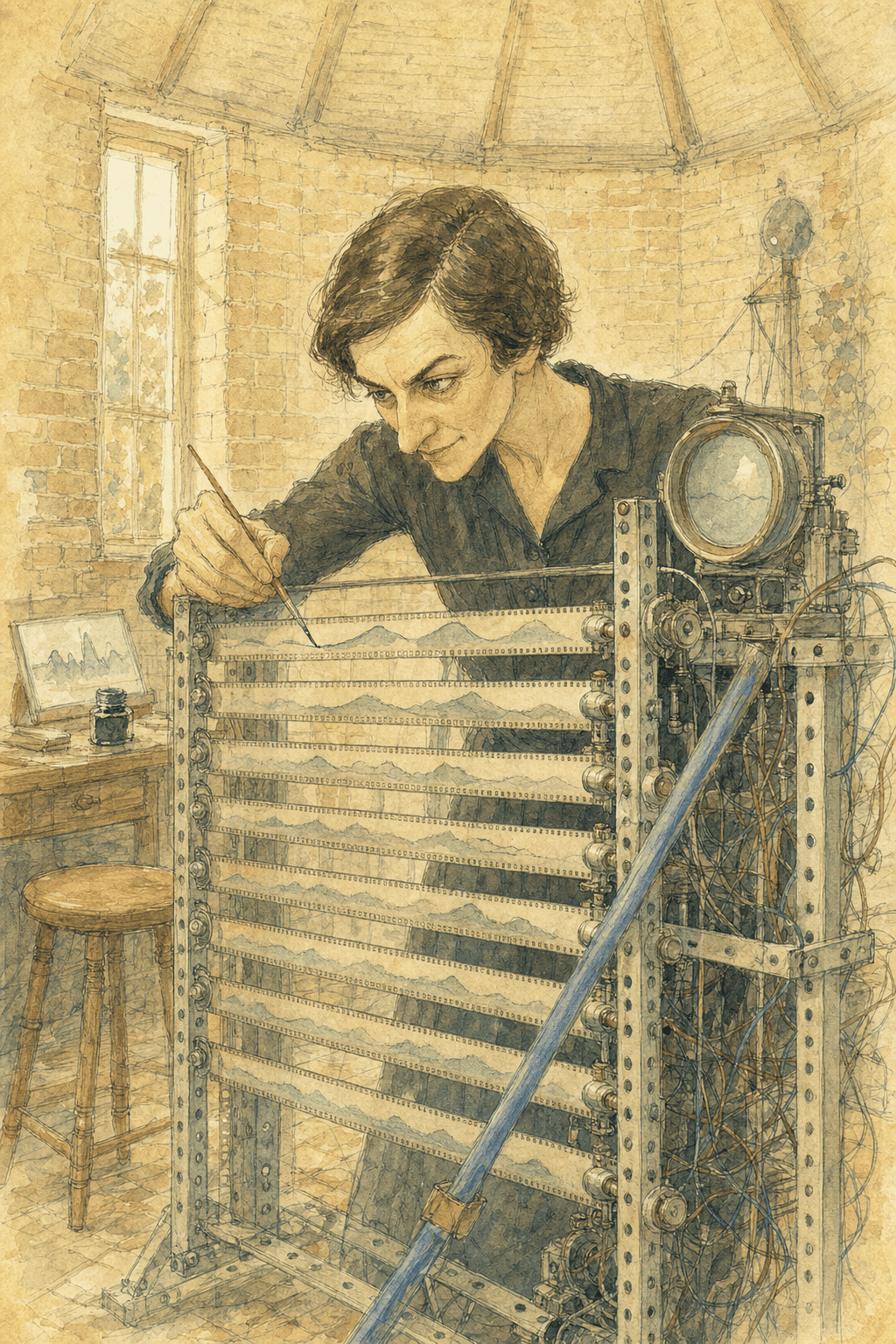
The Woman Who Drew Sound
She quit the BBC Radiophonic Workshop within months of founding it, because the hearing-protection rule was applied only to her.
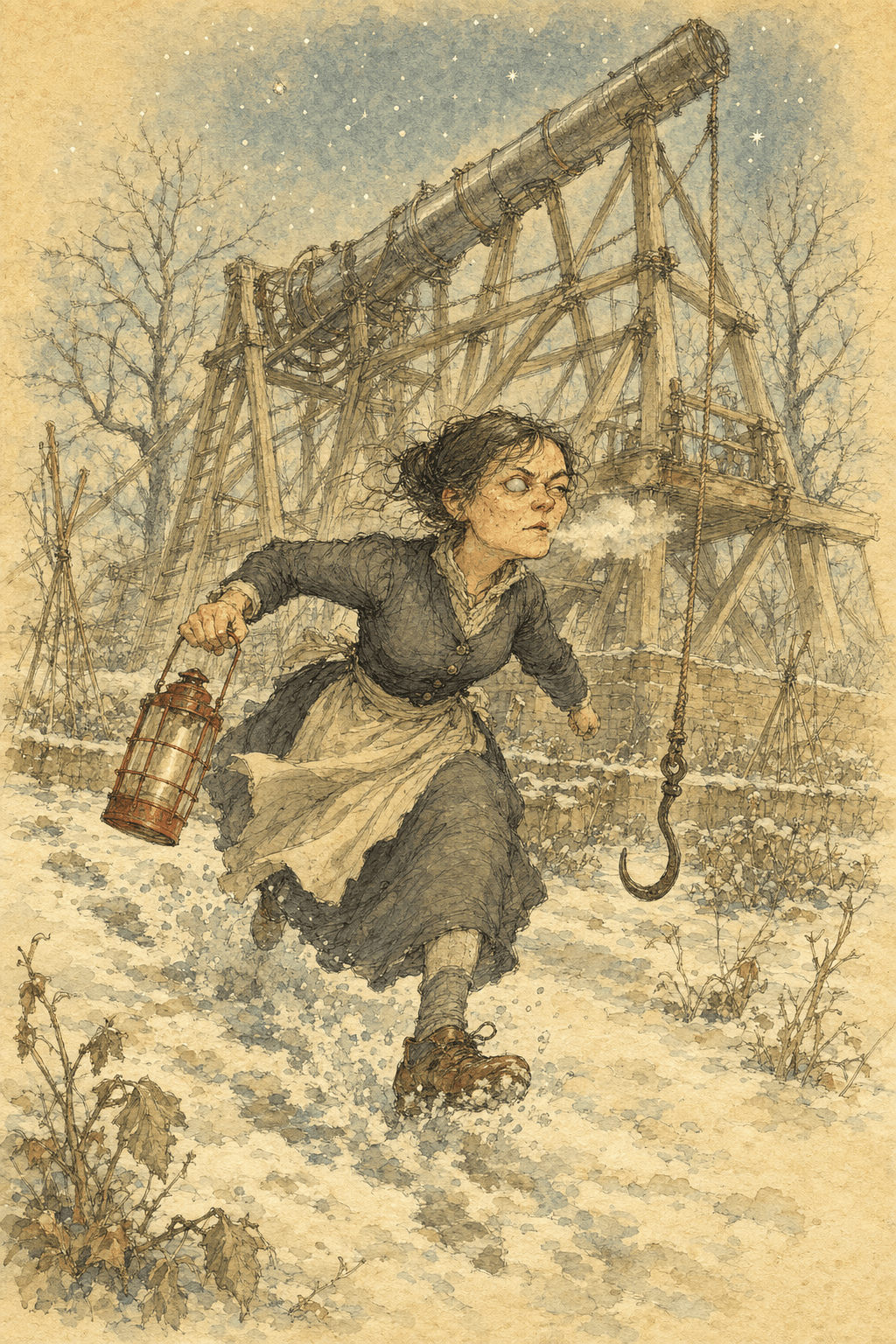
Minding the Heavens
What does it take for an 18th-century woman, raised in a kitchen, to become the first person ever paid by the British Crown for science?
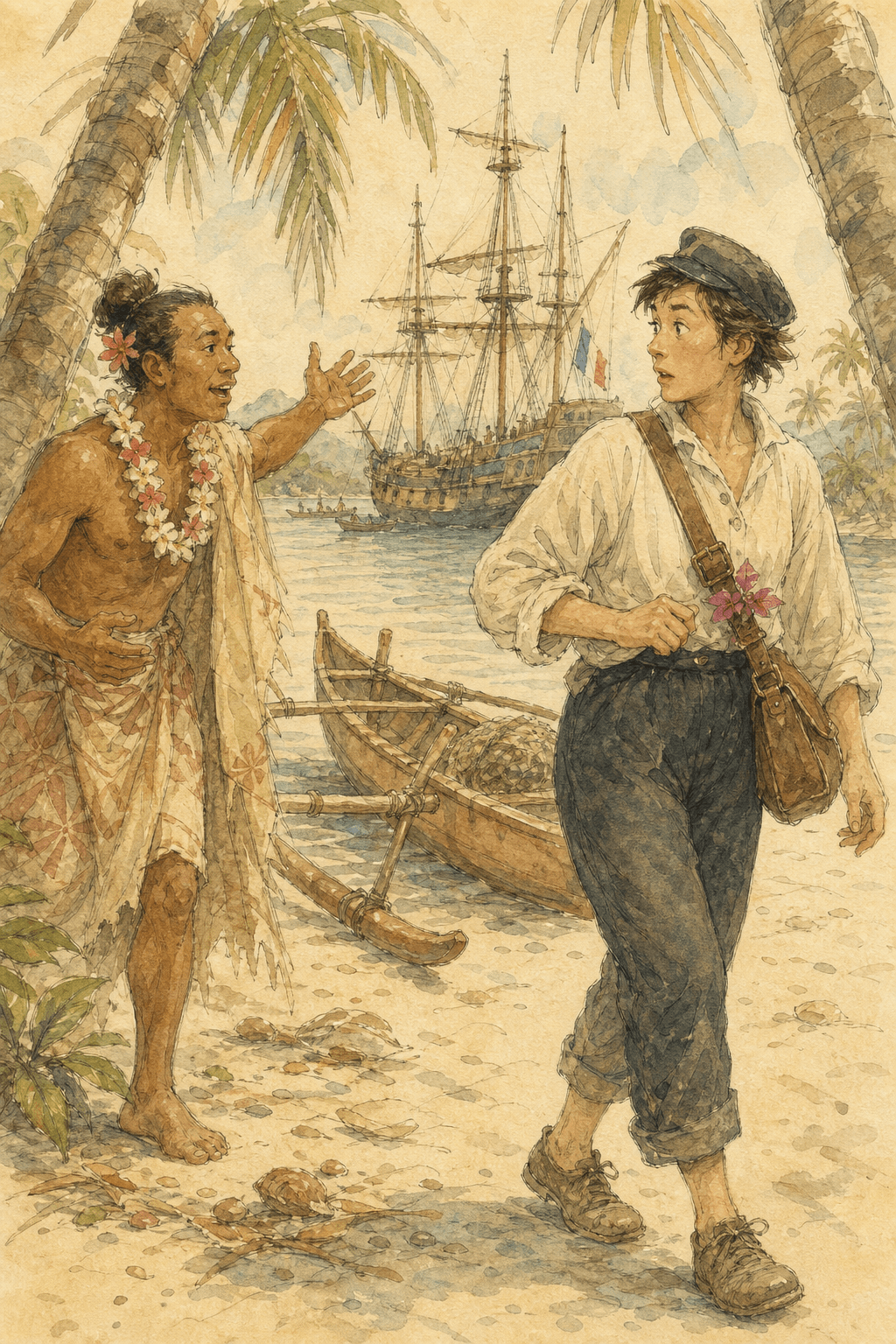
The Valet
How does a disguise that fooled 116 French sailors for sixteen months collapse the instant its wearer steps onto a Tahitian beach?
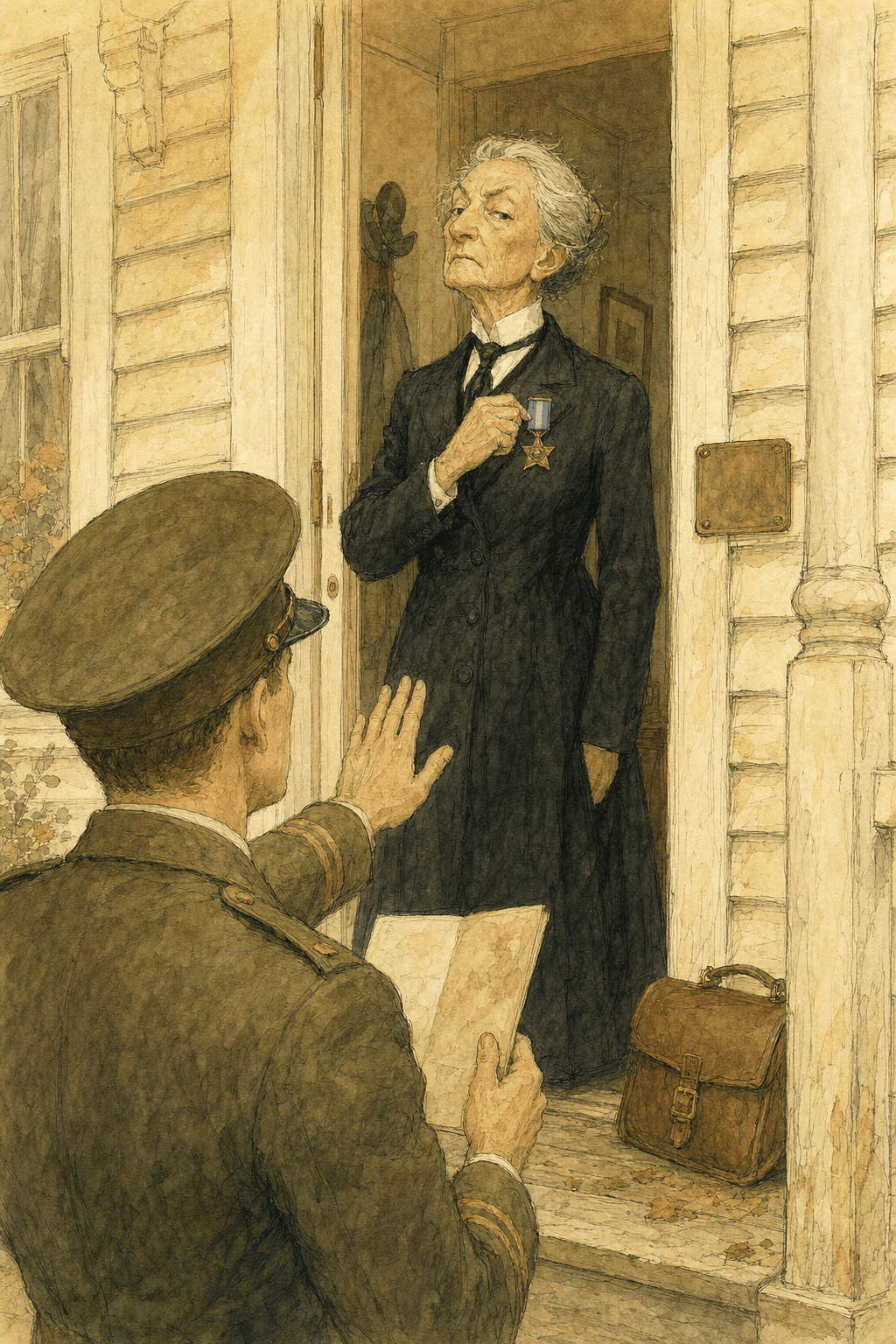
The Surgeon Who Wouldn't Give It Back
She was exchanged man-for-man for a Confederate major, and that wasn't even the strangest thing about her wedding.
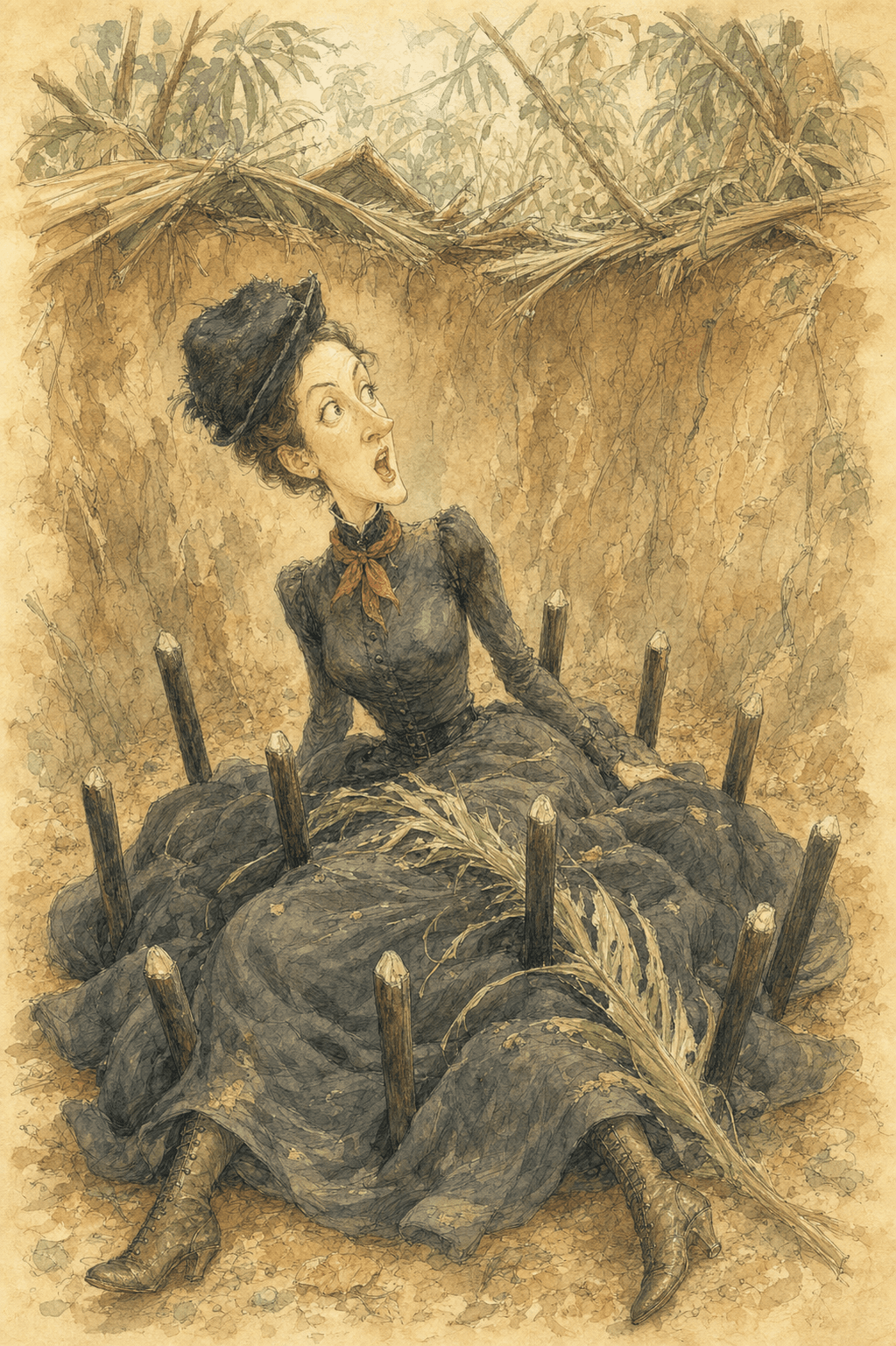
The Blessing of a Good Thick Skirt
She fought a crocodile with a paddle, wore leeches like a fur collar, and insisted to her dying day that trousers were beneath her — so what, exactly, did the skirt save her from?
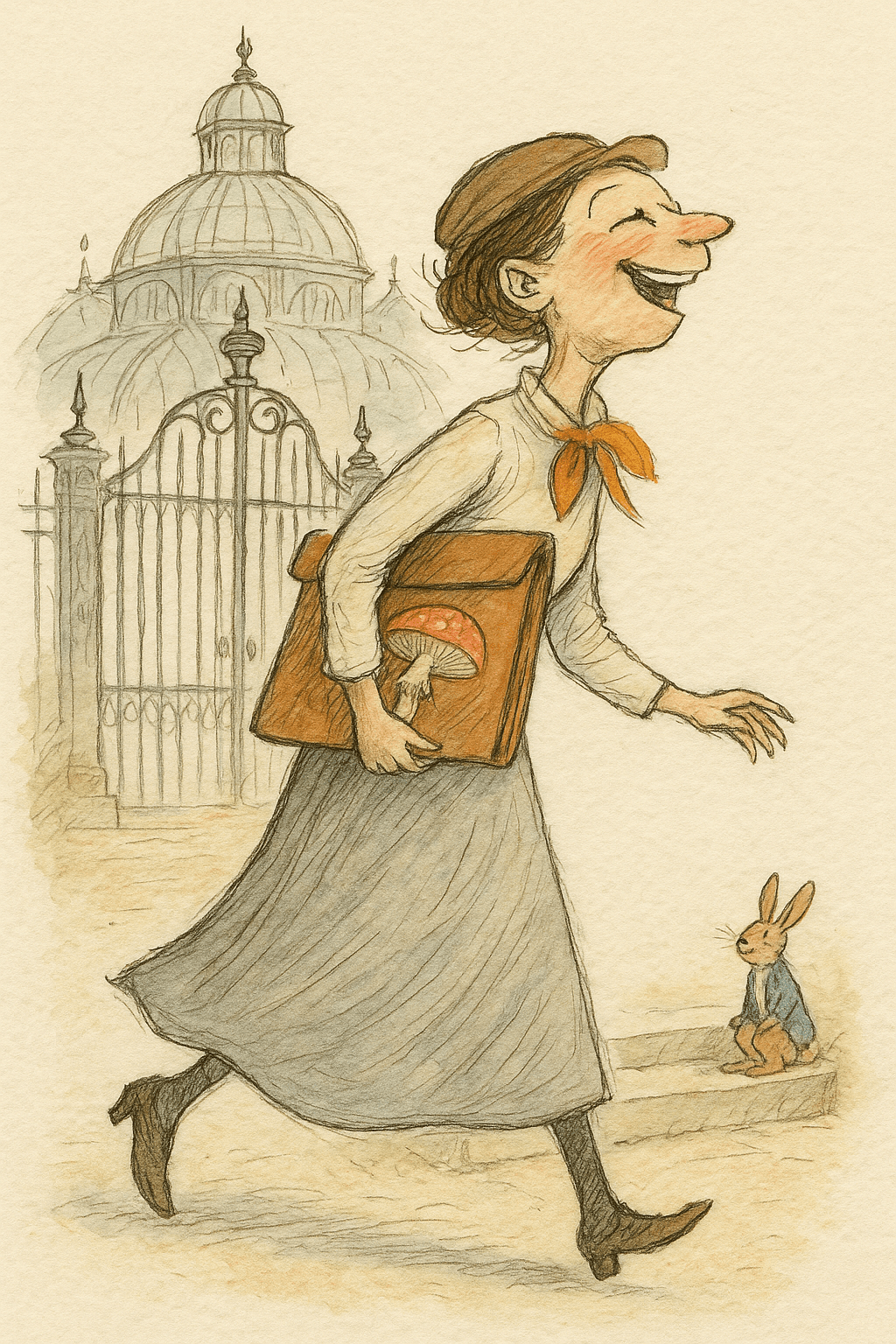
The Giggling Mycologist
What kind of person gets laughed out of the British scientific establishment and leaves giggling?
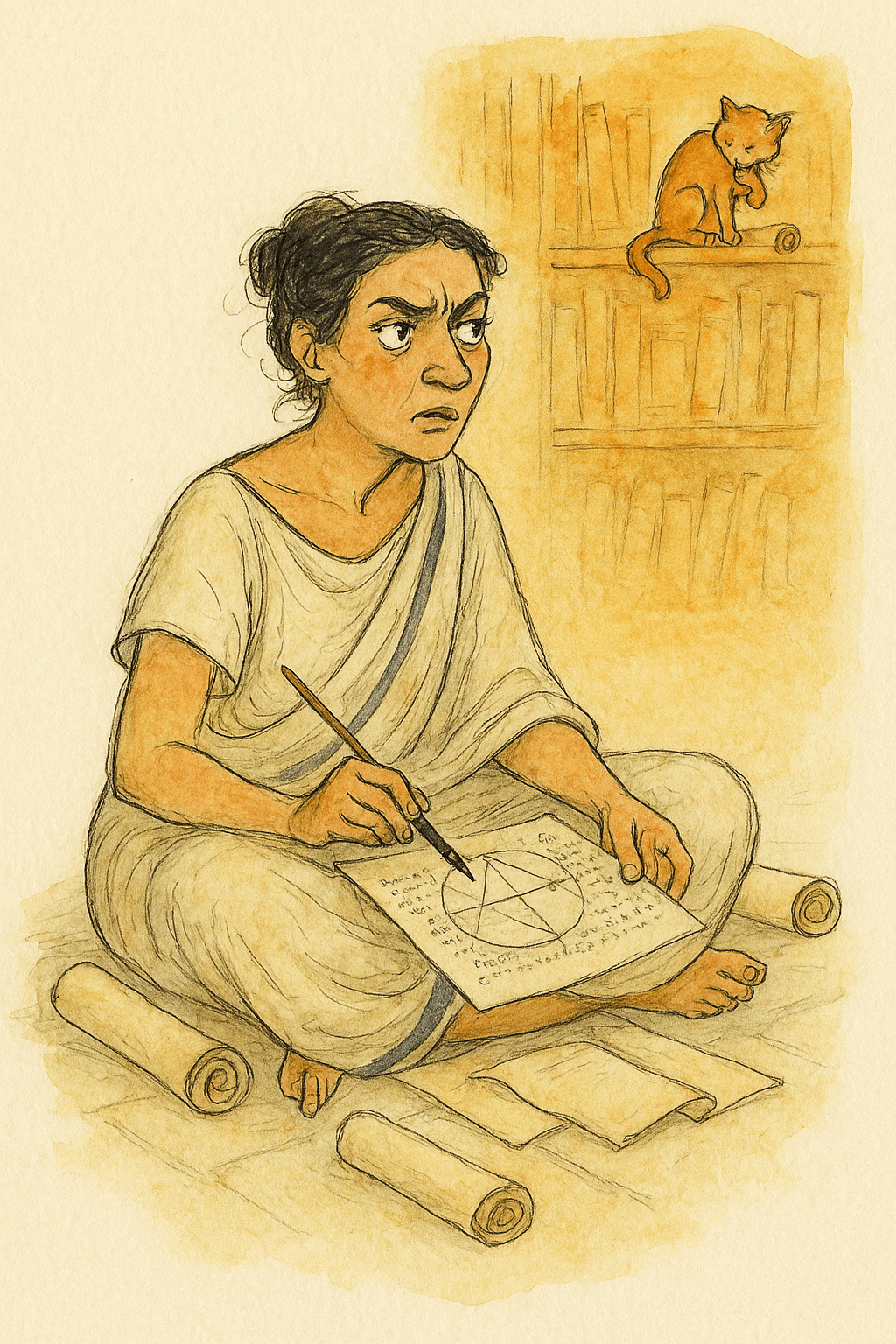
The Longest Lesson
What if every geometry proof you ever learned was actually a woman's homework assignment that outlasted most civilizations?
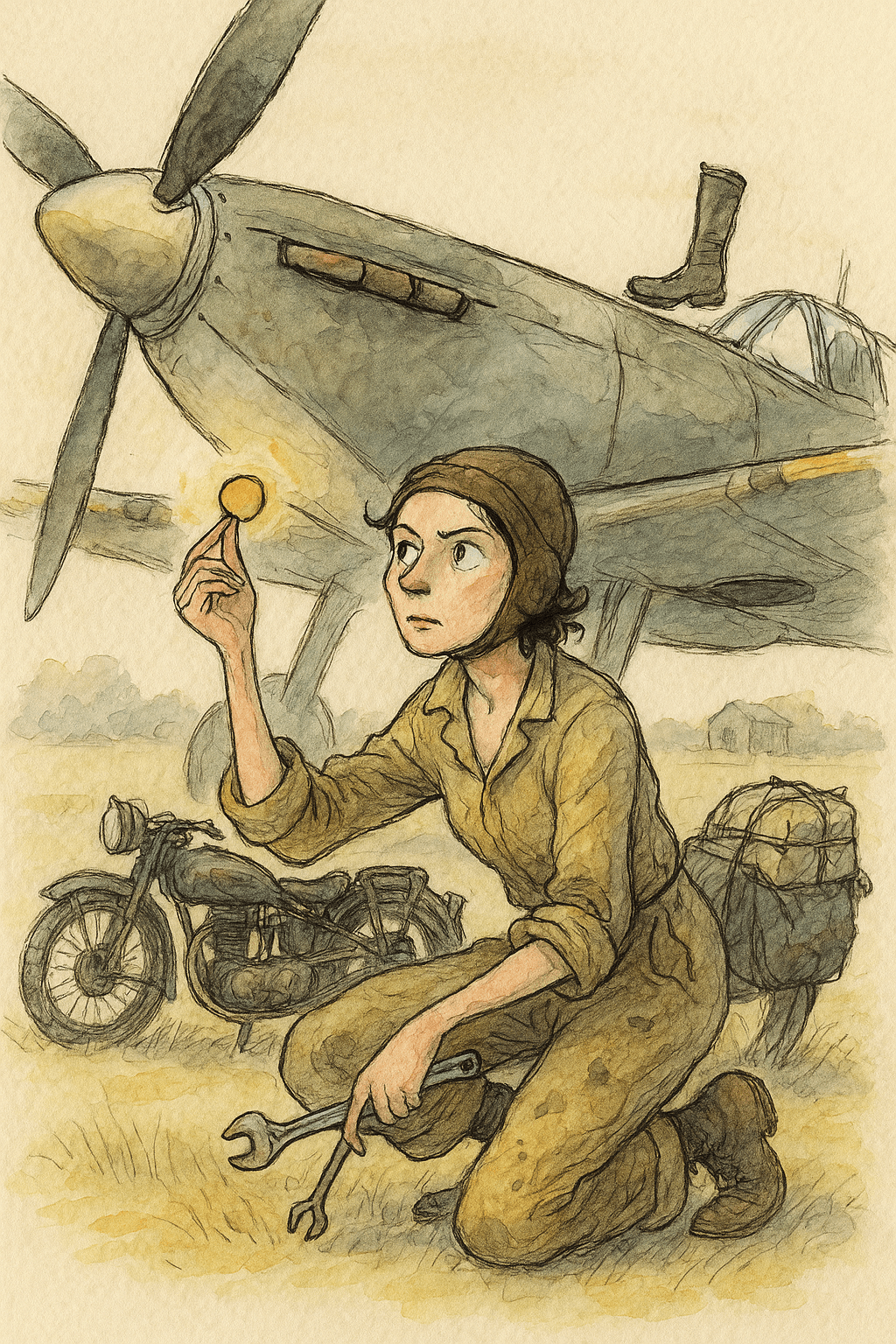
The Thrupenny Fix
What happens when the Air Ministry is years from a fix, pilots are dying in stalls, and a five-foot carburetor researcher has a home workshop and a motorcycle?
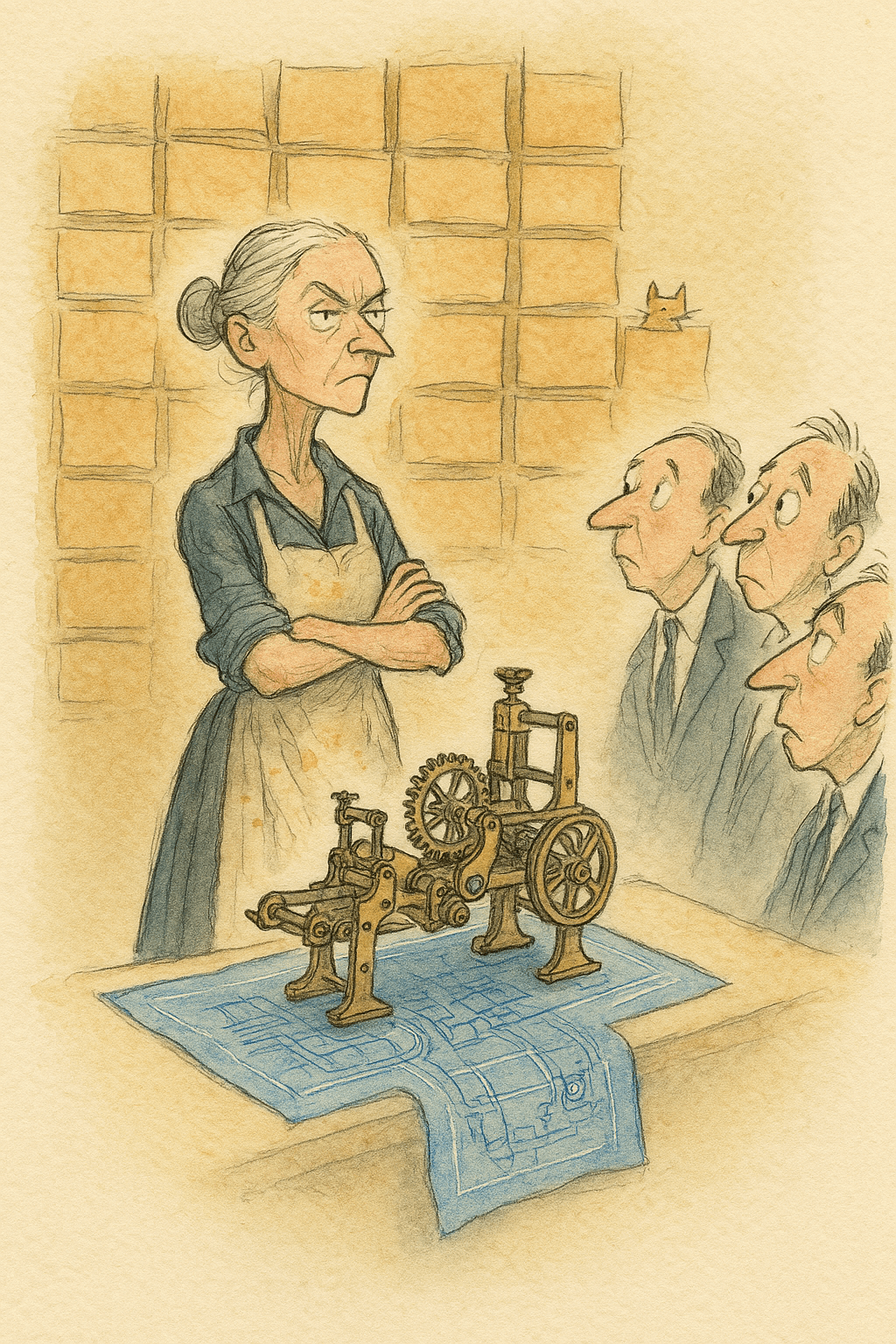
The Ghost Portrait
What kind of inventor dies with $275.05, an unmarked grave, and no verified photograph — but a machine the world still uses 150 years later?
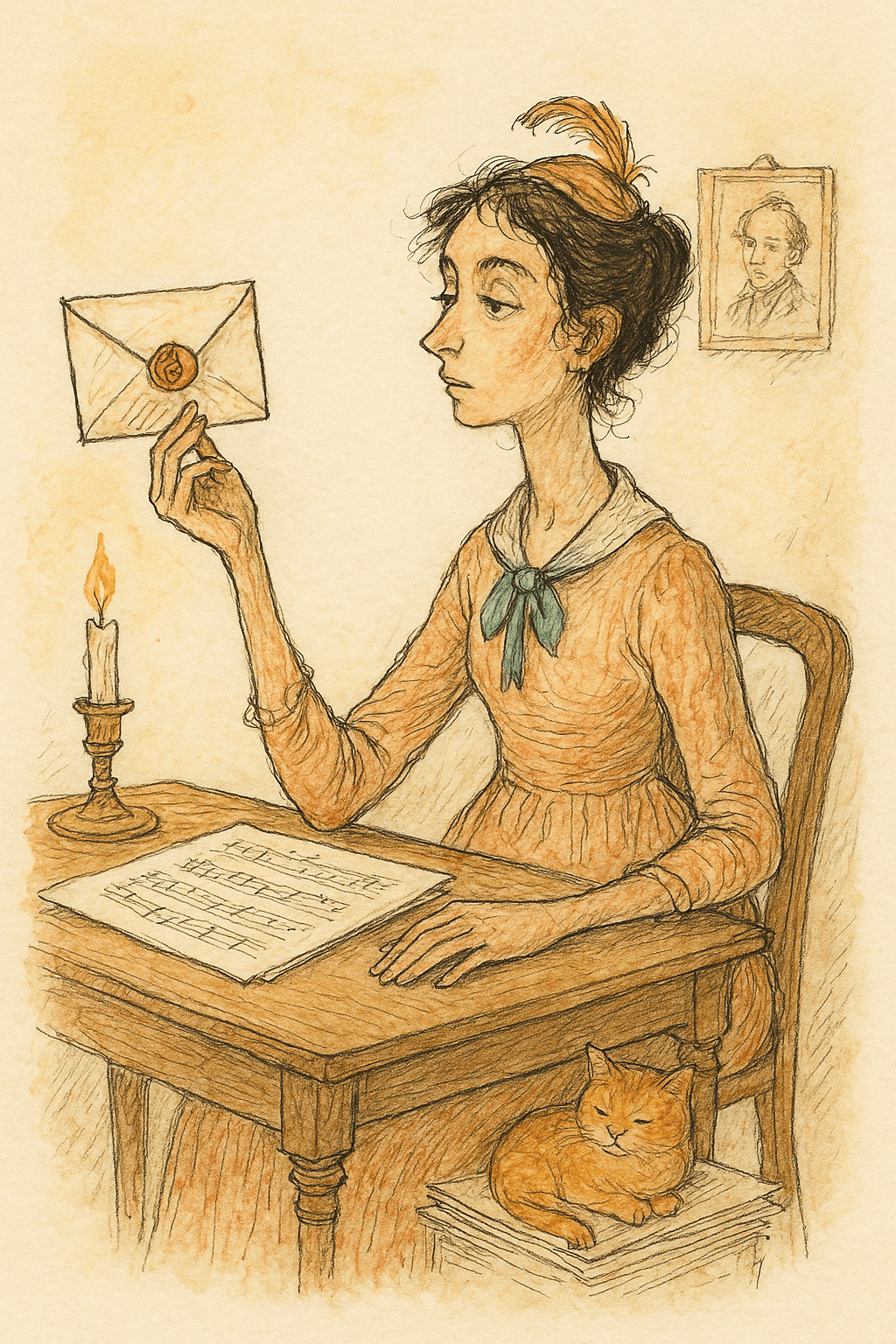
The Woman Who Got the Moonlight by Accident
The most famous piano dedication in history was a last-minute substitution, named by a man who never met her, for a woman who was busy doing other things.