unsung genius
Brilliant, overlooked, and eventually proven right — too late.
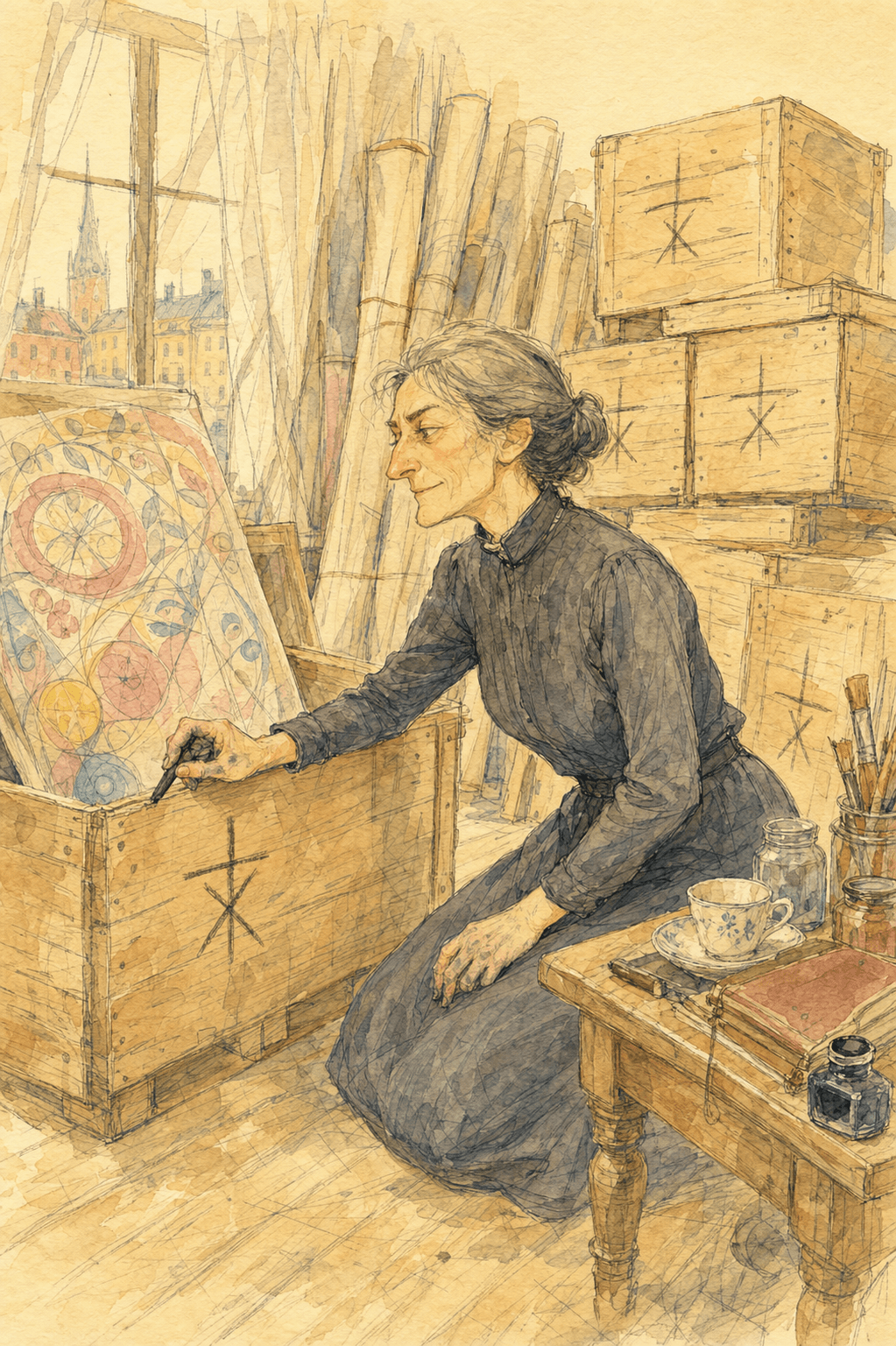
The Paintings the Spirits Told Her to Hide
What if the first abstract paintings in Western art were commissioned by a spirit named Amaliel for a temple that didn't exist?
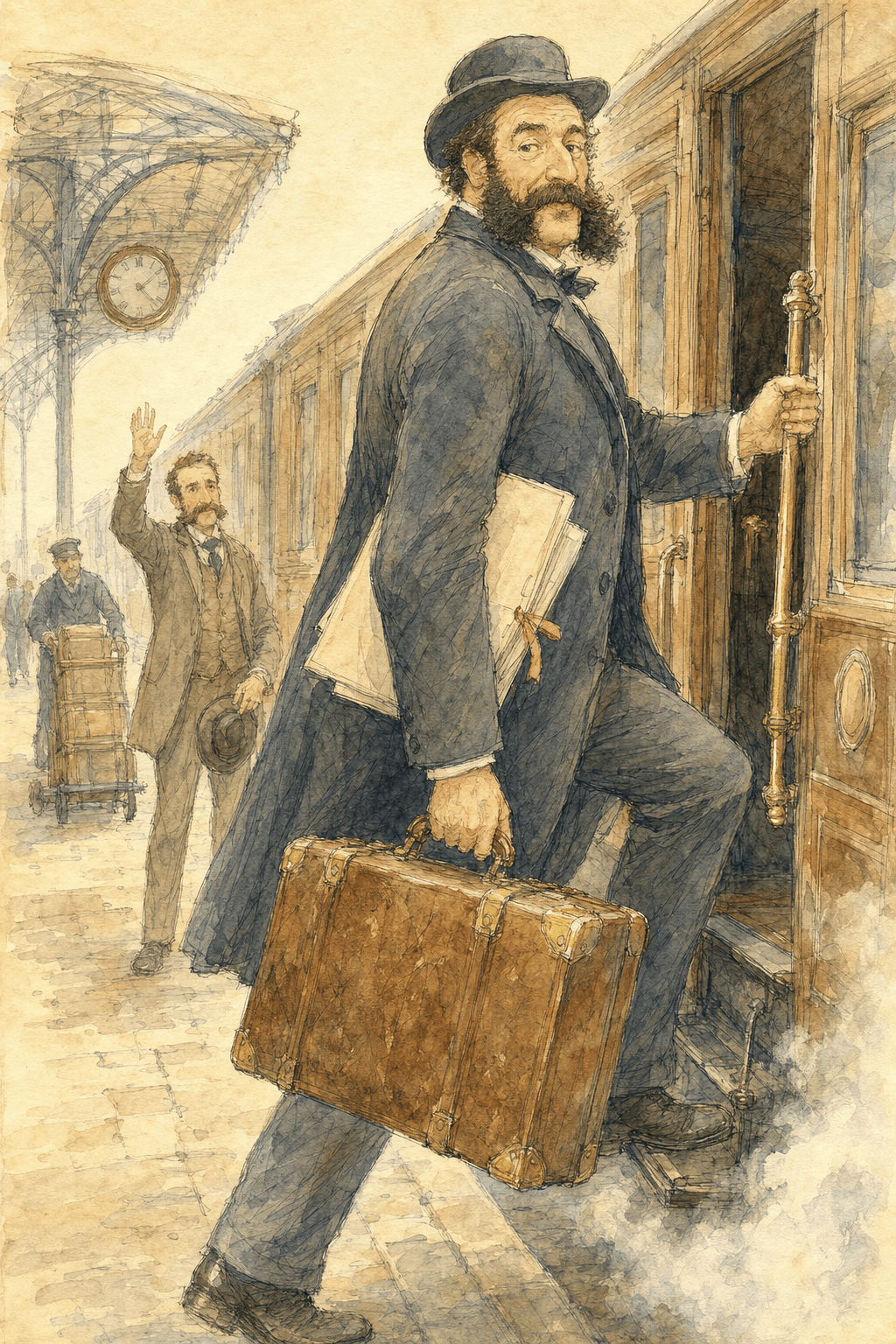
The Vanishing of the Inventor of Cinema
Three weeks before the demonstration that would have made him the undisputed inventor of cinema, he boarded a train and stopped existing.
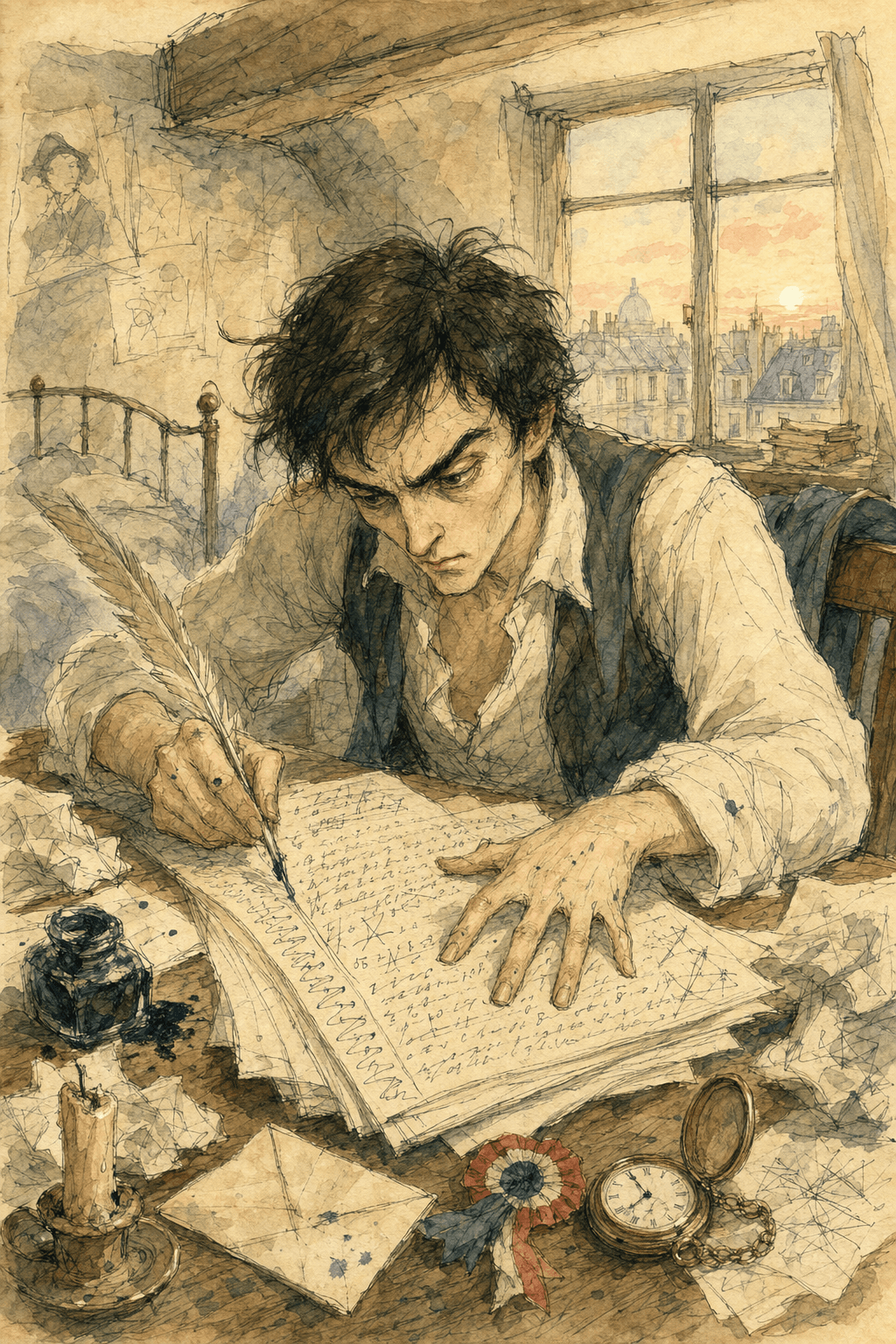
I Have Not The Time
In prison, drunk for the first time, he told his cellmates he would die in a duel over a woman. Nine months later, a woman wrote him a letter.
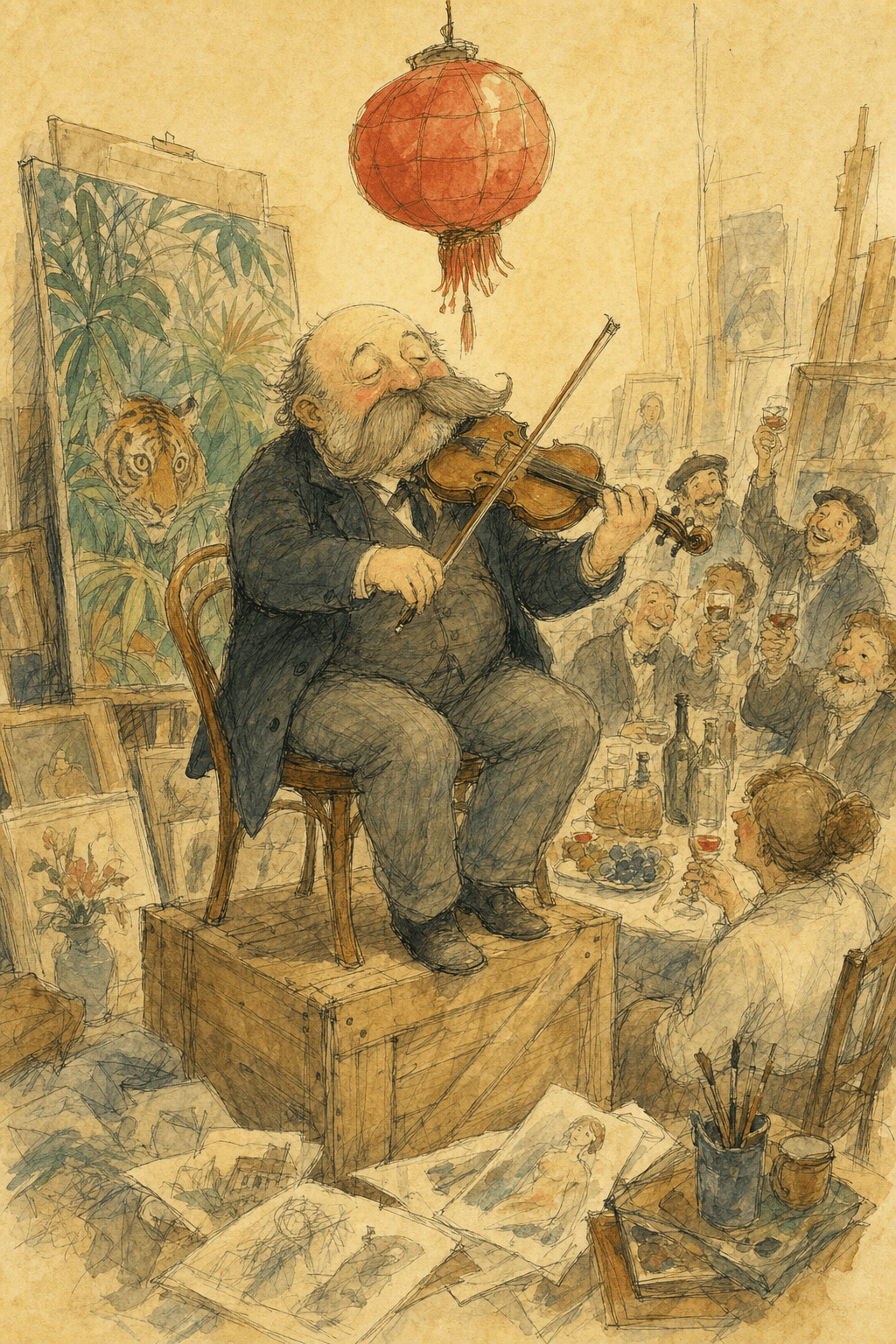
The Guest of Honor
What does it take for a toll collector who painted tigers in his off-hours to end up enthroned on a packing crate at a banquet thrown by Picasso?
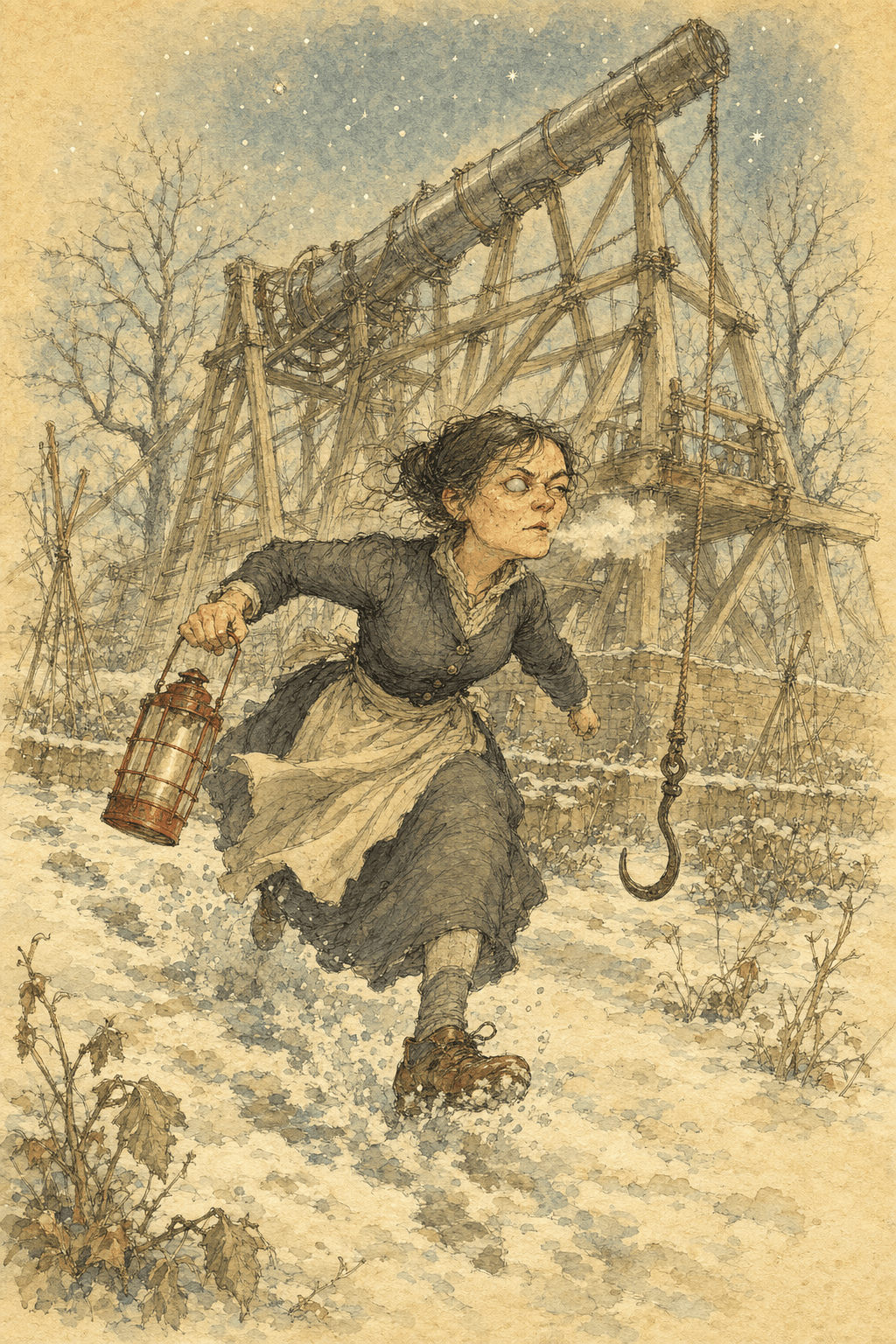
Minding the Heavens
What does it take for an 18th-century woman, raised in a kitchen, to become the first person ever paid by the British Crown for science?
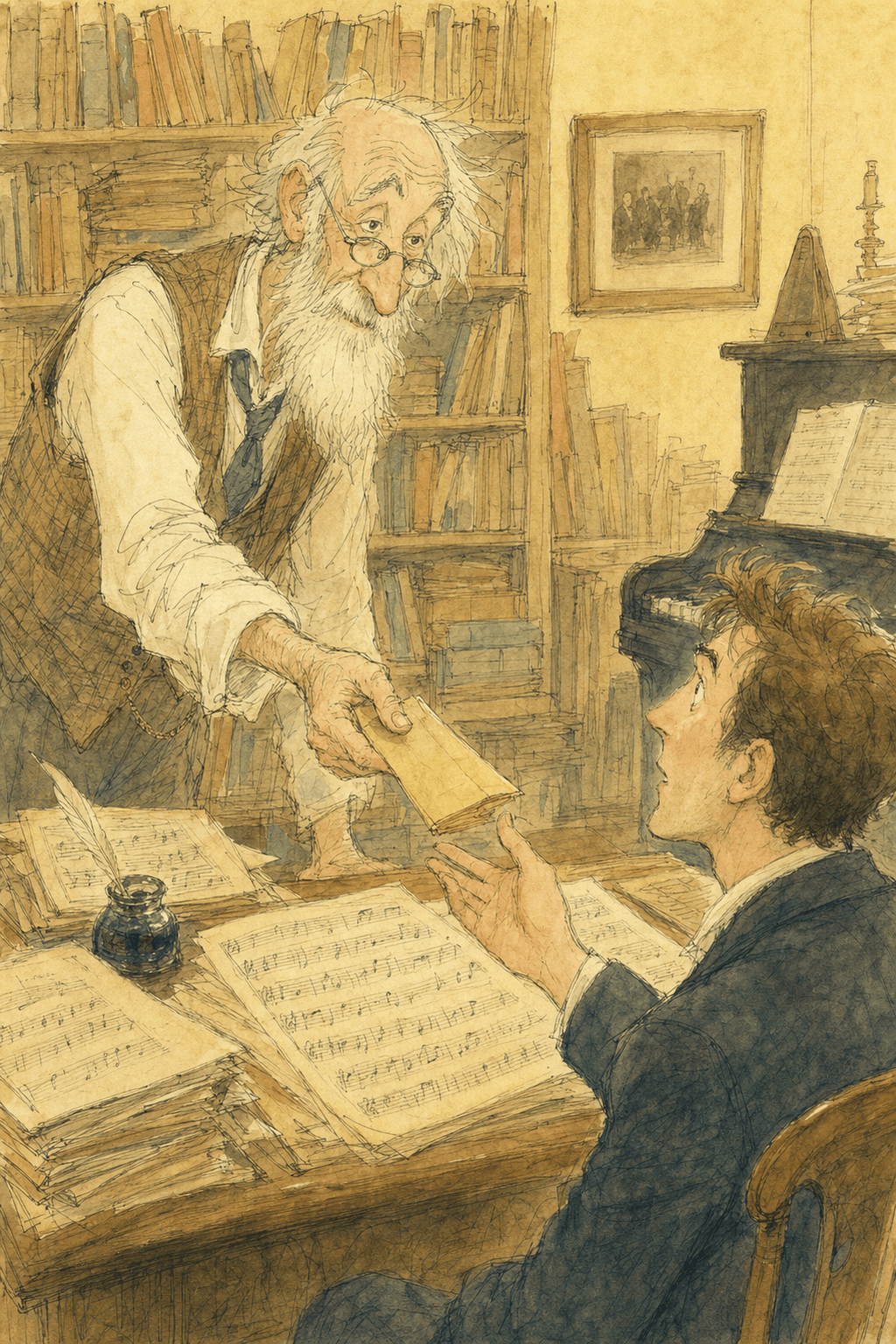
Prizes Are For Boys
What does it take to invent modern estate planning, compose polytonal symphonies on weekends, and then leave a Pulitzer-winning piece in a drawer for thirty-six years?
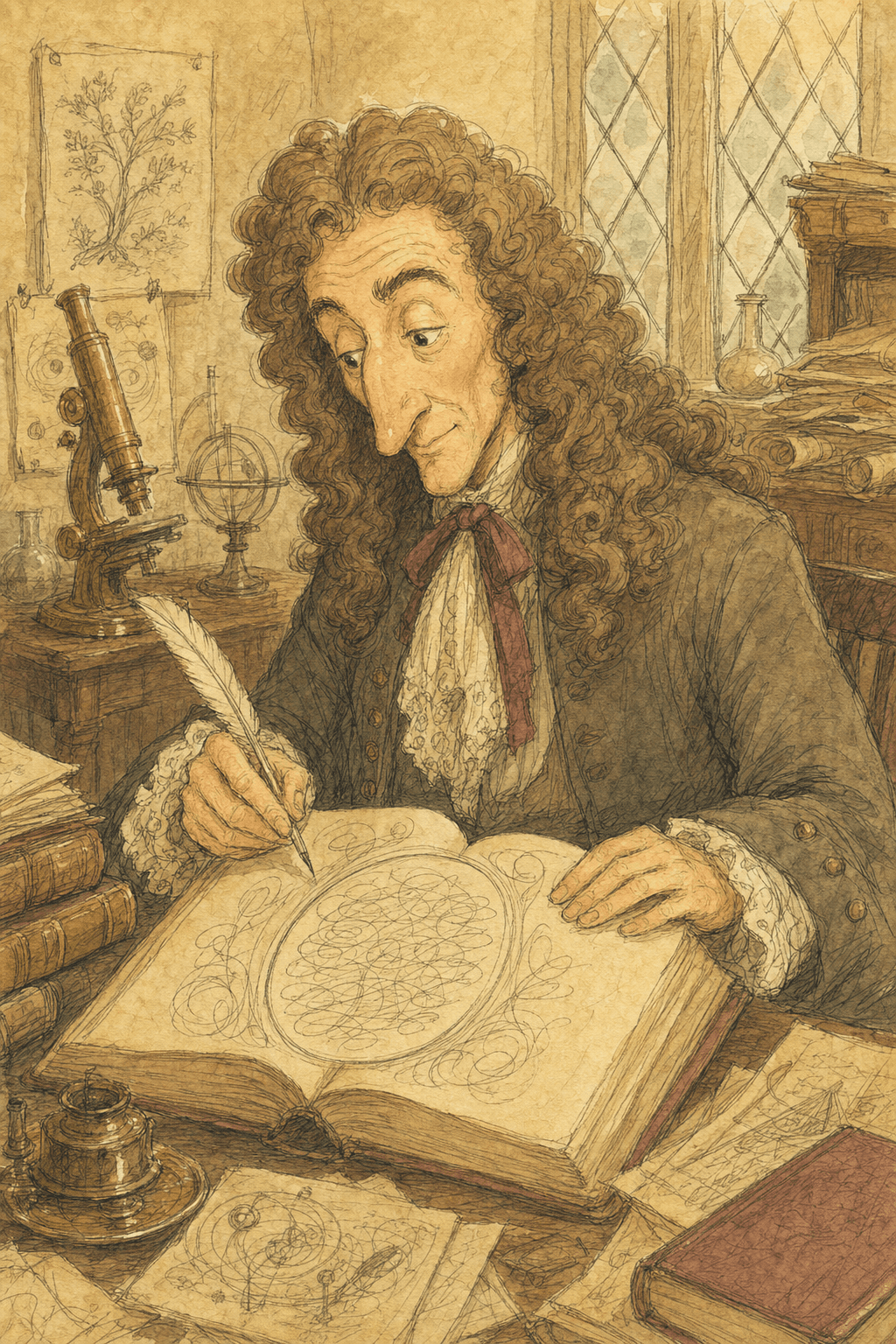
The Man Without a Face
How do you lose the face of the man who coined the word cell, wrote a law of physics, and rebuilt half of London?
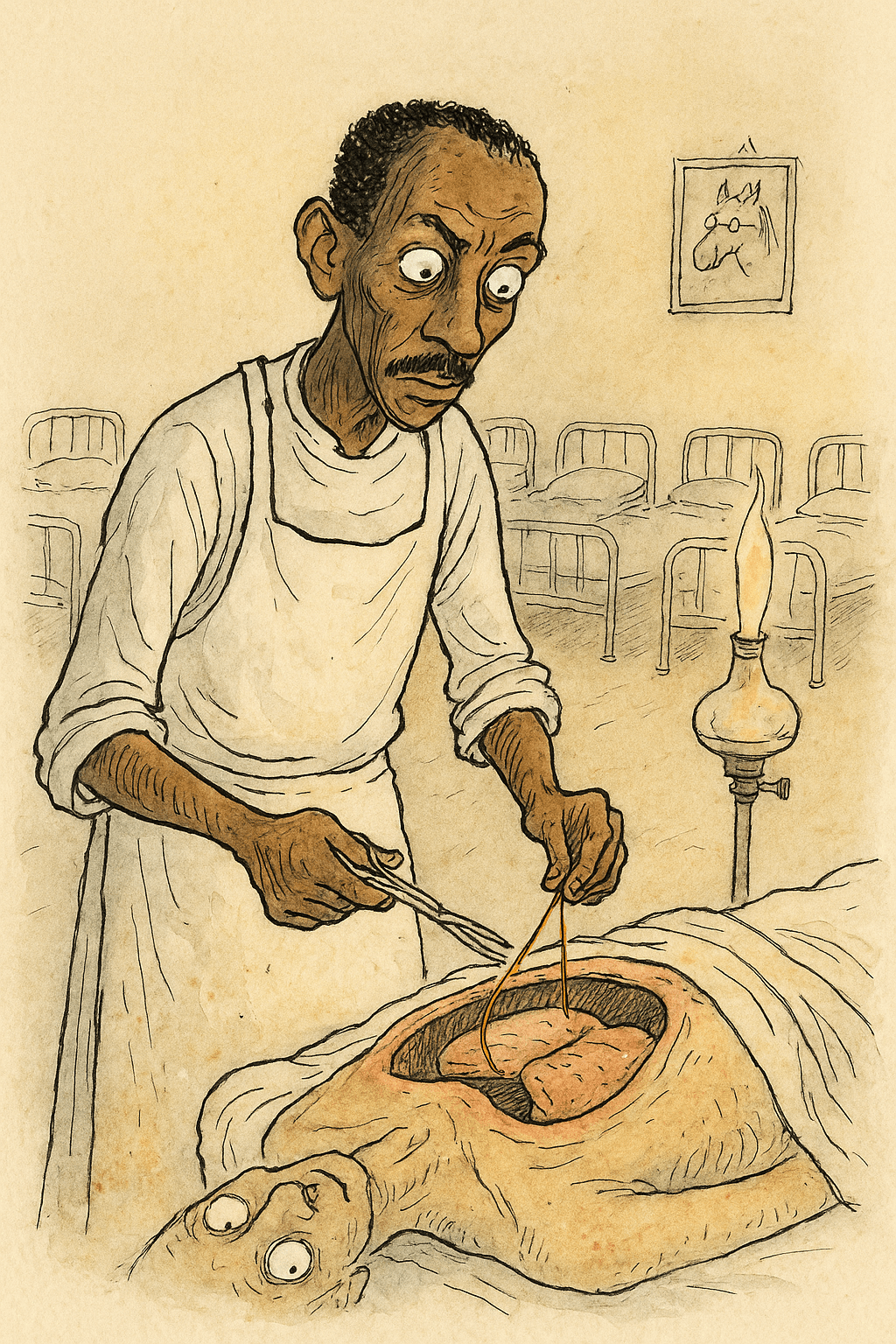
The Man Who Sewed Up a Heart
What happens when a former barber decides to stitch a beating heart by lamplight, twelve years after the most famous surgeon on Earth said it couldn't be done?
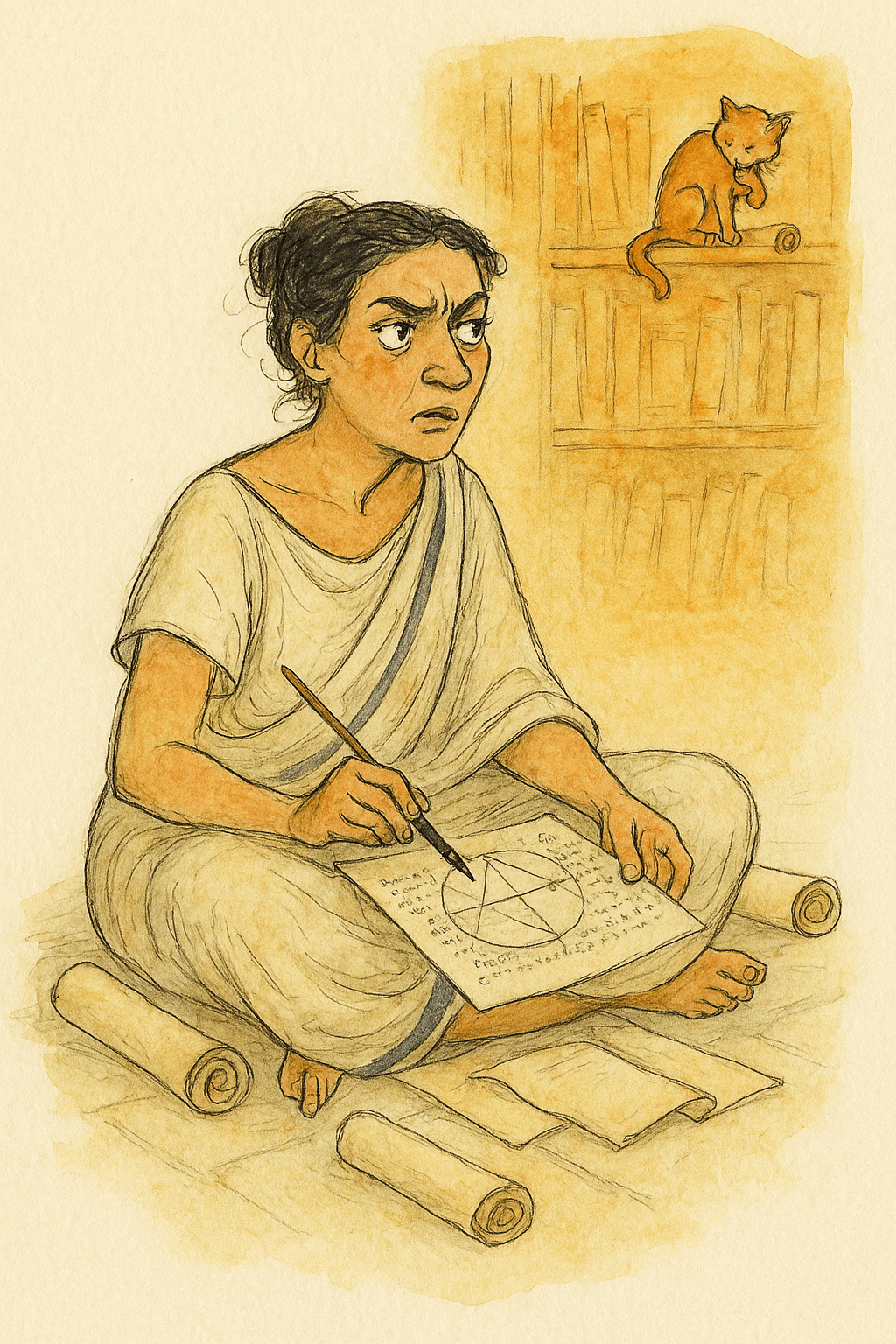
The Longest Lesson
What if every geometry proof you ever learned was actually a woman's homework assignment that outlasted most civilizations?
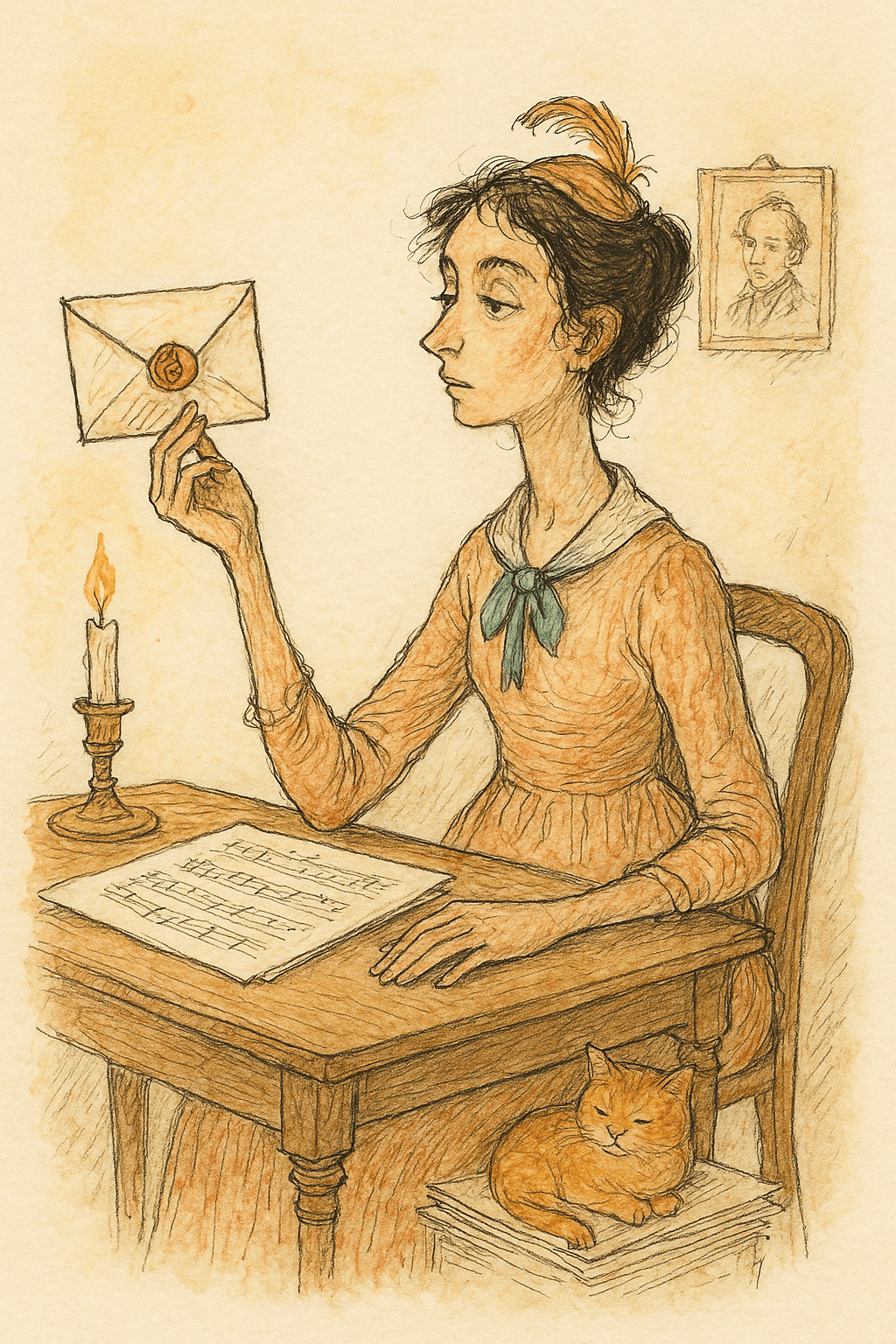
The Woman Who Got the Moonlight by Accident
The most famous piano dedication in history was a last-minute substitution, named by a man who never met her, for a woman who was busy doing other things.
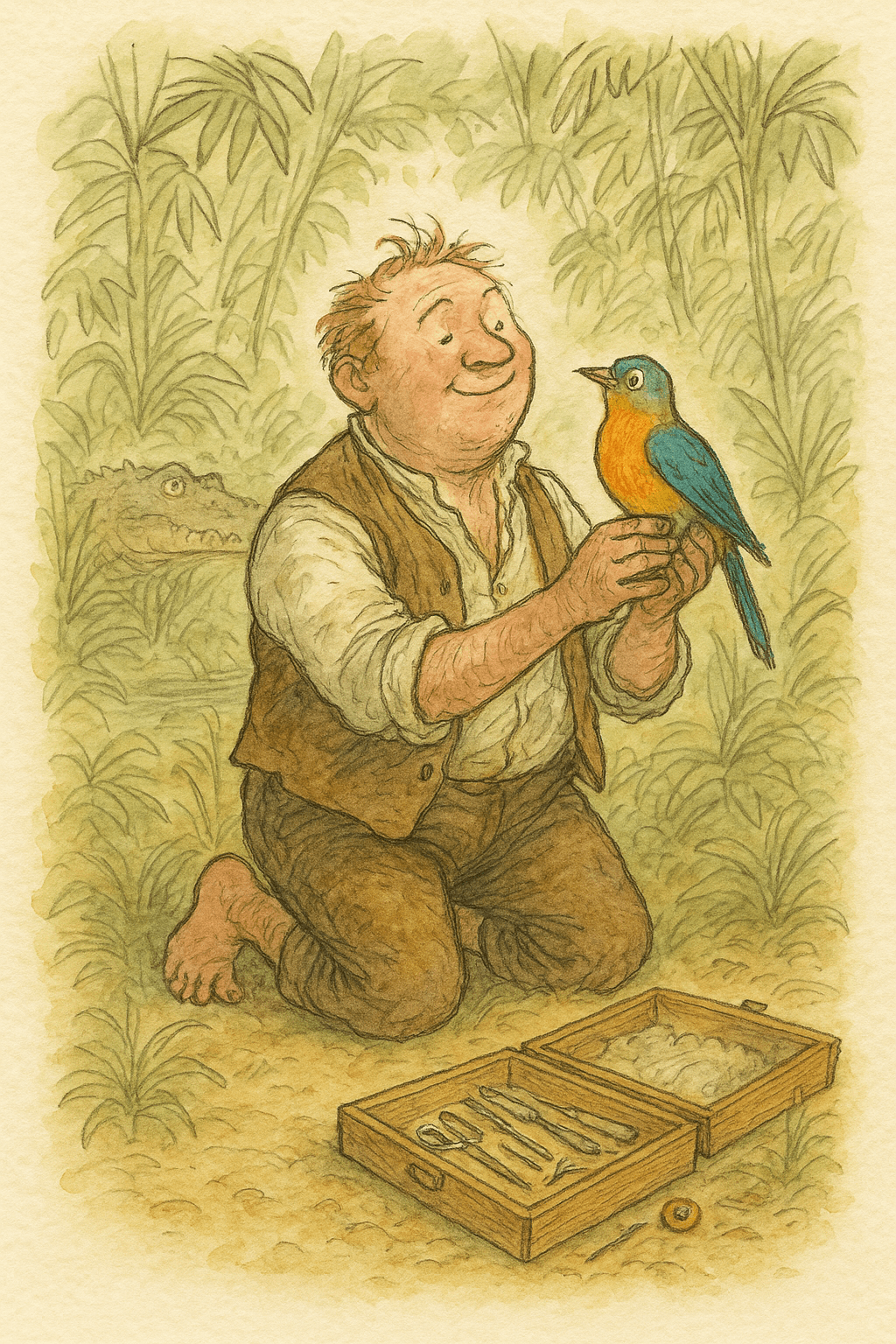
The Squire Who Taught Darwin Everything
He rode a caiman like a horse, built the world's first nature reserve, and accidentally set in motion the theory of evolution.
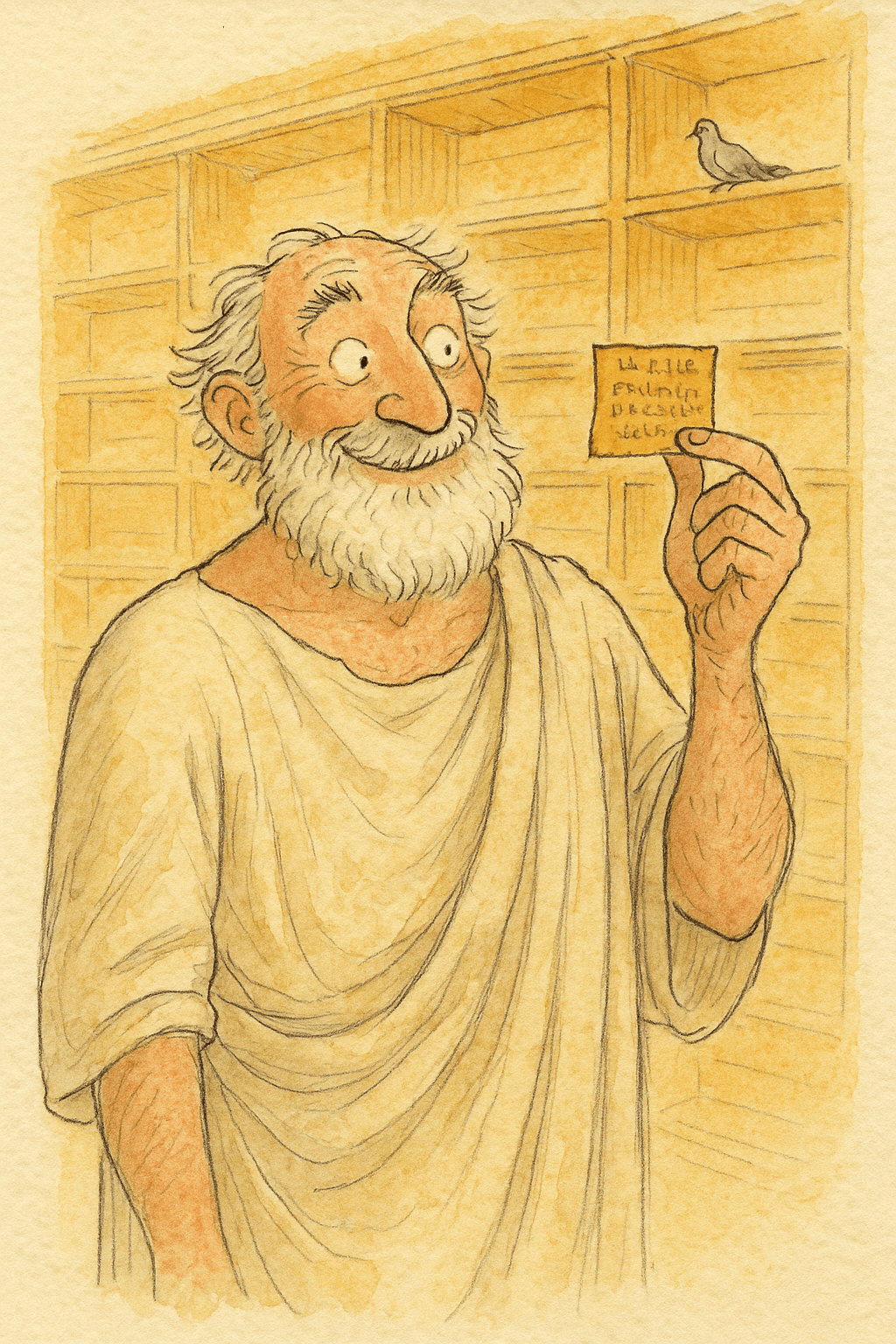
The Man Who Laughed at Everything
He correctly described the structure of all matter in the universe. Plato tried to have his books burned. Plato won.