🇩🇪 Germany
Oddlets from Germany.
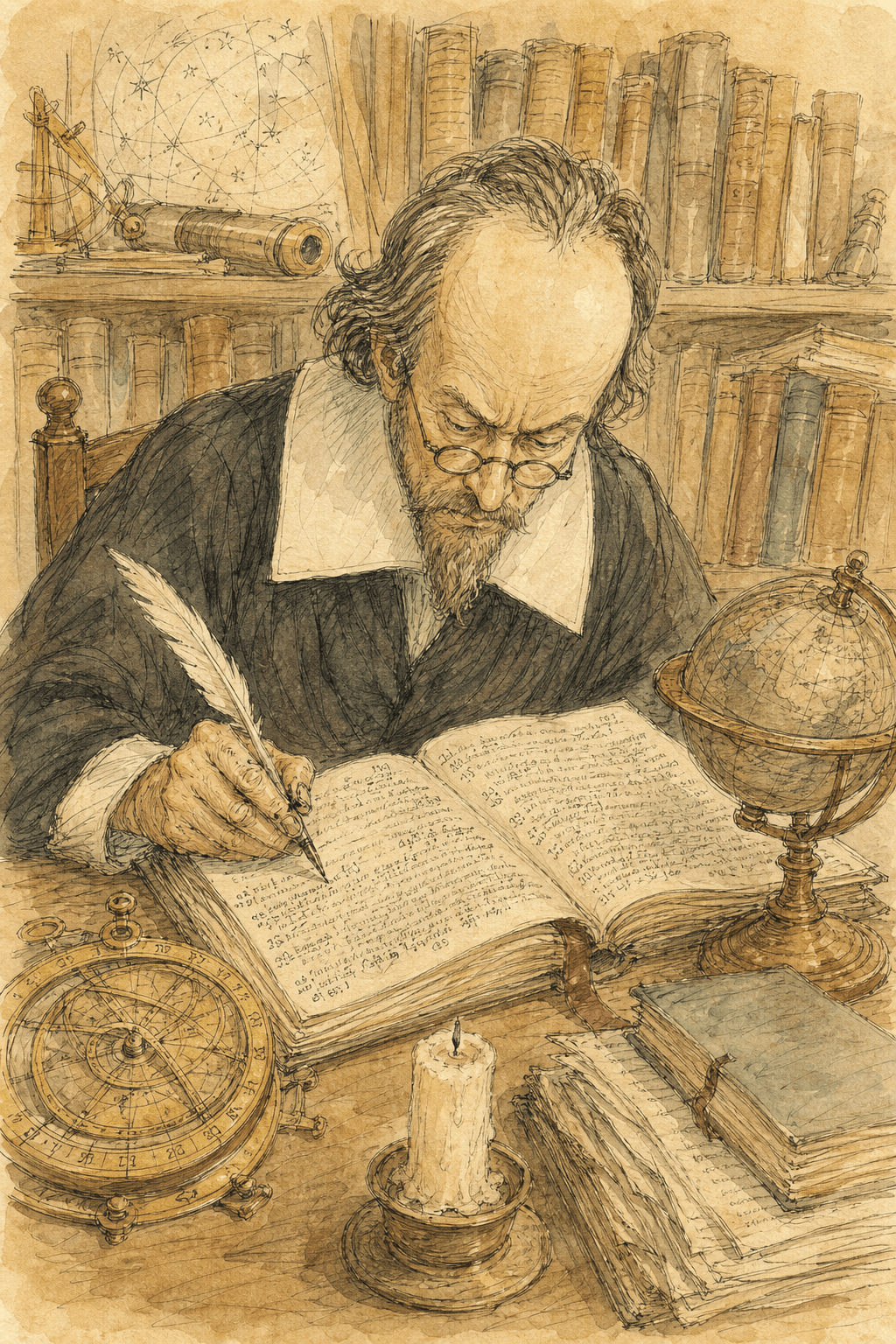
Fiolxhilde
Johannes Kepler wrote a short story about a witch who sends her son to the Moon; years after the manuscript leaked, his own mother was on trial as a witch.
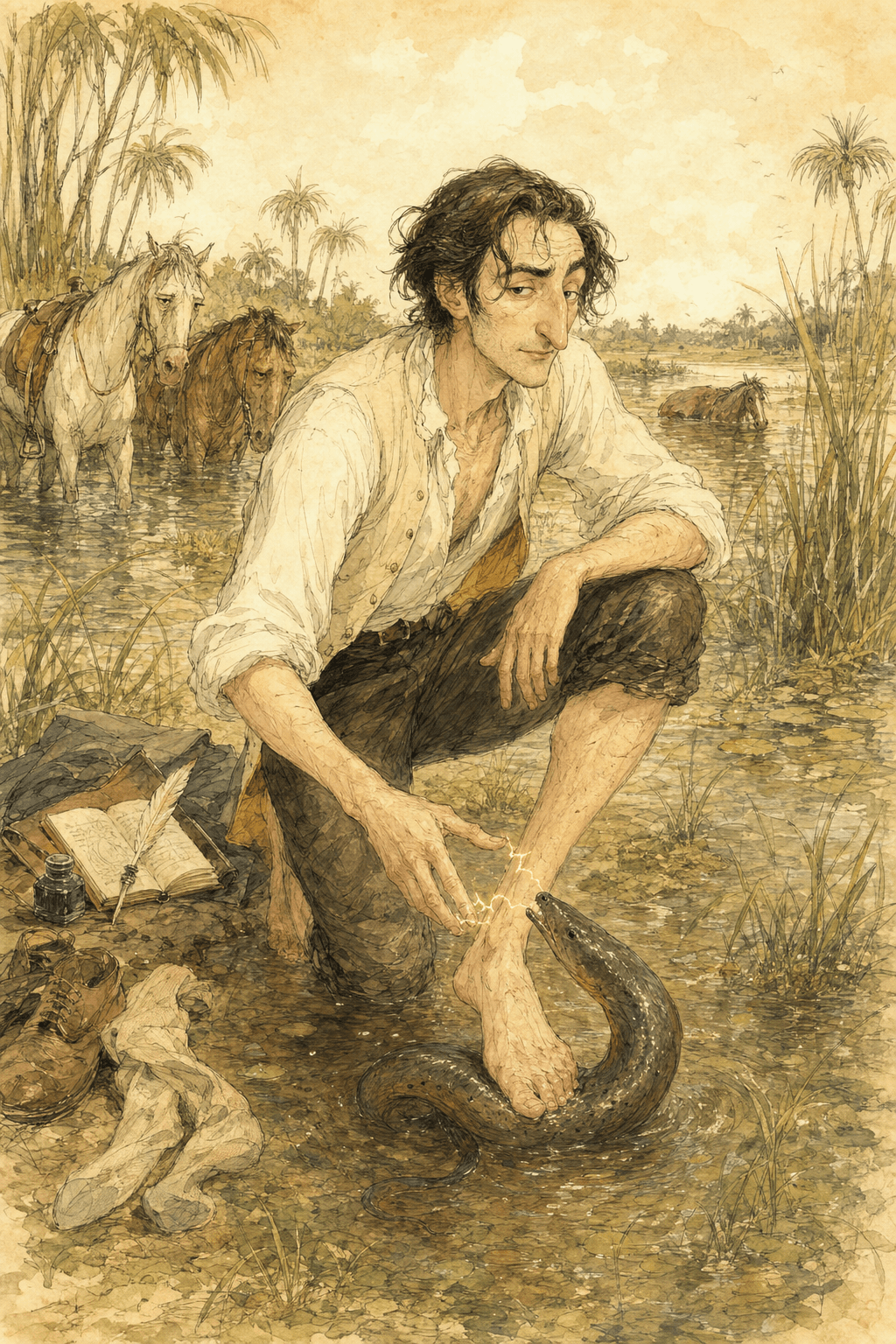
The Horses and the Eels
In March 1800, Alexander von Humboldt drove thirty wild horses into a Venezuelan pool to exhaust the electric eels, then waded in barefoot and dissected one while it kept shocking him.

The Composer Who Flooded His Neighbors
What was the greatest composer in Europe doing upstairs that kept soaking the ceiling below?
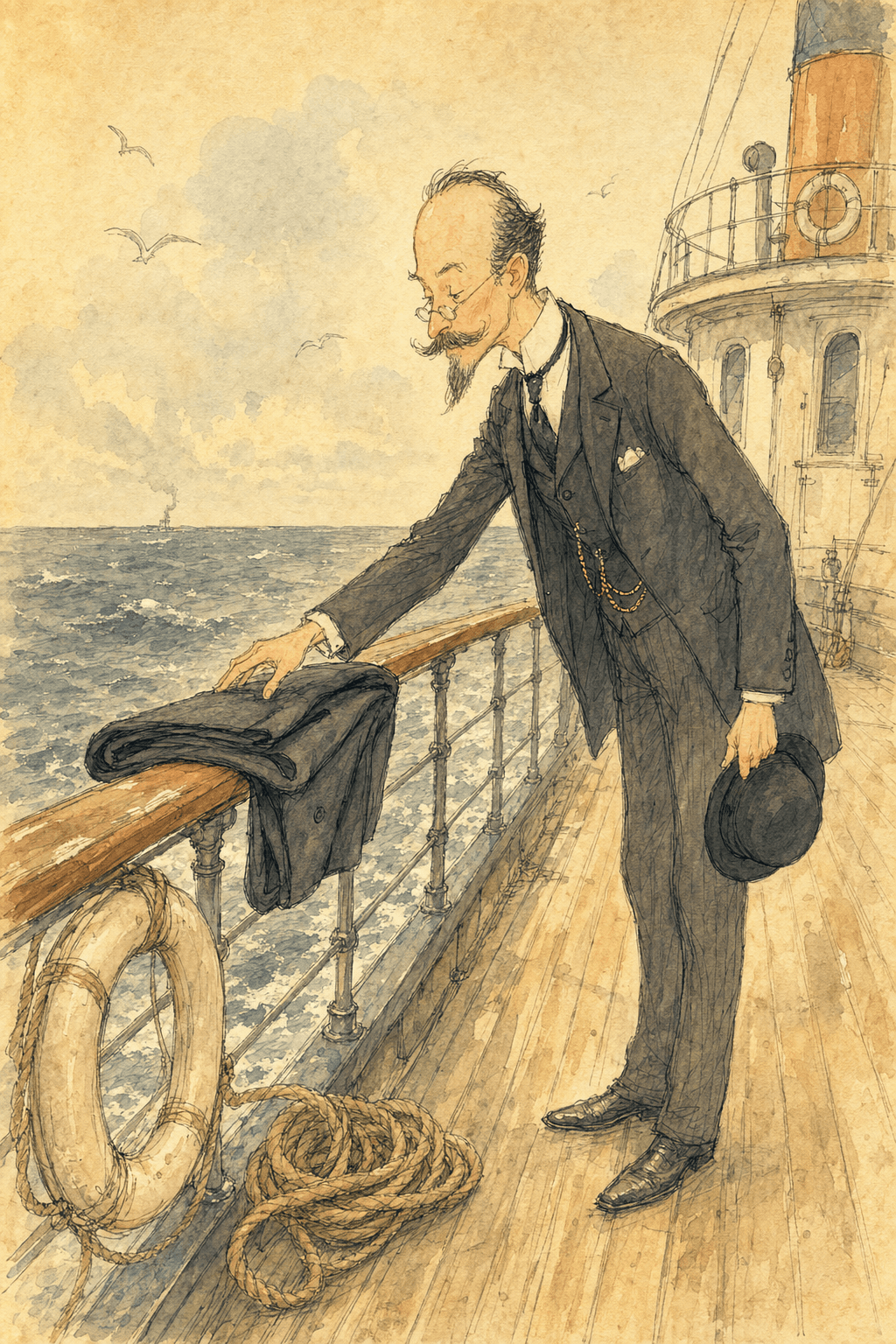
The Rational Heat Motor
Why would a millionaire inventor lay out his nightshirt, mark a small cross on his diary, and fold his overcoat beneath the railing?

The Man Who Found Troy
What does a man who made three fortunes — in indigo, saltpeter, and Sacramento gold dust — do for an encore at forty-eight?

The Spider That Was Named After Her
At fifty-two, a divorced naturalist sold every painting she owned and sailed to a malarial jungle to paint a spider no one believed existed.

The Abbess Who Hid the Grave
What does a twelfth-century abbess do when an archbishop orders her to exhume a body she has decided to keep?

Minding the Heavens
What does it take for an 18th-century woman, raised in a kitchen, to become the first person ever paid by the British Crown for science?

The Woman Who Stole the Car
Why did a woman in 1888 push an automobile down an alley at dawn while her husband slept upstairs?

Hugo Ball and the Lobster Bishop
What happens when a man in a cardboard lobster suit accidentally starts chanting Catholic mass?

The Liar's Liar
What happens when a wanted gem thief decides he's the right person to publish someone else's tall tales?

The Man Who Translated Everything Wrong
He translated the hieroglyphics on a famous Roman fountain. They are complete nonsense, chiseled in stone, and tourists photograph them every day.