A cabinet of lovable weirdos
Tiny true stories,
lovingly odd.
Weird science, forgotten history, and human quirks — each one true, each under a minute, each a little stranger than you’d expect.
Latest
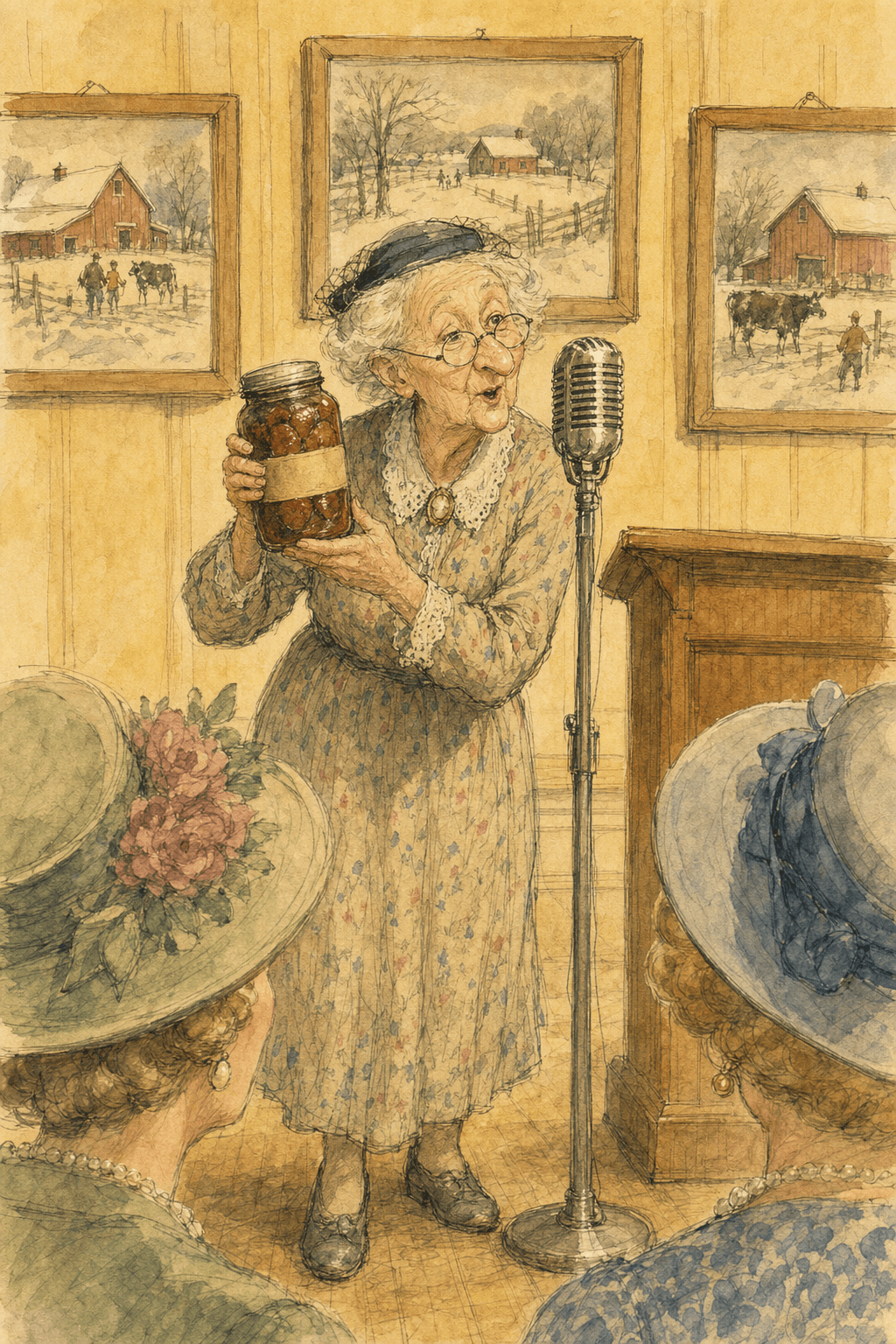
Grandma Moses
Ribbons for the Jam
At the Cambridge Country Fair, Anna Mary Robertson Moses entered her paintings alongside her preserves, and won ribbons for the jam.
At seventy-six, arthritis ended her embroidery, so she took up painting — house paint on Masonite, glitter for snow. She entered canvases beside her preserves at the county fair and won ribbons for the jam. Her name was Anna Mary Robertson Moses.
Read this oddlet →
The Rubber Man
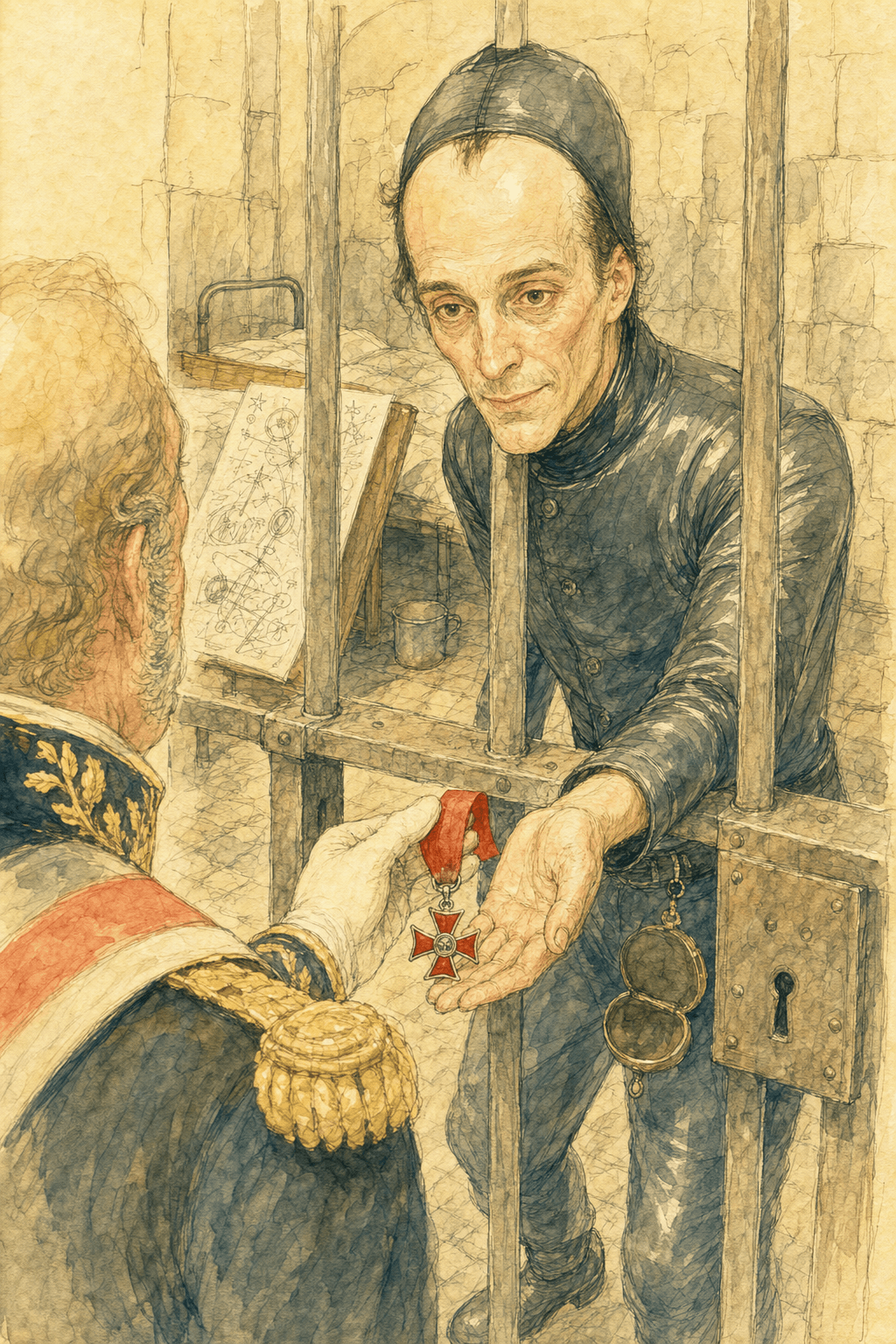
The man who invented vulcanized rubber spent $30,000 he didn't have to build a palace of rubber furniture inside a building made of glass.
The Woman Who Drew Sound
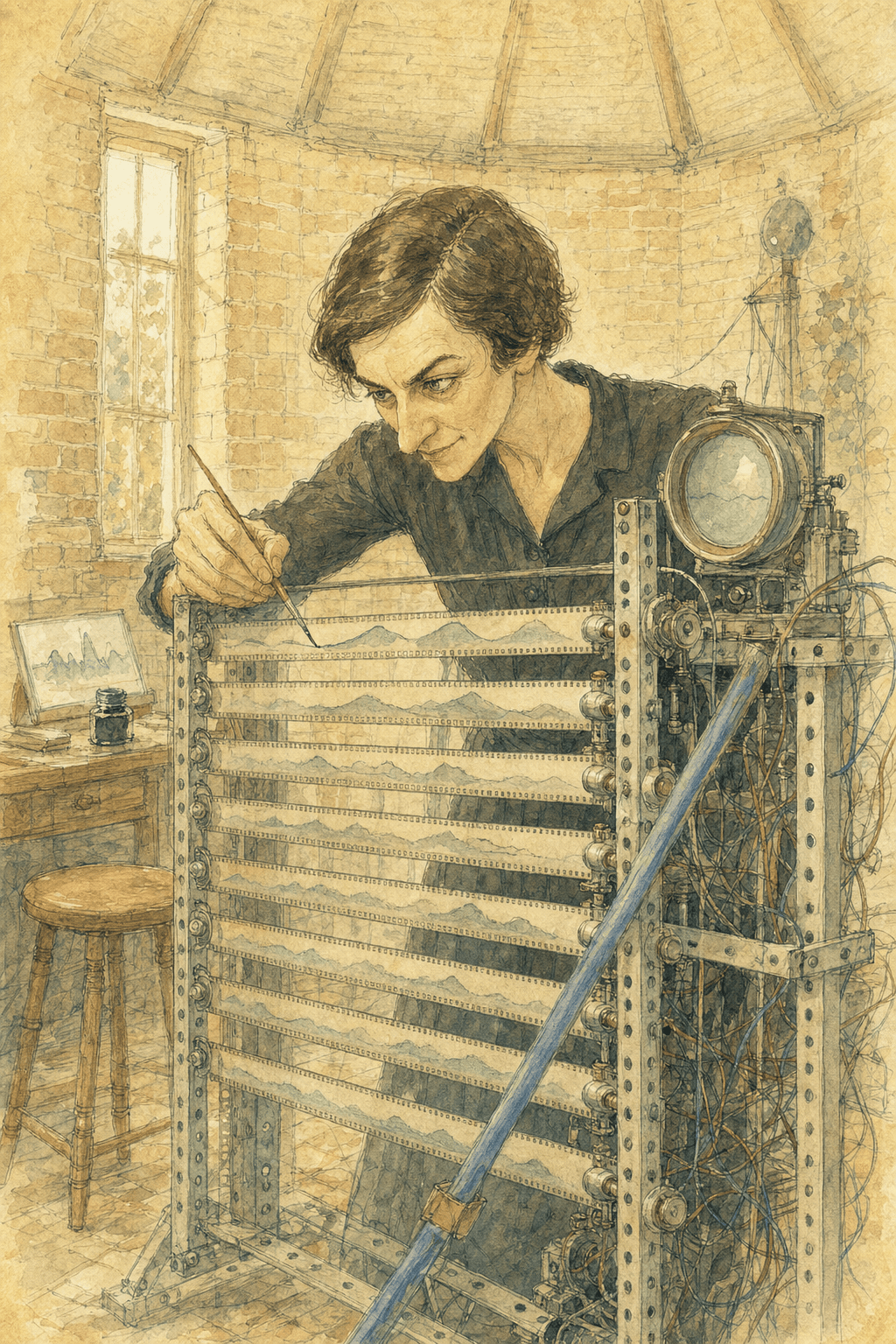
She quit the BBC Radiophonic Workshop within months of founding it, because the hearing-protection rule was applied only to her.
The Man Who Saw With His Ears
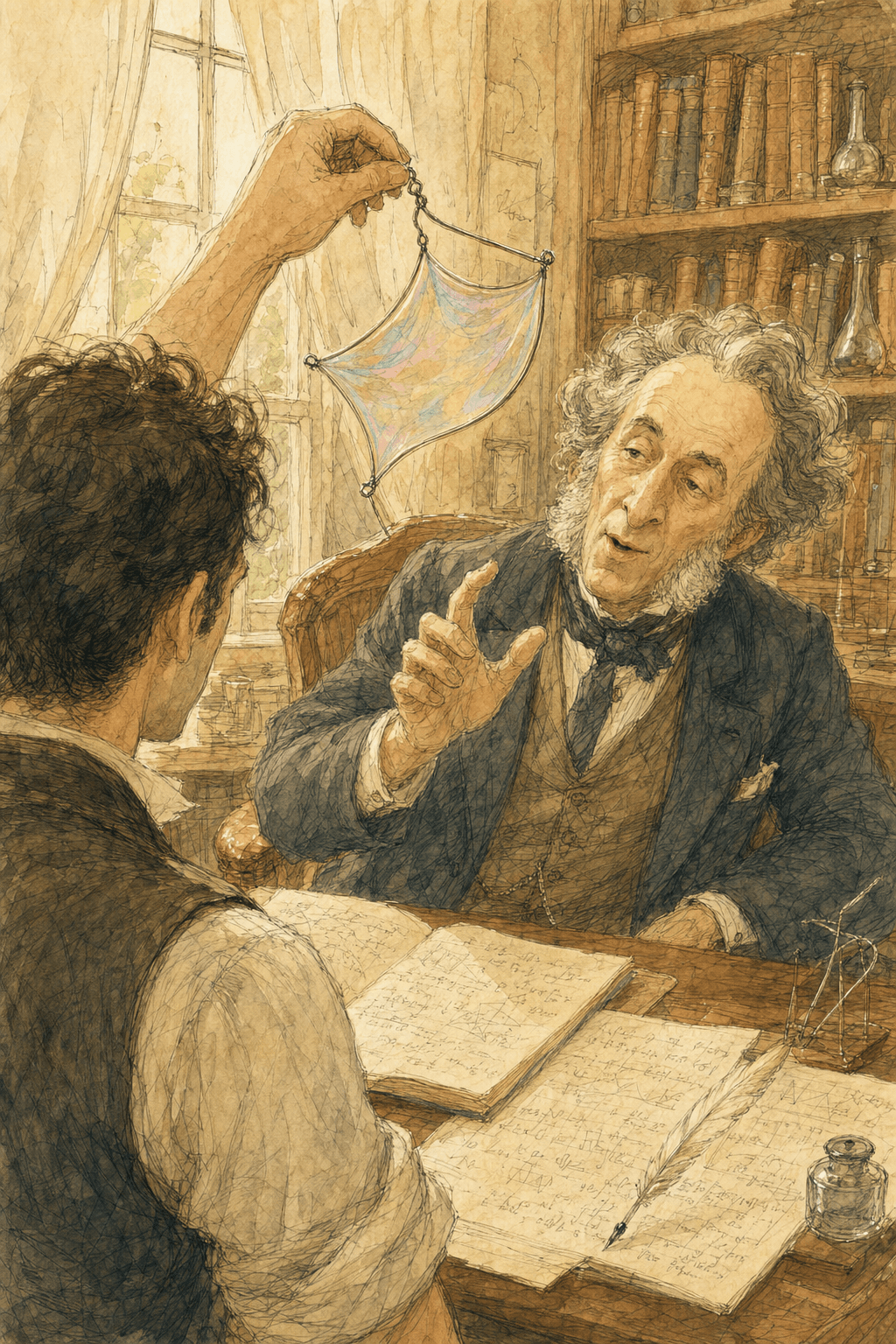
What does geometry sound like when you can only hear it described?
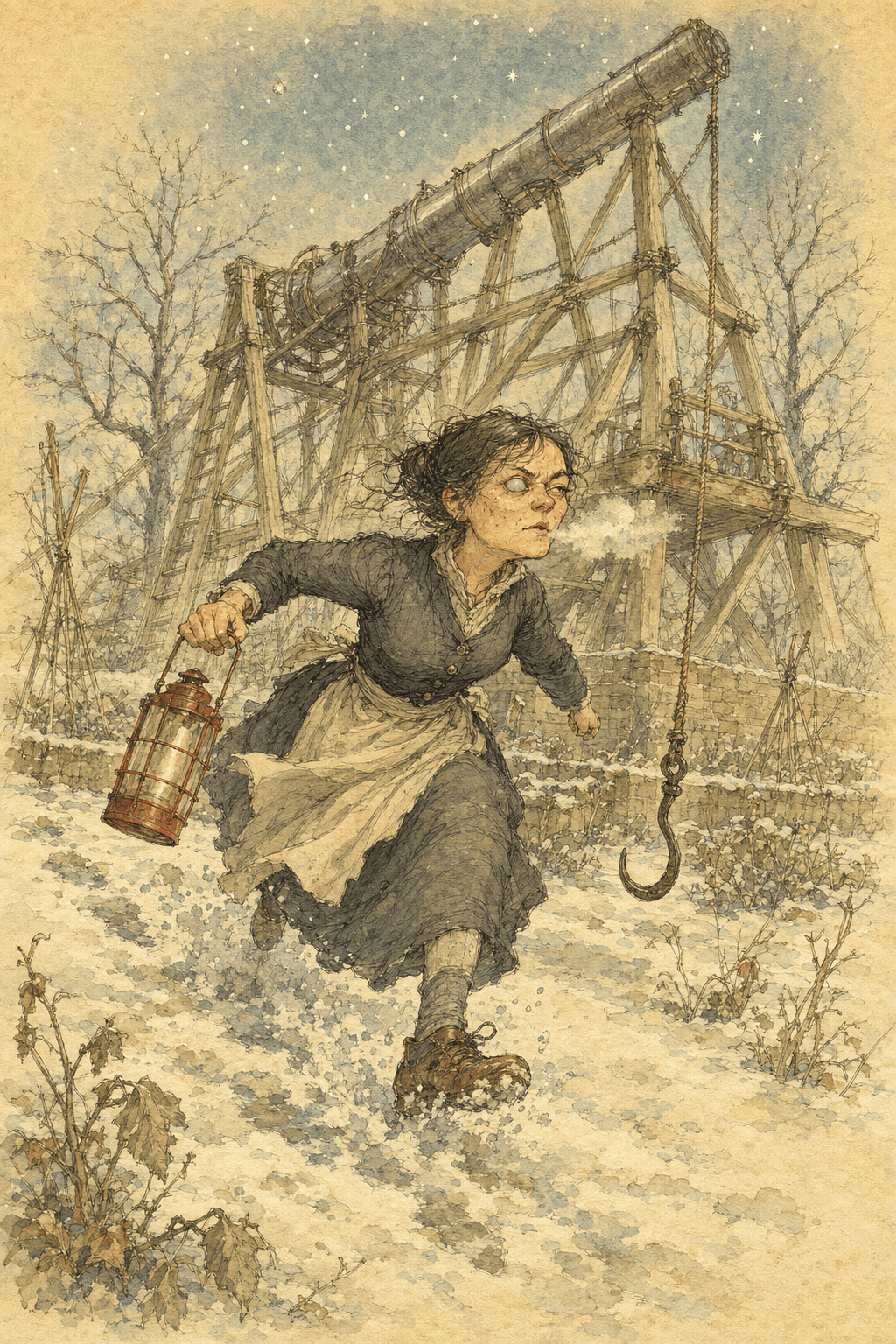
Minding the Heavens
What does it take for an 18th-century woman, raised in a kitchen, to become the first person ever paid by the British Crown for science?

The Necessary Jew
A terrified little man taught crafts to bored teenagers in Drohobycz and wrote two of the strangest books of the twentieth century, until the SS officer next door decided he wanted a Jew of his own.
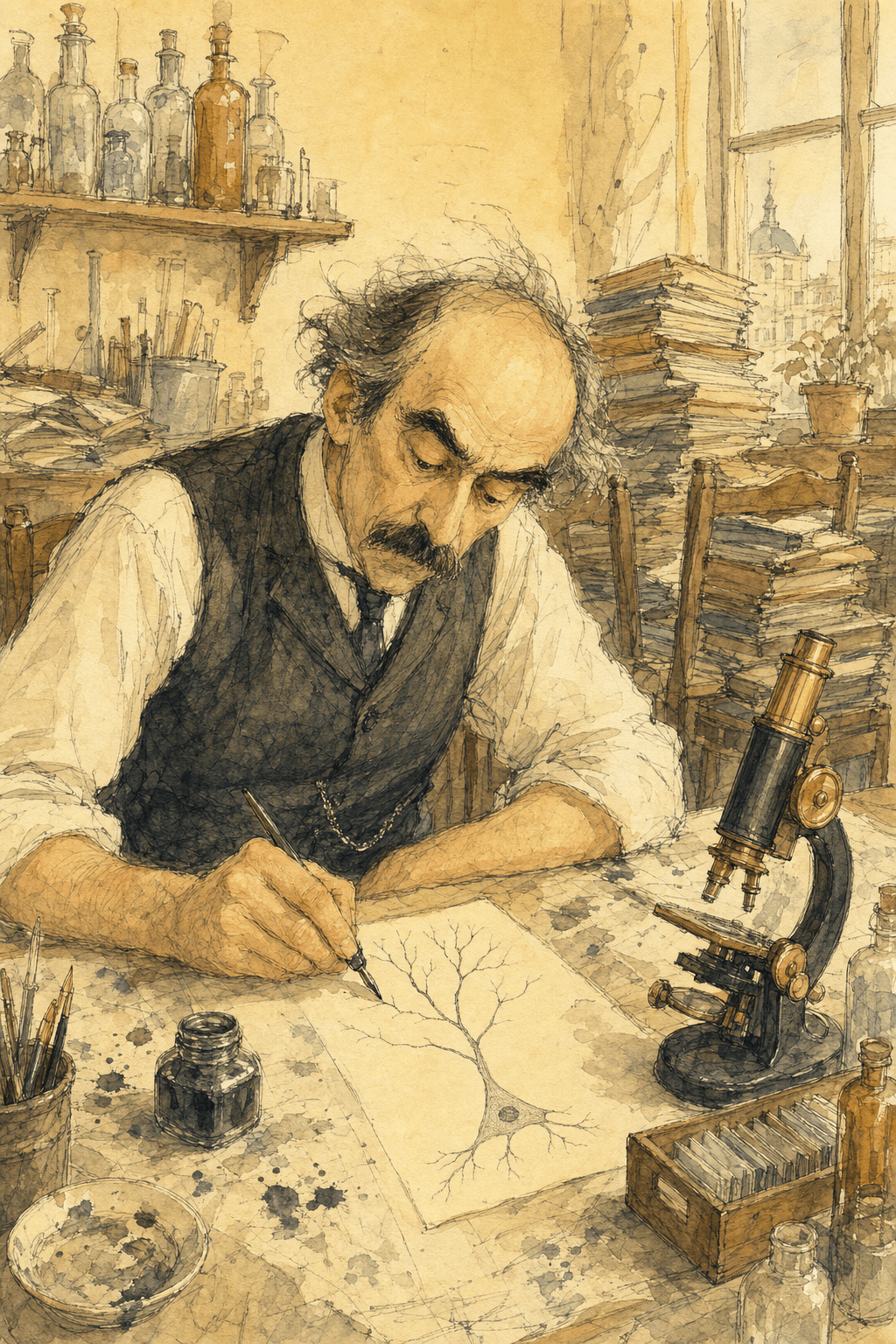
The Butterflies of the Soul
He won the 1906 Nobel Prize for proving the brain is built from separate cells. He found out by drawing them, on an ink-stained tablecloth, for fifty years.
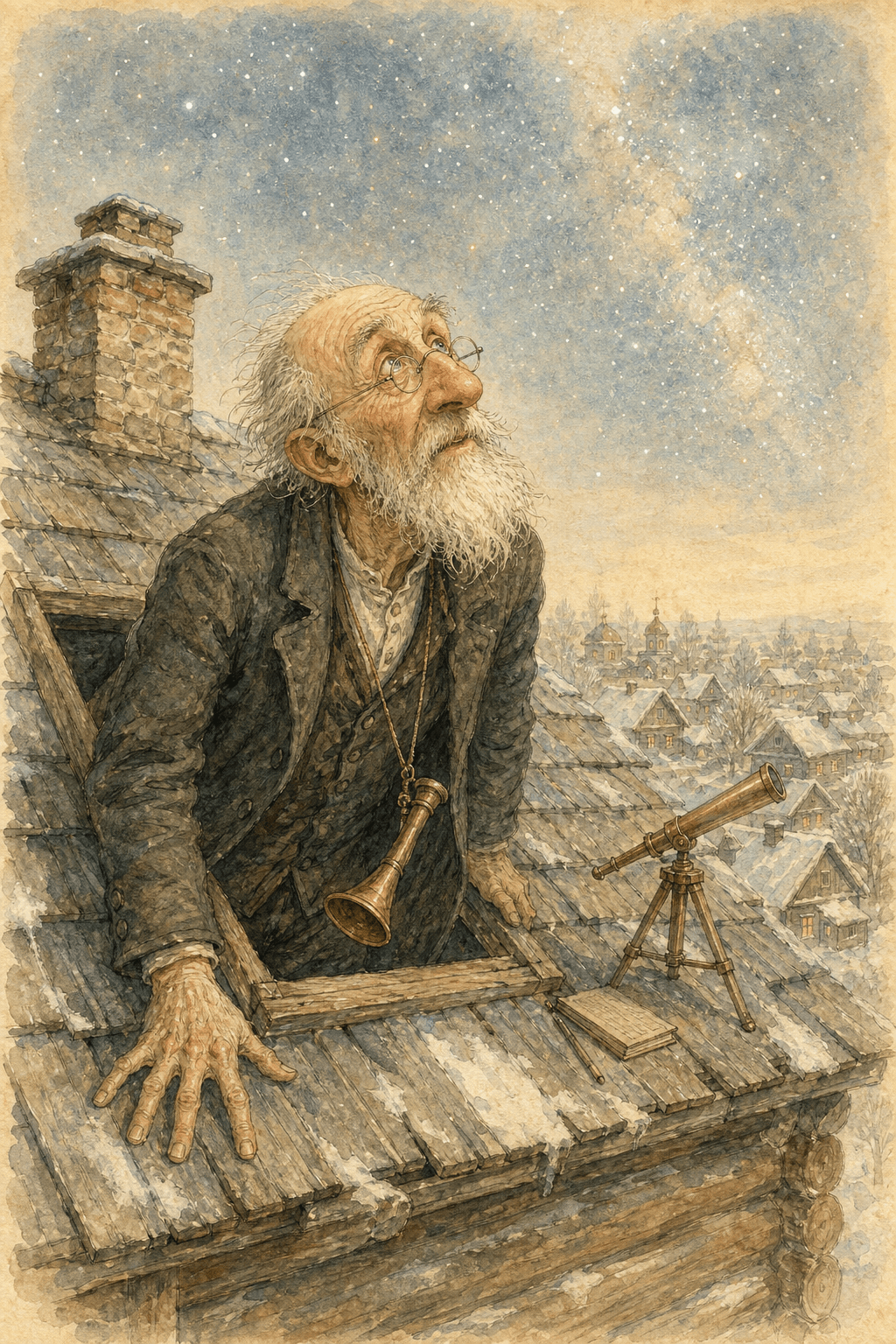
The Birthday Cake
A deaf arithmetic teacher in a Kaluga log cabin derived the rocket equation between marking schoolboys' sums, and kept a trapdoor in his ceiling his family called the door to outer space.

The Tweed Jacket in Nuristan
What does a man who crossed the Empty Quarter twice on a camel pack for a Himalayan winter?
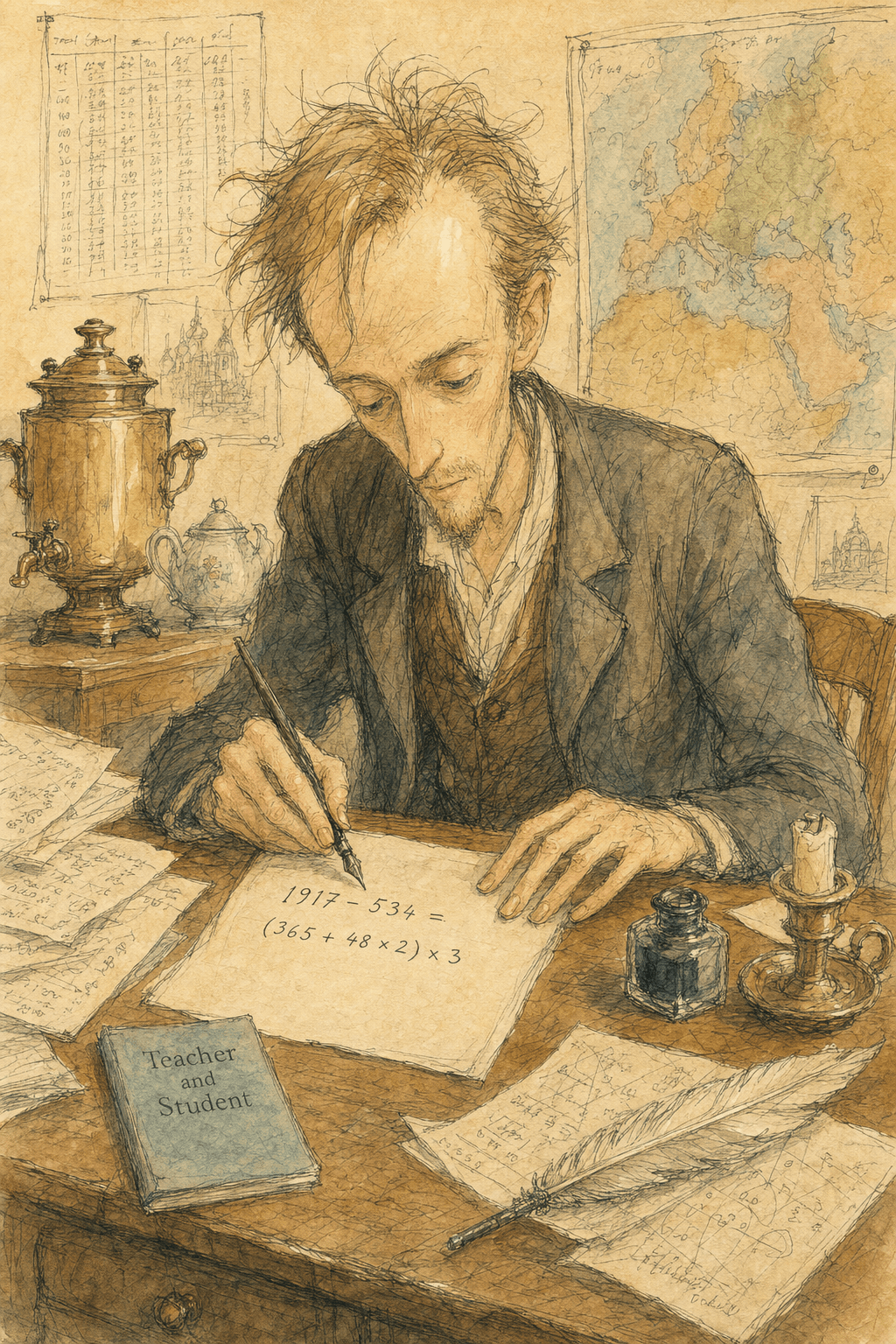
The King of Time
A Russian poet did the math on every empire that ever fell, got an answer, and predicted the Russian Revolution five years early in a pamphlet nobody read.
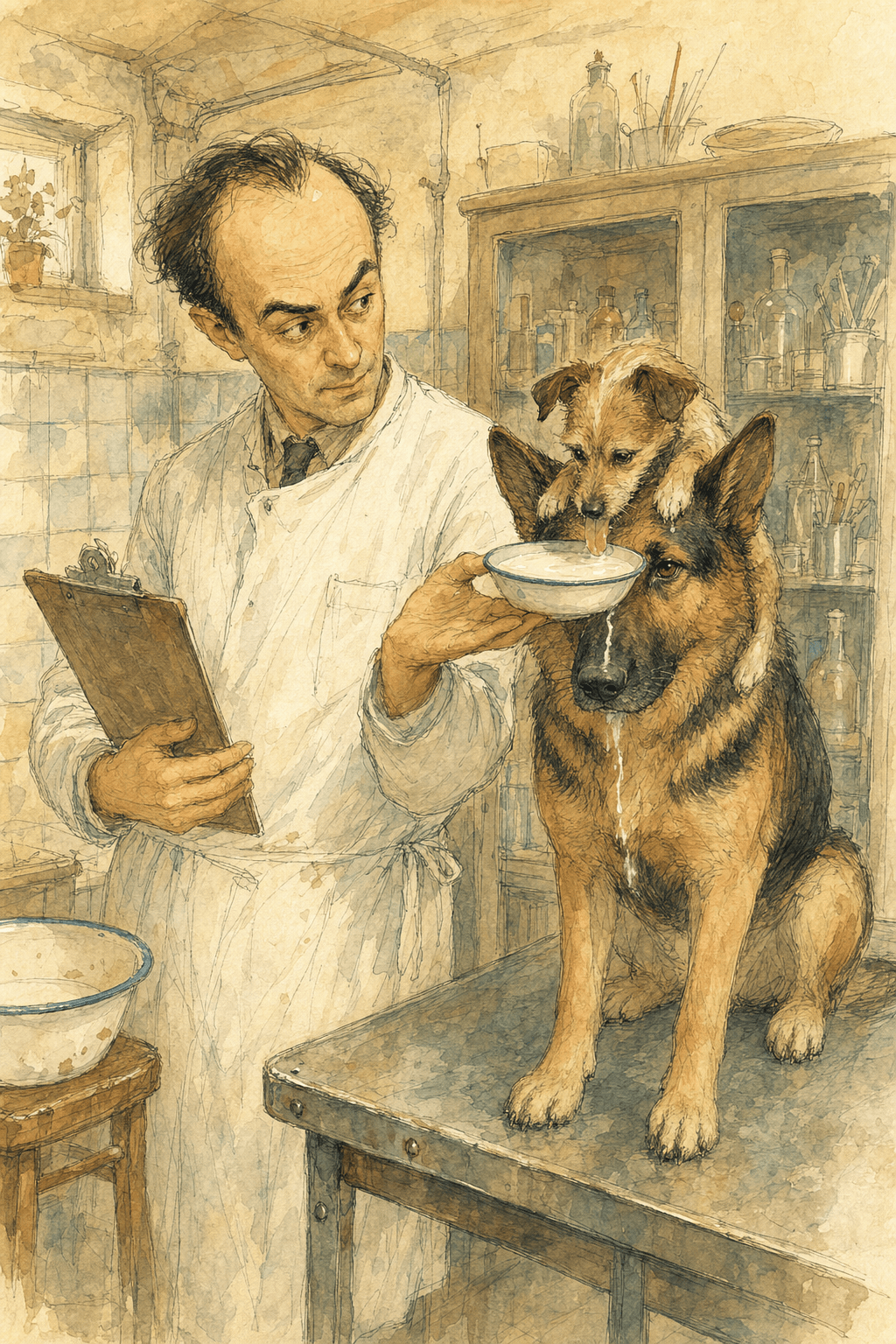
The Milk Came Out the Neck
A Soviet surgeon coined the word transplantology, taught the man who did the first human heart transplant, and spent his afternoons sewing puppy heads onto German shepherds.

The Second Television
Paul Dirac's colleagues measured his speech in a unit they invented: one word per hour.
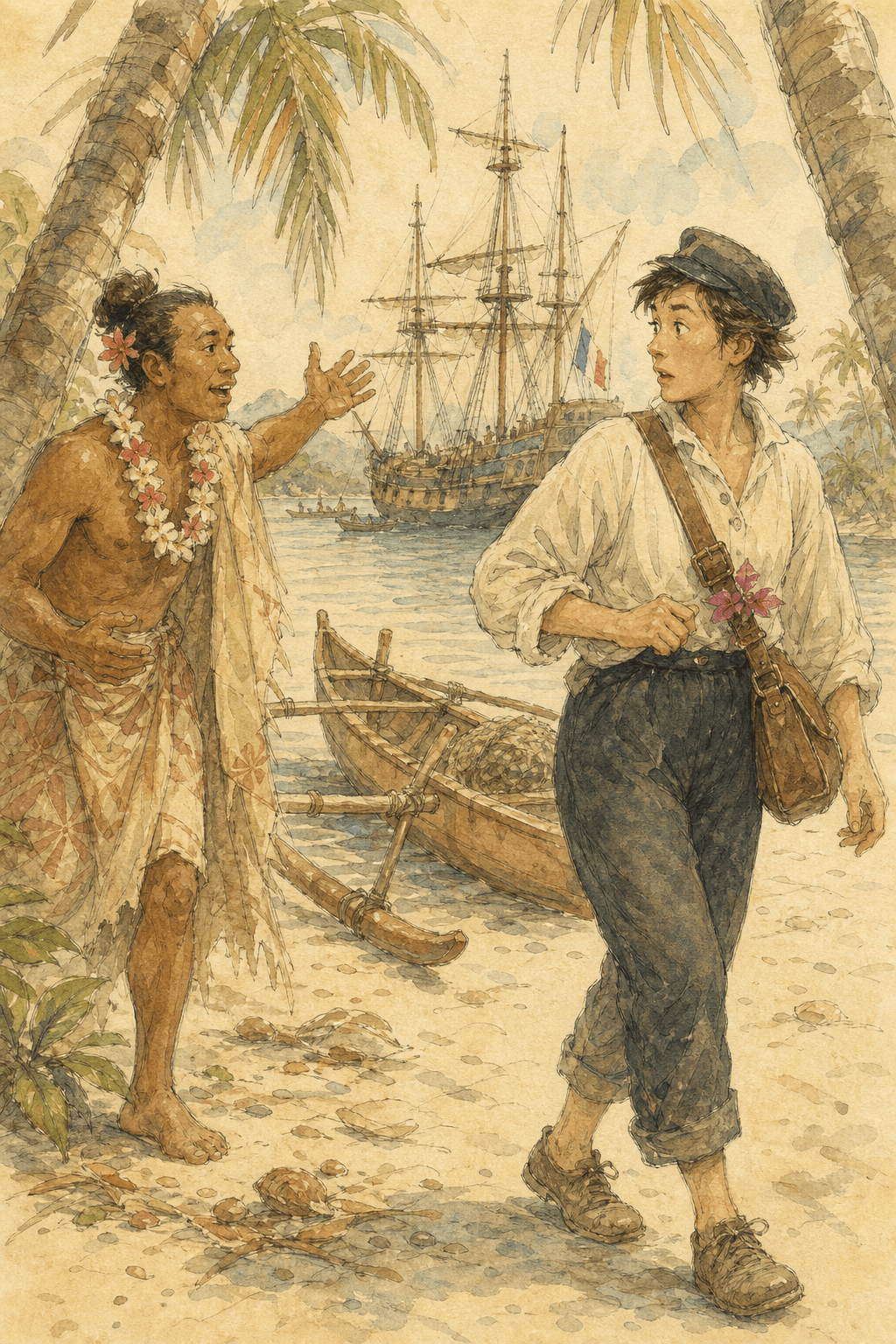
The Valet
How does a disguise that fooled 116 French sailors for sixteen months collapse the instant its wearer steps onto a Tahitian beach?