defiance
People who were told no and heard it as a dare.
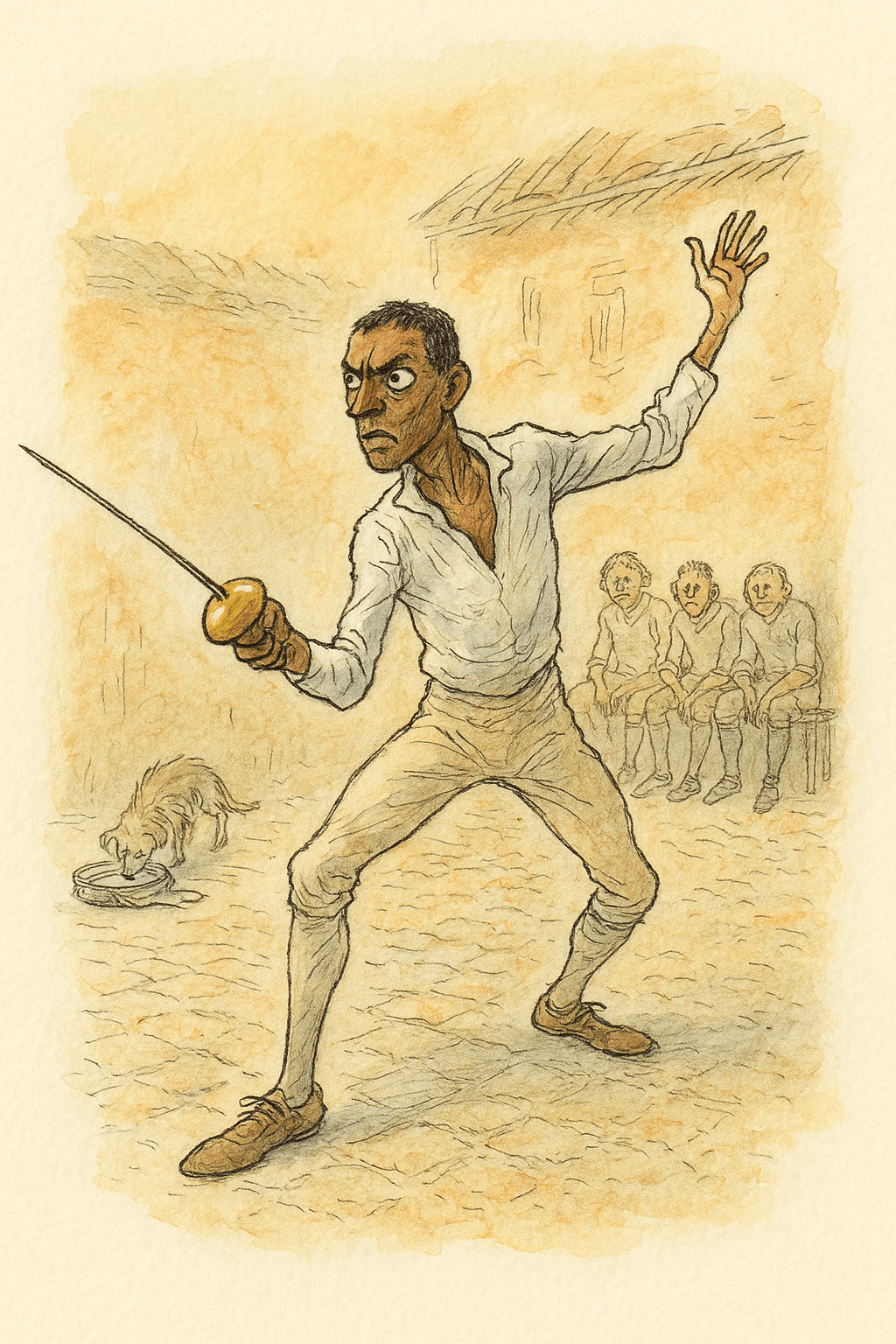
The Chevalier Who Wouldn't Lie Down
What kind of person enters a fencing tournament against an entire garrison while their brain is swelling inside their skull?
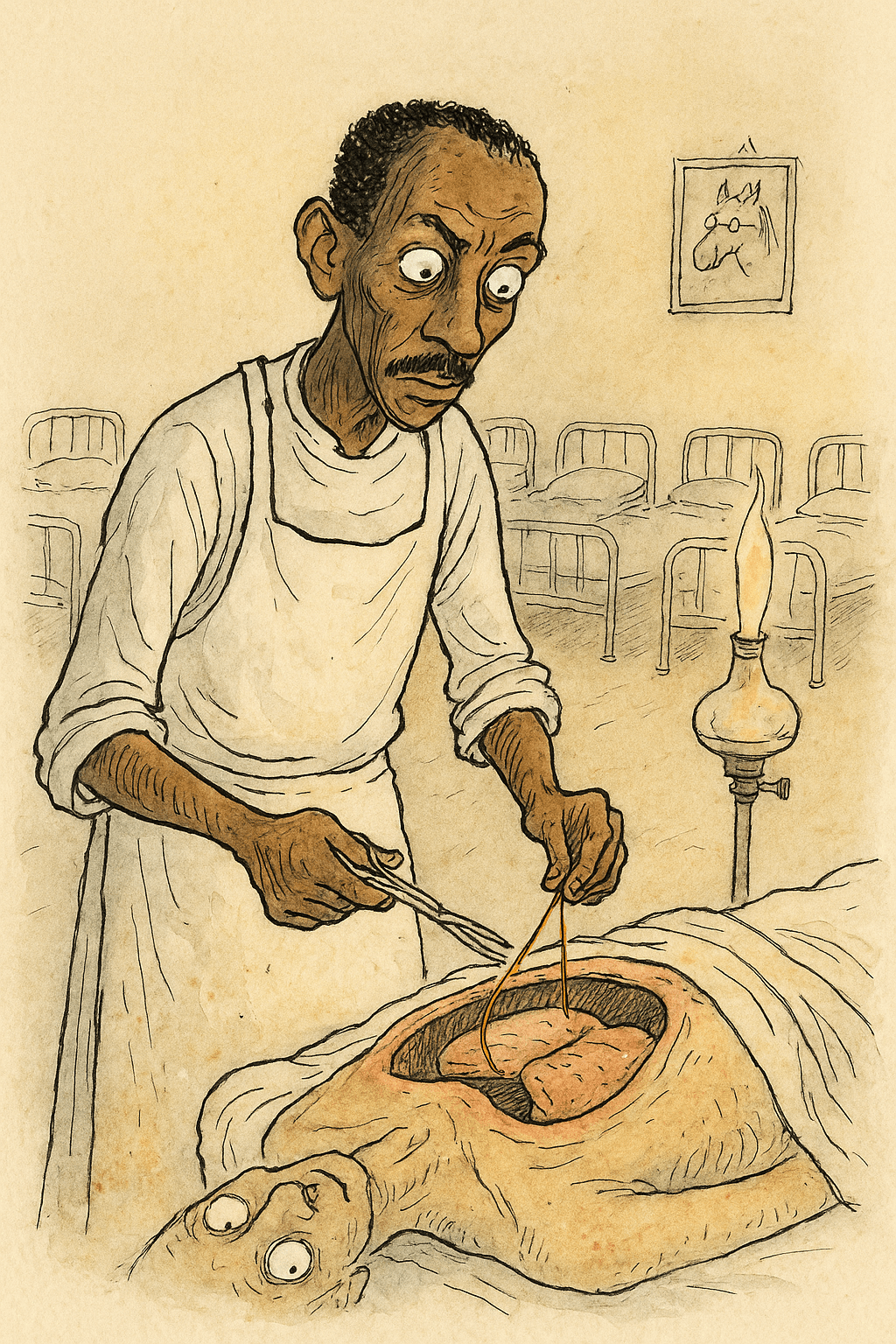
The Man Who Sewed Up a Heart
What happens when a former barber decides to stitch a beating heart by lamplight, twelve years after the most famous surgeon on Earth said it couldn't be done?
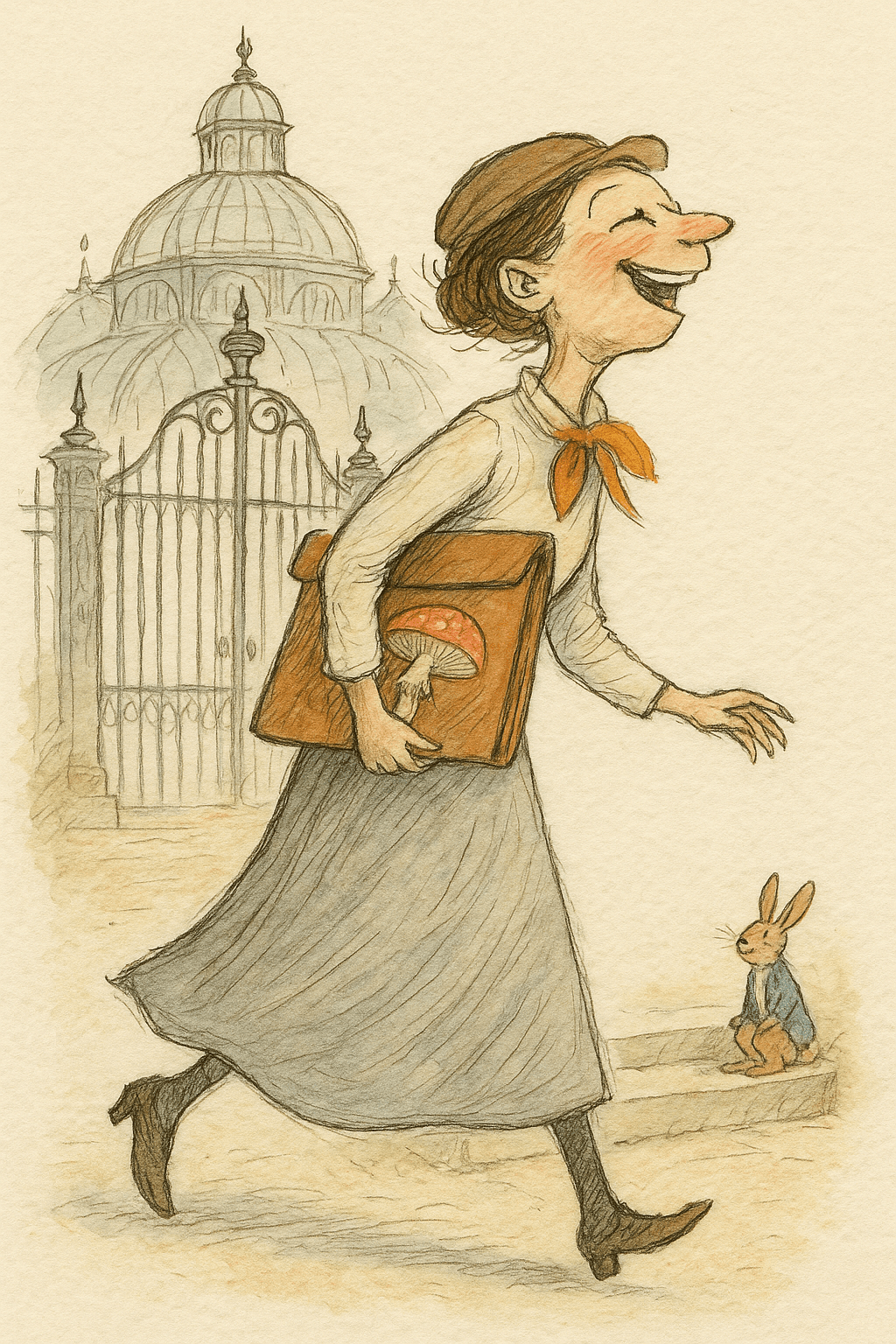
The Giggling Mycologist
What kind of person gets laughed out of the British scientific establishment and leaves giggling?
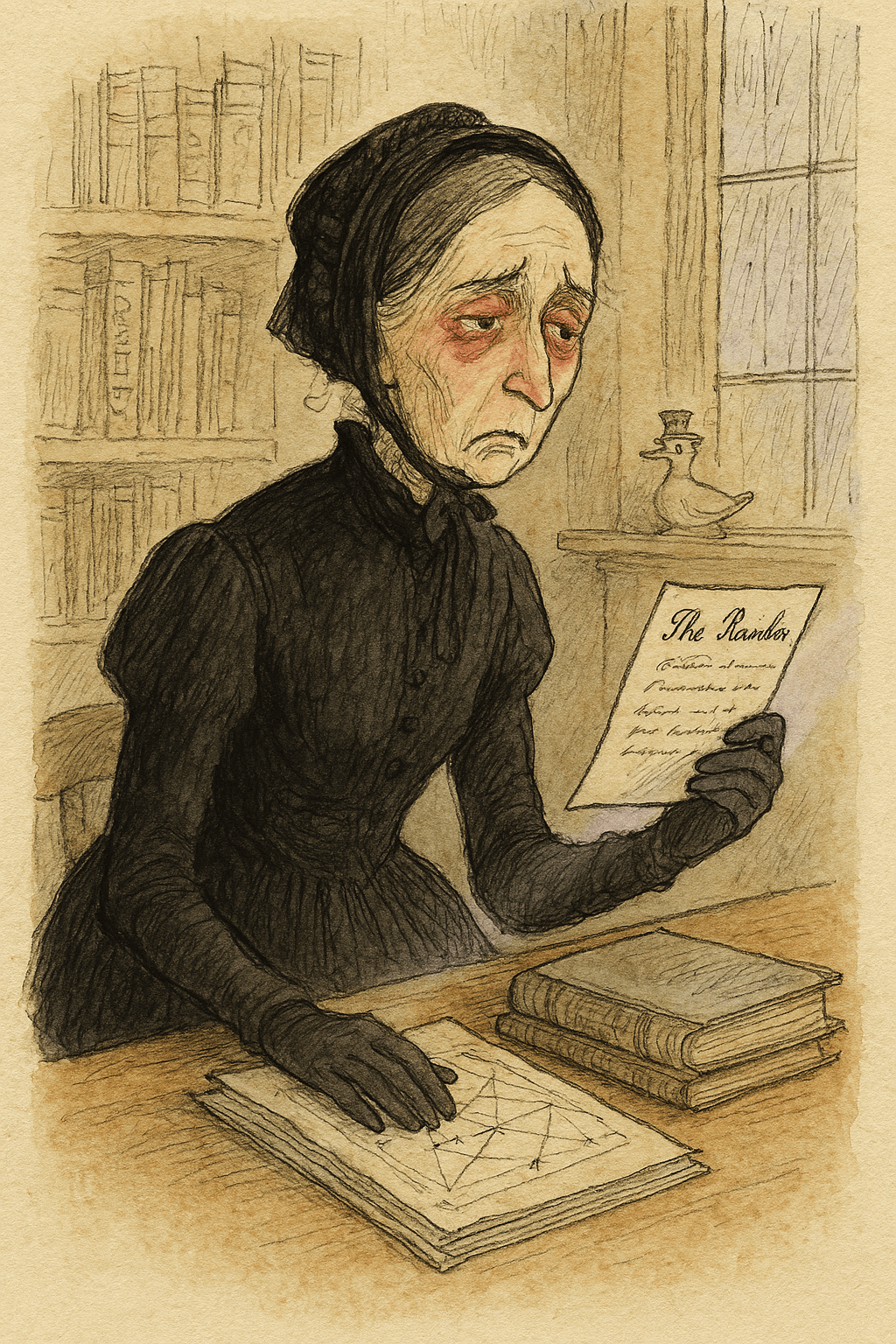
The Princess of Parallelograms
What happens when you raise a poet's daughter on pure mathematics and ban every verse from the house?
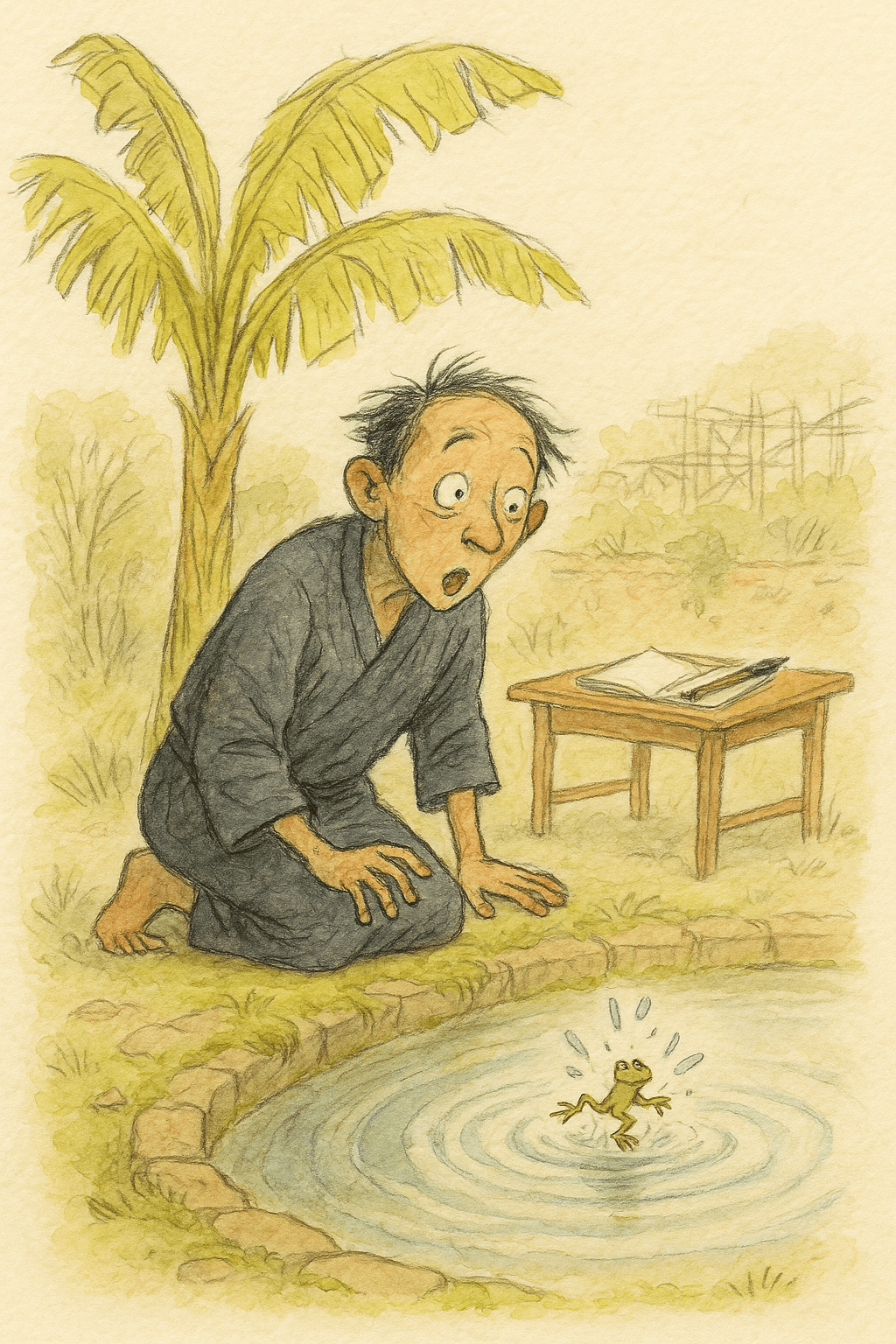
Matsuo Bashō
What does a man who spent four years managing pipes hear when a frog hits a pond?
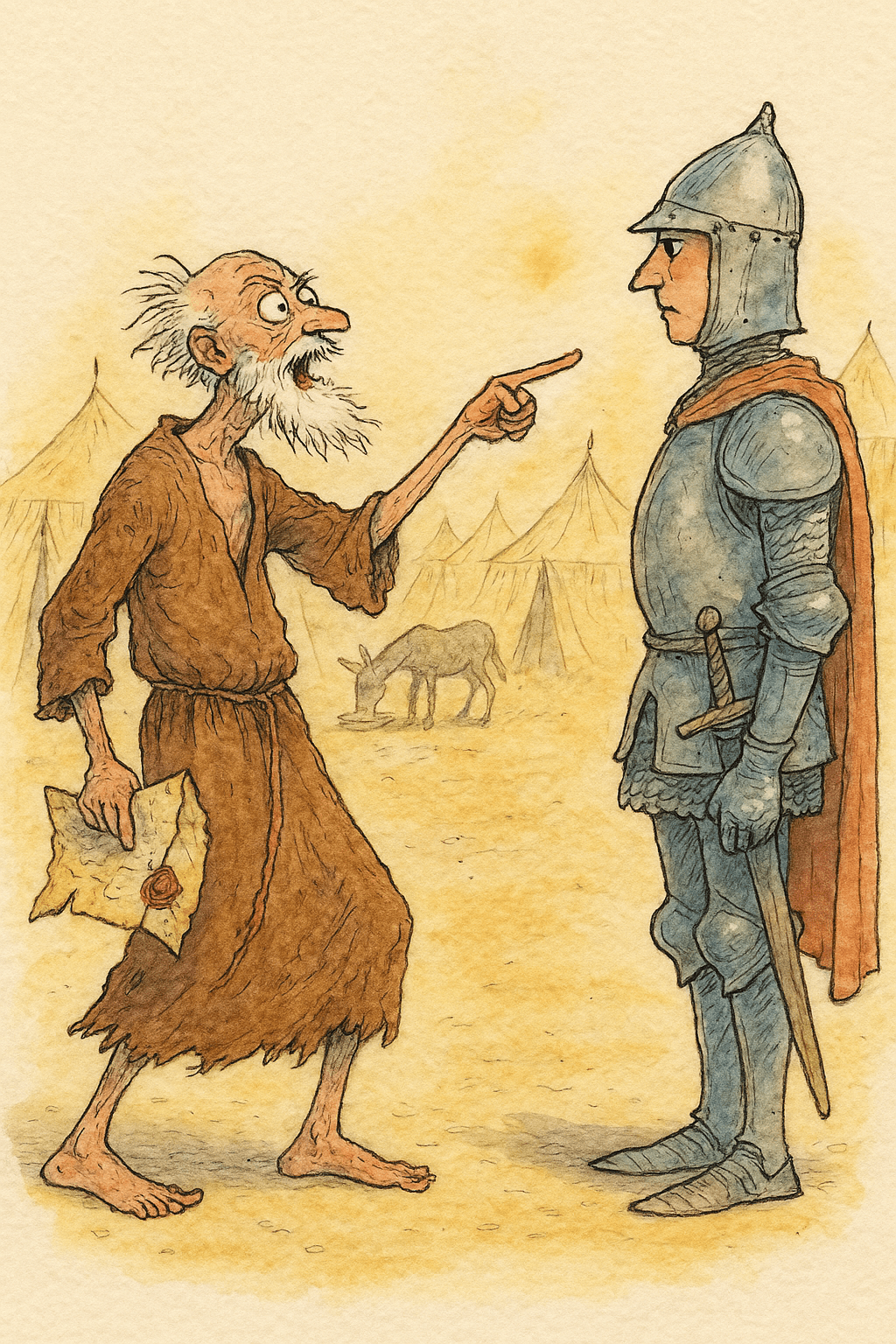
Peter the Hermit and the Donkey
What kind of person gets caught deserting during a famine, weeps, is pardoned, and then gets promoted to diplomat?
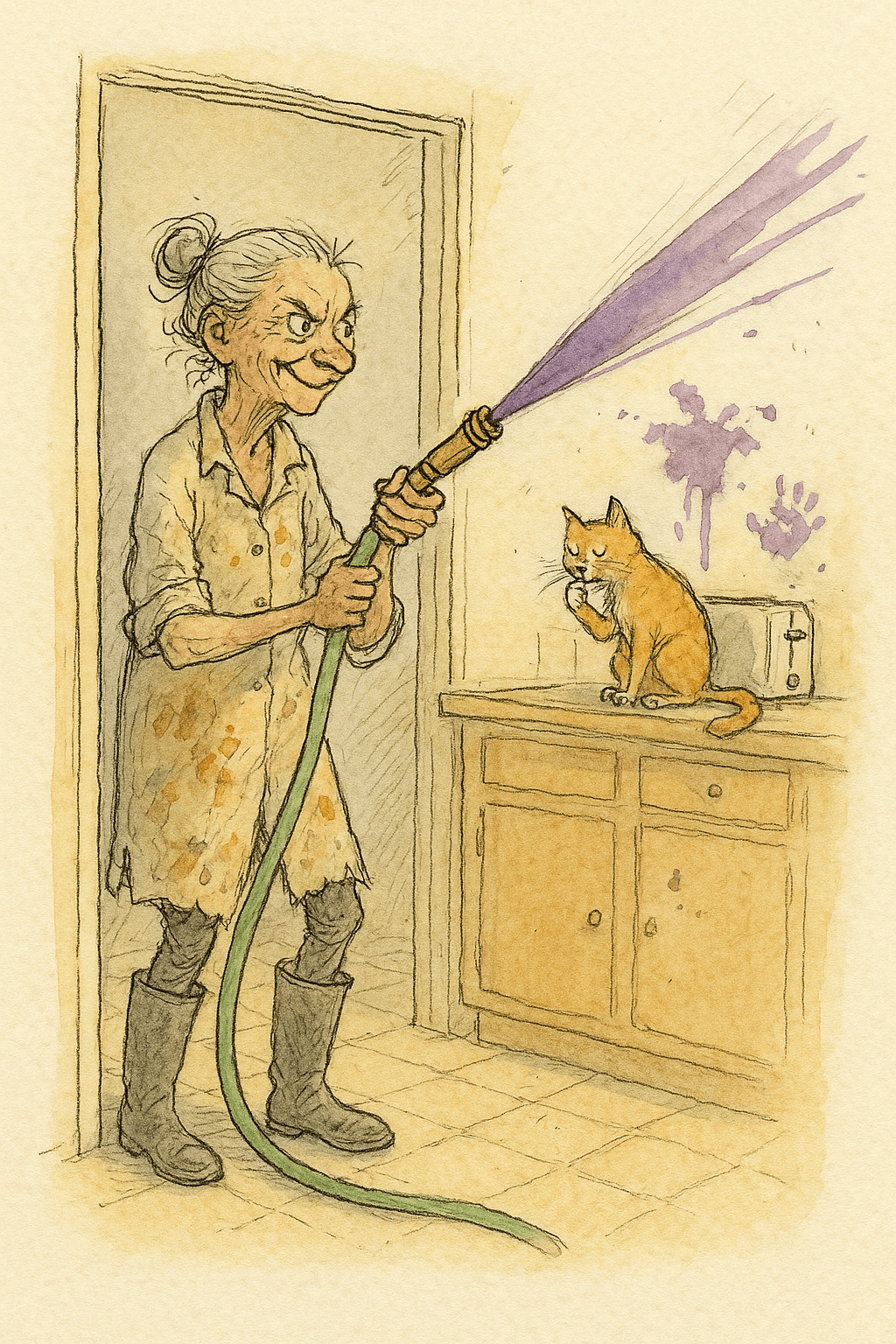
The Dog Got Clean Too
What happens when a woman who holds thirty-six patents and hates cleaning drags a garden hose into her kitchen?
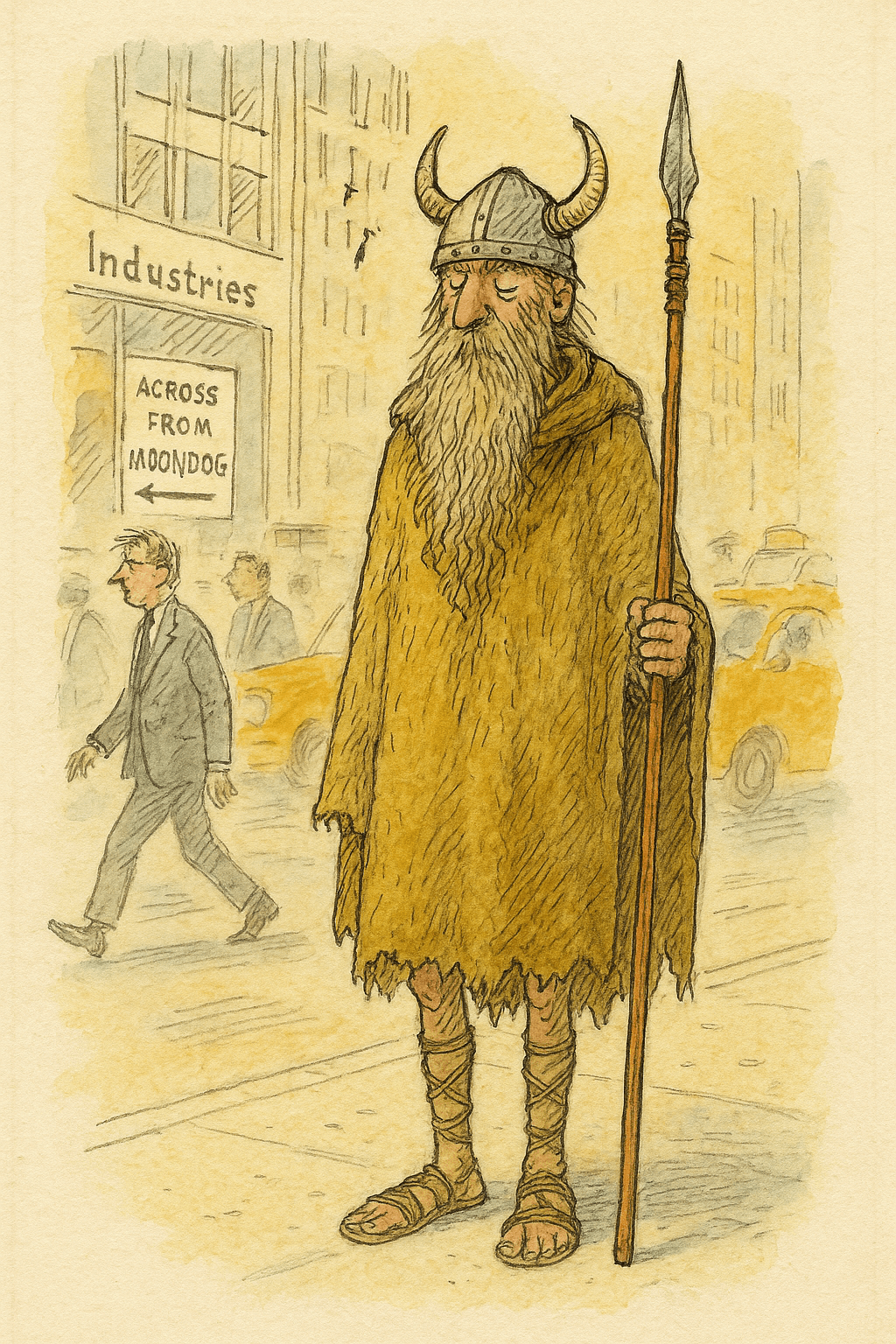
The Viking of Sixth Avenue
What happens when a blind composer in a Viking helmet stands on the same Manhattan corner for thirty years and becomes more famous silent than playing?
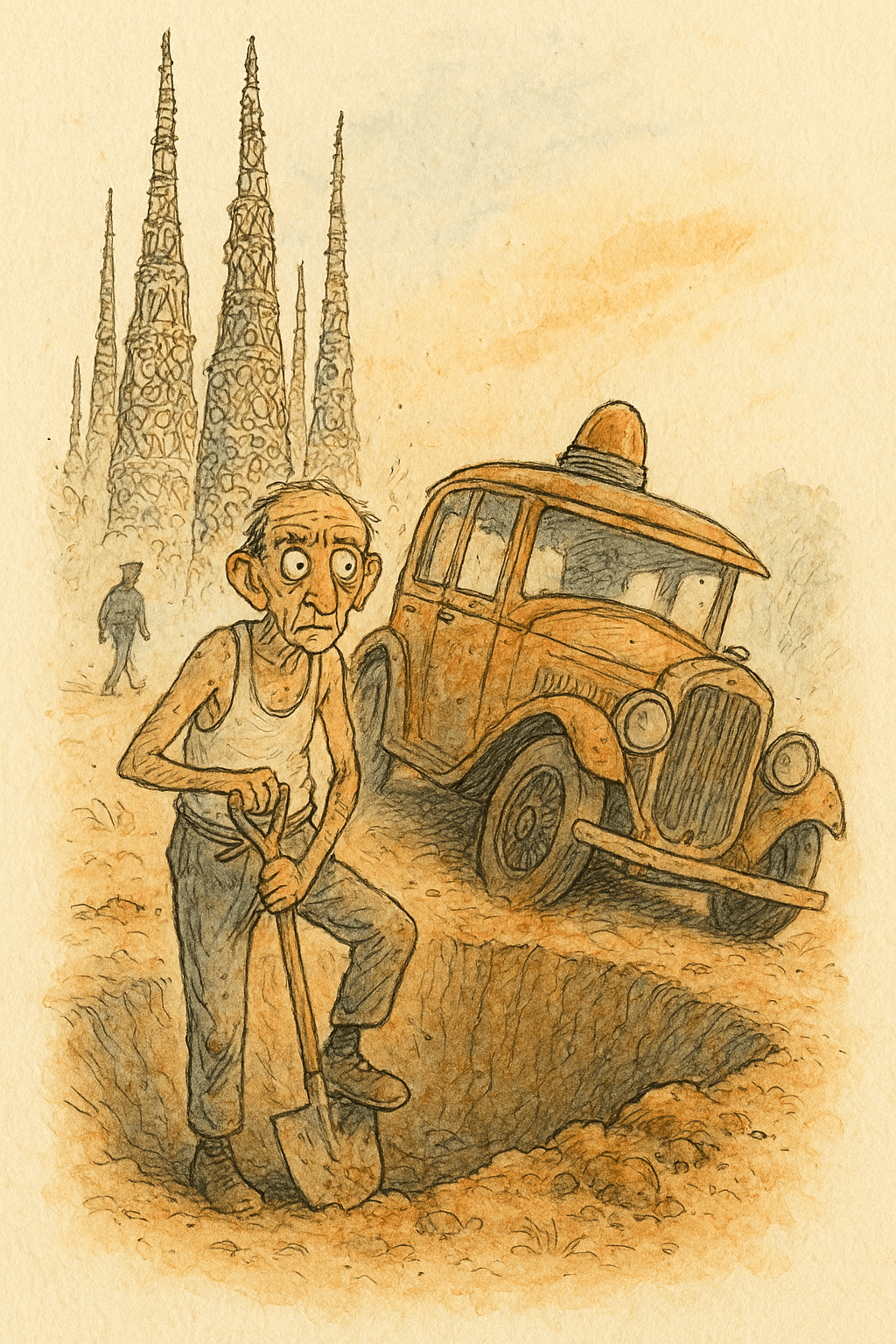
The Man Who Buried His Car
What kind of person buries a 1927 Hudson in their backyard and denies owning a car?
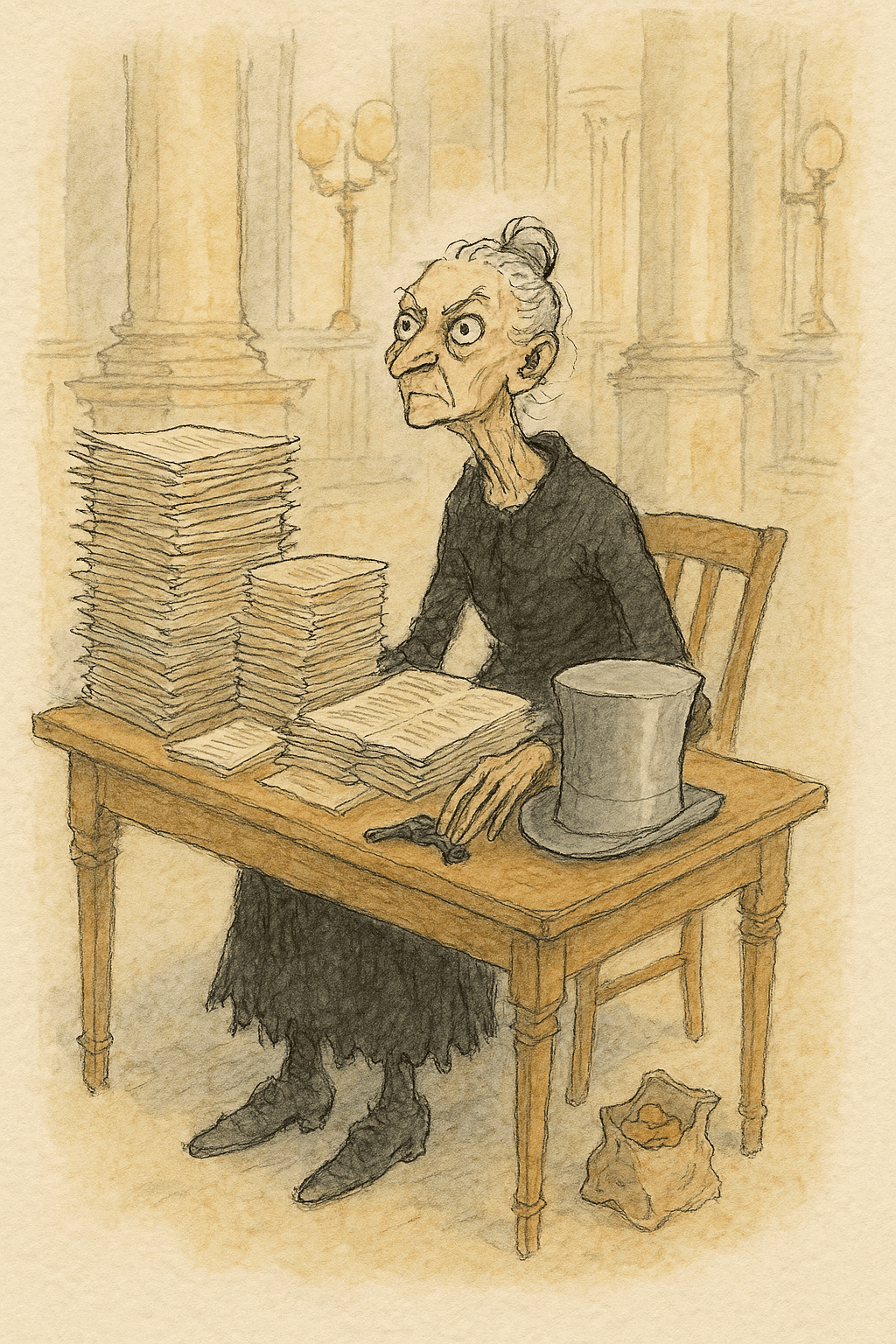
The Witch of Wall Street
What kind of woman eats cold oatmeal for lunch, sleeps with a revolver tied to her hand, and gets a personal visit from J.P. Morgan asking for financial advice?
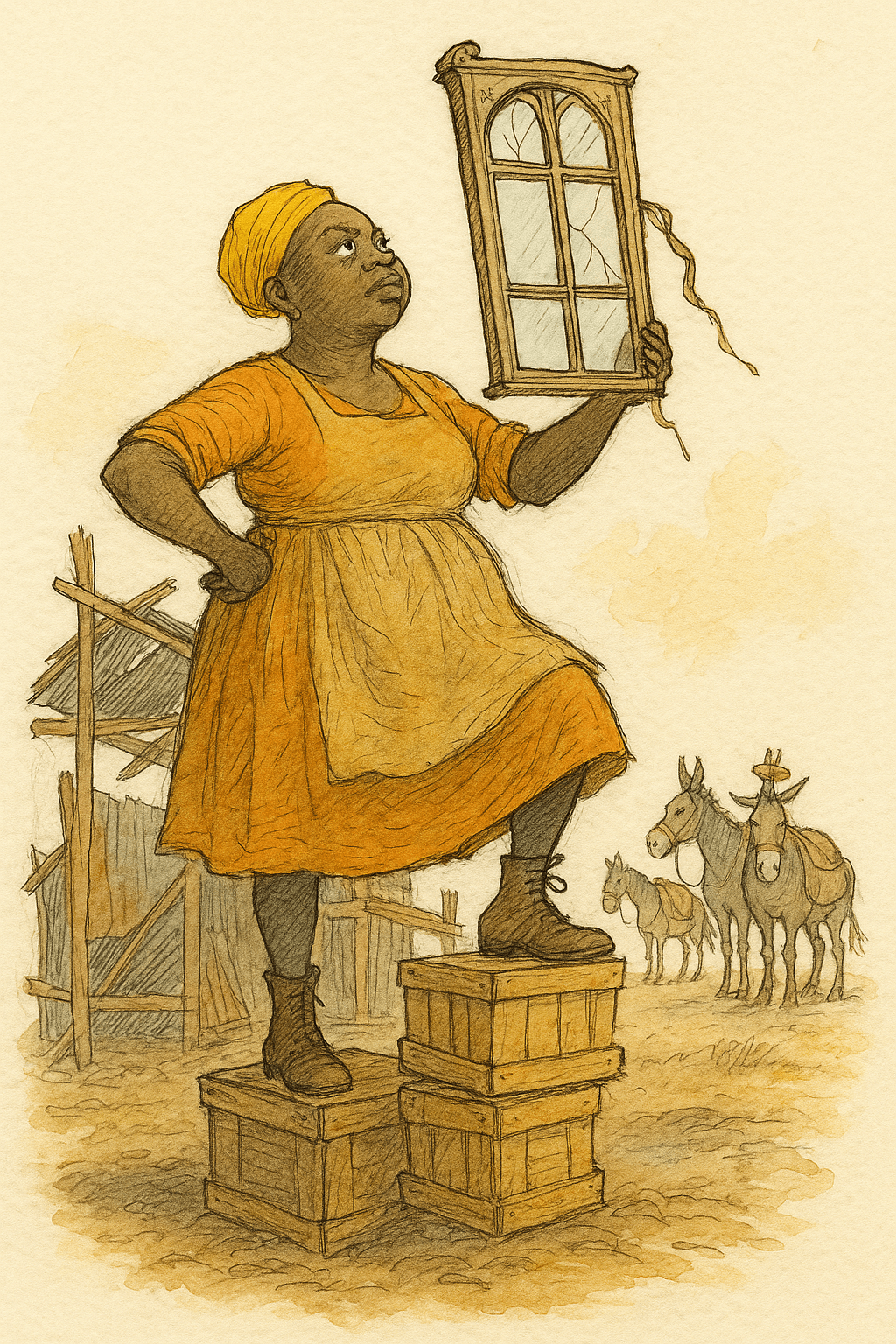
The Woman Who Built a Hospital Out of Driftwood
Florence Nightingale's team rejected her, so she set up three and a half miles closer to the front lines than Nightingale ever got.
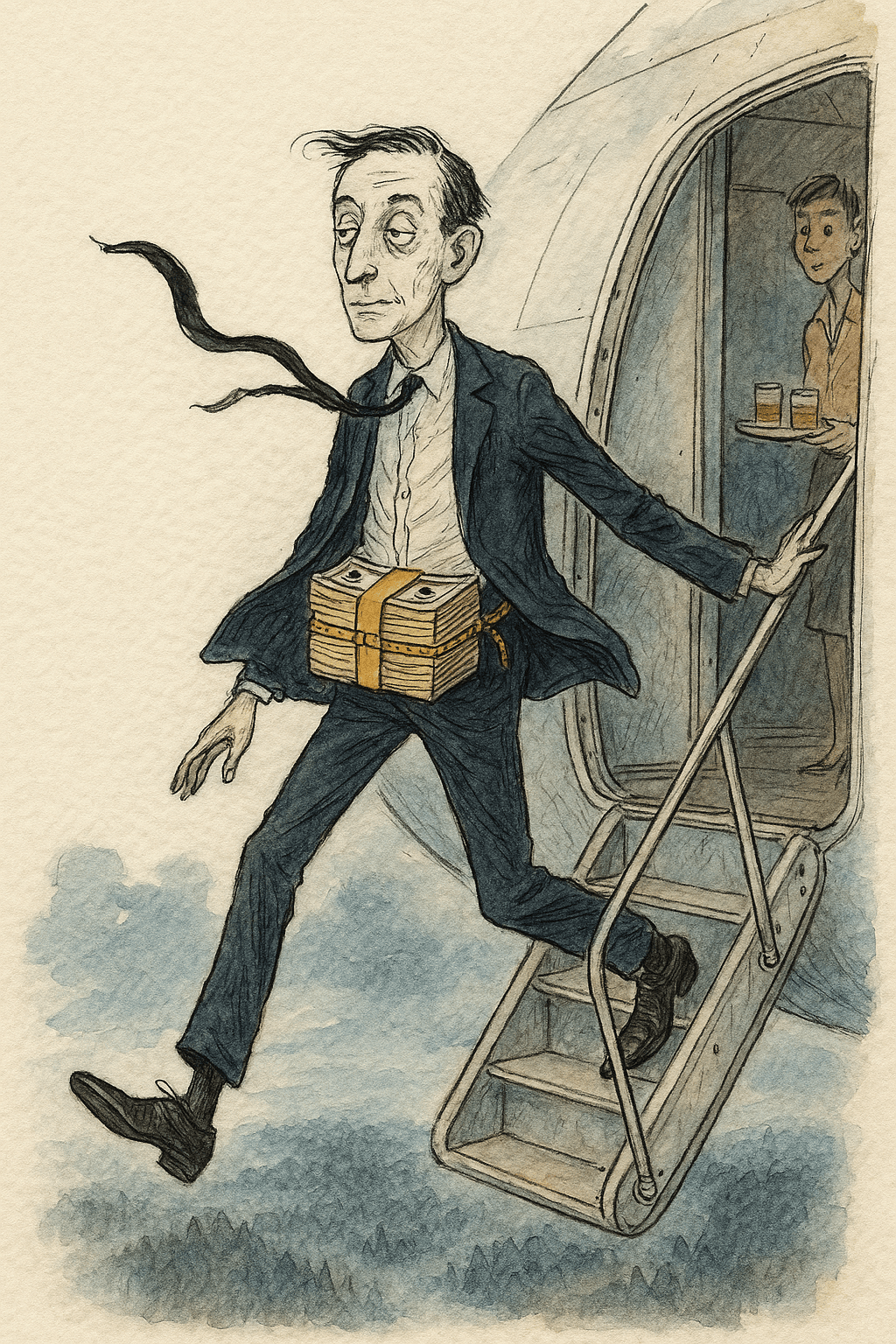
The Man Nobody Could Find
The FBI sent the fastest plane ever built to find him, and it was defeated by clouds.