Oddlet: Saint Cuthbert · 1 min read
Oct 5, 2026
Up to His Neck
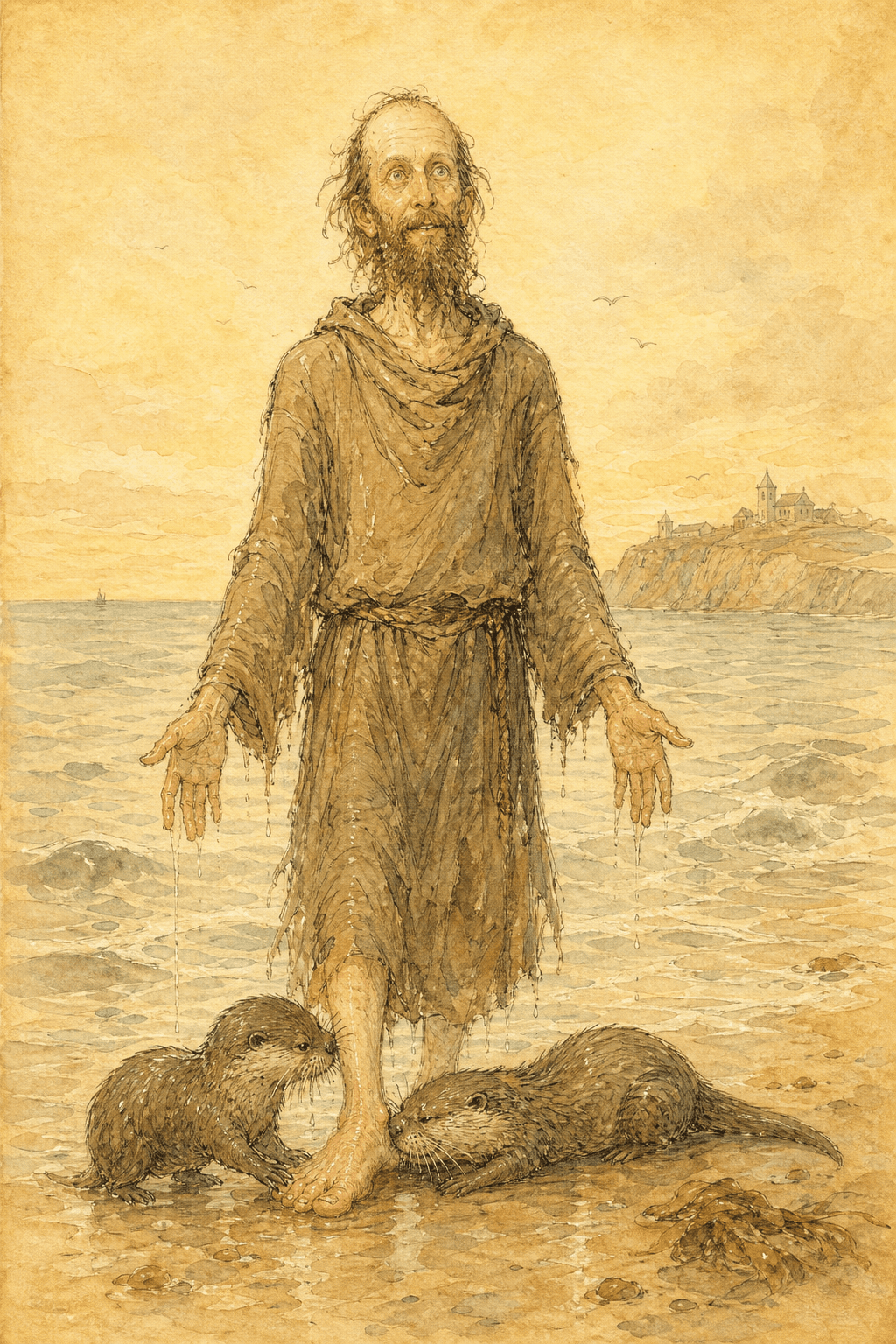
He walked into the North Sea at night until the water reached his neck, and sang psalms until dawn.
Cuthbert (c. 634–687) was Bishop of Lindisfarne and the most venerated saint of medieval northern England. He preferred otters to bishops.
The monastery, in his estimation, had walls in the wrong place. On Inner Farne he built a cell with walls so high he could see only the sky, and treated the coast beyond as the rest of the cloister. The eider ducks nesting on his rocks were a flock in his pastoral care; he issued protections for them, and Northumbrians still call the birds "cuddy ducks" thirteen centuries later. Ravens who ripped thatch from the guest-house were summoned, scolded in the name of Jesus, and banished from the island. One returned three days later, wings flat in a pitiable manner; both then brought a lump of hog's lard by way of apology. Cuthbert accepted it and used it to grease his visitors' boots.
Then the sea itself.
At Coldingham he would walk out at night into the North Sea until the water reached his neck, and sing psalms until dawn. A monk once followed him in secret and watched two otters climb out of the surf, lie down at his feet, breathe on them, and dry them with their fur. Cuthbert blessed them. They went back into the sea.
The monk was made to swear he would tell no one until Cuthbert was safely dead.
Know someone who’d love this?
- Britannica: Saint Cuthbert — Encyclopaedic biography giving dates (born 634/635; died 20 March 687 on Inner Farne), Melrose entry c. 651, plague of 661, bishopric of Hexham 684 exchanged with Eata for Lindisfarne in 685, burial and 875 removal, deposition at Durham c. 999, destruction of shrine 1538.
- Wikipedia: Cuthbert — Full life summary including Aidan vision 651, Boisil succession, Synod of Whitby move to Lindisfarne, Farne hermitage 676, consecration at York 26 March 685, death 20 March 687, incorrupt body 698, translations to Chester-le-Street 883, Durham 995 and 1104, shrine destruction, Lindisfarne Gospels connection.
- Wikipedia: Vita Sancti Cuthberti — Details the Anonymous Life of Cuthbert (written by a Lindisfarne monk between 699 and 705), Bede's Metrical and Prose Lives that used it as source, and the Coldingham otter episode located in Book II, chapter 3 of the Anonymous Life.
- Fordham Medieval Sourcebook: Bede, Life and Miracles of St Cuthbert — Full English text (J. A. Giles translation) of Bede's Prose Life of Cuthbert, including Chapter X on the night sea-prayer at Coldingham and the two otters.
- World History Encyclopedia: Saint Cuthbert — Detailed narrative of Cuthbert's boyhood, Melrose, Ripon, plague, Farne hermitage, episcopate, prophecy of King Ecgfrith's death at Dun Nechtain (685), death and cult; discusses the otter and animal miracles.
The Baron in the Bath
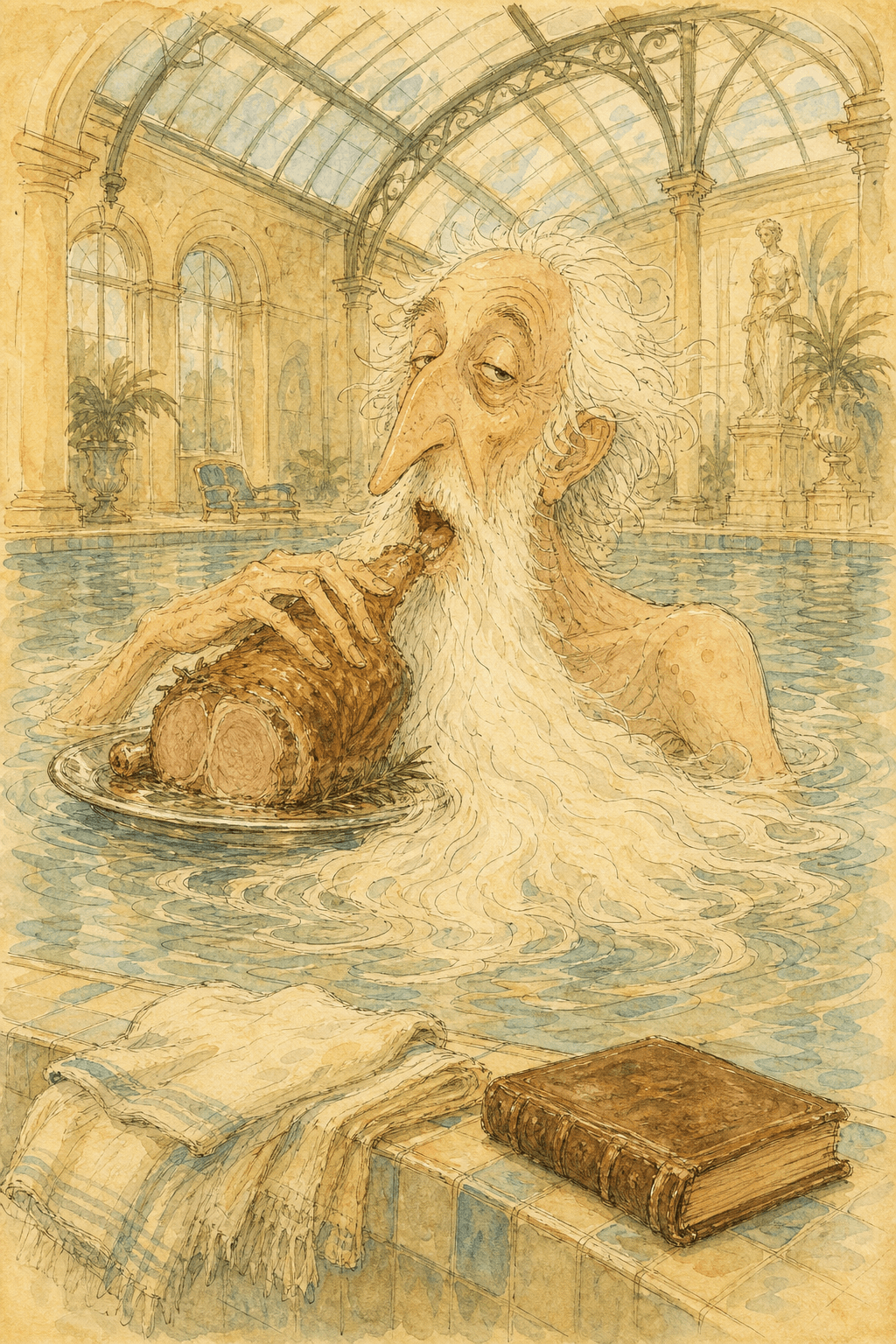
On rainy mornings, a Georgian peer walked miles to the sea to swim while his liveried footman, on the peer's orders, rode dry in the empty carriage behind him.
The Hermit Who Kept Office Hours
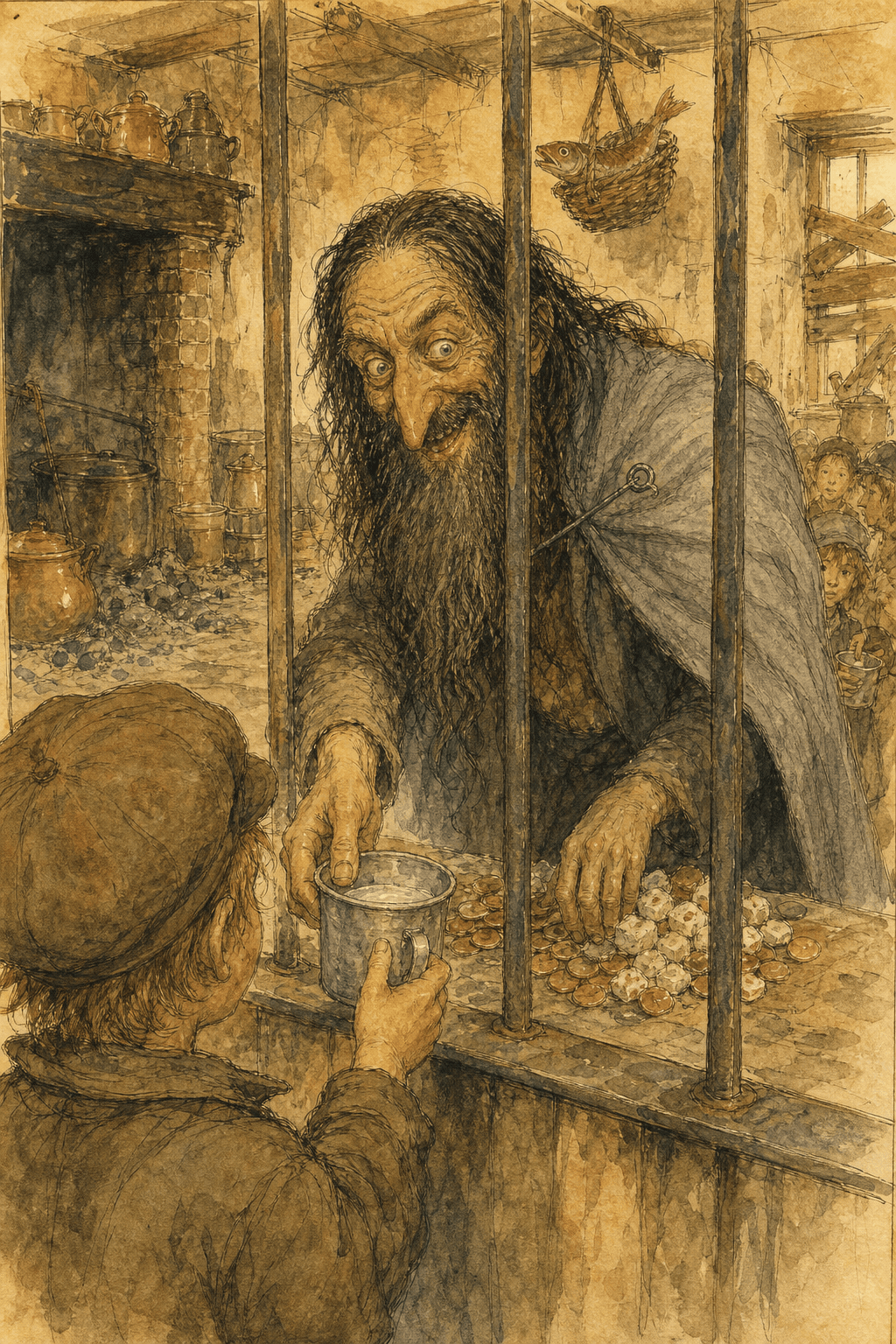
What kind of hermit hires two armed guards, then hands out gin to two hundred children through the bars of his window?
The Friar Who Kept Flying
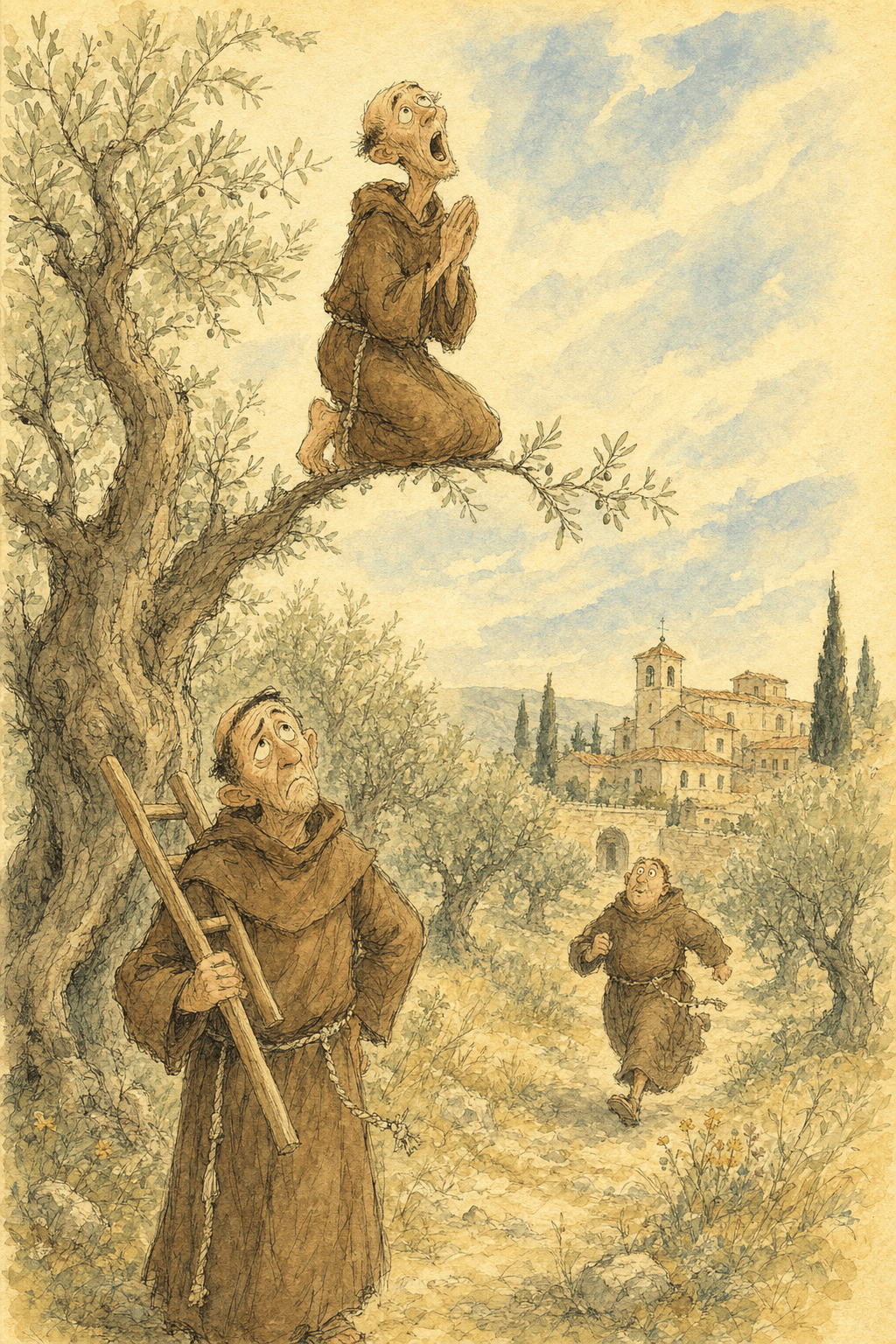
What happens when a monk so incompetent he nearly wasn't ordained starts doing something no one can explain or contain?
Wonder, delivered.
A fresh Oddlet in your inbox every morning, a full day before everyone else. True, strange and under a minute.
Free forever. Unsubscribe anytime.