Oddlet: Hans Christian Andersen · 1 min read
Apr 13, 2026
The Man Who Only Seemed Dead
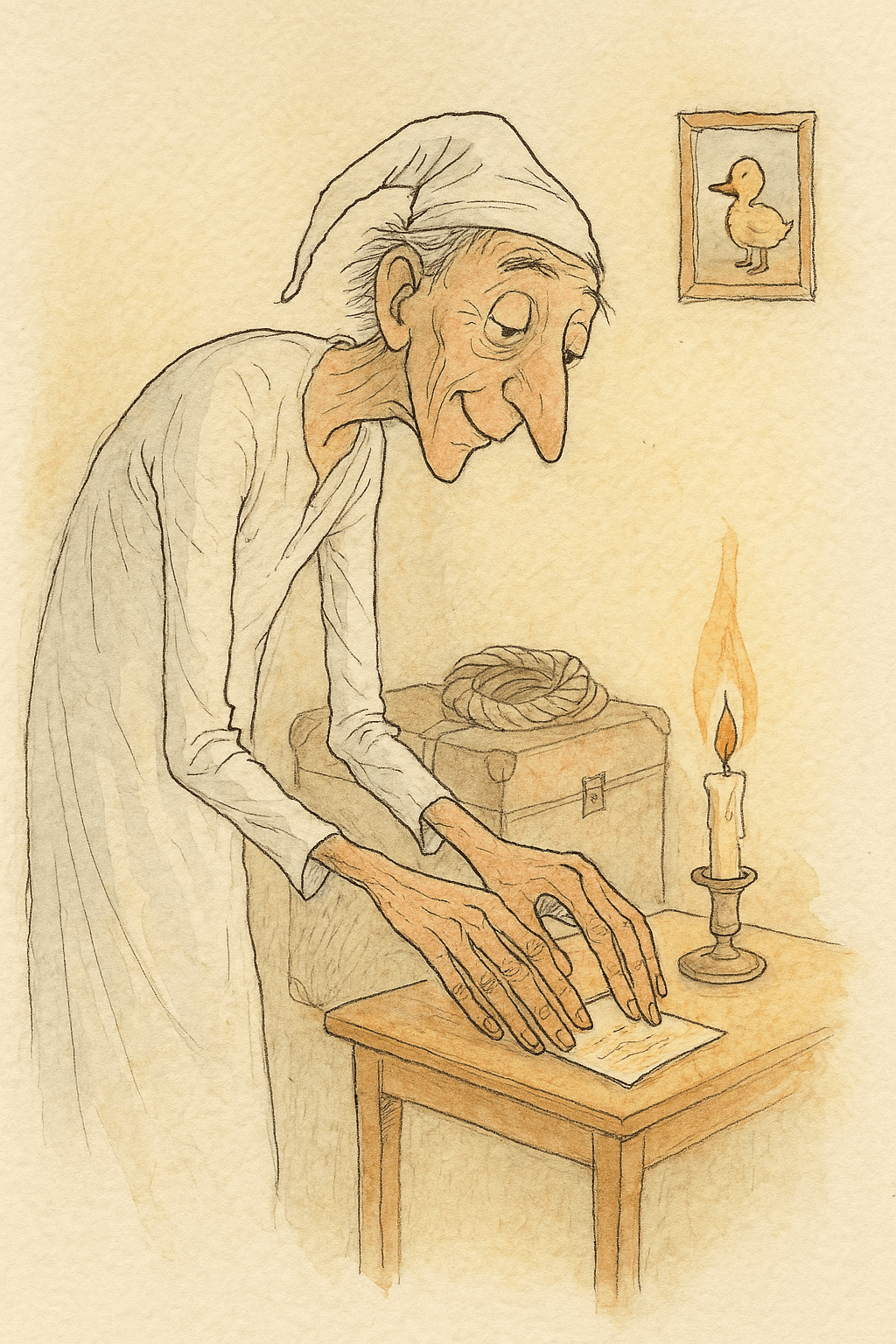
Every night for years, Hans Christian Andersen left a note on his bedside table that read: "I only appear to be dead."
Hans Christian Andersen gave the world "The Ugly Duckling," "The Little Mermaid," and "The Emperor's New Clothes." His 156 fairy tales have been translated into more than 125 languages. He was the son of a shoemaker and a washerwoman, and he became the most famous writer in Europe.
He was also terrified of practically everything.
He arrived at railway stations hours early for fear of missing his train. He refused to eat pork because of parasites. He carried a coil of rope in his luggage at all times, in case his hotel caught fire and he needed to climb out a window.
But his deepest fear was being buried alive. Every night, wherever he was, Andersen placed a note on his bedside table that read: "I only seem dead." He did this for years — not during some passing crisis, but as routine, the way other people set an alarm clock. And as he lay dying at the home of friends in Copenhagen, he begged the woman caring for him to cut his veins after he appeared to have expired, just to be certain.
Shortly before the end, he consulted a composer about the music for his funeral. His only instruction was that the tempo should keep time with little steps, because most of the people walking behind him would be children.
Know someone who’d love this?
- Wikipedia — Hans Christian Andersen — Comprehensive, well-cited overview; cross-referenced against specialist biographies. Reliable for dates, titles, and documented relationships.
- Mental Floss — "7 Surprising Facts About Hans Christian Andersen" — Popular but cites biographer Jackie Wullschlager as primary source for phobia details. Treat as secondary.
- Mental Floss — "10 Famous People Who Were Afraid They'd Be Buried Alive" — Cites Wullschlager's biography directly for the bedside note and rope details. Reliable for those specific claims.
- EBSCO Research Starters — Hans Christian Andersen — Academic reference database entry; cites Bredsdorff's 1975 scholarly biography. High reliability.
- Charles Dickens Museum Blog — "Hans Christian Andersen: The Eccentric Guest" — Written by a museum volunteer; cites primary sources including Dickens's daughter Katey. Reliable for the 1857 visit details.
- Neatorama — "Hans Christian Andersen's Taphephobia"
The Baron in the Bath
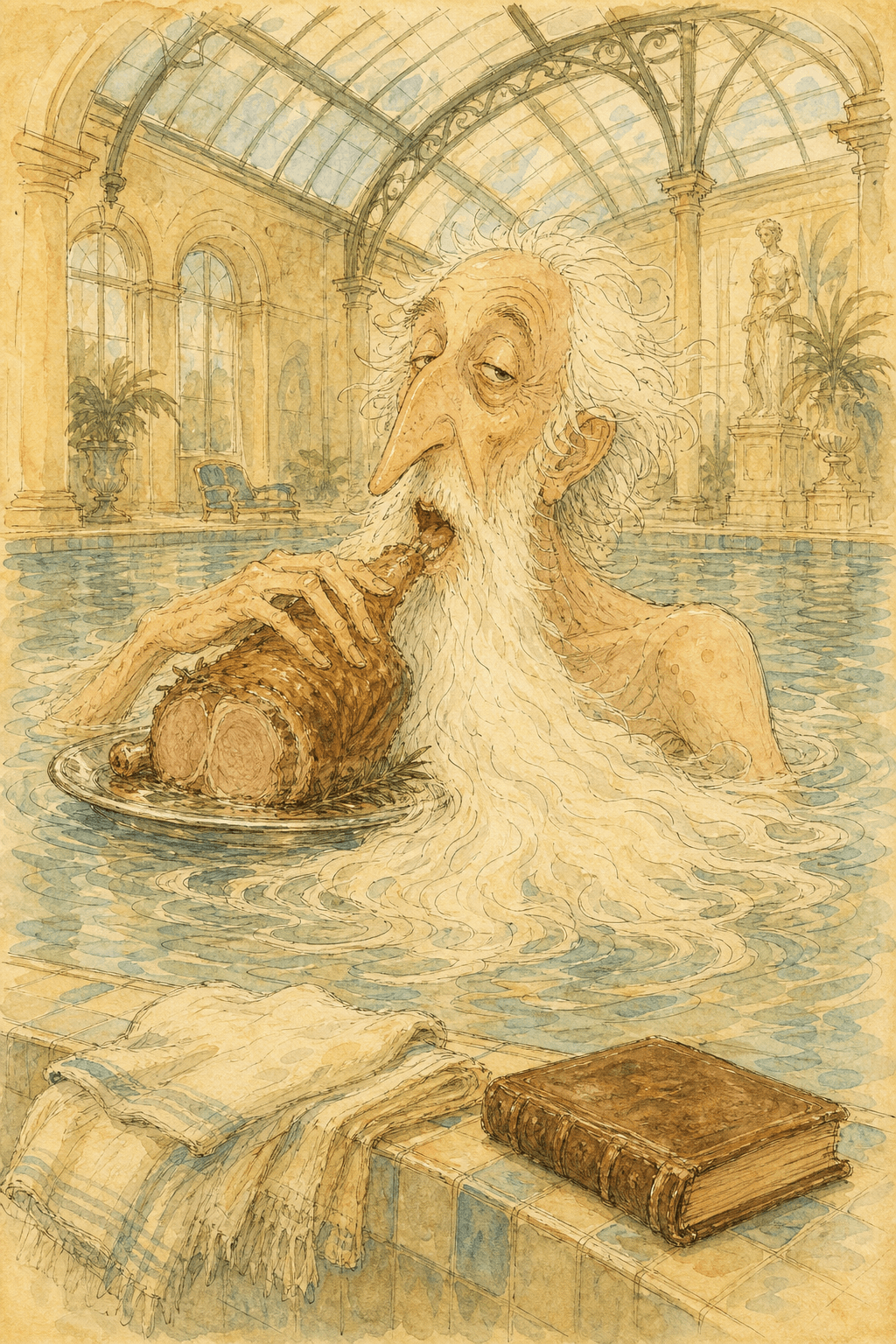
On rainy mornings, a Georgian peer walked miles to the sea to swim while his liveried footman, on the peer's orders, rode dry in the empty carriage behind him.
Up to His Neck
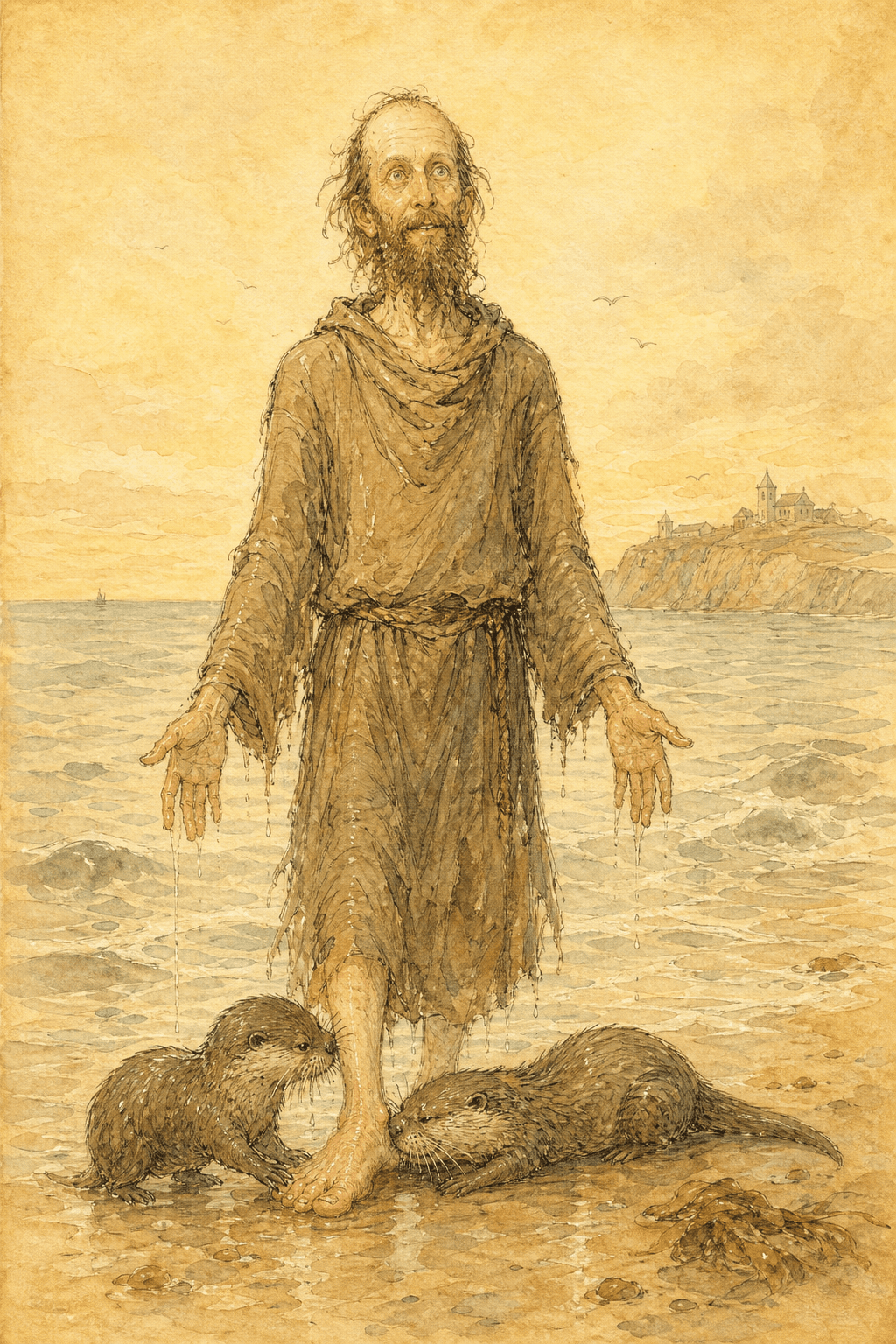
He walked into the North Sea at night until the water reached his neck, and sang psalms until dawn.
The Man Who Counted the Posts
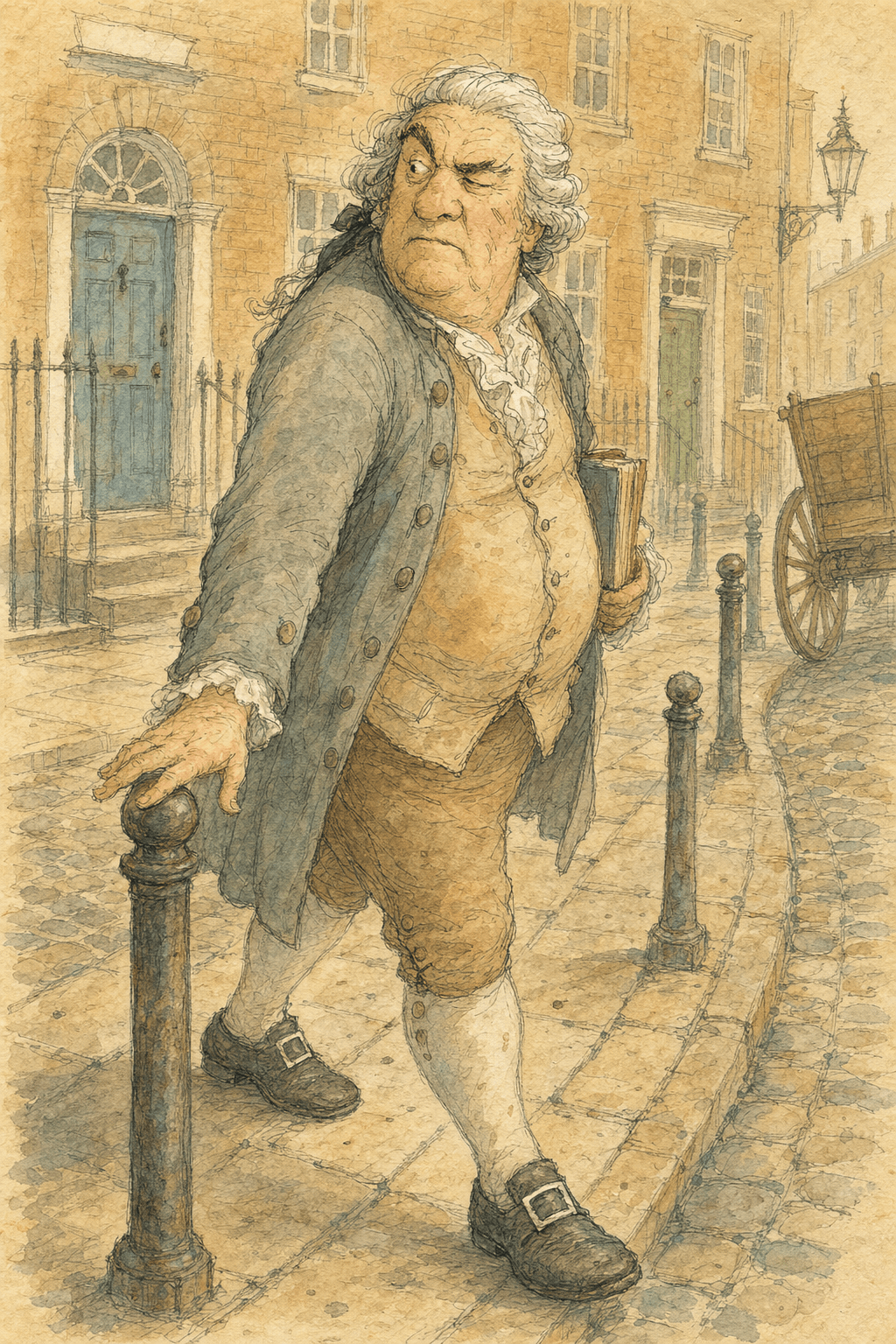
The man who single-handedly disciplined the English language could not walk past a post without touching it.
Wonder, delivered.
A fresh Oddlet in your inbox every morning, a full day before everyone else. True, strange and under a minute.
Free forever. Unsubscribe anytime.