Oddlet: Percy Fawcett · 1 min read
Feb 28, 2026
The Man Who Walked Into His Own Secret
He kept his route secret so no rival could reach the city first. More than a hundred people have since died trying to find him.
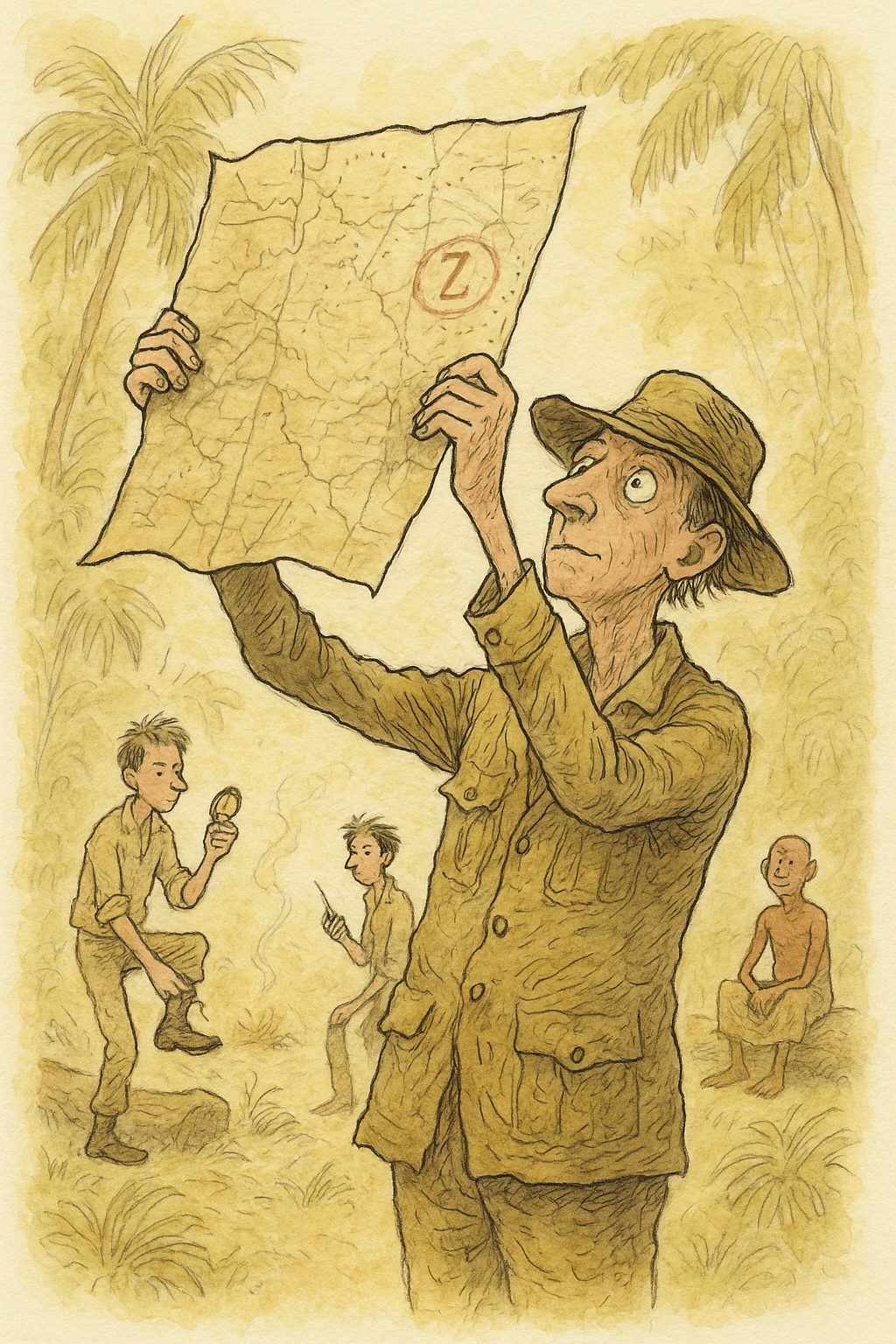
Percy Fawcett completed seven expeditions for the Royal Geographical Society, mapping thousands of miles of Amazon jungle that had never appeared on any European chart. He survived piranha, rapids, indigenous arrows, and diseases that killed men around him with grim regularity. He was one of the most experienced tropical explorers alive.
He was also convinced the Amazon contained a lost city, and he intended to find it alone.
He called it "Z." His evidence was thin — partly an eighteenth-century Portuguese manuscript describing stone ruins no one had seen since, partly a feeling that the jungle was hiding something enormous. He planned his 1925 expedition with his eldest son Jack, twenty-two, and Jack's friend Raleigh Rimell. He kept his intended route secret, fearing rival explorers would reach Z first. He told the Royal Geographical Society almost nothing. He told his wife only slightly more.
On May 29, 1925, the three men crossed the Upper Xingu River and walked into the forest.
The Kalapalo people, among the last to see them, later told investigators that they watched smoke from Fawcett's campfire rising above the canopy for four consecutive days after he departed.
Then it stopped.
No confirmed trace of the three men has ever been found. Over the following decades, at least thirteen rescue expeditions went looking for Fawcett. An estimated one hundred people died trying.
His secret route kept its secret.
Know someone who’d love this?
- Wikipedia – Percy Fawcett — Comprehensive overview; useful for dates, expedition chronology, and death-toll estimates. Wikipedia cites secondary sources; treat specific casualty numbers as approximate.
- Heckenberger et al. (2003) – 'Amazonia 1492' in Science — Peer-reviewed archaeological evidence for large pre-Columbian settlements in the Upper Xingu, contextualizing Fawcett's hypothesis. Does not confirm 'Z' specifically.
- David Grann – 'The Lost City of Z' (2009), Doubleday — Extensively researched narrative non-fiction account; primary popular source for the '100+ deaths' figure and expedition details. Grann is a staff writer at The New Yorker; book is well-sourced but narrative in form.
- Royal Geographical Society – Fawcett expedition records — The RGS holds archival records of Fawcett's pre-1925 expeditions. Direct archival access required for primary documentation; not freely available online.
- Manuscript 512 – Biblioteca Nacional, Brazil — The 18th-century Portuguese document that partly inspired Fawcett's belief in 'Z'. Held at the Brazilian National Library. Authenticity of the document is accepted; the city it describes has never been located.
The Man Who Let Gravity Draw
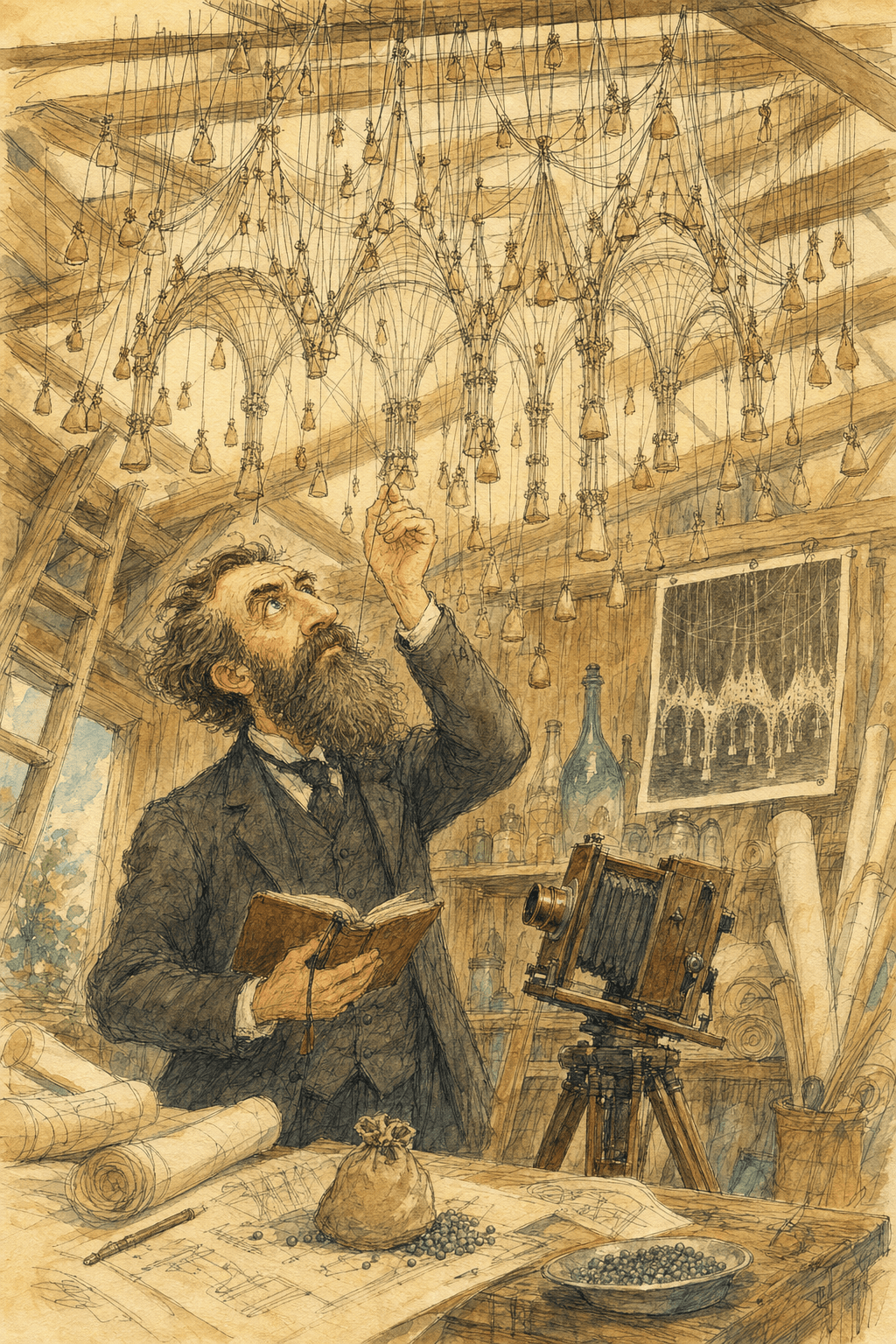
What kind of architect designs a church by hanging it upside down from a shed ceiling?
The Man Who Painted the Dead
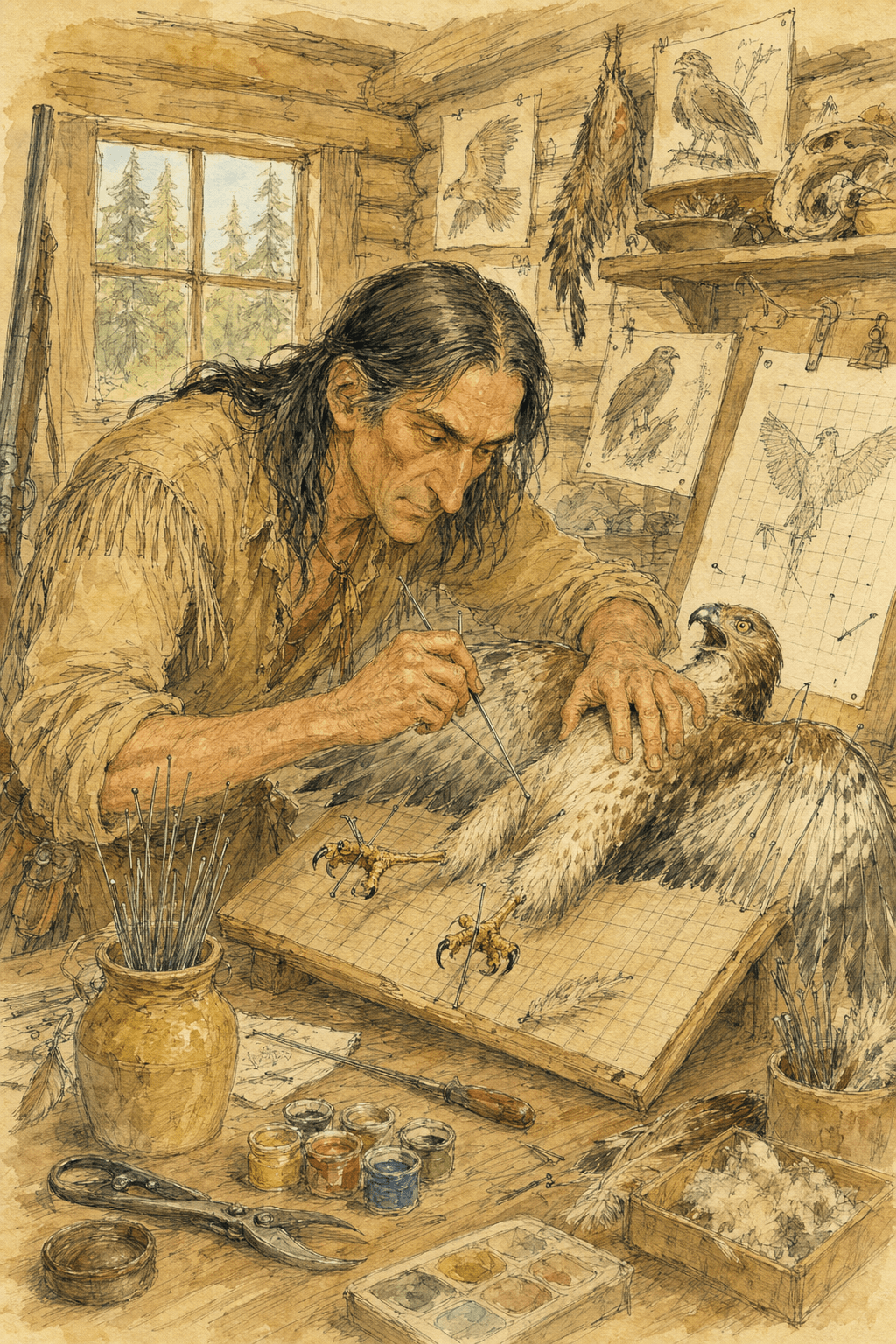
How do you paint a wild bird at exact life size without it moving?
Present But Not Voting
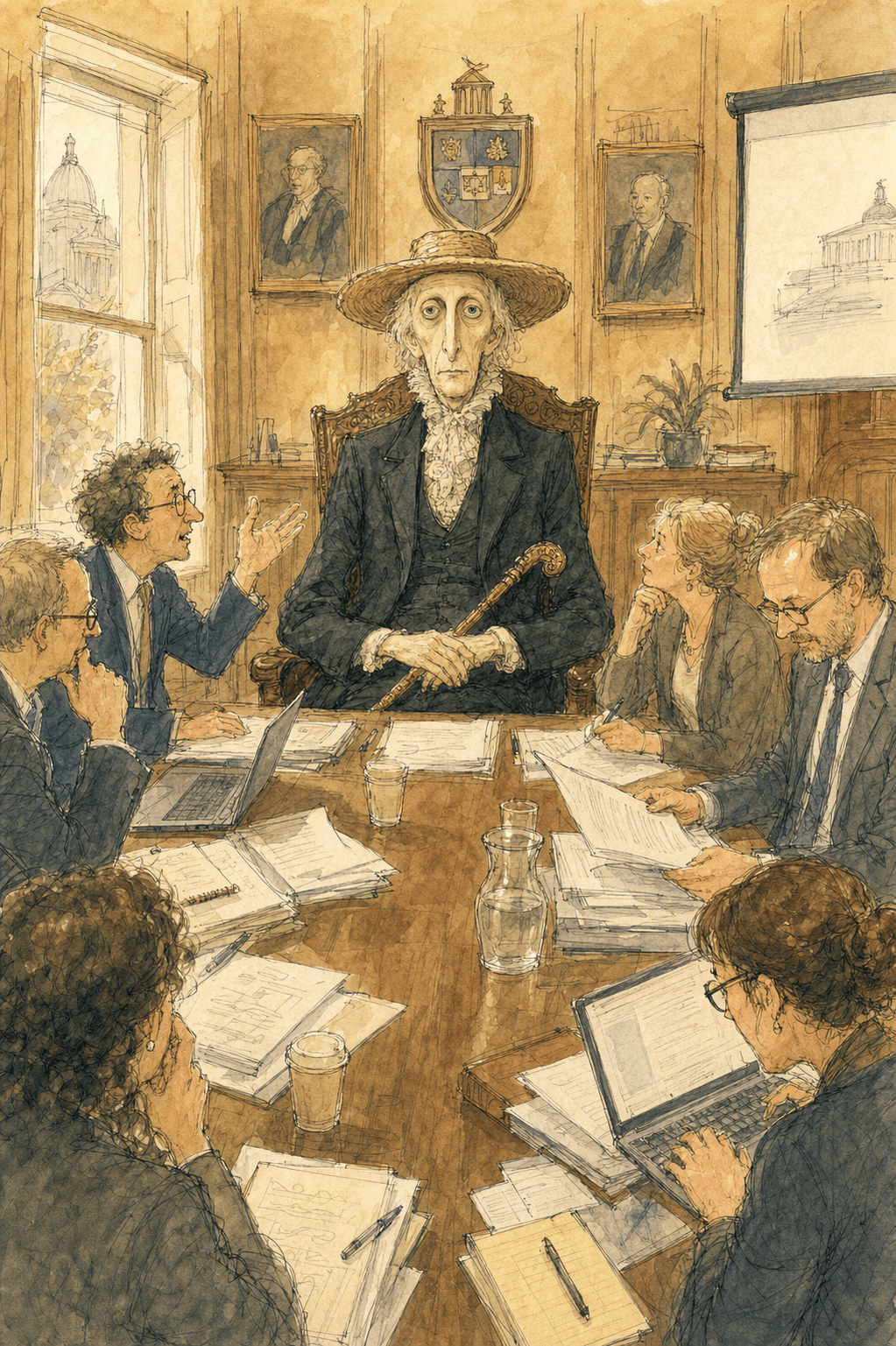
What kind of man spends sixty-three years perfecting the instructions for his own stuffed body?
Wonder, delivered.
A fresh Oddlet in your inbox every morning, a full day before everyone else. True, strange and under a minute.
Free forever. Unsubscribe anytime.