A cabinet of lovable weirdos
Tiny true stories,
lovingly odd.
Weird science, forgotten history, and human quirks — each one true, each under a minute, each a little stranger than you’d expect.
Latest
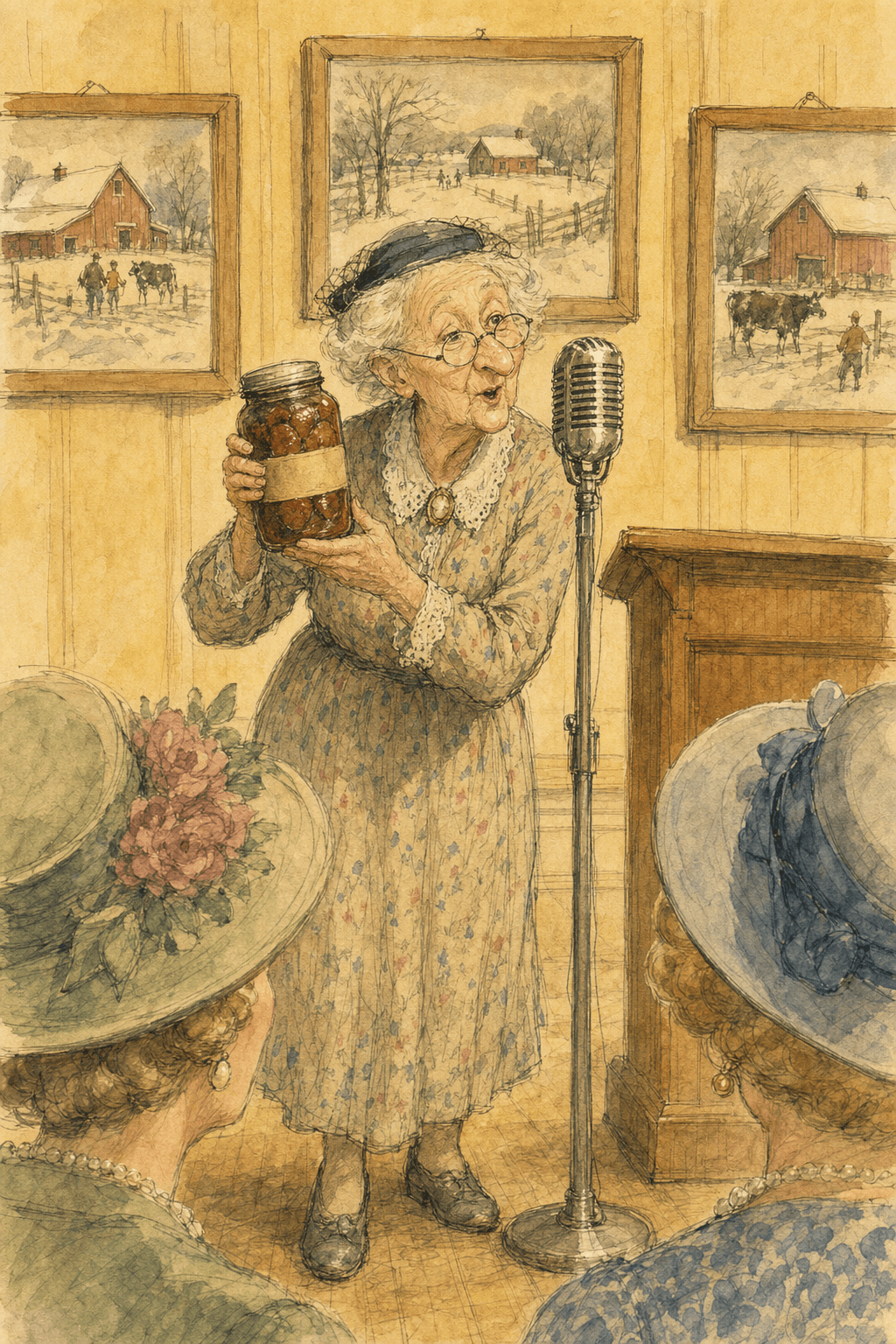
Grandma Moses
Ribbons for the Jam
At the Cambridge Country Fair, Anna Mary Robertson Moses entered her paintings alongside her preserves, and won ribbons for the jam.
At seventy-six, arthritis ended her embroidery, so she took up painting — house paint on Masonite, glitter for snow. She entered canvases beside her preserves at the county fair and won ribbons for the jam. Her name was Anna Mary Robertson Moses.
Read this oddlet →
A Little Patch of Yellow Wall
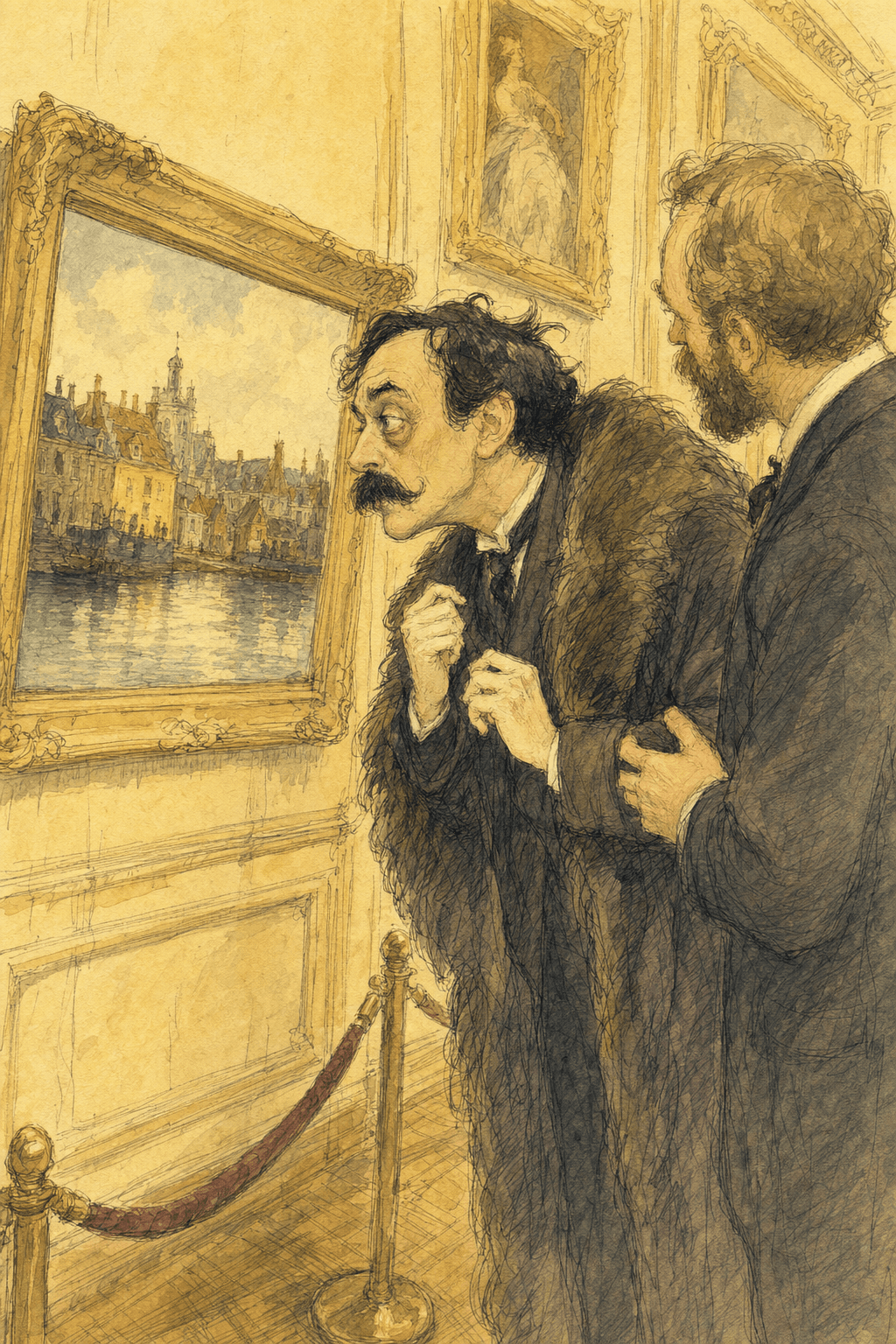
Marcel Proust wrote most of his novel in a cork-lined bedroom he fumigated five times a day with a hallucinogenic nightshade powder.
The Honeymoon
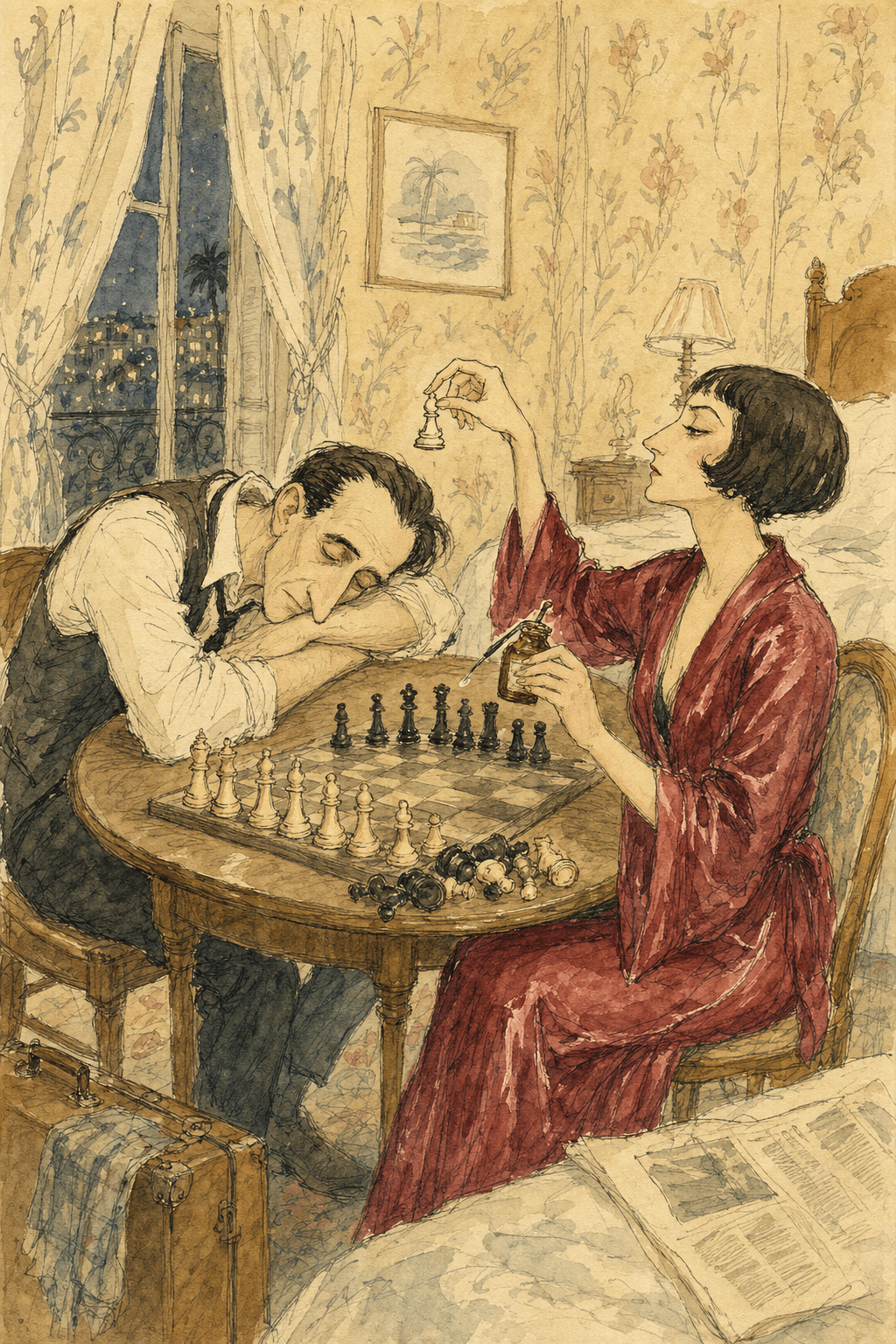
The man who signed a urinal and hung it in a gallery quit modern art for competitive chess, and then married an heiress who lasted seven months.
Too Great a Strain
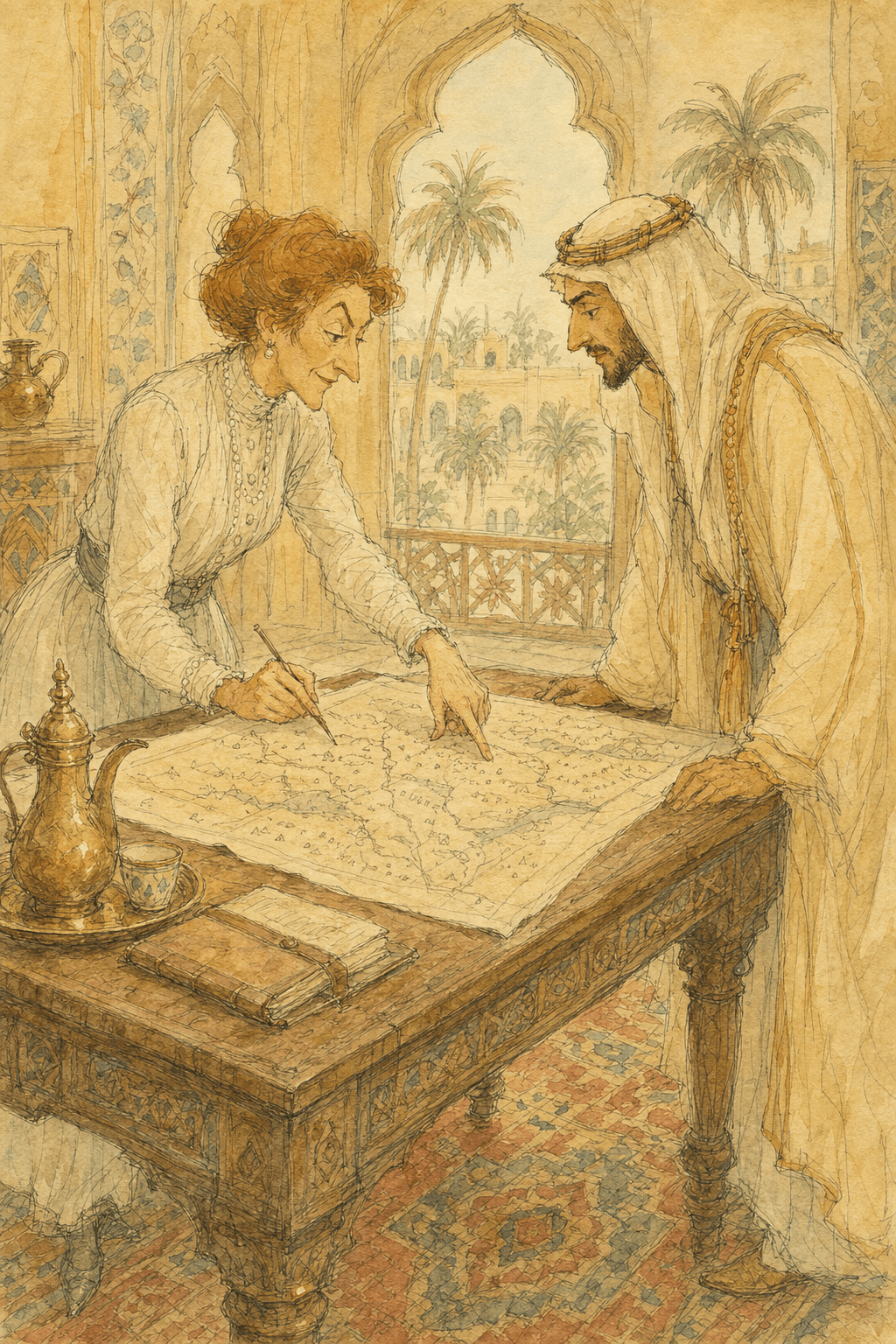
Gertrude Bell took a first at Oxford before Oxford gave women degrees, climbed ten new Alpine routes in a single season, and in March 1921, in a Cairo hotel, picked Iraq's king.
Fifty Copies
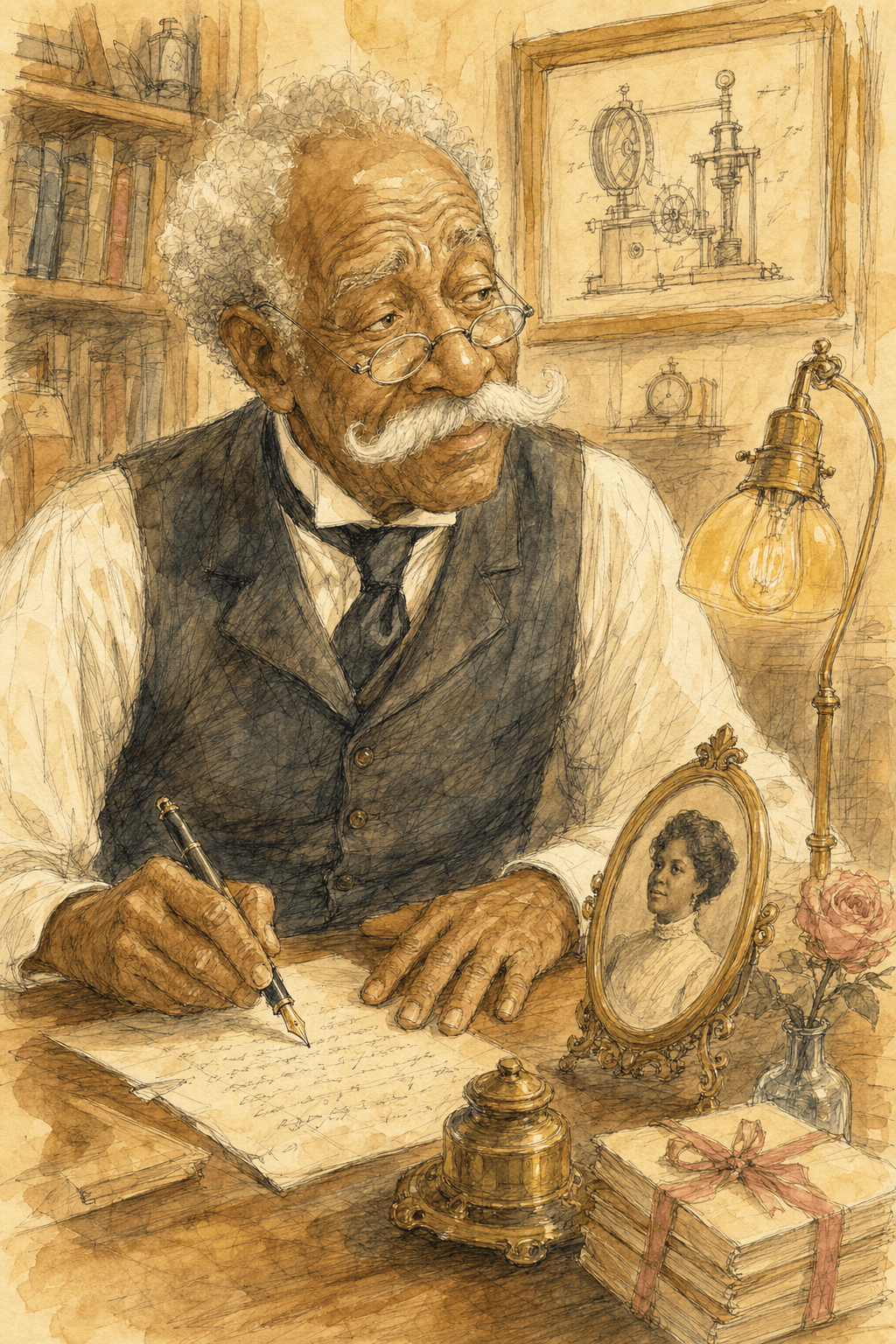
The only Black member of the Edison Pioneers, the man who drafted Bell's telephone patent and fixed the lightbulb, wrote love poems on the side.
The Horses and the Eels
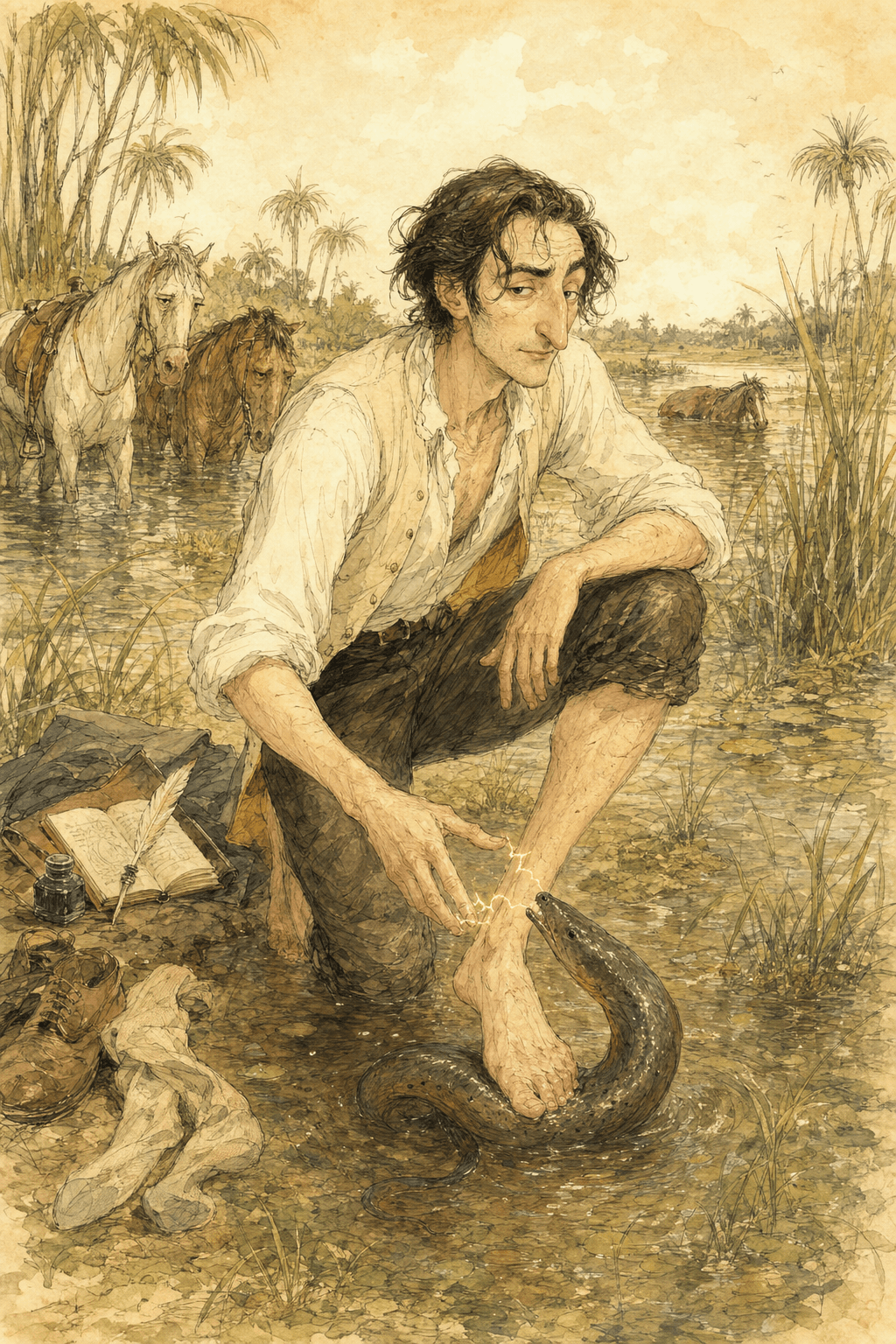
In March 1800, Alexander von Humboldt drove thirty wild horses into a Venezuelan pool to exhaust the electric eels, then waded in barefoot and dissected one while it kept shocking him.
Egg Yolk, Rose Oil, Turpentine
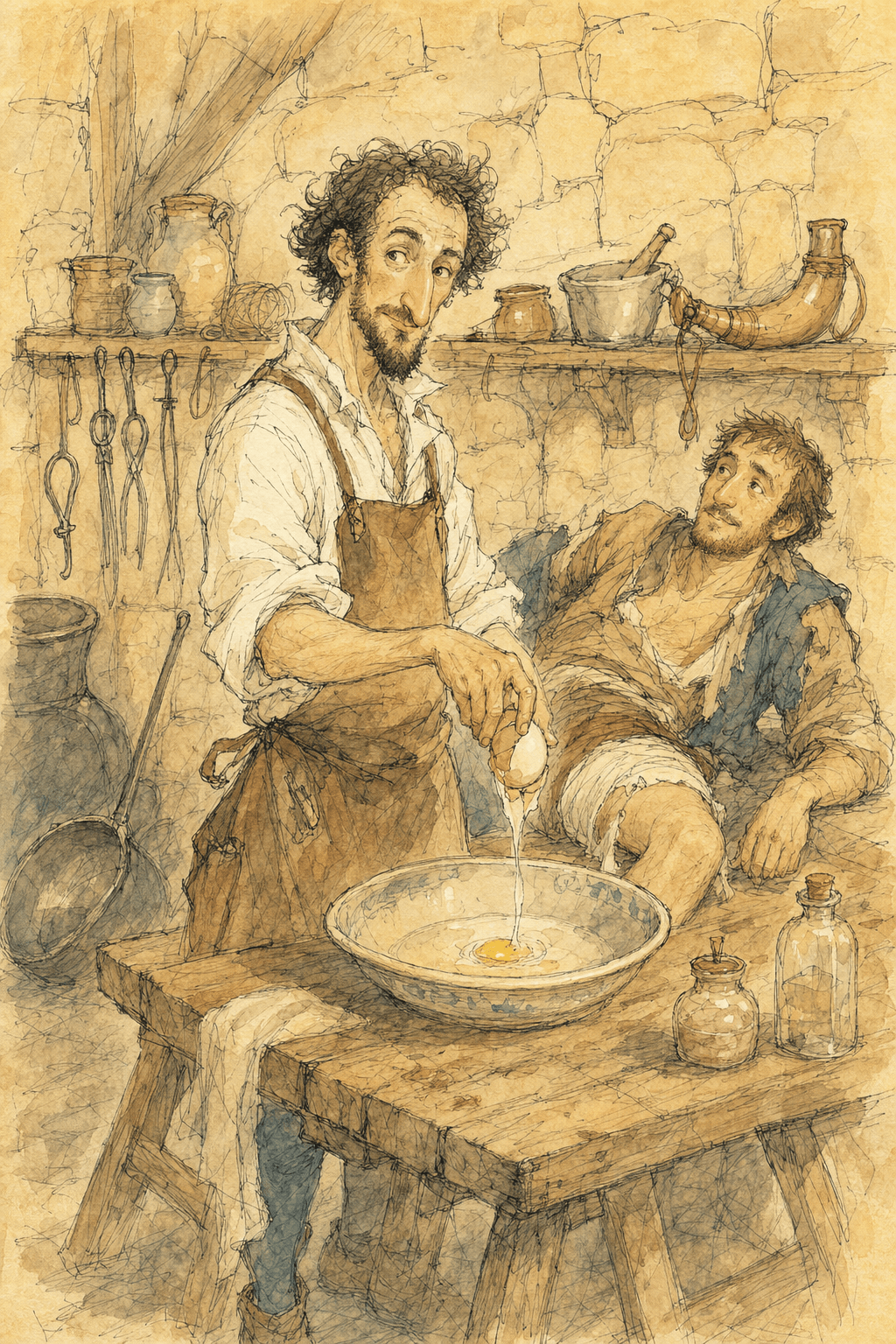
One night in October 1537, a French army surgeon ran out of the boiling oil he was supposed to pour into gunshot wounds, and improvised a dressing of egg yolk, rose oil, and turpentine.
Sticks for the Spires
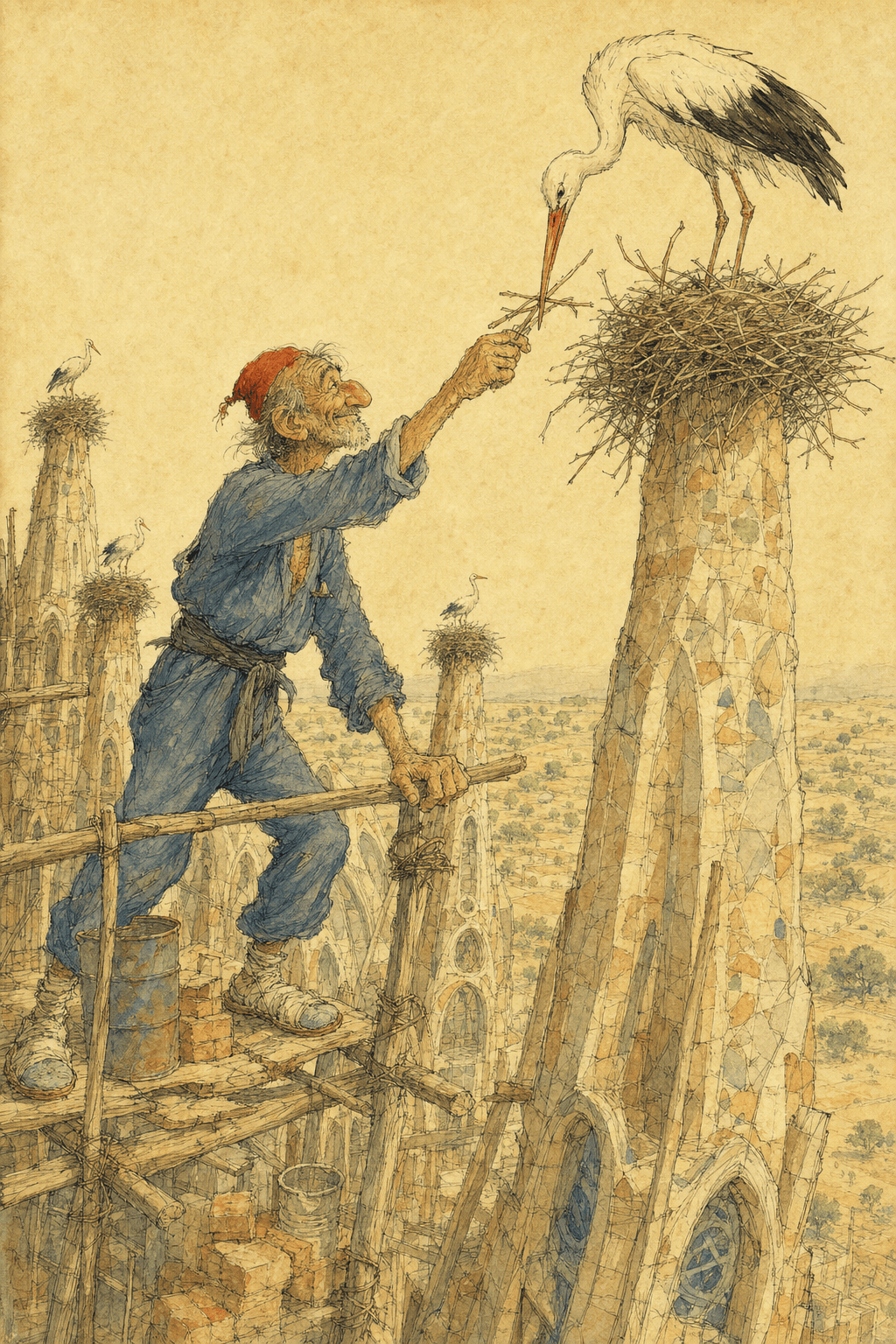
He was thrown out of a Trappist monastery with tuberculosis at thirty-five, and spent the next sixty years alone on a plot outside Madrid, building a cathedral with factory-reject bricks and pillars cast inside oil drums.
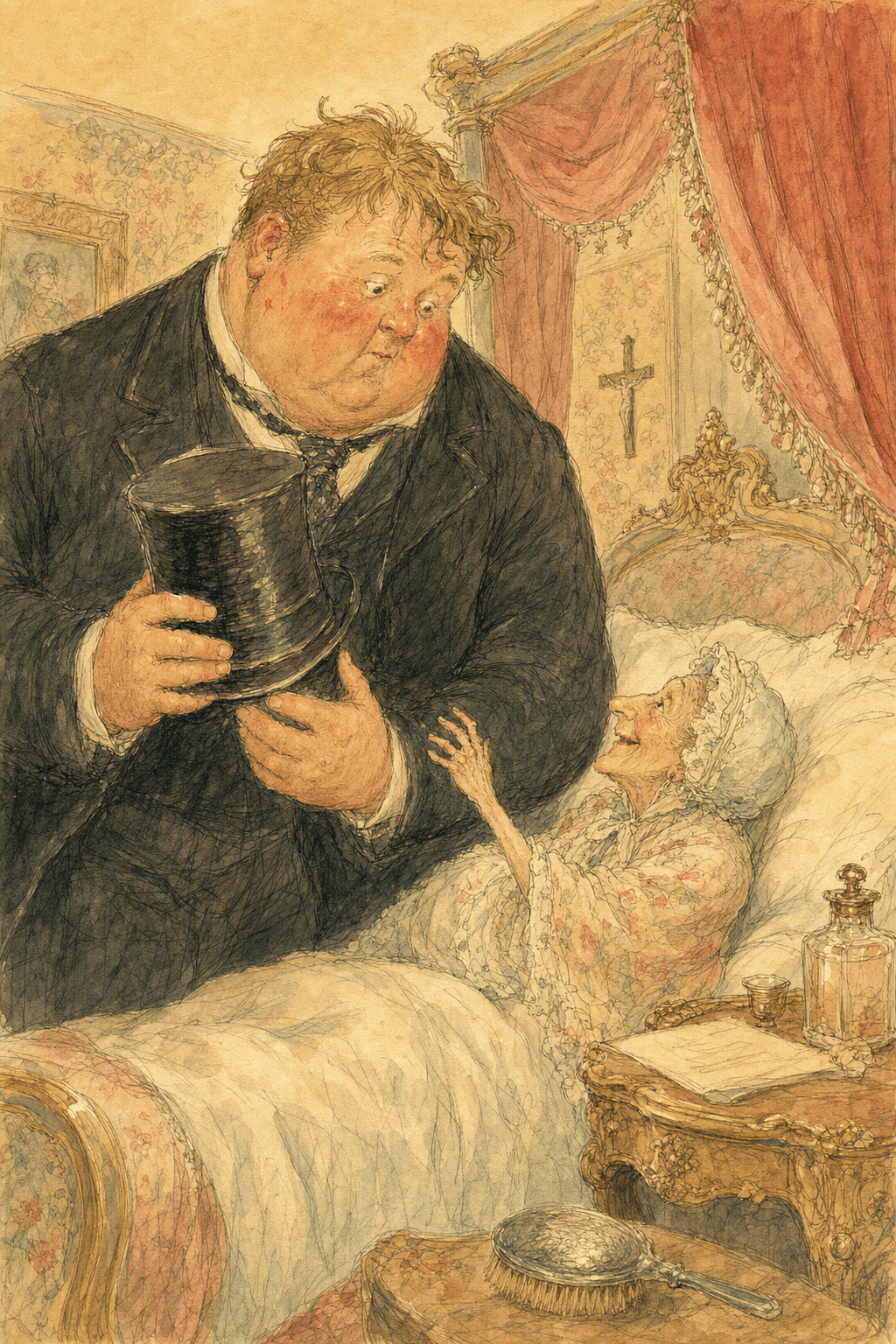
Sir Roger Had Gotten So Stout
A slim, asthmatic, French-speaking heir to a Hampshire baronetcy was lost off Rio in 1854; twelve years later a butcher from Wagga Wagga arrived at Tilbury weighing eighteen stone, unable to speak one word of French, and the family's old valet accepted him.
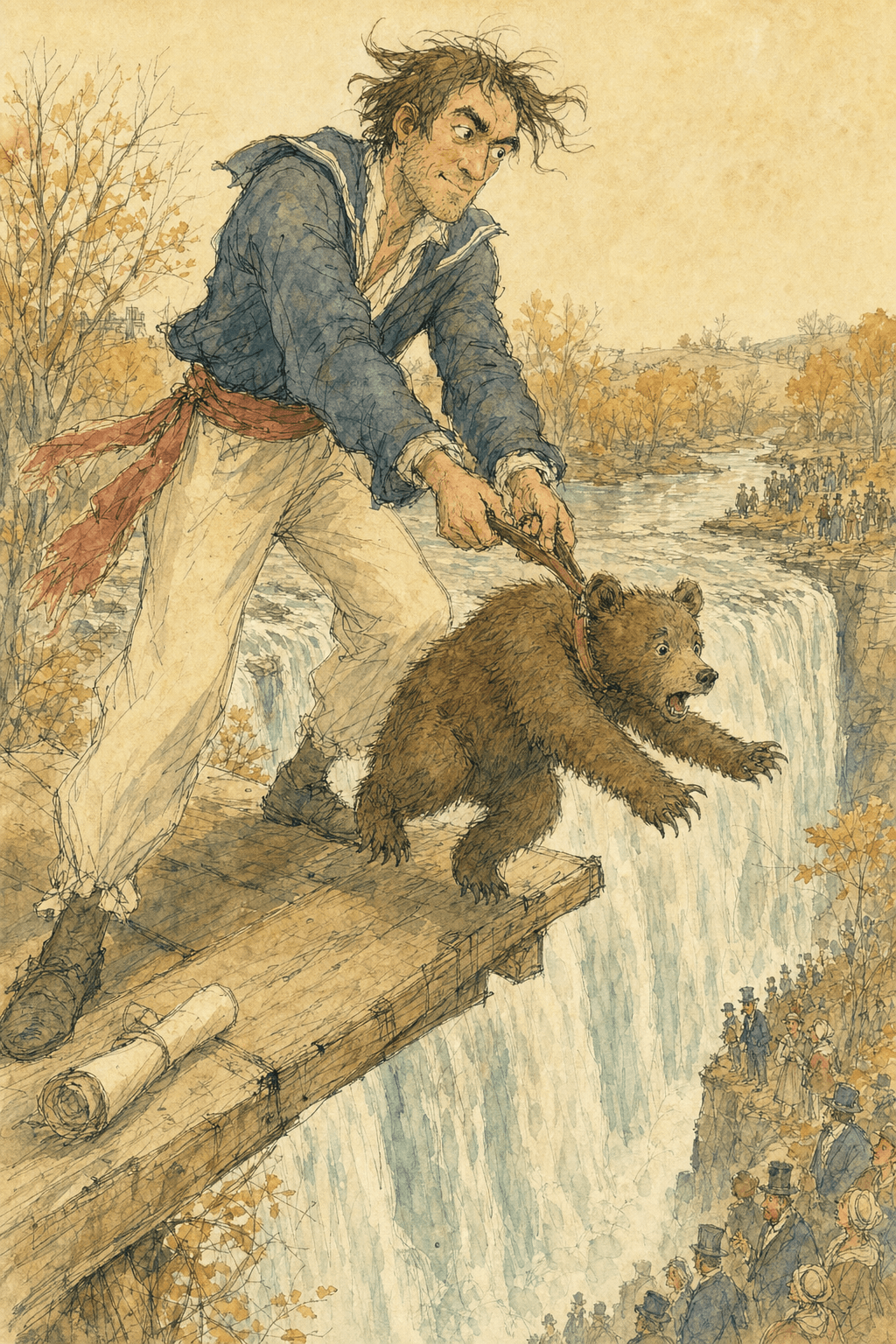
The Bear Went First
Sam Patch's final act opened with him shoving a bear cub off a hundred-foot waterfall in front of eight thousand people.
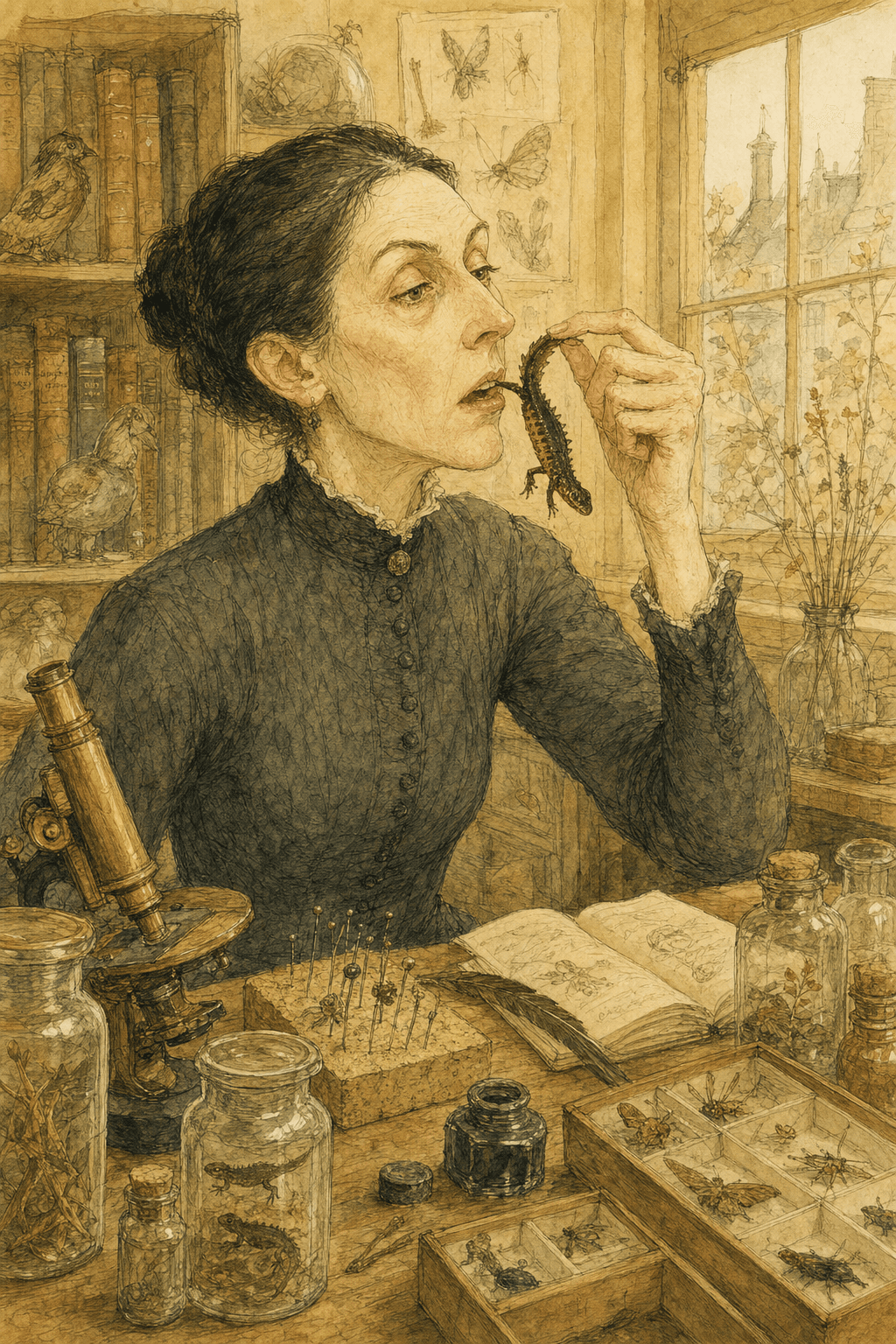
The Newt in Her Mouth
Eleanor Ormerod, the Royal Agricultural Society's consulting entomologist, kept live insect specimens in her pockets and produced them, unannounced, at meetings with farmers.
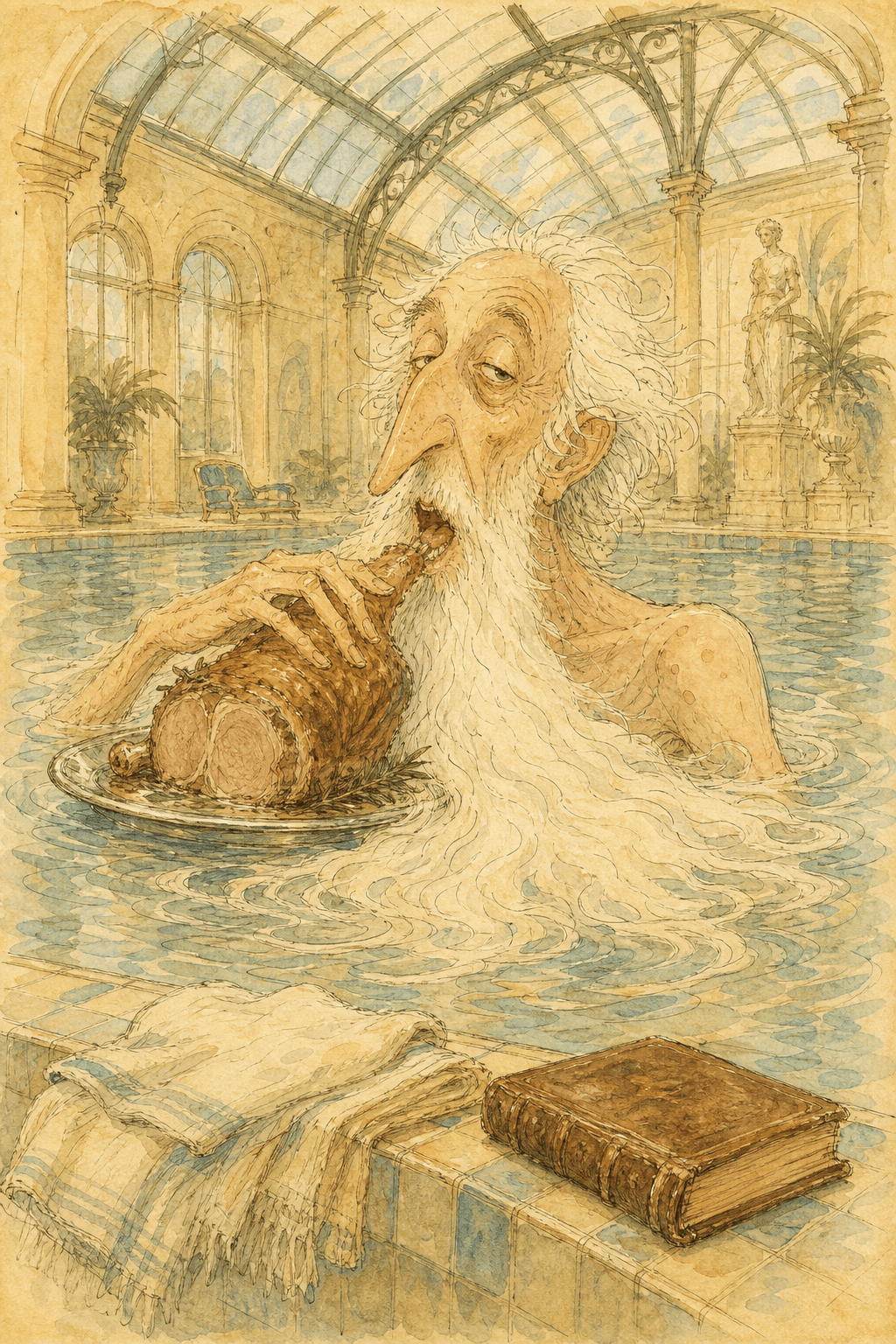
The Baron in the Bath
On rainy mornings, a Georgian peer walked miles to the sea to swim while his liveried footman, on the peer's orders, rode dry in the empty carriage behind him.
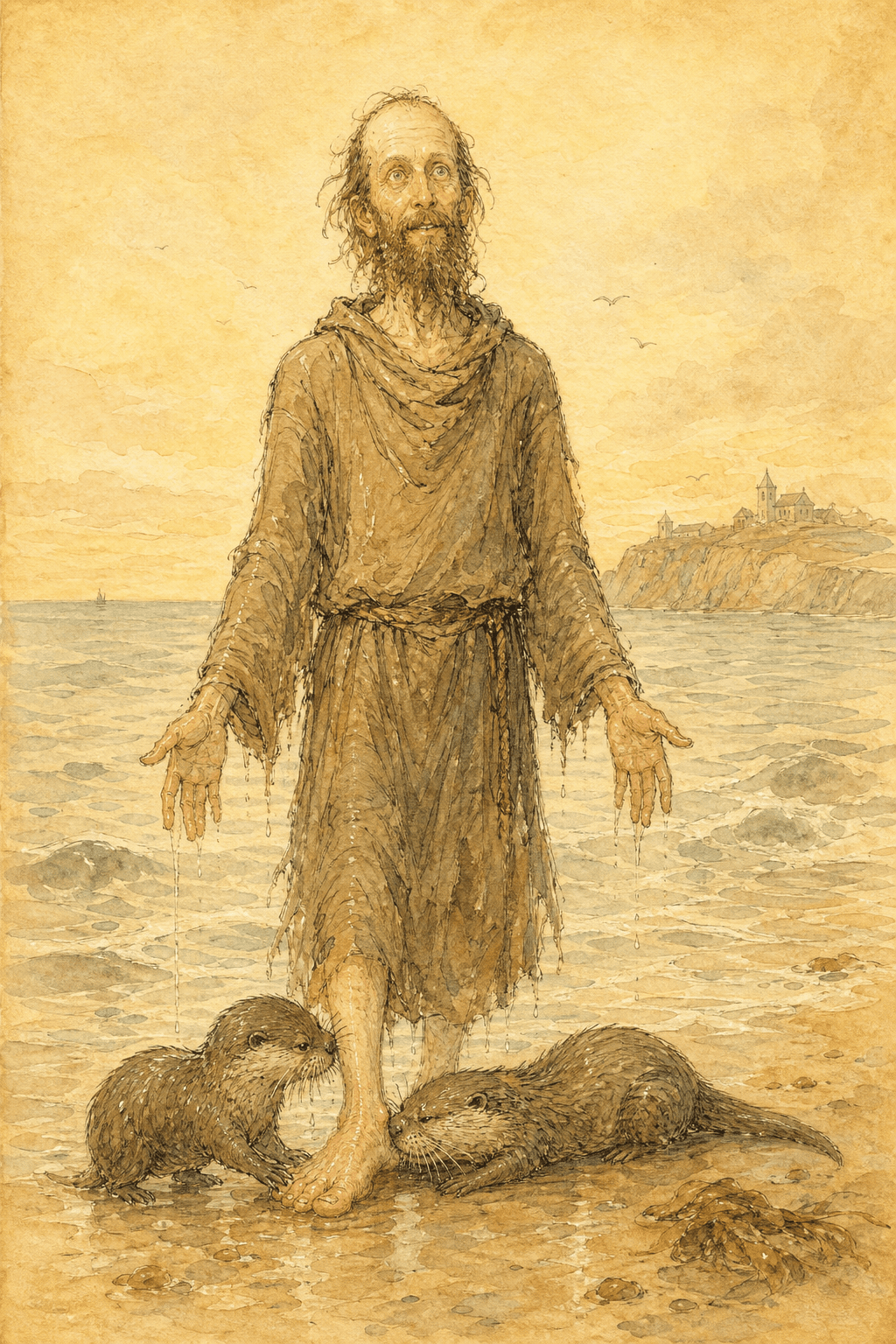
Up to His Neck
He walked into the North Sea at night until the water reached his neck, and sang psalms until dawn.