A cabinet of lovable weirdos
Tiny true stories,
lovingly odd.
Weird science, forgotten history, and human quirks — each one true, each under a minute, each a little stranger than you’d expect.
Latest
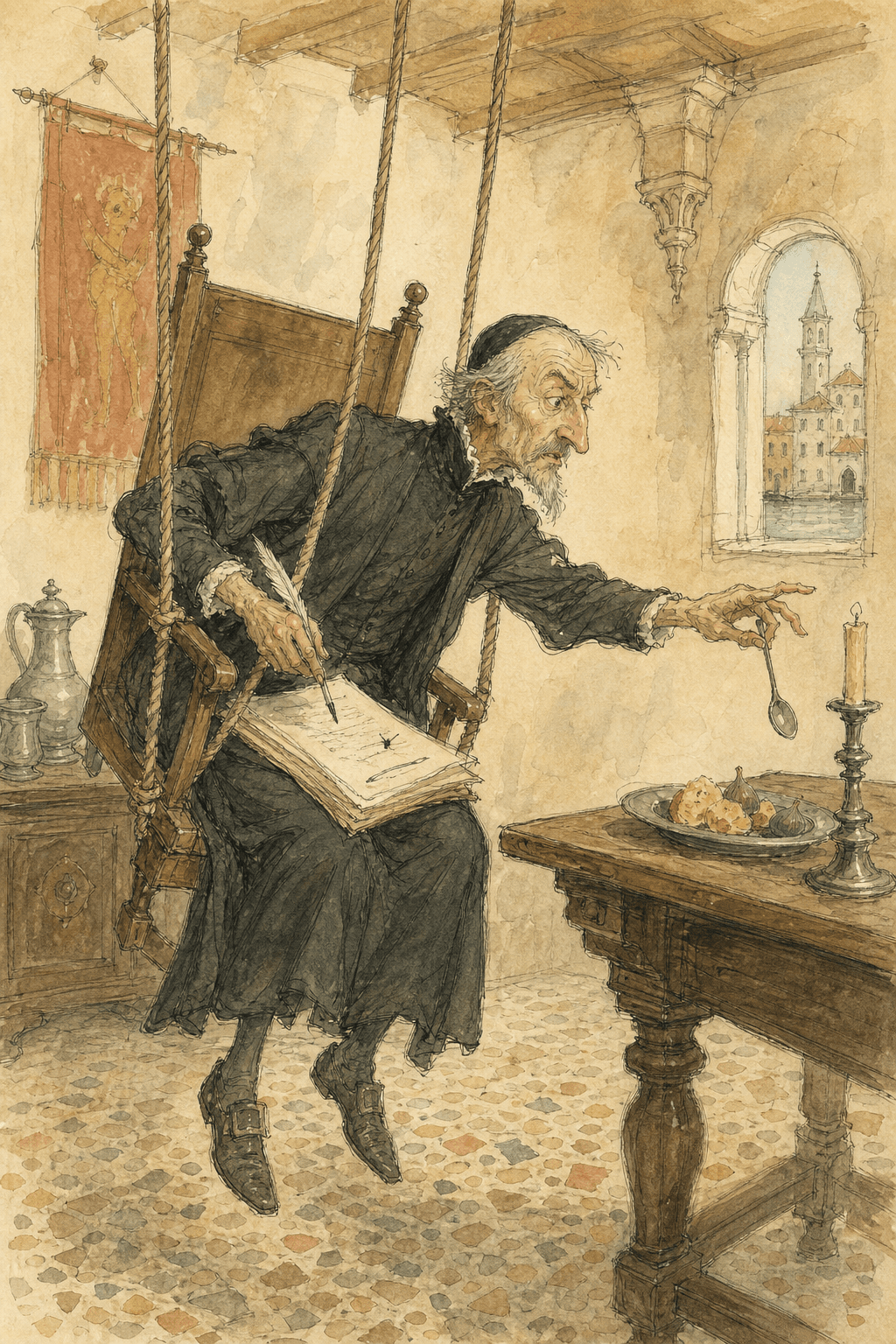
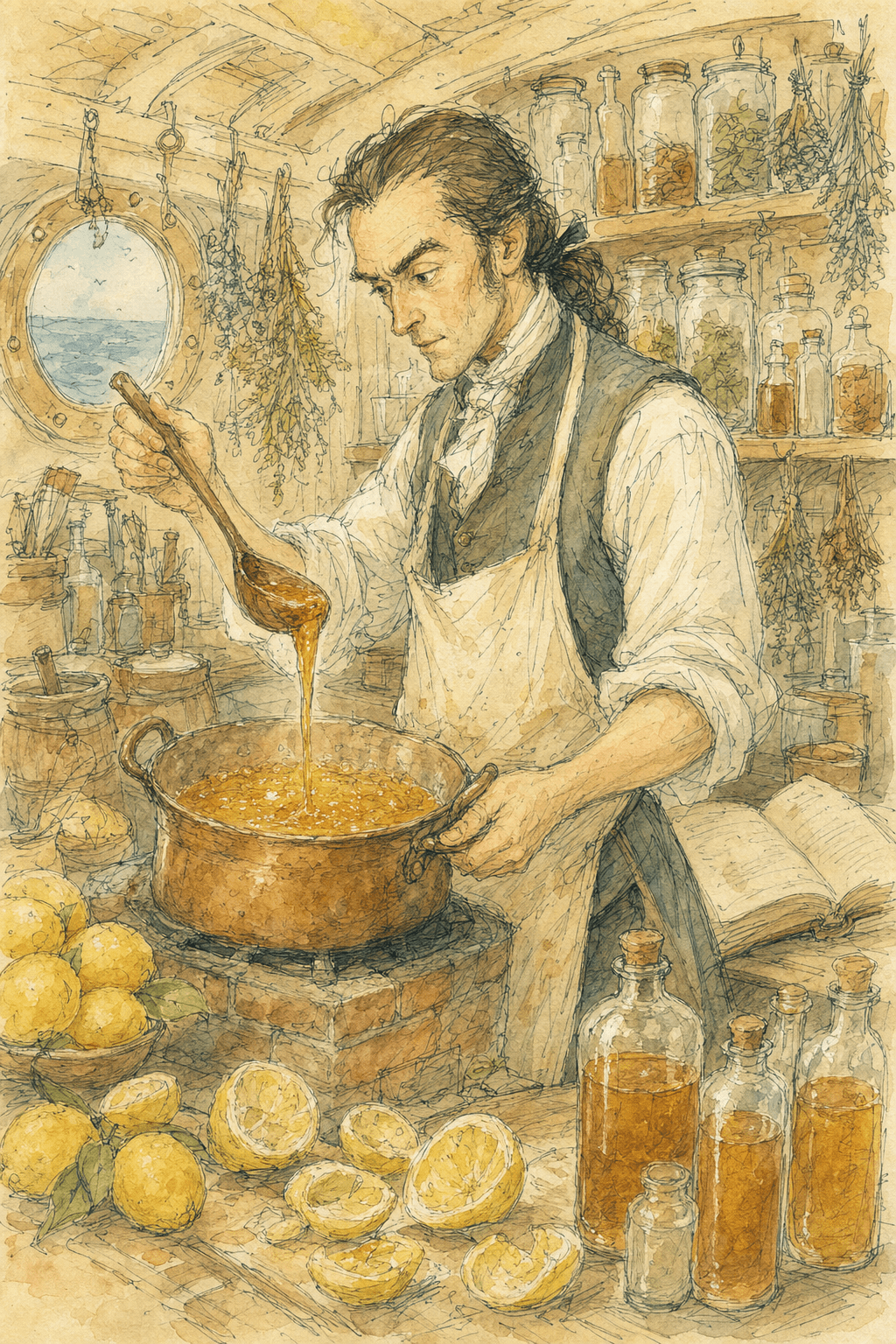
Santorio Santorio
The Chair That Would Not Let Him Eat
What does a Renaissance physician discover when he rigs his dining chair to yank the table away the moment he has eaten his ration?
He weighed his food, his sleep, his feces, and, by his own accounting, his sex life. For thirty years he sat in a chair that took his dinner away. Santorio Santorio, founder of quantitative physiology, discovered that we are all quietly evaporating.
Read this oddlet →
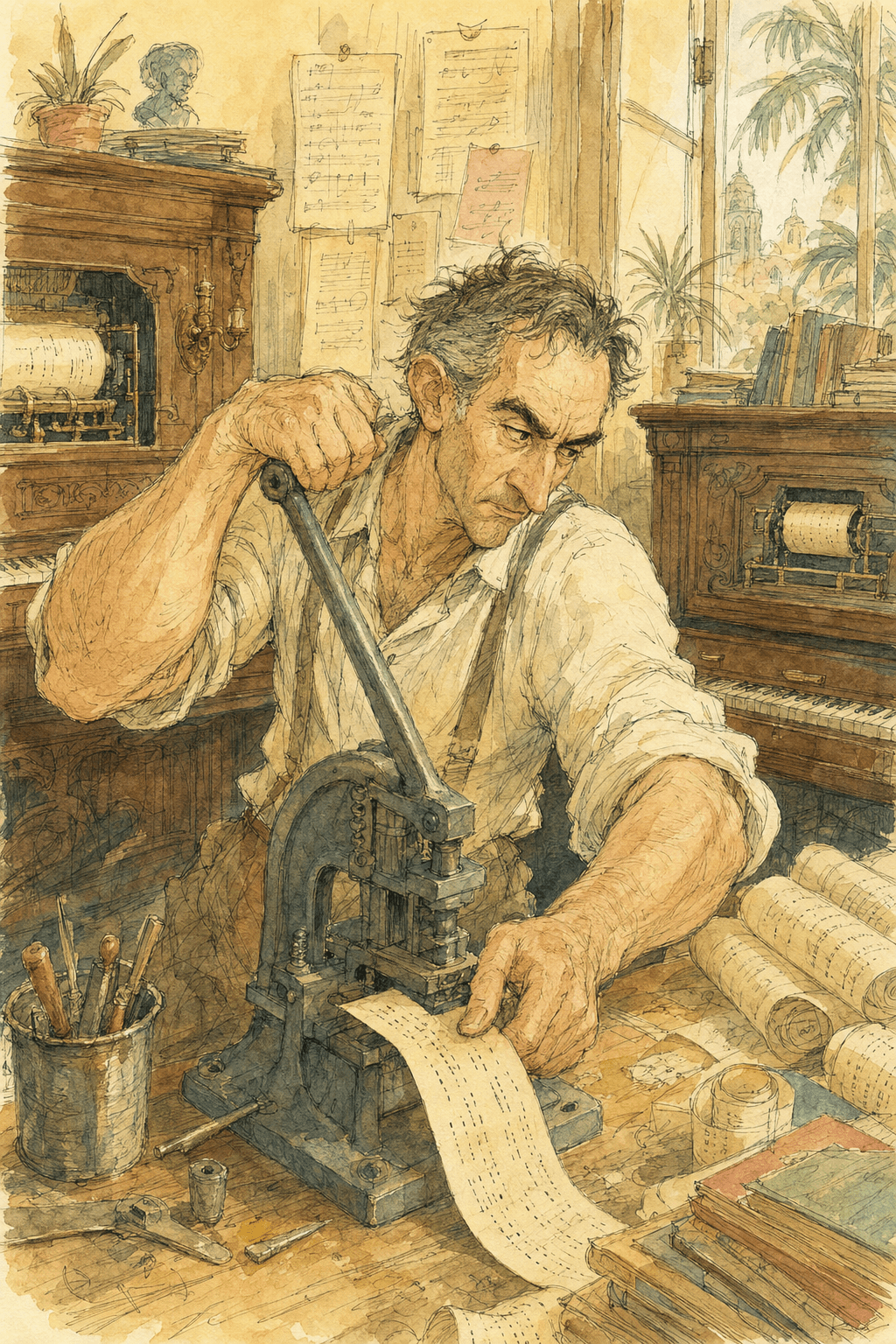
Ten Hours, Ten Seconds
He calculated that ten hours of punching holes produced ten seconds of music, and he kept punching for forty years.
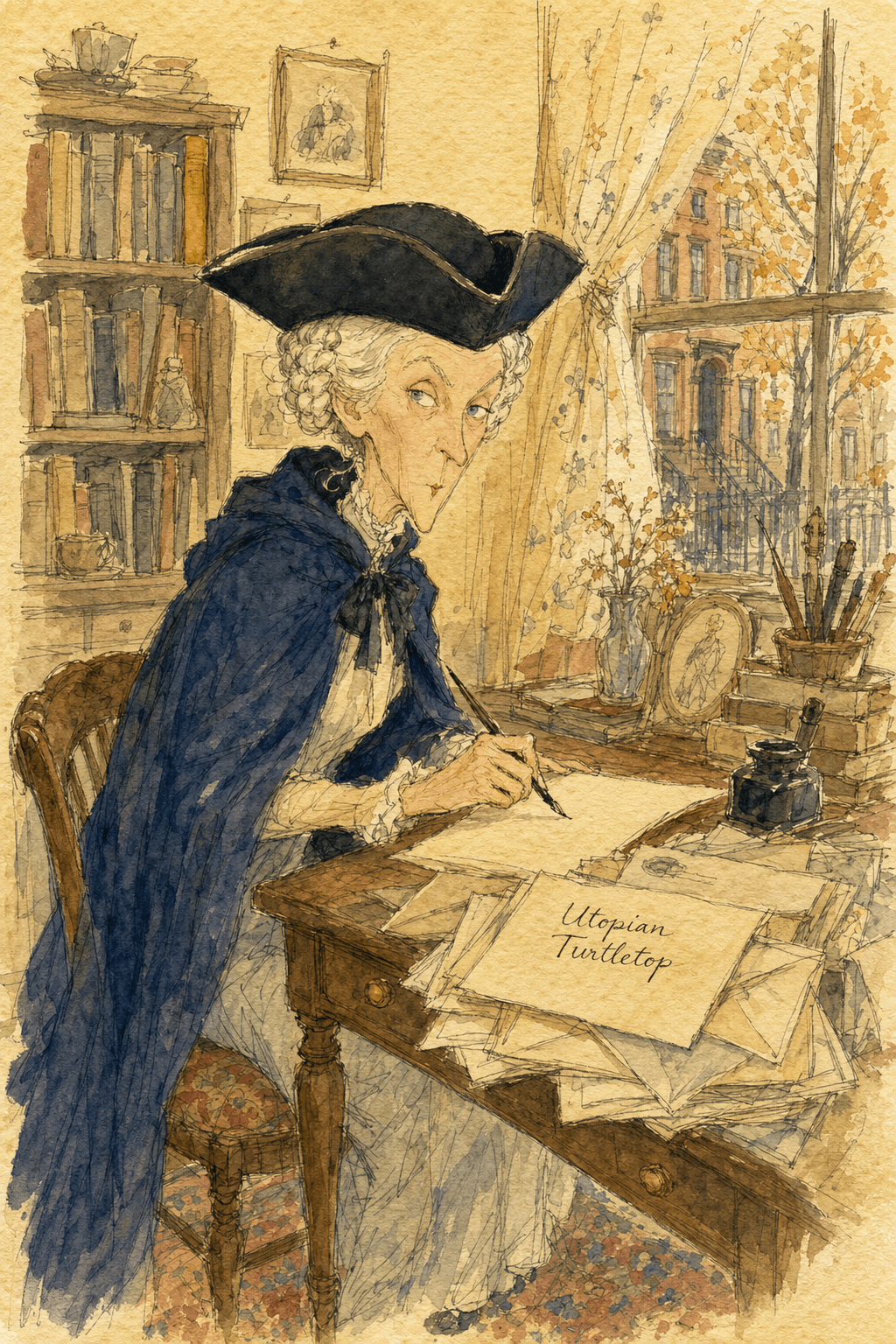
The Poet Ford Hired
What happens when a car company asks a sixty-seven-year-old Pulitzer poet to name their next sedan?
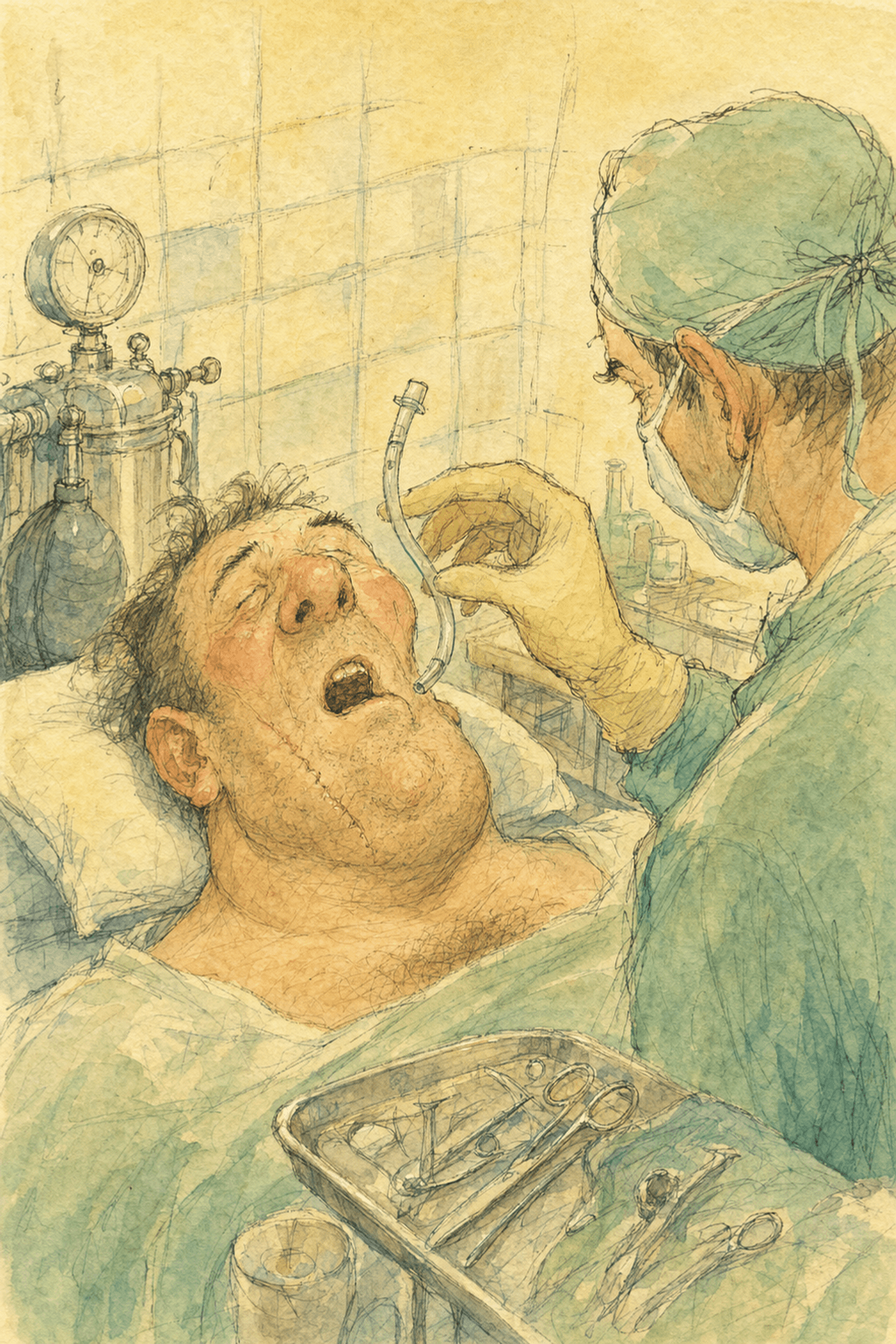
The Same Bone, Twice
What does it take for a state to kill the same man twice, nearly thirty years apart, using the same injury?

Monsieur Le Blanc
What do you do when you're convinced Napoleon's army is about to kill your pen pal mid-proof?